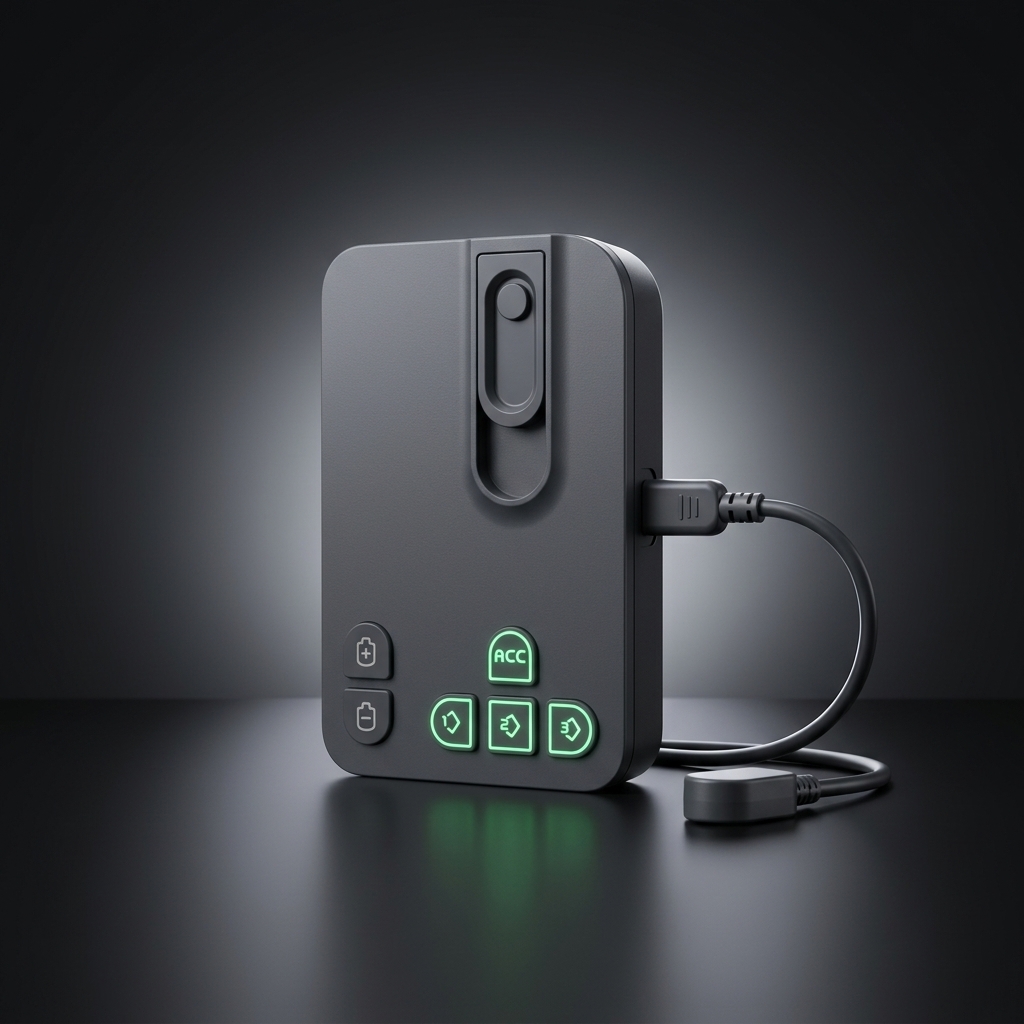
Backlit Hybrid Keypad
Engineered for high actuation cycles, uniform luminance, and harsh-environment IP67 sealing across industrial robotics, cleanrooms, and outdoor automation.
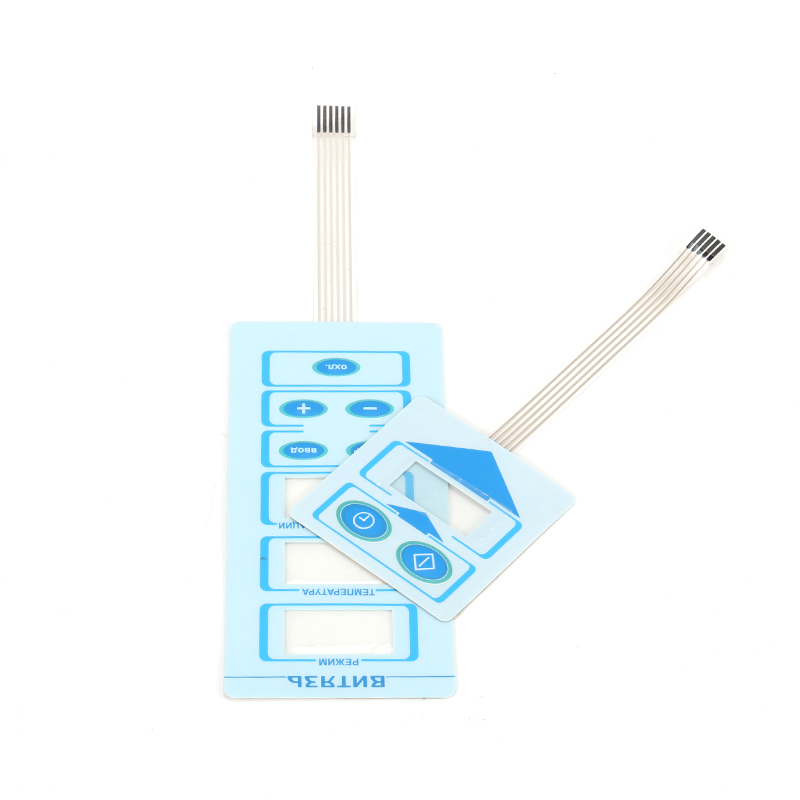
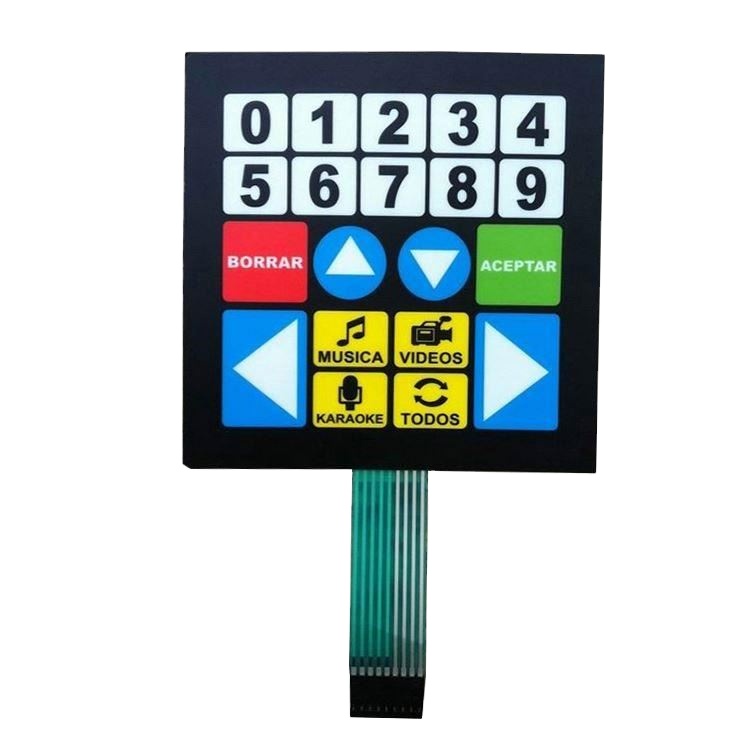
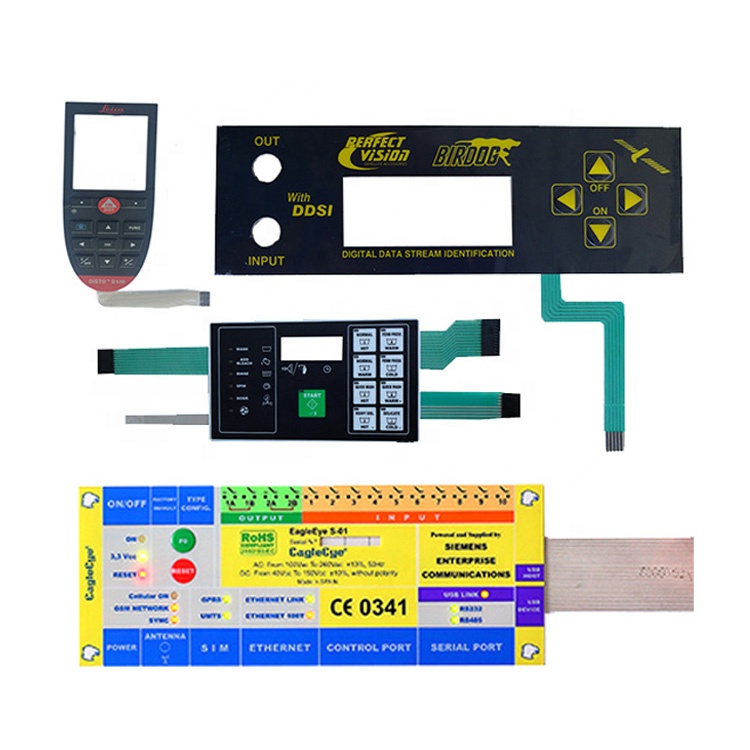
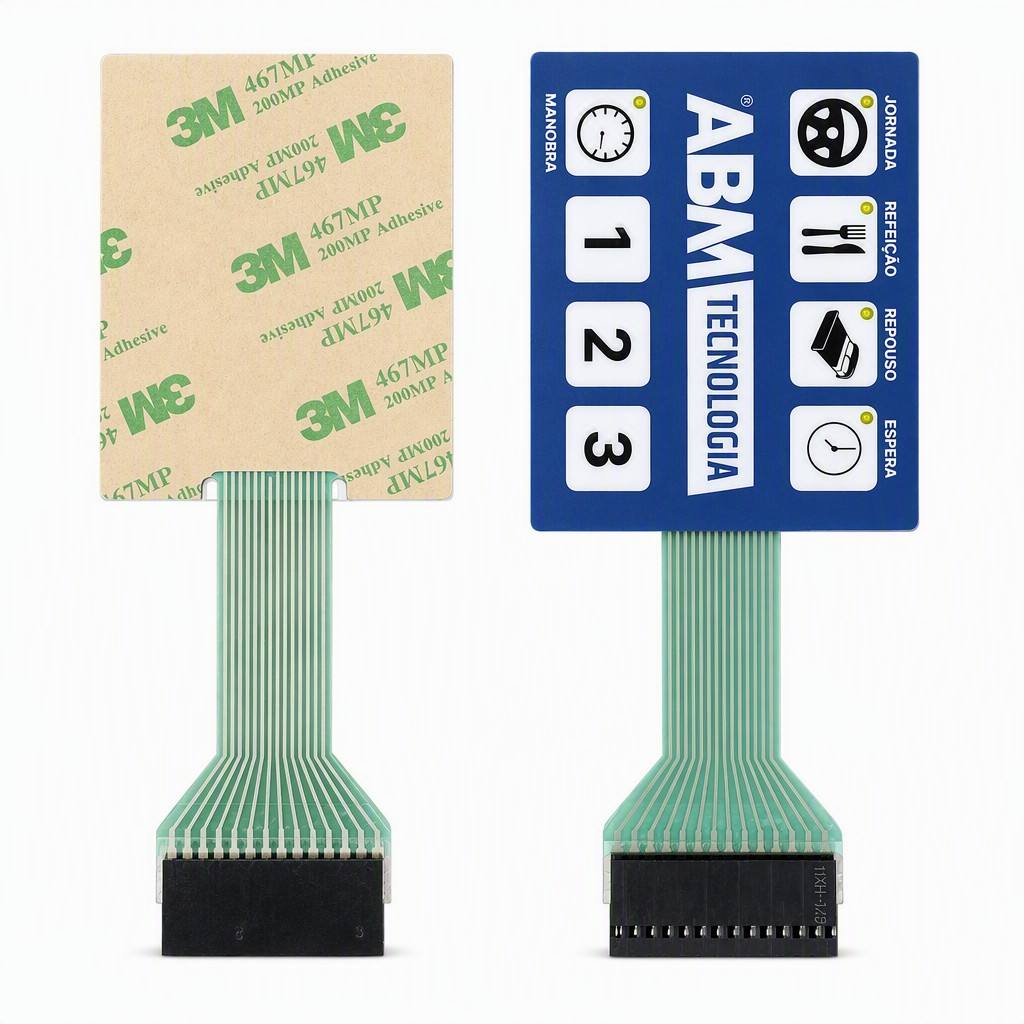
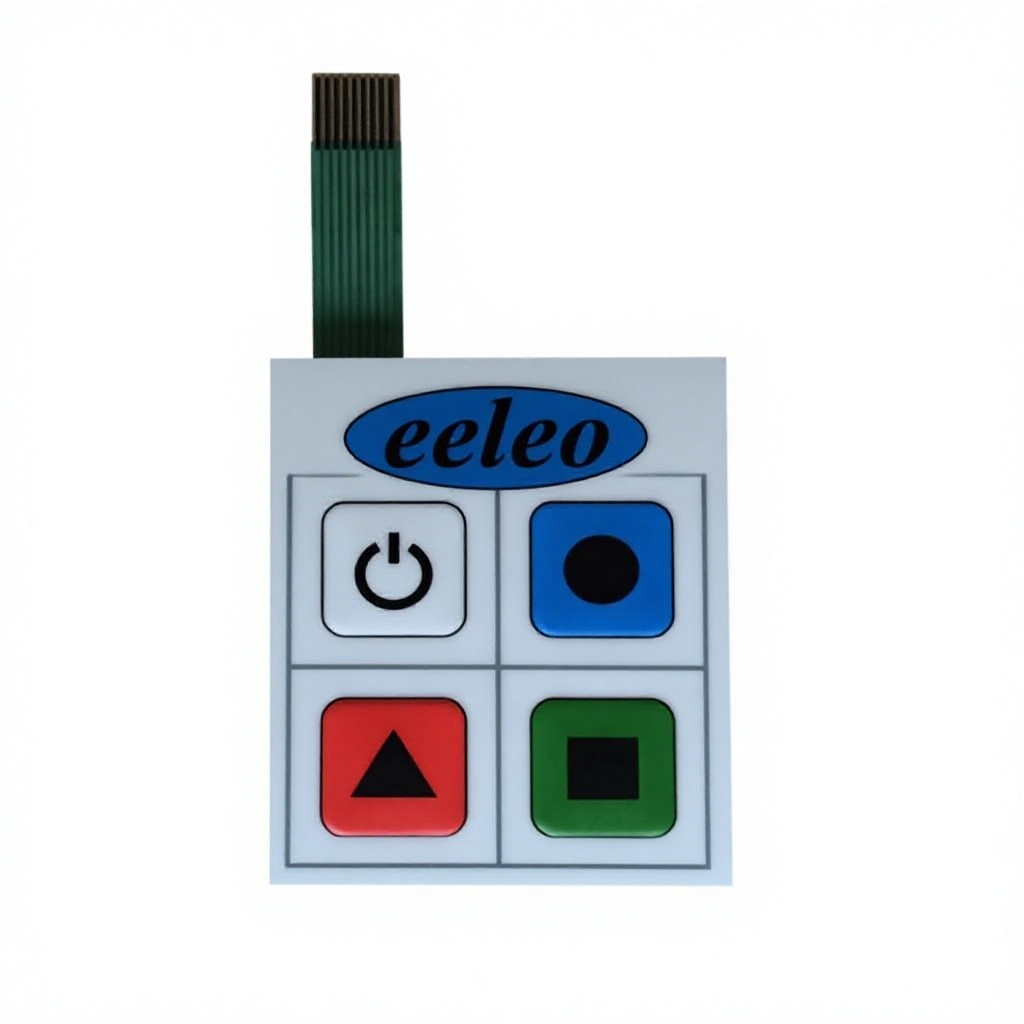
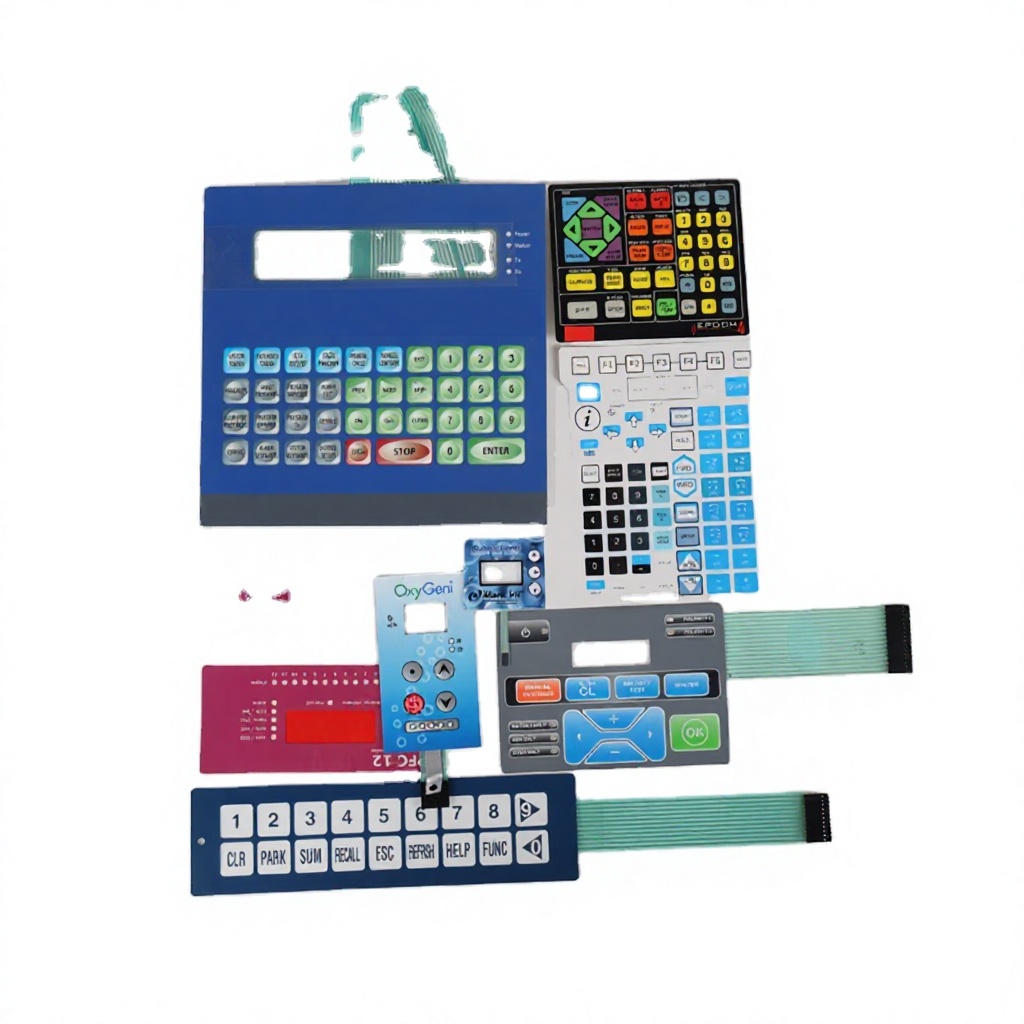
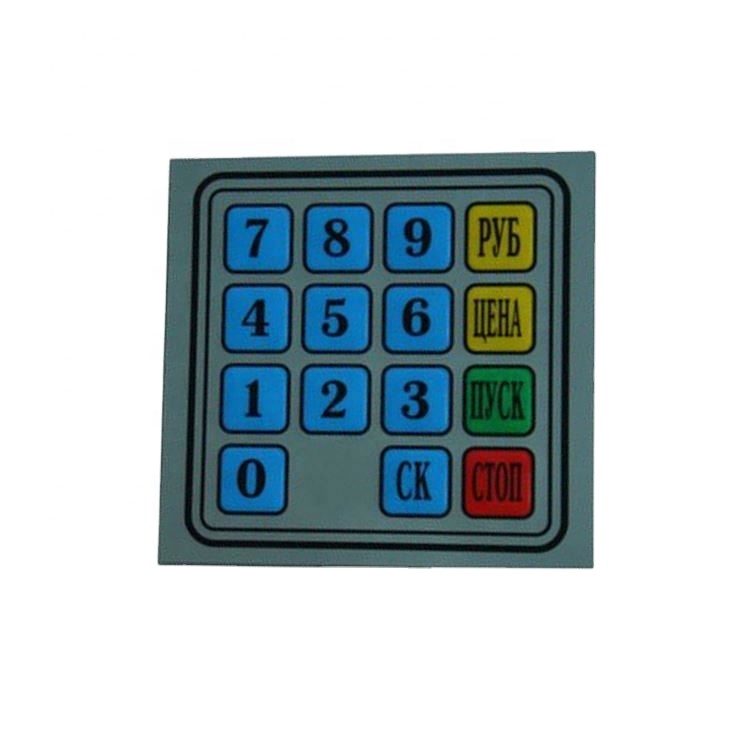
Odense has earned international prestige as Europe's premier robotics and collaborative automation hub. Our direct-from-factory engineering delivers the ultra-low tolerances, electromagnetic resilience, and optical precision required by Syddanmark's top hardware pioneers.
Whether configuring autonomous mobile robots (AMRs) roaming high-throughput distribution hubs, or sterile cleanroom peripherals in the expanding life-science corridor near Odense University Hospital (OUH), the user interface is the critical touchpoint of functional safety and brand identity.
Backlit membrane keypads engineered for Odense must endure rapid actuation cycles, exposure to aggressive disinfectant washdowns (including isopropyl alcohol and quaternary ammonium formulations), and vibration loads typical of mobile drive chasses. Off-the-shelf catalog interfaces inevitably fail under these micro-climates.
ZIRA delivers turnkey Human-Machine Interface (HMI) modules encompassing custom graphic overlays, embedded ultra-thin surface-mount LEDs, precision-machined Light Guide Films (LGF), and custom flex circuits (FPC/PCB) tailored for instant integration into Nordic control housings.
Continuous perimeter gasket bonding using genuine 3M 200MP/300LSE adhesive transfer tapes delivers true IP65 to IP67 ingress barriers against particulate contamination and spray fluids.
Micro-etched light guide plates (LGF) balance illumination across intricate iconography and dead-front emergency indicators, eliminating eye strain during dim factory shifts.
From the world-renowned robotics cluster at Munkebjergvænget to the maritime shipyards and offshore conversion terminals at Lindø port, discover how our custom backlit assemblies perform under real-world Nordic stressors.
Cobot operators demand instantaneous physical confirmation when programming waypoints. We construct teach pendant keypads combining stainless steel snap domes with low-profile side-fire LEDs, allowing crisp tactile feedback even when operators wear protective leather or nitrile gloves.
Odense's growing biotechnology cluster requires clinical human-machine interfaces capable of withstanding constant hospital-grade chemical wipe-downs without aesthetic degradation or circuit moisture ingress.
Operating in the Lindø port and Baltic maritime sectors exposes control systems to saline mist, sub-zero winters, and harsh solar UV degradation. Our outdoor-grade switch designs maintain structural integrity year after year.
Selecting the optimal backlighting mechanism directly impacts current draw, enclosure depth, tactile profile, and bill-of-materials cost. Below is an engineering overview for system architects in Odense.
| Evaluation Parameter | Light Guide Film (LGF) Backlit | Discrete Surface-Mount LED | Electroluminescent (EL) Foil | Silicone Keymat + Fiber Optic |
|---|---|---|---|---|
| Optical Uniformity | Exceptional (Diffusion micro-dots) | Local Hotspots (Requires distance) | Perfect 100% Uniform Field | Very Good (Key-directed) |
| Profile Thickness | Ultra-thin: 0.125mm to 0.25mm | Thick: 0.8mm to 1.6mm cavity | Ultra-thin: 0.20mm to 0.35mm | Moderate to Heavy: 1.5mm - 3.0mm |
| Power Consumption | Low (2 to 6 side-firing LEDs) | Moderate to High (1 LED per key) | High (Requires AC Inverter) | Low to Moderate (Central LED emitter) |
| Tactile Dome Compatibility | Full tactile snap maintained | Requires clear clearance zones | Good tactile feel retained | Cushioned rubber dome actuation |
| Operational Half-Life | 50,000 - 100,000 hours | 50,000 - 100,000 hours | 3,000 - 8,000 hours (Decays) | 50,000 - 80,000 hours |
| Environmental Durability | Resistant to shock & vibration | Vulnerable to solder fatigue | Sensitive to persistent moisture | High resilience against impacts |
| Recommended Odense Use-Case | Cobot pendants & battery AGVs | Static industrial panels & alerts | Low-duty instrumentation | Heavy plant & maritime offshore cabs |
In collaborative robotics and battery-powered Autonomous Mobile Robots (AMRs), thermal emissions and energy budgets are rigorously audited. LGF technology uses ultra-thin (0.125mm) precision-molded polycarbonate film with laser-etched light extraction dots that redirect light from side-mounted 0603 or 0805 SMD LEDs upward through specific graphical legends.
This achieves uniform illumination of multiple keys using just 2 to 4 LEDs, whereas traditional discrete backlighting might require 20 separate emitters. The result: dramatically lower heat generation inside sealed cobot enclosures and a flatter stack-up profile.
Coastal and maritime installations near Odense encounter sustained humidity levels. Conventional silver-printed flex circuits risk dendrite growth (silver migration) when exposed to moisture and continuous DC bias voltages, resulting in short circuits.
ZIRA prevents silver migration by applying full-coverage carbon overcoats over silver conductor tracks and utilizing high-temperature cured dielectric insulation barriers. For extreme mission-critical systems, we seamlessly substitute screen-printed silver circuits with polyimide-based Flexible Printed Circuits (FPC) or rigid FR4 copper boards.
As Industry 5.0 takes root in Denmark, interface engineering is shifting rapidly toward user ergonomics, sustainability, and hybrid sensory interaction.
Engineers in Odense are increasingly replacing mechanical switches with solid-state Indium Tin Oxide (ITO) or conductive PEDOT capacitive sensors behind seamless glass or polyester. To maintain tactile feedback for safety-critical inputs, designers pair capacitive sensing with tactile perimeter emergency stop rings.
Danish procurement managers demand rigorous compliance audits. Sourcing from China requires full documentation for RoHS 3 (Directive 2015/863/EU) and REACH (EC 1907/2006) Candidate List SVHCs. Our materials are fully cataloged, halogen-free, and paired with third-party testing documentation from Intertek.
Danish companies balance high domestic labor costs by outsourcing membrane switch and sub-assembly manufacturing directly to verified Tier-1 Chinese factories. Receiving complete tested modules—featuring housings, connectors, and keypads assembled—allows Odense plants to focus purely on core software and final robotics integration.
Addressing engineering specifications, sample prototyping, NRE tooling, and European logistics.
With an unbroken manufacturing history since 1996 in Ningbo, China, Zhejiang ZIRA Membrane Switch Co., Ltd. operates as a verified direct-manufacturing powerhouse, trusted by industrial leaders including ABB and Emerson.
Our production facilities, testing laboratories, and legal credentials are fully verified on-site by Intertek international inspection auditors.
Our senior R&D engineering unit conducts a Design-for-Manufacturability (DFM) review on every drawing within 24 hours, catching stack-up and routing errors early.
Every switch undergoes thorough electrical continuity testing, insulation resistance validation, and key force verification before leaving our Ningbo facility.
With 5 dedicated modern production lines across 3,000–5,000 m² of cleanroom floor, up to 50% of our capacity ships directly to Western Europe and North America.
Upload your mechanical 2D/3D drawings, pin-out schematics, or color specifications. Our application engineers will return a complete DFM proposal, layer stack-up recommendation, and transparent quotation within 24 hours.
