Featured Industrial & Medical HMI Interface Solutions
Engineered for extreme operating environments. Verified 100% electrical continuity, hermetic perimeter seals, and antimicrobial barrier integration conforming to ISO 22196, JIS Z 2801, RoHS, and REACH international standards.
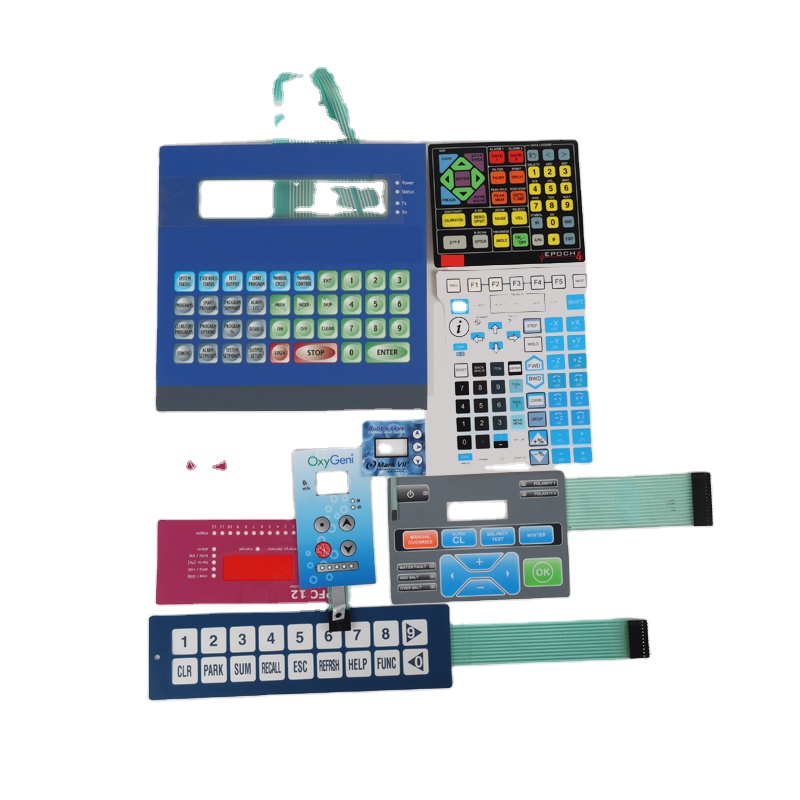
Custom Membrane Switch Medical Device Keypad Durable Medical Grade Polyester PET Compliant RoHS REACH 3M Adhesive Backing 2.54mm
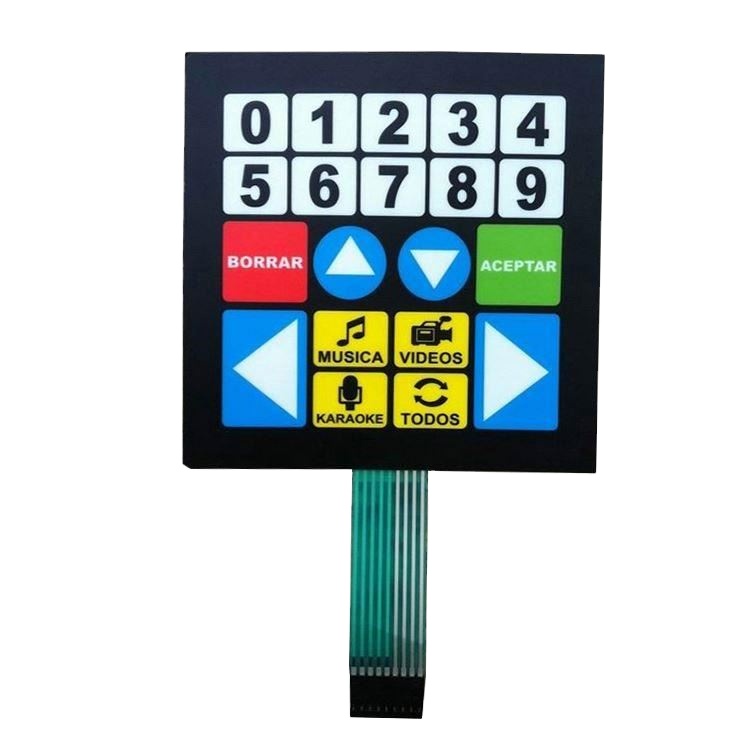
OEM ODM Custom Membrane Switch Keypad, PET PC Graphic Overlay Tactile Push Button Membrane Switch for Industrial Control Panel
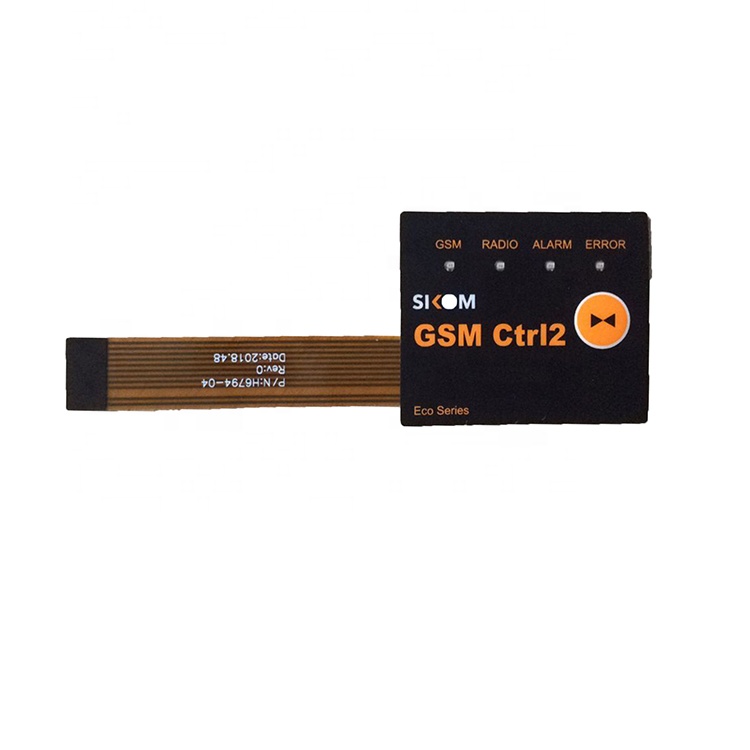
RoHS Compliant Industrial Membrane Push Button Switch Custom Tactile Membrane Keypad Switch for Medical Instrument Control Panel
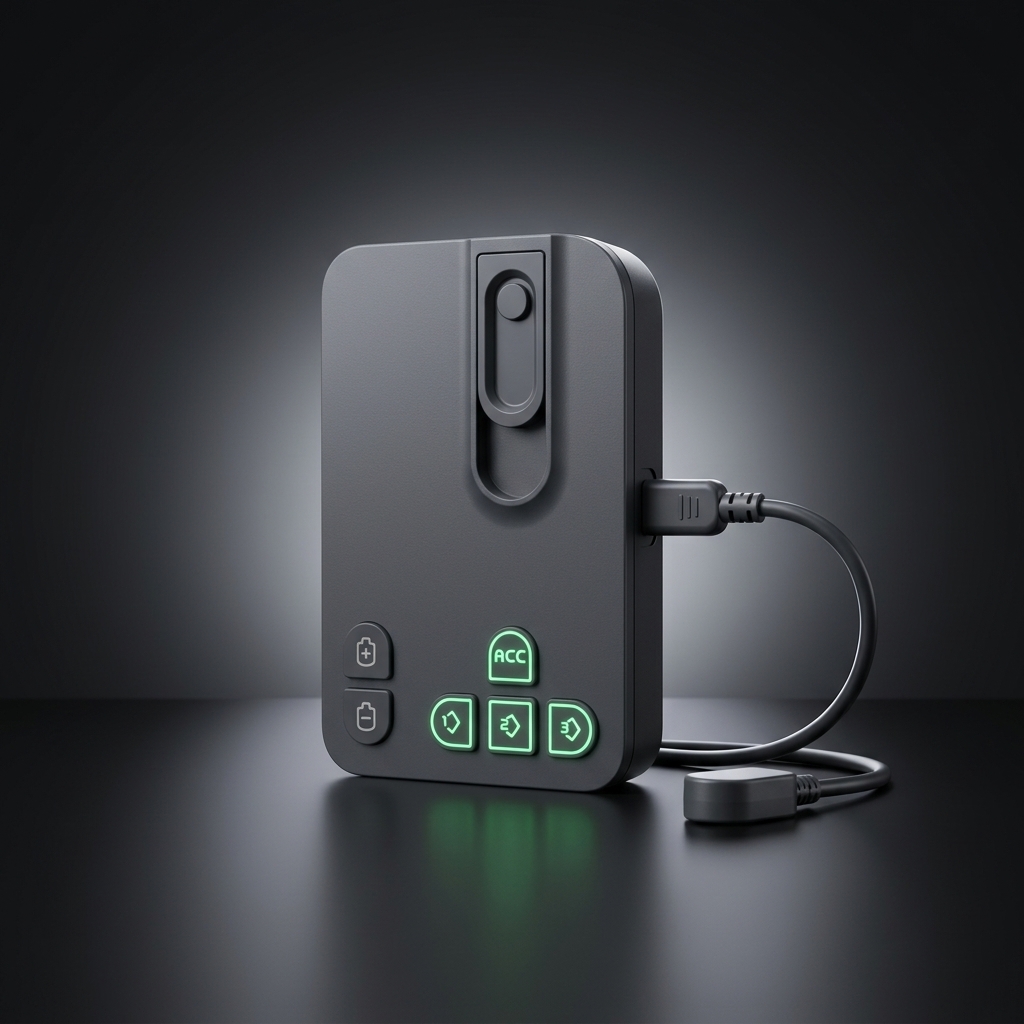
Custom Backlight Silicone Membrane Keyboard Switch EL LED OEM ODM Wholesale Uniform Light Guide All Materials RoHS
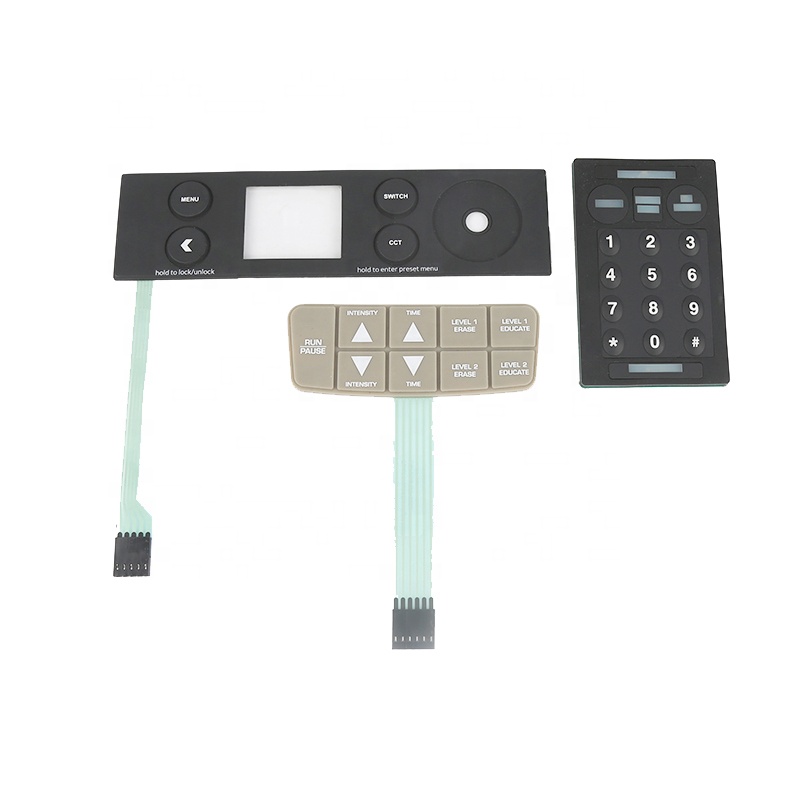
Customize High Sensivity Metal Dome 3M Adhesive Medical Membrane Switch
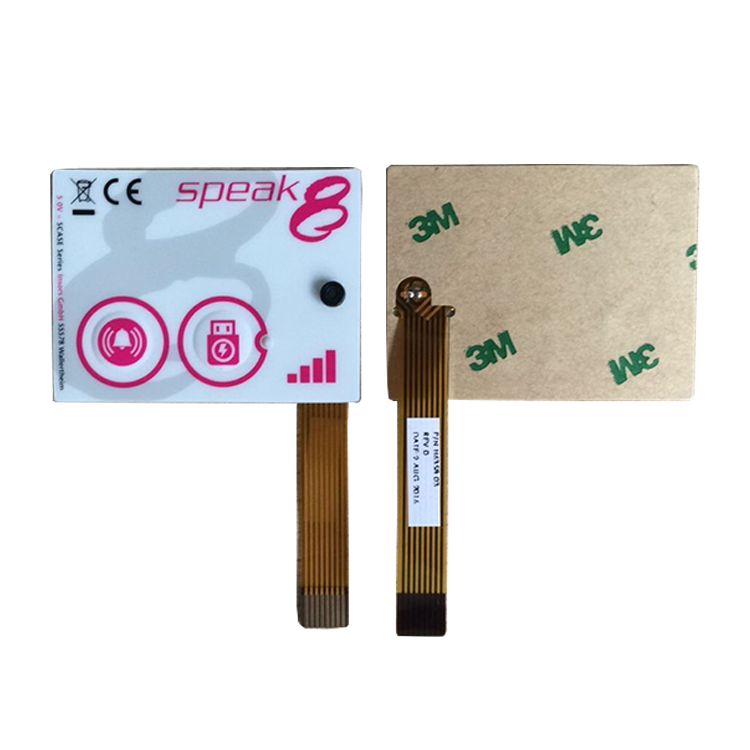
Custom Silk Screen Printing Membrane Switch Flexible Thin Film Keypad Push Button Switch for Household and Medical Equipment
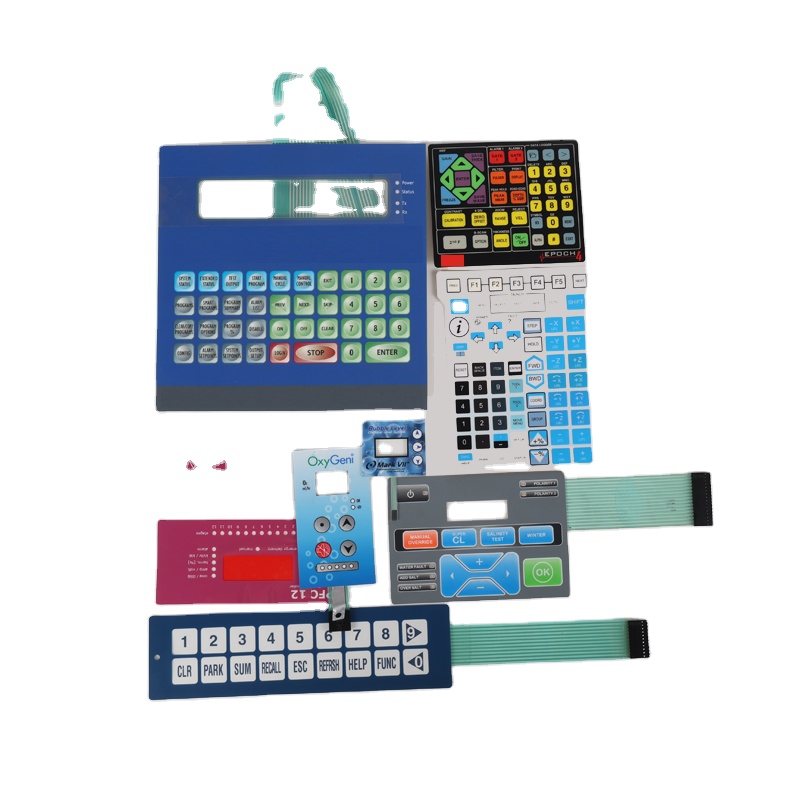
Waterproof Flexible Circuit Membrane Switch for Medical Equipment Membrane Switch
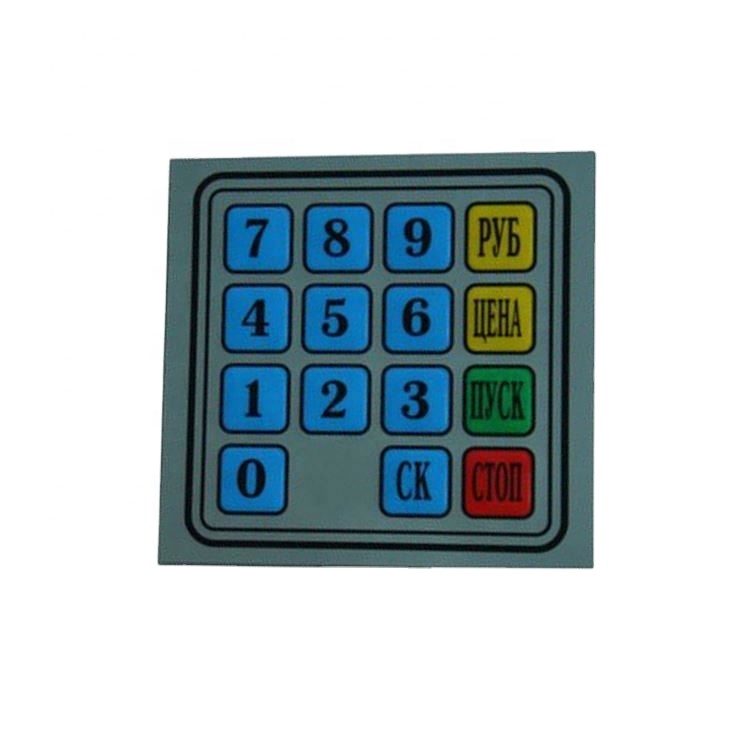
Hoee Factory Membrane Switch Keypad with Rubber Buttons 4*4/1*4/3*4/4*5 Layout MCU Expansion DIY Electronic Keyboard
Engineering Antimicrobial Graphic Overlays for High-Humidity Marine Environments
The procurement landscape for Human-Machine Interfaces (HMI) across the Eastern Caribbean basin—and specifically within the commercial, clinical, and logistics hub of Castries, Saint Lucia—demands a fundamental departure from standard consumer-grade touch surfaces. Graphic overlays deployed in Castries face a tri-fold degradation vector: tropical relative humidity consistently ranging between 75% and 92%, aggressive atmospheric sodium chloride (saline) precipitation from the Saint Lucia Channel, and persistent bio-burden in high-traffic clinical and logistics terminals.
Standard polycarbonate (PC) graphic films degrade rapidly under chronic ultraviolet exposure, developing micro-fissures and yellowing within 18 months, which compromises both aesthetic clarity and surface cleanability. In contrast, modern industrial antimicrobial graphic overlays leverage premium biaxially-oriented polyethylene terephthalate (PET) films (such as Autotex AM or proprietary inorganic-doped polyesters). Rather than relying on superficial topical biocides that wash away during hospital-grade sanitization, these advanced substrates integrate active silver ion (Ag+) technology uniformly throughout the micro-textured hardcoat during the extrusion and chemical primer phase.
Furthermore, in Castries' coastal marine context, copper and silver circuit traces within membrane keypads are highly susceptible to electrochemical dendritic migration under humid bias voltage. Quality fabrication necessitates comprehensive sub-surface screen printing using non-porous conductive silver polymer thick films, fully encapsulated by printed dielectric crossover barriers and 3M 467MP/468MP acrylic adhesive transfer tapes. An unbroken perimeter gasket ring prevents moisture ingression, achieving an IP67 rating that permanently protects internal metal snap domes and LED junctions against corrosive salt fog.
Top 10 Antimicrobial Graphic Overlay Factories & Exporters Serving the Castries Market
Evaluated by engineering rigor, biocidal material authenticity, cleanroom quality standards, and export logistics efficiency to Port Castries.
Zhejiang ZIRA Membrane Switch Co., Ltd. (ZIRA HMI)
Nelson-Miller, Inc.
GGI Solutions (Groupe GGI)
Cixi Membrane Keypad Manufacturing Cluster
XYH Interface Technologies
Lustre-Cal Corporation
Dyna-Graphics Corporation
RSP Inc.
Epec Engineered Technologies
Pannier Graphics
Technical Comparison of Leading HMI Exporters for Castries Sourcing
Direct parameters comparing material grade, biocidal longevity, ingress protection, and procurement logistics.
| Manufacturer / Cluster | Primary Antimicrobial Substrate | Biocidal Verification | Adhesive System | Ingress Rating | Est. Ocean Freight to Castries |
|---|---|---|---|---|---|
| ZIRA (Zhejiang ZIRA Co.) | Autotex AM / Biocidal Micro-PET (0.15–0.20mm) | ISO 22196 / JIS Z 2801 (>99.9%) | 3M 467MP / 468MP / 300LSE | IP65 / IP67 Hermetic | 30–35 Days (Ningbo → Port Castries) |
| Nelson-Miller | Medical Grade Textured Polyester | ASTM E2180 / ISO 22196 | 3M High-Performance Acrylic | IP65 Sealed | 14–20 Days (US Hub → Castries) |
| GGI Solutions | Silver-doped Hardcoated PET | ISO 22196 Certified | 3M / Adhesive Research | IP66 Rated | 16–22 Days (Montreal/MIA → SLU) |
| Cixi Cluster | Standard Polycarbonate / PET Mix | Factory Lab Standard | Crown / Generic Acrylic | IP54 Standard | 32–38 Days (China → Port Castries) |
| XYH Technologies | Anti-glare Hardcoated PET | JIS Z 2801 Equivalent | 3M 467MP | IP65 Rated | 30–35 Days (Shenzhen → Castries) |
| Lustre-Cal | Fluoropolymer / Hardcoat PET | MIL-STD-810H / Chemical Test | High Tack Acrylic | IP66 Rated | 14–18 Days (US Direct Air/Sea) |
| Dyna-Graphics | Microbial-resistant Silicone / PET | FDA / ISO Compliance | 3M 200MP Series | IP65 Sealed | 15–20 Days (West Coast → Castries) |
| RSP Inc. | Treated Autotex PET | ISO 22196 Verified | 3M 467MP / 3M 300LSE | IP65 Rated | 20–28 Days (Combined Routing) |
| Epec Technologies | Medical-grade Bio-PET / FPC | ISO 13485 Controlled | VHB / 3M High Temperature | IP67 / IP68 Rated | 14–18 Days (East Coast → Castries) |
| Pannier Graphics | Clear Hardcoat Mod-Poly | Anti-microbial Surface Seal | Structural Acrylic | IP54 Enclosure | 15–22 Days (US Domestic → SLU) |
Critical Operating Scenarios Across Saint Lucia & the Castries Basin
Addressing concrete operational realities where surface hygiene, corrosion resistance, and moisture sealing are non-negotiable.
Clinical & Hospital Automation
At healthcare facilities such as Owen King European Union (OKEU) Hospital and regional Castries wellness centers, diagnostic equipment and patient monitoring terminals face continuous chemical wipe-downs. Antimicrobial overlays with continuous sub-surface printing prevent blood, iodine, and harsh quaternary disinfectants from penetrating the switch layer, halting hospital-acquired pathogen transmission.
Maritime Logistics & Port Castries
Port Castries handles extensive international freight and cruise transit. Harbor crane controls, reefer container monitoring consoles, and bunkering pumps operate directly in coastal salt spray. Overlays utilizing 3M 300LSE adhesive and IP67 perimeter silicone gaskets ensure that salt aerosol cannot initiate galvanic trace corrosion or snap dome fatigue.
Agro-Processing & Rum Distilleries
Saint Lucia's premium rum distilleries and fruit processing plants utilize high-temperature washdown protocols. Graphic overlays on bottling lines and fermentation control panels must resist high ambient humidity, hot water spray, alcohol vapor splash, and organic sugar-induced mold proliferation, maintaining crisp tactile feedback across millions of actuations.
Marine Vessel & Yacht Consoles
Operating out of Castries Marina and Rodney Bay, marine navigational consoles, watermaker pump switches, and outboard engine monitors require UV-stabilized PET overlays. Anti-glare micro-textures prevent sun washout while silver ion additives prevent surface mold and bacterial film accumulation during prolonged tropical wet seasons.
Public Service & Hotel Kiosks
Saint Lucia's prime tourism infrastructure requires thousands of guest-facing touchpoints: automated check-in kiosks, digital elevator interfaces, and beachside access control keypads. Biocidal overlays drastically curb viral transmission between international visitors while resisting sunscreen oils, chlorinated water, and sand abrasion.
Commercial Power & Water Utilities
Substation switchboards and desalinization pumping HMIs across Castries demand uninterrupted tactile responsiveness. Utilizing sealed stainless steel metal domes with gold flash plating ensures low contact bounce (<5ms) and prevents oxidation of contact pads under high condensing humidity cycles.
Caribbean Market Trends Shaping HMI Procurement (2025–2030)
The Caribbean Community (CARICOM) and Saint Lucia's Department of Infrastructure are driving modernized standards for industrial, municipal, and healthcare infrastructure. Three primary trends define procurement strategies for graphic overlays and membrane keypads entering Castries over the next decade:
1. Shift from Topical Biocidal Sprays to Inherent Ag+ Polymers: Historically, facility engineers in Castries relied on periodic post-installation chemical sanitizing sprays. However, high relative humidity and salt air cause these coatings to flake, creating rough micro-crevices that actually harbor pathogen colonies. Engineering tenders now mandate embedded silver-ion polymer films conforming to ISO 22196. The biocide is physically locked within the resin matrix, functioning indefinitely without environmental leaching.
2. Adoption of Hybrid Tactile-Capacitive Surfaces: Operators in Castries processing plants frequently wear heavy nitrile, latex, or industrial work gloves. While pure projected capacitive (PCAP) glass touchscreens often misread or fail when splashed with ocean spray or processing fluids, hybrid membrane switches combine embossed tactile snap domes with perimeter capacitive touch sensors. This gives operators tactile "click" confirmation while maintaining an entirely flat, easily disinfected exterior facade.
3. Direct-from-Factory Transshipment Over US Broker Markups: Local electronic assemblers, telecom providers, and engineering contractors in Castries have historically procured replacement membrane switches through Florida-based third-party distributors, enduring 40% to 70% middleman markups and extended supply chain friction. Forward-looking procurement directors now partner directly with certified Chinese manufacturing facilities—such as ZIRA—leveraging direct sea freight consolidation into Port Castries via international container carriers, securing factory-direct pricing, custom DFM support, and verified batch test reports.
Why ZIRA is the Premier Engineering Partner for the Castries Basin
With an unbroken manufacturing heritage extending back to 1996 in Ningbo, Zhejiang, Zhejiang ZIRA Membrane Switch Co., Ltd. represents the pinnacle of Chinese precision engineering. As an Intertek Onsite-Verified Supplier, ZIRA combines heavy manufacturing volume with artisan-grade DFM (Design for Manufacturability) customization:
Proven Tier-1 Supply Authority
ZIRA has long-standing cooperation supplying mission-critical interface components to global industrial giants including ABB and Emerson. Our panels control high-voltage switchgear, medical analytical devices, and offshore power modules across North America, Europe, and Latin America.
100% Comprehensive Electrical Testing
Zero field failures is our quality mandate. Every membrane keypad produced undergoes 100% automated electrical checks: loop resistance, insulation resistance (>100MΩ at 250V DC), contact bounce time, tactile snap ratio verification, and pinout continuity prior to packaging.
Full In-House Tooling & Printing Lines
Operating 5 specialized production lines equipped with automatic high-precision screen printers, precision laser cutting, hydraulic embossing, and dust-free lamination tables. We handle design, tooling, embossing, assembly, and testing completely in-house with no subcontracting risk.
Castries Engineering & Sourcing FAQ
Clear, technically accurate answers to the most common inquiries from procurement specialists in Saint Lucia.
How do antimicrobial graphic overlays survive Castries' tropical saline climate without delaminating?
What international testing standards verify the biocidal claims of your overlays?
What are the typical sea and air freight logistics timelines into Port Castries?
Can we order custom prototypes in low volumes before committing to mass production?
What file formats and engineering data are required to initiate an inquiry?
How do your graphic overlays tolerate aggressive medical cleaning agents?
Upgrade Your HMI Interfaces with Tropicalized Antimicrobial Technology
Connect directly with our engineering team for instant technical consultations, layer stack-up proposals, and competitive factory-direct quotations for the Castries and wider Caribbean markets.
