High-Reliability Tactile PCB & Thin-Film Assemblies
Direct-to-market solutions engineered for severe environments, high cycle counts, and precision tactile actuation across Andorran industrial, automation, and clinical systems.
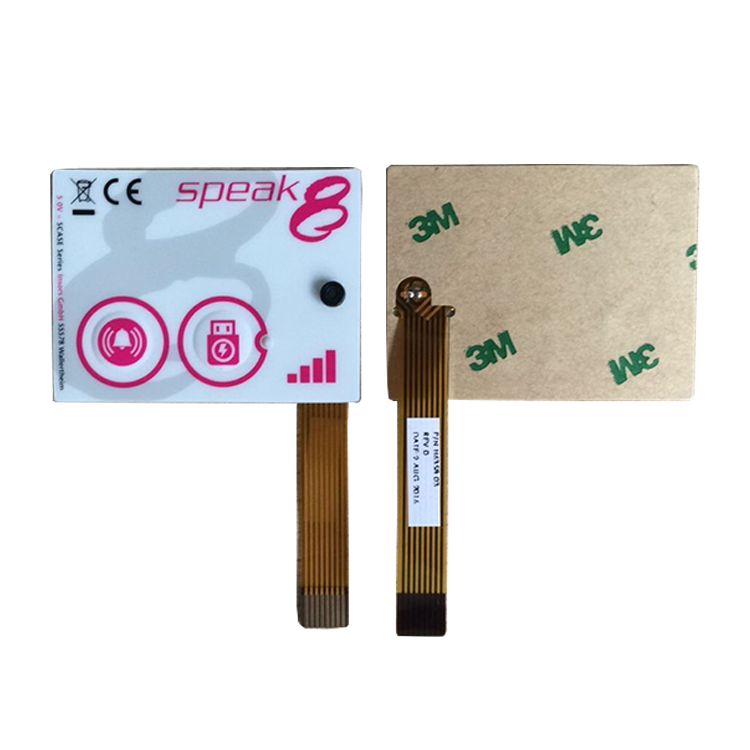
Custom Silk Screen Flexible Membrane Switch Keypad
Multi-layer precision screen-printed silver circuitry with anti-microbial textured PET overlay. Designed for laboratory instrumentation and clinical diagnostics.
Custom LED EL Backlit Membrane Switch Keypad
Integrated Light Guide Film (LGF) and surface-mount LEDs providing balanced, glare-free night illumination for outdoor alpine terminals and security interfaces.
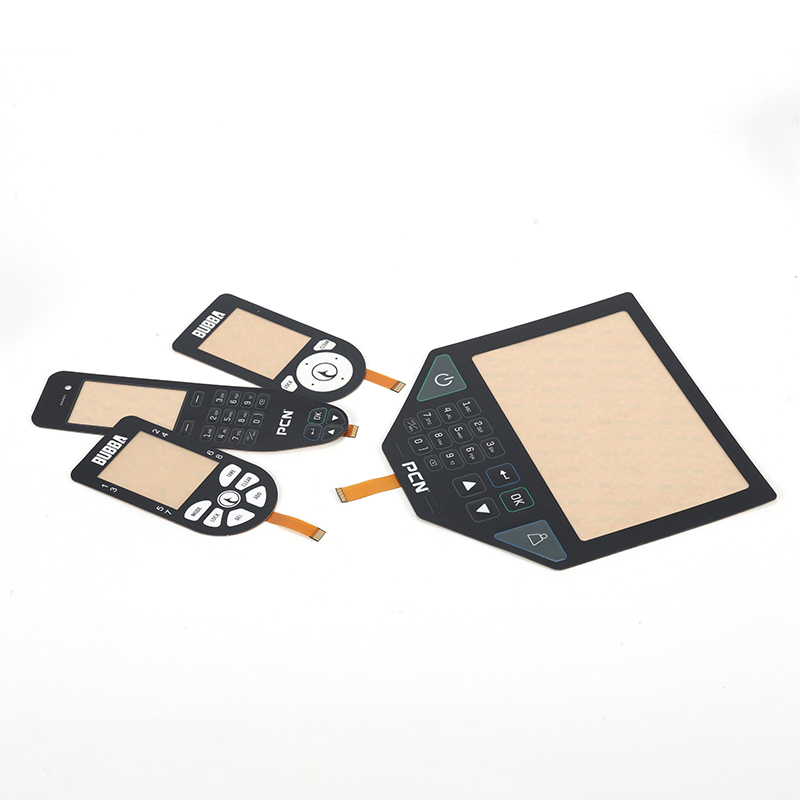
Customized FPC Membrane Keypad Switch With Shielding
Polyimide flex circuit with continuous aluminum/carbon grounding layer, attenuating electromagnetic interference in high-voltage industrial automation panels.
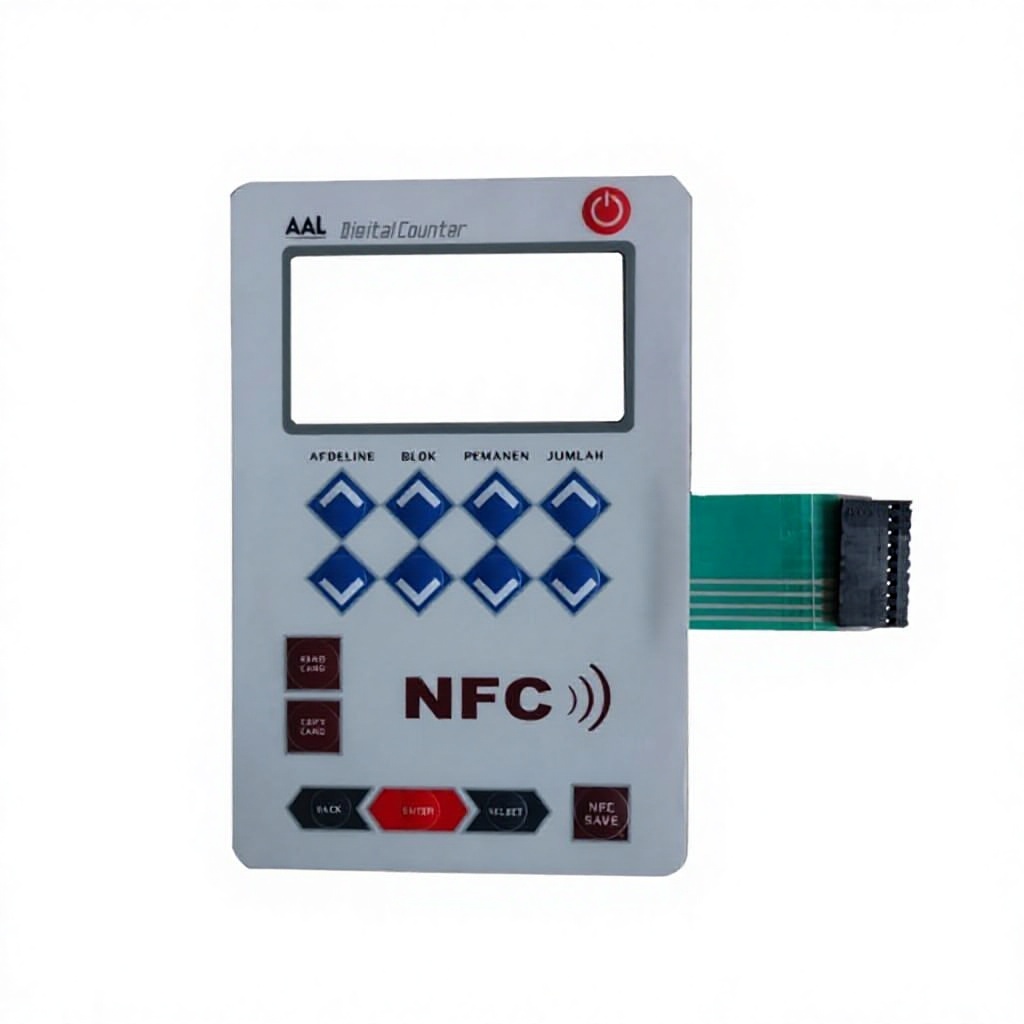
Polyester or Metal Dome Instrumentation Keypad
High-snap ratio four-leg stainless steel domes rated past one million actuations, providing crisp physical tactile feedback through heavy work gloves.
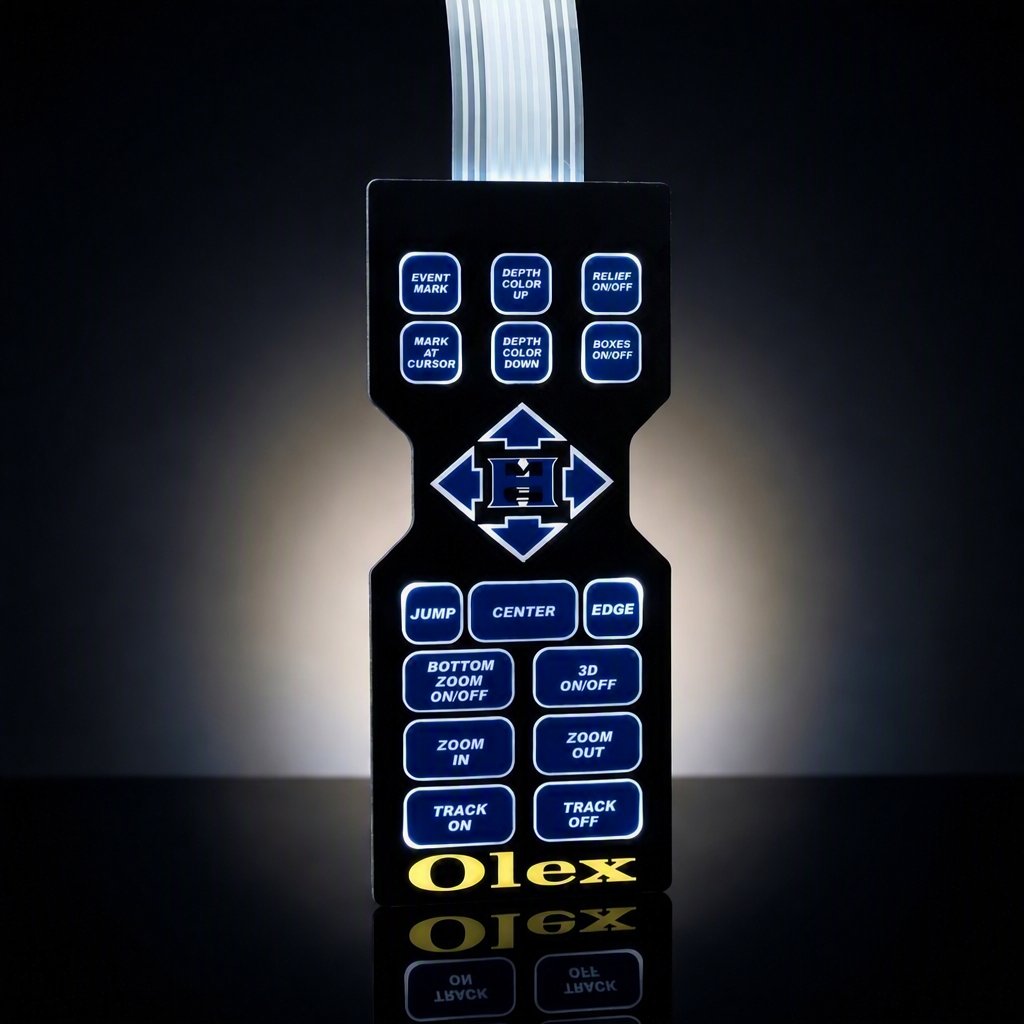
Uniform Illumination Backlight Membrane Keyboard
Engineering-assisted optical ray-tracing simulation ensuring uniform luminance across multi-zone keys without hot-spotting or excessive current consumption.
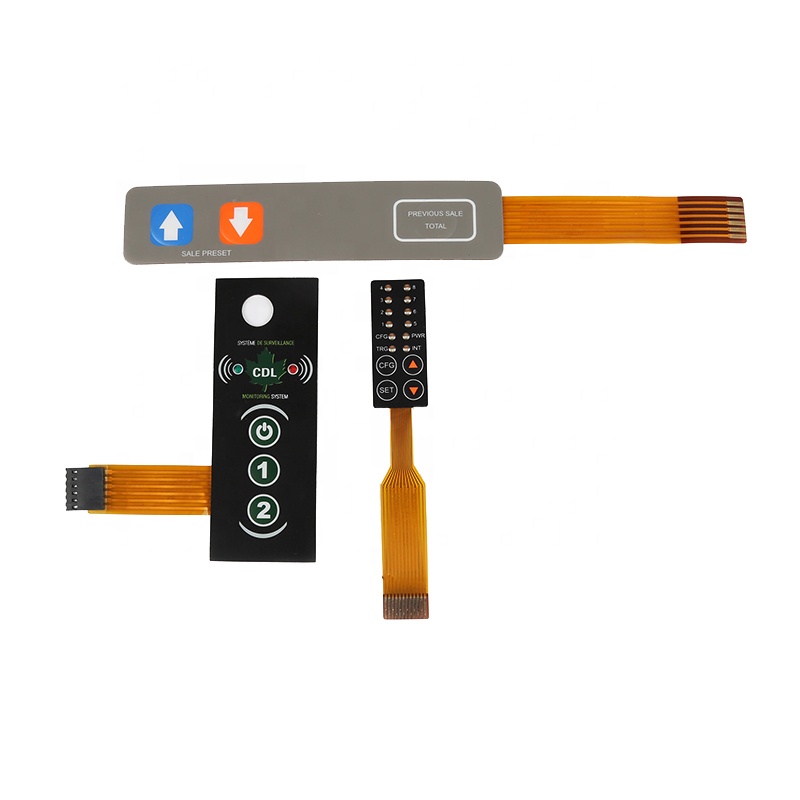
Waterproof Capacitive Touch Membrane Switch
Solid-state ITO touch sensors protected beneath chemically inert overlays, delivering zero mechanical wear, zero moisture ingression, and modern aesthetic styling.
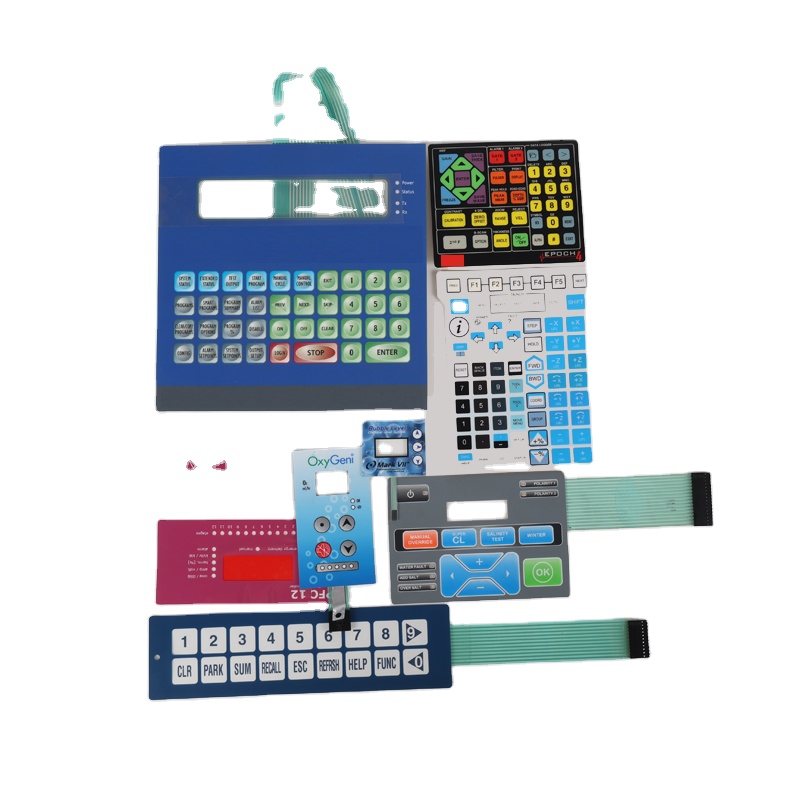
Waterproof Flexible Medical Membrane Switch
Continuous perimeter gasket channel blocking IP67-rated water jets, alcohol washes, and harsh chemical sanitizers used throughout clinical and cleanroom facilities.
RoHS & REACH Compliant IP67 Tactile Keyboard
FR4 rigid PCB substrate carrying gold-plated contact points, UL94 V-0 flame-retardant construction, and full conformance with European RoHS 3 and REACH regulations.
Structural Mechanics & Environmental Resilience of Tactile PCB Membrane Switches
In modern industrial Human-Machine Interface (HMI) design, mechanical push buttons are frequently replaced by low-profile tactile membrane switches. However, demanding alpine climates such as those found throughout the Principality of Andorra—characterized by abrupt thermal shifts, sub-zero winters, high UV irradiance, and substantial atmospheric pressure gradients—render traditional flexible polyester (PET) circuit prints inadequate. A Tactile PCB Membrane Switch represents an advanced hybrid design that combines the thinness, environmental sealing, and graphic versatility of a front graphic overlay with the mechanical rigidity, electrical density, and component integration capabilities of a glass-reinforced epoxy (FR4) printed circuit board.
Unlike conventional membrane switches that deposit conductive silver flakes in an organic binder over a flexible polyester layer, a tactile PCB switch uses etched copper traces (typically 1 oz or 2 oz copper) laminated onto a rigid FR4 substrate ranging from 0.8 mm to 2.4 mm in thickness. This structural foundation yields virtually zero circuit resistance (< 0.1 Ω per trace compared to 20–100 Ω in standard silver ink traces), completely eliminating signal attenuation over long tail routing. Furthermore, the rigid flat copper contact pads can be electroplated with nickel and flash-plated with immersion gold (ENIG), providing exceptional anti-oxidation resilience and minimal contact chatter (< 5 ms dwell time).
Alpine Barometric Pressure Adaptation: At elevations between 1,000 m and 2,500 m in Andorra (e.g., Grandvalira or Ordino Arcalís), ambient atmospheric pressure drops significantly relative to sea level. Sealed membrane switches without micro-venting can experience internal pressure buildup, resulting in "pillowed" or self-actuating domes. Our custom Tactile PCB designs incorporate integrated serpentine venting channels routed through the internal spacer to an atmospheric equalizer with an ePTFE hydrophobic membrane, preventing moisture ingress while neutralizing altitude pressure differentials.
Actuation Physics: Snap Ratio and Dome Mechanics
Tactile feedback is vital for mission-critical operations where machine operators wear gloves or cannot visually monitor panel activation. Tactile sensation is governed by the switch’s Snap Ratio, calculated using the formula:
Snap Ratio (%) = [(Actuation Force - Click Force) / Actuation Force] × 100
For industrial applications throughout Andorra, our engineers specify four-leg stainless steel (SUS301) metal domes with trip forces ranging from 280 gf to 450 gf, delivering a crisp snap ratio between 45% and 60%. These domes are seated directly onto the gold-plated PCB trace pads, held securely in place by a precision die-cut acrylic spacer. When pressed, the dome collapses abruptly, establishing an instantaneous electrical connection between the outer ring and the center pad, then rebounds instantaneously once mechanical pressure is released. This mechanical spring action provides undeniable physical confirmation, preventing accidental double-triggering or unconfirmed keystrokes in sub-zero dispatch or clinical scenarios.
FR4 Substrate Rigidity
The rigid backer eliminates the need for auxiliary metal sub-panels, allowing direct mounting into rugged housings, cast aluminum enclosures, or 19-inch rack units.
Integrated SMT Components
Mount ultra-bright 0603/0805 chip LEDs, miniature resistors, photo-sensors, and active microcontrollers directly onto the reverse or front layer of the FR4 switch PCB.
Hermetic Environmental Sealing
When paired with high-performance 3M acrylic adhesive matrices (such as 3M 467MP or 300LSE), the perimeter acts as a complete IP67 seal against snow, condensation, and oils.
Localized Application Scenarios Across Andorra's Mountain Economy
Andorra's unique geography—nested within the eastern Pyrenees between France and Spain—shapes distinct operating requirements for electronic machinery. Industrial components exported to Andorra must endure harsh microclimates, high UV radiation at elevated altitudes, and freezing temperatures down to -20°C, while serving high-value economic sectors. Zhejiang ZIRA Membrane Switch Co., Ltd. provides engineered interface solutions tailored directly to these regional demands.
Ski Resort Infrastructure & Cable Dispatch
Operating across premier winter destinations such as Grandvalira, Vallnord, and Ordino Arcalís, aerial tramways, detachable chairlifts, and high-pressure snowmaking pumping stations demand absolute control integrity. Our Tactile PCB switches provide gold-plated contacts that never freeze shut, textured poly-carbonate overlays that resist intense Pyrenean solar UV degradation, and back-lit LED keys for visibility during zero-visibility blizzards.
Alpine Renewable Energy & Micro-Hydro
Andorra's energy policy heavily targets self-sufficiency via run-of-the-river hydroelectric installations and alpine photovoltaic farms across the Valira river basin. Turbine telemetry panels and solar inverter interfaces experience severe thermal cycling (-15°C winter to +35°C summer). The matched thermal expansion coefficients of our FR4 PCB substrates prevent the micro-cracking and trace separation common in standard flex circuits.
Mountain Rescue & Clinical Diagnostics
From the emergency wards of the Hospital Nostra Senyora de Meritxell in Escaldes-Engordany to portable field defibrillators used by alpine search-and-rescue teams (Bombers d'Andorra), our medical-grade tactile switches provide continuous anti-microbial overlays, IP67 resistance to chemical disinfectants, and instant actuation response during life-critical operations.
Duty-Free Automation & Smart Commercial Kiosks
Andorra la Vella's vibrant commercial shopping avenues host automated tax-refund stations, intelligent parcel lockers, and parking payment kiosks operating continuously in semi-outdoor vestibules. Our vandal-resistant, IP65-sealed tactile PCB membrane panels handle millions of public actuations without mechanical sticking or contact degradation.
Pyrenean Tunnel Infrastructure & Fleet Logistics
Vital transit corridors such as the Envalira Tunnel require robust atmospheric and exhaust ventilation control nodes. These environments subject electronics to diesel soot, corrosive road salt aerosol, and continuous vibration. Tactile PCB membrane assemblies utilize automotive-grade 3M adhesive bonds that maintain full peel strength despite chemical contamination.
Key Technology Trends Shaping HMI Procurement in Andorra (2025–2030)
As the Principality executes its "Horitzó 2030" digital and sustainability transition, Andorran equipment builders and public infrastructure contractors are evolving their procurement criteria. The transition away from obsolete electro-mechanical switches toward integrated tactile PCB assemblies is accelerating across four distinct technical vectors:
LGF Energy Efficiency
Traditional multi-bulb EL lamping is being phased out in favor of Light Guide Film (LGF) fed by low-power 0603 side-fire LEDs, dropping power consumption by 70%—vital for remote, off-grid mountain sensor stations.
Hybrid HMI Architectures
Panels increasingly blend tactile metal dome buttons with solid-state capacitive sliders or digital displays on a single FR4 backplane, giving operators both tactile tactile response and modern touch navigation.
Stringent CE & RoHS 3 Compliance
Andorra's close regulatory alignment with the European Union requires all imported sub-assemblies to strictly respect Directive 2011/65/EU (RoHS 3), REACH (EC 1907/2006), and flammability rating UL94 V-0.
Low-Temperature Polymer Chemistry
Shift toward specialized sub-zero acrylic adhesives and biaxially oriented polyester (Autotex XE) designed specifically to avoid embrittlement, yellowing, or delamination under intense alpine UV exposure.
Engineering Benchmark: Substrate & Contact Architecture
Review the comprehensive comparison below to evaluate how rigid Tactile PCB membrane switches outperform alternative interface structures across harsh outdoor and industrial parameters:
| Performance Specification | Tactile PCB Switch (FR4) | Flexible Membrane (PET) | Polyimide Flex (FPC) | Discrete Push Buttons |
|---|---|---|---|---|
| Circuit Base Material | FR4 Glass-Reinforced Epoxy (0.8–2.4mm) | Heat-stabilized PET film (0.125mm) | Polyimide Kapton film (0.05–0.1mm) | Independent thermoplastic housing |
| Trace Conductivity | Etched Copper (1 oz / 2 oz, < 0.1 Ω) | Screen-printed Silver Ink (10–100 Ω) | Etched Copper Foil (< 0.5 Ω) | Solid Brass / Copper Terminals |
| Contact Plating | Electroless Nickel Immersion Gold (ENIG) | Printed Carbon or Silver Flake | Immersion Gold or Tin Plating | Silver / Gold Alloy Rivets |
| Actuation Life Expectancy | 1,000,000 to 5,000,000 cycles | 500,000 to 1,000,000 cycles | 1,000,000 to 3,000,000 cycles | 50,000 to 200,000 cycles |
| Thermal Operating Window | -40°C to +85°C continuous | -10°C to +55°C continuous | -30°C to +80°C continuous | -20°C to +70°C |
| Sub-Zero Ingress Rating | IP67 / IP68 Perimeter Sealed | IP65 (Moisture sensitive at vent) | IP67 Perimeter Sealed | Typically IP40 to IP65 with rubber boot |
| SMT Component Density | High (LEDs, MCUs, Connectors, Diodes) | Very Low (Conductive epoxy bonded LEDs) | Medium (Fine pitch SMT soldering) | None (Requires separate motherboard) |
| Altitude Pressure Equalization | Integrated rear ePTFE venting channels | Internal perimeter tail vents | Internal tail vents | Inherent mechanical gaps (unsealed) |
Why Andorran OEMs & System Integrators Partner with ZIRA
Zhejiang ZIRA Membrane Switch Co., Ltd., established in 1996, operates as a premier designer, manufacturer, and global exporter of custom human-machine interface assemblies. Situated in the Changhe Industrial Park, Ningbo, China, our 3,000–5,000 square meter standardized industrial facility houses class 10,000 cleanroom printing lines, automated laser profiling, and multi-station electronic quality control labs. With over 29 years of manufacturing excellence, ZIRA provides direct manufacturing accountability without trading intermediaries.
DFM Engineering Support
Our dedicated engineering team conducts Design For Manufacturability (DFM) audits on your CAD drawings (DXF/DWG/Gerber), optimizing circuit routing, stack-up geometry, and dome travel before tooling fabrication.
Global Brand Validation
ZIRA is an approved, audited Tier-2 supplier for international industrial leaders including ABB and Emerson. Every production batch follows the same strict military-spec QA discipline.
100% Automated Electrical Testing
Every single switch undergoes computer-controlled automated testing for trace resistance, open/short circuits, LED polarity/forward voltage, contact bounce, and insulation resistance at 100V DC (> 100 MΩ).
Independently Audited & Authenticated Production

Intertek Onsite Assessed
Factory premises, quality control labs, and manufacturing capability verified onsite by Intertek inspectors.

29 Years Factory Legacy
Continuous operation in Ningbo, Zhejiang since 1996, producing reliable HMI hardware for four continents.

Turnkey ODM Services
Complete custom tooling, CAD design assistance, rapid color-matching (Pantone/RAL), and schematic development.

Design-Based Customization
Specialized low-temperature adhesives, precision metal dome arrays, and custom connector tails engineered to your spec.
Frequently Asked Questions for Andorran Procurement Teams
Critical commercial, regulatory, and logistics answers for engineering buyers, purchasing managers, and system integrators operating within Andorra:
How are shipments cleared and routed to Andorra from your factory?
Although Andorra is not an EU member, it belongs to the EU Customs Union for industrial products (HS chapters 25 to 97). Shipments from our Ningbo facility fly via air express (DHL/FedEx/UPS) through either Barcelona-El Prat Airport (BCN, Spain) or Toulouse-Blagnac Airport (TLS, France). Goods move under transit procedures (T1 document) to the border customs posts of Sant Julià de Lòria (Spanish border / Farga de Moles) or Pas de la Casa (French border). We supply complete EUR.1 documentation, commercial invoices, and exact HS codes (typically 8537.10 or 8538.90) for frictionless clearance.
What local taxes and import duties apply to switches imported into Andorra?
Under the EU-Andorra Trade Agreement, industrial manufactured goods enter Andorra free of customs tariffs when accompanied by proper origin documentation. The local internal tax applied at customs clearance is the Impost General Indirecte (IGI) at the standard rate of 4.5%, which is significantly more favorable than standard European VAT rates (21% in Spain or 20% in France). Buyers can clear shipments under DDP (Delivered Duty Paid) or CIP terms.
Which adhesive system is recommended to prevent delamination during cold Pyrenean winters?
Standard rubber adhesives crack and lose tack below 0°C. For outdoor Andorran machinery, ski-lift terminals, and vehicle telematics, we exclusively specify 3M 300LSE high-strength acrylic adhesive (for bonding to low-surface-energy powder-coated enclosures and plastics) or 3M 467MP/468MP 200MP adhesive. These formulations remain ductile and maintain peel adhesion through extreme operating temperatures ranging from -40°C to +85°C.
What is your Minimum Order Quantity (MOQ) and prototyping turnaround for custom designs?
To support agile prototyping and low-volume specialized industrial machinery, ZIRA offers prototype builds starting from just 1 to 5 pieces. Complete engineering review and DFM feedback are delivered within 24 hours. Once artwork and circuit schematics are frozen, functional prototype samples are manufactured and dispatched within 7 to 10 working days. Standard repeat production orders typically start at 100 units.
How do you ensure proper tactile feedback for operators wearing thick winter work gloves?
For ski patrol dispatch, municipal snow clearing, and outdoor construction equipment, we utilize custom large-diameter (12mm or 14mm) four-leg stainless steel metal domes with high actuation forces (350 gf to 450 gf). Furthermore, the front PET graphic overlay is hot-embossed with a prominent rim or pillow profile (0.3mm to 0.5mm height), allowing operators to easily locate and physically actuate the switches through thick insulated winter gloves.
Can you integrate backlighting that remains visible in both bright snow glare and nighttime darkness?
Yes. We implement engineered Light Guide Film (LGF) layers combined with ultra-bright surface-mount LEDs mounted directly on the FR4 PCB. By utilizing micro-replicated optical dots on the light guide, light is evenly distributed beneath key graphics with zero hot-spots. Selective graphic window tints allow high-contrast symbol recognition in blinding alpine snow glare while providing soft, non-dazzling illumination during nighttime emergency shifts.
Initiate Your Custom HMI Project with ZIRA
Send our senior engineering team your CAD drawings, circuit schematics, or reference physical samples. We provide comprehensive DFM evaluations, stack-up diagrams, material recommendations, and transparent volume quotations within 24 hours.
