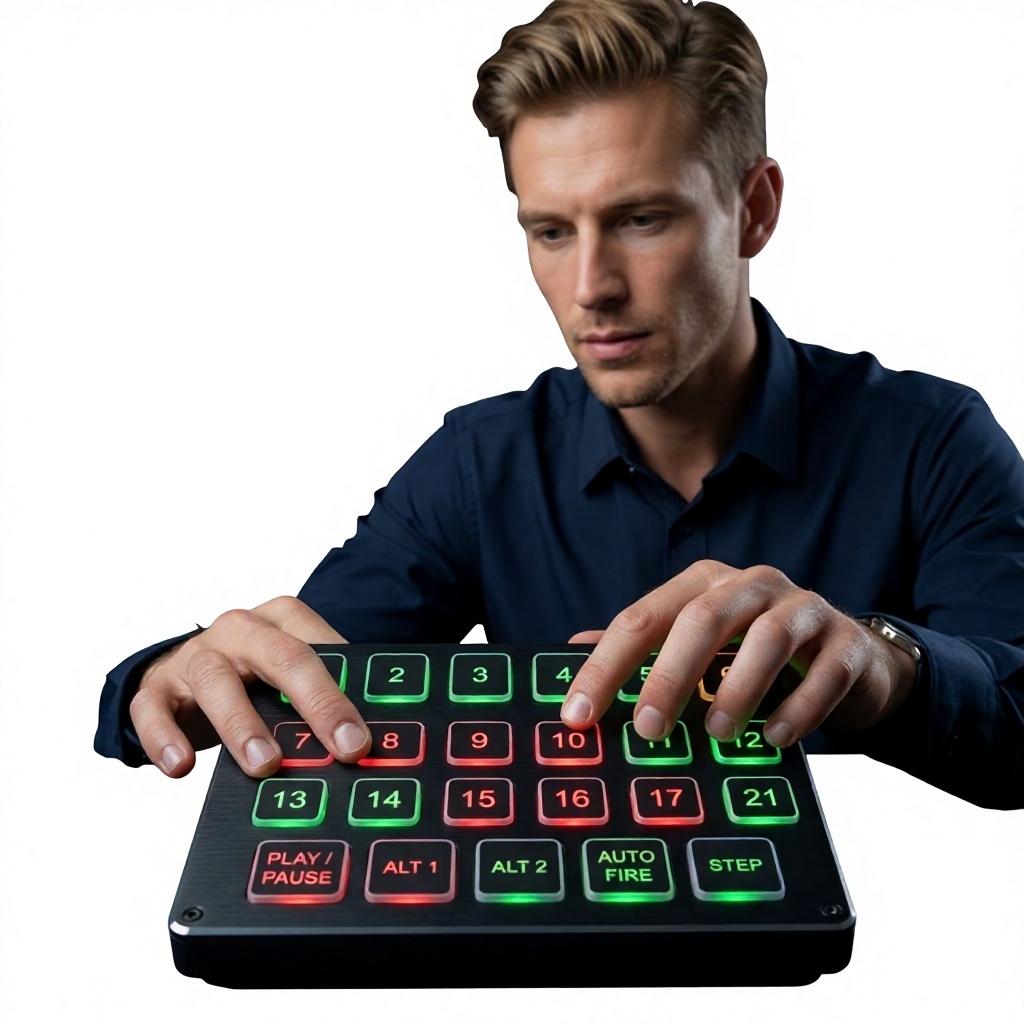
Precision Interface Showcase
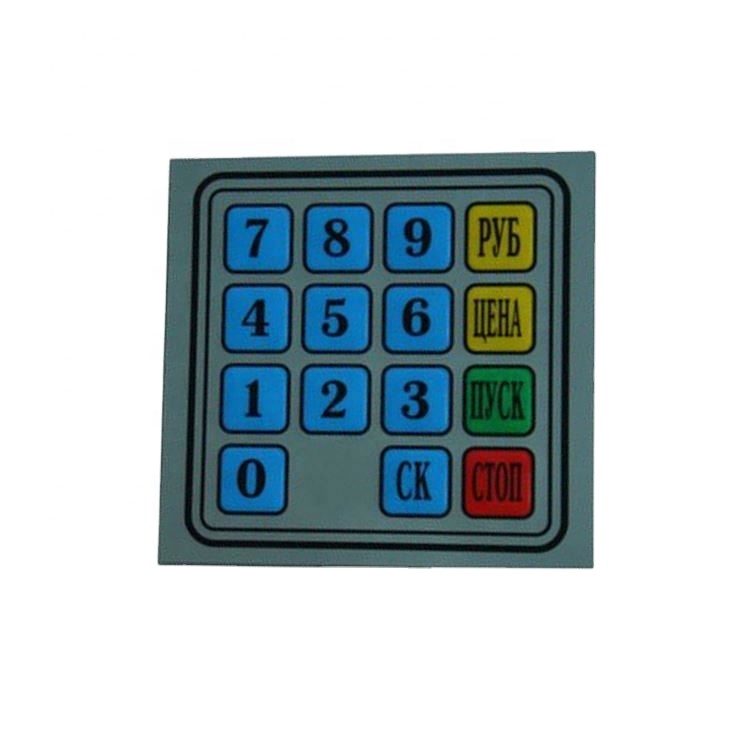
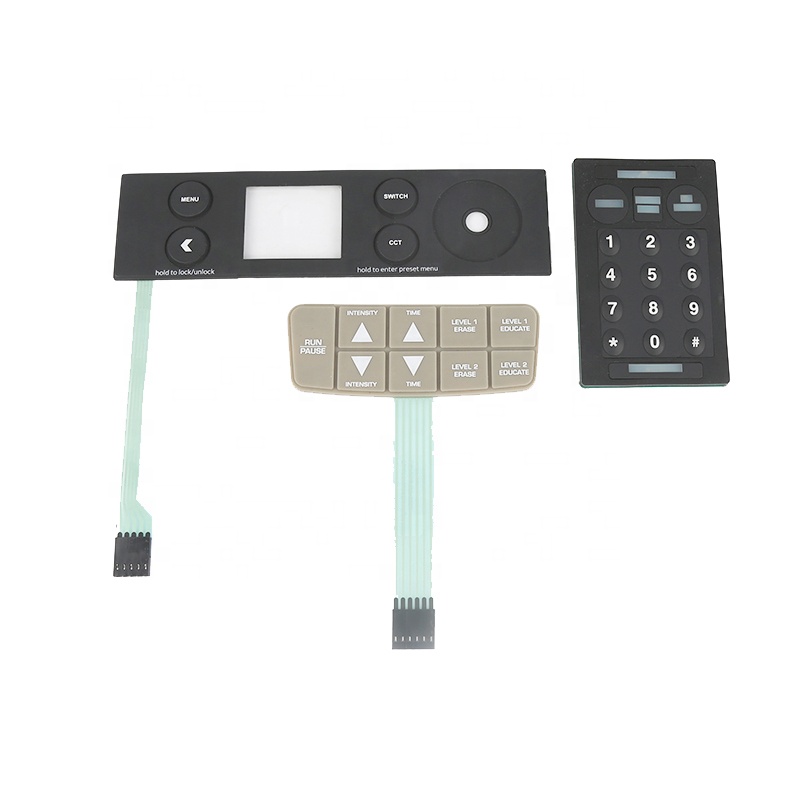
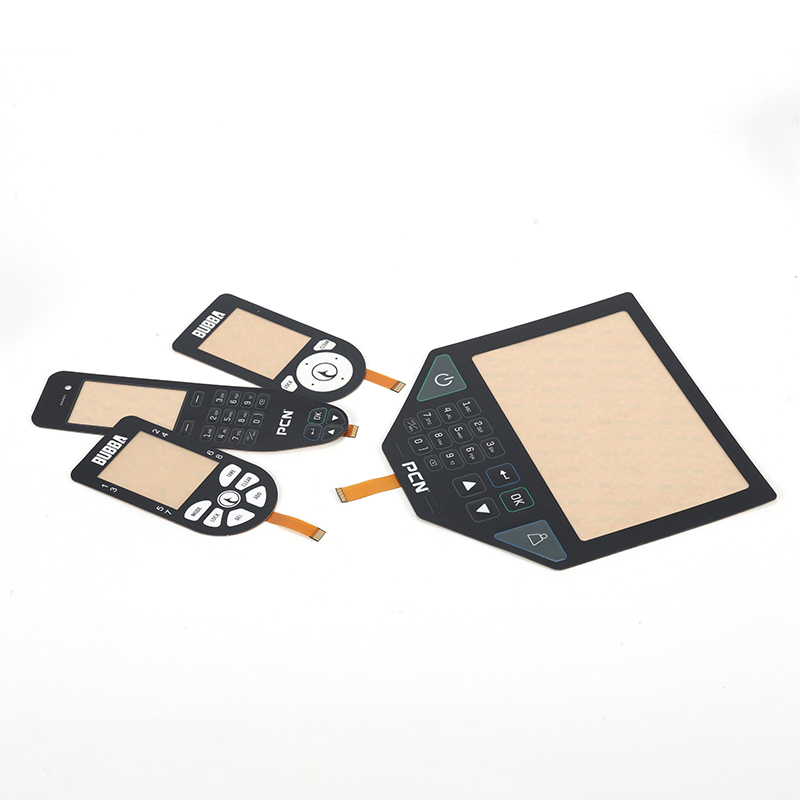
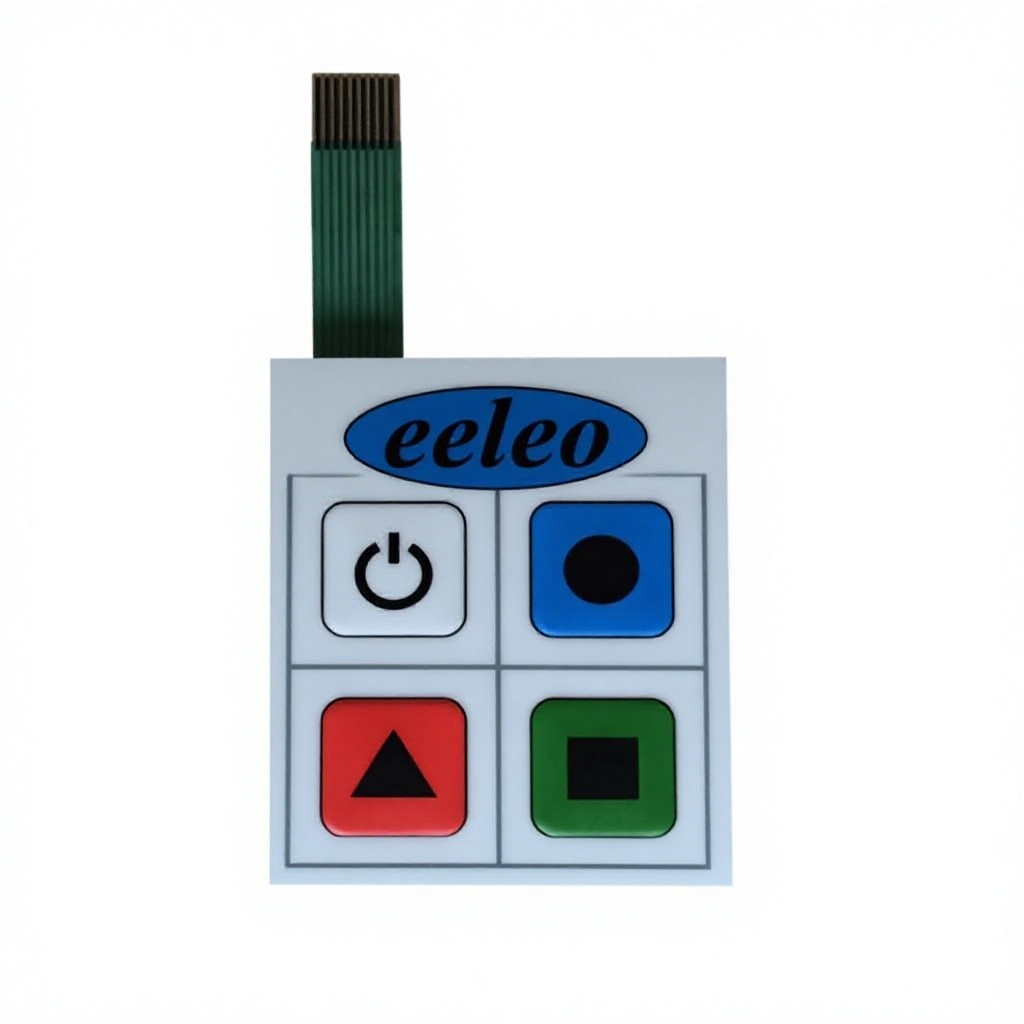
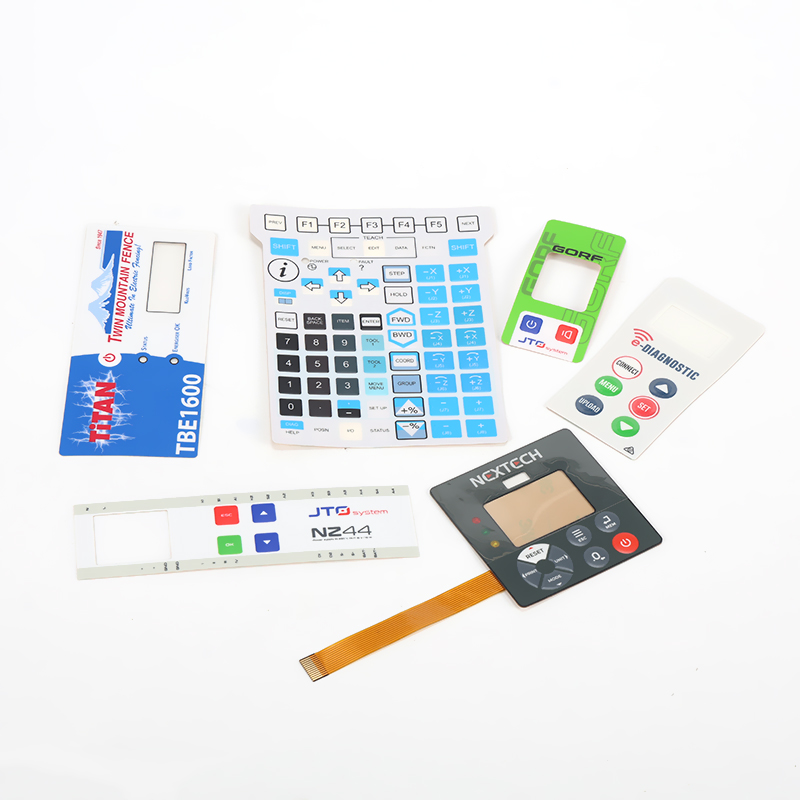
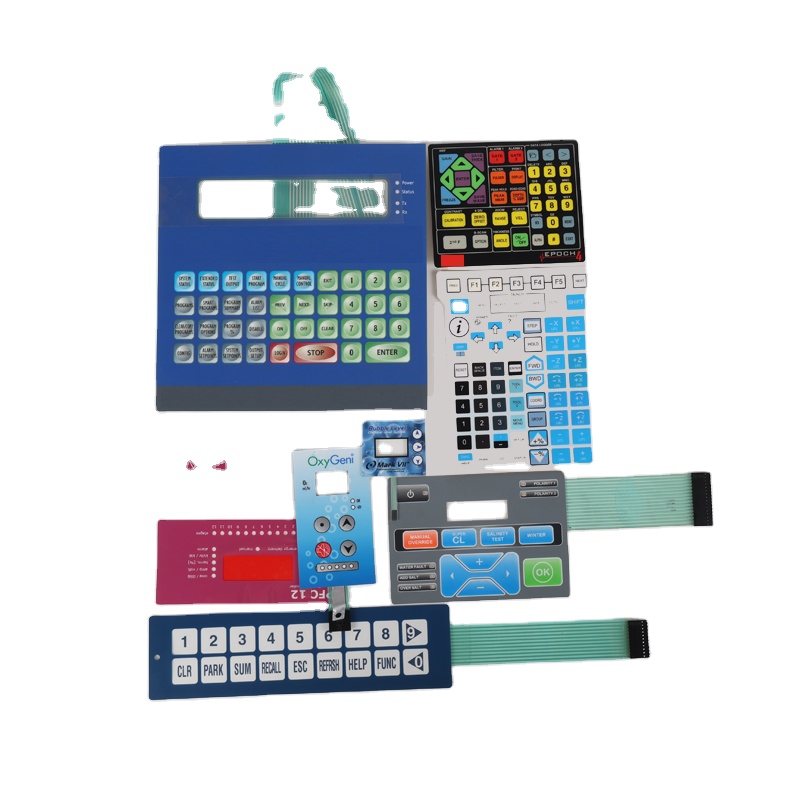
Featured Membrane Keypad & HMI Assemblies
Configured for the rigorous environmental standards demanded by aerospace systems, maritime monitors, precision medical diagnostics, and industrial automation in the Pacific Northwest.
29+
Years Manufacturing Excellence (Est. 1996)
5,000m²
Climate-Controlled Cleanroom Facilities
100%
Continuity, Resistance & Hipot Testing
1M+
Tactile Actuation Life Cycles Per Key
Regional Application Whitepaper
Seattle's Precision Engineering Ecosystem & HMI Demands
As the Puget Sound region leads global innovation in aerospace manufacturing, clean maritime transit, biotechnology devices, and ruggedized cloud computing hardware, the technical specifications for physical interface panels have transformed from simple commodity components to mission-critical hardware nodes.
Aerospace Ground Support & Avionics
In aerospace manufacturing corridors extending from Everett through Renton, test fixtures and maintenance consoles require interfaces capable of sustaining intense hydraulic mist, aviation kerosene exposure, and high vibrational shear. Our custom switches deploy polyester film rated to UL94 VTM-2, encapsulated with 3M 300LSE adhesive chemistries that guarantee zero delamination under rapid cabin and hangar pressure differentials.
Medical Instruments & Bio-Diagnostics
Serving the booming biomedical cluster in South Lake Union and Bothell, our medical membrane assemblies feature antimicrobial textured polyester overlays that maintain surface integrity against harsh hospital disinfectants including sodium hypochlorite and quaternary ammonium compounds. Continuous rim embossing provides definitive tactile feedback even when medical technicians operate through double nitrile gloves.
Maritime Marine Electronics & Hydro-Tech
Elliott Bay and Puget Sound vessels operate in constant salt fog, coastal moisture, and severe temperature fluctuations. Our maritime membrane consoles incorporate perimeter gasket water-block channels rated to IP67 and IP68. We engineer specialized silicone rubber keypad mats laminated directly over gold-plated FPC traces, shielding underlying circuitry against condensation and salt corrosion.
Design Selection Matrix
Tactile Membrane Switch Architecture vs Alternative Interface Solutions
Engineering teams must balance actuation feedback, total stack thickness, environmental hermeticity, and unit economics. Review the technical differences across key physical criteria:
| Evaluation Parameter | Metal Dome Membrane Switch | Silicone Elastomer Keypad | Projected Capacitive (PCAP) |
|---|---|---|---|
| Tactile Ratio & Snap Feel | Crisp (40% - 60% click ratio), definitive stroke snap | Cushioned, longer stroke (1.0mm - 2.5mm travel) | Zero natural travel; requires haptic motors or buzzers |
| Ingress Barrier Capability | Hermetic perimeter seal up to IP67/NEMA 4X | Excellent sealing with integrated perimeter wrap | Seamless glass front; vulnerable to water droplet false keys |
| Stack Thickness Profile | Ultra-slim: 0.8mm to 1.5mm total profile | Requires depth: 4.0mm to 12.0mm enclosure cavity | Moderate to thick: 2.0mm to 6.0mm cover glass + sensor |
| Operating Temperature | -40°C to +85°C without calibration drift | -50°C to +180°C broad thermal tolerance | -10°C to +60°C (extreme cold impairs touch tracking) |
| Tooling & NRE Budget | Extremely cost-effective ($300 - $800 avg NRE) | Higher tooling investment (Compression mold tooling) | High controller board NRE and firmware tuning expense |
| Electromagnetic Immunity | 100% immune with integrated grounded foil shields | Non-conductive silicone; requires isolated circuit | Highly susceptible to nearby RF noise and motor surge |
Procurement Forecast 2025-2030
Emerging Technology Trends in the Pacific Northwest Interface Market
As Seattle hardware engineers push past legacy interface limits, several distinct manufacturing specifications have evolved across our procurement orders:
1. Thin-Line Light Guide Film (LGF)
Legacy bulky EL lamps are being phased out across King and Snohomish county designs. Ultra-thin 0.125mm Light Guide Film uses lateral micro-dot refraction to distribute side-firing SMT LEDs evenly across legends without high operating voltage.
2. Hybrid FPC Rigid-Flex Structures
Instead of fragile screen-printed silver ink tails that can crack during tight chassis routing, aerospace and robotics clients increasingly mandate Flexible Printed Circuits (FPC) with polyimide bases and copper traces, enabling 0.5mm pitch ZIF connectors.
3. Embedded SMT Active Electronics
Switches now house resistors, multi-color bi-color LEDs, and phototransistors mounted directly inside the circuit layer, minimizing external motherboard footprints and speeding up overall module assembly in local Seattle assembly houses.
4. Antimicrobial Bio-Inert Overlays
With tightening FDA and CDC sanitary requirements, medical interfaces built for local healthcare innovators specify textured Autotex AM film, with silver ion antimicrobial technology integrated directly into the polymer matrix to eliminate 99.9% of surface bacteria.
Original Equipment Manufacturer Capability
Why Global Fortune 500 Brands & Seattle Innovators Partner With ZIRA
Backing your supply chain with 29 years of focused engineering, verified tier-1 raw materials, and rigorous testing protocols.
Direct Factory Manufacturing
No middlemen markups. From precision laser plotting, screen-printing in dust-free workshops, to metal dome pick-and-place, die-cutting, and lamination, every step is performed in our 5,000m² production facility under strict ISO supervision.
Exemplary DFM Support
Our veteran engineering group performs comprehensive Design For Manufacturability reviews on all CAD/DXF data. We optimize trace spacing, dome placement margins, venting routes, and tail strain relief before cutting steel, eliminating costly tooling revisions.
100% Quality & Electrical Inspection
Every single membrane switch undergoes automated electrical continuity verification, insulation resistance testing (up to 100MΩ @ 100V DC), actuation force confirmation, and aesthetic surface inspection under 10x optical magnification.
Onsite Intertek Audited
Our operations are independently inspected and verified onsite by Intertek. We maintain ongoing tier-1 supply agreements with industrial powerhouses such as ABB and Emerson, shipping seamlessly to Seattle Sea-Tac and port hubs under DDP terms.
Procurement & Technical Consultation
Frequently Asked Questions by Pacific Northwest Purchasing Teams
Clear, direct technical answers regarding prototyping timelines, international logistics to Washington State, minimum orders, and customization capabilities.
What are the typical lead times for prototypes delivered to Seattle?
Once CAD artwork and schematic stack-up drawings are finalized, rapid physical samples are completed in 5 to 7 working days. Using express courier transit (FedEx International Priority or DHL) to Seattle, Bellevue, or Redmond addresses, prototypes arrive on your bench within 8 to 11 days total.
What is the minimum order quantity (MOQ) for custom production?
To support early-stage hardware incubation across Seattle technology startups and pilot engineering runs, our prototype tooling stage supports orders as low as 1 to 10 pieces. Standard volume production runs commonly start at 100 units, while high-volume programs reach millions annually.
How do you ensure proper tactile feedback for operators wearing thick safety gloves?
For industrial marine or field hardware, we integrate larger four-leg stainless steel metal domes (12mm to 20mm diameter) calibrated to actuation forces of 350g to 500g, paired with a pronounced rim or pillow tactile embossment on a 0.175mm or 0.20mm PET overlay. This delivers a sharp snap feel through heavy gloves.
Can you handle DDP (Delivered Duty Paid) shipping to Washington State facilities?
Yes. We frequently supply clients throughout King, Pierce, and Snohomish counties under DDP Incoterms. We manage customs clearances, import tariffs, and harbor maintenance documentation, delivering packages directly to your loading dock or contract manufacturer with zero billing surprises.
How are ESD and EMI risks mitigated in high-noise factory environments?
We incorporate a dedicated, full-surface aluminum foil, selective copper, or printed conductive carbon shielding grid positioned between the user graphic overlay and the active switch circuitry. Terminated to a ground lead on the circuit tail, this protection dissipates static discharges up to 15kV ESD safely away from your internal MCU.
Which adhesive should we select for low-surface-energy (LSE) plastic enclosures?
For powder-coated housings, polycarbonate, or polypropylene chassis commonly specified in Washington industrial gear, we configure authentic 3M 300LSE or 3M 200MP acrylic laminates. These adhesives develop high bond strength to difficult plastics and resist temperature creep up to 93°C continuous.
Accelerate Your HMI Development Cycle
Send your CAD blueprints (.DXF, .DWG, .STP) or graphic files (.AI, .PDF) to our engineering division. Receive an actionable DFM analysis, layer stack-up schematic, and factory-direct quote within 24 hours.
