Engineered Tactile Membrane Keypads for Nordic Industrial Systems
Precision-machined metal domes, embedded LEDs, multi-layer ingress gaskets, and ESD shielding designed specifically to withstand harsh offshore and industrial environments.
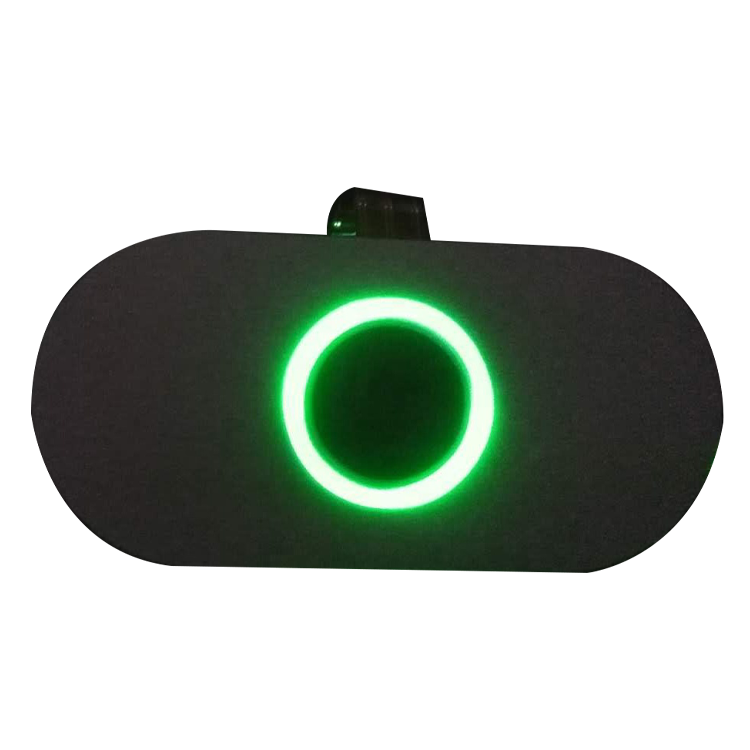
Custom LED Backlit Tactile Metal Dome Membrane Switch Panel
- Actuation Force: 350g–450g Crisp Snap
- Integrated SMT Micro-LEDs
- Perimeter Moisture Hermetic Seal
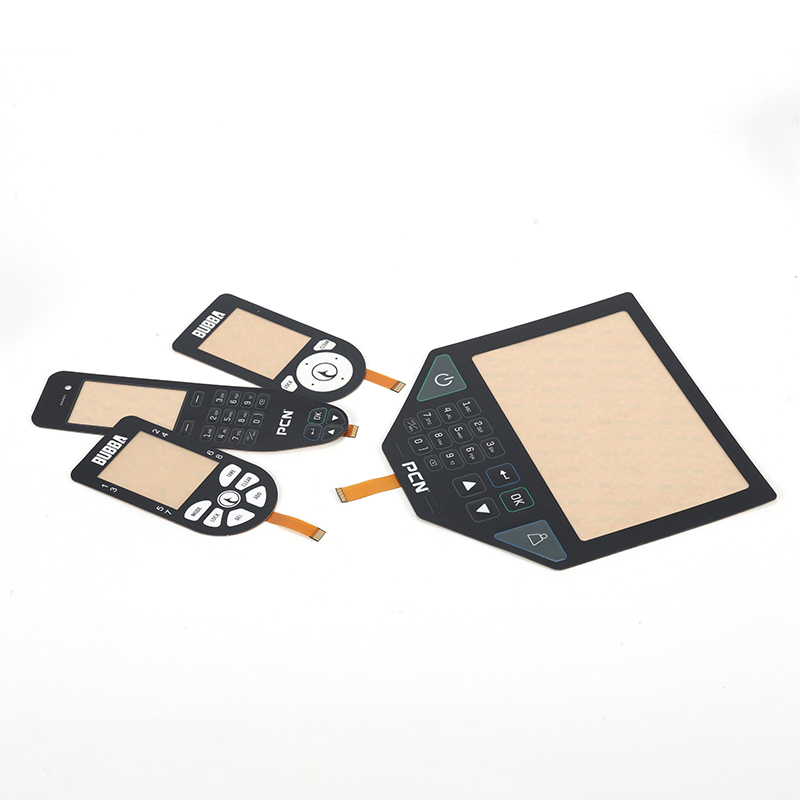
FPC Circuit Tactile Membrane Switch with EMI/RFI Shielding Layer
- Polyimide High-Density Circuit
- Aluminum/Copper Grid Shielding
- ZIF / Pitch 1.0mm & 2.54mm
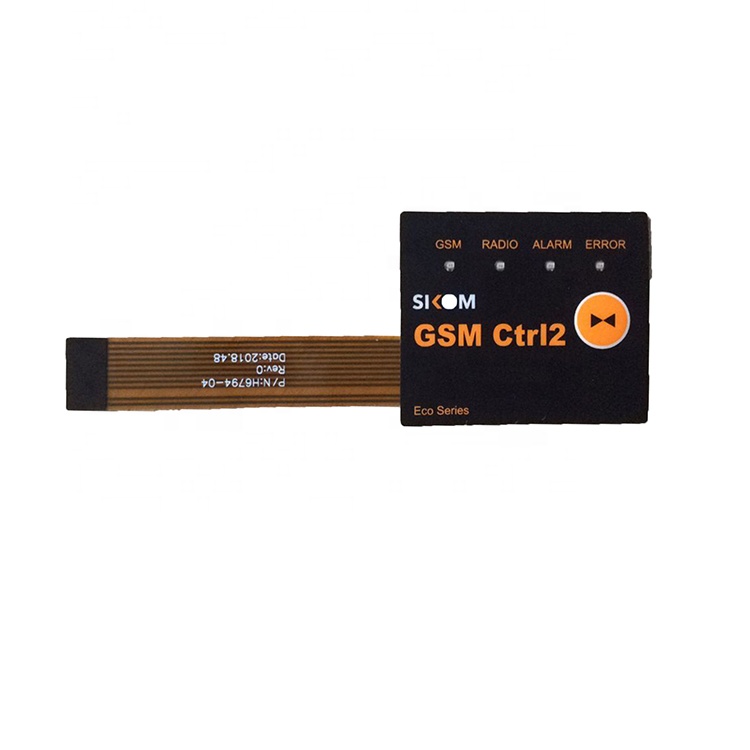
RoHS-Compliant Antimicrobial Tactile Switch for Medical Equipment
- Chemical/Bleach Sterilization Proof
- Autotype Antimicrobial PET Film
- >1,000,000 Actuation Cycles
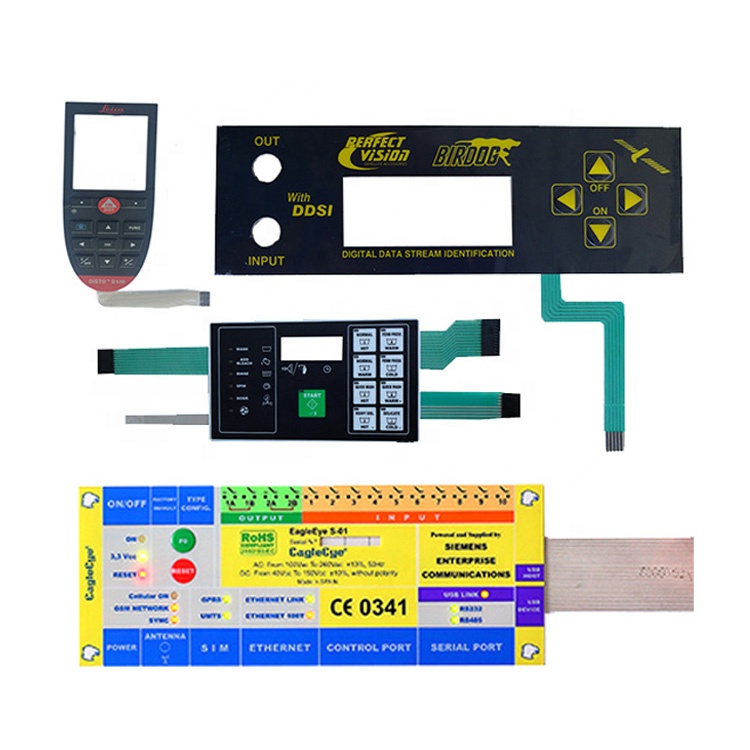
Shock-Resistant Waterproof Industrial HMI Panel with Seal Ring
- Marine Deck Washdown Ready (IP67)
- 3M VHB Closed-Cell Gasket Layer
- High Mechanical Shock Absorption
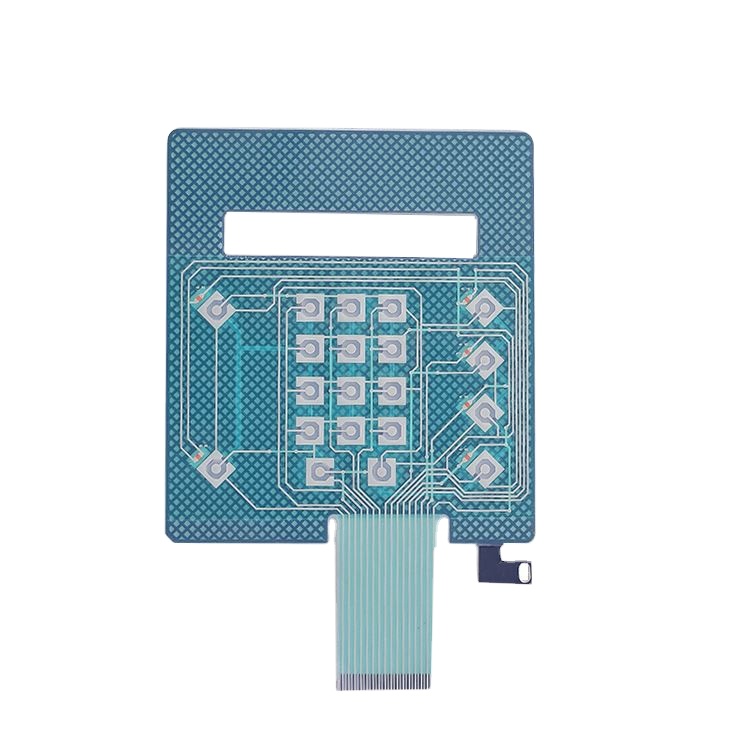
Heavy-Duty PET Keypad with Integrated 15kV ESD Static Discharge Layer
- Direct Ground Plane Connection
- Resistant to Sub-Zero Static Build
- Selective Texture Surface Finishes
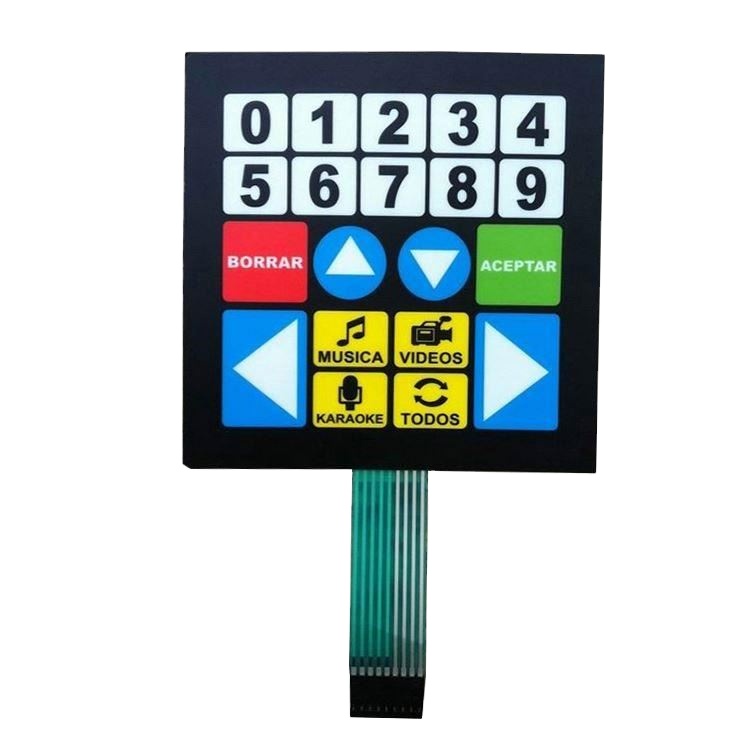
Tactile Industrial Graphic Overlay Keypad with Custom Rim Embossing
- Glove-Locating Tactile Edges
- UV Stabilized Lexan/PET Material
- Custom RAL & Pantone Color Match
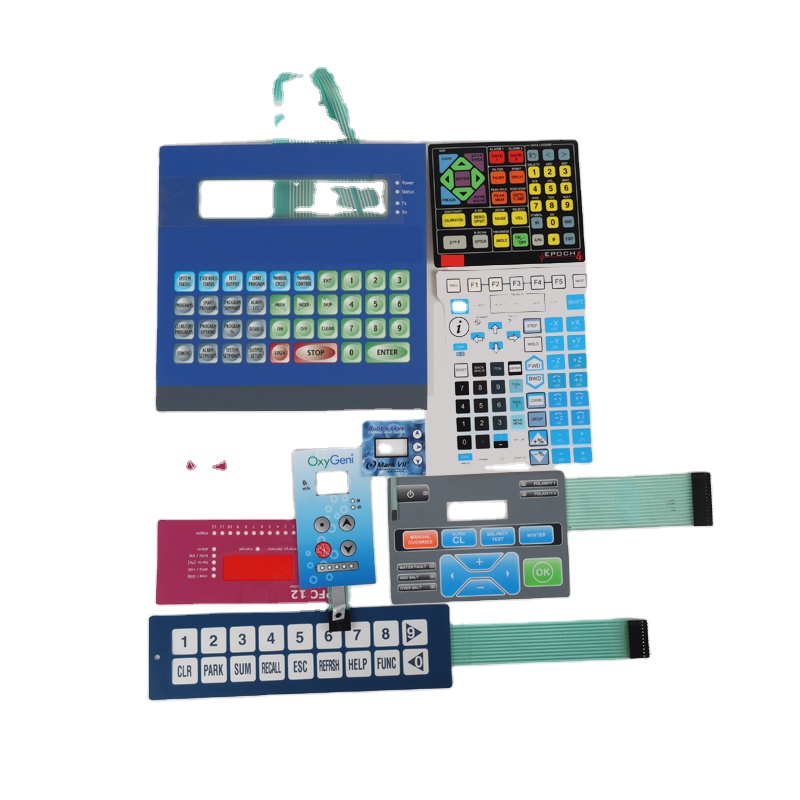
Durable Medical Diagnostic Switch with High-Adhesion 3M Substrate
- Bonding to LSE Plastics & Metals
- Optically Clear Display Windows
- ISO 10993 Bio-Compatible Options
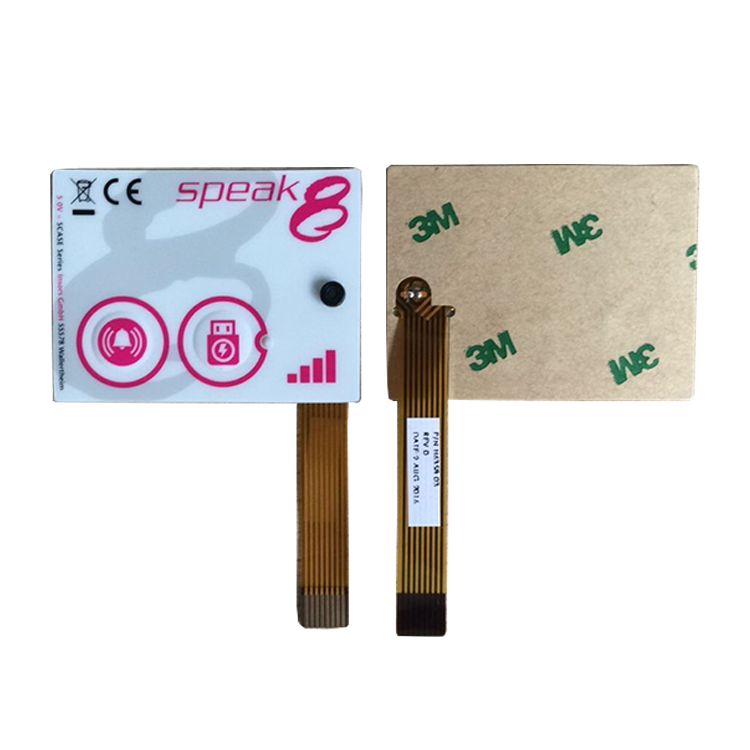
Flexible Silk-Screened Conductive Silver Matrix Membrane Switch
- Silver Migration Resistant Formula
- Low Contact Resistance (<100Ω)
- Fast Sampling from 1 Piece
Tactile Interface Architecture in Extreme Arctic & Maritime Environments
Procuring human-machine interface (HMI) controls for deployment in Norway requires addressing physical challenges rarely encountered in temperate manufacturing environments. From dynamic marine platforms operating off Stavanger and Bergen to telemetry arrays positioned in Svalbard and Northern Scandinavia, electrical assemblies face aggressive environmental stressors: extreme thermal swings, sub-zero embrittlement of synthetic films, salt spray atmospheric corrosion (ISO 9227 / C5-M marine exposure), and demanding gloved actuation requirements. Zhejiang ZIRA Membrane Switch Co., Ltd. applies nearly three decades of dedicated material science and mechanical switch fabrication to resolve these challenges for Norwegian engineering teams.
1. Sub-Zero Polymer Selection: Mitigating Low-Temperature Brittle Point Transition
Standard commercial membrane switches rely on thin-gauge general Polycarbonate (PC) graphic layers due to ease of thermal forming. However, when operating temperatures dip below -15°C in sub-Arctic industrial sites, standard polycarbonate passes its glass transition temperature threshold and loses structural elasticity, causing premature micro-cracking along key embossing perimeters after minimal cycle counts. For the Norwegian market, ZIRA utilizes high-performance biaxially oriented polyethylene terephthalate (PET), primarily Autotype MacDermid F150 / F200 and XE Extreme Harsh Environment films.
Engineering Rule of Thumb for Nordic Duty: MacDermid Autotex PET maintains its dynamic flex life in excess of 5,000,000 actuations down to -40°C. Its molecular orientation prevents localized plastic deformation, yielding uninterrupted tactile rebound when paired with stainless steel snap-action domes.
2. Marine Sealing Science: Achieving True IP67 / IP68 Ingress Defense
In maritime aquaculture, vessel navigation bridges, and subsea exploration modules, liquid ingress is the leading cause of premature HMI failure. Capillary action driven by localized barometric temperature swings causes humid sea air to penetrate micro-porosities in poorly bonded adhesive layers, causing internal condensation and accelerated silver dendrite migration.
To eliminate this failure mode, ZIRA deploys dual-channel hermetic perimeter boundary seals manufactured with 3M 300LSE and 3M VHB acrylic foam transfer adhesive systems. Our engineering layout routes conductive silver circuitry strictly inside a continuous, unvented environmental seal zone, with optional Gore-Tex hydrophobic membrane pressure equalization vents integrated into the rear backplate to balance atmospheric shifts without allowing moisture ingress.
| HMI Switch Parameter | Standard Commercial Grade | ZIRA Nordic Harsh-Environment Grade | Norwegian Design Significance |
|---|---|---|---|
| Substrate Material | Uncoated Polycarbonate (PC) | Autotype MacDermid Hardcoated PET (F150/XE) | Eliminates cracking at -40°C; resists maritime UV radiation |
| Tactile Feedback Core | Polyester Formed Dome | SUS301 Stainless Steel Domes (Nickel/Gold Plated) | Maintains consistent snap ratio under heavy, insulated gloved use |
| Ingress Protection (IP) | IP40 – IP54 Splash Resistant | IP67 to IP68 Submersible Hermetic Gasket | Withstands pressurized saltwater washdowns on ship decks |
| Adhesive System | Standard Rubber-based Adhesive | 3M 467MP / 300LSE Acrylic Transfer Tape | High shear bond strength on low-surface-energy powder coats |
| ESD Static Shielding | None / Exposed Ground Loop | Continuous Aluminum Foil / Printed Carbon Grid | Safeguards against dry-winter static shocks up to 15kV |
| Actuation Force | 150g – 220g (Light Touch) | 350g – 500g (High Snap Ratio >55%) | Audible and mechanical confirmation through thermal neoprene gloves |
3. Glove-Compatible Tactile Feedback & Ergonomics
Offshore technicians, deckhands, and outdoor utility crew members must interact with control interfaces without removing cold-weather safety gear. When an operator wears thick safety gloves, switches with low actuation force (160g–220g) or minimal travel distance (0.15mm) cause accidental actuations or fail to provide mechanical confirmation.
Our solutions incorporate heavy-gauge four-leg stainless steel metal domes (12mm to 16mm diameter) configured with actuation forces between 350g and 500g and crisp snap ratios exceeding 55%. Combined with convex or rim-embossed key boundaries, operators immediately identify tactile boundaries and register a crisp physical click through their gear, eliminating critical operation errors in high-consequence marine operations.
Specialized Applications in Norway's Core Technical Sectors
Customized Human-Machine Interfaces designed to align with strict operational demands in energy, maritime automation, aquaculture, and cold-climate transport.
Offshore Oil, Gas & Subsea Systems
Stavanger and Kristiansand energy engineering hubs demand explosion-proof, oil-resistant control interfaces that integrate seamlessly with ATEX/IECEx certified enclosures exposed to drilling mud and saltwater.
Maritime Deck & Commercial Aquaculture
Deck machinery, fish processing conveyors, and automated feeding barges along Bergen and Ålesund coastlines require IP68 sealed keypads capable of surviving daily high-pressure chemical washdowns.
Nordic EV Marine & Cold Transport
As Oslo pioneers zero-emission electrified passenger ferries and heavy commercial vehicle fleets, onboard battery monitoring HMIs demand UV stability, condensation venting, and flawless -40°C functionality.
Healthcare & Precision Laboratory HMI
Trondheim and Oslo diagnostic technology developers rely on flat, easy-to-clean antimicrobial surfaces resistant to repeated clinical wiping using aggressive disinfectants such as isopropanol and chlorhexidine.

Intertek Onsite-Audited Quality Management
Factory operations, cleanrooms, and testing facilities independently audited and verified for international OEM supply contracts.
Direct Factory Authority Since 1996
29+ continuous years in specialized HMI interface development. We control 100% of production under one 5,000m² roof in Ningbo—including silkscreen printing, precision die-cutting, metal dome pick-and-place, and environmental testing.
Tier-1 Multinational Supplier Trust
We serve as a verified strategic supplier to industrial leaders including ABB and Emerson. Our design-for-manufacturability (DFM) support resolves routing, layer stack-up, and adhesive adhesion issues before cutting hard tooling.
100% Pre-Shipment Electrical Testing
Zero unverified components leave our facility. Every completed switch runs through automated pin-to-pin continuity analysis, insulation breakdown testing (>100MΩ at 100V DC), and full optical inspection for pinhole-free color registration.
10-Step Controlled Production & Quality Architecture
Every membrane switch follows a strict sequence of manufacturing and QA verification gates, ensuring full batch-to-batch repeatability and total compliance with European mechanical standards.
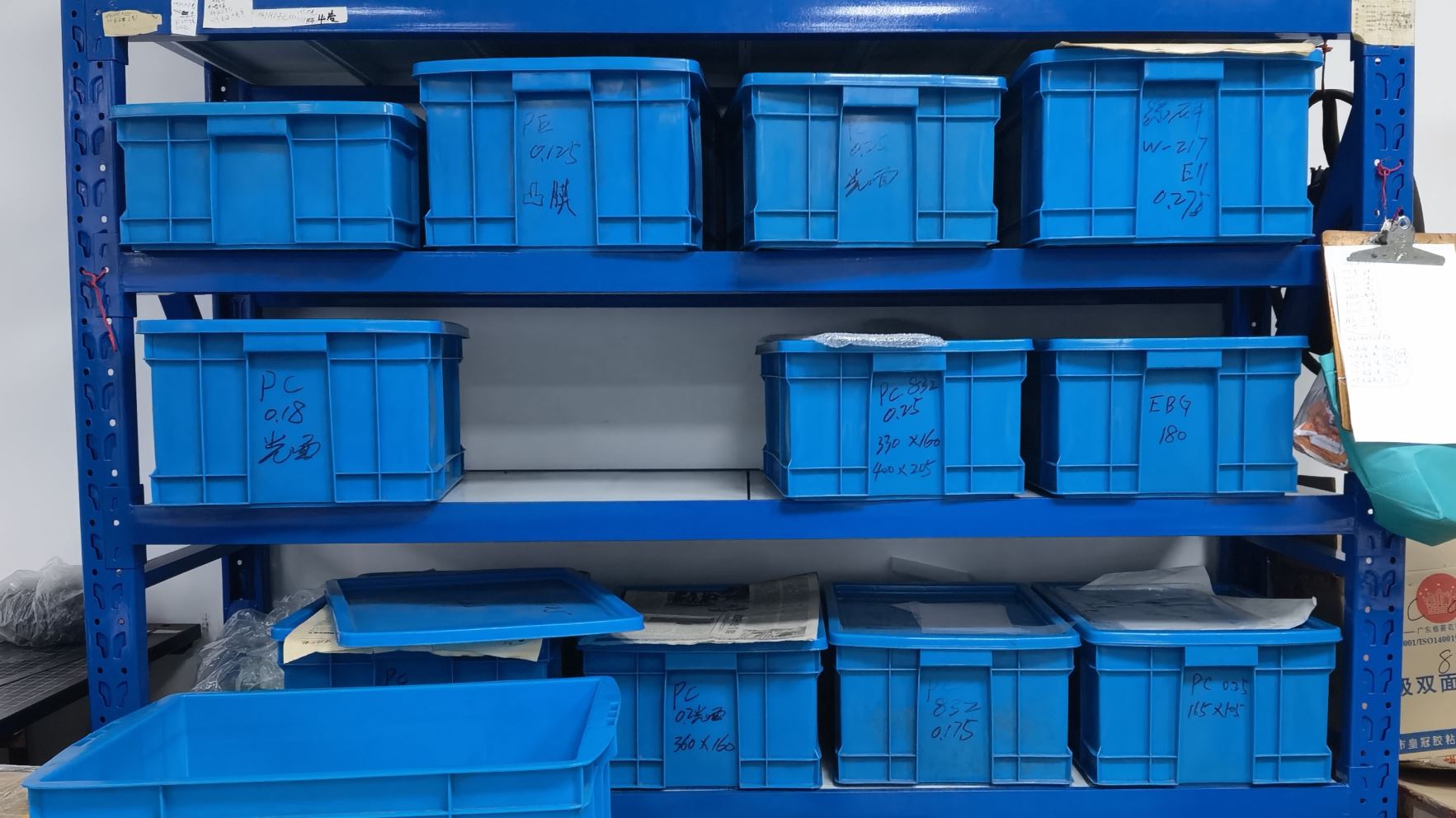
Material Inbound QA
Optical and thickness verification of incoming Autotype PET, Lexan PC, and 3M adhesive sheets.
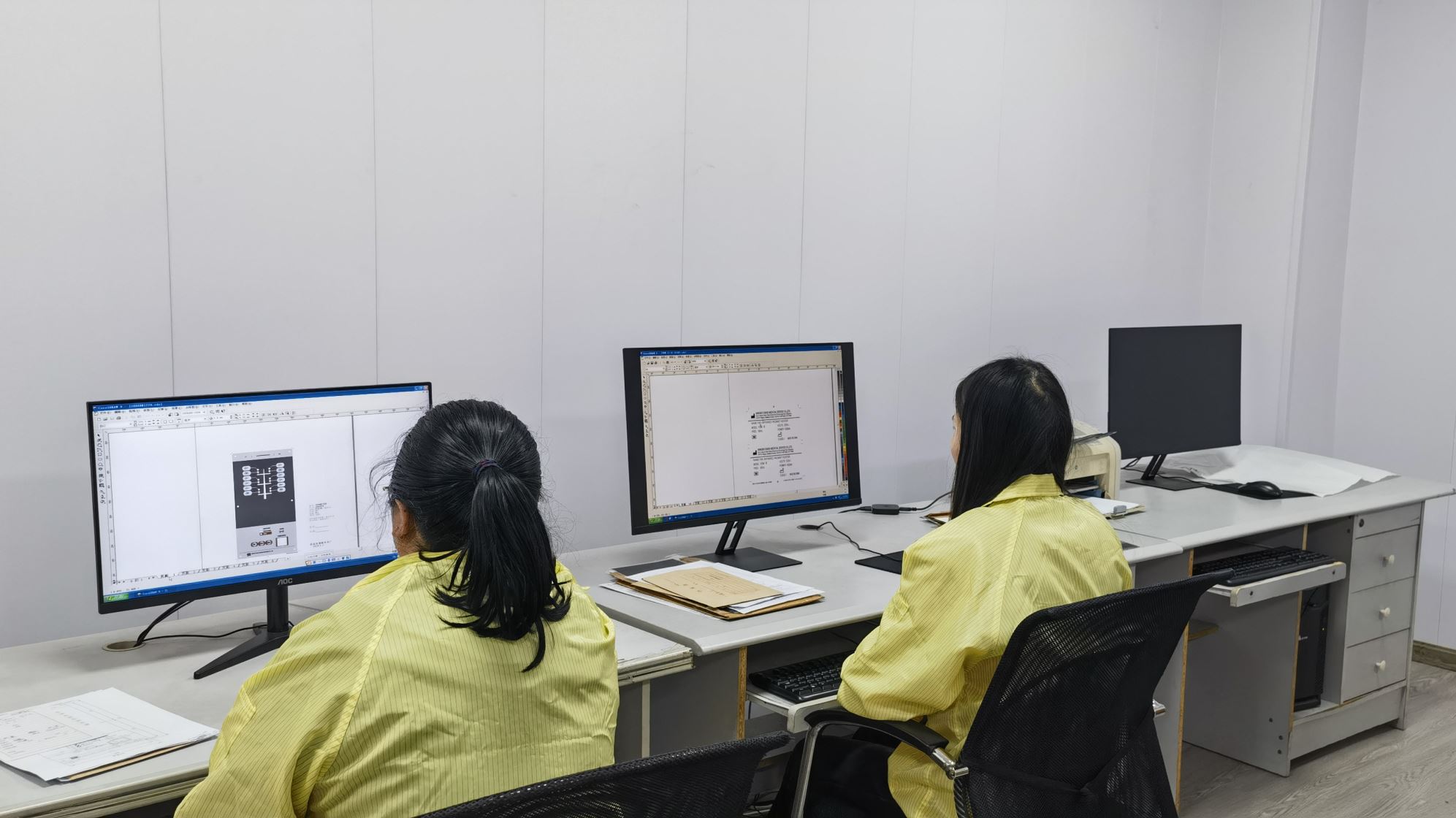
DFM Engineering
CAD circuit layout optimization, pinout mapping, and dome matrix confirmation to prevent shorting.
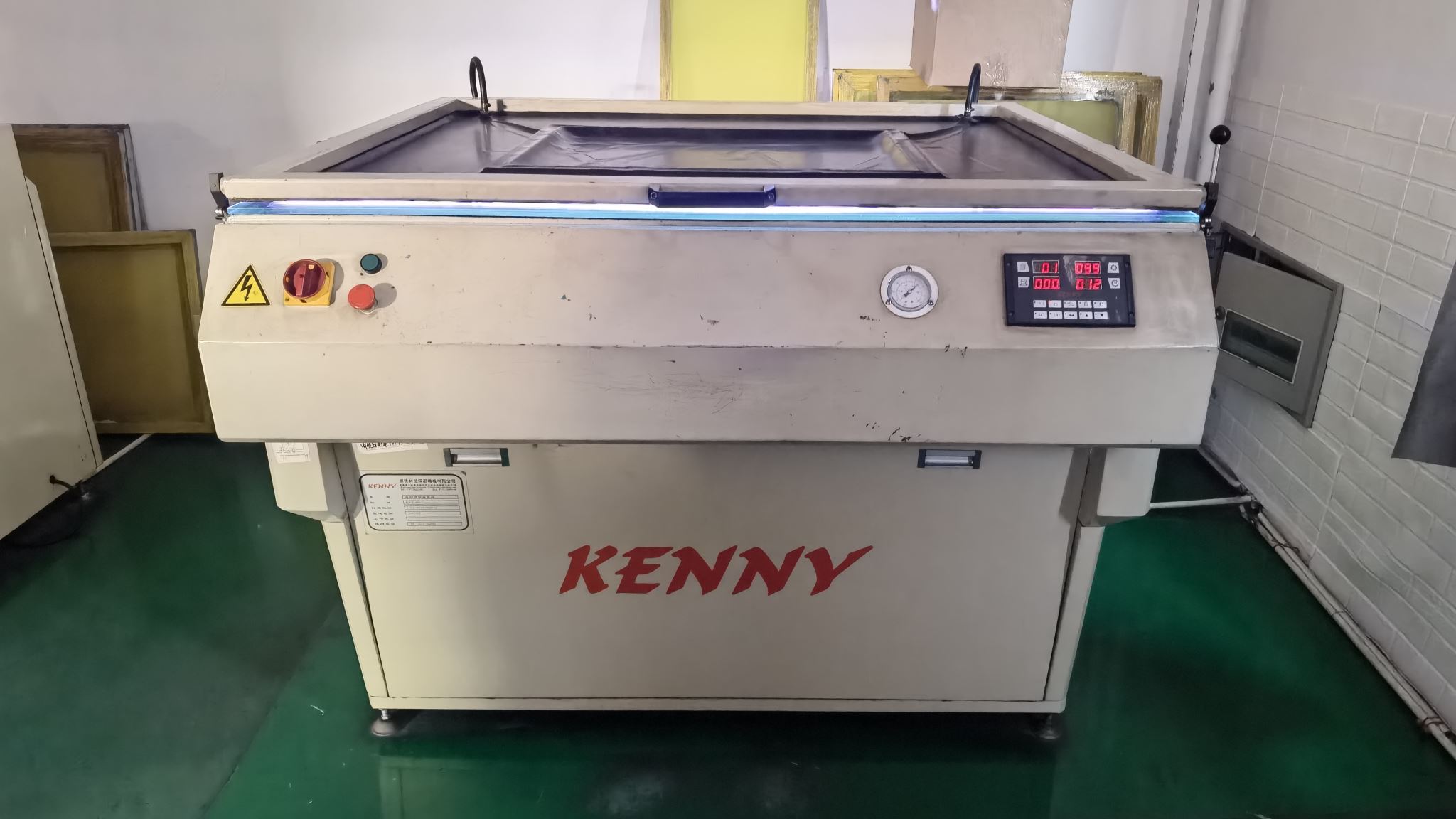
Screen Mask Exposure
High-resolution mesh screen making to establish micron-accurate conductive traces and graphic overlays.
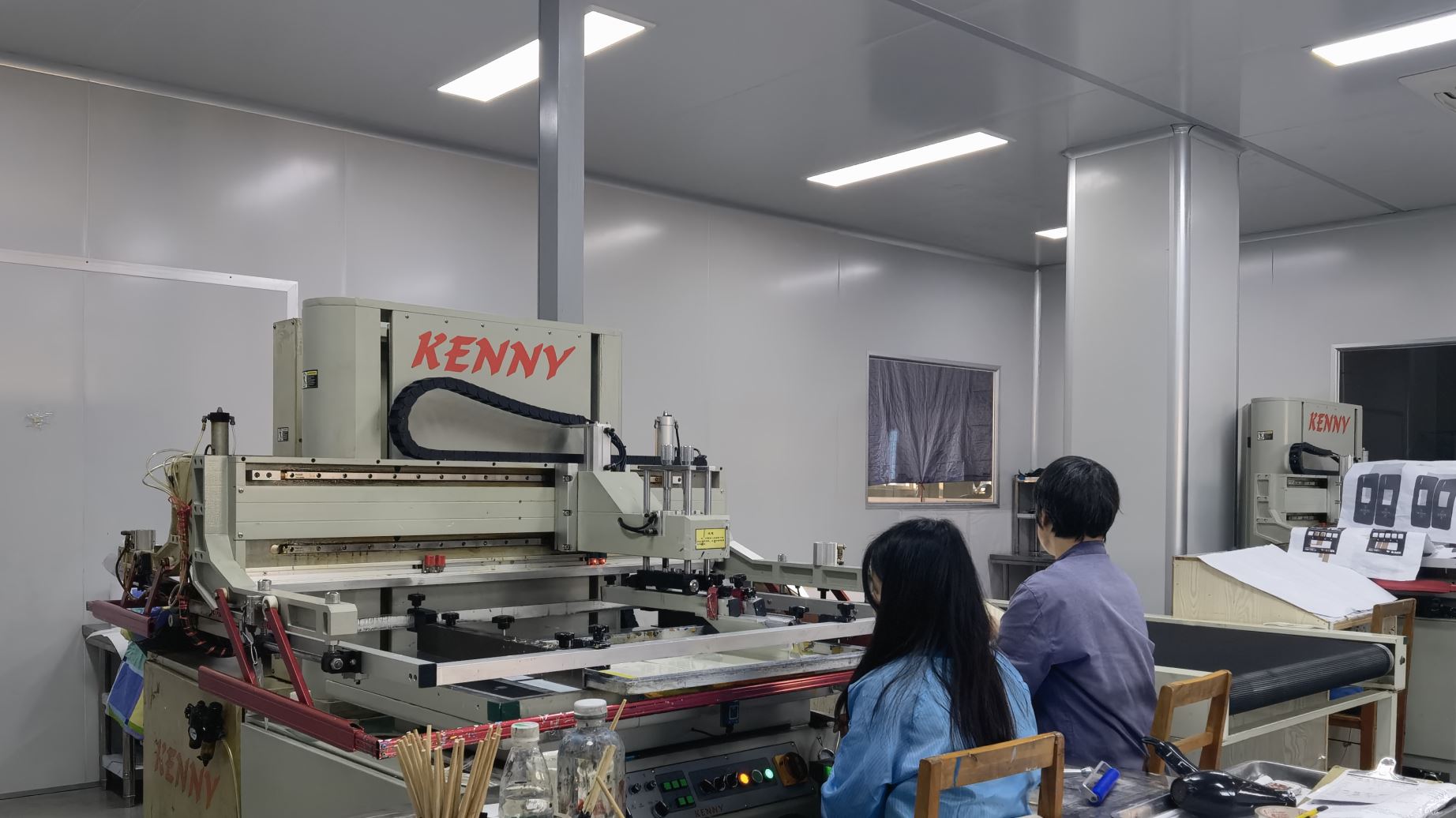
Cleanroom Printing
High-conductivity micro-silver paste and dielectric insulating ink application in class 10,000 cleanrooms.
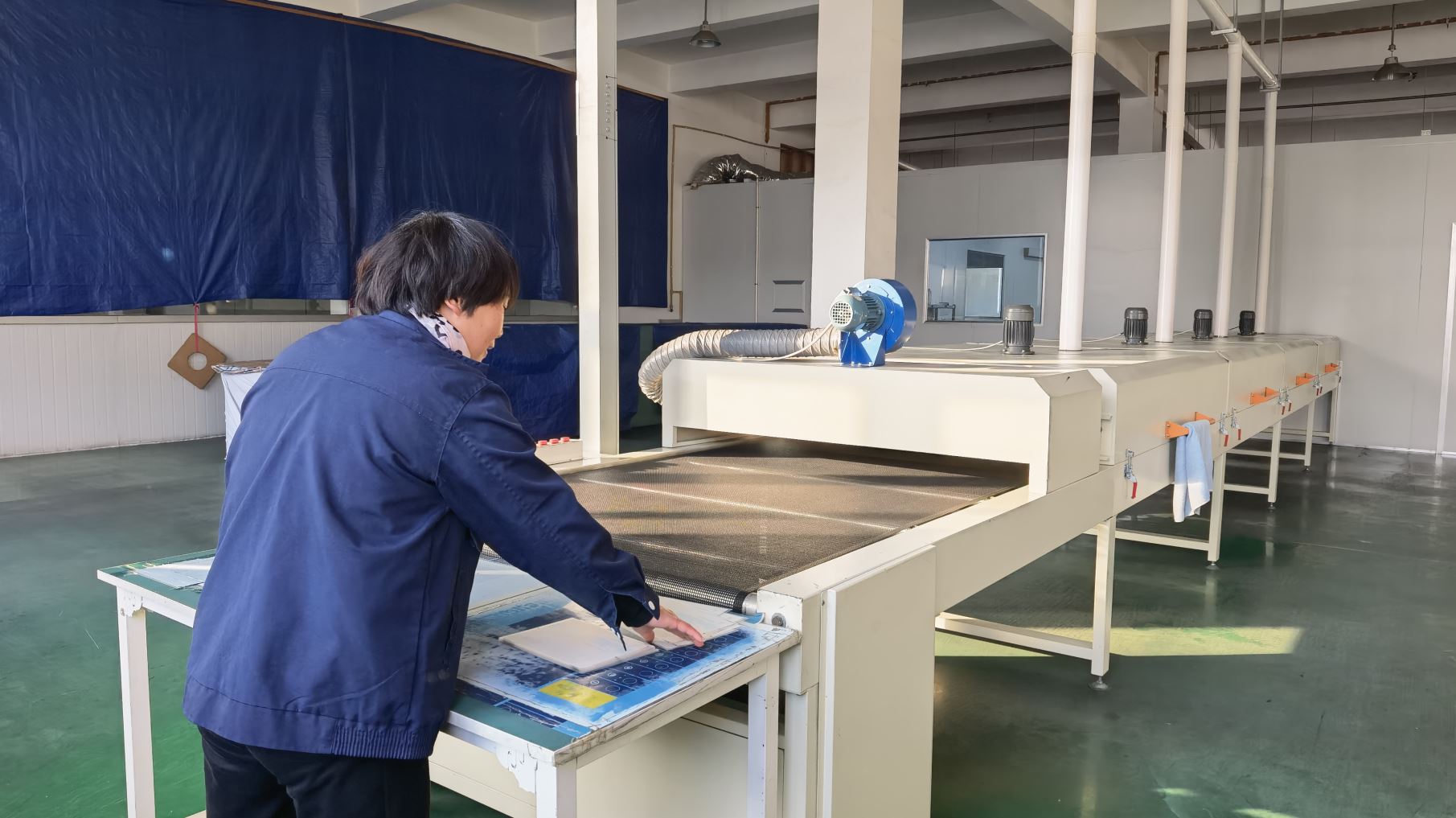
Tunnel Curing
Temperature-controlled continuous tunnel curing stabilizes conductive silver and locks in ink adhesion.
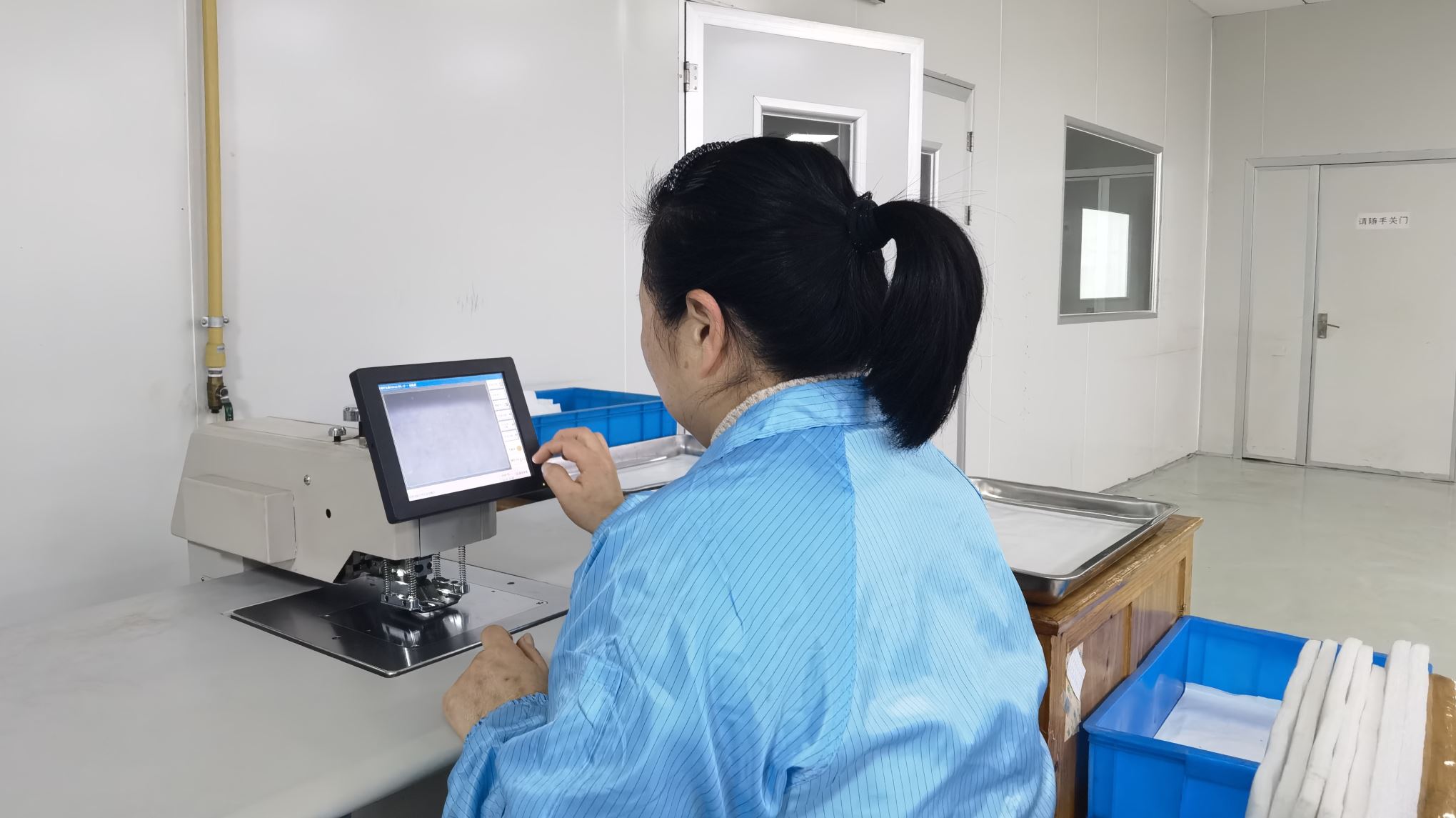
Registration Punch
Automated CCD optical target punching establishes precise registration for multi-layer alignment.
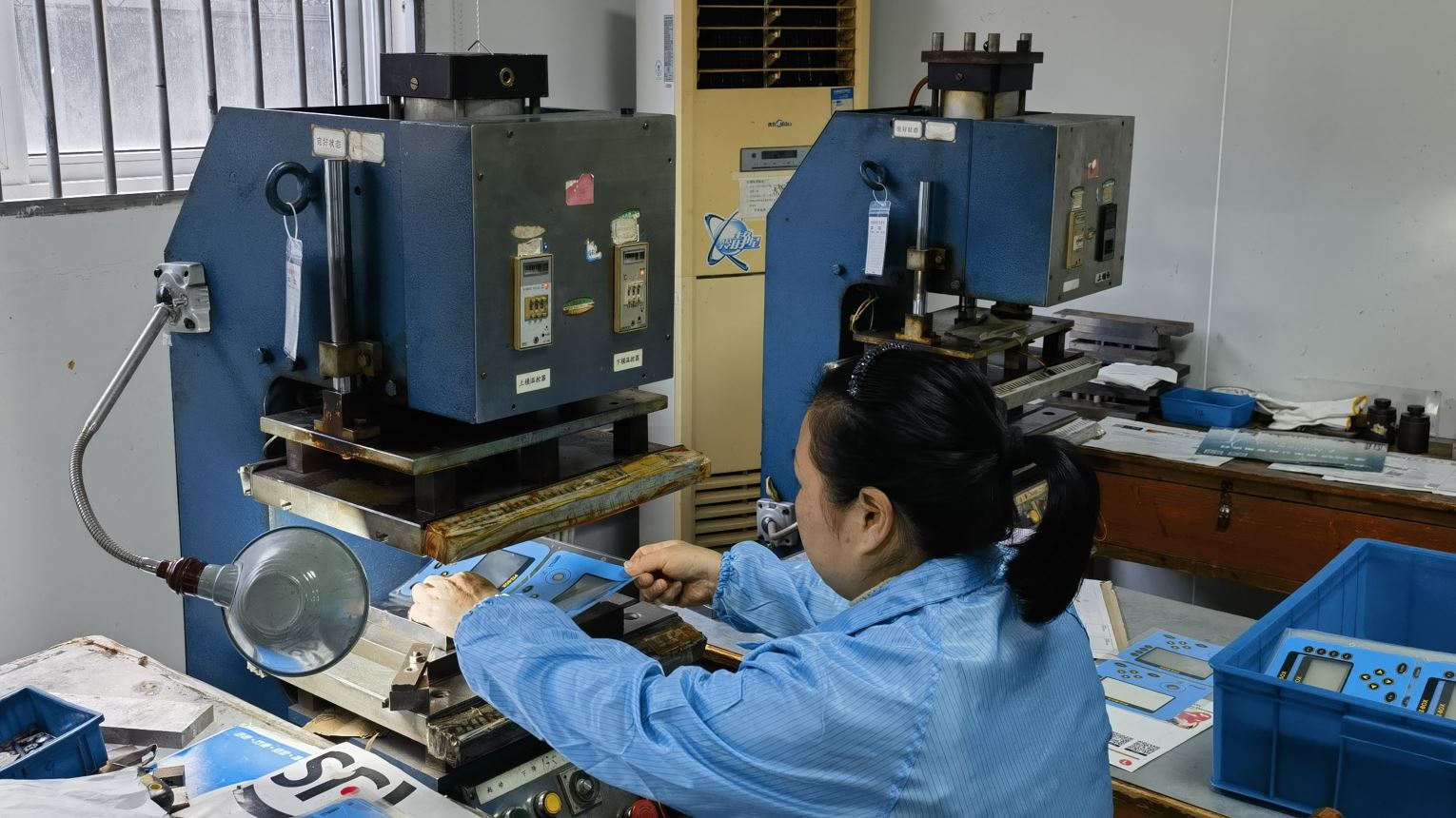
Precision Embossing
Controlled hydro-mechanical forming of tactile rims, poly domes, and custom LED guidance channels.
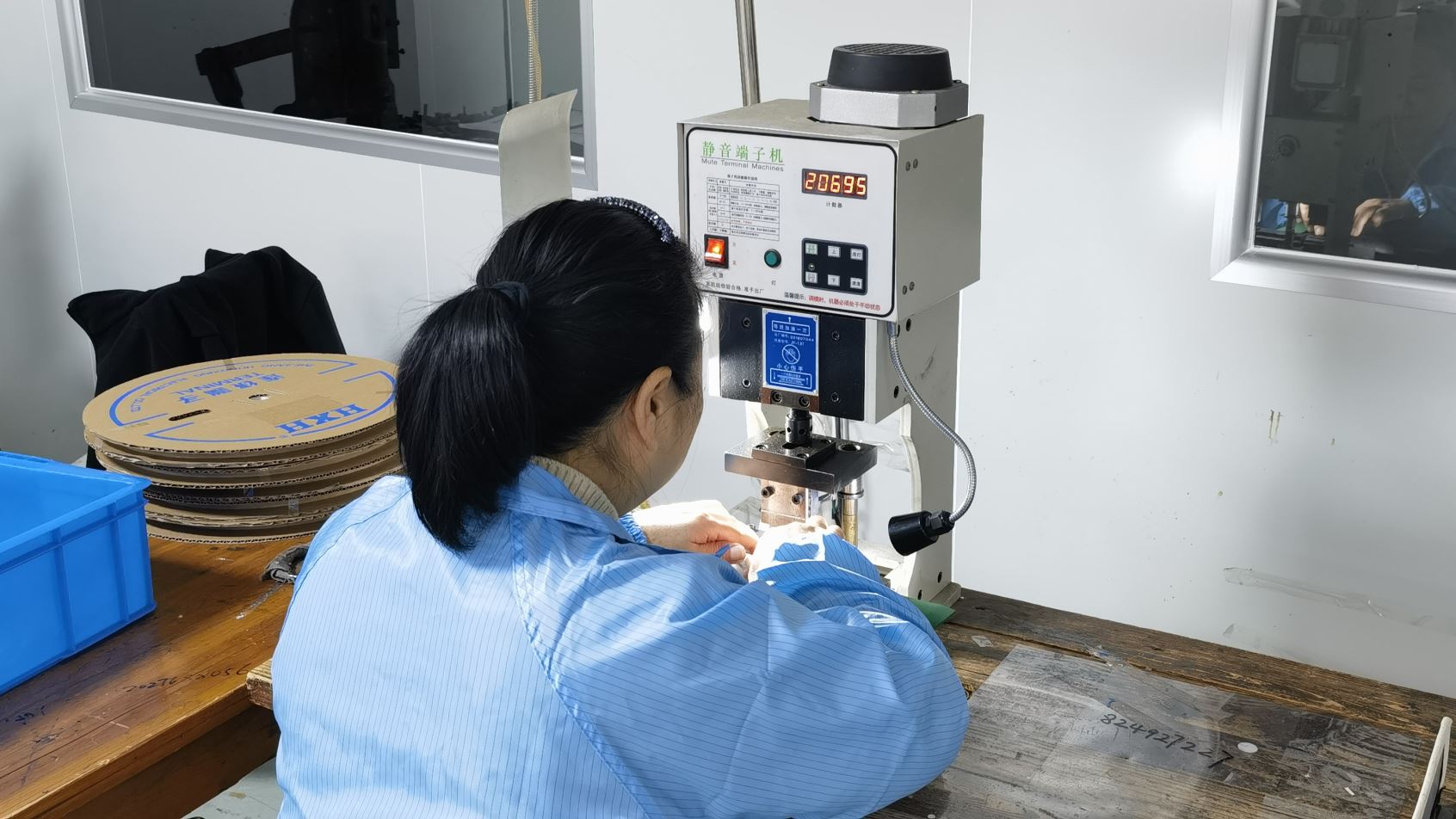
Terminal Crimping
Automated terminal crimping of female Amphenol, Nicomatic, or Berg latched connectors onto flex tails.
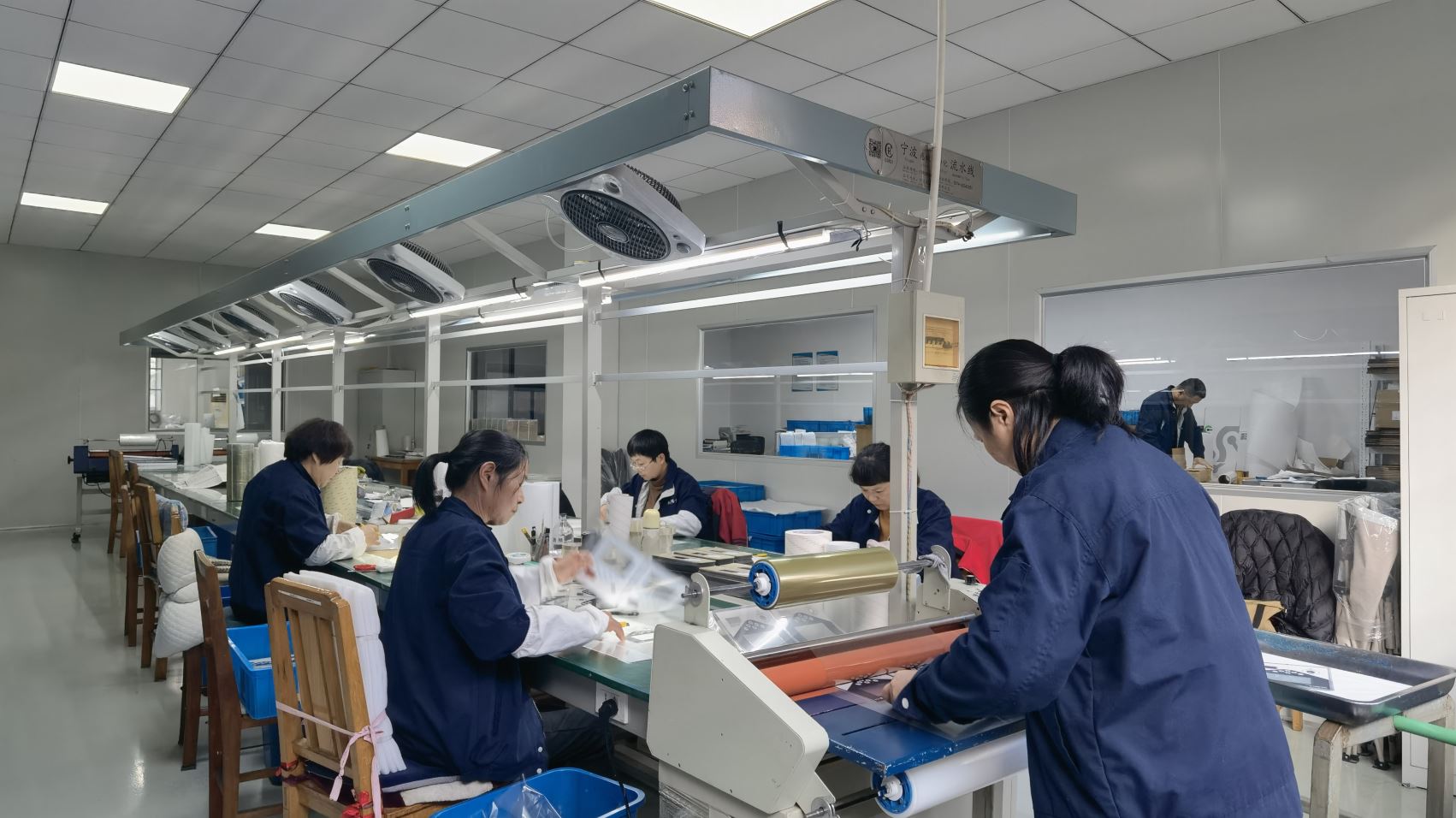
Precision Assembly
Cleanroom lamination of overlay, dome retainer, circuit, spacer, and rear 3M bonding substrate.
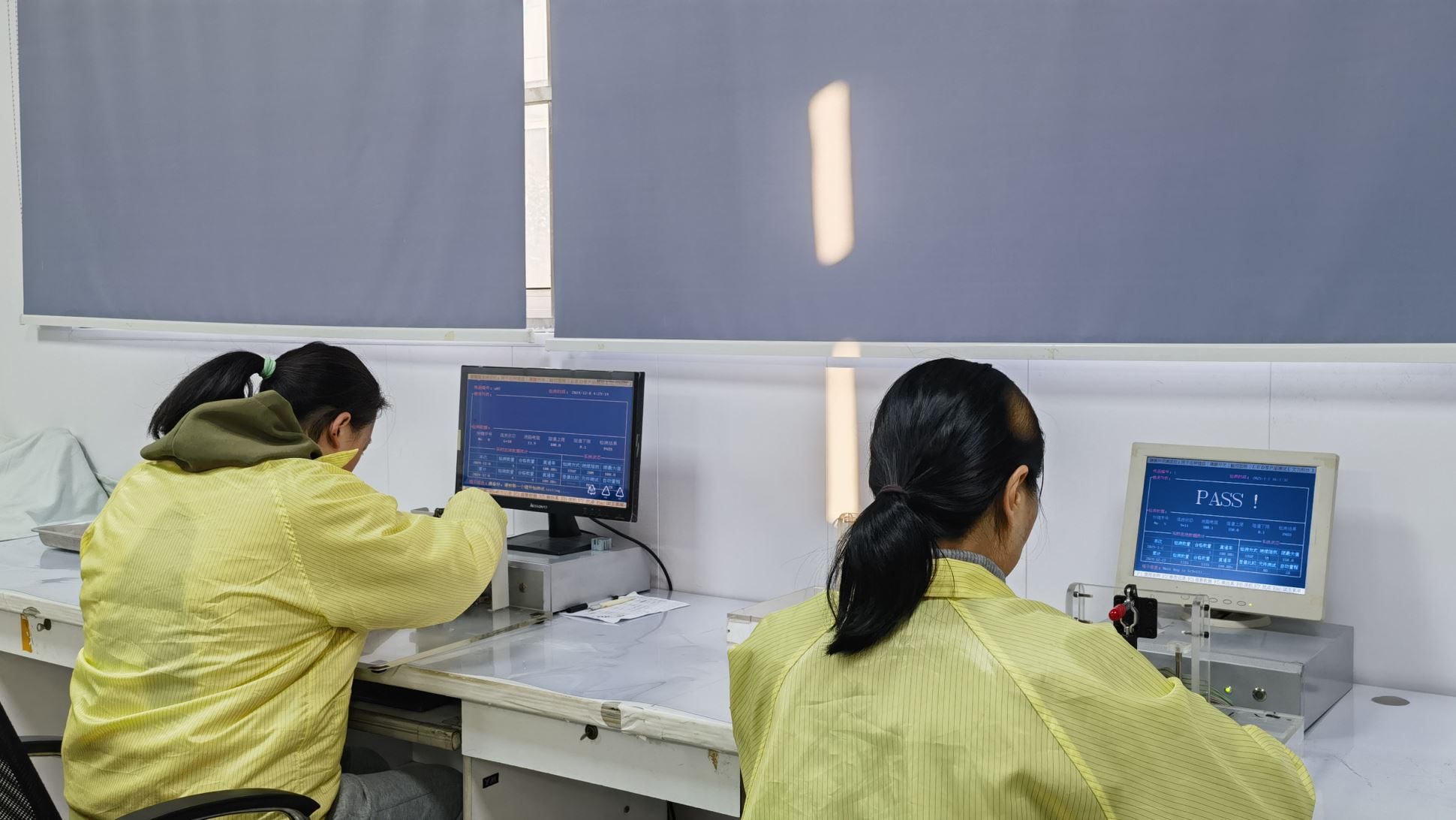
Automated Final QA
100% computerized continuity, circuit loop resistance, actuation click ratio, and aesthetic inspection.
Frequently Asked Questions for Norwegian Sourcing Managers
Key commercial, technical, and regulatory considerations for importing custom tactile membrane keypads into Norway and the wider Nordic region.
Accelerate Your HMI Project for the Norwegian Market
Partner directly with Zhejiang ZIRA Membrane Switch Co., Ltd. for factory-direct engineering support, full DFM review, rapid sampling, and ruggedized custom tactile keypads built to thrive in harsh environments.
