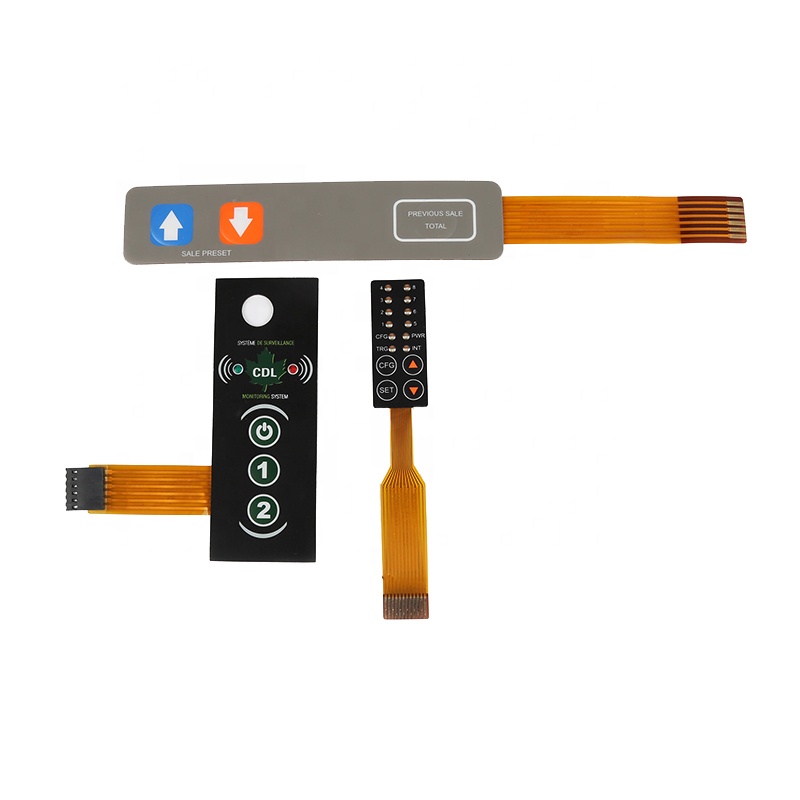
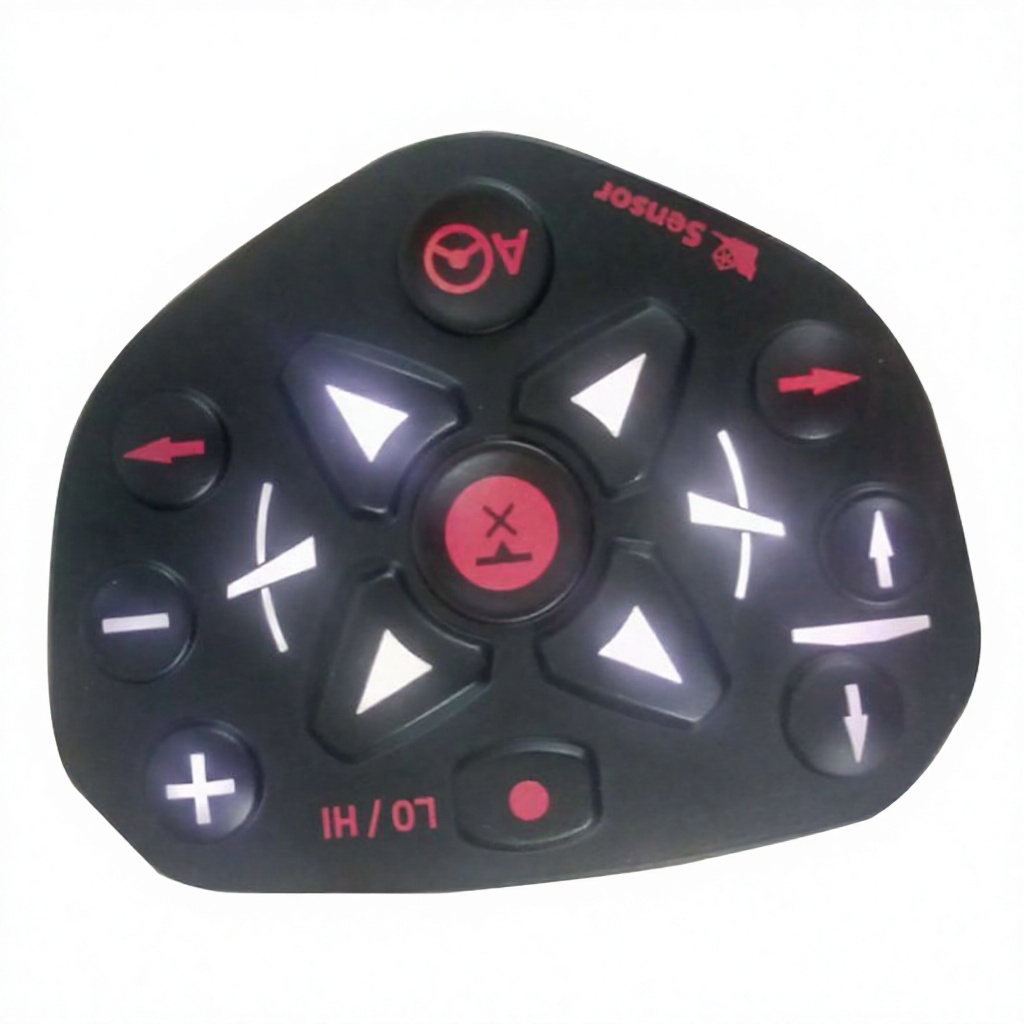

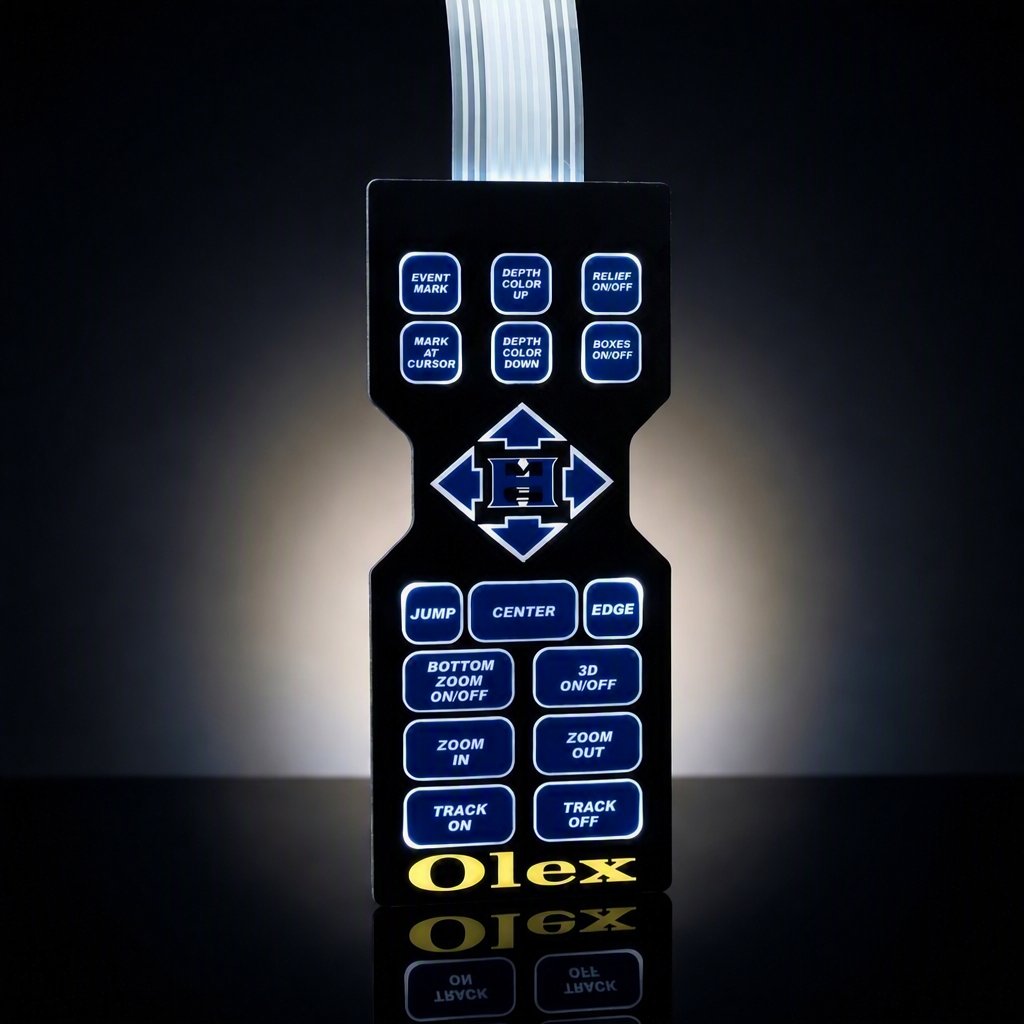
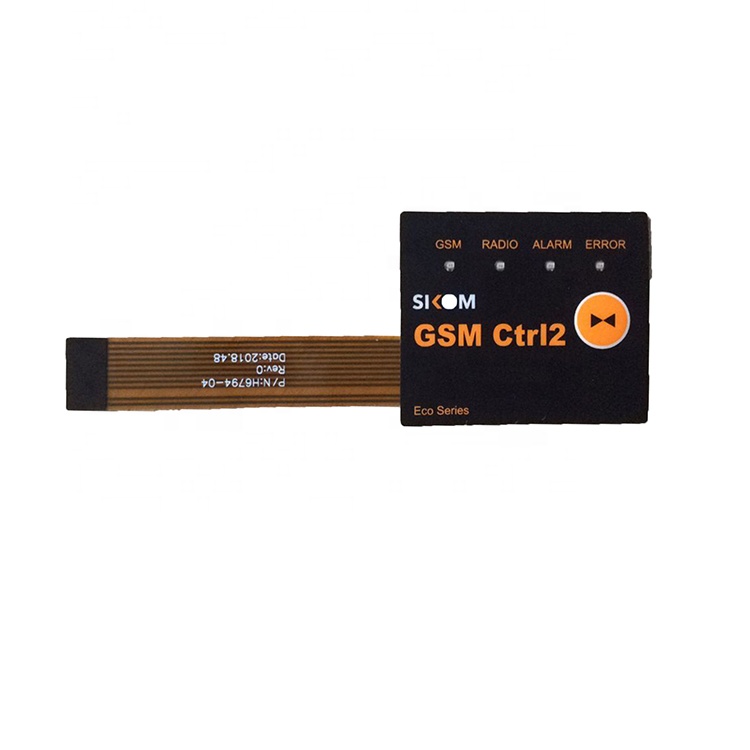
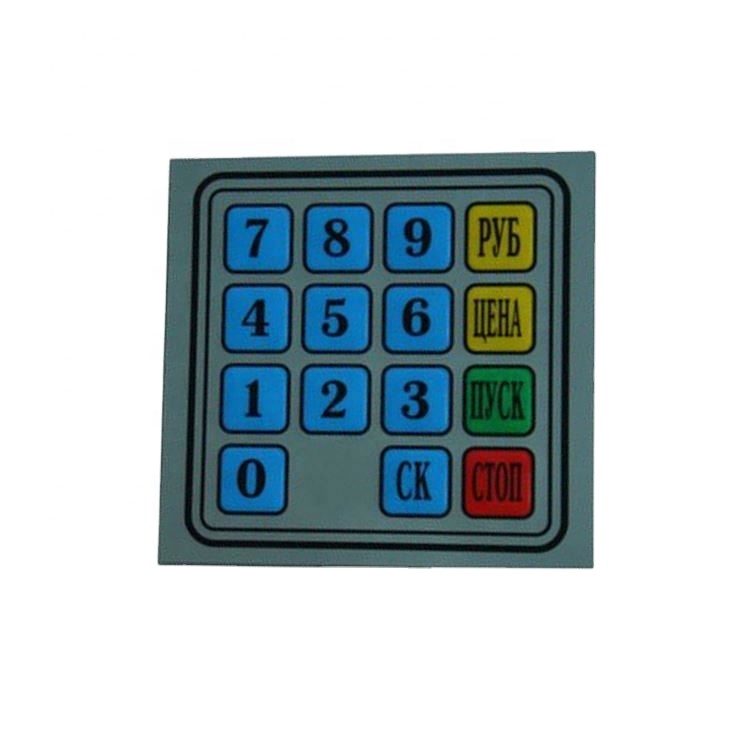
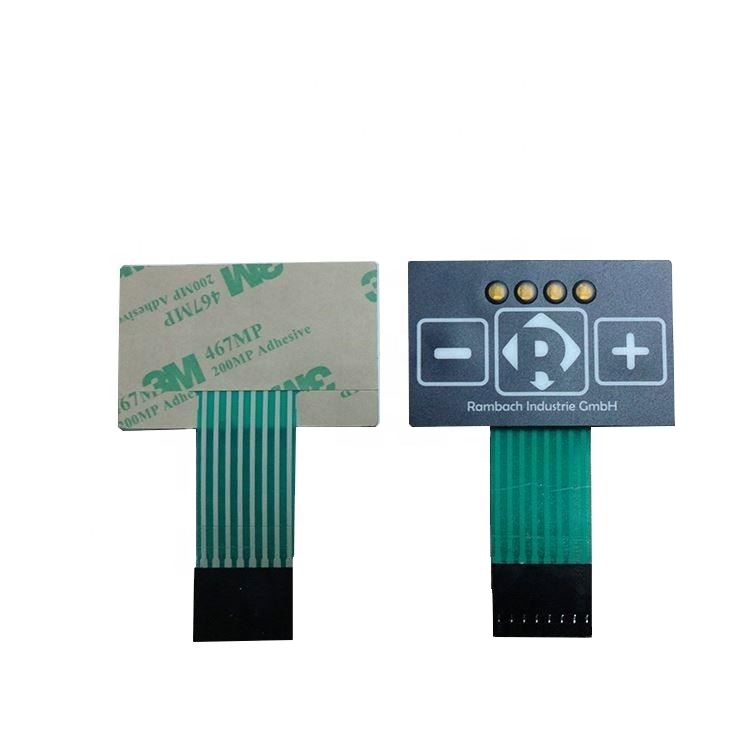
In the evolving industrial ecosystem of Rome, the Lazio region, and broader Central-Southern Italy, original equipment manufacturers (OEMs) are modernizing user interfaces to meet stringent European standards for operational ergonomic comfort, chemical resistance, and IP-rated environmental sealing. Modern electromechanical assemblies are rapidly moving away from bulky mechanical push-buttons toward integrated, low-profile tactile keypad switches and hybrid silicone-membrane control panels.
Engineers and procurement leaders operating in Rome’s key industrial hubs—such as the Tiburtina Technology Valley, the biomedical clusters around Tor Vergata and Campus Bio-Medico, aerospace and defense contractors, and regional commercial coffee equipment builders—require tactile switches that deliver crisp tactile feedback alongside high electrical reliability. Achieving this level of performance demands a deep understanding of layer stack-up dynamics, spring-metal dome deflection mechanics, surface treatment chemistry, and strict compliance with European directives including RoHS 3 (EU 2015/863) and REACH (EC 1907/2006).
Tactile Actuation Mechanics: Optimizing the Snap Ratio for Critical Applications
A primary factor defining tactile keypad quality is tactile feedback consistency. The subjective feeling of key depression is mathematically quantified by the Snap Ratio ($S$):
Snap Ratio (%) = [(F1 - F2) / F1] × 100
Where $F1$ represents the peak actuation force required to collapse the metal dome or embossed poly dome, and $F2$ represents the contact return force (the force remaining at electrical contact closing). For industrial controls and medical devices in Rome where operators frequently wear protective gloves or work in high-vibration settings, an optimal snap ratio ranges between 40% and 60% with actuation forces tuned between 220g and 420g. This range prevents accidental actuation while providing unmistakable tactile confirmation without requiring heavy finger pressure.
