Direct-to-OEM Factory Supply · ISO 9001:2015 & RoHS Certified
Rubber Keypad Switch Manufacturers & Factory in the Budapest market
Precision-engineered silicone elastomer keypads, hybrid membrane switches, and custom HMI front assemblies designed for Hungary’s medical technology, automotive tier-1 electronics, and industrial automation sectors.
HMI Switch Assemblies
Engineered Switch Keypads Specified for Budapest OEMs
Explore our export-ready tactile membrane arrays, custom silicone rubber control mats, and illuminated operator panels built to rigorous European durability standards.
IP67 Waterproof
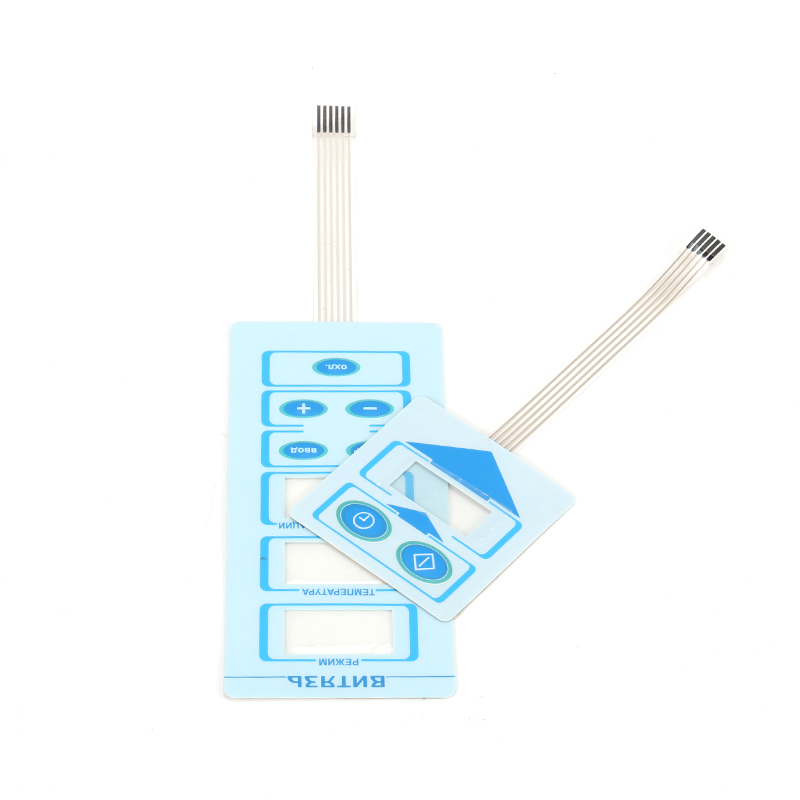
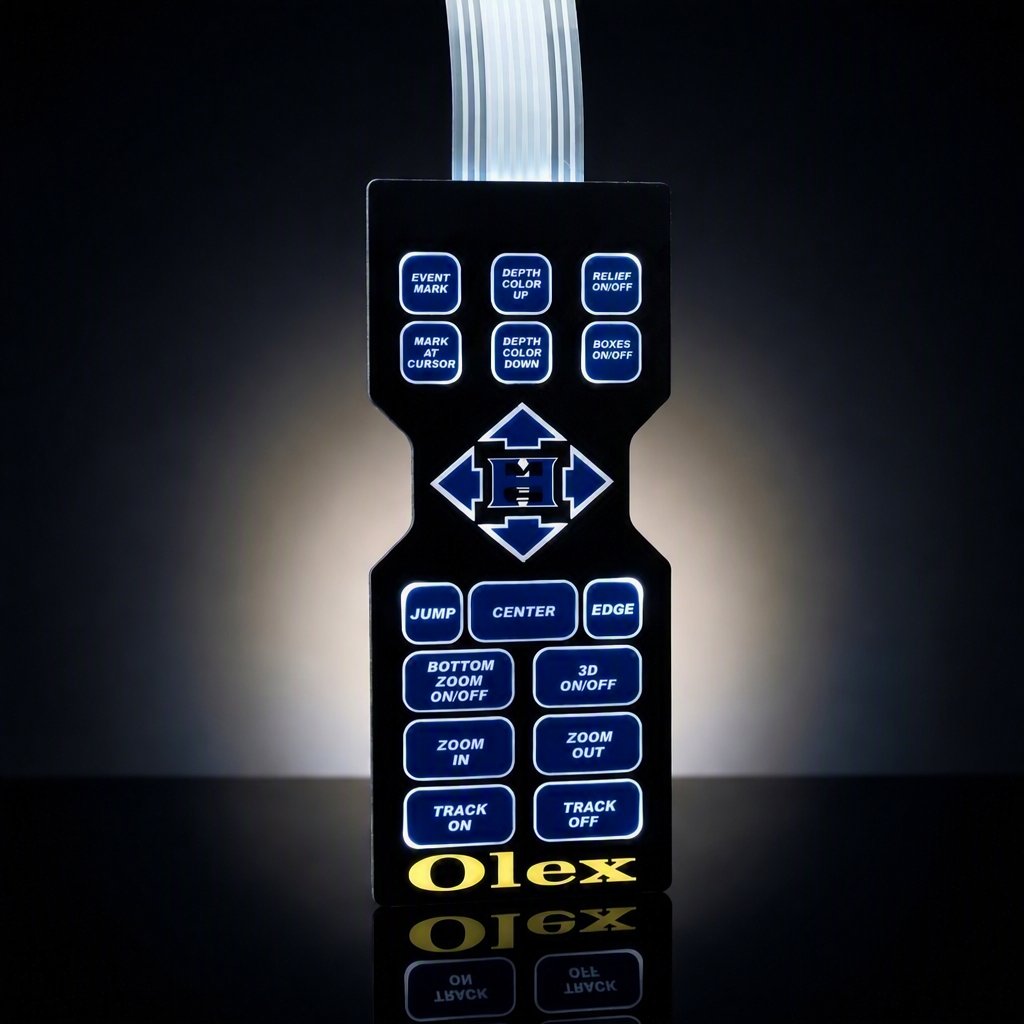
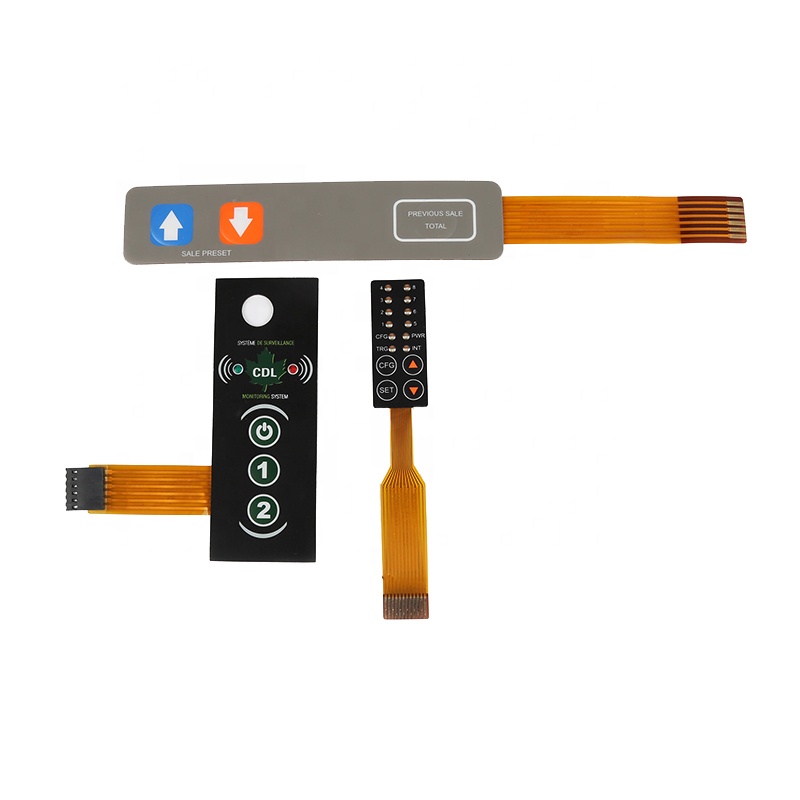
OEM ODM Custom Membrane Switch Keypad Waterproof Metal Dome Tactile Switch
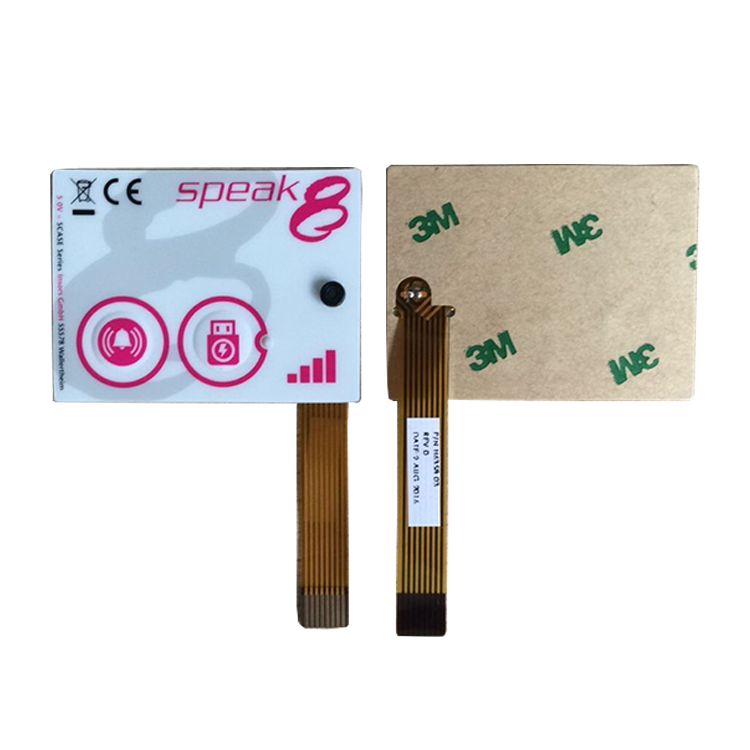
Built with 3M 467MP/468MP adhesive backings, crisp stainless-steel metal domes (280g–450g actuation), and sealed perimeter layers for rugged industrial panels.
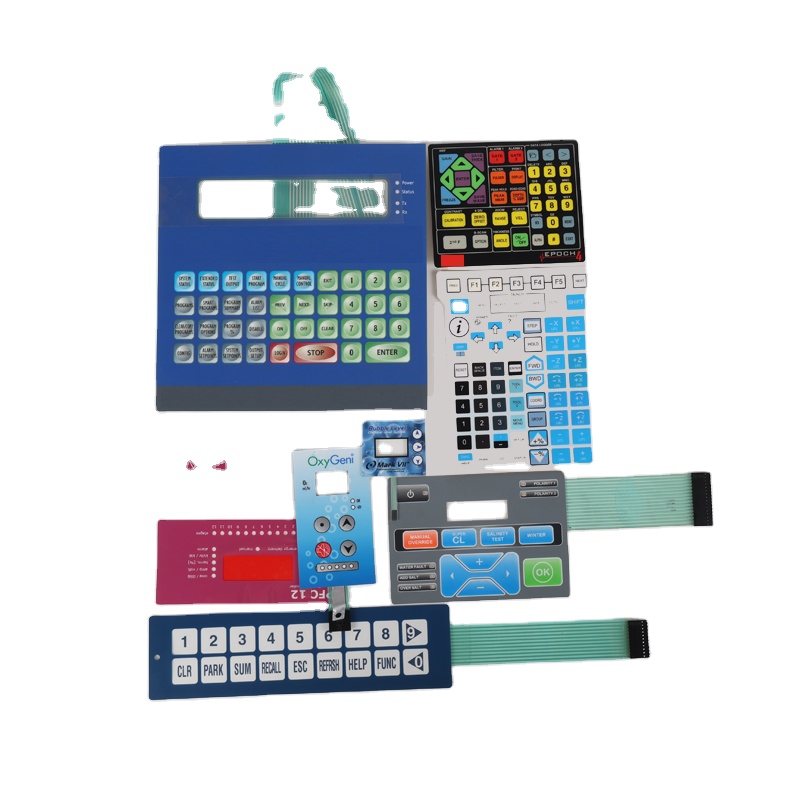
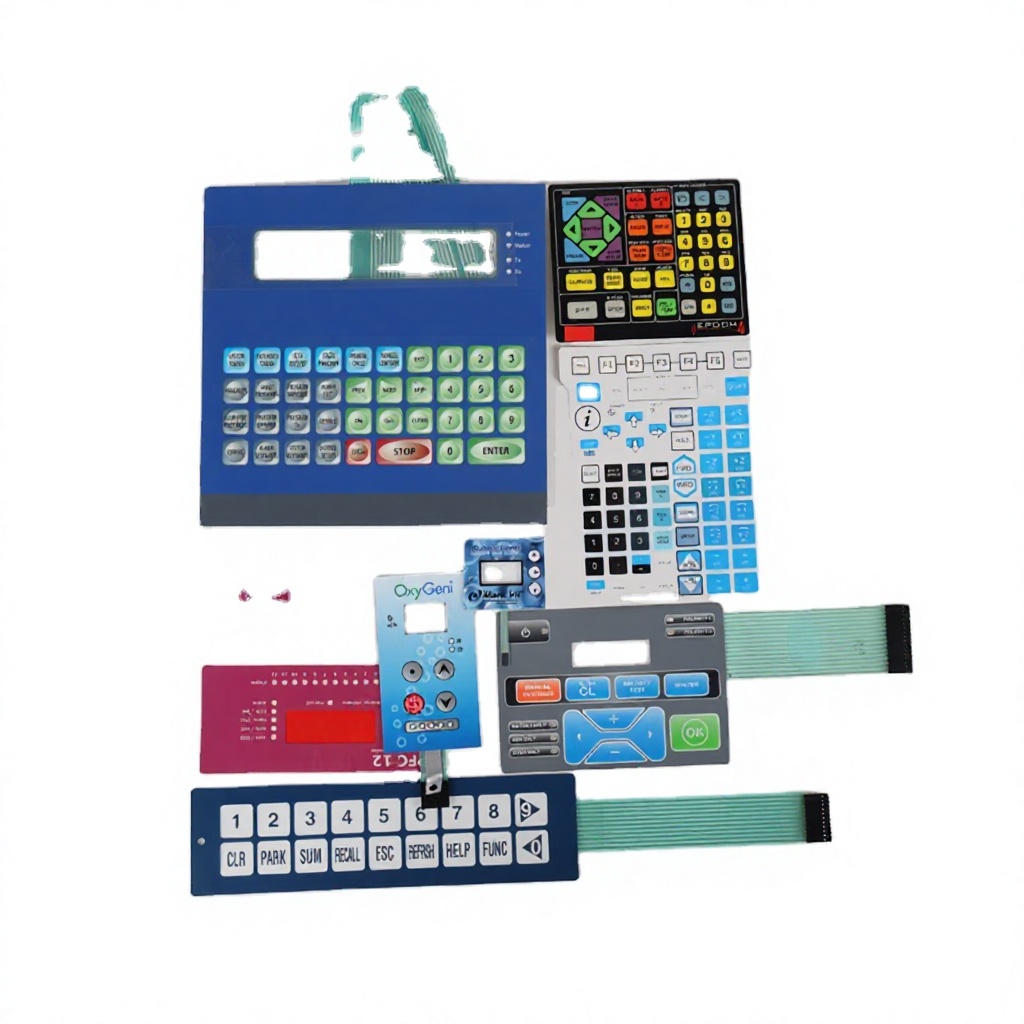
Custom Silk Screen Printing Membrane Switch Flexible Thin Film Keypad
Multi-color sub-surface printed Autotex PET film resisting aggressive cleaning solvents, alcohol sterilization, and hospital disinfectants across Hungary.
Ultra-thin Light Guide Film (LGF) simulation service providing uniform night-vision illumination across keys with low power consumption for defense and automotive cabins.
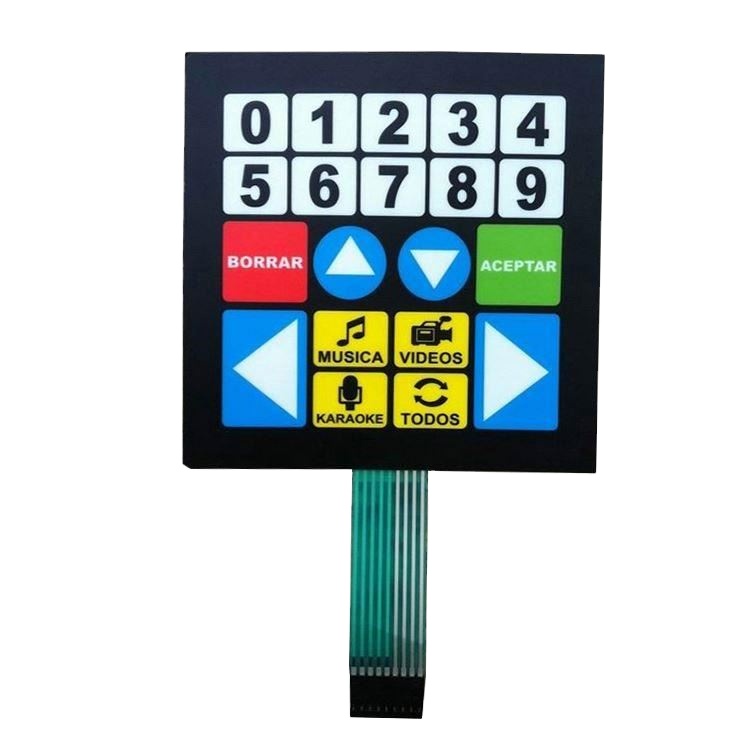
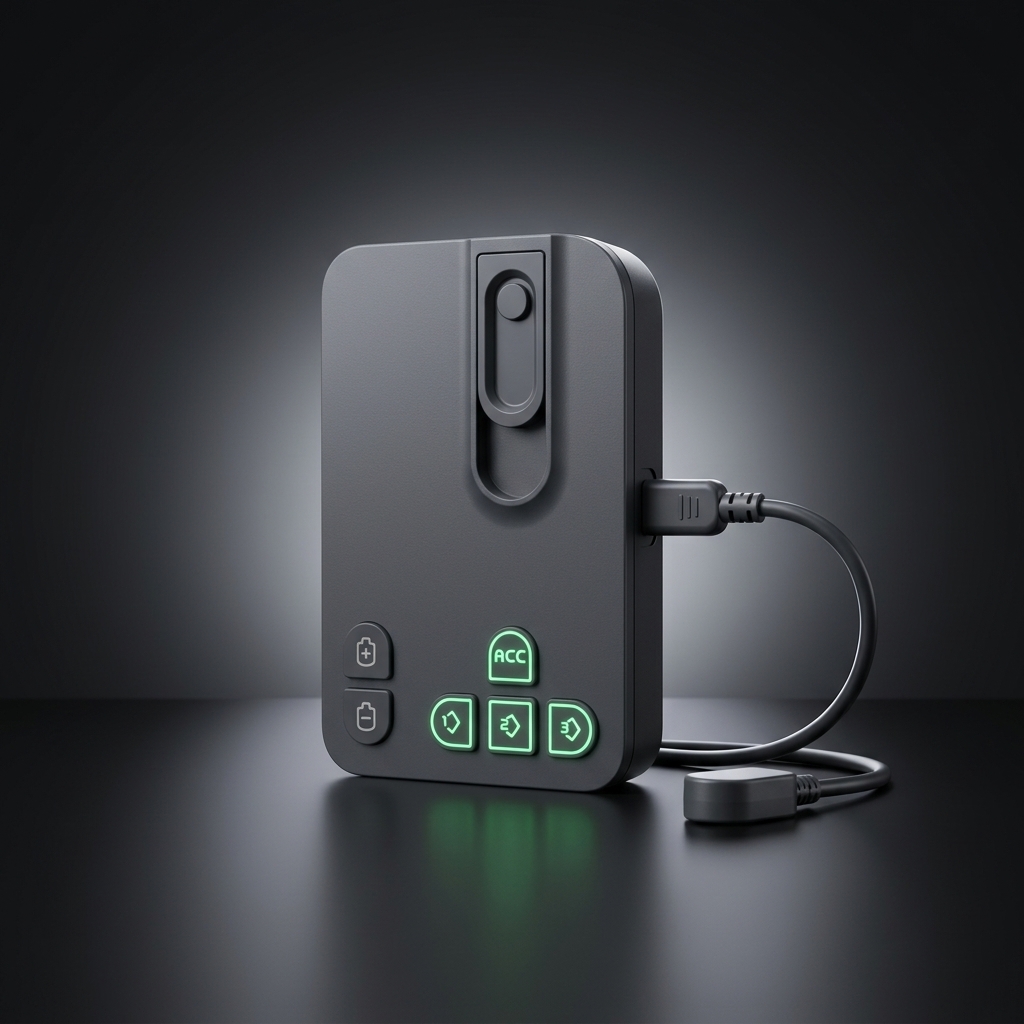
Waterproof Capacitive Touch Membrane Switch with Customizable Texture
Zero-wear solid-state ITO sensing surfaces suited for high-cycle public terminals, smart building access control, and aseptic laboratory consoles in Central Europe.
Pioneering HMI interfaces since 1996 in Ningbo, Zhejiang.
100%
Electrical & Optical Testing
Continuity, resistance, insulation, and tactile actuation verified.
5,000m²
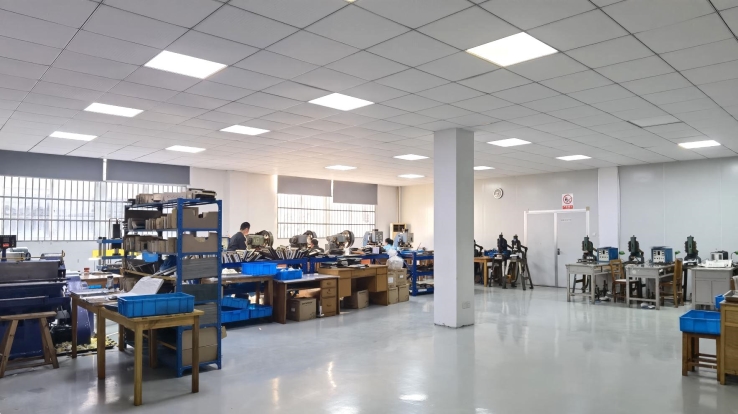
Production Infrastructure
Equipped with 5 dedicated cleanroom printing and assembly lines.
50%
Global Export Volume
Serving Tier-1 industrial buyers across Europe, Americas & Asia.
Technical Sourcing Whitepaper: Navigating the Budapest HMI & Silicone Switch Landscape
The Greater Budapest metropolitan area, anchored by Pest County’s industrial ring road (M0 corridor), Székesfehérvár, and the emerging Debrecen-Győr manufacturing corridors, represents one of Central Europe’s most dynamic hubs for Contract Electronics Manufacturing (CEM) and human-machine interface (HMI) integration. As global OEMs in automotive electronics, medical instrumentation, industrial automation, and smart metering localize production within Hungary to serve the European Single Market, the technical specification for tactile switching components has shifted dramatically.
Specifying engineers and strategic sourcing procurement managers across Budapest no longer treat silicone rubber keypads and membrane switches as generic passive commodities. Instead, they are audited as critical electro-mechanical sub-assemblies directly governing operational reliability, operator safety, ingress prevention (IP65 to IP68), and end-user tactile perception. Zhejiang ZIRA Membrane Switch Co., Ltd. brings nearly three decades of direct factory engineering experience to Hungarian hardware developers, offering an exhaustive manufacturing bridge between low-friction prototyping and high-volume serialized production.
Engineering Core Principle: Sourcing high-reliability rubber keypads requires balancing the actuation force-displacement profile (snap ratio) of the elastomer webbing with environmental resistance against aggressive cleaning chemistries, broad continental temperature fluctuations (-40°C to +85°C), and European electromagnetic compatibility (EMC) regulations.
Hungarian Industry Focus
Localized Application Scenarios Across the Budapest Ecosystem
From university research spin-offs in Buda to multinational assembly plants in Pest County and western Hungary, our keypad switches solve rigorous application-specific operating constraints.
Medical Diagnostics & Aseptic Devices
Budapest’s storied heritage in healthcare technology—spanning laboratory centrifuges, neonatal monitoring, surgical consoles, and blood analysis equipment—demands front panels that completely seal against fluids. Our custom silicone-membrane hybrids utilize continuous perimeter gaskets, non-porous antimicrobial surface coatings, and flush keycaps that withstand continuous sanitization via hospital-grade sodium hypochlorite and quaternary ammonium wipe-downs without legend fading or silver degradation.
Automotive Tier-1 & EV Battery Systems
With Hungary rapidly ascending as an international epicenter for electric vehicle battery cell synthesis and tier-1 drivetrain manufacturing, electronic hardware requires ruggedized cabin switches, charging infrastructure HMIs, and battery testing station interfaces. We produce automotive-grade rubber keypads engineered with high-temperature silicone rubber (withstanding continuous -40°C to +125°C cycles), custom laser-etched daytime/nighttime backlit icons, and UL94-V0 rated flame-retardant polymers.
Heavy Automation & Robotic Teach Pendants
Machine builders throughout the Csepel industrial zone and Biatorbágy logistics corridor rely on heavy-actuation, high-feedback keypads for programmable logic controller (PLC) operator interfaces and handheld crane controllers. Utilizing metal dome tactile switches paired with compression-molded silicone boots, these units provide operators wearing thick safety gloves with unmistakable tactile verification while repelling abrasive cutting fluids, lubricants, and airborne particulates.
Railway & Public Transit Terminals
Budapest’s dense public transit networks (BKK/MÁV) and regional rolling stock electronics require passenger ticket vending machines, onboard communication consoles, and cab signaling interfaces that endure severe physical abuse. We supply vandal-resistant silicone keymats featuring anti-cross-talk webbing, integrated drainage pathways, and carbon-pill switch matrix configurations rated for over 5 million operating cycles under intense continuous public operation.
Smart Grid, Gas & Water Telemetry Units
Central European utility metering infrastructure requires low-power, weather-sealed field keypads installed in unheated outdoor distribution enclosures. Our custom thin-film poly dome membrane switches and conductive silicone pads operate flawlessly in humid, sub-zero conditions, preventing moisture intrusion from condensing dew or torrential rains without degrading contact circuit resistance.
Defense & Rugged Field Communications
Tactical communication handsets and surveying navigation systems developed in Hungarian tech parks require covert illumination, low electromagnetic emission profiles, and silent tactile operation. We engineer stealth black matte rubber keyboards with specialized Light Guide Films (LGF), IR-filtered LED backlights, and selective EMI/ESD shielding grids that satisfy European defense interoperability constraints.
Engineering Deep-Dive: Material Formulation, Actuation Physics & DFM
A resilient rubber keypad switch assembly relies heavily on precision chemical formulation and mechanical geometry. When engineering solutions for our European partners, ZIRA’s technical team evaluates four interlocked domains: elastomer durometer, actuation curve mechanics, contact resistance metallurgy, and surface protection coatings.
1. Silicone Elastomer Chemistry and Durometer Calibration
We process 100% virgin polydimethylsiloxane (silicone rubber) compound stock, precisely calibrated on the Shore A hardness scale from 30° (extremely soft, high deflection) to 80° (firm, short stroke). For industrial instrumentation in Hungary, a 50° to 60° Shore A compound is generally optimal. It ensures high tensile strength, exceptional tear resistance (≥ 25 kN/m), and minimal compression set under sustained load over years of exposure.
2. Tactile Snap Ratio and Webbing Geometry
The operator's subjective tactile feel is mathematically governed by the switch webbing geometry. The tactile snap ratio is expressed via the formula:
Snap Ratio Formula: Snap Ratio (%) = [(Actuation Force (Fa) - Contact Force (Fc)) / Actuation Force (Fa)] × 100%
For standard consumer or office devices, snap ratios often sit between 35% and 45%. However, for Budapest’s industrial control panels where operators need firm, unmistakable actuation through heavy vibration, ZIRA designs key webbing profiles delivering snap ratios between 50% and 65%, typically combining actuation forces of 150g to 350g with stroke travels ranging from 0.8mm to 2.0mm.
3. Conductive Contact Technologies
Depending on your underlying PCB circuitry, we incorporate three primary contact interface options:
Conductive Carbon Pills (Pads): Low-cost, long-life solution with typical contact resistance < 100 Ω. Carbon pills are vulcanized directly into the silicone base during the compression molding cycle, ensuring zero delamination risk across 5,000,000+ operations.
Gold or Silver Coated Pills: Designed for low-voltage, high-speed digital logic lines where circuit resistance must remain strictly below 1 Ω to 5 Ω.
Metal Dome Integration: Using stainless steel (SUS301/SUS304) nickeled or gold-plated domes positioned beneath the rubber key actuator, delivering an ultra-crisp tactile click and audible snap feedback preferred in automotive diagnostic tablets.
4. Surface Protection & Legend Durability
To resist physical abrasion, chemical attack, and UV yellowing, ZIRA applies multi-stage surface coatings. Silk-screened graphics are sealed beneath optical-grade Polyurethane (PU) protective spray or UV-curable hardcoats. For illuminated designs, keys are molded in clear silicone, sprayed with opaque basecoats, and precision laser-etched to expose clear legends, topped with a soft-touch matte finish that passes standard RCA tape abrasion tests exceeding 300 cycles at 175g load.
Technology Trade-Offs
Engineering Selection Matrix for HMI Technologies
Compare the mechanical, electrical, and thermal properties of key switching technologies to choose the right interface for your next hardware build.
Evaluation Parameter
Silicone Rubber Keypad
Membrane Switch (PET)
Rigid PCB Membrane Hybrid
Capacitive Touch Film
Actuation Profile & Travel
Long travel (0.8mm – 2.5mm); cushioned or tactile snap
Short travel (0.2mm – 0.6mm); metal dome snap or flat
Precise metal dome travel (0.3mm – 0.5mm)
Zero travel (solid state); haptic/buzzer feedback required
Operating Temperature
-40°C to +150°C (extreme stability)
-20°C to +70°C (limited by polyester)
-30°C to +85°C (FR-4 industrial grade)
-20°C to +70°C (optical adhesive limits)
Ingress Protection Ceiling
IP68 (with molded wrap-around rim)
IP67 (with complete perimeter adhesive seal)
IP67 (sealed bezel frame assembly)
IP68 (complete seamless glass/plastic bond)
Lifecycle Durability
3 to 10 Million cycles
1 to 3 Million cycles
1 to 5 Million cycles
> 20 Million cycles (no mechanical wear)
Tooling & NRE Investment
Moderate (Steel compression mold required)
Low (Film dies, screen stencils, embossing tool)
Moderate (PCB phototools + overlay dies)
Moderate to High (Sensor layout + controller tuning)
Backlighting Capability
Laser-etched translucent keys; LED light pipes
Side-firing LED, Light Guide Film (LGF), EL foil
Surface-mount SMT LEDs directly on PCB
Backlit capacitive icons and LED status windows
Chemical Resistance
Excellent (Aliphatic hydrocarbons, UV, ozone)
High (Resists alcohols, mild acids, detergents)
High (Dependent on front overlay film grade)
Superior (Non-porous glass or chemically treated PET)
Industry 4.0 & Horizon 2030
Emerging HMI Trends Shaping the Hungarian Market
Staying ahead of regulatory shifts, user ergonomics, and automation convergence across the Carpathian Basin.
Stringent Chemical & RoHS 3 Compliance
Hungarian manufacturers exporting to Germany, Austria, and Scandinavia operate under tight scrutiny regarding European REACH SVHC candidates, RoHS 3 directive (EU 2015/863), and Halogen-Free requirements. Modern purchasing teams in Budapest require certified non-phthalate plasticizers, heavy-metal-free printing pigments, and verified flame-retardant chemistry (UL94-V0) documented with batch-specific test certifications.
Transition to Uniform LGF Backlighting
Legacy bulky incandescent indicator bulbs and uneven point-source LEDs are being replaced by ultra-thin Light Guide Film (LGF) optics. In medical workstations and railway cockpits around Budapest, operators demand uniform, glare-free luminance across all keycaps. LGF technology focuses LED side-fire photons across micro-etched dot patterns, reducing total LED component counts by up to 70% while drastically cutting thermal draw and system power consumption.
Rise of Hybrid Silicone-on-Flex Architectures
Design teams are moving away from purely flat graphic panels toward hybrid assemblies combining a molded silicone rubber keymat positioned over a flexible copper circuit (FPC) or rigid FR-4 backer. This convergence provides Hungarian automation devices with the rich tactile depression of 3D molded keys, the absolute watertight sealing of silicone gaskets, and the component-mounting density of SMT PCBs inside ultra-compact housings.
Factory-Direct Advantage
Precision HMI Manufacturing Under One Roof Since 1996
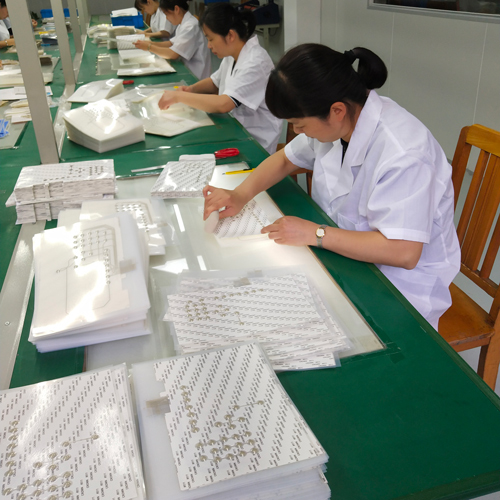
Operating from our modern production complex in Ningbo, Zhejiang, Zhejiang ZIRA Membrane Switch Co., Ltd. serves as an indispensable manufacturing partner for European engineering houses. Unlike trading brokers, we own and manage our complete production workflow: precision tool and die CNC machining, silicone compression press molding, class 10k/100k cleanroom screen printing, computerized laser ablation, automatic terminal crimping, and 100% automated electro-tactile inspection.
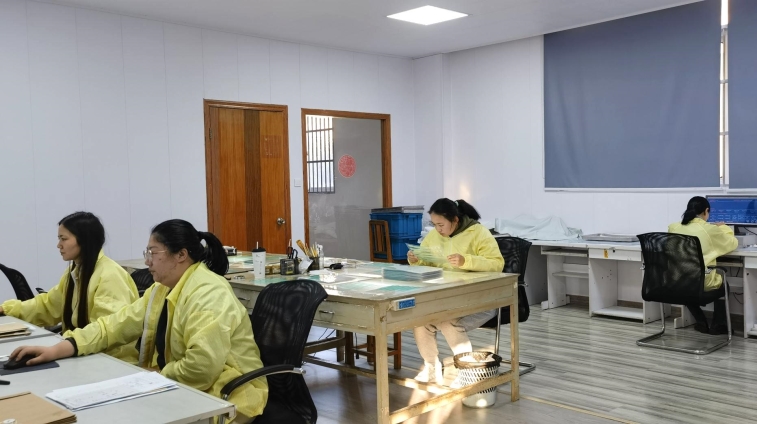
Having completed long-term supply projects for world-renowned automation enterprises including ABB and Emerson, our quality management framework is fully verified onsite by Intertek. We bridge the distance to Budapest with direct engineering collaboration, rapid DFM turnarounds within 24 hours, and transparent logistics execution.
Intertek Onsite-Verified Factory
100% Automated Electrical Check
Rapid Tooling & Prototyping
RoHS & REACH Compliant Stock
Procurement Knowledge Base
Frequently Asked Questions by Hungarian Buyers
Clear answers to technical, commercial, and freight logistics inquiries common among Budapest project managers.
How does freight delivery to Budapest work, and what are typical transit times?
We provide comprehensive Incoterms including EXW, FOB Ningbo/Shanghai, CIF, CIP, and door-to-door DDP to customer facilities in Budapest, Debrecen, or Székesfehérvár. For time-critical prototypes and NPI builds, express air freight (DHL/FedEx/UPS) delivers to Budapest Liszt Ferenc International Airport (BUD) in 4 to 6 business days. For volume series, consolidated rail freight via the China-Europe Railway Express (arriving at BILK terminal, Budapest) takes 18 to 22 days, while sea freight via Port of Koper (Slovenia) or Piraeus (Greece) with final intermodal rail offers maximum container economy.
What engineering files are required to initiate a DFM review and formal quotation?
Hungarian hardware developers can submit mechanical housing drawings in 3D STEP or IGES formats alongside 2D vector graphic layouts in DXF, DWG, Adobe Illustrator (.AI), or vector PDF. To calculate circuit layout and tail pinout precisely, include your schematic pin assignments, connector pitch requirements (e.g., 2.54mm or 1.0mm ZIF), specified colors (Pantone or RAL codes), tactile force preferences, and operating environment parameters.
How do you manage tooling costs (NRE) and prototype sampling quantities?
For custom silicone rubber keypads, hard tooling is required for compression molding. We build rapid aluminum or steel pilot molds supporting low-volume functional prototype batches starting from just 1 to 10 pieces. For membrane switches, film tooling (screens, embossing, die-stamps) involves very modest NRE investments. Tooling fees are amortized or refunded once agreed annual volume milestones are satisfied.
Are all raw materials certified compliant with European chemical and fire standards?
Yes. Every batch of PET film (Autotex, Melinex), polycarbonate, conductive silver paste, silicone compound, and pressure-sensitive adhesive (genuine 3M, Nitto, Crown) satisfies EU RoHS 2011/65/EU and REACH (EC 1907/2006) regulations. Full material declarations, safety data sheets (MSDS), and optional UL94-V0 flammability certificates are delivered alongside initial PPAP or FAI (First Article Inspection) paperwork.
What testing procedures guarantee a zero-defect rate upon delivery at our EMS lines?
Every switch batch passes rigid staging inspections across each production station. 100% of finished switches undergo automated electrical testing verifying trace continuity, contact resistance (closed state), insulation resistance at high test voltages (> 100 MΩ at 100V DC), LED luminous forward voltage/polarity, and actuation tactile snap. Environmental testing chambers perform life cycling, thermal shock cycling, and humidity soak tests to guarantee field longevity.
Can ZIRA support reverse engineering or redesign of legacy Hungarian control panels?
Yes. If original manufacturing drawings or gerbers have been lost, you can dispatch physical samples or failed legacy parts to our engineering laboratory. Our metrology team performs CMM dimension scanning, layer de-lamination, circuit impedance extraction, elastomer Shore A durometer hardness measurement, and color spectrometer matching to recreate full CAD production files for your sign-off.
Ready to Engineer Your Custom Keypad Switch Assembly?
Send your drawings, technical requirements, or reference samples today. Our HMI engineering group will deliver a detailed DFM evaluation, stack-up recommendation, and competitive factory quotation within 24 hours.