IP67 Waterproof
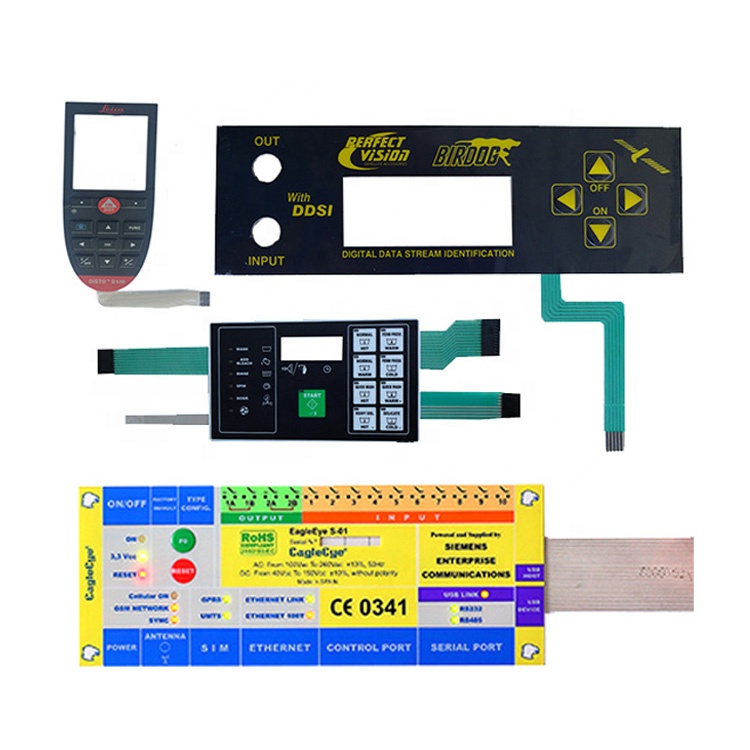
Waterproof Industrial Membrane Panel with Shock Resistance Feature Membrane Switch
IP67 perimeter seal • Polycarbonate/PET overlay • Anti-vibration damper
From hermetically sealed operating room interfaces to tactile defibrillator push buttons, our portfolio meets the exacting environmental, tactile, and bio-decontamination tolerances demanded by Austrian healthcare manufacturers.
IP67 perimeter seal • Polycarbonate/PET overlay • Anti-vibration damper
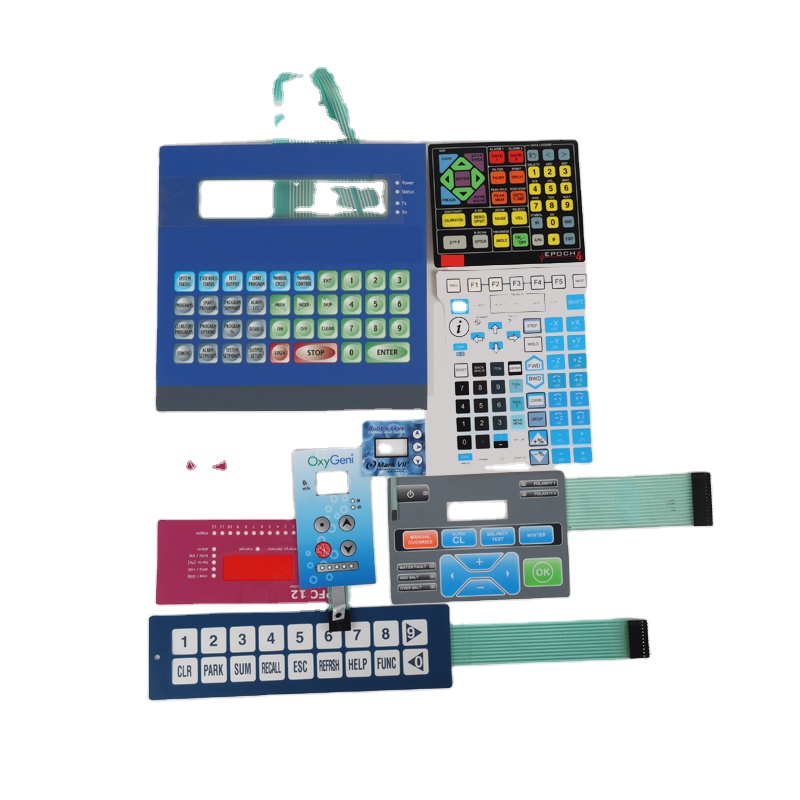
Autotex® antimicrobial • 3M 467MP acrylic • REACH/RoHS certified
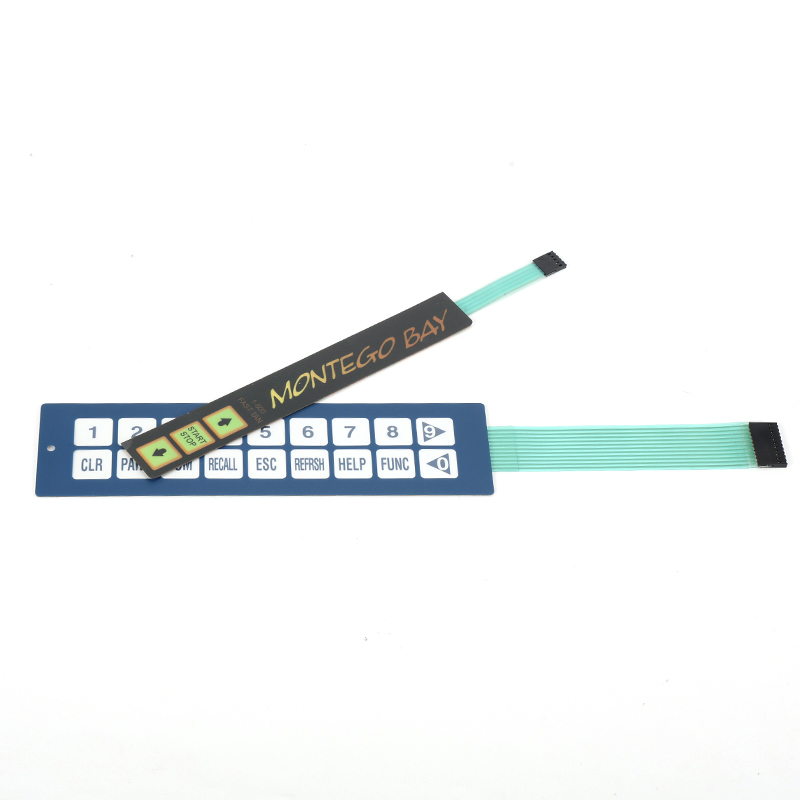
>5M cycles rated • Stainless metal dome snap • Scratch-resistant
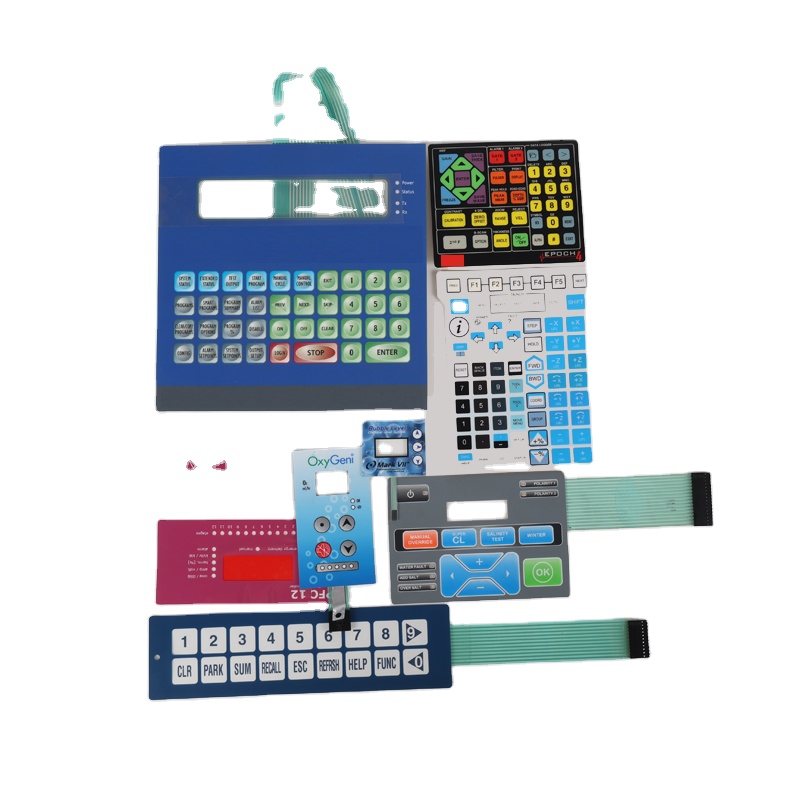
Polyimide FPC core • Gold-plated pads • Compact bend radius
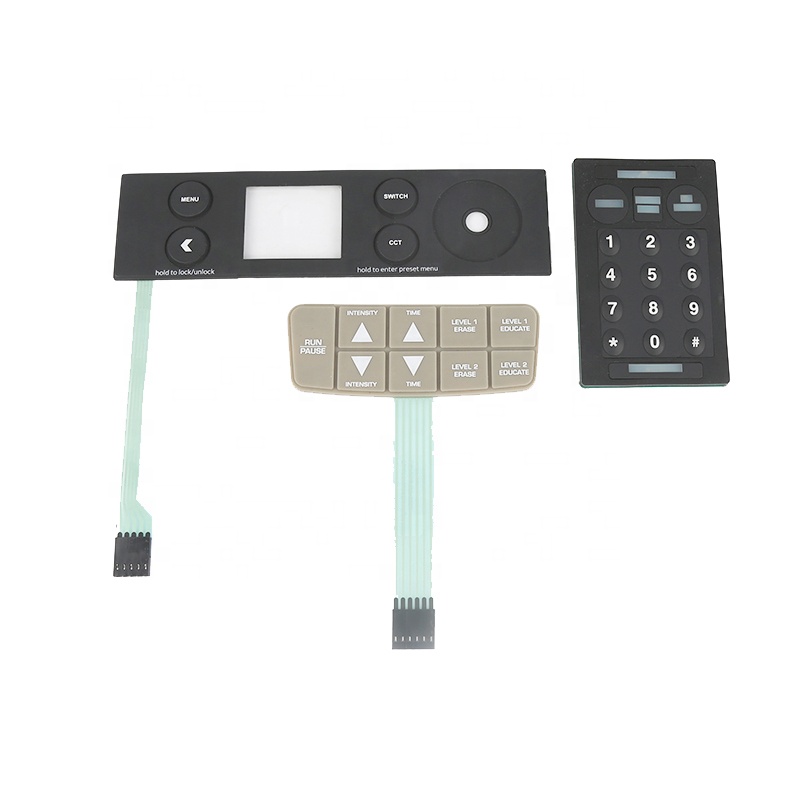
Tripod metal domes • 300g glove actuation • 3M VHB/200MP bond
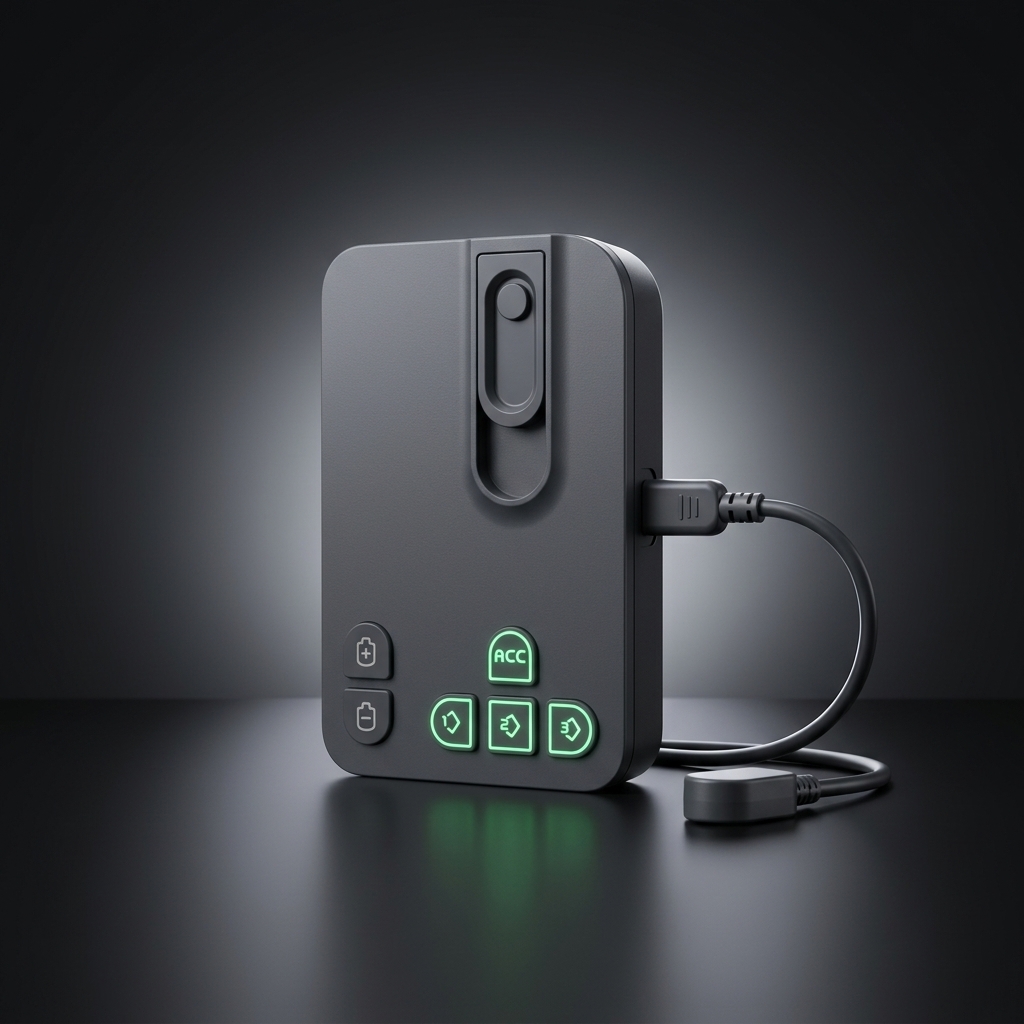
Laser-etched silicone • Low lux night vision • Silent ergonomic travel
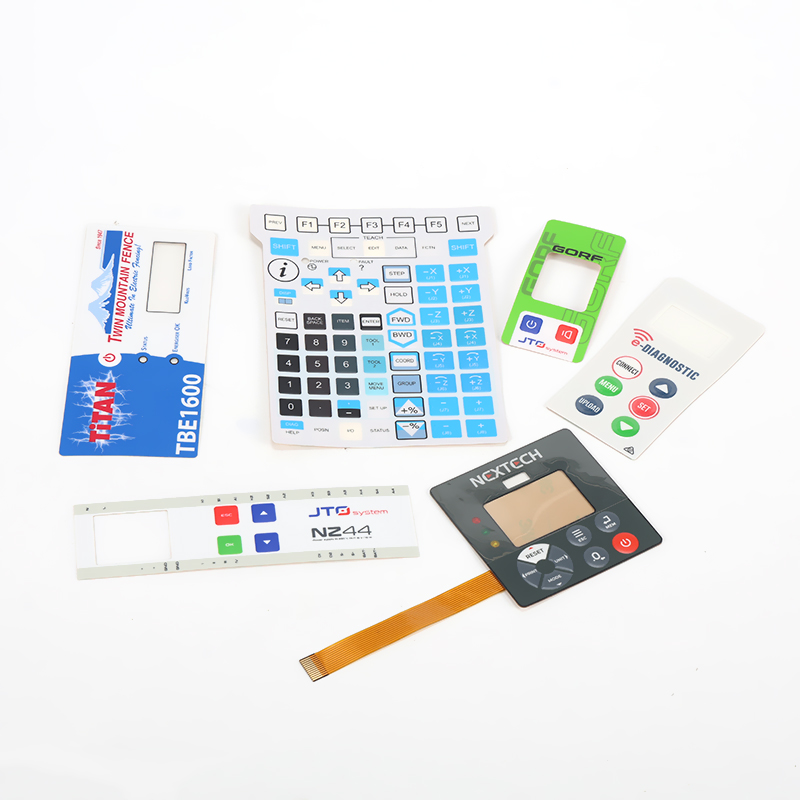
Disinfectant-proof • Rim embossing • High tensile polyester
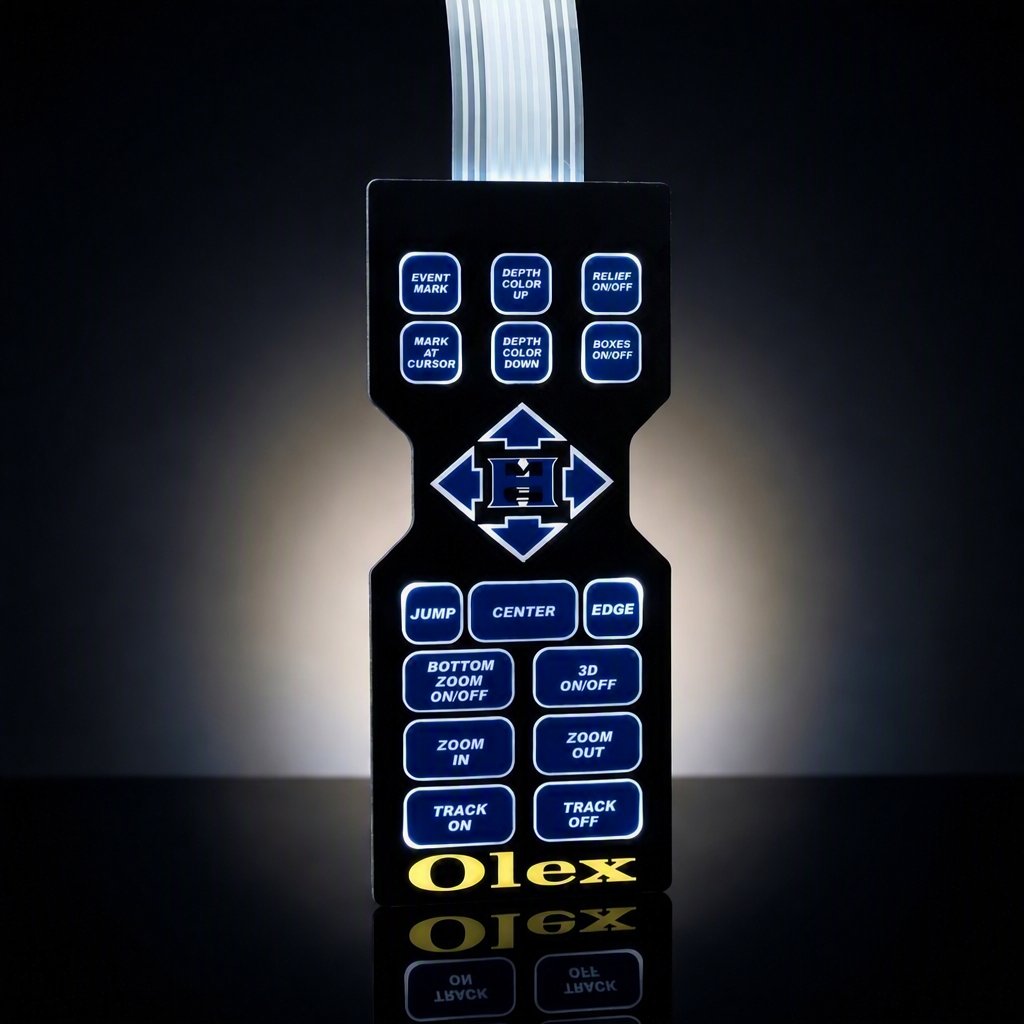
0.125mm Light Guide Film • Micro-dot optics • Zero bleed design

Zhejiang ZIRA Membrane Switch Co., Ltd. has undergone exhaustive onsite verification by Intertek. Our production tracks, raw material purity, QA traceability, and cleanroom disciplines satisfy multinational partners including ABB and Emerson.
Medical human-machine interfaces deployed in intensive care units, emergency ambulances, and diagnostic surgical suites are subjected to constant chemical exposure, electrostatic discharge, and aggressive biological decontamination. We detail the engineering criteria necessary to guarantee uncompromising functionality.
Standard industrial graphic overlays quickly fail in hospital settings. Aggressive biocides—such as 70% Isopropanol, accelerated hydrogen peroxide (0.5%), sodium hypochlorite (bleach), and quaternary ammonium compounds—infiltrate sub-surface layers via microscopic capillary edge actions or degrade clear window coatings.
To eliminate this failure mode, our medical-grade membrane assemblies utilize specialized bio-inert biaxially oriented polyethylene terephthalate (PET) films (such as MacDermid Autotex® or Autoflex® with integrated Microban® antimicrobial additives). The perimeter edges are sealed using high-cohesion, solvent-resistant acrylic adhesives (3M 200MP / 467MP / 468MP) or fully vulcanized silicone gaskets that resist fluid egress under high-pressure wipe cycles.
Textured matte/antiglare, resistant to hospital wipe-down, UV-stable, sub-surface screen-printed.
Die-cut acrylic adhesive preventing fluid ingress around clear LED windows and embossed keys.
Gold/nickel plated snap domes anchored with dedicated PET dome retainer film for 3M+ operations.
Screen-printed conductive silver traces with carbon overprint protection or polyimide copper FPC.
Conductive grounding perimeter terminating to ground trace, preventing interference with hospital monitors.
High-surface-energy adhesive optimized for medical plastics (ABS, PBT, Polycarbonate) and metal chassis.
| Active Clinical Disinfectant Agent | Common Brand / Chemical Basis | Exposure Test Condition (24h Spot Test) | Autotex® Medical PET | Standard Polycarbonate (PC) |
|---|---|---|---|---|
| Isopropyl Alcohol (IPA 70%) | Sterillium® / Purell® Clinical | DIN 42115 continuous wipe (500 rubs) | Resistant • No Change | Crazing / Fogging Occurs |
| Sodium Hypochlorite (0.5% - 5%) | Clorox Healthcare® Bleach Wipes | ASTM F1598 Immersion / Spot Test | Resistant • No Pitting | Gradual Surface Yellowing |
| Accelerated Hydrogen Peroxide | Oxivir® Tb / Virox® | Vaporized & liquid wipe cycles | Resistant • Full Integrity | Acceptable |
| Quaternary Ammonium Compounds | CaviWipes® / Super Sani-Cloth® | Repeated clinical cleaning protocol | Resistant • Zero Swell | Edge Delamination Risk |
| Glutaraldehyde & Formaldehyde | Cidex® OPA Solution | Cold chemical sterilization soak | Resistant • Seal Intact | Surface Micro-Stress Cracks |
Austria boasts a globally recognized life sciences and medical technology sector spanning Vienna, Styria, Upper Austria, and Tyrol. Our custom-manufactured keypads and graphic overlays are designed directly into instruments developed across these regional innovation centers.
Flat-surface, crevice-free membrane panels engineered for automated blood gas analyzers, centrifuges, and spectrophotometers. Impervious to biological reagents and continuous enzymatic cleaner wipes.
Shielded tactile keypads for OR consoles, patient positioning beds, and electrosurgical generators. Built with high-visibility backlighting for darkened surgical theaters and zero acoustic latency.
Rugged silicone rubber elastomeric keypads and shock-resistant membrane switches operating reliably from -30°C to +65°C. High tactile travel allows positive activation in emergency alpine conditions with heavy winter gloves.
Precision graphic overlays paired with integrated clear dead-front display windows, capacitive touch integration, and tactile boundary embossing to guide nurses accurately in high-stress clinical shifts.
The transition from the Medical Device Directive (MDD) to the rigorous European Medical Device Regulation (EU MDR 2017/745), coupled with modern usability standards (IEC 62366-1), has permanently elevated the technical requirements for sub-assembly components entering Austria.
Austrian notified bodies (such as TÜV AUSTRIA and international equivalents) enforce uncompromising traceability. ZIRA maintains rigorous lot control, material CoAs (Certificate of Analysis) for all polyester films, silver inks, and adhesives, and full compliance with REACH (EC 1907/2006) and RoHS 3 (EU 2015/863), including prospective PFAS-free formulation initiatives.
Austrian equipment makers are transitioning away from pure glass touchscreens in critical functions due to false triggering caused by conductive hospital fluids (saline, blood). Modern architectures integrate hybrid HMI interfaces: a capacitive multi-touch zone paired with physical metal-dome safety confirmation switches for mission-critical cut-off and emergency functions.
In response to IEC 60601-1-8 alarm signaling criteria, modern clinical keypads demand completely uniform, non-glare, side-lit LED backlighting. Using ultra-thin Light Guide Film (LGF) micro-reflector printing, we achieve zero hot-spots across complex key clusters while consuming less than 15mA, minimizing thermal dissipation within sealed medical consoles.
Combining nearly three decades of precision switch manufacturing with dedicated cleanroom tooling, automated silk-screening, and exhaustive optical inspection, ZIRA provides Austrian engineering teams with direct factory accountability.
From initial Gerber/CAD file DFM review to physical samples within 7–10 working days. CNC precision steel die-cutting, embossing plates, and custom screen exposures are all produced in-house, cutting external delays and protecting your intellectual property.
Zero tolerance for field failure. Every single keypad is run through computerized test fixtures for loop contact resistance (<100Ω), open/short faults, insulation resistance (>100MΩ at 100V DC), tactile snap actuation force, and LED luminous intensity verification.
Longstanding export relationships with freight carriers servicing Vienna (VIE), Linz (LNZ), and Graz (GRZ). We deliver seamlessly under DAP or DDP Incoterms with automated customs paperwork, complete RoHS/REACH declarations, and customs tariff classification.
Direct technical answers addressing the compliance, engineering parameters, logistics, and quality assurance workflows required when sourcing custom keypads for Austrian medical device manufacturing.
