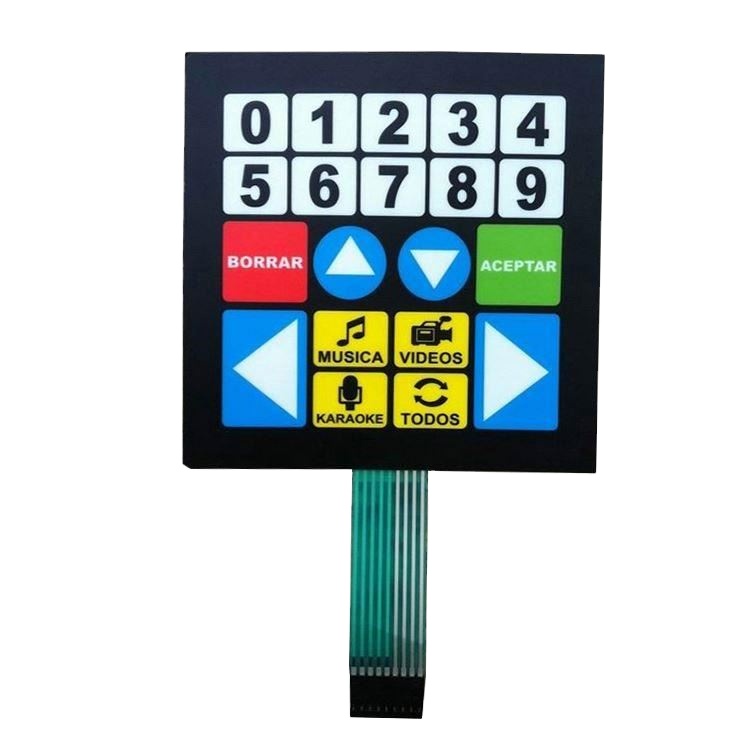
Medical Grade Product Catalog
High-Reliability Human-Machine Interfaces for Estonia's MedTech Industry
Specifically engineered to withstand rigorous hospital disinfection, fluid ingress, and continuous mechanical operation in critical healthcare environments across Tallinn, Tartu, and Scandinavian medical networks.
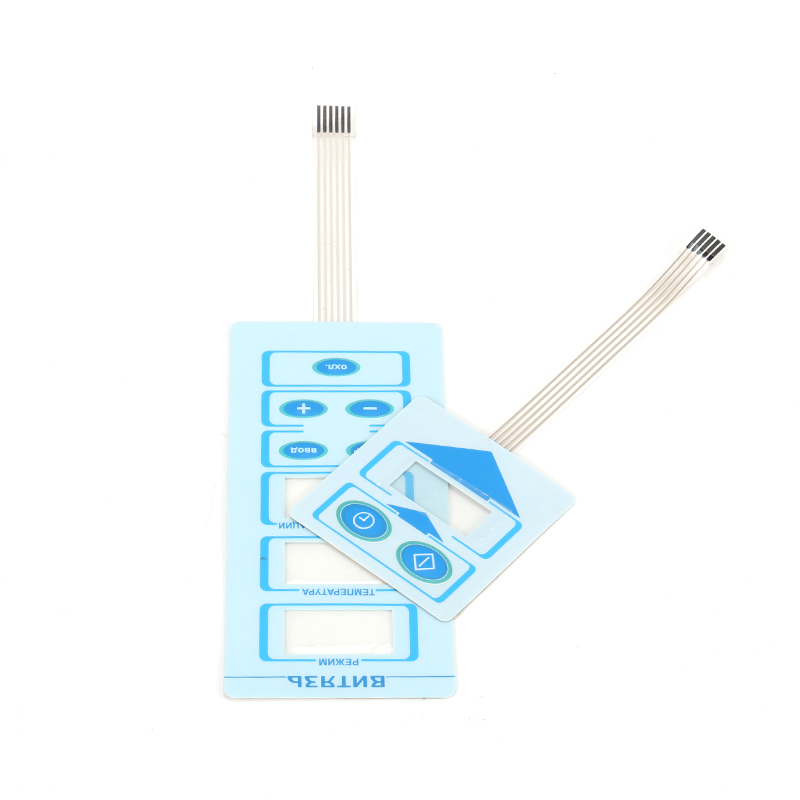
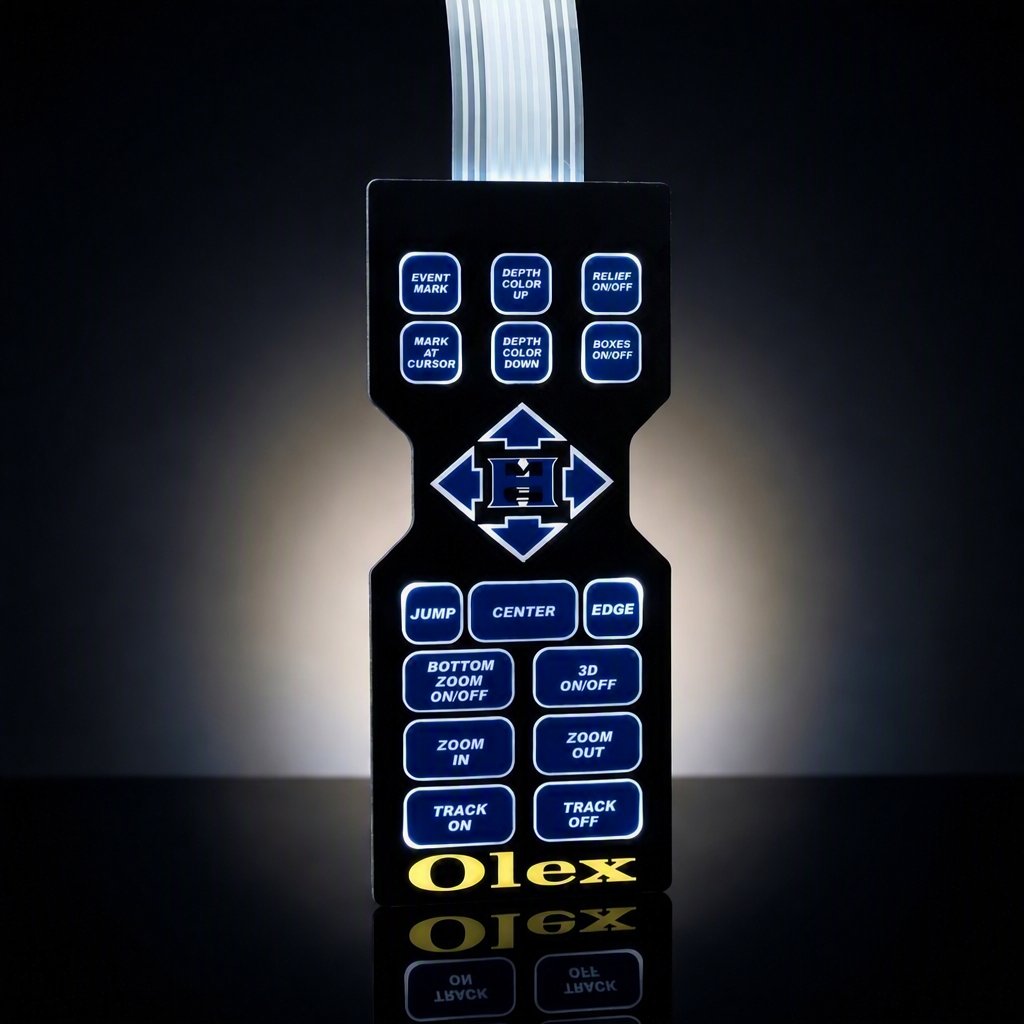
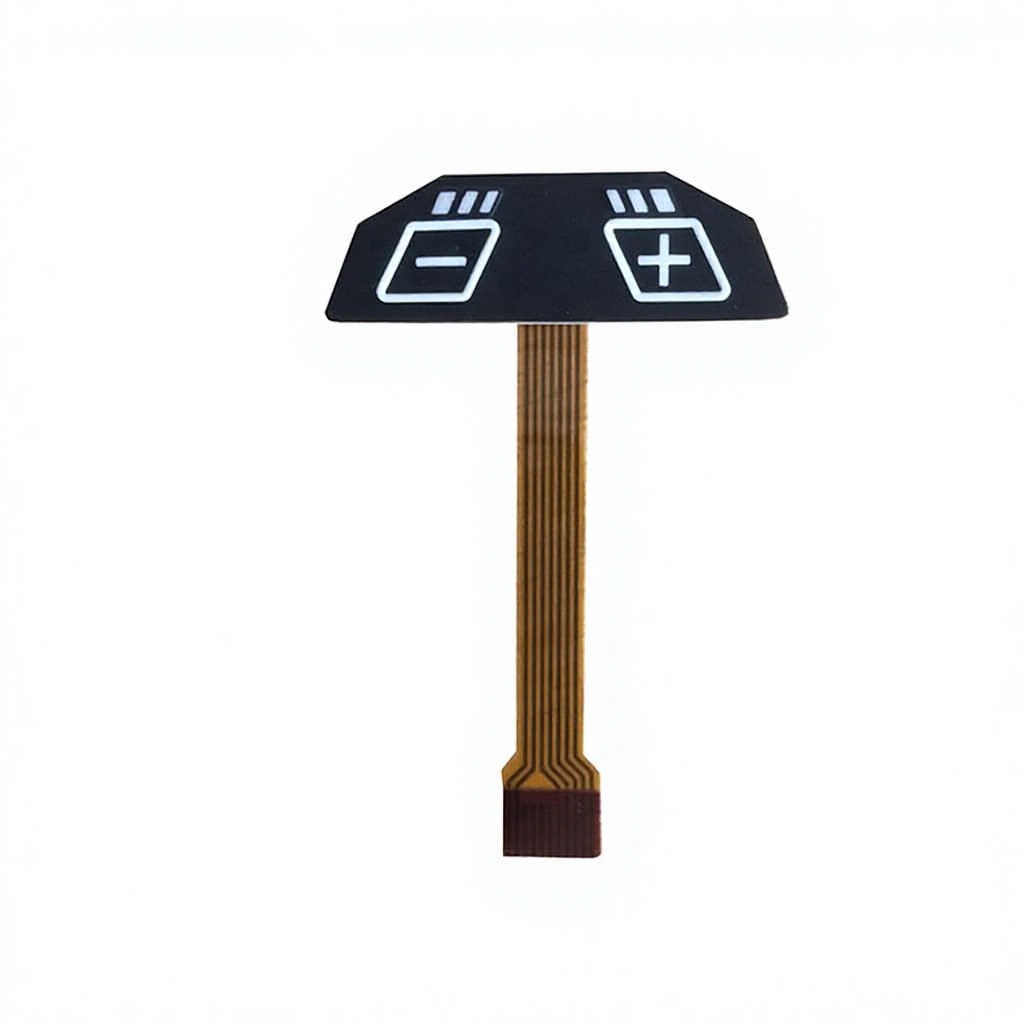
Technical Specification White Paper
Material Science & Structural Architecture for Hospital-Grade Overlays
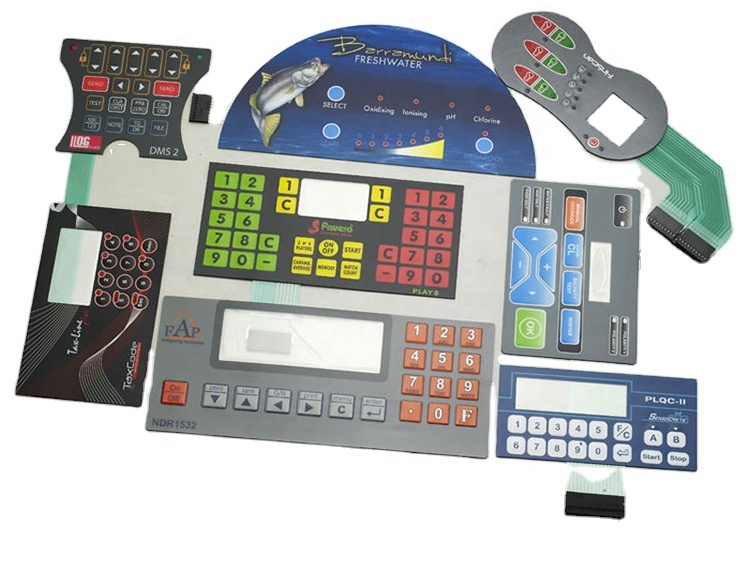
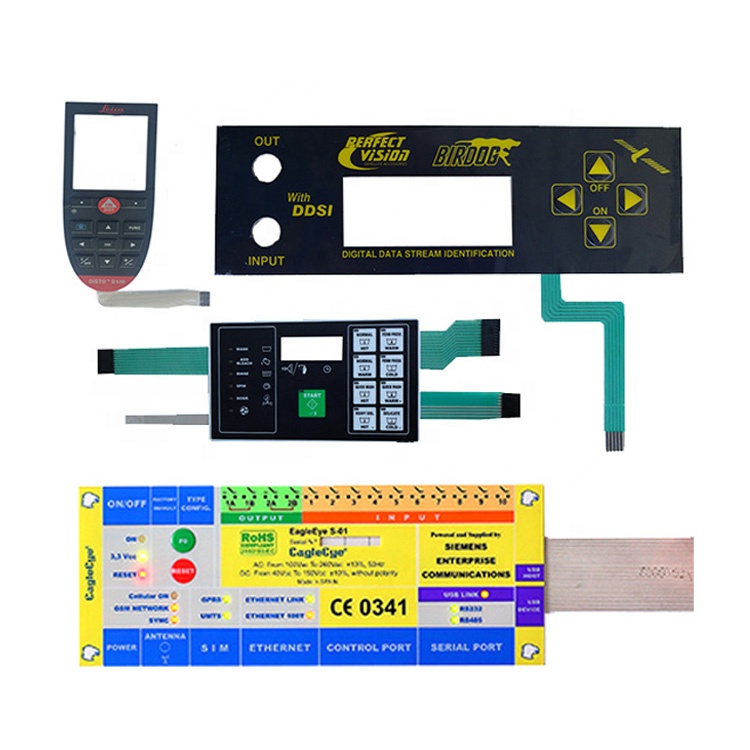
Unlike standard consumer-grade front panels, medical equipment graphic overlays deployed in European clinical environments must survive thousands of cleaning cycles with aggressive biocidal solutions while upholding tactile responsiveness and high-contrast legibility under diverse hospital illumination.
Sub-Surface Micro-Printing
Graphics, typography, and functional symbols are screen-printed on the secondary (underside) surface of the transparent film. This encapsulates inks beneath durable polyester or polycarbonate layers, completely shielding pigments from abrasive friction, physical scratches, and surface disinfections containing sodium hypochlorite, isopropyl alcohol, and quaternary ammonium compounds.
Hermetic Ingress Barriers
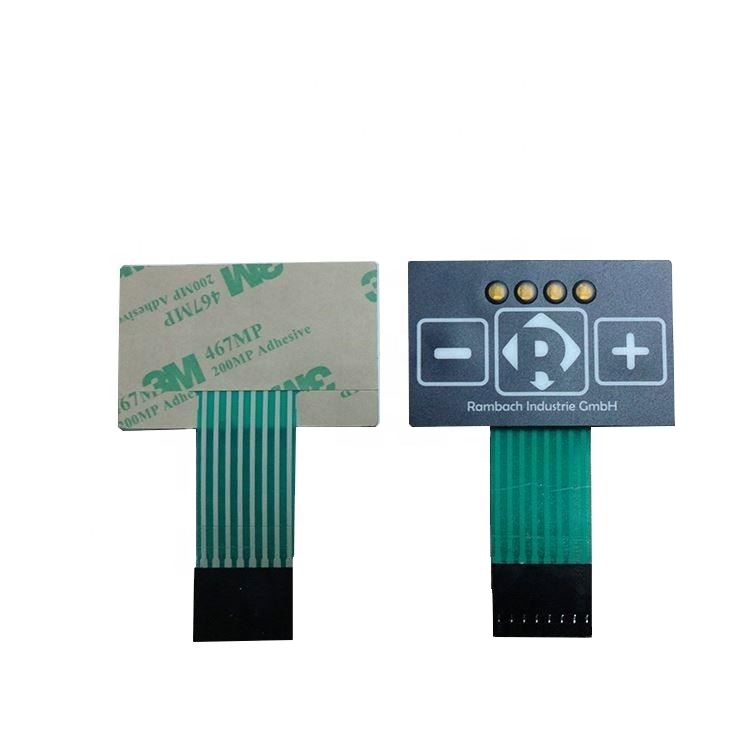
By leveraging continuous outer perimeter borders paired with closed-cell acrylic foam adhesives (such as 3M 467MP, 468MP, or VHB systems), our assemblies achieve complete IP67 and IP68 environmental sealing against saline drips, bodily fluids, spilled medications, and high-pressure steam sterilization wiping common to emergency operating suites.
ESD & RFI Shielding Layers
Medical devices operating under IEC 60601-1-2 standards require stringent electromagnetic shielding. We engineer multi-layer layouts integrating selective aluminum foil, vapor-deposited ITO conductive film, or grid-printed silver/carbon layers coupled with dedicated ground tabs to bleed electrostatic charges safely away from sensitive microprocessor circuitry.
| Evaluation Parameter | Autotex XE / F150 (PET Film) | Medical Polycarbonate (Lexan PC) | Antimicrobial Polyester (Microban) |
|---|---|---|---|
| Chemical Washdown Tolerance | Exceptional (Resistant to IPA, Bleach, Cidex OPA) | Moderate (Susceptible to aromatic hydrocarbons) | Highest (Active biocide + chemical inertness) |
| Mechanical Flexural Life | >5,000,000 tactile switch cycles | Approx. 100,000 cycles (Best for non-flexing bezels) | >5,000,000 tactile switch cycles |
| Optical Display Windows | Textured base with selective printed gloss window | Naturally clear, scratch-resistant hard-coat required | Fine/Velvet finish with water-clear LED windows |
| Operating Temperature | -40°C to +85°C (Stable in Nordic storage) | -30°C to +105°C (High heat tolerance) | -40°C to +80°C (Extended Baltic winter use) |
| Typical MedTech Application | Patient monitors, infusion pumps, dialysis systems | Heavy laboratory housing panels, static bezels | Surgical suite consoles, cleanroom diagnostics |
Baltic Market Integration
Custom Overlay Deployments Across Estonia’s HealthTech Hubs
Estonia’s high-tech healthcare framework combines world-renowned digital e-Health platforms with specialized hardware engineering clusters located in Tallinn and Tartu. ZIRA delivers targeted HMI assemblies directly aligned with the technical requirements of these dynamic sectors.
Tallinn Tehnopol & Connected Telehealth Diagnostic Equipment
Within the innovation parks of Tallinn, hardware engineers develop compact point-of-care (PoC) diagnostic readers, connected vital-sign carts, and automated blood-gas analyzers. Our ultra-thin Light Guide Film (LGF) backlit overlays provide crystal-clear visual status cues in emergency wards, featuring precision die-cut cutouts for capacitive touch screens, dead-front indicator icons that remain invisible until illuminated, and antimicrobial finishes that inhibit cross-contamination among visiting clinicians.
Tartu Biotechnology & University Research Laboratory Instrumentation
Tartu serves as the academic and biotech capital of the Baltic states. Analytical laboratory hardware produced by local firms—including automated DNA extractors, PCR thermal cyclers, benchtop centrifuges, and spectroscopic monitors—requires graphic overlays capable of enduring accidental spills of acetone, dimethyl sulfoxide (DMSO), and concentrated acids. ZIRA provides custom-formulated textured polyester graphic fascias with embossed tactile rim keys that allow researchers wearing nitrile or latex gloves to navigate parameters with positive, unmistakable physical confirmation.
Nordic Mobile Emergency Response & Ambulance Systems
Emergency medical equipment deployed across Harju County and rural Estonian territories faces extreme Baltic thermal cycles, ranging from -25°C freezing blizzards to high-moisture coastal fog. Our custom silicone-hybrid rubber keypads and heavy-duty PET membrane switch assemblies are specified for rugged defibrillators, mobile oxygen concentrators, and portable patient ventilators. Featuring gold-plated stainless steel metal domes with snap ratios exceeding 50%, they deliver dependable tactile activation even through heavy winter protective mittens.
Hospital Wards & Operating Suite Control Consoles
Major regional hospitals like the North Estonia Medical Centre (PERH) and Tartu University Hospital demand electronic equipment that aligns with rigorous European Infection Prevention and Control (IPC) mandates. Front panels on mobile infusion pumps, dialysis machines, and surgical theater scrub-in consoles must offer completely seamless, crevace-free flush surfaces. Our embossed button membrane panels prevent microbial accumulation in seam lines, simplifying terminal wipe-downs with hospital-approved sporicidal sprays.
Regulatory & Market Dynamics
Navigating EU MDR Compliance & Technological Trends in Baltic Healthcare
The Estonian medical technology sector operates under the harmonized framework of the European Union Medical Device Regulation (EU MDR 2017/745). Procuring sub-assemblies and interface components from verified overseas manufacturers necessitates strict documentation, material consistency, and full traceability.
Full EU MDR Material Traceability
Under EU MDR requirements, medical device manufacturers must prove that all raw polymers, conductive traces, and adhesive liners comply with RoHS Directive 2011/65/EU and REACH Regulation (EC 1907/2006). ZIRA provides comprehensive Certificate of Compliance (CoC) documentation, full chemical safety data sheets (MSDS), and strict lot-number traceability for every batch exported to Tallinn, eliminating audit vulnerabilities with notified bodies.
Adoption of Active Antimicrobial Additives
Post-pandemic healthcare procurement protocols across Estonia prioritize self-sanitizing surfaces. Modern graphic overlays integrate inorganic silver-ion biocide formulations encapsulated within the top hard-coat. According to ISO 22196 and JIS Z 2801 testing, these additives achieve over 99.9% bacterial reduction against pathogens like MRSA and E. coli within a 24-hour cycle, maintaining antimicrobial potency throughout the mechanical life of the device.
Capacitive & Tactile Hybrid Architectures
Medical UI/UX design is transitioning from pure touchscreens back to hybrid interfaces. While capacitive touch provides modern fluid scrolling on digital displays, critical emergency triggers—such as bolus dosing, suction pauses, and emergency system halts—mandate high-tactile snap domes. Hybrid graphic overlays seamlessly combine glass-smooth capacitive sensor zones with embossed mechanical dome keys on a single integrated front assembly.
Direct Factory Heritage
Three Decades of Precision Interface Engineering Since 1996
Zhejiang ZIRA Membrane Switch Co., Ltd. operates a high-precision manufacturing hub in Ningbo, China, supplying critical medical, industrial automation, and instrument control panels globally. Intertek-verified and fully equipped with 5 dedicated high-volume production lines, our facility oversees every stage of fabrication from CAD circuit layout and high-mesh silk screen printing to cleanroom SMD component mounting and 100% computerized electrical continuity testing.
Trusted over long-term OEM contracts by industry leaders including ABB and Emerson, we deliver stable cost architectures, low-MOQ flexibility for medical equipment prototypes, and reliable door-to-door DDP logistics into Estonia and the Baltic-Nordic corridor.
ABB Qualified Supplier
Emerson Long-Term OEM
Intertek Onsite Verified
ISO 9001 Disciplined
Manufacturing Discipline
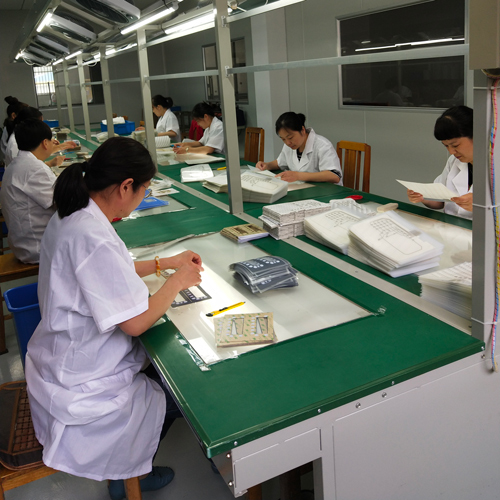
10-Stage In-Line Quality Control for Zero-Defect Medical HMIs
Every medical equipment graphic overlay and membrane keypad produced at our facility undergoes individual gate inspections at each processing stage, ensuring that latent continuity errors, micro-voids in conductive silver traces, and visual print flaws are detected and corrected before export.
01
Raw Materials
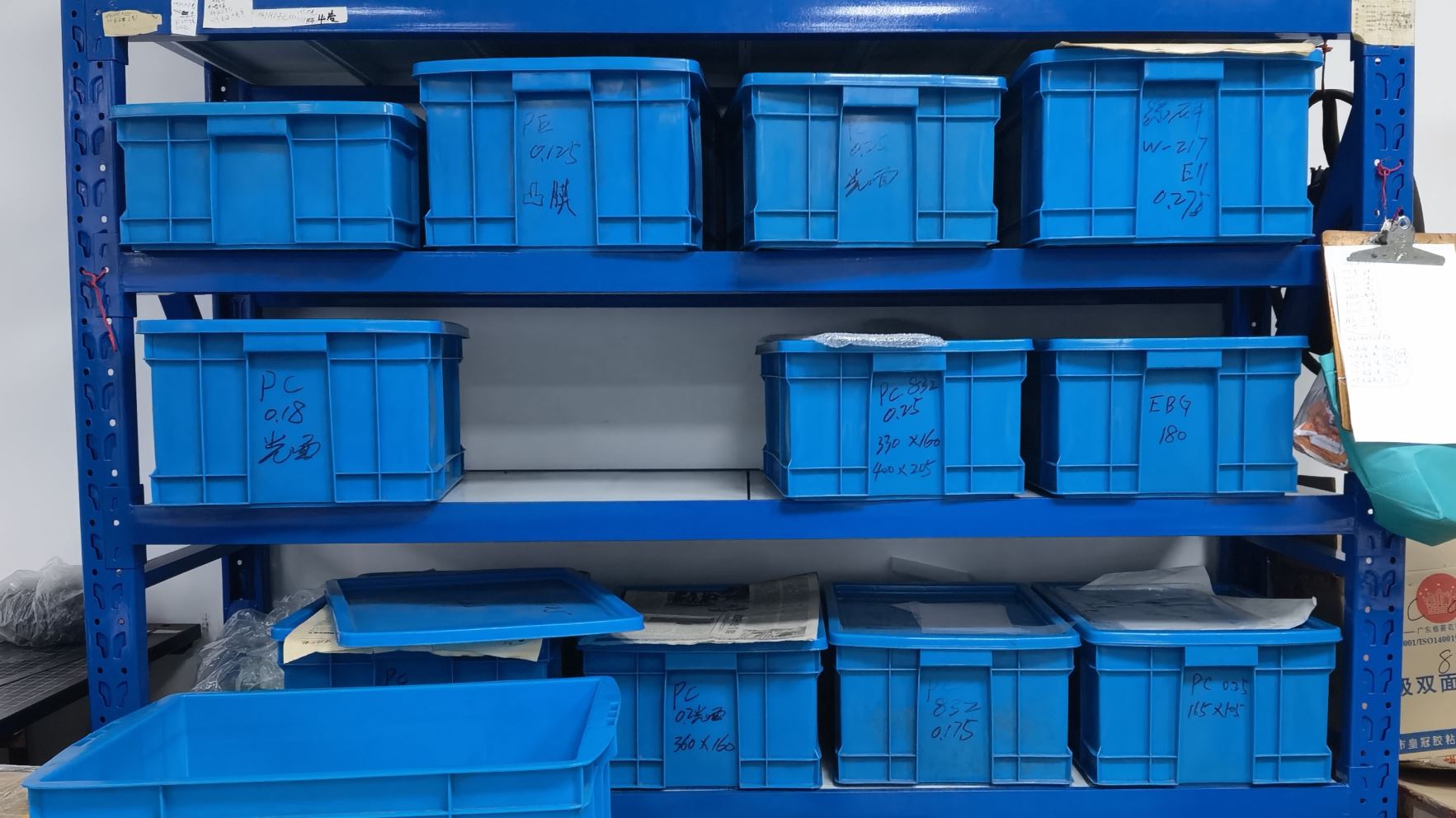
100% optical and thickness verification of incoming PET, PC films, and 3M medical adhesive rolls.
02
DFM Design
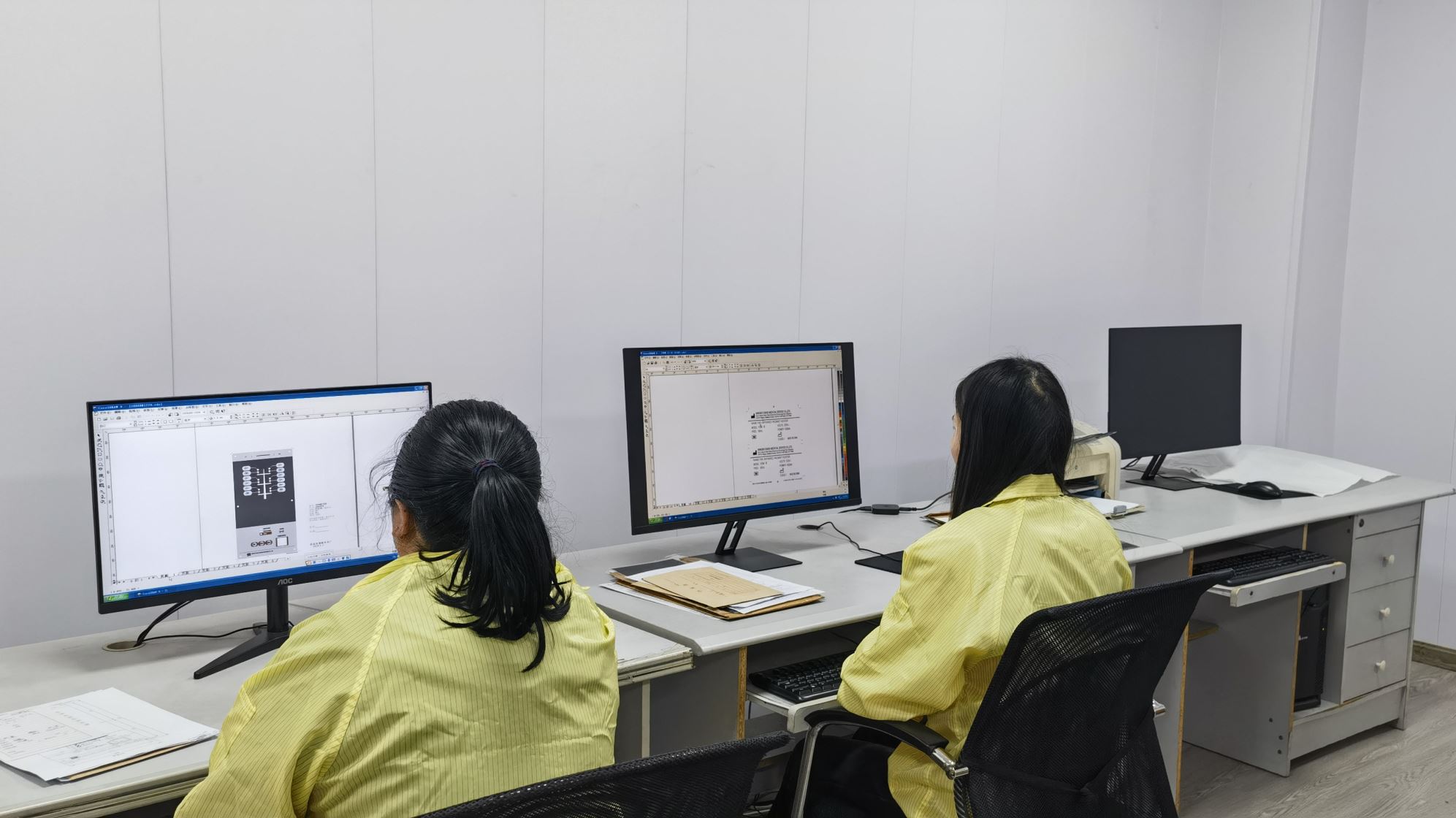
Full CAD schematic audit, track pitch calculation, and stack-up review with the client's engineering team.
03
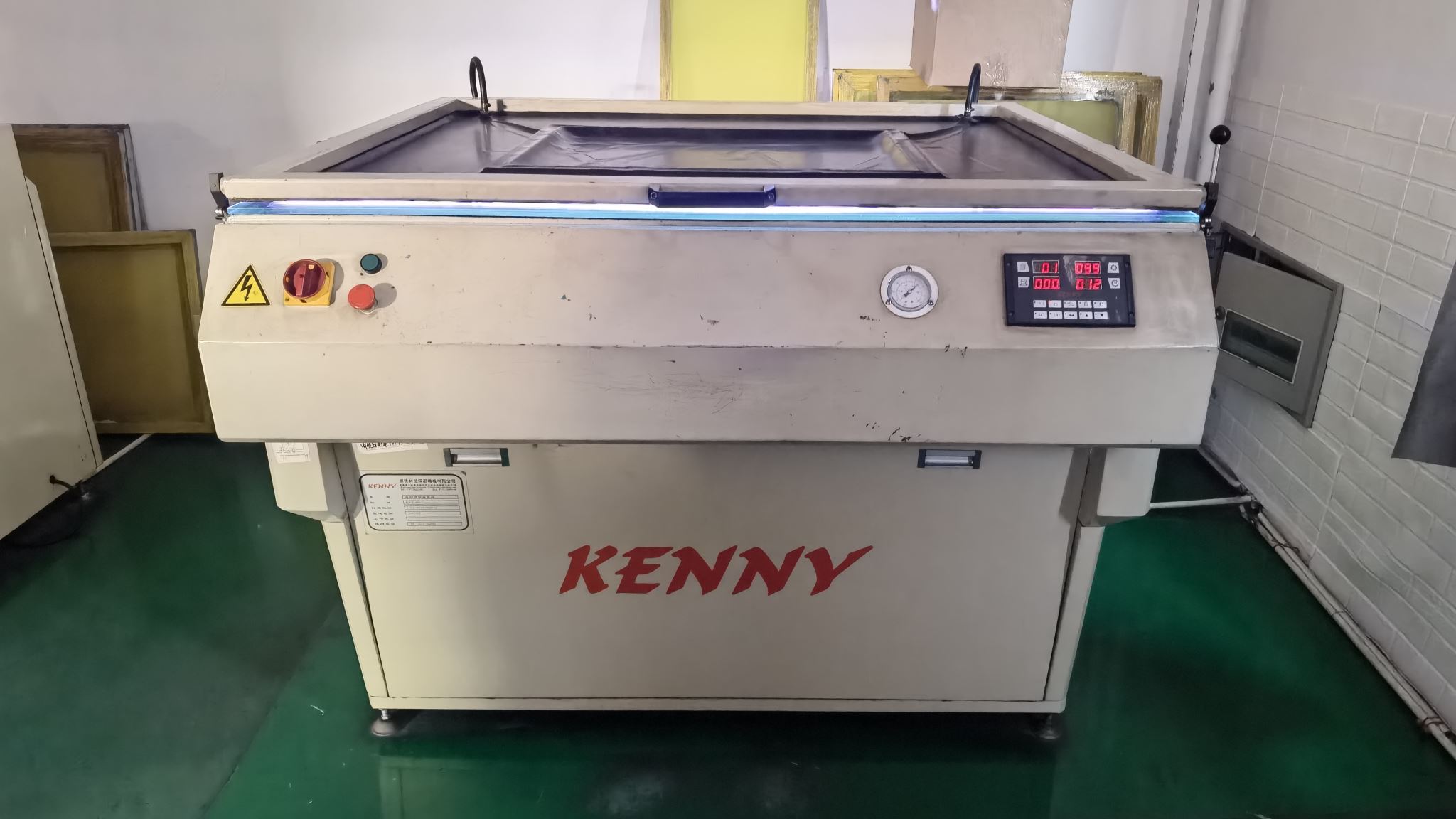
Plate Making
Ultra-high mesh emulsion exposure for cleanline typography, tight tolerances, and conductive tracks.
04
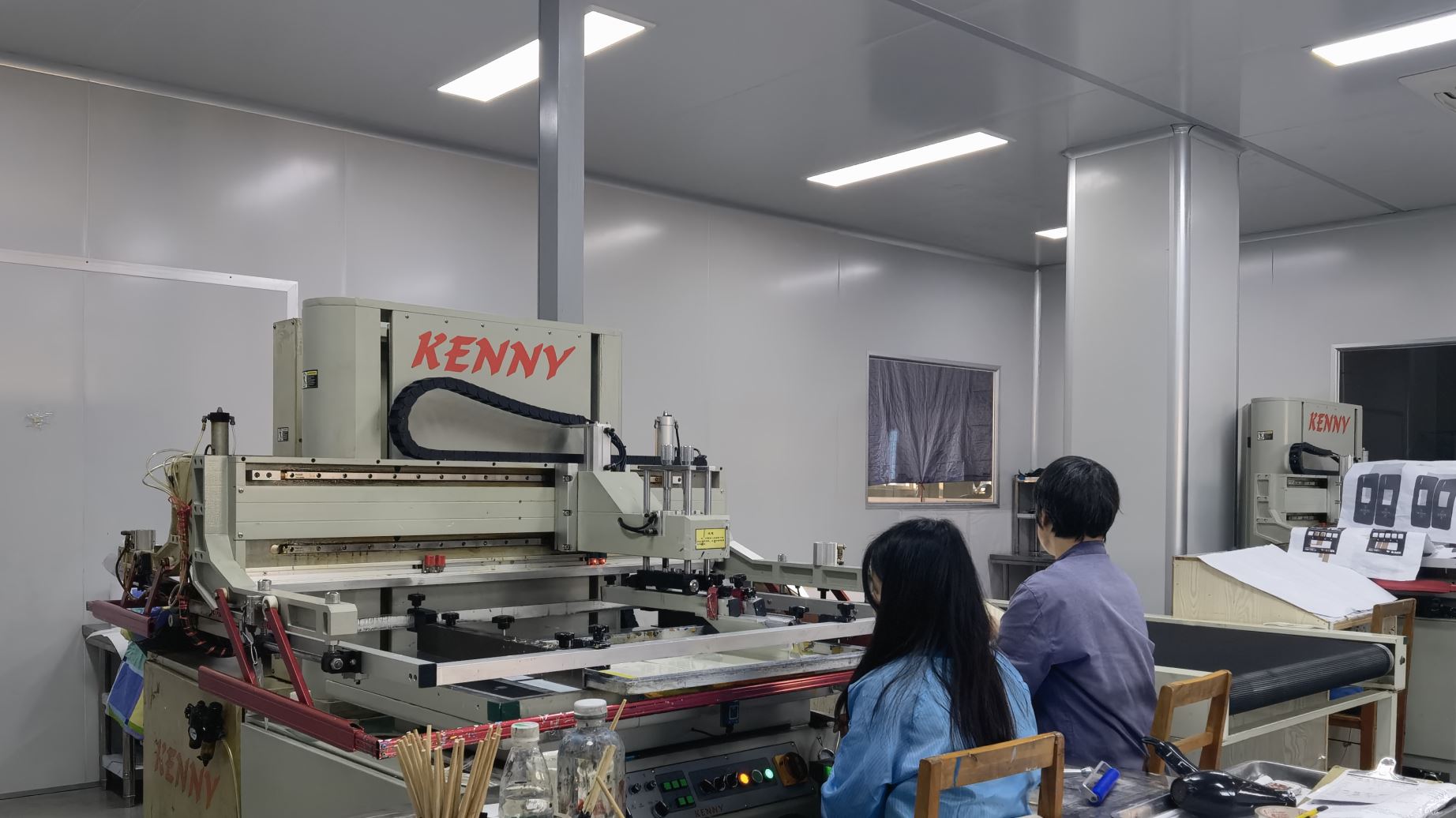
Screen Printing
Sub-surface medical graphic application followed by conductive low-resistance silver and carbon traces.
05
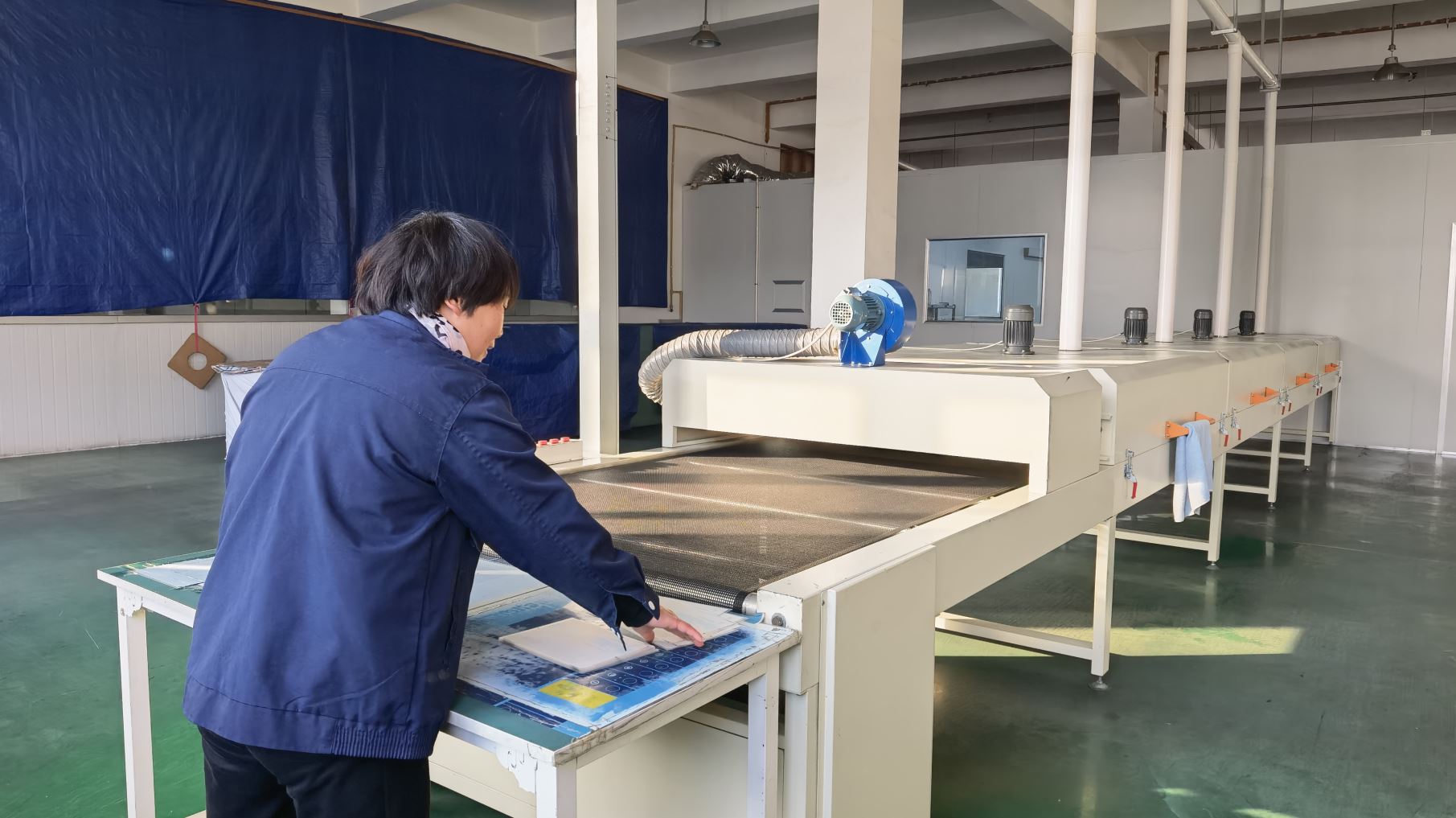
Oven Curing
Precise temperature and dwell time curing to guarantee ink adhesion and eliminate silver micro-cracking.
06
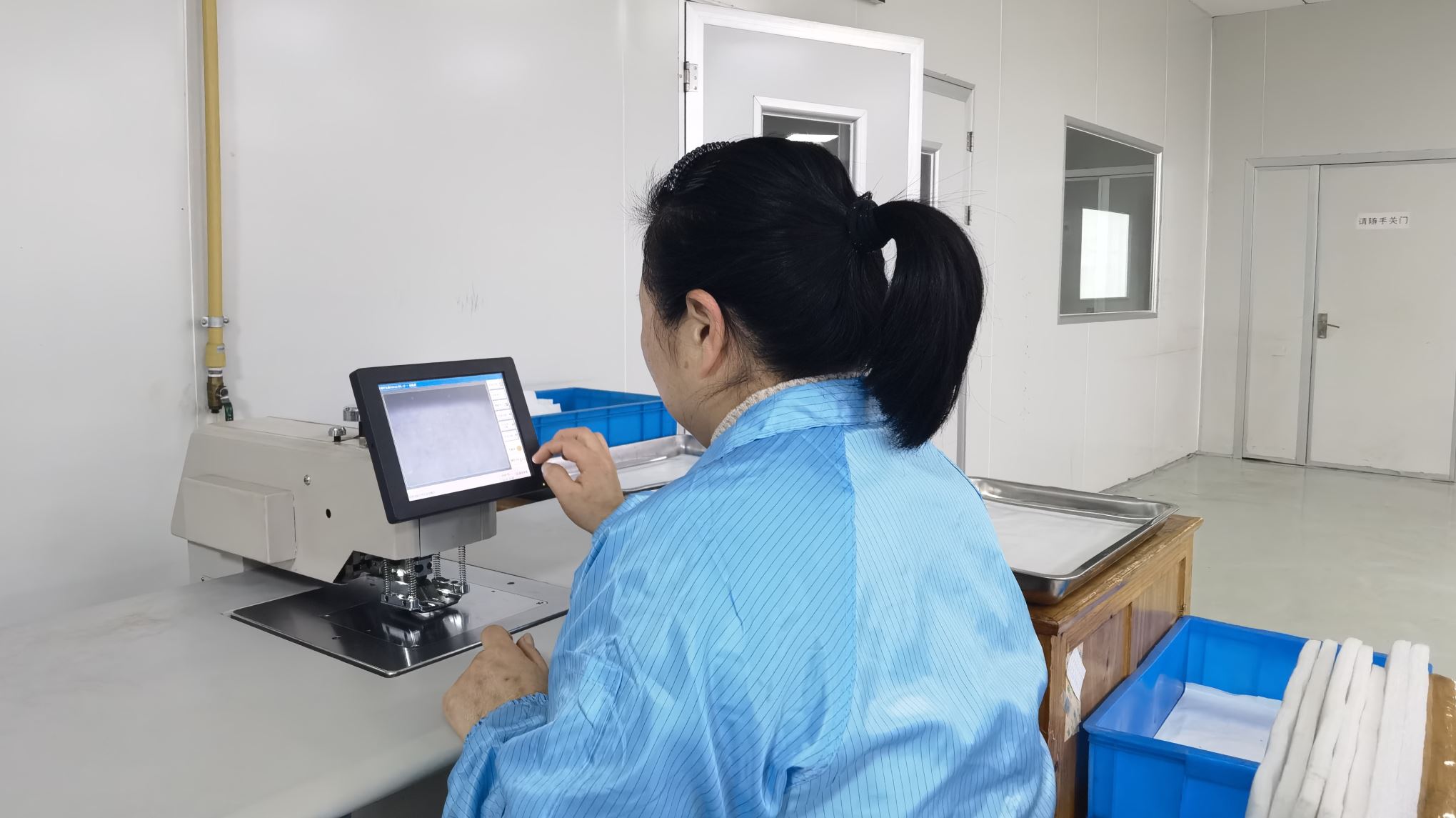
Registration
Optical pin registration hole punching ensuring absolute layer-to-layer alignment within ±0.05mm.
07
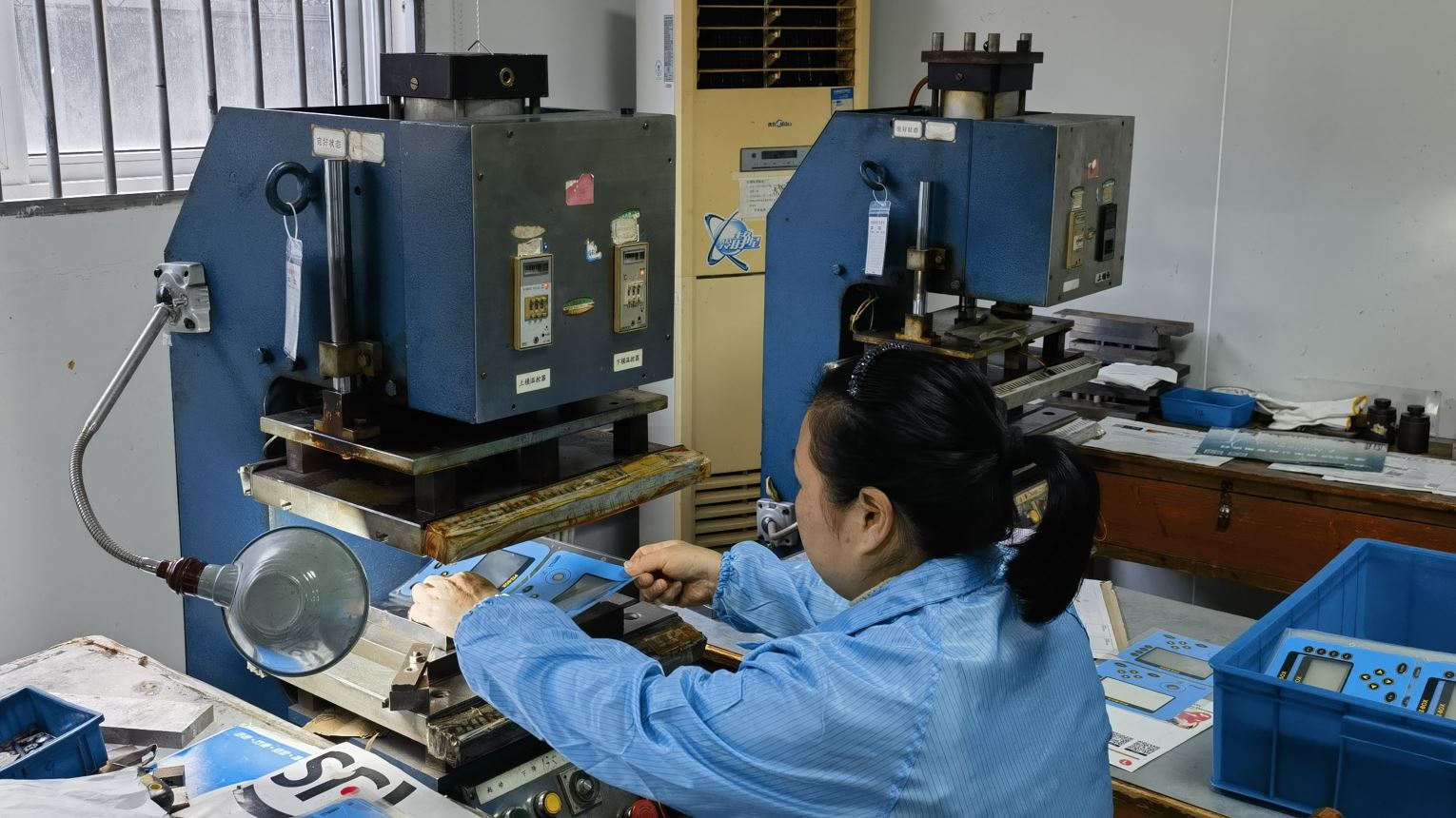
Key Embossing
Precision thermal tooling produces uniform rim, dome, or pillow embossing for positive finger tactile feel.
08
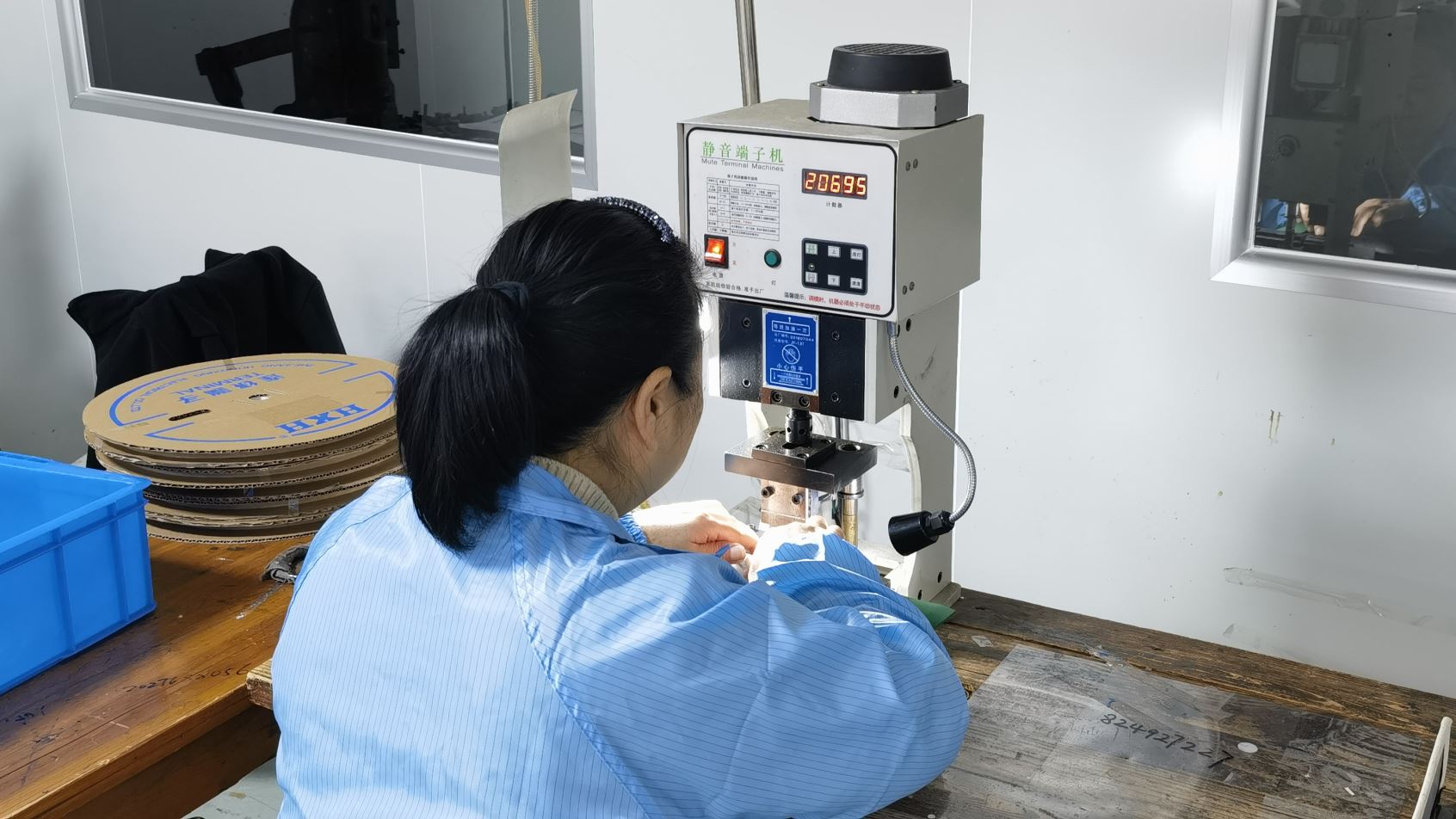
Termination
Crimping female FCI/Berg connectors, male solder tabs, or gold-flashed zero insertion force (ZIF) tails.
09
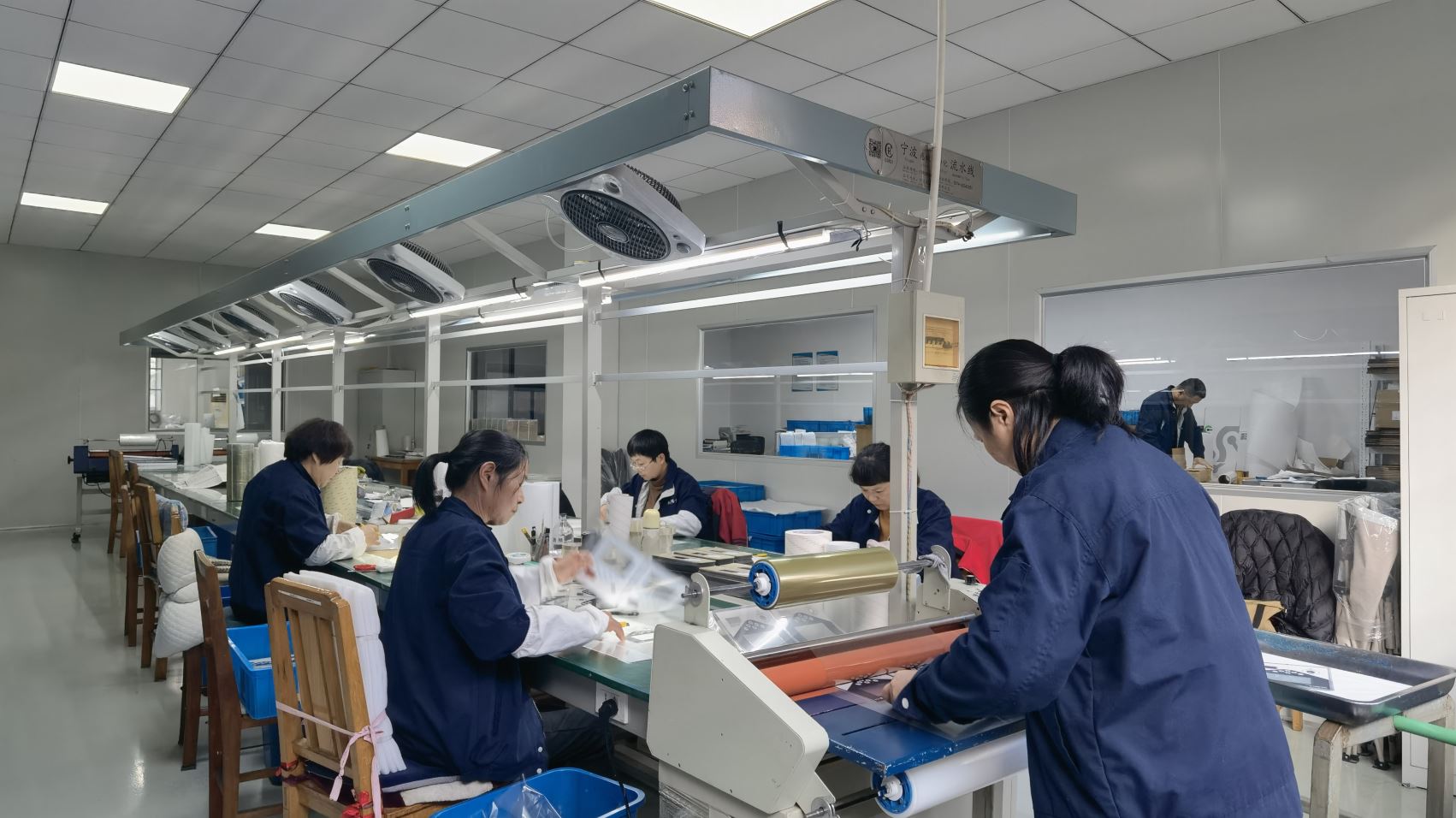
Lamination
Multi-layer cleanroom assembly of overlay, adhesive spacer, metal domes, and circuit substrate.
10
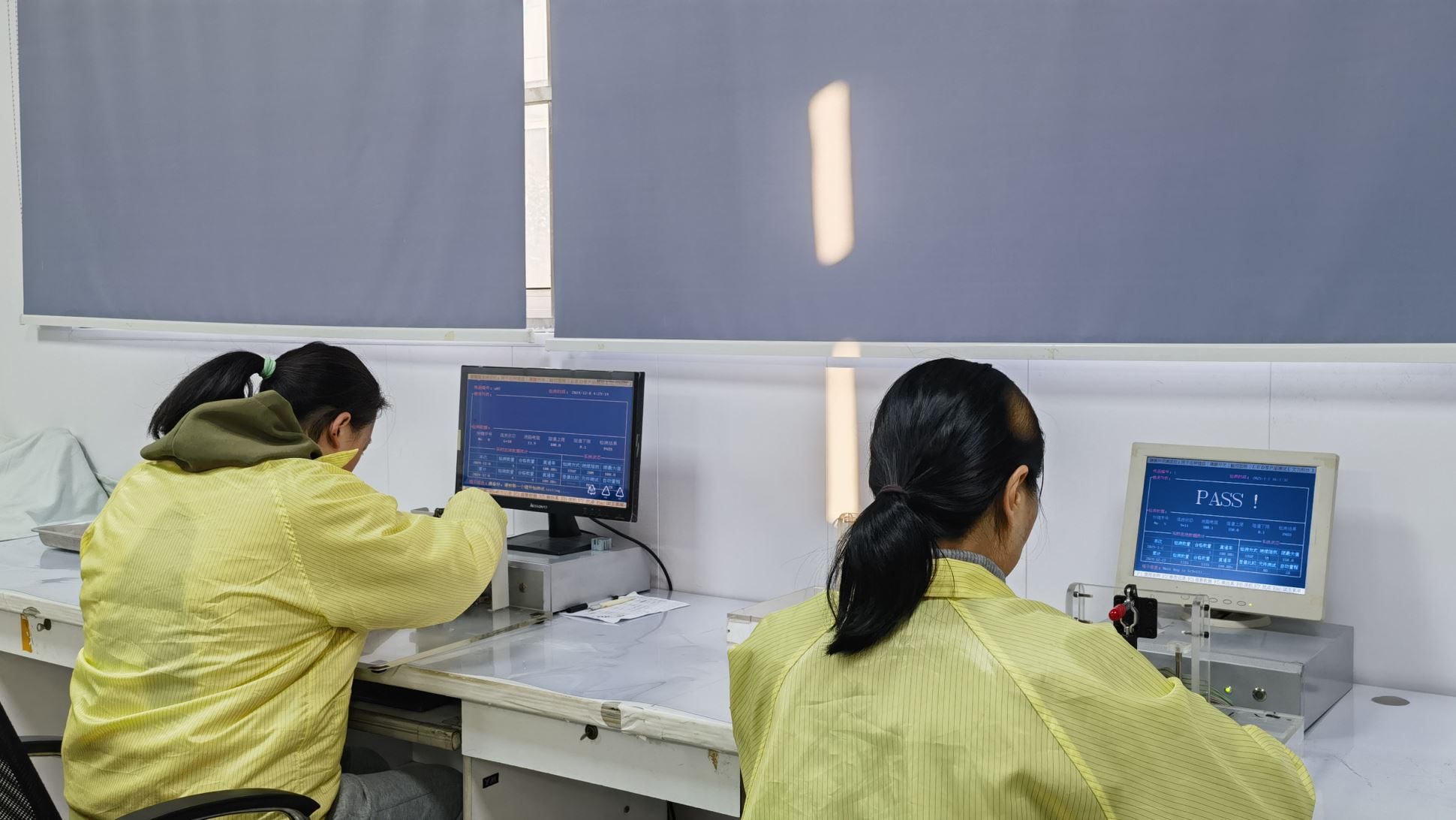
100% Inspection
Automated fixture testing for circuit loop resistance, contact bounce, insulation resistance, and visual cosmetics.
Procurement & Engineering FAQ
Frequently Addressed Questions by Estonian MedTech Buyers
Critical engineering, regulatory, and logistics details to assist hardware designers and sourcing managers in qualifying ZIRA as an approved overseas supplier.
What is the standard procedure for validating chemical resistance against hospital disinfectants?
We test our polyester graphic overlays (predominantly Autotex XE and Autoflex EB) under ASTM F1598 standards against prominent medical biocides, including 70% to 99% Isopropyl Alcohol (IPA), 10% Sodium Hypochlorite (household bleach), Cidex OPA (ortho-phthalaldehyde), hydrogen peroxide solutions (up to 6%), and Virex Tb. We provide laboratory-verified chemical immersion and surface rub test reports to support your medical device risk management file under ISO 14971.
How do you accommodate low-volume, high-mix (HMLV) orders for Estonian HealthTech startups?
Recognizing that specialized medical instrumentation often has niche volume runs during clinical trial phases or preliminary CE mark audits, ZIRA supports low minimum order quantities starting from 1 to 5 prototype pieces via digital flatbed cutting and short-run direct digital printing. Once design freeze occurs, we transition the project smoothly into precision steel-rule tooling and multi-color screen printing for volume batches starting at 100 to 500 units.
Can you provide custom Light Guide Film (LGF) backlighting for darkened surgical environments?
Yes. We specialize in ultra-thin Light Guide Film (LGF) integration, utilizing strategically placed micro-dots molded into 0.125mm to 0.25mm optical films. By side-firing miniature surface-mount (SMD) LEDs into the edge of the LGF, light is evenly channeled upward through specific key legends, borders, or dead-front annunciators with no hotspots, high power efficiency, and virtually no heat emission. This is ideal for operating theater consoles and ICU patient monitoring equipment operating in dimly lit suites.
What Incoterms and delivery timelines apply to shipments arriving in Tallinn or Tartu?
We routinely supply Baltic clients under DDP (Delivered Duty Paid), DAP, CIP, or FOB Shanghai/Ningbo terms. Fast-track prototype samples can be delivered directly to your R&D facility in Tallinn or Tartu within 5 to 7 business days via DHL Express, FedEx, or UPS. Volume production orders typically take 15 to 20 working days for fabrication, with air freight transit taking 4 to 6 days or consolidated rail/sea freight taking 25 to 30 days for optimal landed cost reduction.
How is optical display clarity preserved for LCD, OLED, and LED indicator windows?
We selectively screen-print clear optical gloss varnishes over fine-textured or velvet matte polyester base sheets to form completely transparent, scratch-resistant display windows. For sunlight readability or bright operating room lamps, anti-glare (AG) or anti-reflective (AR) surface treatments are applied. Furthermore, we offer custom transparent color tints (such as red, smoke gray, or emerald green) to optimize contrast ratios for 7-segment LED displays and high-resolution graphical OLED screens.
