IP67 Waterproof
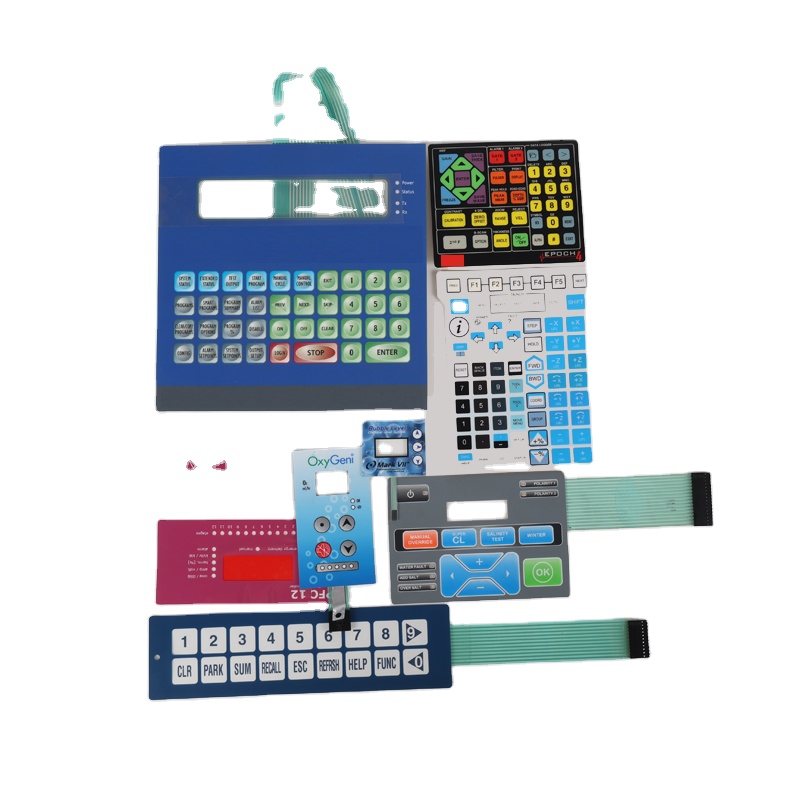
Waterproof Flexible Circuit Membrane Switch for Medical Equipment
- Full perimeter IP67 silicone seal
- Antimicrobial polyester surface
- Resists chlorhexidine & bleach
Engineered to withstand rigorous hospital-grade disinfection, repeated mechanical cycling, and stringent electromagnetic interference standards across clinical and diagnostic settings.
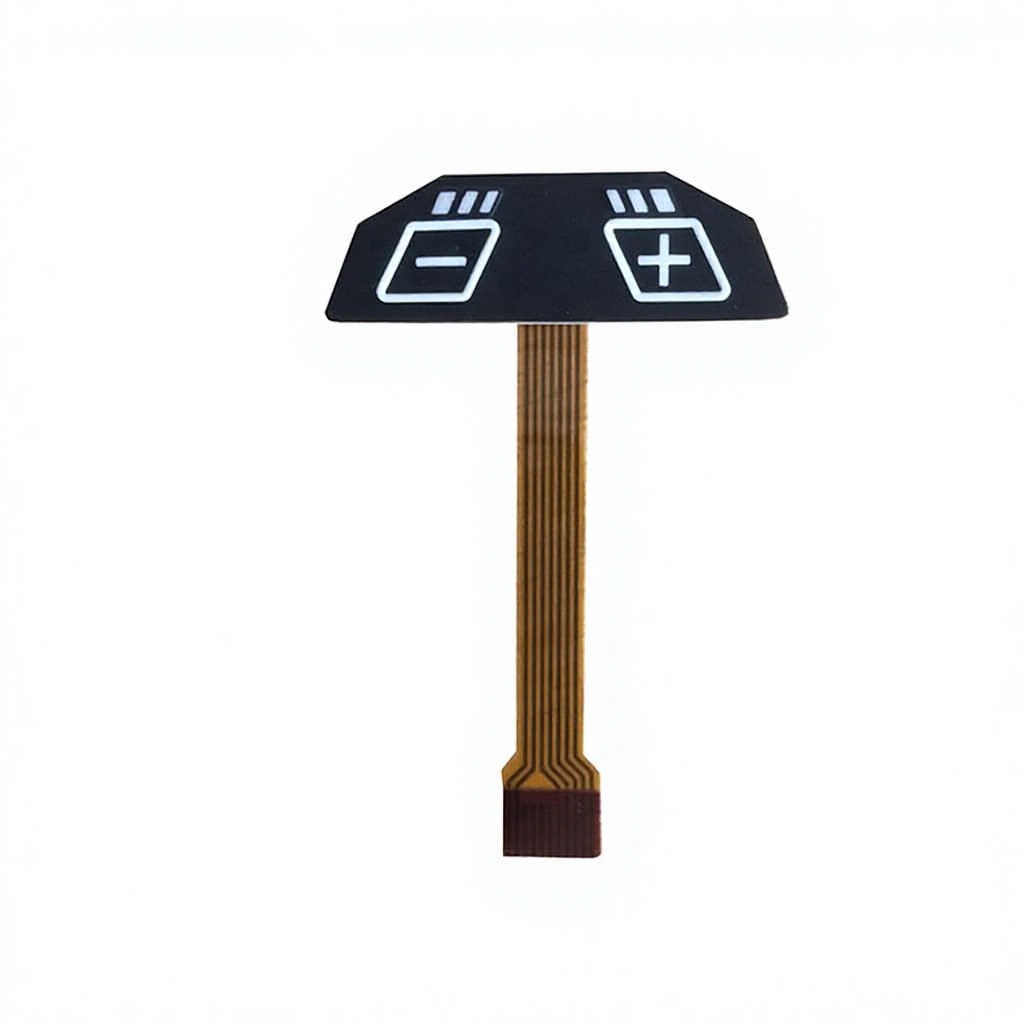
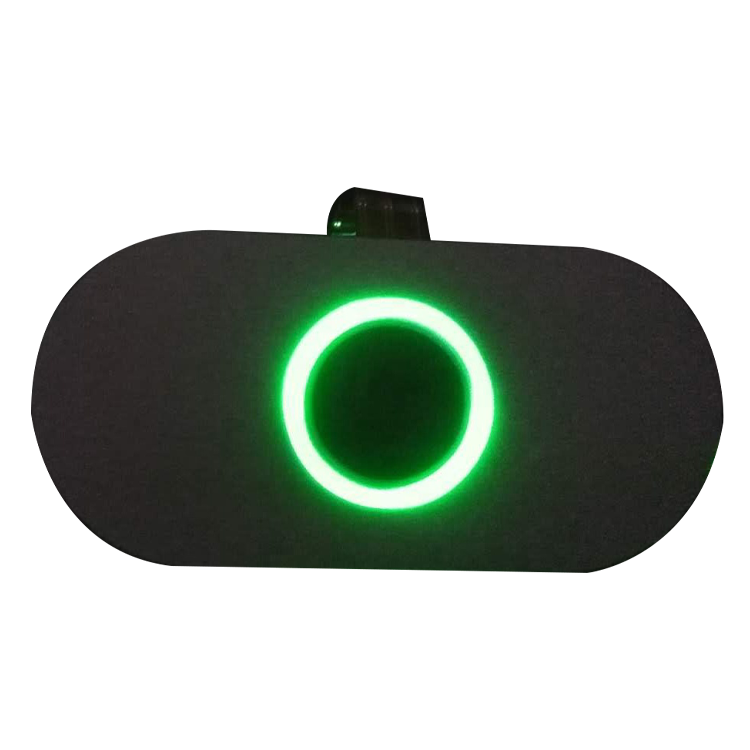

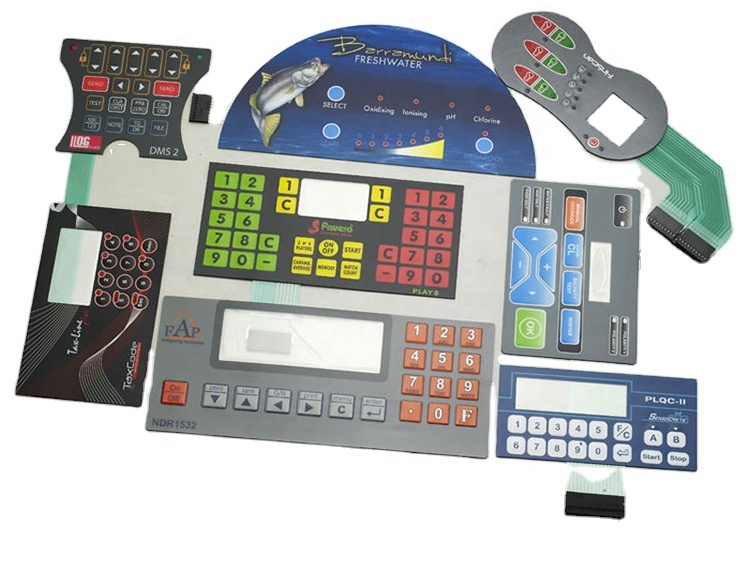
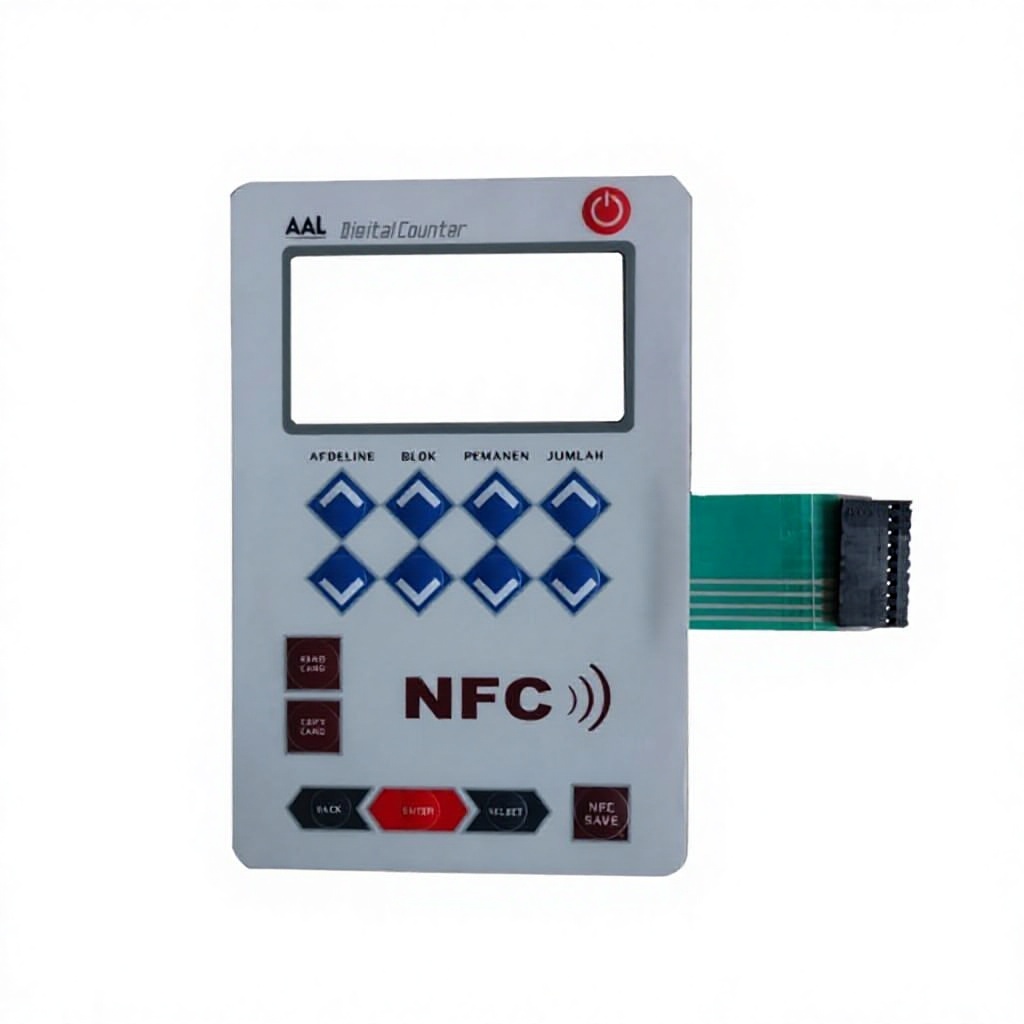
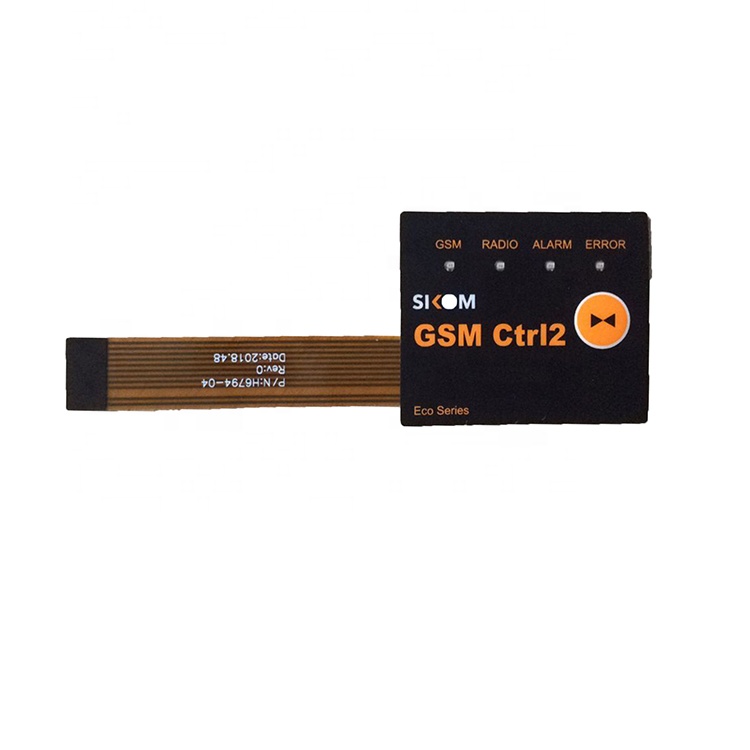
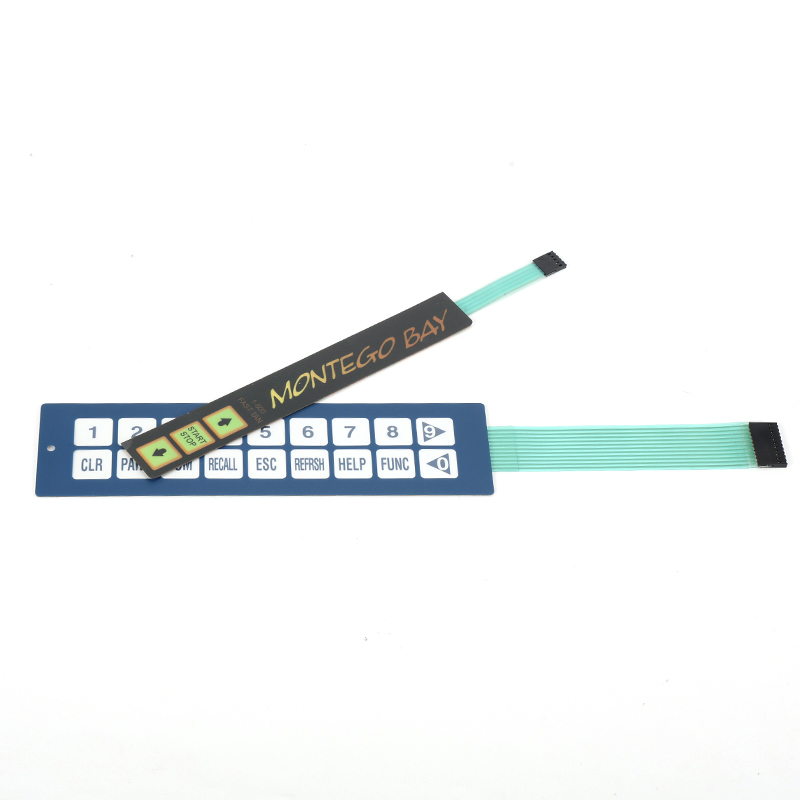
Direct factory engineering consultation: send your CAD drawings, key schematics, or Gerber files. Our engineers deliver comprehensive DFM reviews, layer stack-up configurations, and rapid prototype quotes within 24 hours.
In sterile surgical theatres and mobile emergency diagnostic units, graphic overlays are not merely aesthetic nameplates—they serve as the primary containment barrier protecting delicate microelectronics against aggressive sterilizing chemistry and environmental vectors.
When specifying a medical equipment graphic overlay for healthcare providers in the Principality of Monaco and the broader French Riviera biotechnology basin, mechanical and optical engineering parameters must harmonize. Unlike standard consumer electronics, medical-grade Human-Machine Interfaces (HMIs) must endure daily exposure to quaternary ammonium compounds, sodium hypochlorite (bleach), 70% isopropyl alcohol (IPA), and hydrogen peroxide vapor (HPV) without suffering delamination, micro-fissuring, or optical fogging.
Primary Engineering Imperative: The interface must adhere to IEC 60601-1-2 4th Edition electromagnetic compatibility (EMC) regulations while maintaining sub-surface graphic encapsulation and achieving an ingress protection rating of IP67 or IP68 per IEC 60529.
Utilizing biaxially-oriented polyethyleneterephthalate (PET) films—predominantly Autotex AM or Autoflex—infused with Microban® silver-ion antimicrobial technology. This active chemistry disrupts bacterial cell wall reproduction (ISO 22196 validated against MRSA and E. coli), while second-surface screen printing prevents graphic wear during intensive scrubbing.
Selective texturing allows high-gloss, ultra-clear display windows for OLED, TFT, and 7-segment digital readouts. We integrate anti-glare (AG) or anti-reflective (AR) surface treatments with scratch resistance up to 3H pencil hardness, eliminating specular glare under bright surgical luminaire armatures.
Perimeter environmental seals utilizing modified acrylic laminating adhesives, specifically 3M 467MP, 468MP, or 3M 300LSE for low surface energy (LSE) polypropylene/polycarbonate equipment bezels. Continuous perimeter barrier venting allows air expansion during barometric shifts without liquid ingress.
Incorporating nickel-plated or gold-plated stainless steel domes (tripod or four-leg configurations) with actuation forces engineered between 250g and 450g. This provides distinct tactile snap ratios (40%–60%), assuring clinicians of positive switch contact even when operating through dual sterile latex or nitrile surgical gloves.
Micro-printed conductive silver traces with carbon-graphite overprinting to prevent silver electromigration under persistent voltage differentials. An integrated solid aluminum foil or printed conductive grid layer provides electrostatic discharge (ESD) shielding capable of diverting discharges exceeding 15kV to chassis ground.
Flexible tails engineered with high-flexibility PET or Polyimide (Kapton) FPC construction, terminated with standard 2.54mm pitch female crimp housings (Nicomatic / Berg), or bare solder-coated contact fingers designed for 1.0mm / 0.5mm zero-insertion-force (ZIF) PCB headers.
Selecting the optimal front fascia polymer directly governs chemical survivability, flexural fatigue life, and cosmetic stability. The technical data below outlines empirical benchmarks observed in cleanroom testing:
| Evaluation Parameter | Medical-Grade PET (Autotex AM) | Optically Clear Polycarbonate (PC) | Fluoropolymer Hybrid Film |
|---|---|---|---|
| Mechanical Flex Life | >5,000,000 actuations | ~100,000 actuations (susceptible to stress craze) | >3,000,000 actuations |
| Chemical Wipe Resistance | Exceptional (IPA, Bleach, Quat cleaners, Peroxide) | Moderate (Attacked by aromatic hydrocarbons & acetone) | Immune to almost all clinical solvents |
| Surface Hardness & Abrasion | 3H hardcoated (Pencil test ASTM D3363) | HB to 1H (Requires external UV coat) | 2H to 3H |
| Tactile Embossing Retention | Superior memory at elevated temperatures | Moderate, may relax over prolonged heat exposure | Excellent thermal dimensional stability |
| Flammability Rating | UL94 VTM-2 | UL94 V-0 to V-2 available | UL94 V-0 compliant |
| Primary Target Application | Dialysis systems, infusion pumps, ICU monitors | Internal sub-panels, stationary test instrumentation | Corrosive pathology lab & sterilizer autoclaves |
The Principality of Monaco maintains world-renowned medical institutions characterized by extreme demands for hygiene, patient privacy, and uncompromised diagnostic reliability.
At the Centre Hospitalier Princesse Grace (CHPG), operating theater consoles and endoscopy processors demand deadfront display windows and seamless membrane surfaces that prevent microbial bio-burden accumulation and withstand vaporized hydrogen peroxide (VHP) room sterilization rounds.
For specialized entities like the Centre Cardio-Thoracique de Monaco (CCM), extracorporeal membrane oxygenation (ECMO) consoles, intra-aortic balloon pumps, and hemodynamic telemetry interfaces utilize high-contrast backlit keys to eliminate operator entry errors during critical cardiac surgical monitoring.
At institutions such as the Institut Monégasque de Médecine et Chirurgie Locomotrice (IM2S), rehabilitation kinetic consoles, isokinetic muscle evaluators, and mobile fluoroscopy C-arms require robust, tactile-feedback pushbuttons capable of millions of load cycles under rapid physical therapy handling.
Monte Carlo’s Port Hercule superyacht fleet frequently incorporates dedicated onboard emergency medical suites. Remote diagnostic telemetry, automated defibrillator interfaces, and hyperbaric chamber consoles require IP68 sealing to resist saline humid air, extreme vibration, and rapid temperature shifts.
How Monaco’s evolving life-science sector and European MedTech corridors demand stringent quality documentation, biocompatibility, and intelligent touch interfaces.
While the Principality of Monaco is a sovereign microstate, its pharmaceutical and medical device supply channels operate in absolute harmonization with the European Union framework under the Franco-Monegasque Customs Union. As a result, all instrumentation components entering the Monegasque medical system must align with the demanding provisions of Regulation (EU) 2017/745 (EU MDR).
Under MDR Chapter II, devices must minimize risks related to foreign substances and biological contamination. While membrane overlays do not directly enter the bloodstream, external patient-contact or nurse-contact interfaces fall under ISO 10993-5 (Cytotoxicity) and ISO 10993-10 (Sensitization and Irritation). ZIRA ensures that every resin batch, screen-printing pigment formulation, and pressure-sensitive acrylic adhesive maintains complete raw material traceability back to master chemical lot registries, supplied with comprehensive certificates of analysis (CoA) and RoHS/REACH compliance dossiers.
Modern clinical procurement in Monte Carlo favors completely flat, seamless surfaces. The traditional mechanical boundary between a sealed membrane switch and a touchscreen is dissolving into hybrid Capacitive Touch ITO Film Overlays. By screen-printing Indium Tin Oxide (ITO) or conductive PEDOT:PSS polymers on the underside of an unbroken polyester sheet, medical manufacturers create zero-crevice touch-sensitive buttons that completely eliminate micro-biological harborage. These interfaces feature programmable haptic vibration actuators or acoustic transducers to replicate the confirmatory tactile snap required by surgical staff.
Diagnostic imaging suites, intensive care wards, and cardiac catheterization laboratories frequently operate under dim ambient lighting to optimize high-resolution screen viewing. Traditional LED point-source illumination creates localized hot-spots that distract clinical teams. The adoption of Light Guide Film (LGF) technology—featuring microscopic optical extraction dots etched across ultra-thin polycarbonate sheets—delivers perfectly uniform key illumination at low lux levels, consuming minimal power while avoiding stray light interference with sensitive optical diagnostic sensors.
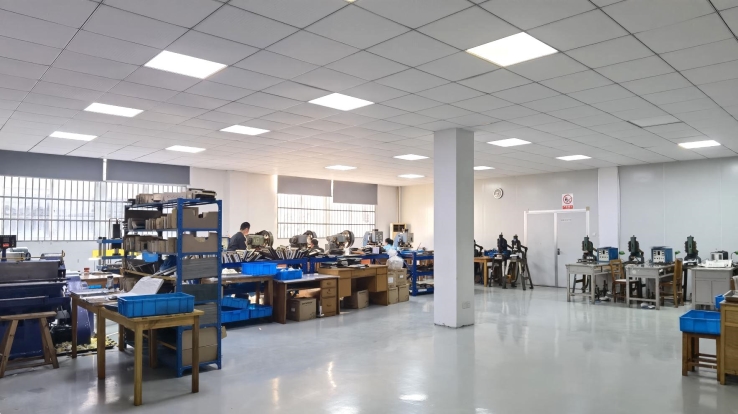
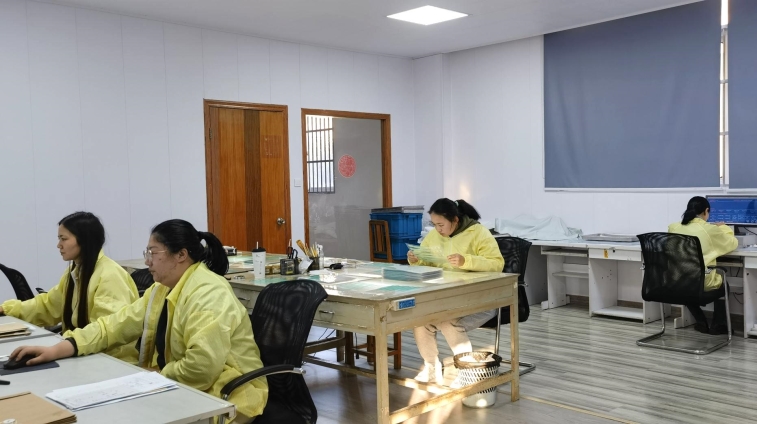
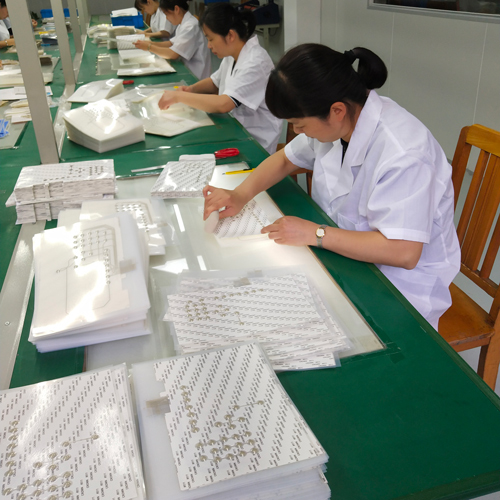
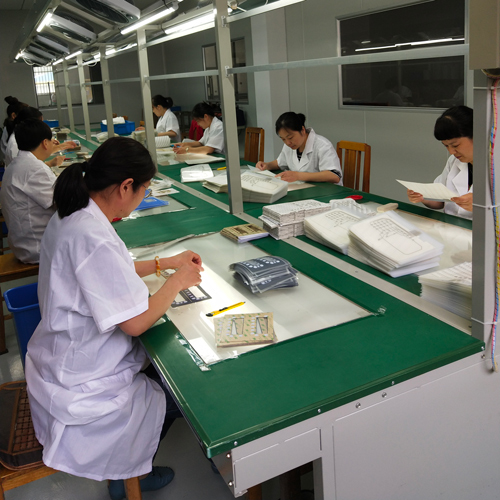
Combining 29+ years of manufacturing discipline, Intertek onsite verification, and cleanroom production with Tier-1 supply chain expertise (ABB, Emerson).

Factory operations, production capacity, and ISO quality management systems verified by independent Intertek inspectors.
Founded in 1996 in Ningbo, Zhejiang, delivering precision HMI solutions to Western Europe, North America, and global markets.
Every single overlay unit undergoes automated continuity, contact bounce (<5ms), insulation resistance (>100MΩ), and visual inspection.
5 dedicated production lines equipped with dust-free semi-automatic screen printers, computerized CNC die cutters, and embossing stations.
Essential logistical, engineering, and compliance data for procurement heads and R&D engineers specifying medical membrane keypads.
Monaco is an integral part of the European Union Customs Union through its bilateral treaties with France. Goods shipped from our factory under DDP (Delivered Duty Paid), CIP, or FOB terms clear customs seamlessly via Nice Côte d'Azur Airport (NCE) or Marseille freight hubs. All shipments include complete EUR.1 documentation, commercial invoices, and HS Code 8537.10 (Electronic Control Interfaces), guaranteeing zero local administrative delay upon entering the Principality.
For custom graphic overlays and tactile membrane switches, our standard prototype turnaround is 3 to 7 working days following mechanical drawing (DXF/STEP) sign-off. We employ high-precision flatbed laser cutters and high-resolution digital proofing presses for rapid pre-production verification, allowing your clinical engineering team to perform ergonomic fitment and tactile tests before steel tooling commitment.
Silver electromigration occurs when moisture penetrates the circuit layers under direct current (DC) voltage potential, creating conductive dendritic crystalline growth that causes short circuits. ZIRA eliminates this failure mode through three preventative layers: 1) 100% full carbon-overprinting of all conductive silver tracks; 2) Dielectric insulation paste rated for breakdown voltages exceeding 5,000V; 3) IP67 hermetic perimeter gasketing that seals internal circuitry against humid saline or autoclave air.
Yes. All screen-printed overlays are color-matched using calibrated spectrophotometers under standard D65 illuminant light booths to ensure Delta E (ΔE) < 1.0 variance. We match standard Pantone Matching System (PMS) and RAL references, as well as providing light-diffusing white second-surface passes to ensure vivid chromatic saturation against metal or black plastic device enclosures.
Recognizing the specialized nature of low-volume, high-value medical device manufacturing in the Principality of Monaco, we support engineering pilot builds starting from just 1 to 50 pieces. Standard production batch sizes typically scale from 100 to 5,000 units, allowing medtech start-ups and specialized surgical builders to optimize inventory without penalizing tooling amortization.
We integrate continuous vacuum-sputtered aluminum foil shields or screen-printed conductive cross-hatch grids placed immediately beneath the visual graphic overlay. When a static discharge strikes the overlay, current is shunted across the perimeter grounding tab directly to device chassis ground, dissipating electrostatic charges up to 20kV without reaching sensitive microprocessor circuits.
Whether configuring an IP67 waterproof infusion pump keypad, an LGF-backlit surgical interface, or an antimicrobial PET fascia for Monte Carlo clinical deployment, our technical team provides rapid, verified DFM assistance.
