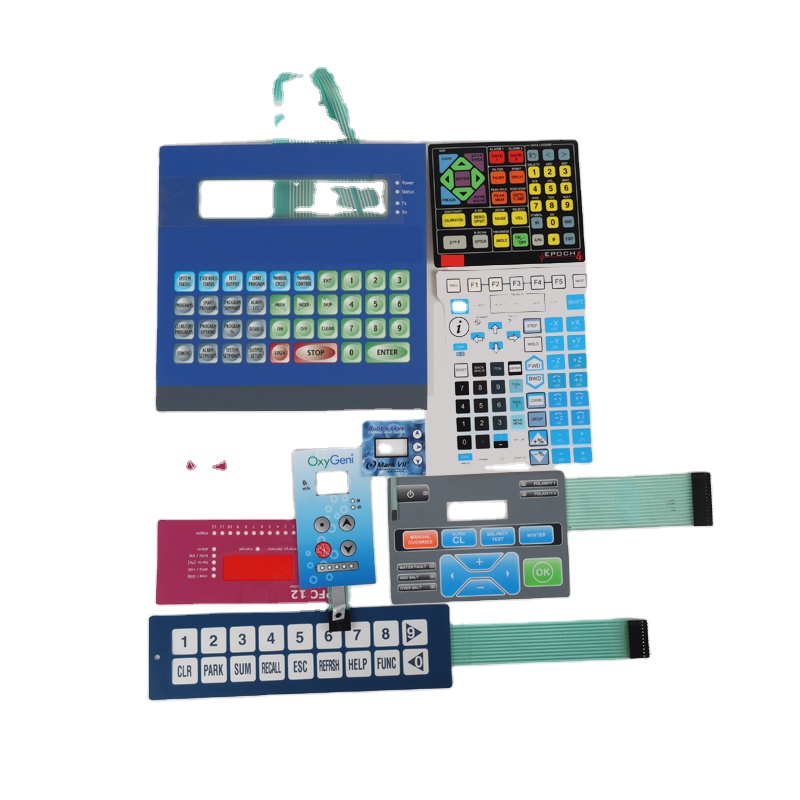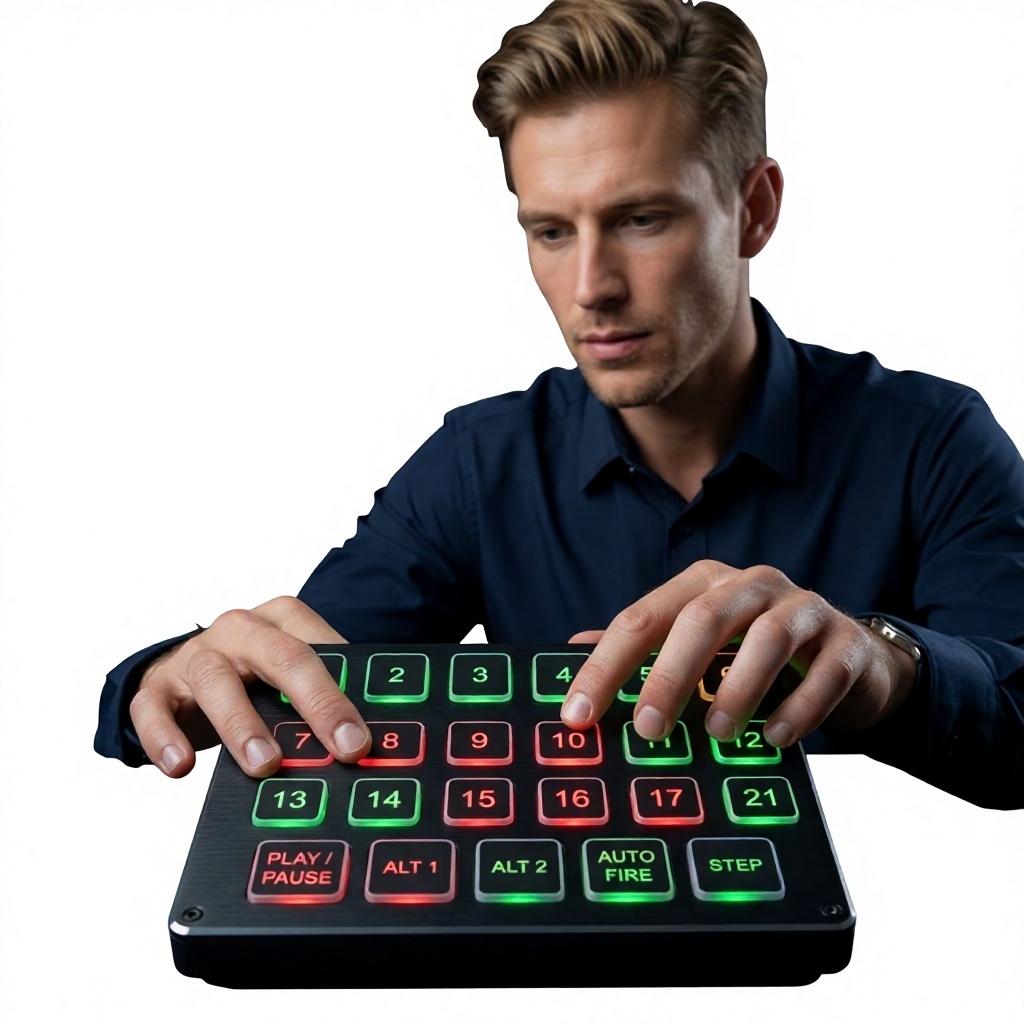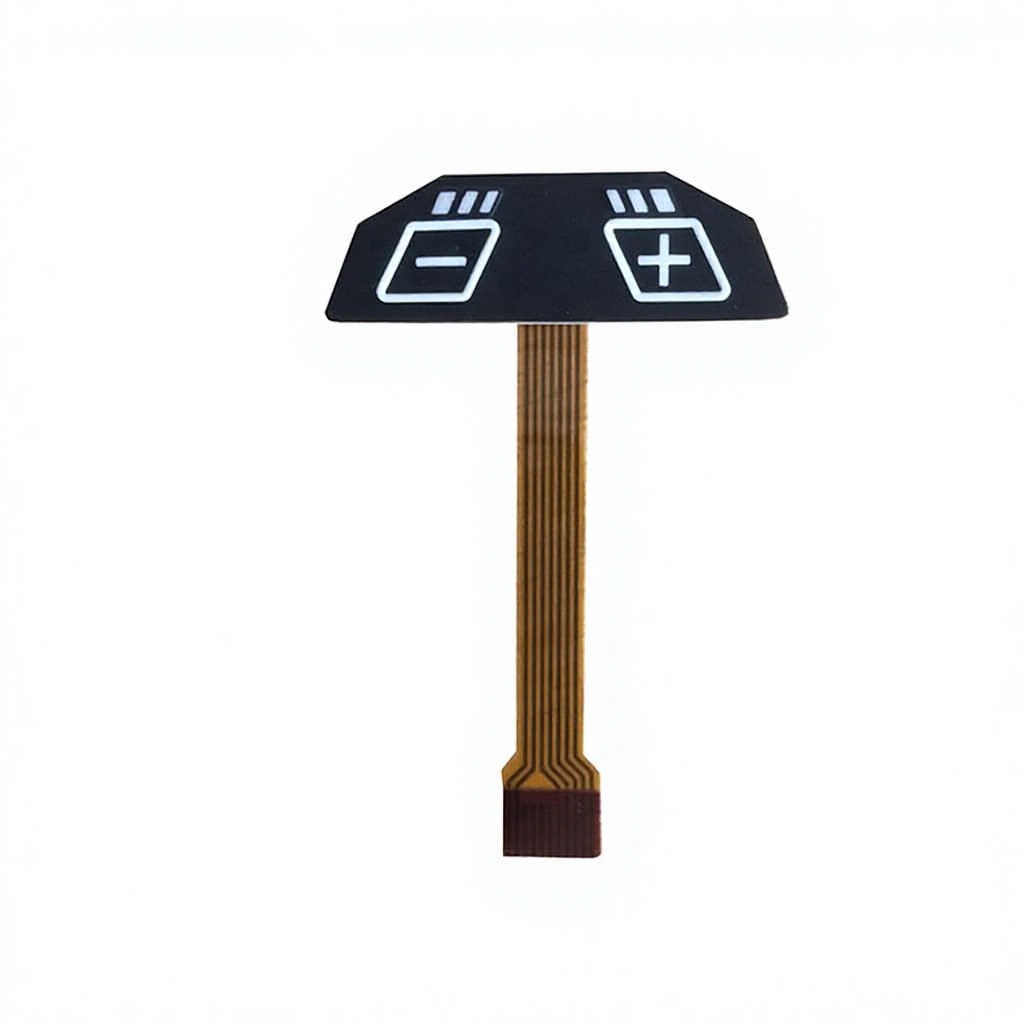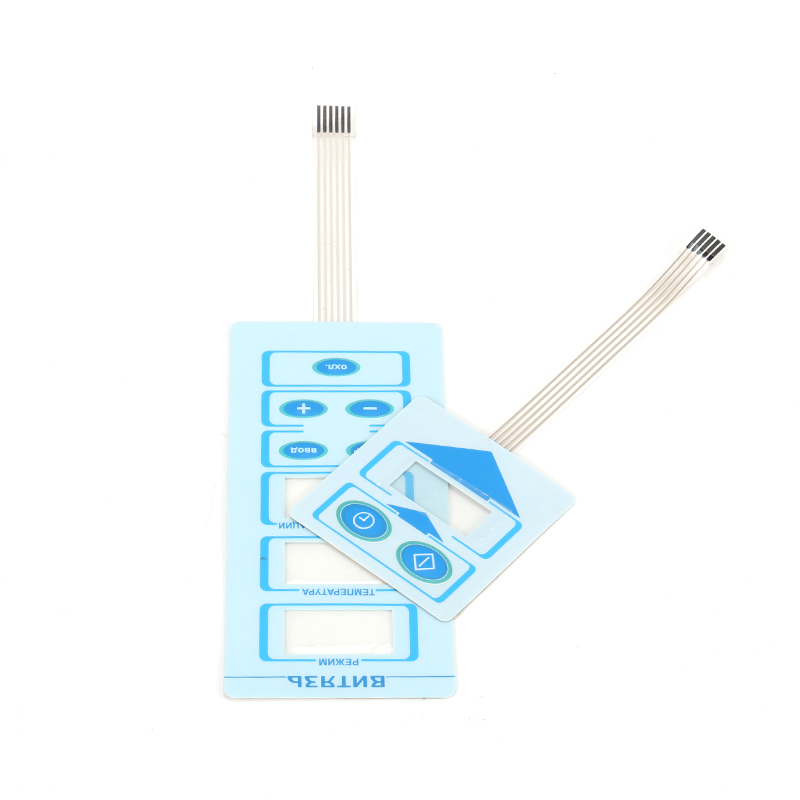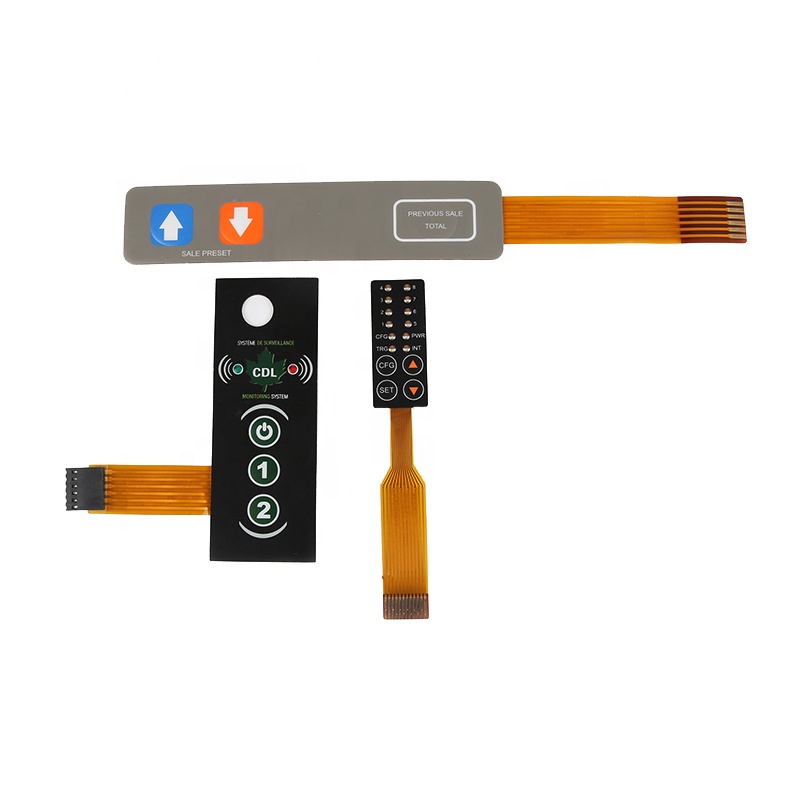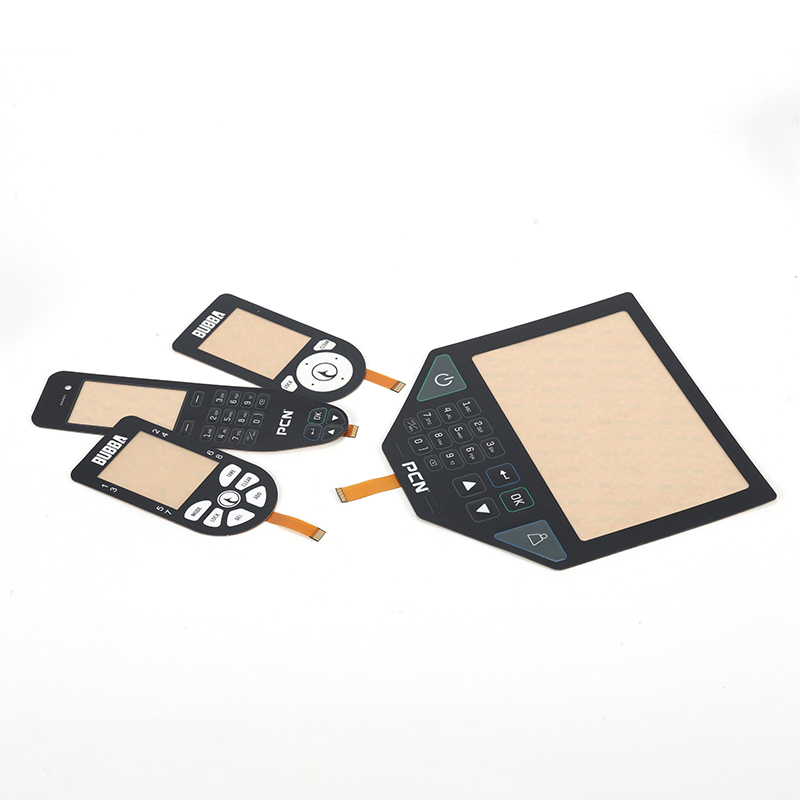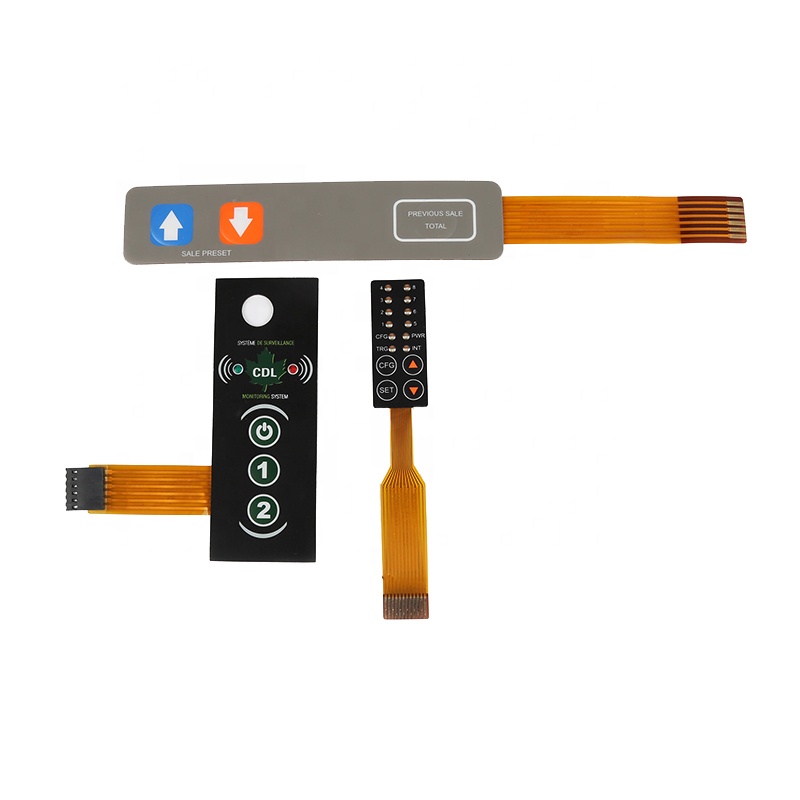
Factory-direct OEM/ODM manufacturing verified by Intertek. Fully customizable graphic layouts, contact stack-ups, sealing ratings (IP65 to IP68), and laser-etched legends for European industrial standards.
A deep dive into photochemical laser ablation, cross-linked polydimethylsiloxane polymers, optical opacity gradients, and precision backlighting integration for modern automation hardware.
The structural integrity of industrial keypads begins with high-consistency silicone rubber (HCR) or liquid silicone rubber (LSR). In high-duty cycles characteristic of Linz's automated assembly plants, keys undergo millions of actuations under severe temperature swings (-40°C to +120°C).
By tailoring the polymer chain cross-link density, we calibrate key hardness between 40 to 70 Shore A. Actuation travel is precision-engineered using finite element analysis (FEA) on the silicone web angle, yielding a crisp snap ratio between 40% and 60% with tactile actuation forces ranging from 150g to 500g.
Laser etching—distinct from traditional pad printing—is a subtractive process. Translucent silicone keymats are initially coated with a translucent primer (typically white or customized chromatic pigments), followed by an opaque outer coating sprayed with microscopic uniformity.
Utilizing diode-pumped Nd:YVO4 or pulsed fiber laser engravers running at 1064nm, we vaporize the opaque outer coat down to the exact sub-micron depth of the translucent base layer. This guarantees absolute optical crispness (±0.02 mm), preventing bleeding, ghosting, or pinhole light leaks under multi-axis LED illumination.
To prevent legend degradation from chemical disinfectants, industrial cutting fluids, and abrasive airborne particulate matter common in Linz metallurgical environments, the etched assembly is preserved with high-performance secondary topcoats.
We apply optical-grade thermal polyurethane (PU) or reactive silicone spray coatings cured under UV atmospheric nitrogen tunnels. These topcoats elevate surface hardness past 3H pencil lead scratch resistance (ASTM D3363) and endure >500,000 cycles on the Norman Tool RCA Abrasion Wear Tester (ASTM F2357).
Linz serves as the beating industrial heart of Upper Austria—from the vast steel processing hubs along the Danube to the high-tech mechatronic corridors of Wels and Steyr. Our custom laser-etched keyboards and sealed membrane switches operate directly within these specialized industrial clusters.
Linz's heavy steelworks demand HMIs impervious to high ambient temperatures, carbon dusting, and slag splashes. Our metal-dome keypads with hermetic silicone skirts prevent fine iron oxide ingress and guarantee tactile operator confirmation even when handled with heavy leather work gloves.
In collaboration with Upper Austrian robotics manufacturers and system integrators, we deliver laser-etched keymats featuring high-contrast ISO symbols, integrated deadman switch channels, and even backlighting across every functional key cluster for dimly lit robotic cells.
Facilities handling petrochemicals, agrochemicals, and industrial solvents require non-reactive interface panels. Our chemically inert fluorosilicone matrices and Autotex polyester graphic overlays resist continuous exposure to aggressive hydrocarbons, dilute acids, and alkaline washdowns.
Supplying diagnostic and surgical hardware teams in the Upper Austrian medical cluster, our membrane keypads are engineered with anti-microbial coatings, flat flush surfaces with zero bacteria traps, and full compatibility with isopropyl alcohol and quaternary ammonium wipe-down sterilizations.
Procurement teams and mechanical design engineers in Linz are navigating an aggressive transition toward Industry 4.0 automation, requiring interface suppliers to meet stricter photometric, ergonomic, and regulatory standards.
Older designs relying on bulky electro-luminescent (EL) lamps or localized discrete LED clusters suffered from rapid half-life degradation and conspicuous hotspots. Today, Linz mechatronics firms specify ultra-thin Light Guide Films (0.125mm - 0.25mm).
By utilizing high-precision dot-matrix light extraction patterns, side-firing ultra-bright SMD LEDs illuminate complex laser-etched alphanumeric arrays with exceptional uniformity (>85% luminance balance), drawing minimal current while drastically cutting heat generation within sealed IP67 enclosures.
Modern machinery consoles across Upper Austria increasingly reject single-technology solutions. The market has embraced hybrid architecture: incorporating capacitive touch sensing for high-speed scrolling and data entry alongside laser-etched silicone keys with metal tactile domes for critical emergency stops, feed-rate holds, and confirmation strokes.
This hybrid approach prevents operator muscle fatigue while delivering unequivocal physical feedback that complies with European Machinery Directives (EN ISO 13849-1) regarding safety-critical control actions.
European supply chain due diligence laws require flawless compliance certification. Every elastomer batch, conductive silver pigment, adhesive release liner, and connector block exported to Linz is rigorously audited against EU Regulation (EC) No 1907/2006 (REACH) and Directive 2011/65/EU (RoHS 3).
Full documentation suites, including certified laboratory test results from SGS and Intertek, are systematically provided to Austrian incoming QA teams, eliminating regulatory delays during customs clearance at Linz Airport (LNZ) or central European freight depots.
Evaluate critical electromechanical metrics when architecting machine front panels for Austrian and DACH industrial machinery.
| Evaluation Parameter | Laser-Etched Silicone Rubber | Embossed PET Membrane Switch | Capacitive Touch ITO Sensor | Rigid PCB Tactile Keypad |
|---|---|---|---|---|
| Actuation Travel | 0.8 mm – 2.0 mm (Long Travel) | 0.3 mm – 0.6 mm (Short Snap) | 0.0 mm (Solid State) | 0.4 mm – 0.8 mm (Snap Dome) |
| Illumination Uniformity | Exceptional (Translucent Ablation) | Moderate (LED / Dot LGF) | High (Perimeter / Backlit Glass) | High (Discrete Surface Mount LEDs) |
| Actuation Life Cycle | > 3,000,000 cycles | > 1,000,000 cycles | > 10,000,000 touches | > 1,500,000 cycles |
| Operating Temperature | -40°C to +125°C | -20°C to +65°C | -10°C to +60°C | -40°C to +85°C |
| Ingress Protection (Max) | IP67 / IP68 (Integral Gasket) | IP65 (Perimeter Gasket) | IP68 (Seamless Glass/Film) | IP65 (Enclosure Mount) |
| Tactile Feedback | Soft cushioned or metal dome snap | Crisp tactile snap (Nickel dome) | None (Requires haptic buzzer) | Very crisp mechanical response |
| Abrasion Resistance | Ultra-High (PU / Epoxy hardcoat) | High (Sub-surface printed PET) | Extreme (Tempered front glass) | Dependent on overlay film |
*Data represents baseline industrial specifications. Custom formulations available for high-temperature blast furnace cabins or cleanroom laboratory installations.
Combining 29+ years of dedicated human-machine interface fabrication with rigorous Western quality audits, verified directly on-site by Intertek.
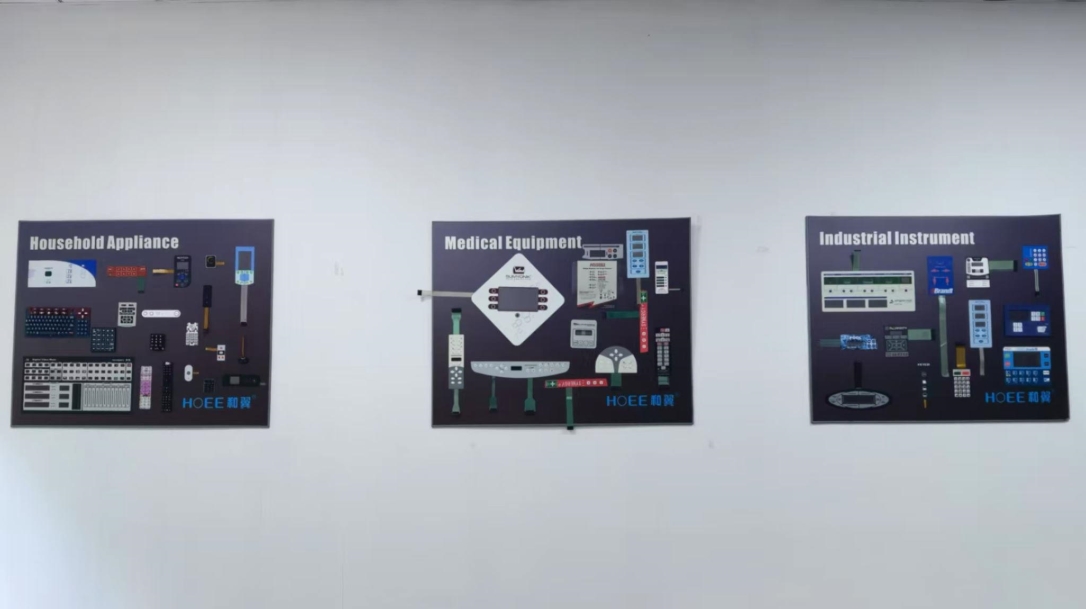
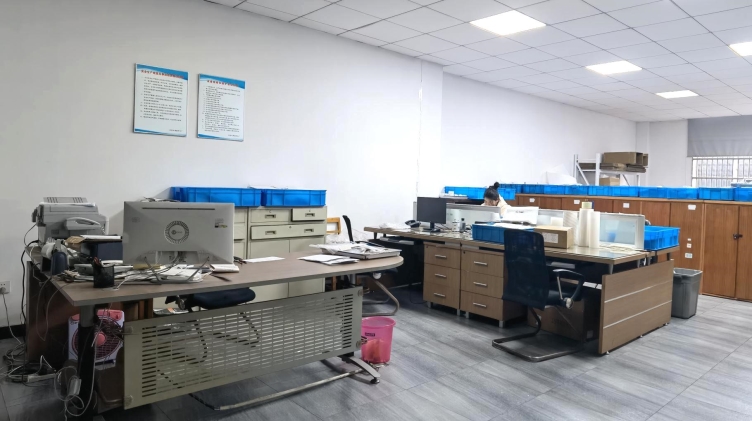
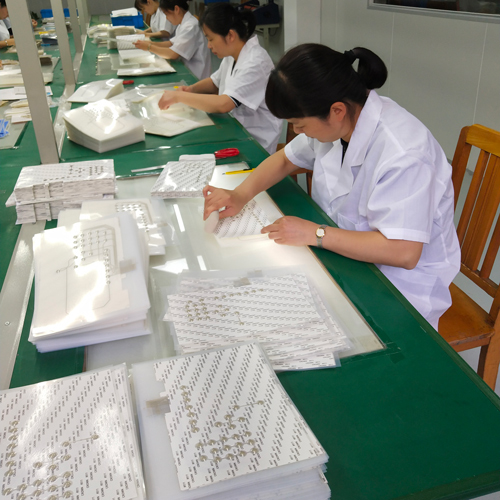
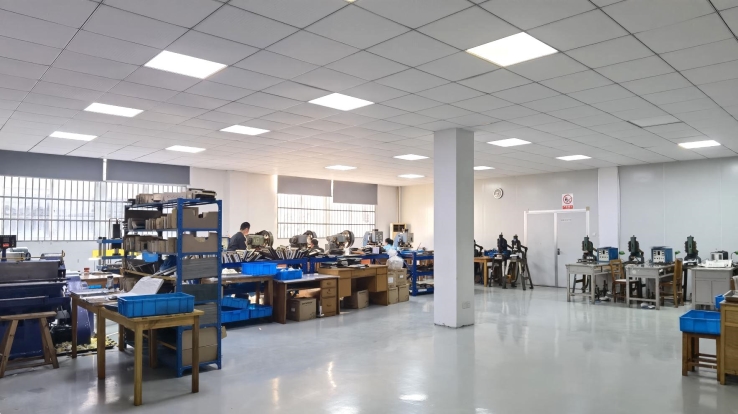
No intermediaries. Established in 1996 in Ningbo, our facility houses cleanroom screen-printing, silicone compression molding, laser engraving, and final laminating all under one roof, guaranteeing direct pricing and single-source accountability.
Before cutting steel for tooling, our senior R&D engineers review your CAD drawings (DXF, STEP), tail routing, connector pinouts, and key spacing. We identify potential micro-pinching or trace resistance issues proactively.
Zero field failures is our baseline. Every batch undergoes computerized testing for contact loop resistance (<1Ω), insulation resistance (>100MΩ at 100V DC), LED forward voltage matching, and actuation snap ratio confirmation.
Decades of exporting across Western Europe. We handle complete logistics including DDP terms (Delivered Duty Paid), EUR customs clearing, and rapid door-to-door air freight directly to Linz and the Upper Austria industrial region.
Addressing concrete queries regarding German keyboard localization, environmental certification, prototyping lead times, and Austrian customs protocols.
Yes. Since our laser etching process is numerically controlled by vector CAD artwork, we routinely etch German QWERTZ layouts with precise umlauts (Ä, Ö, Ü, ß), Austrian machinery symbols (DIN EN 60617 / ISO 7000), and custom control graphics with sub-millimeter precision.
To support R&D iterations and small pilot machinery builds across Upper Austria, we offer prototyping starting from just 1 to 5 pieces. Standard series production begins at 100 units, providing complete flexibility before scaling to high-volume commercial production.
Our water- and oil-proof assemblies feature continuous perimeter adhesive gaskets (utilizing high-shear 3M 200MP/300LSE laminates) combined with internal vent channels equipped with breathable hydrophobic membranes to equalize pressure swings without permitting moisture penetration.
Every shipment arrives with full commercial invoices, HS code classification (typically HS 8537.10 or 8538.90), Certificate of Origin, and complete RoHS 3 and REACH compliance certificates. For DDP shipments, all duties and Austrian import VAT (EUST) are settled in advance.
Following DFM approval, rapid tooling and laser-etched silicone or membrane switch prototypes are typically completed within 7 to 12 working days. Express courier delivery (DHL/FedEx) to Linz or Upper Austrian manufacturing plants takes an additional 3 to 4 business days.
Yes. We match pantone (PMS), RAL, or custom customer spectrophotometer values. For illuminated keypads, we coordinate the CIE chromaticity coordinates of the laser-etched window with your LED wavelength to produce precise color rendering under night conditions.
Send your engineering drawings (CAD/PDF/STEP) or discuss your tactile, sealing, and illumination specifications directly with our senior application engineers. We provide full DFM feedback, stack-up diagrams, and transparent quotes within 24 hours.