High-Precision Instrument Cluster Faceplates & Keypads
Custom-built graphic overlays, membrane assemblies, and hybrid tactile switches engineered to withstand mechanical vibration, UV radiation, and rigorous washdowns across Denmark's key industrial clusters.
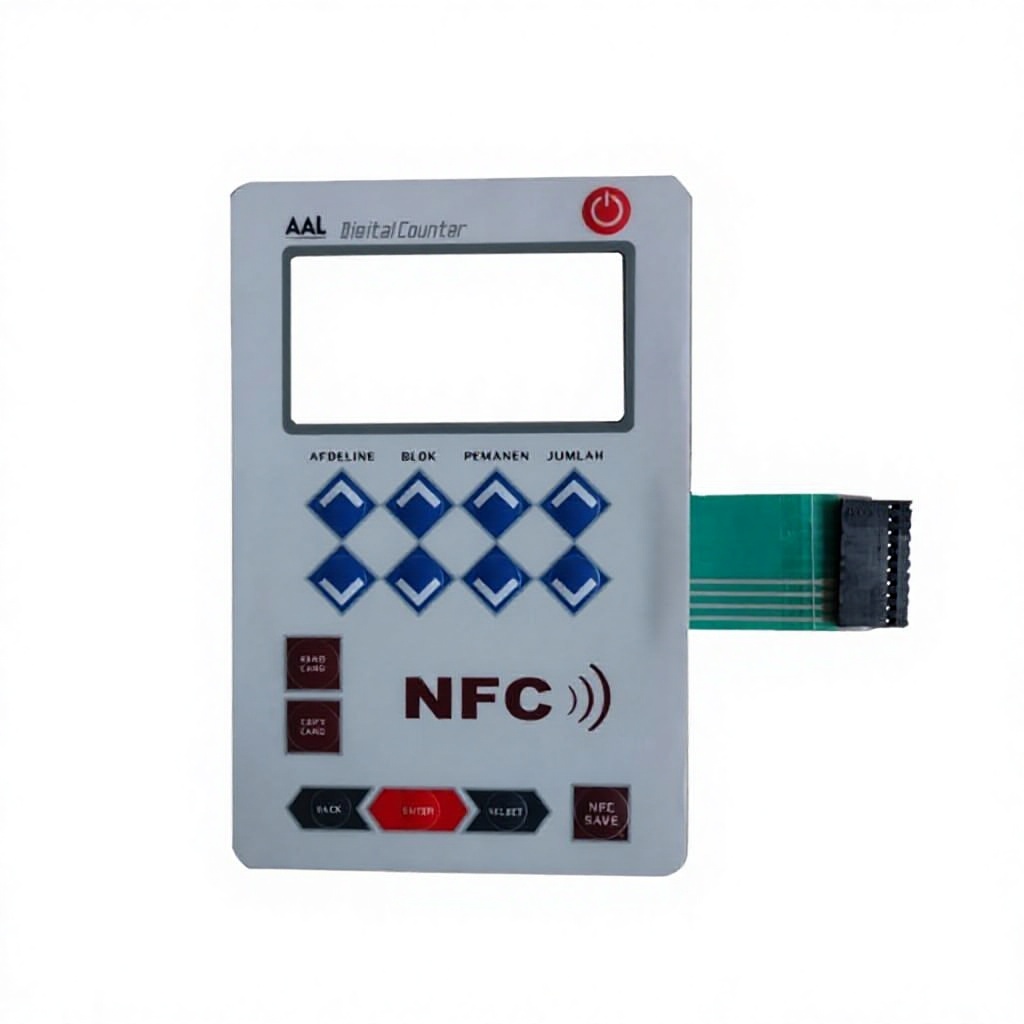
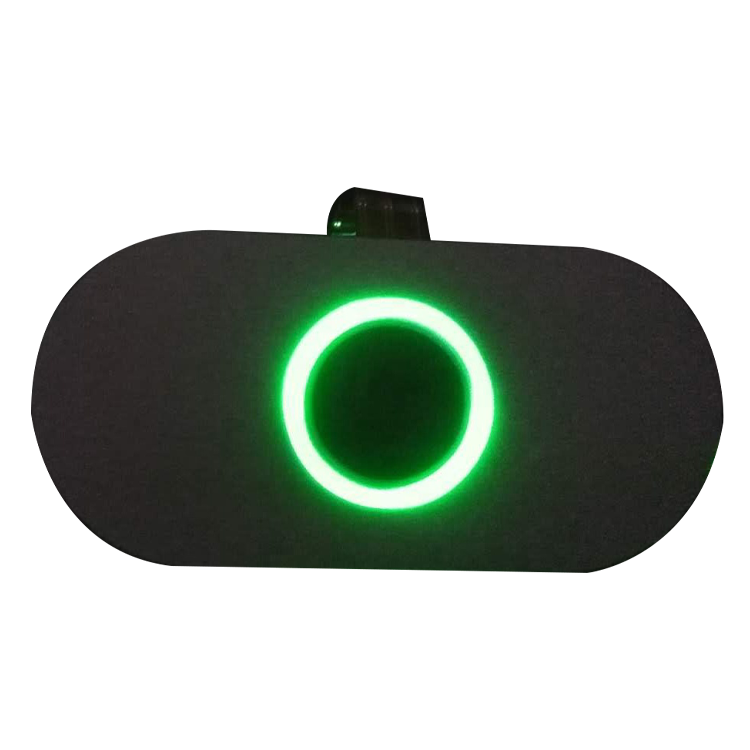
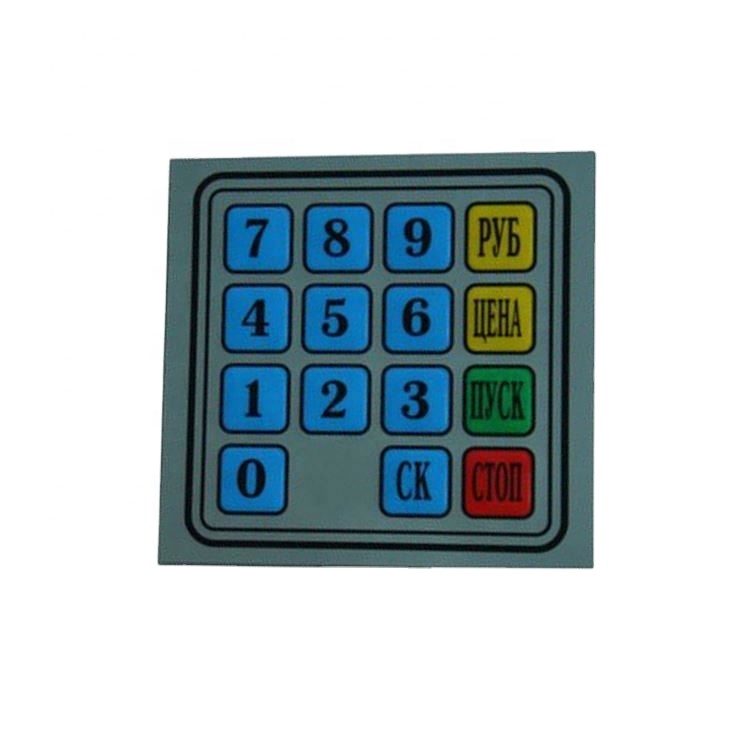
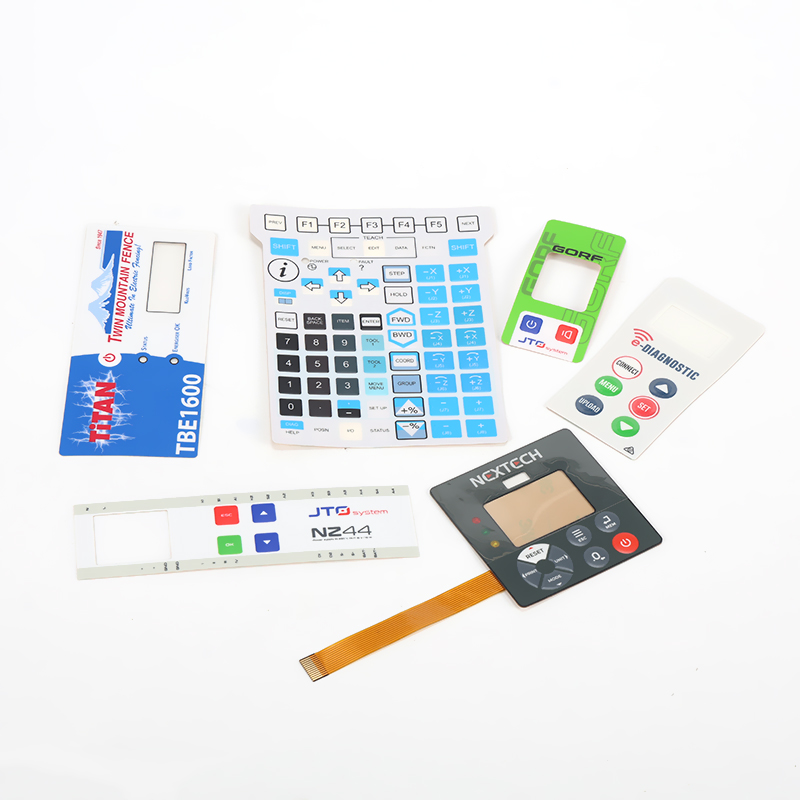
Precision Stack-Up Engineering for Denmark's Advanced OEM Instrumentation
Instrument cluster faceplates serve as the primary visual, mechanical, and environmental barrier between complex machine logic and human operators. In Northern European engineering contexts, where devices face thermal cycling, saline mists, and strict ergonomic directives, failure at the front panel compromises the entire system.
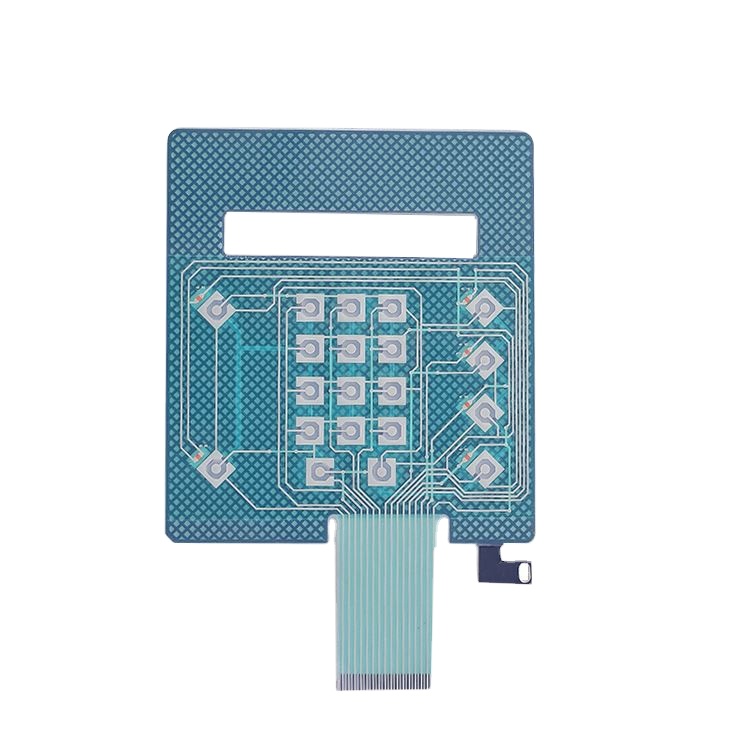
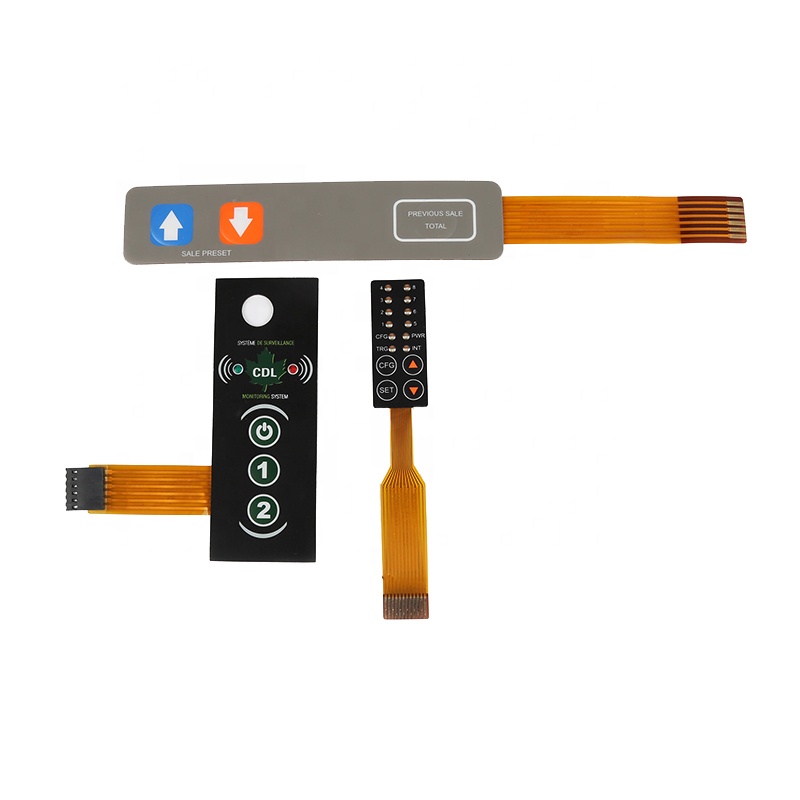
At Zhejiang ZIRA Membrane Switch Co., Ltd., our engineering methodology treats the instrument faceplate not merely as a decorative dial or basic keypad, but as a micro-layered functional assembly. Every overlay begins with selective polymer specification. Premium, biaxially oriented PET (such as MacDermid Autotex) is favored over basic polycarbonates for high-flex cyclability and UV yellowing resistance under maritime offshore exposure. Sub-surface silk-screen and digital hybrid printing place decorative pigments, metallic inks, and translucent display windows behind a robust barrier, ensuring graphics remain unmarred by harsh industrial solvents or high-pressure salt spray.
Behind the graphic layer, precision-metered optical spacers isolate tactile elements while custom die-cut venting channels maintain atmospheric pressure equilibrium across internal cavities. This prevents false actuations or visual ballooning during rapid temperature changes—a critical engineering safeguard for wind turbine nacelles in the North Sea or refrigerated automated guided vehicles (AGVs) operating throughout Danish supply hubs.
| Technical Parameter | Autotex XE Marine PET | Optical Grade Polycarbonate (PC) | Capacitive ITO Hardcoat Film | Silicone Elastomer Hybrid |
|---|---|---|---|---|
| Substrate Thickness | 0.15 mm – 0.28 mm | 0.175 mm – 0.50 mm | 0.125 mm – 0.188 mm | 0.80 mm – 3.50 mm |
| Actuation Life Cycle | > 5,000,000 flex cycles | ~ 100,000 cycles (Embossed) | Solid-State (Unlimited) | > 1,000,000 cycles |
| Chemical Resistance | High (Diesel, Acids, IPA) | Moderate (Susceptible to Aromatics) | Superior (Cleanroom Wipes) | High (Oils & UV Stable) |
| Outdoor Weatherability | UV-Stabilized (>10 Yrs Outdoor) | Requires UV-Coating | Indoor / Protected Enclosure | Excellent Ozone/UV Resist |
| Thermal Operating Range | -40°C to +85°C | -30°C to +105°C | -20°C to +70°C | -45°C to +120°C |
| Nordic Application Match | Offshore Wind & Marine Navigation | Medical Monitors & Indoor HMI | Smart Laboratory Diagnostic Consoles | Agricultural & Heavy Crane Consoles |
Engineered for Demanding Danish Industrial Applications
From the offshore energy corridors of the North Sea to the advanced robotics testing hubs of Odense, our instrument faceplates are tailored to Denmark's primary engineering strengths.
Maritime & Offshore Wind Consoles
Navigational instrument panels engineered for Esbjerg maritime vessels, tugs, and North Sea wind turbine nacelles. Sealed with closed-cell 3M acrylic adhesive gaskets against high saline humidity, persistent salt spray (DIN EN 60068-2-52), and aggressive solar degradation.
Odense Robotics & Cobot Interfaces
Collaborative robot teach pendants and mobile industrial robot (MiR) status displays. Integrating custom ESD suppression shields (up to 15kV) to eliminate static interference, coupled with tactile domed keys that deliver precise physical feedback to glove-wearing factory operators.
Smart AgTech & Precision Farming Consoles
Custom dash instrument faceplates for specialized agricultural machinery across Jutland. Designed with ultra-low thermal expansion spacers, high vibration dampening, and high-contrast dead-front legends that optimize legibility under direct Scandinavian low-angle winter sunlight.
Medicon Valley Laboratory Equipment
Hermetically sealed graphic panels engineered for medical analysis equipment, centrifuge systems, and diagnostic hardware in the Copenhagen-Lund corridor. Treated with antimicrobial hardcoats resistant to continuous wipe-downs with isopropyl alcohol, chlorine bleaches, and hydrogen peroxide vapor.
Regulatory Compliance & Ergonomic Trends in Denmark
Danish equipment builders demand high reliability paired with strict environmental stewardship and human-centered design principles.
EU RoHS 3 & REACH SVHC Strict Adherence
Denmark enforces some of Europe's most stringent environmental surveillance via the Danish Environmental Protection Agency (Miljøstyrelsen). Our instrument faceplates use 100% compliant lead-free conductive silver/carbon pastes, halogen-free dielectric printing inks, and adhesives free from REACH Substances of Very High Concern (SVHC), supported by comprehensive full-material declarations.
High Ergonomic Legibility in Low Light
Due to Northern Europe's prolonged winter low-light working environments, Danish control system engineers prioritize ergonomic contrast. Our LGF (Light Guide Film) edge-lit architecture achieves ±10% uniform luminance distribution across all indicators without hotspots, eliminating visual fatigue in control rooms, maritime bridges, and crane cabins.
Circularity & Modular Enclosure Design
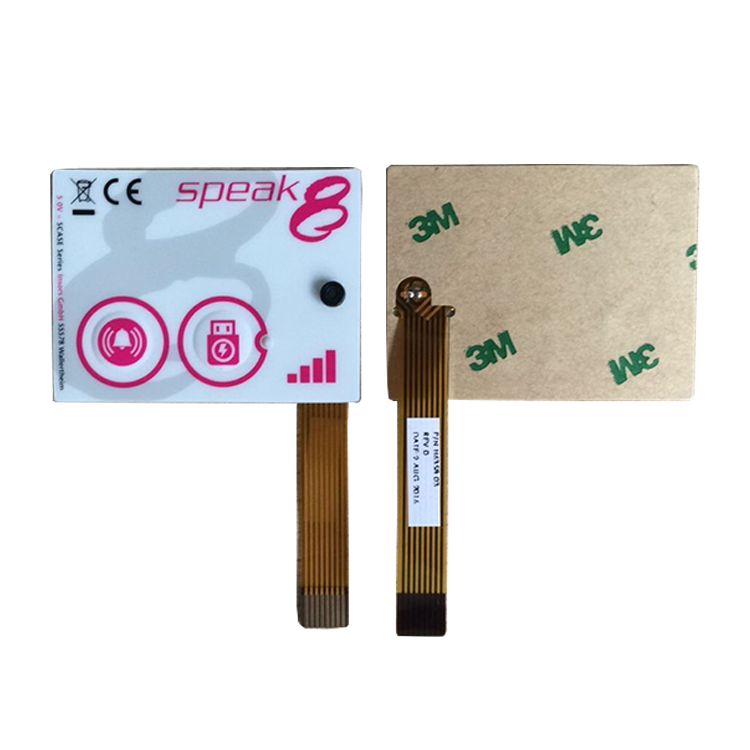
Aligning with Denmark's national focus on the circular economy and clean-tech product lifecycles, our cluster overlays are engineered for clean separation from chassis substrates. Using peel-clean adhesive technologies like 3M 467MP, faceplates can be separated cleanly from aluminum or polycarbonate enclosures during end-of-life recycling programs.
Tier-1 Engineering Reliability Backed by 29 Years of Expertise
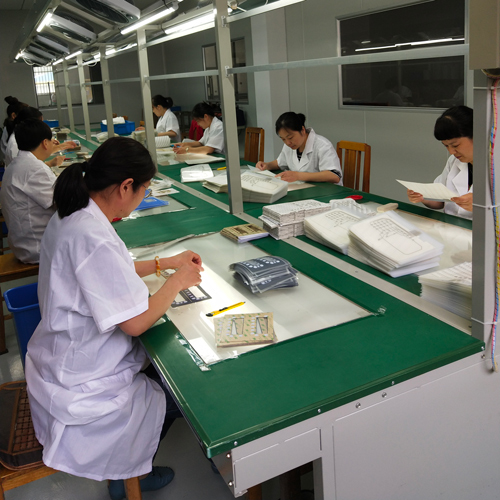
Zhejiang ZIRA Membrane Switch Co., Ltd. (founded in 1996 in Ningbo, Zhejiang) delivers contract manufacturing excellence for custom membrane keypads, graphic faceplates, and integrated HMI assemblies. We combine direct manufacturing pricing with the rigorous quality standards demanded by European OEMs.
 Independent onsite verification conducted by Intertek. Comprehensive quality management systems, manufacturing capacity, and legal standards audited and certified.
Our long-standing collaborative manufacturing relationships with multinational automation leaders, including ABB and Emerson, validate our technical capability. From Class 10,000 cleanroom screen printing to multi-axis CNC laser cutting and automated continuity testing, every order is controlled under single-roof accountability.
Documented Verification & Export Track Record
We eliminate supply chain risk through third-party factory assessments, proven export logistics, and transparent quality control documentation.
Intertek Onsite Assessed
Independent physical factory audit confirming operational equipment, cleanroom compliance, and QA/QC test stations.

29 Years in HMI Industry
Continuous specialization in custom membrane switches and graphic overlays since our establishment in 1996.

Custom ODM/OEM Capability
Comprehensive engineering from customer CAD, Gerber, and schematics to functional tooling and sample prototyping.

Design-Based Customization
Validated tolerances: outline die-cutting ±0.10 mm, print registration ±0.05 mm, and pinout pitch matching to 1.0mm/2.54mm.
Common Inquiries from Danish Hardware Builders
Detailed technical, logistics, and quality assurance answers for engineering and procurement managers sourcing from China.
How do you handle DDP shipments and Danish customs clearance?
We provide full DDP (Delivered Duty Paid) shipping solutions directly to facilities in Aarhus, Copenhagen, Odense, or Billund via DHL/FedEx Express or scheduled air freight. All Danish customs documentation, HS classification (typically 8537.10), import VAT handling, and EU safety declarations are managed seamlessly to prevent port transit delays.
What is your typical prototype turnaround and NRE tooling structure?
Tooling and initial engineering setup (NRE) is structured to be cost-effective for small-to-medium Danish batches. Working prototypes are typically delivered within 7 to 10 business days following artwork and stack-up approval. Rapid laser-cut, digital-printed engineering samples can be produced with low initial tooling costs for verification prior to mass die stamping.
How do you achieve IP67 or IP69K waterproof ratings for marine panels?
Waterproof sealing relies on continuous perimeter gaskets cut from 3M 300LSE or 3M 468MP high-tack acrylic adhesives, paired with a non-vented external perimeter seal. Internal layers feature micro-vent channels routed through the tail exit rather than the faceplate edges, isolating conductive traces from saline moisture, steam washdowns, and submersion.
Can you produce dead-front display windows that remain invisible until lit?
Yes. Dead-front legends and icons are achieved through calibrated sub-surface screen printing using selective-opacity translucent smoke inks. In unlit states, the faceplate presents a solid, uniform matte or gloss surface. When an underlying LED or LGF illuminates the area, the icon reveals itself with sharp edge definition and zero light leakage.
How are colors matched to corporate Danish industrial designs?
We color-match against standard Pantone Matching System (PMS) and RAL color systems under standard D65 illuminant light booths. For back-printed overlays, color density is digitally monitored using spectrophotometers to compensate for the slight visual shift introduced by the clear PET or PC top film.
What electrical and life-cycle tests accompany each production lot?
Every single instrument cluster faceplate undergoes 100% automated electrical testing before packaging. Tests verify circuit continuity, loop resistance (typically <100 Ω for silver tracks; <10 Ω for copper FPC), insulation resistance (>100 MΩ at 100V DC), LED forward voltage, and tactile dome snap actuation force.
Accelerate Your Next Instrument Cluster Project
Send our senior engineering team your CAD drawings (DXF, DWG, PDF, or STEP), circuit schematics, or color specifications. Receive a comprehensive DFM manufacturability audit, layer stack-up proposal, and transparent price quotation within 24 hours.
