Featured Instrument Cluster Faceplates & Control Assemblies
Explore our verified human-machine interface product lineup engineered for industrial, medical, and marine applications across Bergen, Sotra, and Western Norway.
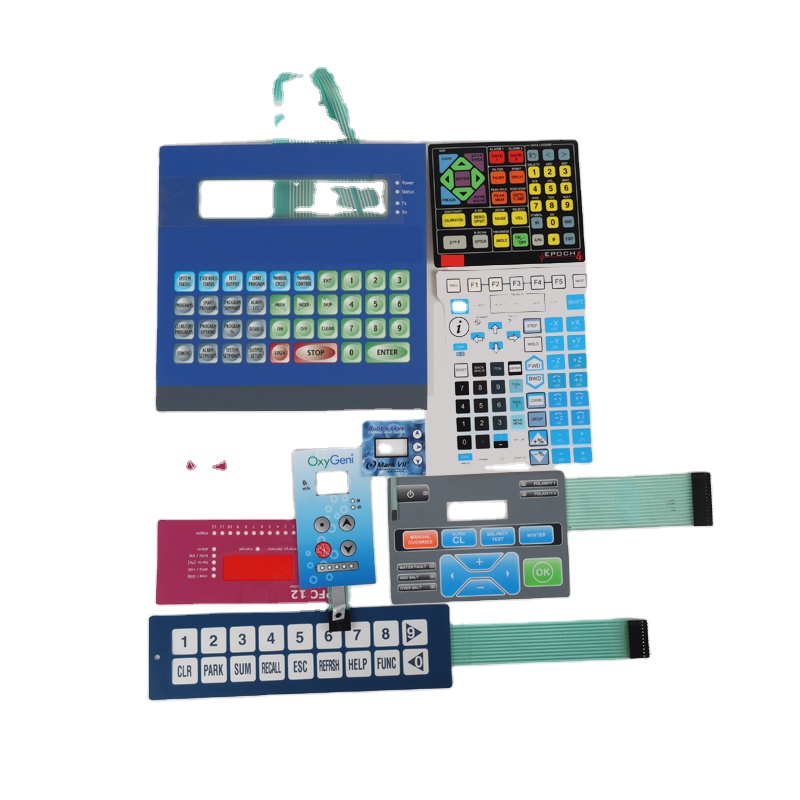
Custom Membrane Switch Medical Device Keypad Durable Medical Grade Polyester PET Compliant RoHS REACH 3M Adhesive Backing 2.54mm
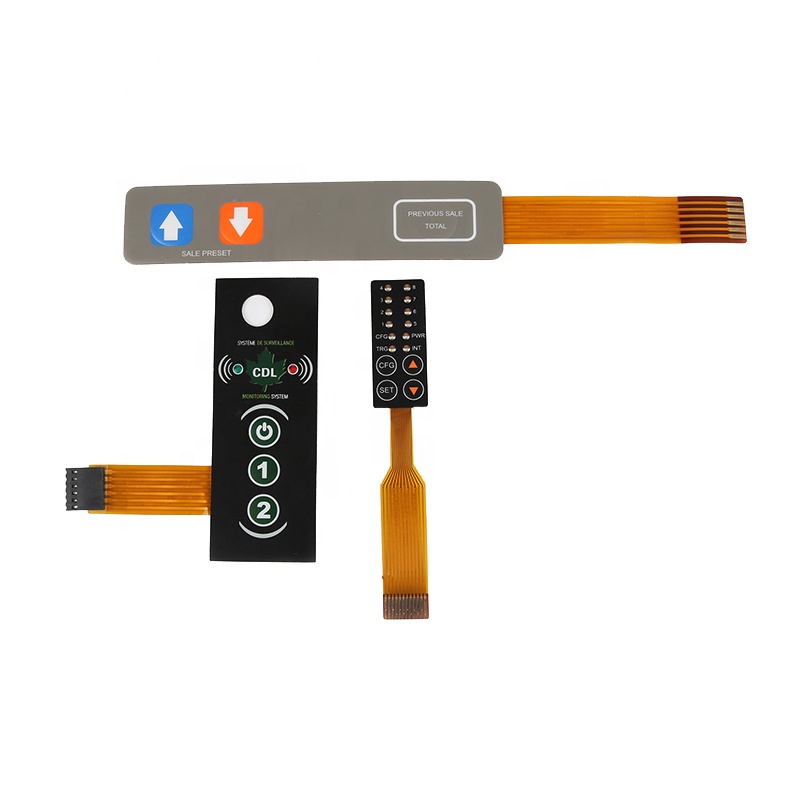
High-Performance OEM Membrane Key Switch with LED Backlight for Control Panels
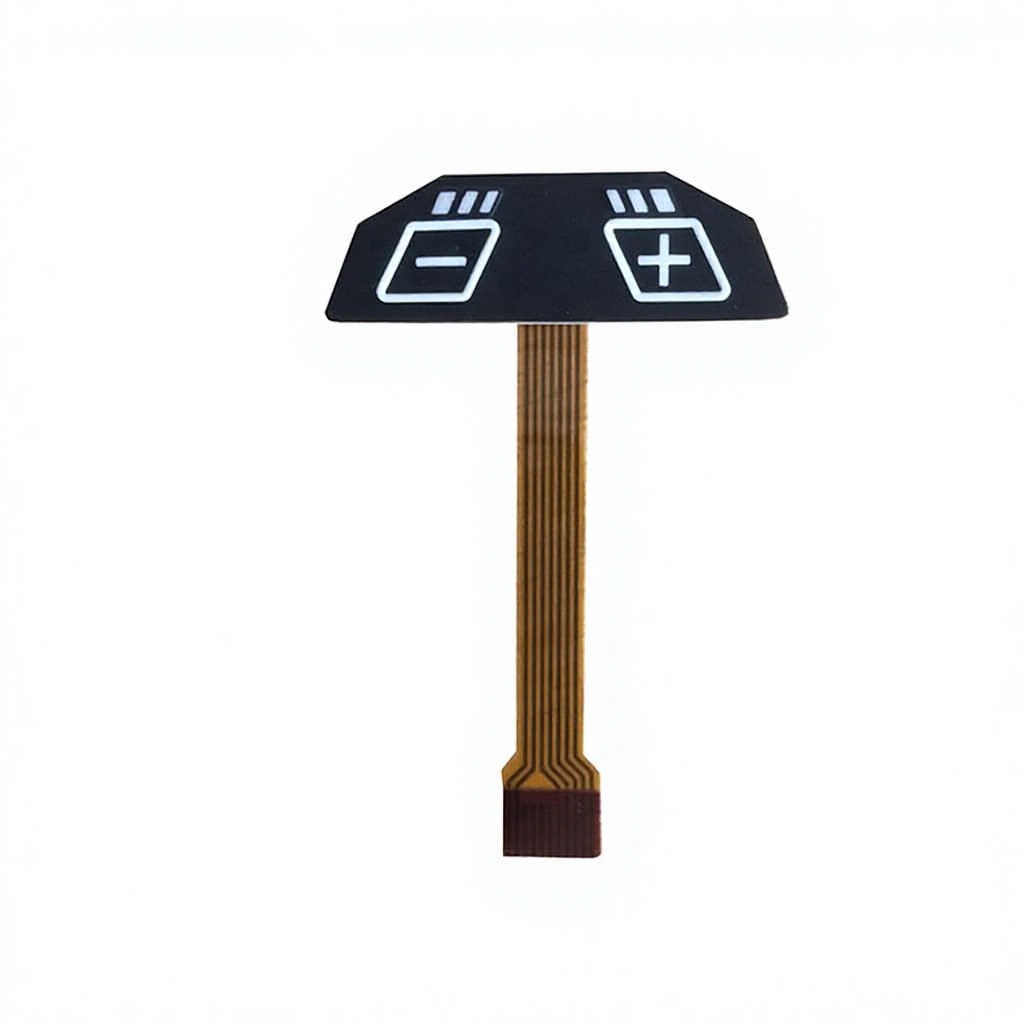
Customized Multi Layer Construction Printed Silver Circuit OEM ODM Wholesale Graphic Overlay Membrane Keypad
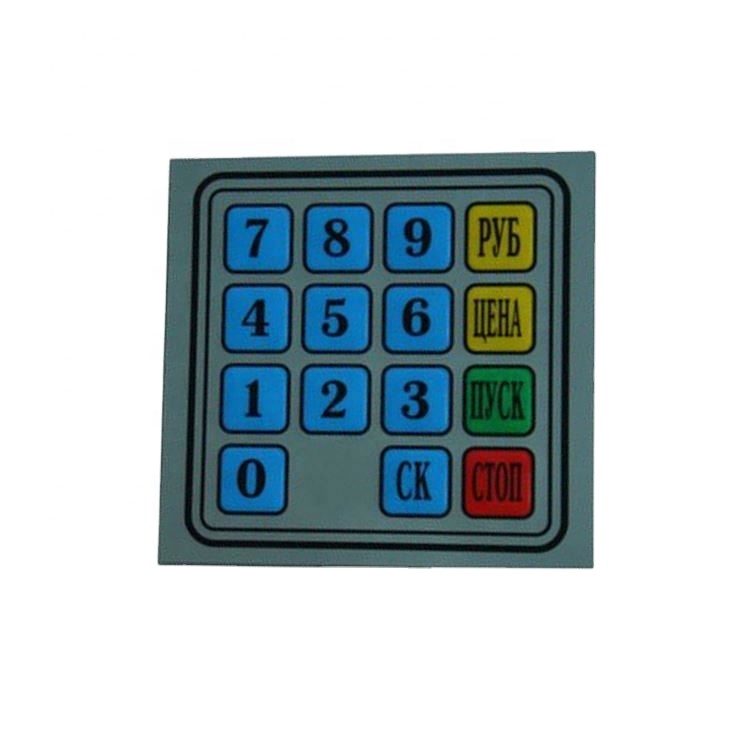
Hoee Factory Membrane Switch Keypad with Rubber Buttons 4*4/1*4/3*4/4*5 Layout MCU Expansion DIY Electronic Keyboard
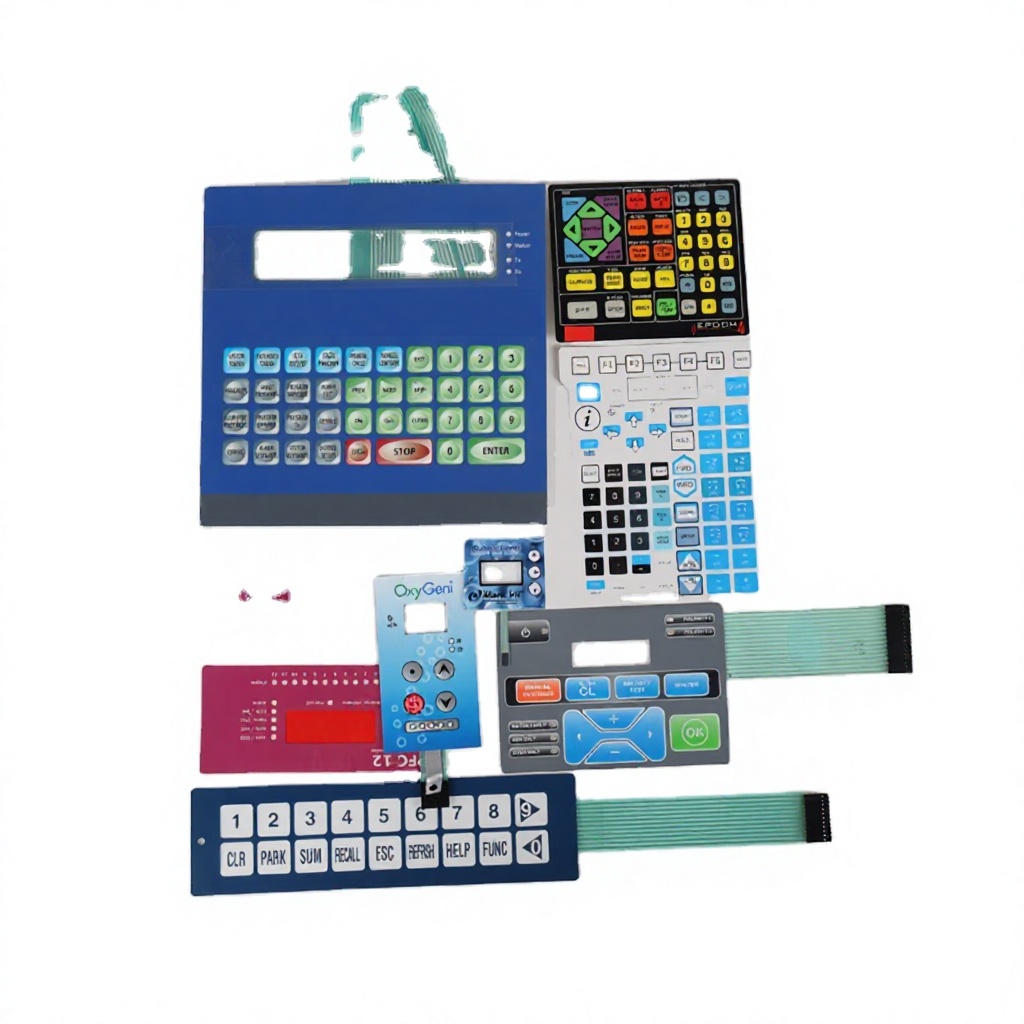
RoHS REACH Compliant UL94V0 Optional ISO 9001 2015 Certified Waterproof IP67 Tactile Membrane Keyboard
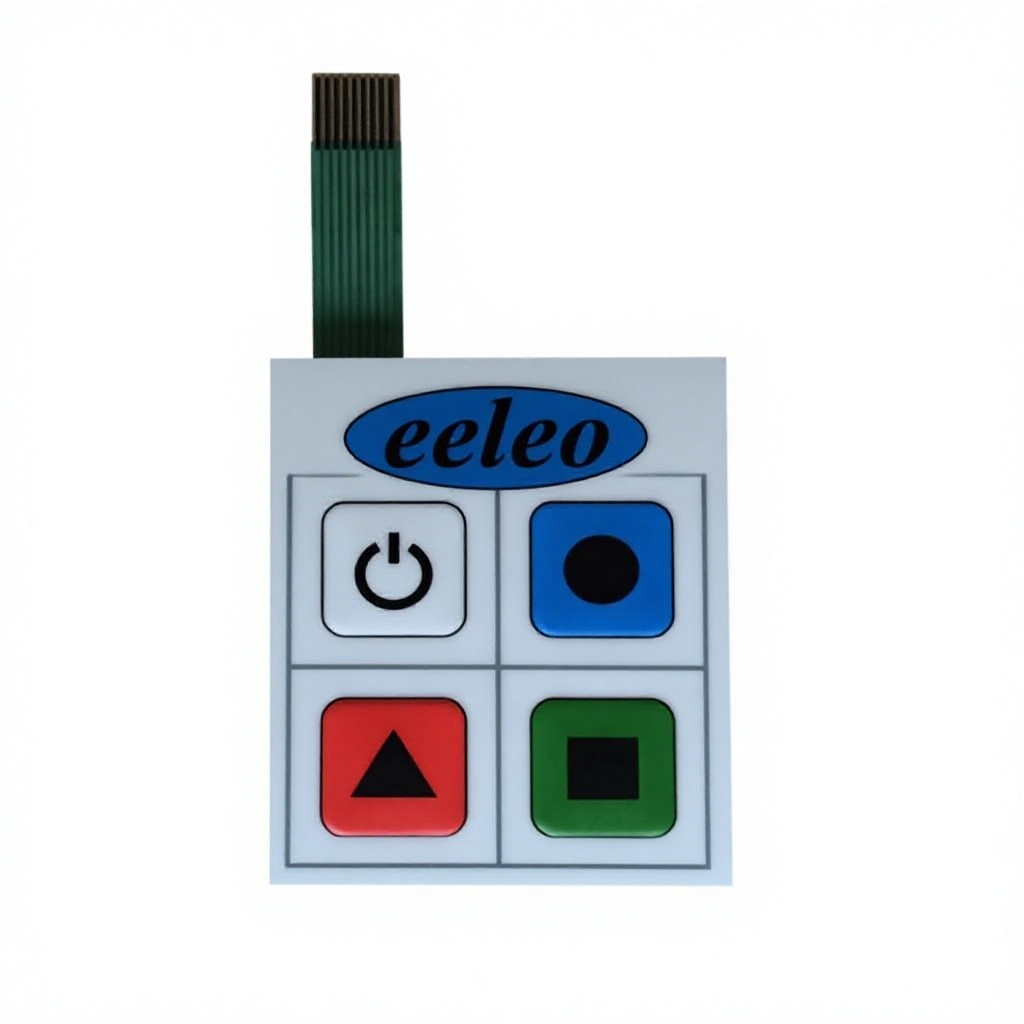
Wholesale OEM ODM Membrane Switch Home Appliance Control Panel Custom Graphic Overlay Polyester PET RoHS Custom Design
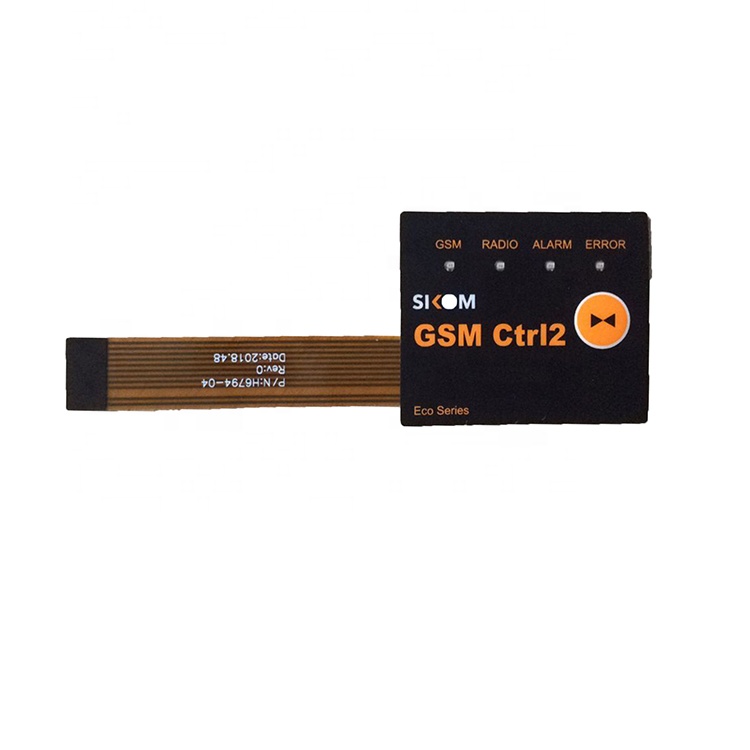
RoHS Compliant Industrial Membrane Push Button Switch Custom Tactile Membrane Keypad Switch for Medical Instrument Control Panel
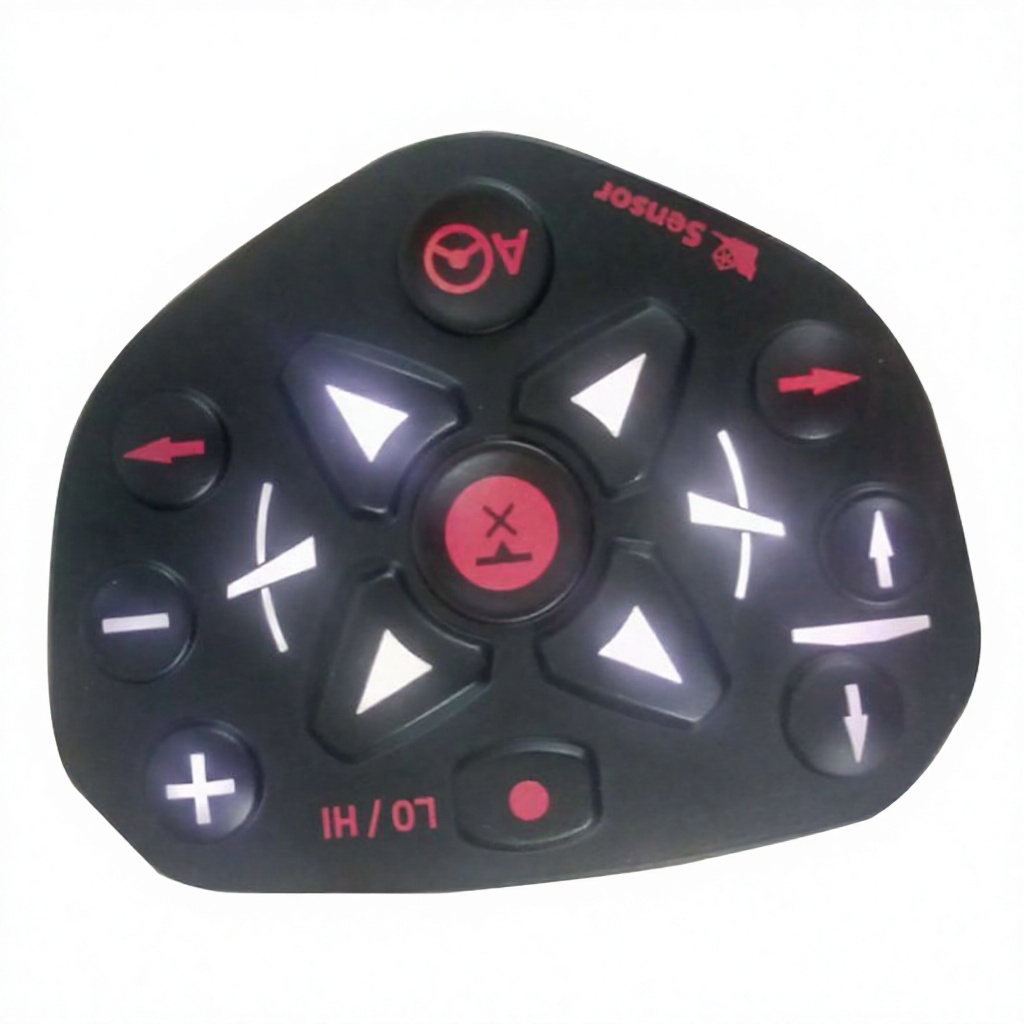
Translucent Polycarbonate PC Overlay with Light Guide Layer for Uniform Illumination Custom Backlit Membrane Switch
Engineering Resilient Instrument Cluster Faceplates for Western Norway's Marine & Energy Corridor
The maritime and offshore industrial cluster in Bergen—spanning the shipyards of Laksevåg, subsea engineering facilities across Sotra and Ågotnes, and hybrid propulsion design centers in Vestland—operates under some of the most unforgiving environmental conditions in the world. Human-machine interfaces (HMIs), control console fascias, and instrument cluster faceplates installed on vessels navigating the North Sea and Norwegian Sea must withstand constant saline moisture, severe mechanical vibration, radical thermal cycling from -40°C arctic conditions to high engine-room heat, and high-pressure chemical washdowns.
As an OEM/ODM manufacturing partner established in 1996, Zhejiang ZIRA Membrane Switch Co., Ltd. delivers mission-critical front panel assemblies engineered to satisfy these stringent requirements. Whether deploying integrated graphic overlays on ECDIS marine navigation bridges, designing potted IP67/IP68 tactile push-button clusters for subsea ROV winch consoles, or manufacturing capacitive touch sensor arrays for hydrogen-powered fjord catamarans, our engineering workflow integrates material science rigor, precision automated screen printing, and verified compliance with European quality standards.
Information Gain Insight: Unlike standard commercial-grade graphic overlays that rely on standard polycarbonate and generic pressure-sensitive adhesives, faceplates deployed in maritime Bergen require specialized biaxially oriented polyester (PET) films treated with UV-cured hardcoats (such as Autotex XE), paired with micro-encapsulated acrylic adhesives capable of maintaining structural bond strength at 98% relative humidity and severe salt spray exposure.
Subsurface Graphics & Precision Optical Engineering
Instrument clusters installed in vessel wheelhouses and open workboat decks must offer complete optical clarity under direct, low-angle polar sunlight while preventing unwanted glare during nighttime tactical operations. Our manufacturing facilities employ second-surface (subsurface) screen printing within Class 10,000 cleanroom environments. By printing graphics, border legends, deadfront status symbols, and tinted LED windows on the interior reverse side of the front film, legends remain completely immune to mechanical abrasion, aggressive seawater salt encrustation, diesel oil mist, and industrial cleaning solvents.
For illuminated panels, ZIRA integrates ultra-thin Light Guide Film (LGF) layers and side-firing surface-mount (SMT) diodes beneath the graphic foil. This design yields perfectly uniform backlighting across expansive control legends while eliminating high-power consumption and hotspots typical of conventional diffuse lightboxes. Light guide cavities are isolated with light-blocking blackout borders to prevent cross-bleeding between critical warning indicators—essential for meeting maritime visual alarm differentiation protocols.
Sealing Architecture: Achieving Authentic IP67 / IP68 Ingress Protection
A primary failure mode of electronic instrumentation in the Bergen coastal area is moisture vapor ingress caused by barometric pressure shifts and diurnal temperature swings, leading to internal condensation, silver path migration, and switch shorting. ZIRA addresses this through proprietary sealing geometry:
- Full Perimeter Gasketing: Continuous 3M high-cohesion transfer adhesives (such as 3M 467MP or 3M 300LSE for low surface energy housings) form an unbroken moisture seal around the active circuit matrix.
- Breathing Channel Desiccant Ports: Internal air-compensation channels vent pressure through micro-porous membrane filters (PTFE ePTFE hydrophobic vents), preventing switch activation distortion during rapid cabin de-pressurization without letting saline humidity enter.
- Anti-Migration Carbon Overprint: Conductive silver traces printed on flexible circuit substrates are comprehensively coated with polymer thick-film graphite (carbon conductive ink), which shields conductive paths from galvanic corrosion and dendritic silver migration in high-humidity North Sea environments.
Material Selection Matrix: Polycarbonate vs. Biaxially Oriented Polyester (PET)
Choosing the correct polymer base for instrument cluster faceplates directly impacts product lifespan, chemical endurance, and UV resistance in marine and subsea installations:
| Performance Criterion | Autotex XE Marine Polyester (PET) | Lexan High-Optic Polycarbonate (PC) | Silicone Keymat Hybrid Composite |
|---|---|---|---|
| Actuation Life Cycle | > 5,000,000 flex cycles (unmatched flex fatigue) | ~ 100,000 cycles (embossed domes prone to stress cracks) | > 2,000,000 cycles (compression molded elastomeric return) |
| UV & Outdoor Weathering | Extreme UV barrier; 7+ years direct marine exposure | Prone to yellowing & embrittlement without UV-blocking topcoat | Inherent UV stability; non-fading pigments available |
| Chemical & Seawater Resistance | Resistant to diesel, lubricating oils, MEK, salt fog, acids | Vulnerable to aromatic hydrocarbons and solvent cracking | Excellent resistance to salt water and thermal extremes |
| Tactile Switch Feedback | Optimal for rim/pillow embossing with metal tactile domes | Stiff embossing response; preferred for flat deadfront overlays | Deep tactile travel (1.0mm - 2.5mm); heavy glove operation |
| Flame Retardance Class | UL94 VTM-2 to UL94 V-0 (custom grade) | UL94 V-0 / UL94 V-2 self-extinguishing | UL94 HB to UL94 V-0 silicone formulations |
| Recommended Bergen Application | Open-deck navigation consoles, aquaculture feeding winches | Enclosed wheelhouse display bezels, lab instrumentation | Handheld marine radio controllers, engine room panels |
Localized Application Scenarios Across Bergen's Blue Economy
Custom human-machine interface assemblies engineered to meet the exact operational demands of Western Norway's marine, offshore, and industrial sectors.
Electric Fjord Ferries & Fast Passenger Catamarans
Bergen leads global zero-emission maritime transport, operating battery-electric commuter catamarans and ferries across the Vestland fjords. Instrument faceplates for bridge propulsion stations require seamless integration with glass bridge designs.
- Night-vision compatible NVIS backlighting with pulse-width dimming
- Optical bonding ready with AR/AG anti-reflective surface coatings
- EMC/EMI shielding mesh to suppress electric propulsion drive noise
Subsea ROV & Offshore Intervention Deck Stations
Operations out of Coast Center Base (Ågotnes) deploy subsea Remotely Operated Vehicles (ROVs) into deep North Sea oil fields. Deck controllers require heavy-duty tactile keypads operable in driving rain and cold sea spray.
- Tactile snap domes with actuation force up to 450g for thick gloves
- Fully encapsulated IP67 elastomeric switch matrices with rear potting
- High-contrast, deadfront backlit annunciator panels
Automated Aquaculture & Pelagic Feeding Barges
Western Norway's vast salmon farming industry relies on autonomous feeding barges exposed 24/7 to maritime weather. Control faceplates must resist constant salt crusting, fish meal dust, and pressurized caustic hose-downs.
- Autotex XE hardcoated polyester resistant to caustic sanitation detergents
- Hermetically sealed membrane overlay preventing organic micro-fouling
- 3M 9472LE high-tack adhesive for powder-coated cast aluminium boxes
Bergen Port Gantry & Autonomous Logistics Cranes
The Port of Bergen handles heavy cargo throughput utilizing electric gantry cranes and mobile container handlers. Operator cabins and remote radio transmitters require high-repetition tactile feedback pads.
- Rated for over 3 million cycles utilizing nickel-plated stainless domes
- Braille and distinct embossed rim locator keys for blind tactile operation
- Wide operating temperature performance (-30°C to +75°C continuous)
Commercial Sonar & Hydroacoustic Research Interfaces
Institutes like the Institute of Marine Research (IMR) in Bergen design specialized bathymetric survey systems. Digital acoustic transceivers need low-noise capacitive and tactile switch interfaces.
- Capacitive touch ITO sensor foils combined with mechanical key backups
- Zero-reflection matte texture to prevent bridge display double imaging
- Tight tolerance die-cut LCD/OLED windows with custom color filtering
Refinery & Hydrogen Production Control Consoles
Energy transformation hubs around Mongstad and the Vestland coast demand ATEX/IECEx compliant front interfaces resistant to hydrocarbon vapors and explosive gas atmospheric conditions.
- Anti-static ESD shielding layers dissipating >15kV static discharge
- Flame-retardant polyimide and UL94V-0 rated materials
- Chemically bonded spacer films impervious to condensate accumulation
Technological Trends Reshaping HMI Procurement in Vestland
Stay ahead of industry shifts with modern manufacturing methodologies tailored to European green marine standards and advanced ergonomics.
1. Shift toward Circular & Halogen-Free Materials
Norwegian public tenders and marine engineering specifications increasingly require compliance with circular lifecycle goals. Nordic buyers are moving beyond basic RoHS/REACH compliance to demand halogen-free circuit substrates, solvent-free UV curable inks, and recyclable PET polymer stacks that simplify decommissioning and ship recycling passports.
2. Glass-Cockpit Capacitive & Tactile Hybrids
Modern naval architecture favours streamlined, flush-surface glass cockpits. However, true sea conditions make full-touch screens dangerous during heavy vessel pitching. The trend in Bergen procurement combines flat ITO capacitive slider controls with perimeter mechanical tactile click domes to guarantee absolute blind navigation safety in rough seas.
3. Direct Optical Bonding Readiness
Air-gap elimination between the protective instrument faceplate and the underlying TFT/AMOLED instrumentation screen is now a core requirement. We manufacture front overlays with high-precision optical clear adhesive (OCA) border primers, enabling Norwegian tier-1 system integrators to perform bubble-free optical bonding that permanently prevents internal fogging.
Why Nordic Engineering Teams Partner with ZIRA
Direct from our Ningbo industrial base to Bergen: over 29 years of precision manufacturing, engineering design support, and verifiable supply reliability.
Direct Manufacturer Since 1996
No trading intermediaries. Full in-house tooling, automatic screen printing, laser die-cutting, cleanroom lamination, and automated electrical testing under one roof.
Nordic DFM Engineering Support
Our bilingual application engineers evaluate your CAD drawings, stack-up physics, tactile dome curves, and connector pinouts to eliminate production defects prior to hard tooling.
Intertek Onsite Assessed Quality
Production systems, cleanroom lines, and ISO 9001:2015 processes are independently audited and verified on-site by Intertek. Long-standing Tier-1 vendor to ABB and Emerson.
Flexible Batch to DDP Bergen
Low MOQ prototyping from 1–10 pcs, scaling up to mass production. We handle express air freight and complete DDP / CIF shipping to Flesland Airport and Bergen Port customs.
Frequently Asked Questions for Bergen & Nordic Buyers
Transparent technical answers regarding lead times, climate survivability, tooling costs, and quality assurance.
What materials do you recommend for deck-mounted marine instruments exposed to North Sea salt spray?
How do your instrument faceplates perform in arctic conditions (-30°C to -40°C)?
Can we order prototypes for trial sea tests before committing to serial tooling?
How do you prevent silver migration and dendritic short circuits in 95%+ relative humidity?
What shipping options, lead times, and Incoterms are available for deliveries to Bergen, Norway?
Are your products compliant with European environmental regulations (RoHS, REACH)?
Request an Engineering DFM Review for Your Bergen Project
Send your CAD drawing (.dxf, .dwg, or .step), color codes (Pantone/RAL), and environmental specifications. Our senior HMI engineering team will provide a comprehensive material stack-up proposal, DFM feedback, and formal cost quotation within 24 business hours.
