High-Reliability Human-Machine Interface Solutions
Manufactured under strict ISO9001 and Intertek-verified protocols. Available with low tooling costs, complete DFM engineering assistance, and full material batch traceability for Andorran procurement teams.
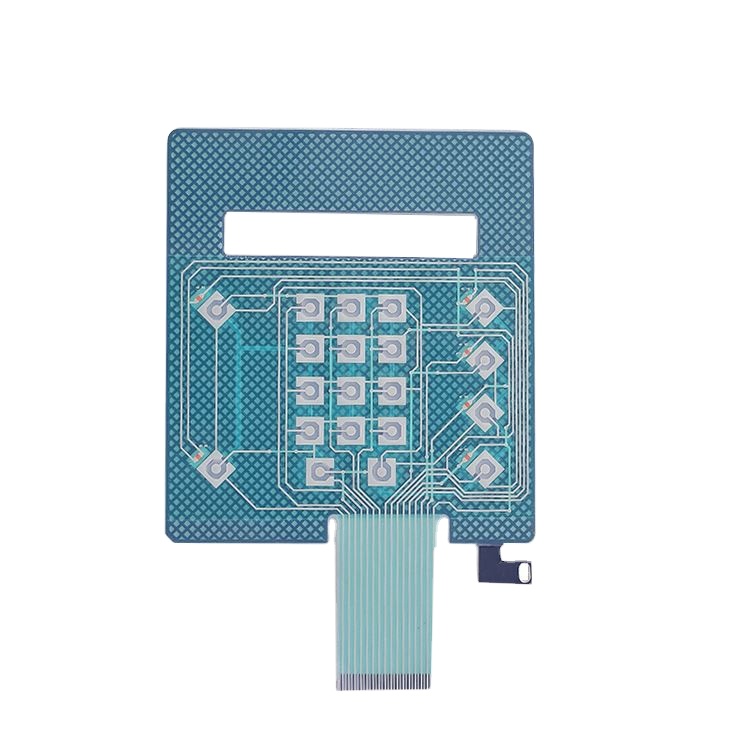
Custom PET Membrane Switch Keypad, ESD Shielding Layer Thin Film Push Button Switch
- Integrated Aluminum/Carbon Grid
- 15kV Electrostatic Static Isolation
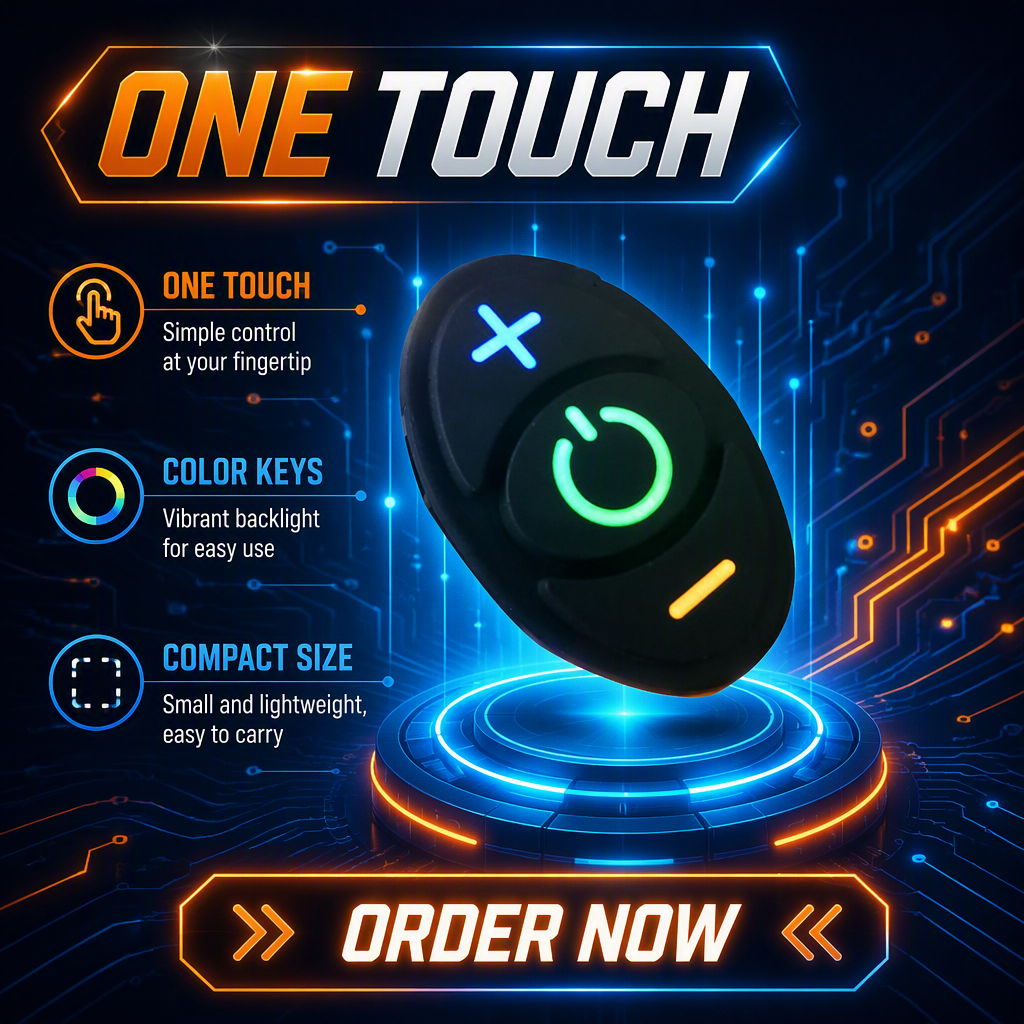
Multi Zone Backlight Design Independent Circuit Routing Backlit Silicone Rubber Switch
- Discrete RGB Circuit Partitioning
- Zero Light Bleed Encapsulation
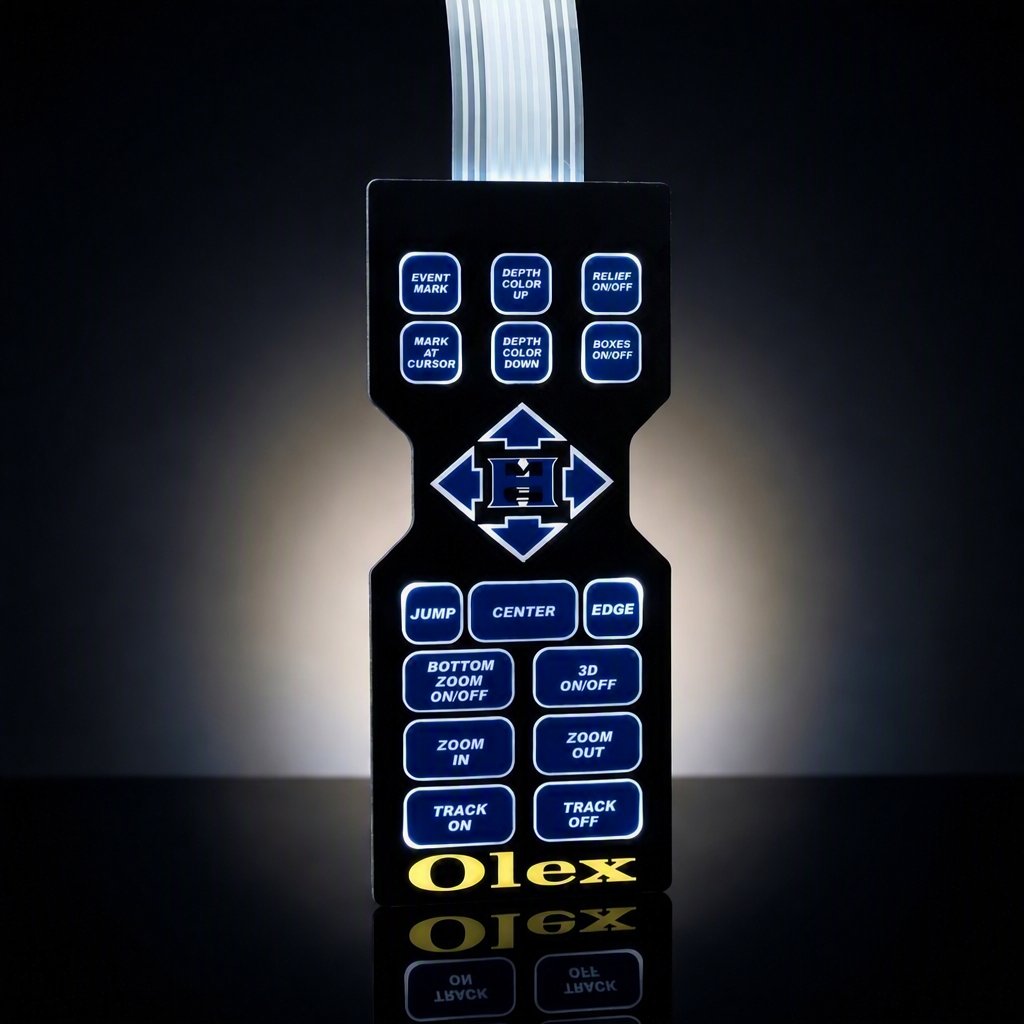
Free Backlight Simulation & Light Guide Design Uniform Backlight Membrane Switch
- Micro-Etched Optical Dot Extraction
- Ultra-Thin Profile (<0.8mm)
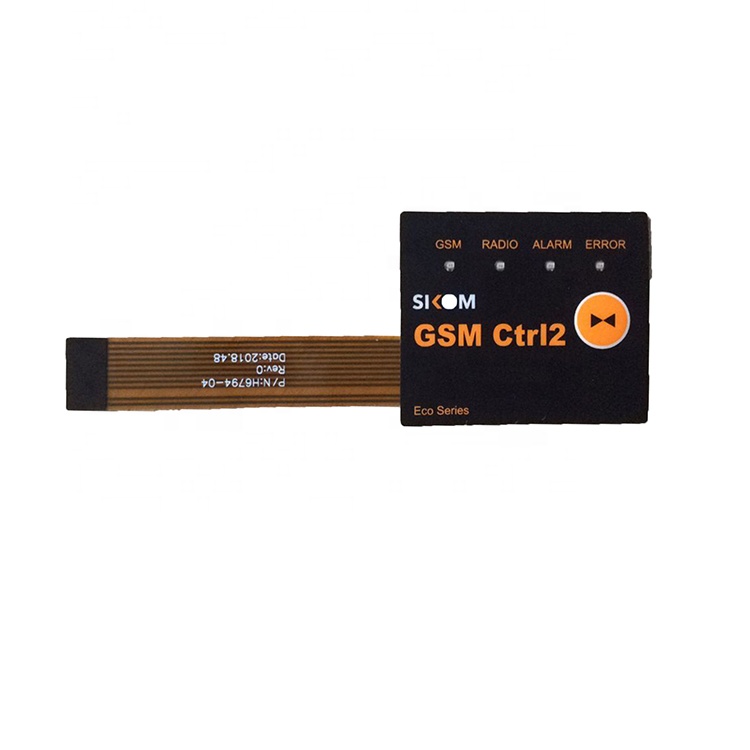
RoHS Compliant Industrial Tactile Membrane Keypad Switch for Medical Instruments
- Anti-Microbial Autotex Film Face
- Hospital Disinfectant Proof
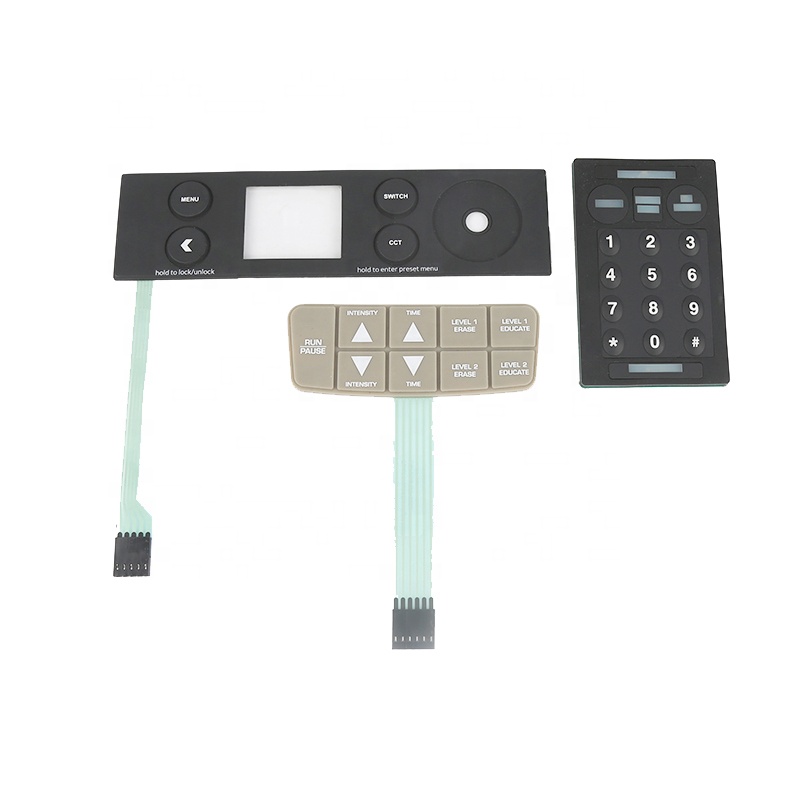
High Sensitivity Metal Dome 3M Adhesive Medical Grade Membrane Switch Panel
- Stainless Nickel Domes (5M Cycles)
- Crisp 65% Snap Feedback Ratio
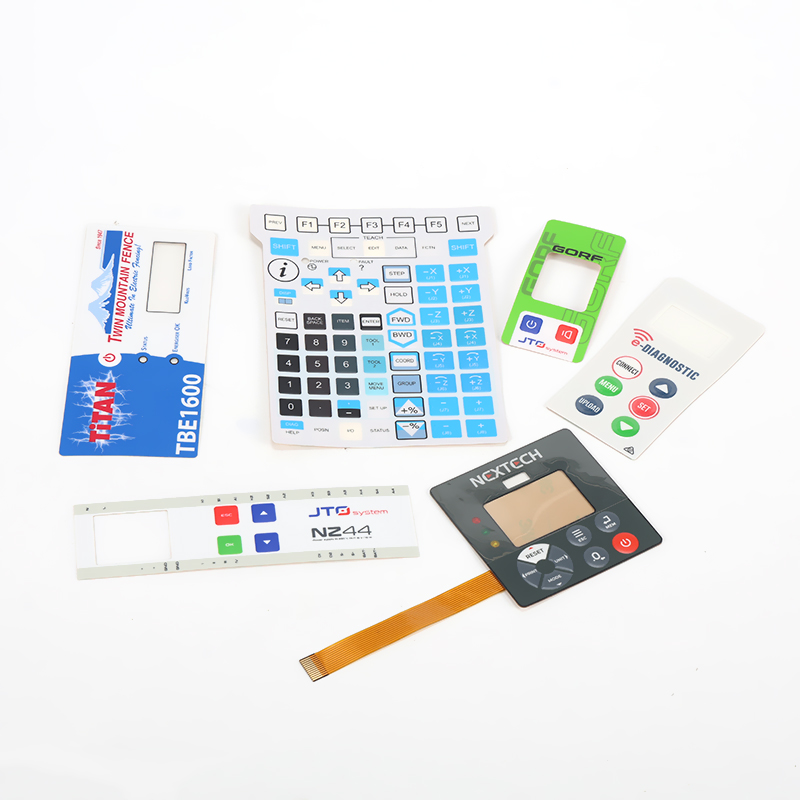
Waterproof Dustproof Custom Membrane Keypad Switch, PET Graphic Overlay for Alpine Use
- Perimeter Hermetic Channel Gasket
- -40°C to +85°C Thermal Stability
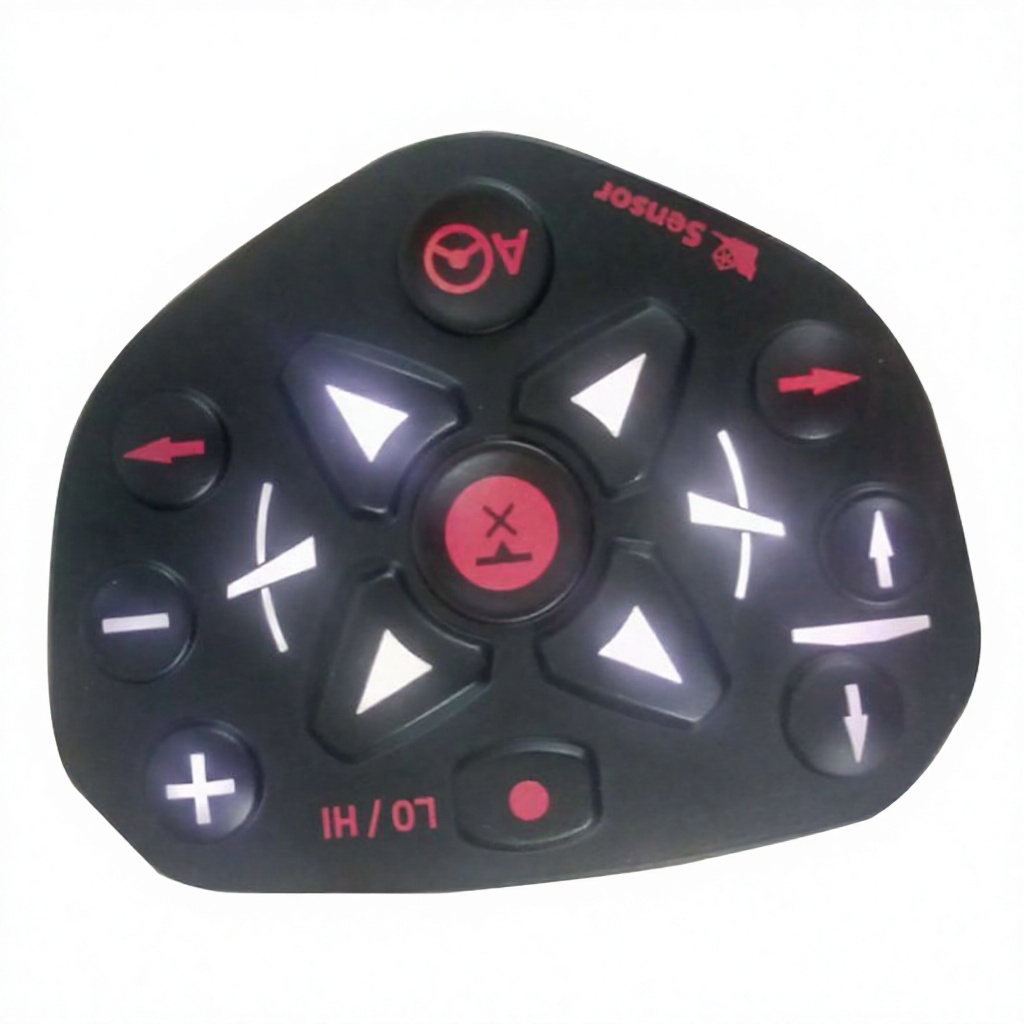
Translucent Polycarbonate PC Overlay with Light Guide Layer for Uniform Illumination
- Optical Grade High-Clarity Windows
- Sub-Surface Anti-Scratch Inks
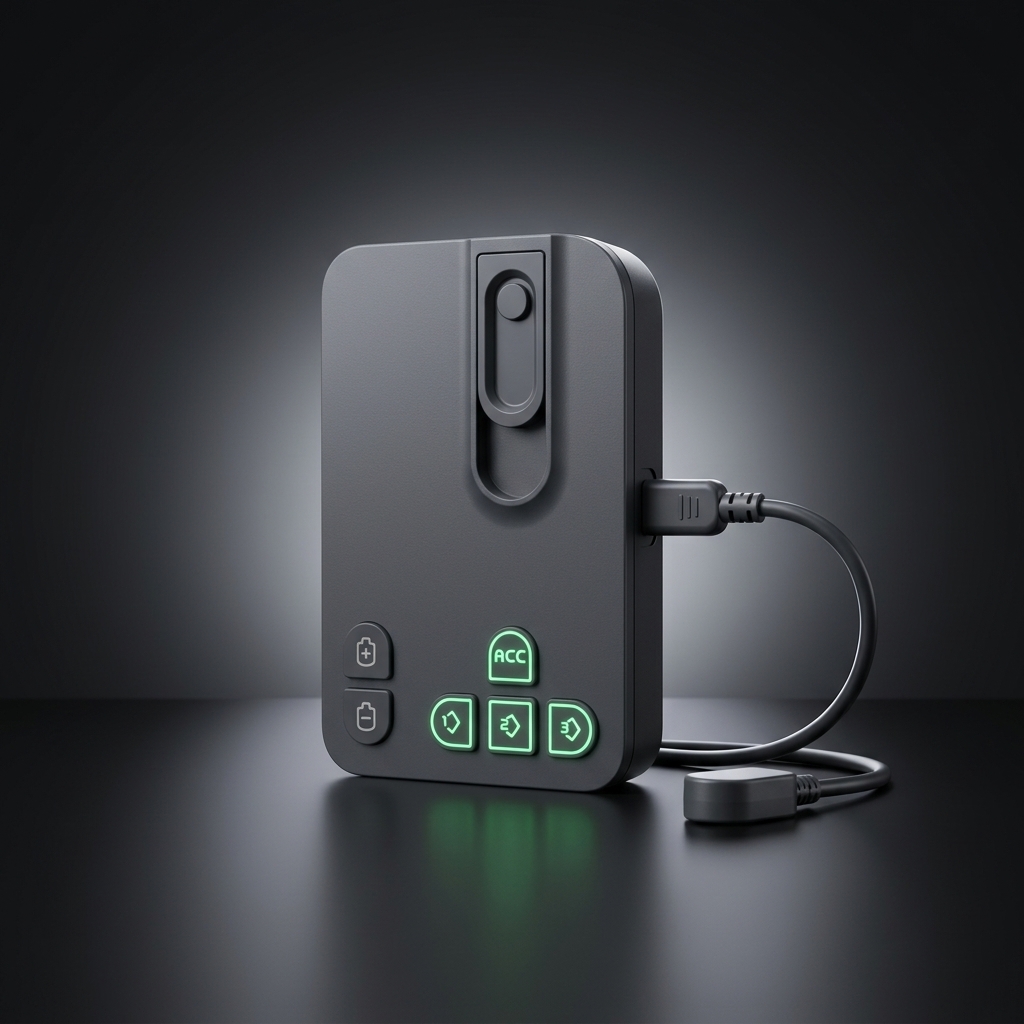
Custom Backlight Silicone Membrane Keyboard Switch EL LED Uniform Light Guide
- 3D Ergonomic Tactile Travel
- Laser Etched Opaque Masking
Engineering Human-Machine Interfaces for Andorra’s Industrial & Valley Topography
A rigorous examination of sub-surface printing, polymer science, high-altitude UV resistance, and environmental sealing protocols for instruments operating from 900m to 2,000m altitude.
Sub-Alpine Environmental Stress & Material Selection in Sant Julià de Lòria
Situated in southern Andorra along the Valira river basin, Sant Julià de Lòria serves as the principal gateway for cross-border engineering, academic research at the Universitat d'Andorra (UdA), and light industrial automation. Operating HMI systems in this microclimate presents environmental factors distinct from standard lowland European manufacturing. The parish spans steep altitude gradients ranging from 908 meters in the valley floor up to over 2,000 meters across the Naturlandia plateau. At these elevations, electronic front panels face elevated ultraviolet (UV-A and UV-B) radiation, substantial diurnal temperature swings ranging from -15°C in mountain winters to +35°C during high summer, and rapid barometric shifts that create internal pressure differentials within hermetically sealed switch cavities.
Standard industrial PVC overlays exhibit rapid degradation, embrittlement, and plasticizer leaching when exposed to these alpine conditions. ZIRA overcomes these challenges by engineering graphic overlays utilizing biaxially oriented polyethylene terephthalate (BOPET), specifically Autotype Autotex XE and MacDermid Autoflex films. These specialized polyesters incorporate chemical UV stabilizers embedded within the polymer matrix rather than relying solely on superficial topical lacquers. This base retains flexibility, optical transmission, and dimensional stability through more than 5 million mechanical switch actuations under direct sunlight.
Engineering Notice for Pyrenean Installations: All graphic overlays exported to Sant Julià de Lòria can be configured with micro-vented labyrinth channels backed by semi-permeable ePTFE (expanded polytetrafluoroethylene) membranes. This design equalizes atmospheric pressure between the internal air pocket and high-altitude mountain environments while preventing condensation ingestion, meeting IP67 and NEMA 4X requirements.
High-Altitude UV Stability
Formulated with Autotex XE polyester films that resist yellowing, micro-cracking, and haze formation under high-altitude Pyrenean solar flux.
Sub-Zero Thermal Cohesion
Laminated with 3M 300LSE and 200MP acrylic adhesives to prevent edge delamination and shear failure down to -40°C in outdoor alpine kiosks.
ESD / EMI Shielding
Solid aluminum or printed conductive carbon-silver ground planes discharge static charges generated by dry mountain winter winds up to 15kV.
Tactile Response & Snap
Precision-formed stainless steel tactile metal domes (four-leg or oblong) deliver reliable tactile snap through heavy cold-weather work gloves.
Material Performance Matrix: Selecting Overlay Substrates for Andorra
Specifying the correct substrate requires balancing optical clarity, mechanical actuation lifecycles, and chemical resistance against de-icing salts, industrial cleaning agents, and fuel vapors common along the busy CG-1 transport corridor linking Andorra to Catalonia.
| Substrate Property | Standard Polycarbonate (PC) | Engineered Polyester (Autotex PET) | Silicone Elastomeric Hybrid |
|---|---|---|---|
| Actuation Life Cycle | ~100,000 cycles (Prone to stress fractures) | >5,000,000 cycles (High flexural endurance) | >10,000,000 cycles (Full 3D key travel) |
| UV Degradation Resistance | Moderate; yellowing under UV unless coated | Exceptional (Autotex XE UV stabilized grade) | Inherent UV, ozone, and weathering immunity |
| Chemical & Solvent Barrier | Low resistance to aromatic hydrocarbons | Resistant to alcohols, MEK, gasoline, acids | High resistance to greases and mild detergents |
| Glove Actuation Usability | Flat or light pillow embossing | High-relief rim/dome embossing (up to 0.5mm) | Ergonomic 3D key tops with 1.2mm–2.5mm stroke |
| Operating Temperature | -30°C to +80°C | -40°C to +105°C | -55°C to +180°C |
Localized Application Scenarios across Sant Julià de Lòria & Andorra
How ZIRA's engineered graphic overlays and membrane interfaces support Andorra’s high-tech, ecotourism, academic, and municipal automation infrastructure.
Naturlandia & Ski Resort Telematics
Outdoor ticket validation gates, alpine coaster control consoles, and snowmaking pump telemetry deployed across the La Rabassa forest demand reliable performance in sub-zero snow conditions. Front panels are engineered with perimeter gaskets to block meltwater and anti-glare matte texturing to maintain legibility in intense alpine snow glare.
- Enclosure Rating: IP67 Hermetic Seal
- Embossing: 0.45mm High-Rim for ski glove tactile feel
- Adhesive: 3M 300LSE for powder-coated steel
Valira River Hydro & Smart Utilities
Run-of-the-river hydroelectric generation and modern municipal water management stations along the Gran Valira basin require long-life HMI interfaces for turbine telemetry, automated sluice control, and localized environmental telemetry panels that remain unaffected by high valley humidity and industrial vibrations.
- Shielding: Continuous conductive silver grid
- Circuit Layer: 1 oz Copper Rigid FR-4 or Polyimide FPC
- LED Integration: SMT bi-color indicators
Cross-Border CG-1 Transit Terminals
As Andorra's primary freight and passenger gateway to Spain via La Farga de Moles, Sant Julià de Lòria handles heavy vehicular and logistics throughput. Automated customs declaration kiosks, toll collection panels, and refrigerated fleet monitoring devices require robust overlays that resist fuel vapor exposure and frequent chemical wipe-downs.
- Substrate: 0.175mm Textured PET with anti-scratch hardcoat
- Backlighting: Light Guide Film (LGF) with uniform lux
- Testing: 100% circuit insulation and resistance verification
Precision Factory Direct Manufacturing for Global Integrators
Backed by over 29 years of engineering excellence, our dedicated facility in Ningbo combines full in-house tooling, class-10,000 cleanroom printing, and comprehensive electronic verification.

Intertek Onsite Assessed & Audited Factory
Our quality management systems, cleanrooms, and testing labs are independently evaluated by Intertek. Long-term manufacturing partner to international brands including ABB and Emerson.
Frequently Asked Questions by Andorran Engineers & Buyers
Essential considerations regarding custom manufacturing, export logistics through Spain/France, prototyping speeds, and technical specifications.
How are customs clearance and logistics handled for shipments to Sant Julià de Lòria?
Although Andorra is outside the European Union customs territory, it maintains direct trade agreements with the EU. Goods entering via the Farga de Moles border crossing (from Spain/Catalonia) or Pas de la Casa (from France) clear through standard DUA transit documentation. ZIRA regularly exports under DDP (Delivered Duty Paid), DAP, and express courier terms (DHL, FedEx, UPS). This ensures all non-EU export documentation, commercial invoices, and tariff classification codes (HS Code 8537.10) are prepared for prompt clearance without delay.
What is the minimum order quantity (MOQ) for prototypes and low-volume production?
We accommodate R&D engineering projects, university incubators at Universitat d'Andorra, and pilot runs with prototype sampling from just 1 piece. For commercial graphic overlays and membrane switch assemblies, our standard production runs typically start at 100 units. For specialized low-profile numeric keypads or mass equipment rollouts, volume scaling exceeds tens of thousands of pieces with competitive unit costs.
How do you prevent overlay delamination in Pyrenean sub-zero winters?
Delamination occurs when standard rubber or low-grade adhesive bonds freeze, crystallize, and lose shear adhesion. We exclusively utilize high-tack acrylic adhesives engineered for extreme environments, primarily 3M 467MP, 3M 468MP, or 3M 300LSE for low surface energy plastics. Furthermore, we execute perimeter die-cut border seals with zero-void adhesive lamination under calibrated pressure and heat, creating a hermetic seal against freeze-thaw condensation cycles.
Can you incorporate display windows with optical clarity and anti-glare properties?
Yes. We precision screen-print selective UV-cured textures onto clear polyester or polycarbonate films, leaving perfectly transparent windows for LCD, TFT, OLED, and seven-segment displays. We provide high-gloss clear windows, anti-glare (diffused) windows to eliminate mountain sun reflections, and smoked tint windows matched to your custom optical wavelength requirements.
Equip Your Next HMI Project with Industrial-Grade Precision
Upload your technical drawings (DXF, DWG, PDF, or STEP) for a complimentary Design for Manufacturability (DFM) review, material stack-up proposal, and rapid quotation tailored to your operational specifications.
