High-Reliability Switch Products Engineered for Remote Marine & Industrial Operations
Procuring electronic components in Ebeye Island requires verified resistance to continuous ocean spray, extreme ultraviolet radiation, and severe dielectric breakdown risks. Explore our verified switch assemblies tailored for equatorial deployments.
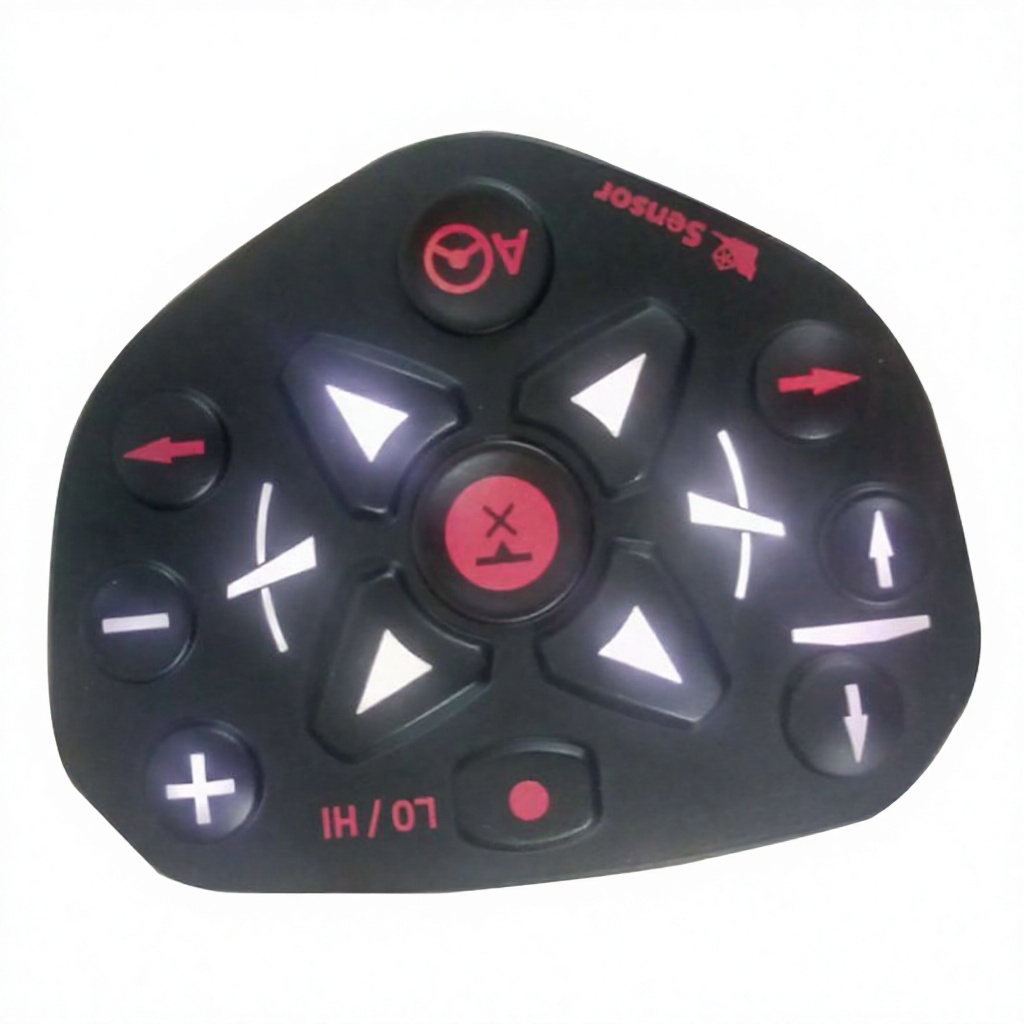
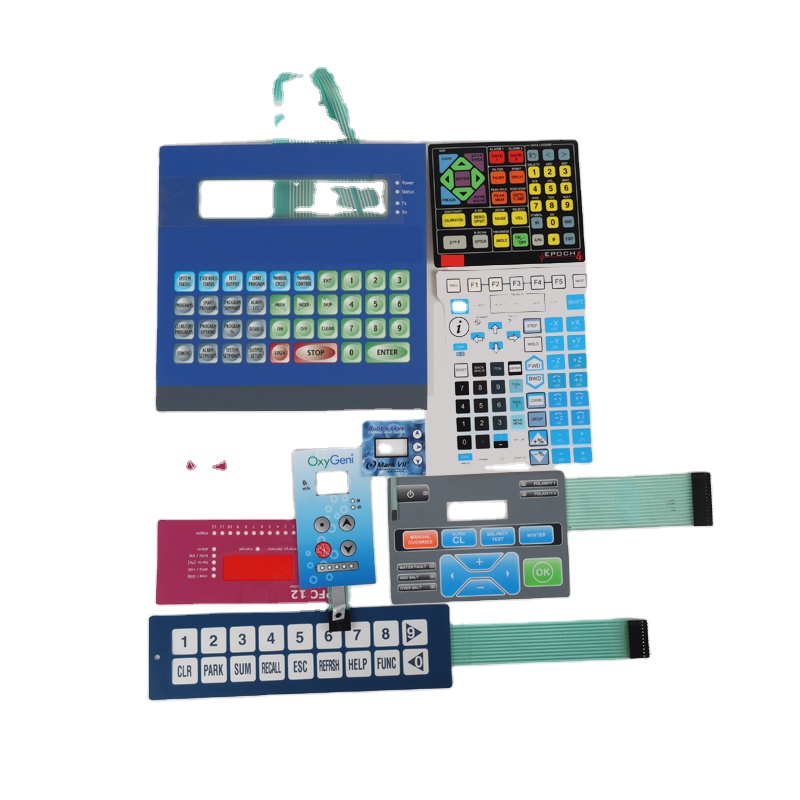
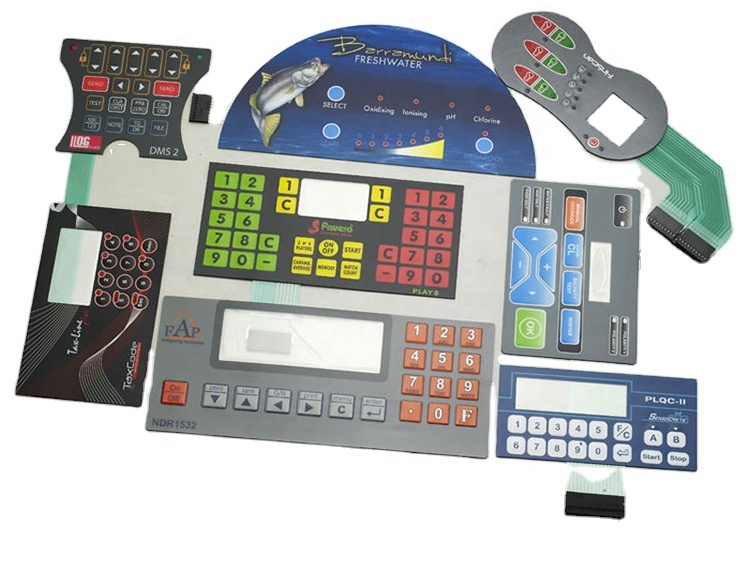
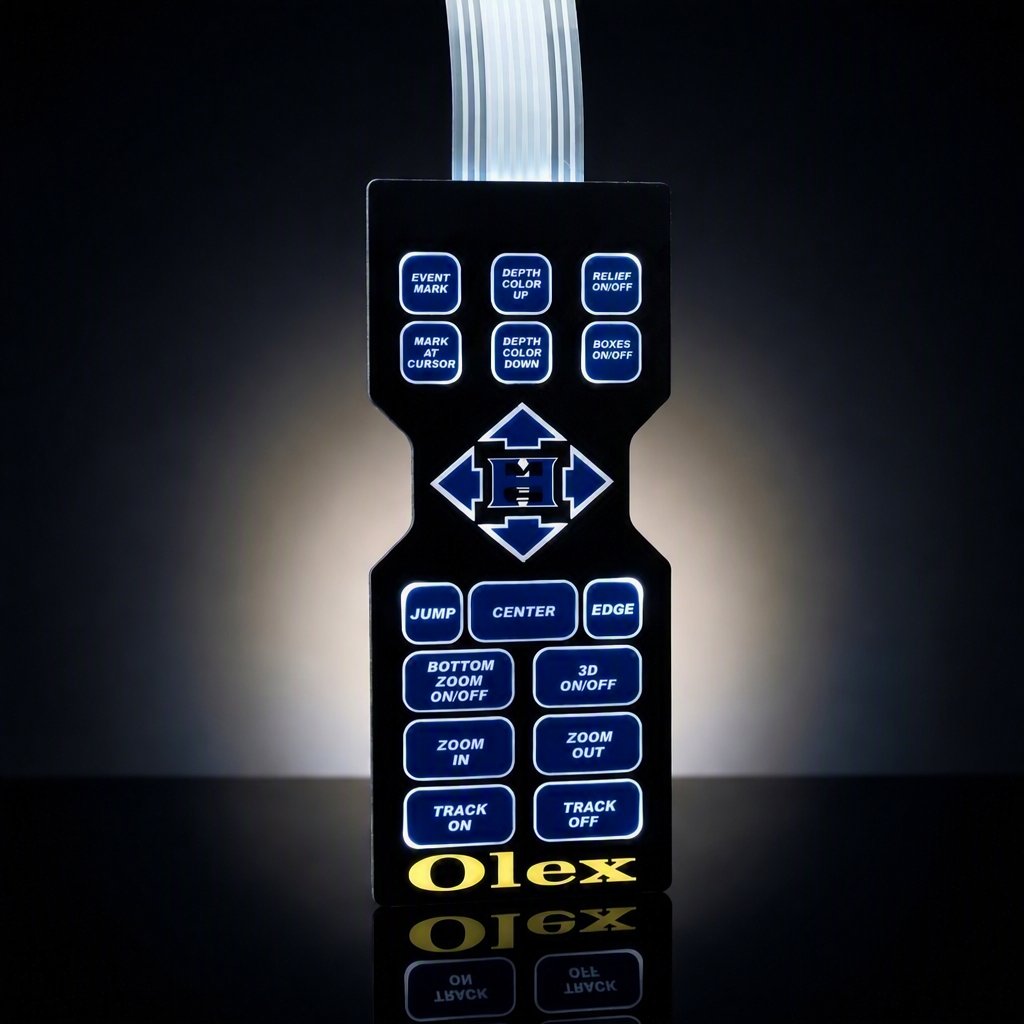
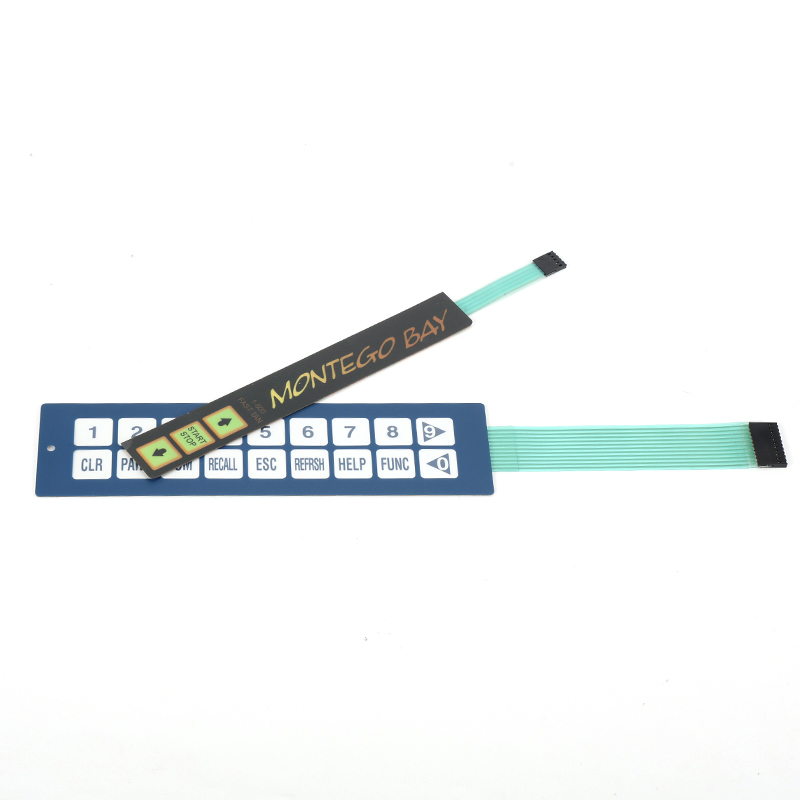
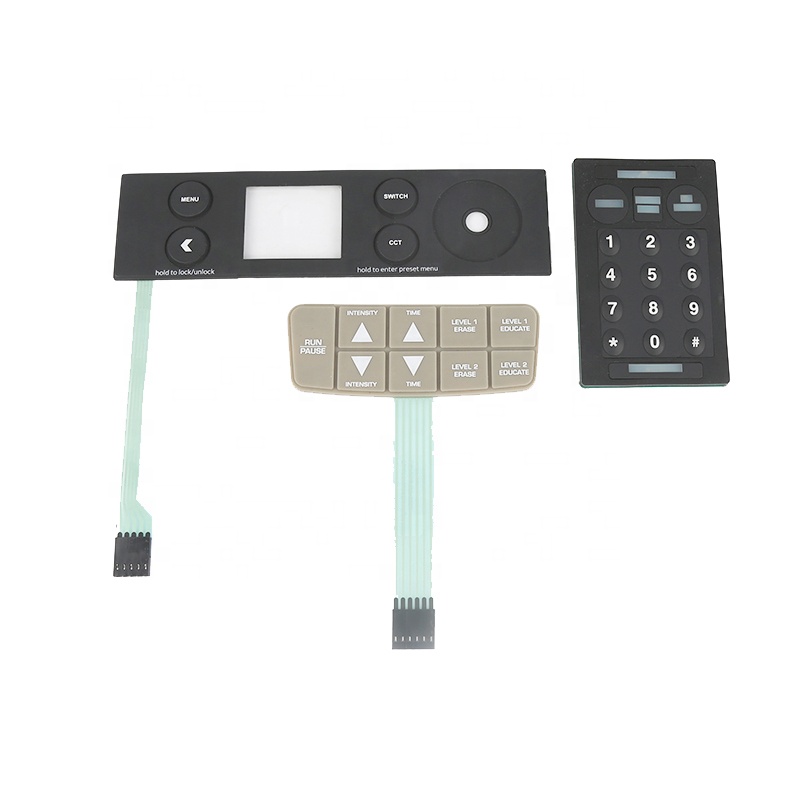
Overcoming Atmospheric Salinity, High Humidity, and UV Degradation in Ebeye
Ebeye Island, located on the Kwajalein Atoll within the Republic of the Marshall Islands (RMI), represents one of the most mechanically demanding testing grounds on Earth for Human-Machine Interfaces (HMIs). Standard consumer keypads fail within weeks due to airborne chloride ingress and moisture-driven dendrite migration.
Combating Silver Migration Under 95% RH
Ebeye experiences prolonged relative humidity ranging from 80% to 95%. In low-cost silver-printed switches, high direct current (DC) voltage potentials combined with moisture vapor trigger rapid electrolytic silver migration. Silver ions break down into dendritic crystalline filaments bridging adjacent traces, generating catastrophic short circuits. Our custom designs utilize protective carbon overcoats, increased trace spacing (≥1.2mm), or pure Flexible Printed Circuits (FPC) with polyimide encapsulation to permanently eliminate dendrite formation.
Mitigating Tropical Solar UV Brittleness
Positioned less than 9 degrees north of the equator, Ebeye is subject to acute solar ultraviolet irradiance. Conventional commercial polycarbonate (PC) overlays rapidly turn brittle, discolor to yellow, and suffer micro-fissures across frequently depressed key switch areas. We engineer our exterior overlays using biaxially oriented polyethylene terephthalate (PET)—specifically outdoor-rated Autotex XE films—providing non-yellowing, UV-stabilized operation verified for continuous outdoor exposure exceeding 7 years.
Hermetic Perimeter Gasket Isolation
Fine maritime salt-fog aerosol continuously blankets Ebeye’s coastal infrastructure. To prevent micro-droplets of chloride-rich seawater from penetrating between circuit layers, our switches integrate a continuous 360-degree perimeter environmental seal. Using modified high-surface-energy acrylic adhesives (3M 300LSE / 467MP / 468MP) with dead-end venting channeled solely into dry enclosure cavities, the switch assembly attains a complete IP67 waterproof barrier impervious to salt crusting.
Critical Design Takeaway for Ebeye System Engineers
In low-lying Pacific coral atolls like Kwajalein, the absence of natural topography means coastal salt mist travels entirely across the landmass. Membrane switches mounted on exterior power panels, desalination valves, or dock handling cranes cannot rely on typical commercial-grade IP54 dust ratings. Only closed-loop gas-tight perimeter lamination with rear-exiting tail encapsulation guarantees an MTBF (Mean Time Between Failures) exceeding 1,000,000 cycles.
Engineering Stack-Up Evaluation for Tropical Atoll Deployments
Choosing the correct combination of graphic substrate, conductive trace, and adhesive bonding is the determining factor between continuous operational uptime and premature field failure in the Marshall Islands.
| Interface Criterion | Standard Commercial Grade | Marine-Treated Silver Flex | Copper Polyimide FPC (Recommended) | Silicone Keymat over PCB Assembly |
|---|---|---|---|---|
| Graphic Overlay Film | Standard Polycarbonate (PC) | Textured Polyester (PET) | Outdoor UV-Resistant Autotex XE PET | Compression-Molded Liquid Silicone (LSR) |
| Conductor Circuit Layer | Screen-Printed Silver Ink (Single) | Silver Ink + Carbon Protective Overcoat | Rolled Annealed Copper Foil (1 oz / 0.5 oz) | Rigid FR4 Gold-Plated PCB Contacts |
| Resistance to Silver Migration | Extremely Poor (Fails under 85% RH) | Moderate (Carbon shield arrests ion loss) | Immune (Solid copper with coverlay film) | Immune (Gold/Carbon-to-Gold interface) |
| Trace Loop Resistance | 100 Ω – 300 Ω (Length dependent) | 80 Ω – 200 Ω | < 1.5 Ω (Ideal for SMT LED arrays) | < 0.5 Ω (Direct PCB trace transmission) |
| Perimeter Environmental Sealing | Standard Acrylic Adhesive (IP40) | Channel Vented 3M 467MP (IP65) | Continuous Perimeter 3M 300LSE (IP67) | Integrated Silicone Bezel Gasket (IP68) |
| Operating Temperature Rating | -10°C to +55°C | -20°C to +70°C | -40°C to +85°C | -40°C to +125°C |
| Tactile Actuation Life | 500,000 Operations | 1,000,000 Operations | >3,000,000 Operations (Stainless Domes) | >5,000,000 Operations (Elastomer Webbing) |
Localized Applications Across Ebeye & Kwajalein Atoll Facilities
From municipal water utilities to maritime transport and municipal healthcare, our custom flexible membrane switch assemblies deliver resilient, fail-safe user input across critical atoll installations.
Desalination & Water Treatment Control (KAJUR)
Under the Ebeye Water Supply and Sanitation Project (EWSSP), reverse osmosis (RO) desalination and saltwater wastewater filtration systems require continuous operation. Our IP67 sealed membrane front panels withstand daily chlorine washdowns, concentrated brine exposure, and continuous salt-aerosol deposition without contact oxidation or internal shorting.
Clinical & Hospital Diagnostic Instrumentation
At Ebeye Hospital and regional clinics, diagnostic consoles and patient monitoring hardware require smooth, non-porous front faces that withstand aggressive biocidal disinfectants (bleach, isopropyl alcohol, glutaraldehyde). Our custom embossed PET overlays feature dead-front hidden indicators, anti-microbial coatings, and zero crevice traps.
Maritime Navigation & Inter-Atoll Skiff Consoles
Vessels commuting between Ebeye, Kwajalein Island, and outer islands navigate treacherous coral lagoons. Outboard motor throttle controllers, VHF maritime radio panels, and depth sonar modules employ our silicone rubber hybrid membrane switches, offering deep mechanical tactile feedback easily operable with wet or gloved hands.
Hybrid Solar Microgrids & Diesel Genset Panels
Ebeye’s transition toward solar photovoltaic arrays integrated with high-output diesel generation demands robust electrical switchgear. Our membrane control faceplates integrate EMI/ESD grounding layers (aluminum foil or carbon grid shielding) safeguarding sensitive microcontrollers against inductive spikes and voltage transients.
Emerging Technology & Procurement Trends in the Marshall Islands
Public infrastructure investments and climate resilience programs across Micronesia are rapidly transforming the technical standards expected of imported industrial electronic hardware.
1. Rapid Adoption of Low-Power Light Guide Film (LGF) Backlighting
With atoll installations relying heavily on localized solar storage batteries and isolated microgrids, operating efficiency is a key design metric. Conventional electroluminescent (EL) lamps have limited operational lifespans (under 4,000 hours in high heat), while traditional discrete LED arrays consume excess current. Modern Ebeye procurements favor ultra-thin (0.125mm) light guide film (LGF) layers illuminated by just 2 to 4 edge-mounted LEDs, reducing power consumption by up to 80% while delivering consistent, glare-free night readability across shipboard consoles and power stations.
2. Migration from Mechanical Pushbuttons to Hermetic Touch Keypads
Traditional discrete mechanical switches rely on open internal springs and metal contacts that corrode rapidly when exposed to Kwajalein’s persistent salt mist. Replacement cycles for mechanical pushbuttons often fall under 12 months in coastal atoll pumphouses. Engineers across Ebeye municipal works are systematically retrofitting panels with sealed membrane switches. Featuring non-breathing internal domes protected by monolithic front layers, these switches eliminate moving external components and prevent electrolytic crusting.
3. Direct Integration of Copper FPC Circuits for Extended Service Life
Due to the high cost and complexity of shipping spare parts to Ebeye via transpacific logistics hubs, asset managers prioritize components with extended lifespans. Screen-printed silver flex traces are increasingly superseded by polyimide-based Flexible Printed Circuits (FPC) with gold-flashed copper routing. Copper FPC exhibits superior resistance to flex cracking, accommodates fine-pitch SMD components with high vibration tolerances, and guarantees permanent immunity against humidity-induced trace burnout.
Why International Engineering Teams Partner with ZIRA
Founded in 1996 in Ningbo, Zhejiang, ZIRA Membrane Switch Co., Ltd. brings nearly three decades of dedicated OEM/ODM manufacturing expertise to global clients, audited onsite by Intertek and trusted by world-class automation leaders.
Fully Integrated In-House Production
Over 25+ years of OEM precision manufacturing across 5 dedicated lines. Precision screen printing, die-cutting, embossing, lamination, and connector termination are executed entirely in-house within our 5,000m² plant, guaranteeing direct-from-factory pricing and total accountability.
Advanced DFM & Optical Simulation
Our dedicated engineering department reviews CAD drawings, circuit routing, tactile snap ratios, and environmental sealing before cutting tooling steel. We offer free backlight simulation and light-guide dot matrix design to eliminate optical hot spots and reduce revision cycles.
100% Electrical Inspection
Every single membrane switch leaving our facility undergoes automated electrical testing for open/short circuits, contact resistance verification (<100Ω for silver, <1Ω for FPC), insulation resistance (>100MΩ @ 100V DC), and full tactile actuation confirmation.
Export-Ready & Verified Trust
Verified onsite by Intertek with documented compliance for RoHS and REACH. Long-term manufacturing partner to global industrial giants including ABB and Emerson. Experienced in international export shipping across North America, Western Europe, and remote Pacific maritime destinations.
Frequently Asked Questions for Ebeye & Marshall Islands Buyers
Clear, direct answers regarding logistical lead times, transshipment routing, salt-fog compliance, and custom engineering parameters for Pacific atoll operations.
How are custom membrane switches shipped to Ebeye Island?
Shipments to Ebeye typically route via ocean freight through Guam or Honolulu forwarders, connecting to Matson or regional feeder services discharging at Ebeye Dock. For urgent maintenance or engineering prototypes, air express connects through Majuro (Amata Kabua International Airport) or Kwajalein Bucholz Army Airfield via United Airlines Island Hopper flights. We prepare all documentation for RMI Customs clearance.
How do you protect switches from moisture degradation during transit?
Pacific maritime routes expose cargo to high humidity and temperature swings within shipping containers. We pack all custom switches inside hermetically heat-sealed ESD moisture-barrier foil bags with desiccant packs and cobalt-free humidity indicator cards. This ensures adhesive backings (3M 300LSE/468MP) retain 100% peel adhesion upon arrival in Ebeye.
Can you manufacture replacement keypads for legacy machinery without original CAD files?
Yes. If original manufacturing drawings are unavailable for aging desalination pumps, port cranes, or power generation consoles, we provide reverse engineering services. Simply ship a non-functional sample or clear scaled 1:1 scan. Our engineering team will extract trace routing, match color swatches via Pantone/RAL, reconstruct the CAD vector profile, and furnish DFM drawings for approval.
What is the recommended Minimum Order Quantity (MOQ) for remote projects?
We provide flexible production sizing. Functional prototypes and pilot runs can be manufactured from just 1 to 5 pieces. Standard industrial production runs typically start at 100 pieces. For standardized numeric overlays, orders reach into thousands. We recommend ordering small safety reserve batches to avoid transpacific freight delays during maintenance cycles.
How do you verify salt-fog and corrosion resistance prior to export?
Our raw materials and finished assemblies undergo standardized salt-spray testing in accordance with ASTM B117 and IEC 60068-2-11 standards (5% NaCl solution at 35°C for up to 96 hours continuous exposure). Metal snap domes are fabricated from SUS301 stainless steel with optional nickel or gold plating to guarantee zero surface pitting or tactile failure under ocean conditions.
Which tail connector types provide the best seal in coastal enclosures?
For high-humidity atolls, we recommend female Nicomatic / FCI Clincher connectors with 2.54mm pitch enclosed within molded protective housings, or zero-insertion-force (ZIF) flex tails designed for direct insertion into internal IP-rated PCB headers. We can also integrate sealed silicone strain-relief boots around the tail exit to prevent capillary moisture seepage into the cabinet.
