Precision Keypads & Membrane Interface Solutions
Engineered for mission-critical deployments requiring robust chemical barrier resistance, IP67/IP68 hermetic perimeter sealing, tactile response, and optical clarity under direct Mediterranean sunlight.
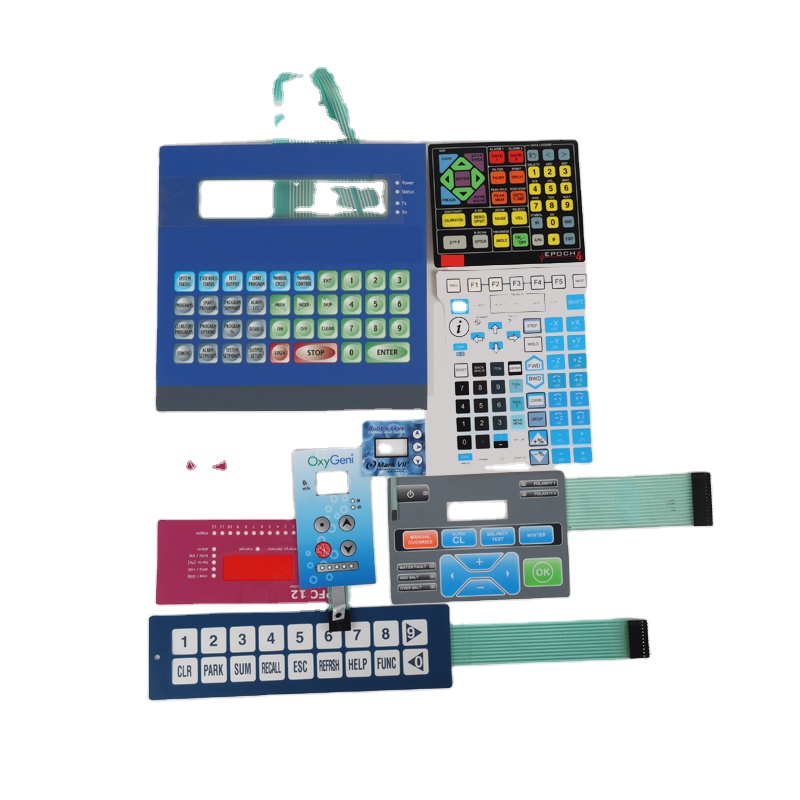
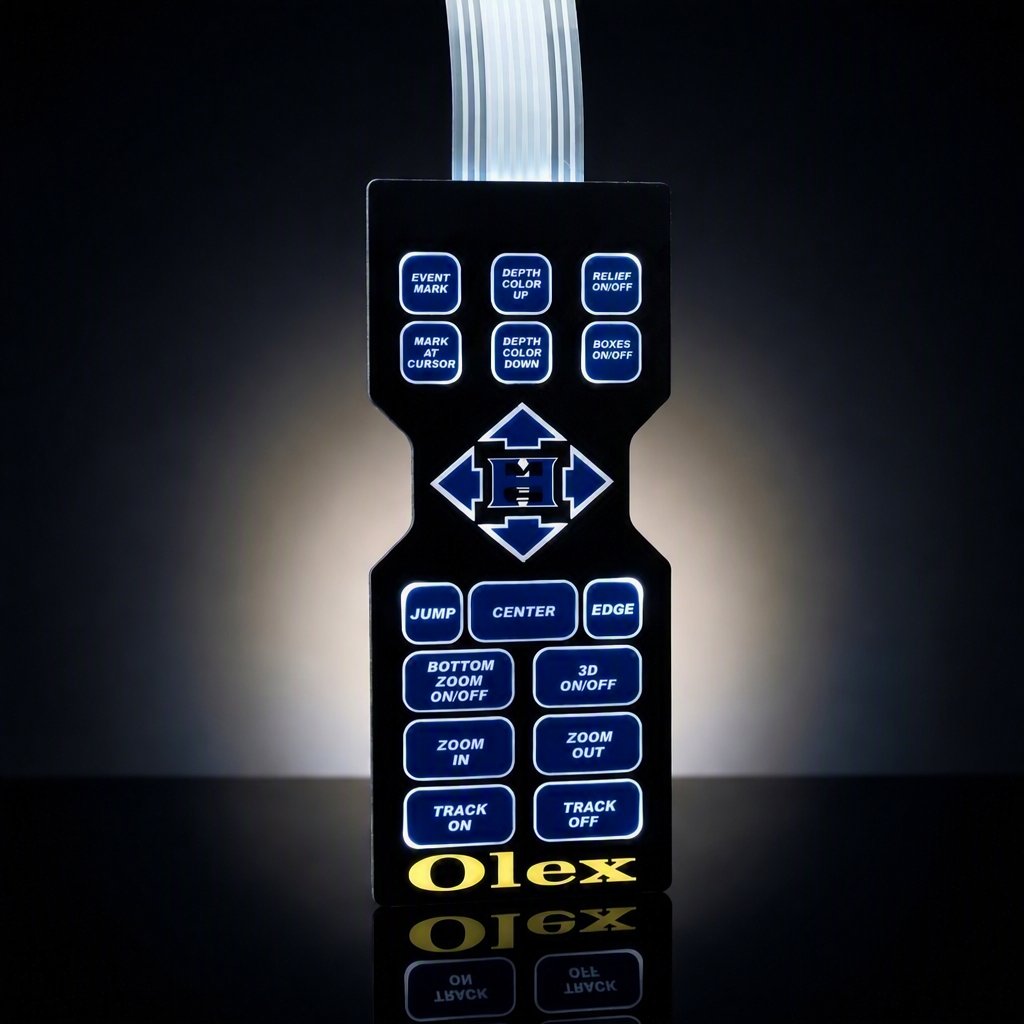
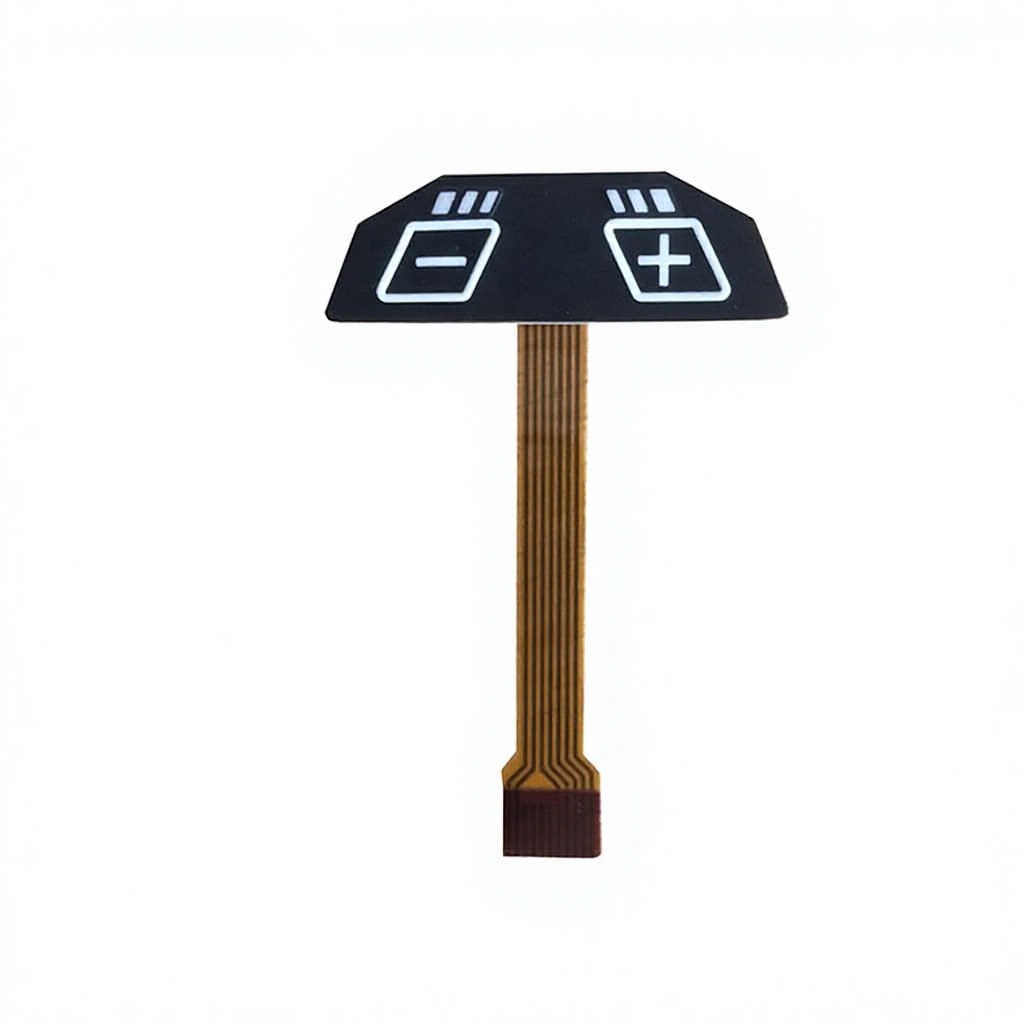
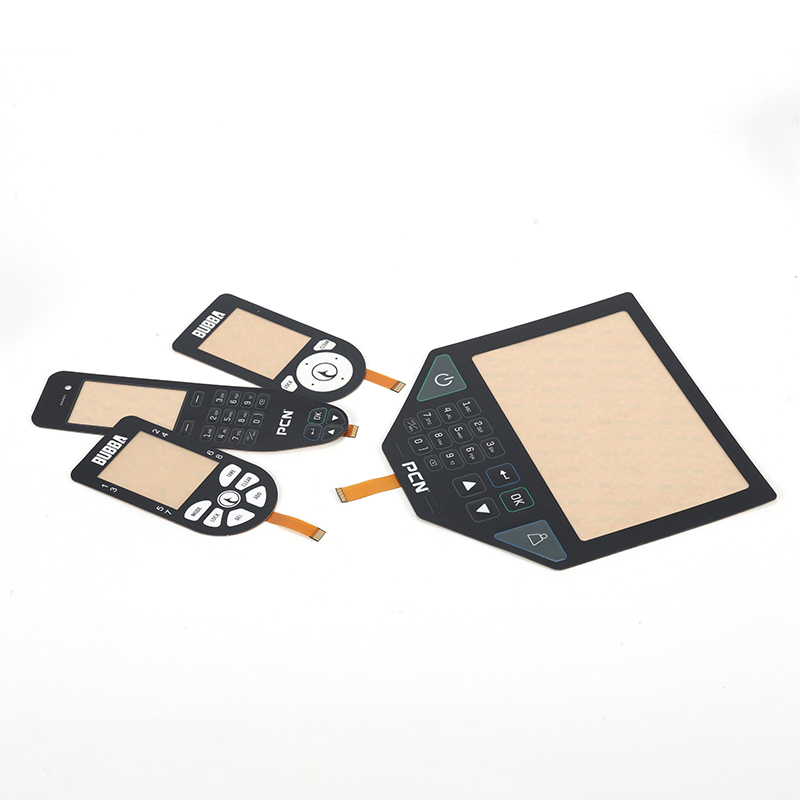
Material Science of Epoxy Doming in Severe Operating Environments
A comprehensive examination of meniscus casting, polymer curing dynamics, and environmental sealing protocols for high-demand Mediterranean applications.
Aliphatic vs. Aromatic Polymers
Standard industrial epoxy resins contain aromatic molecular backbones that succumb to ultraviolet photolysis, yellowing and crazing under intense Mediterranean coastal sunlight. ZIRA utilizes ultra-pure aliphatic polyurethane formulations combined with optical-grade cycloaliphatic epoxy stabilizers. This preserves 98.5% light transmissivity over 5,000 hours of accelerated QUV weathering without amber discoloration.
Controlled Shore Hardness Calibration
Epoxy coatings must strike a calculated balance between surface scuff resistance and flexural displacement. ZIRA's engineering laboratory calibrates resin durometer ratings between Shore D 45 (semi-flexible for deep metal dome actuation) and Shore D 75 (rigid scratch-shield for exterior telemetry housings). This prevents surface indentations caused by tool impacts or repetitive operator actuation.
Hermetic Seal Dynamics & Salt Fog
In maritime environments like Port Hercules, atmospheric salt fog causes rapid dendritic silver migration along circuit layers if moisture permeates the membrane edges. The epoxy dome extends directly to the edge barrier, working in unison with perimeter hydrophobic gasket adhesives (3M 300LSE/467MP) to guarantee absolute IP67/IP68 ingress defense according to IEC 60529 standards.
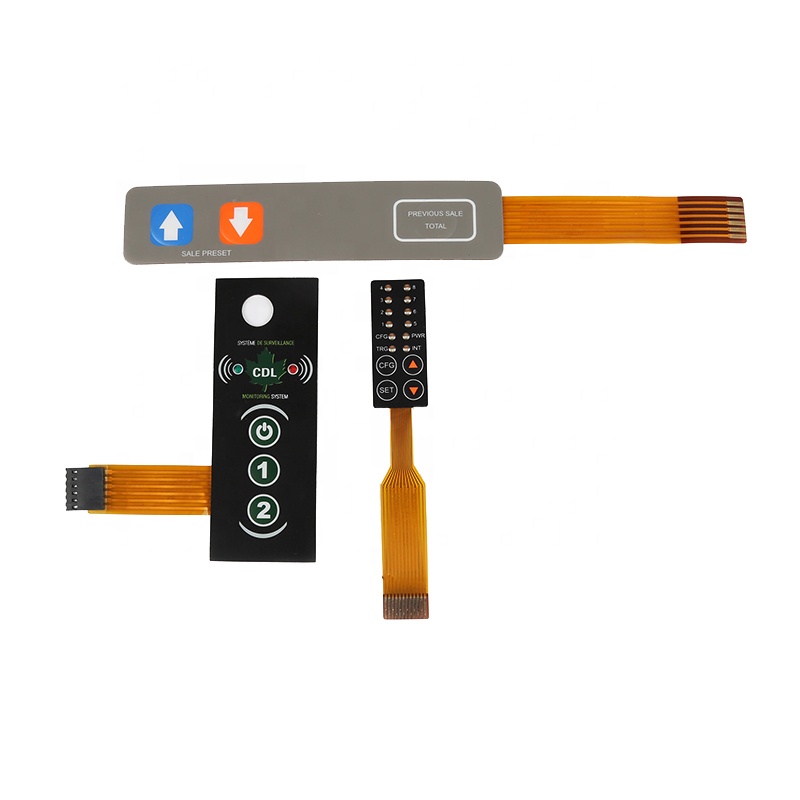
Design-for-Manufacturability (DFM) Core Rule: When routing silver or FPC circuits beneath thick resin-coated keys, dielectric layer breakdown voltages must exceed 500V DC. The meniscus thickness (typically 1.5mm to 2.2mm) acts as an acoustic and thermal buffer, preventing condensation on internal contact points while delivering a positive finger location cue for operators wearing gloves.
Mission-Critical Deployments in the La Condamine Marine & Tech Hub
Tailored HMI hardware serving Monaco’s premier maritime refit berths, coastal superyacht infrastructure, cleanroom biotech labs, and precision luxury automation.
Superyacht Bridge & Tender Helm Consoles
Berths along Quai Antoine 1er and Port Hercules encounter high ambient UV index ratings and continuous airborne sodium chloride. Uncoated keypads quickly blister, cloud over, or suffer button stickiness. ZIRA's epoxy-domed assemblies with light guide film (LGF) night-mode illumination provide captains with reliable, non-glare controls for bow thrusters, bilge monitors, anchor windlasses, and navigation arrays.
Biomedical Cleanroom Diagnostic Gear
Laboratories and clinical testing facilities in Monaco's tech quarters require frequent, aggressive sterilization with hydrogen peroxide, isopropyl alcohol, and quaternary ammonium disinfectants. The continuous 3D resin barrier eliminates crevice contamination risks, preventing chemical pooling and graphic degradation during stringent daily wipe-downs.
Harbor Automation & Dockside Power Pillars
Electrical shore-power pedestal units and smart automated mooring bollards operate outdoors year-round. These systems face direct rain, wash-down spray, and heavy seasonal changes. Our IP68 custom epoxy front panels feature UV-stabilized Autotex PET and 1.6mm FR-4 backer boards, delivering durable mechanical endurance against vandalism and repetitive docking misuse.
HMI Engineering Matrix: Epoxy-Coated vs. Alternative Architectures
Comparative empirical analysis across physical durability, ingress protection, tactile feedback, and manufacturing considerations.
| Evaluation Parameter | ZIRA Epoxy-Coated Keypad | Standard Embossed Membrane | Silicone Keymat + PCB | Capacitive Glass HMI |
|---|---|---|---|---|
| Sealing Ingress Rating | IP67 / IP68 Continuous | IP65 (Perimeter Dependent) | IP65 – IP66 (Gasket Required) | IP69K (Surface Level) |
| Salt Spray Resistance (ASTM B117) | > 1,000 Hours (Zero Delamination) | 250 Hours (Edge Blistering Risk) | 500 Hours (Pill Oxidation Risk) | > 1,000 Hours (Seal Dependent) |
| Tactile Actuation Snap Ratio | 45% – 60% Crisp Click Snap | 35% – 50% Standard Click | Soft Cushion Stroke (1.2-2.5mm) | Zero (Requires Haptic Motor) |
| Chemical / Disinfectant Barrier | Superior (Ketone, Fuel, Alcohol) | Moderate (Solvent Penetration) | Poor to Fair (Oil Absorption) | Superior (Glass Resistant) |
| UV Degradation Resistance | ISO 4892-2 Aliphatic Non-Yellowing | Subject to Polycarbonate Crazing | Good (Pigment UV Fading) | Immune (Inorganic Substrate) |
| Initial NRE Tooling Expense | Low (Cast Matrix Tooling) | Low (Laser / Film Tooling) | Moderate to High (Steel Compression Mold) | High (Optically Clear CNC Glass) |
| Typical Actuation Lifecycle | > 1,500,000 Cycles | > 1,000,000 Cycles | > 500,000 Cycles (Carbon Pill) | Solid State (> 10M Touches) |
10-Step Zero-Defect Manufacturing Pipeline
Every customized switch assembly passes strictly gated quality control stations inside our ISO Class 7 cleanrooms prior to international shipment.
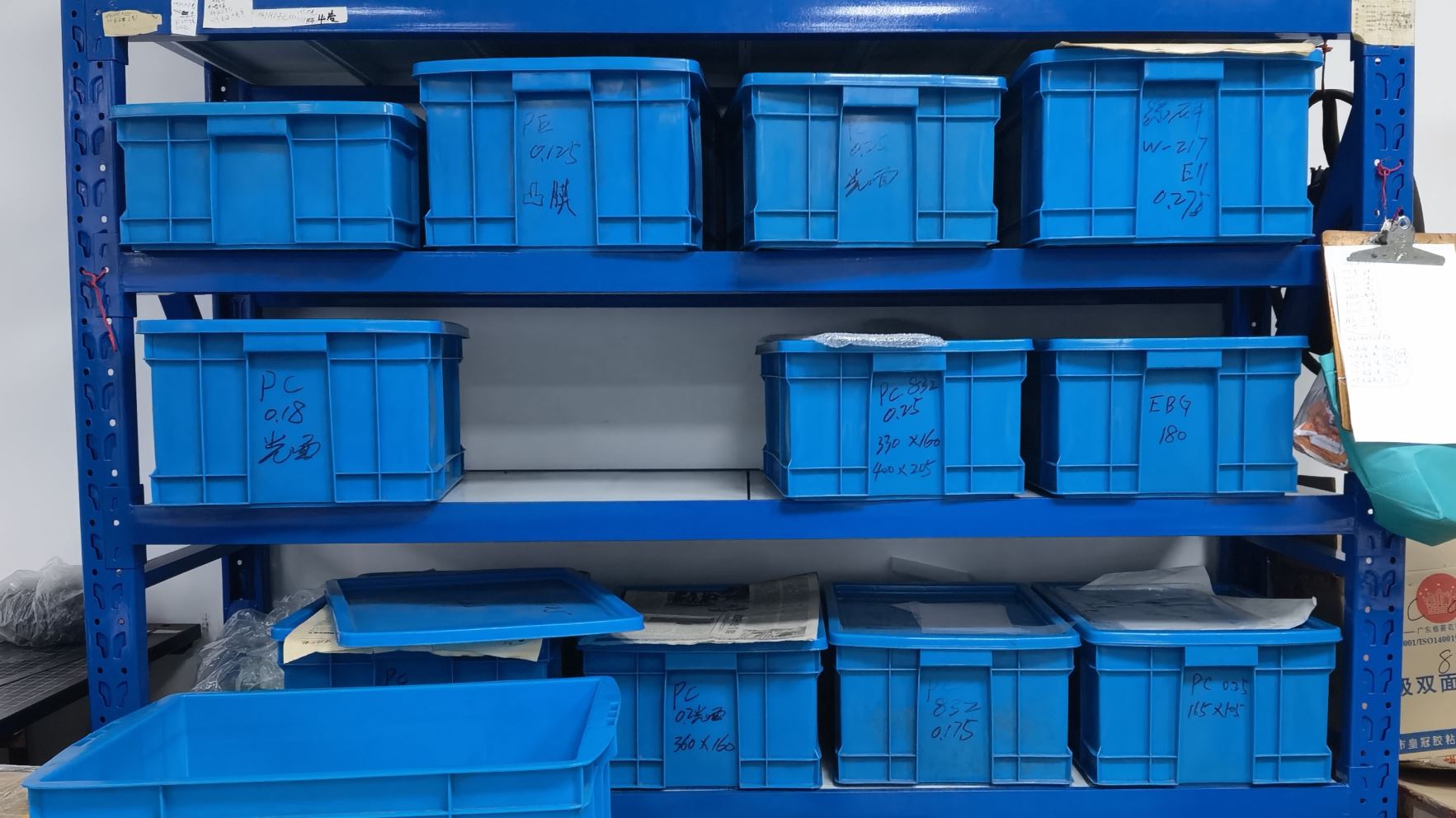
Raw Materials
Autotex PET films, Acheson silver pastes, and 3M adhesive lots undergo incoming spectroscopy and thickness assays.
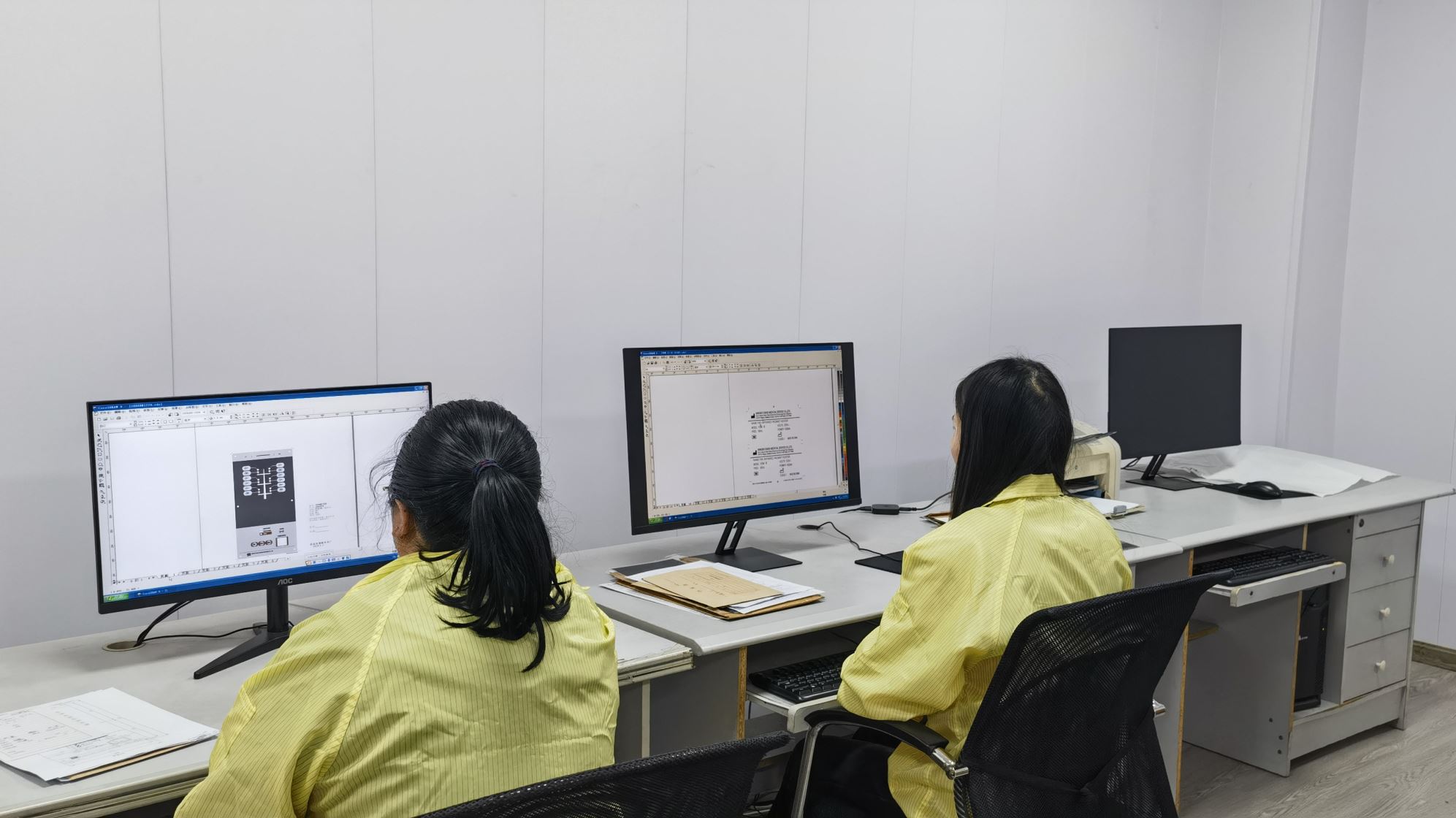
DFM Design
Artwork layer alignment, schematic net-list auditing, and connector tail bend radius verification.
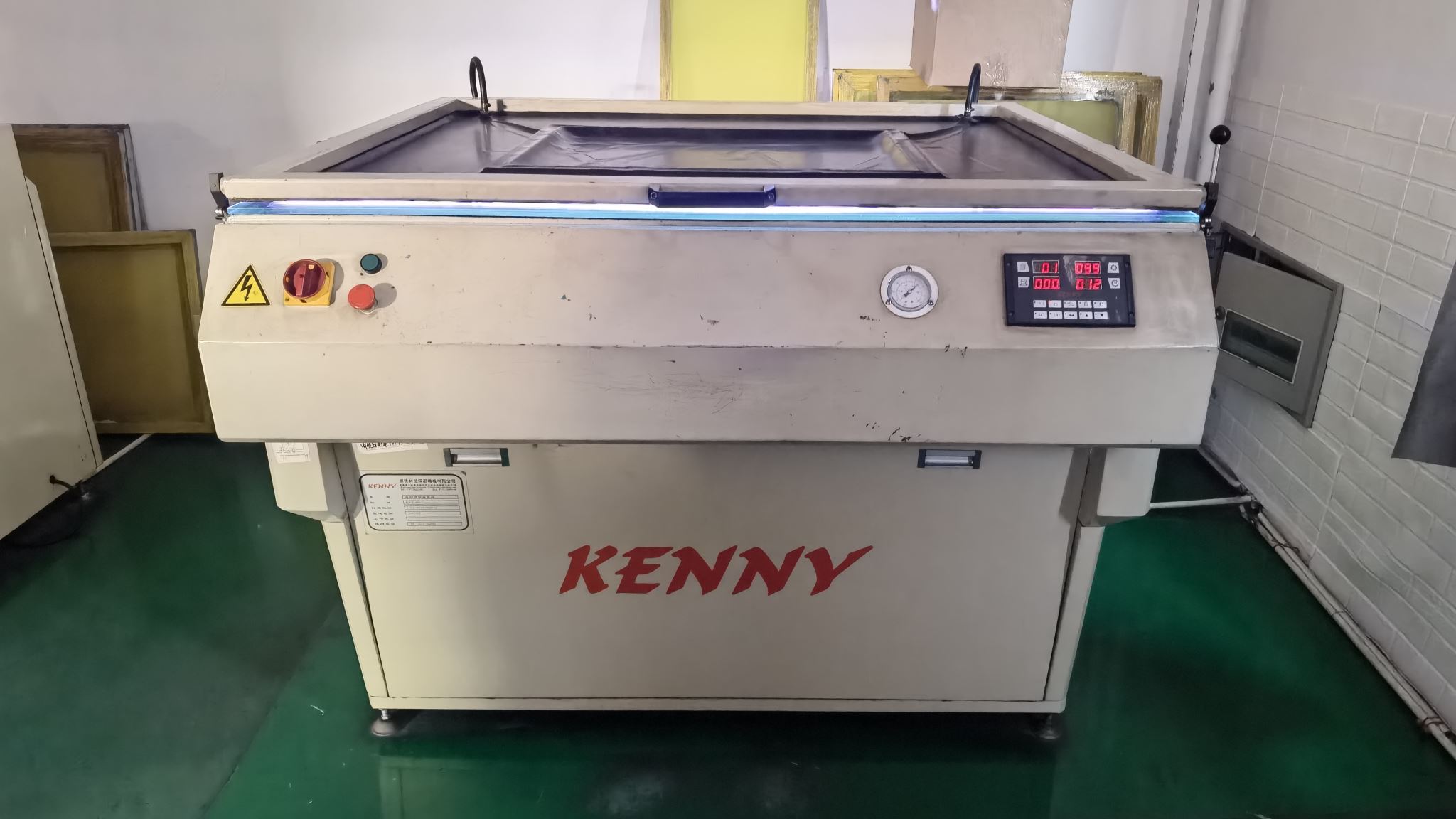
Plate Making
High-tension mesh exposure delivering precise ink deposit control for consistent circuit resistance.
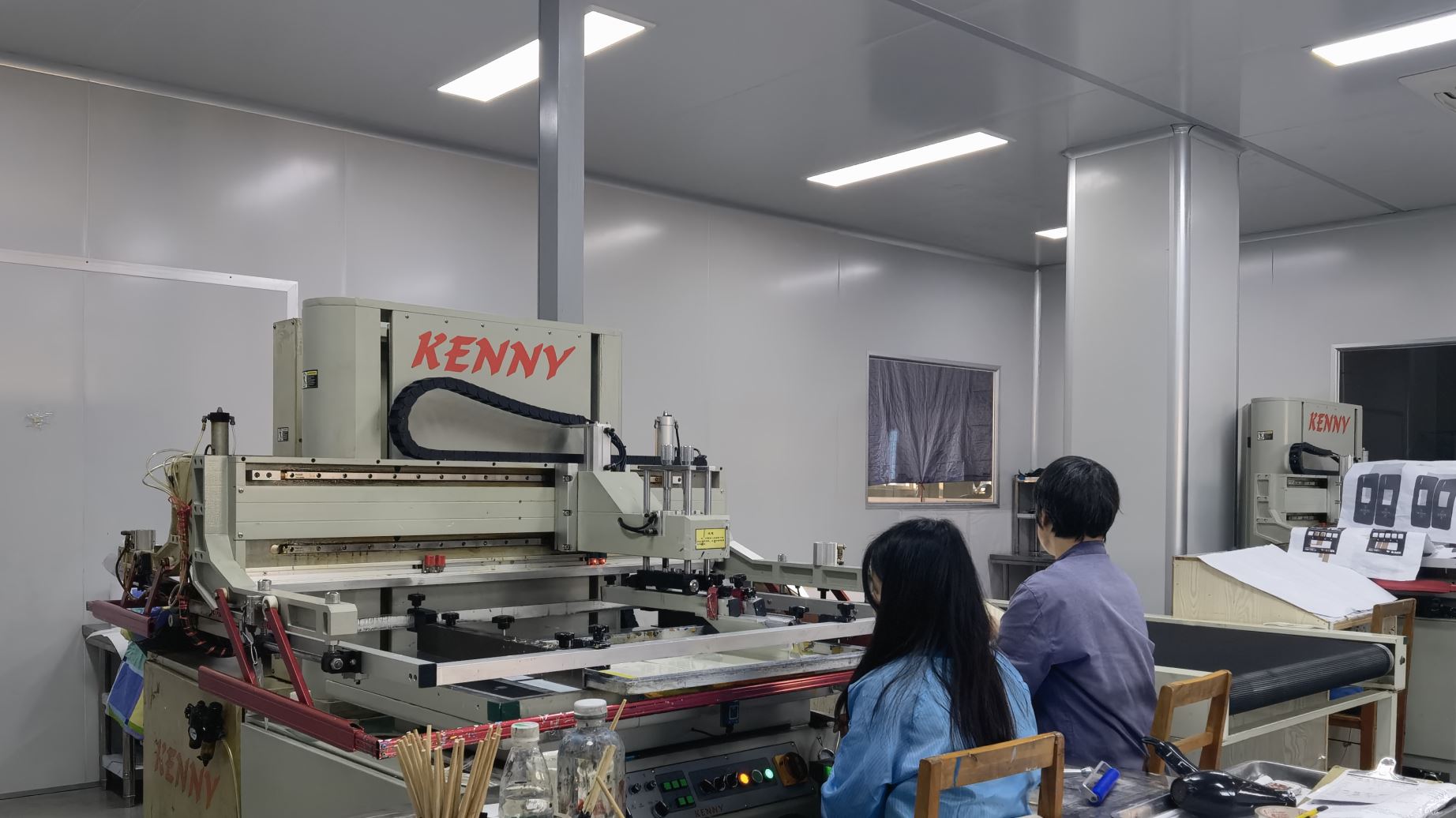
Cleanroom Print
Multi-color graphic registration and sub-surface silver conductor trace deposition.
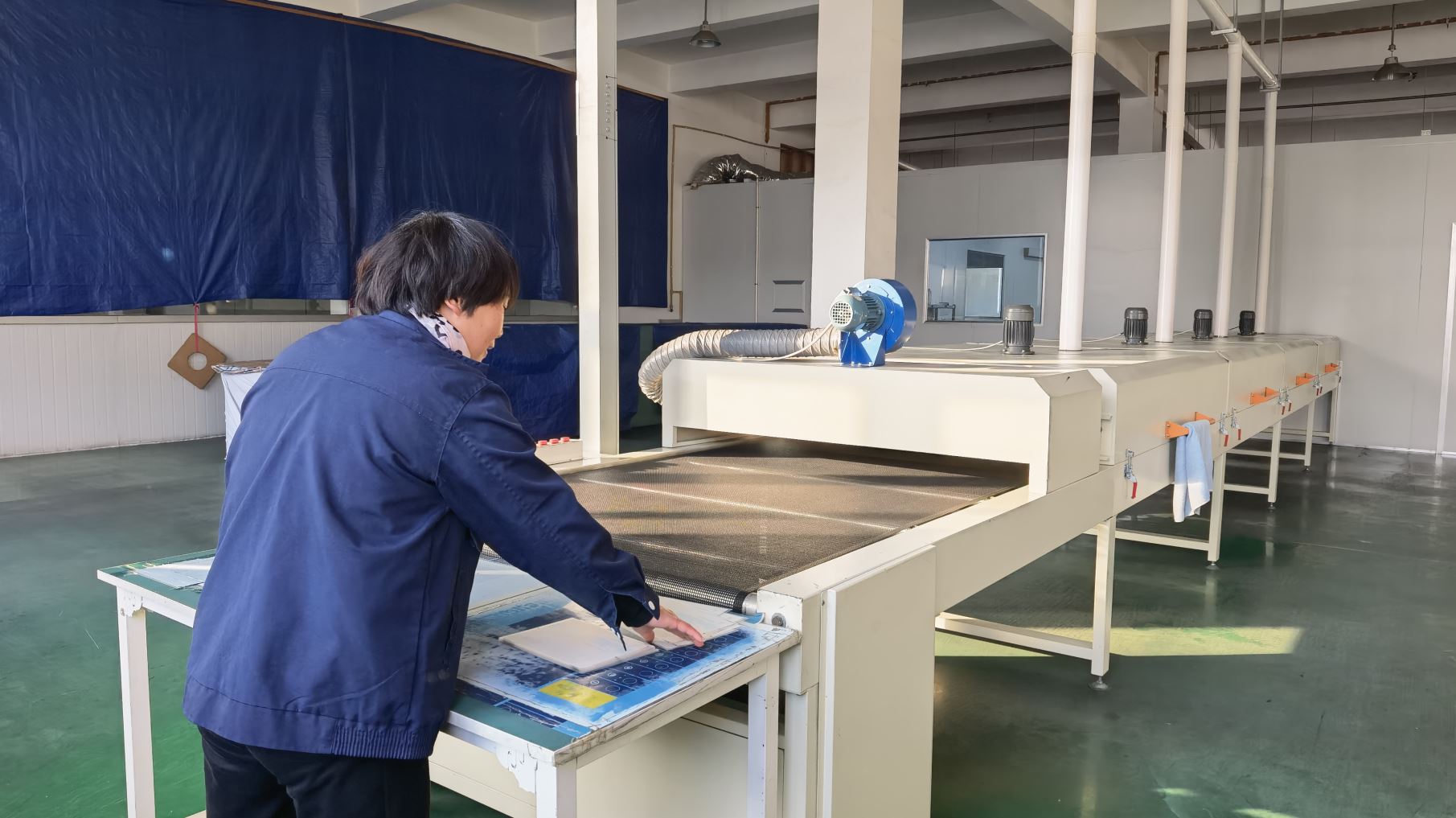
Thermal Curing
Convection tunnel baking removes volatile solvents, optimizing silver conductivity and flexibility.
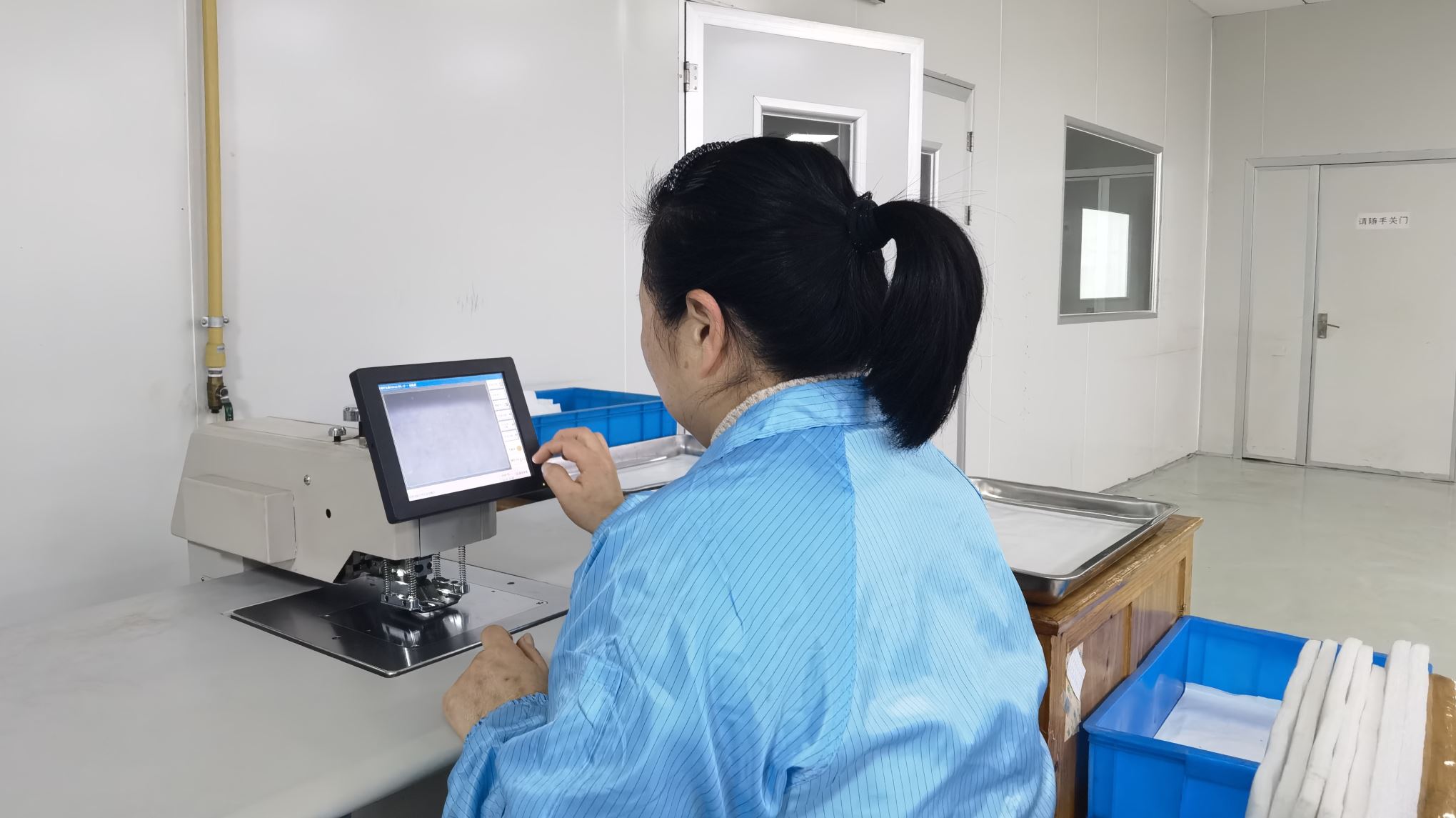
Optical Punching
CCD target-camera registration ensures inter-layer alignment tolerances remain within ±0.05mm.
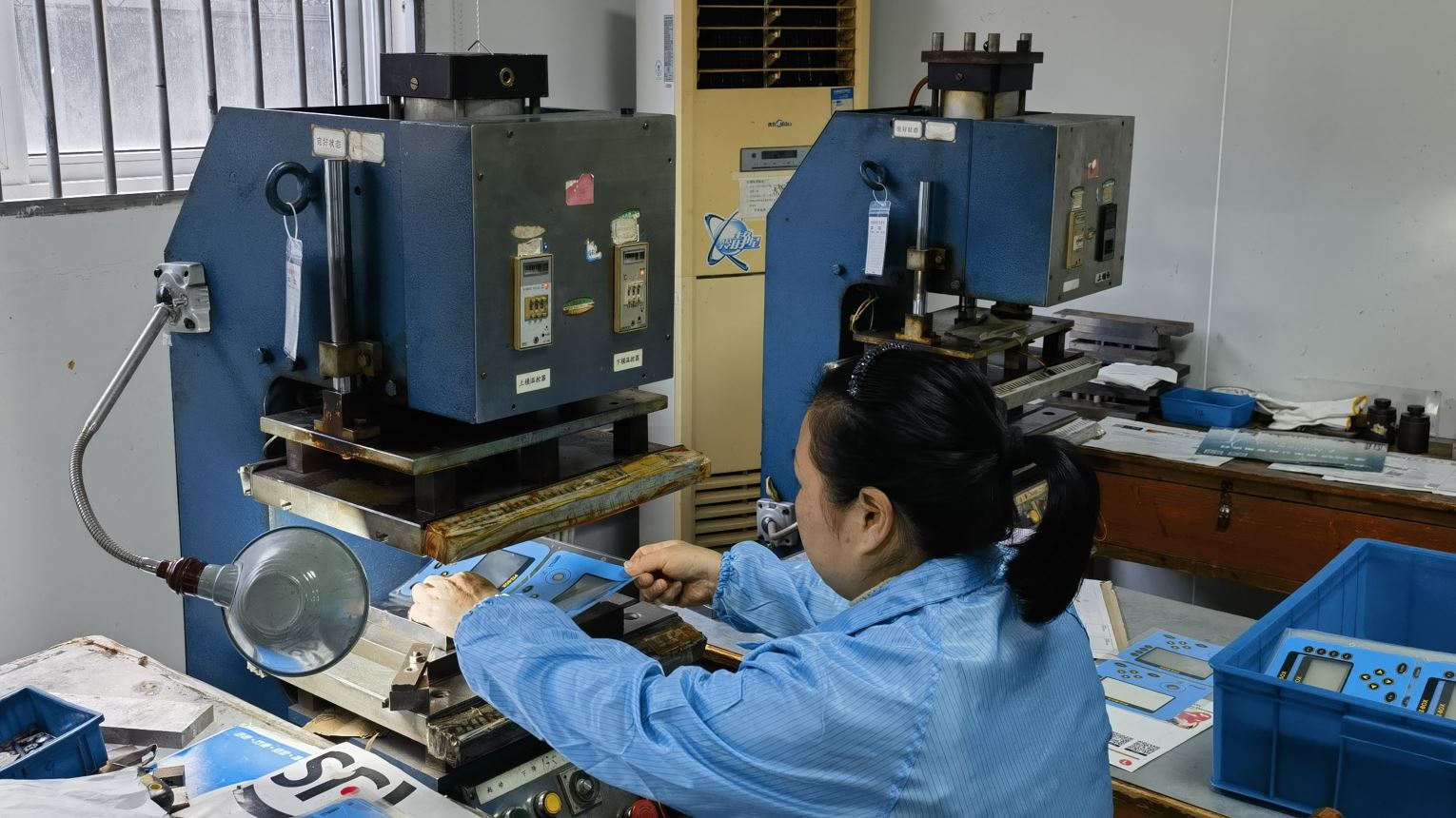
Key Embossing
Precision thermal die tool sets form dome geometries, followed by cleanroom resin potting.
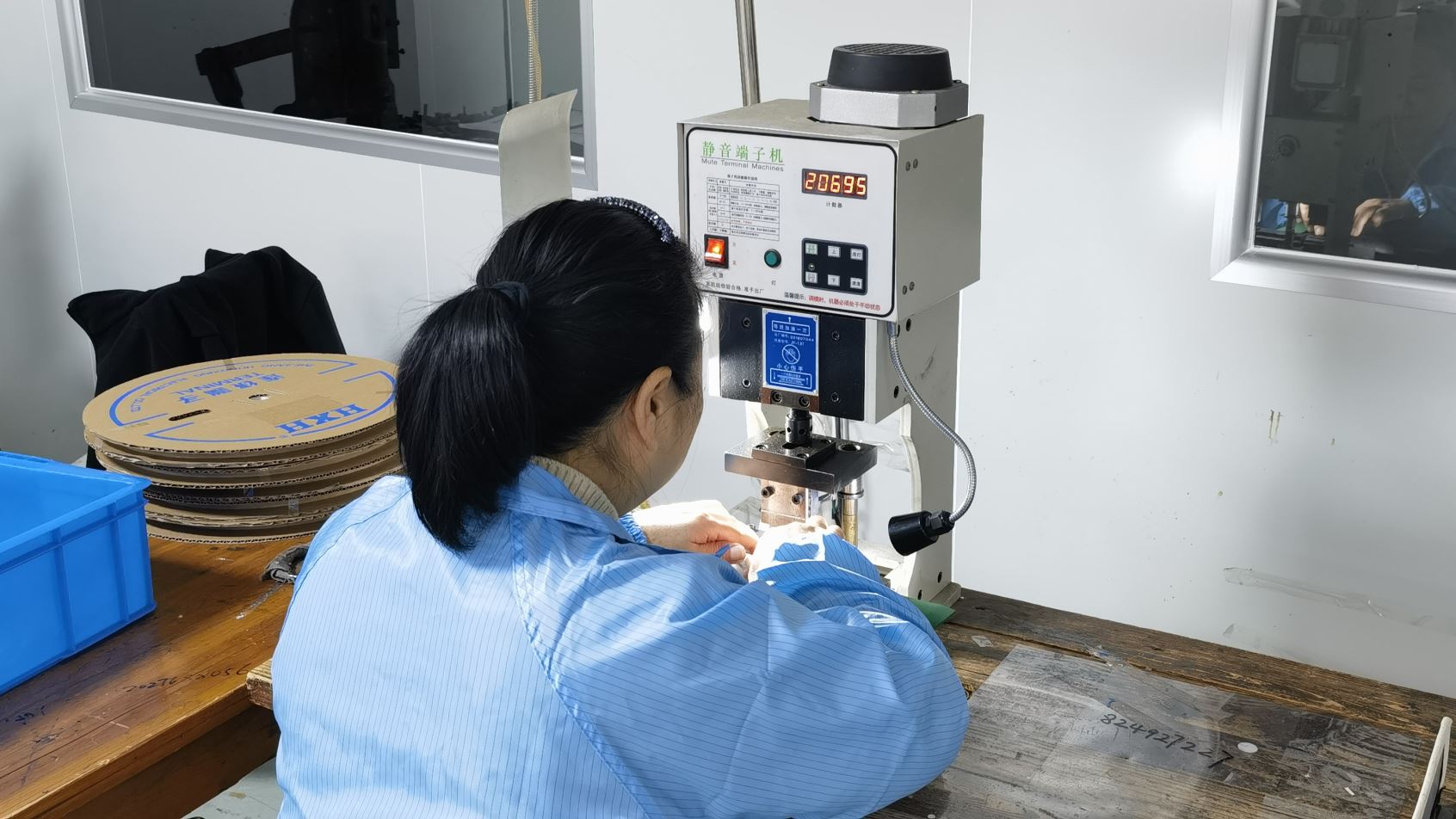
Tail Crimping
Automated terminal insertion with locking female housings or ZIF contact prep.
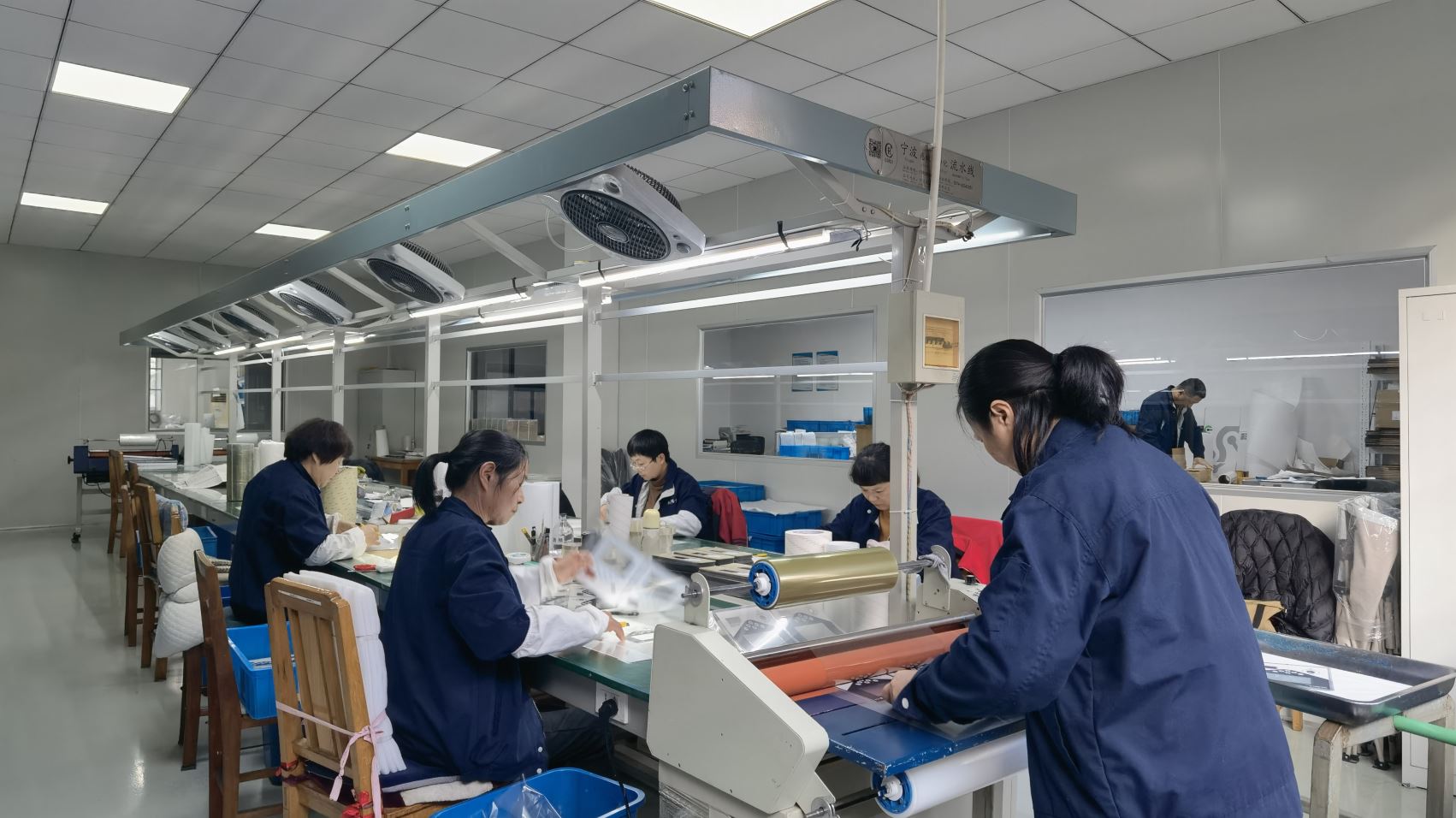
Layer Assembly
Pneumatic roller lamination eliminates micro-bubbles across spacer, domes, and graphic layers.
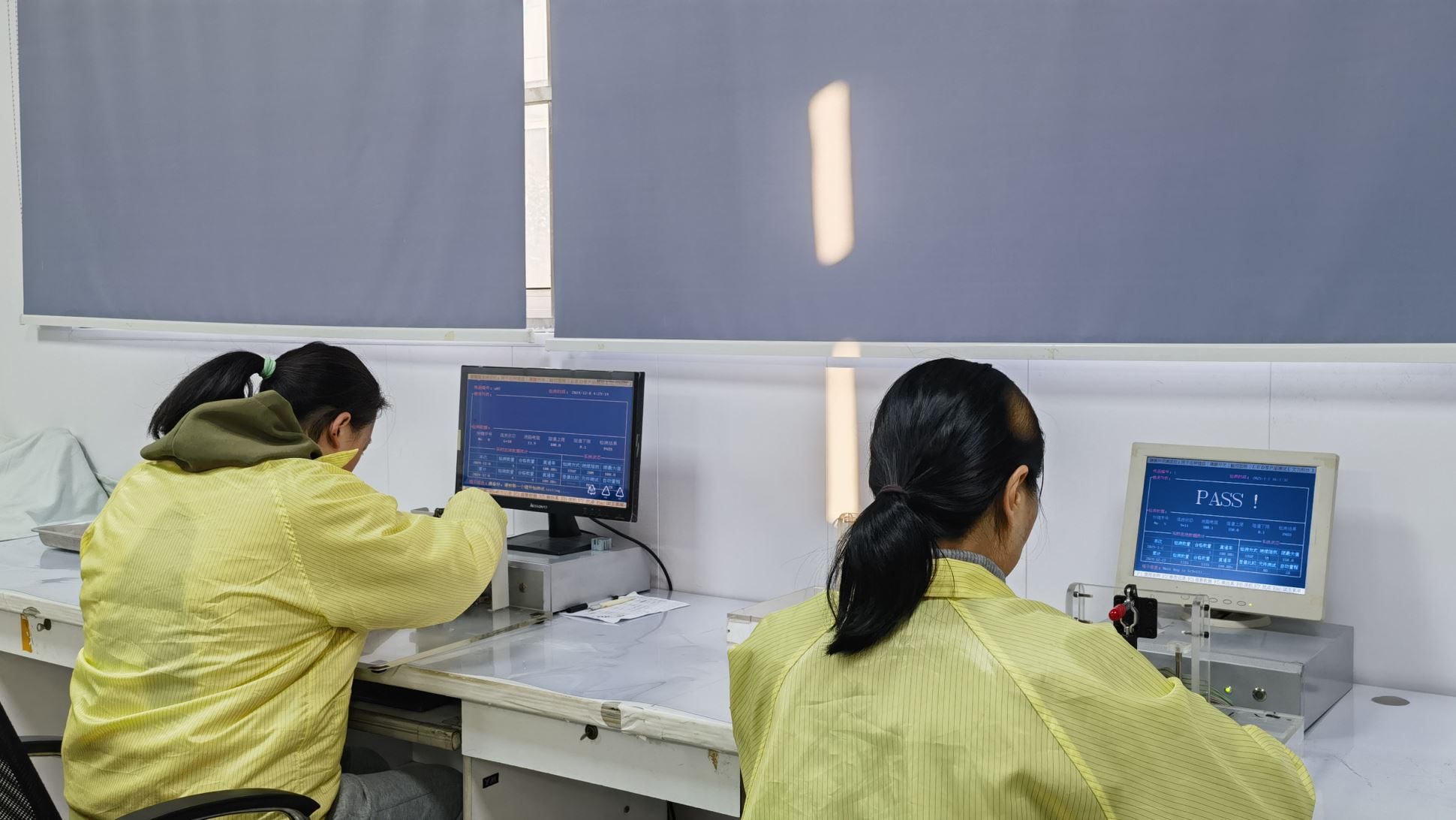
100% Final Test
Automated continuity checks, insulation resistance (>100MΩ @ 100V), and contact resistance testing.
Zhejiang ZIRA Membrane Switch Co., Ltd.
Founded in 1996 in Ningbo, Zhejiang, ZIRA is an established manufacturer and global exporter of high-precision HMI interfaces. With an audited factory footprint spanning 3,000 to 5,000 m² and an annual export value exceeding US$10M–$50M, we serve engineering teams across Western Europe, North America, and beyond.




Audited Factory Highlights
- ✓ Intertek Onsite Assessed: Full trace on facility, lines, and labor conditions.
- ✓ Tier-1 Industrial Trust: Proven long-term partner for leaders like ABB & Emerson.
- ✓ 100% In-House Processing: Tooling, printing, embossing, and test without subcontractors.
- ✓ Flexible MOQ: Engineering functional prototypes from 1 pc; volume runs from 100 pcs.
Frequently Asked Questions for La Condamine & European Engineers
Key technical, contractual, and logistics answers for interface engineering and procurement managers.
What prevents yellowing and cracking under direct Mediterranean sun?
We use aliphatic polyurethanes rather than standard aromatic resins. Aliphatic polymers feature saturated molecular backbones immune to UV-initiated photo-oxidation, preserving lens clarity, surface luster, and elastic resilience after years on open waters along the Côte d'Azur.
How do you ship custom keypads into Monaco / La Condamine?
We support DDP (Delivered Duty Paid), DAP, CIP, CIF, and FOB terms. Shipments clear European customs smoothly with full CE, RoHS, and REACH documentation, flying directly into Nice Côte d'Azur Airport (NCE) with onward door-to-door courier service to your dock or facility in 3 to 5 business days.
Can epoxy doming be applied selectively to individual buttons?
Yes. Selective doming deposits resin only on active tactile buttons or LED indicator windows, leaving the surrounding graphic overlay flat. This gives operators distinct physical guidance in blind or low-light bridge conditions without raising tooling costs.
What is the typical prototype lead time and MOQ for custom designs?
Functional engineering prototypes are ready in 5 to 7 business days following CAD artwork and DFM approval. MOQ starts at just 1 piece for prototypes, while batch production usually begins at 100 pieces, accommodating low-volume luxury builds as well as recurring series.
How do you control silver trace migration in humid, saline conditions?
We screen-print a proprietary carbon conductor overlay and dielectric topcoat directly across the silver circuitry. This layer prevents ionization transfer between adjacent positive and negative traces, even under sustained high humidity and DC bias voltages.
What design files are needed to begin engineering review?
Send your vector artwork (AI, DXF, DWG, or PDF), schematic net-list or pin-out diagram, chosen Pantone/RAL color codes, tail length, and preferred connector type (e.g., 2.54mm female or ZIF). Our engineering team returns a complete DFM proposal within 24 hours.
Ready to Engineer a Rugged, Coastal-Grade HMI Interface?
Send your CAD drawings, schematics, or target performance specifications to our engineering team. We'll provide a comprehensive DFM review, stack-up proposal, and fast prototype scheduling within 24 hours.
