Precision OEM Keypad Solutions & Interface Modules
Verified Custom Switches & Keymat Configurations Engineered for High Cycle Life
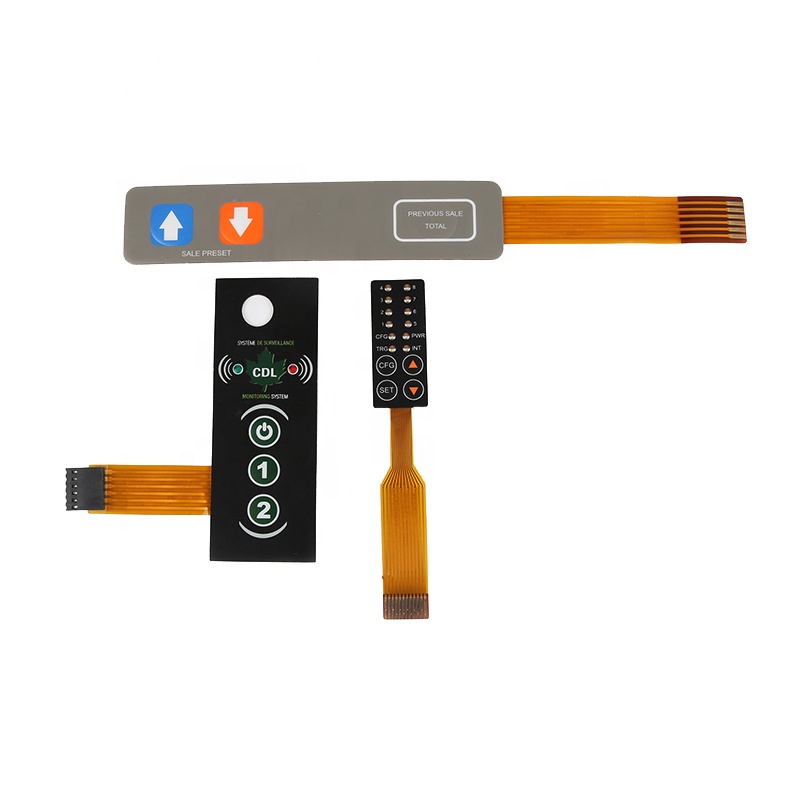
High-Performance OEM Membrane Key Switch with LED Backlight
View Product Details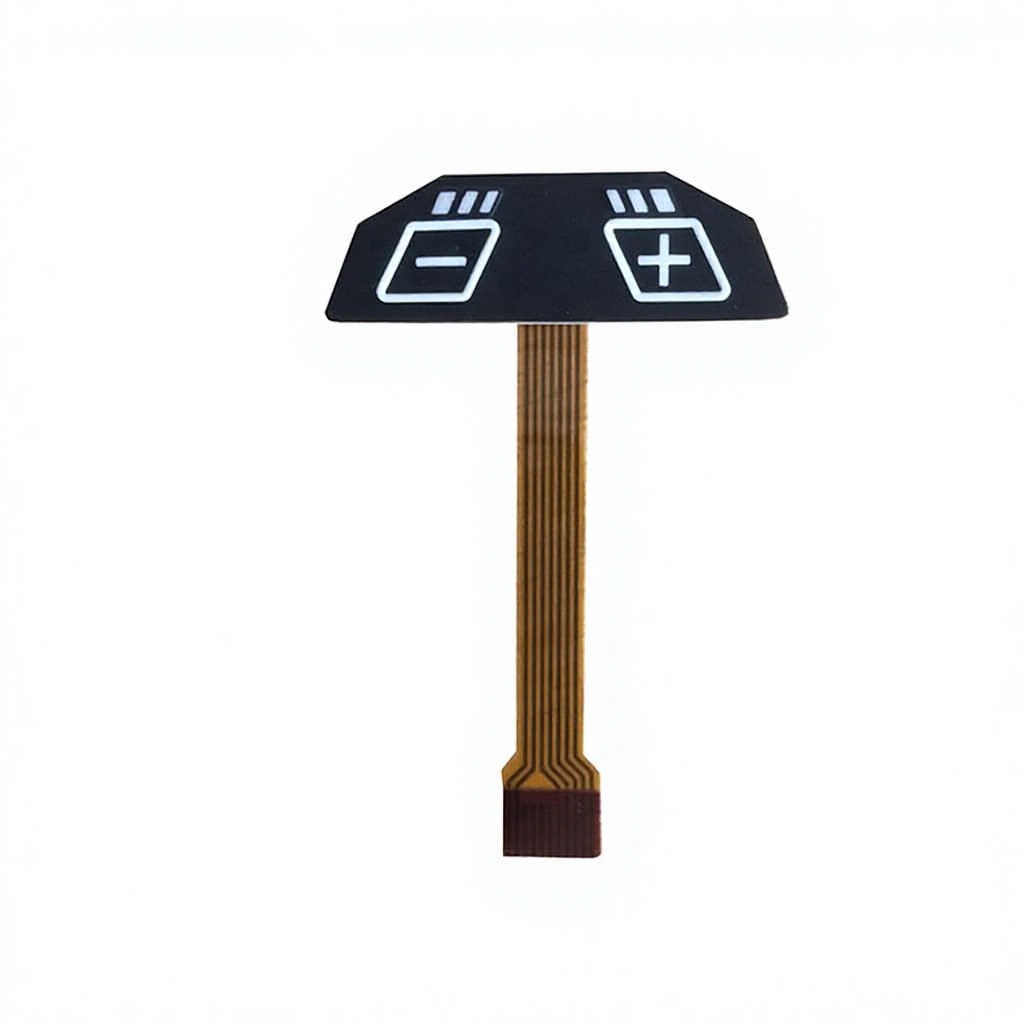
Customized Multi-Layer Construction Printed Silver Circuit Keypad
View Product Details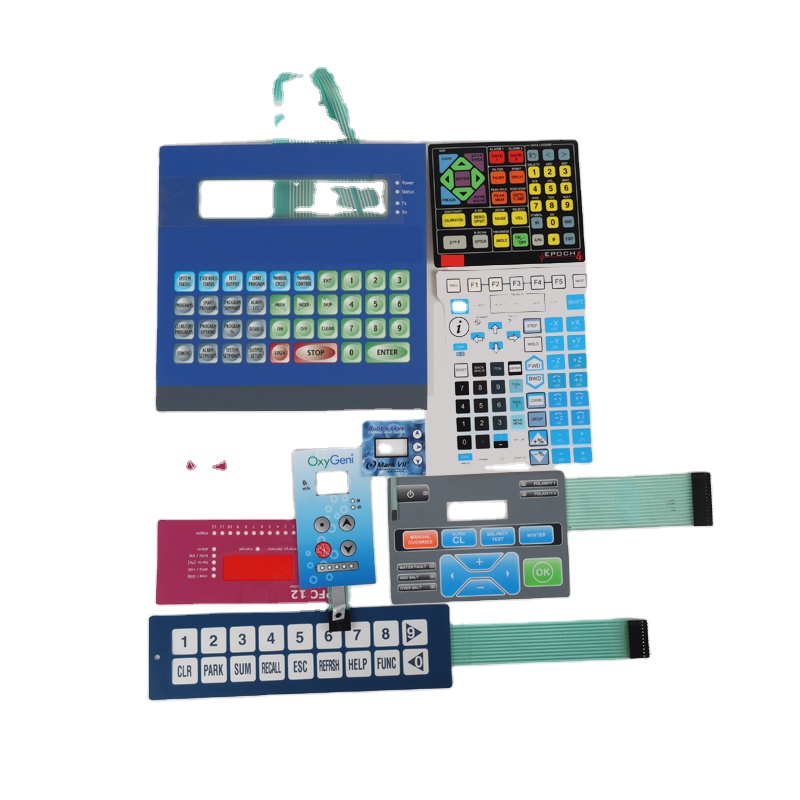
Custom Medical Device Membrane Switch Keypad (RoHS & REACH)
View Product Details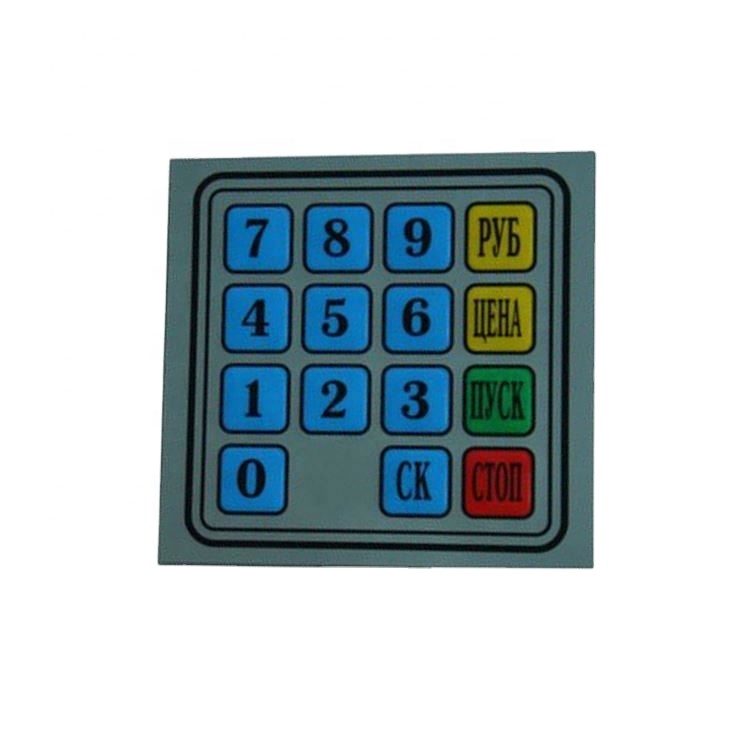
Factory Membrane Switch Keypad with Silicone Rubber Buttons
View Product Details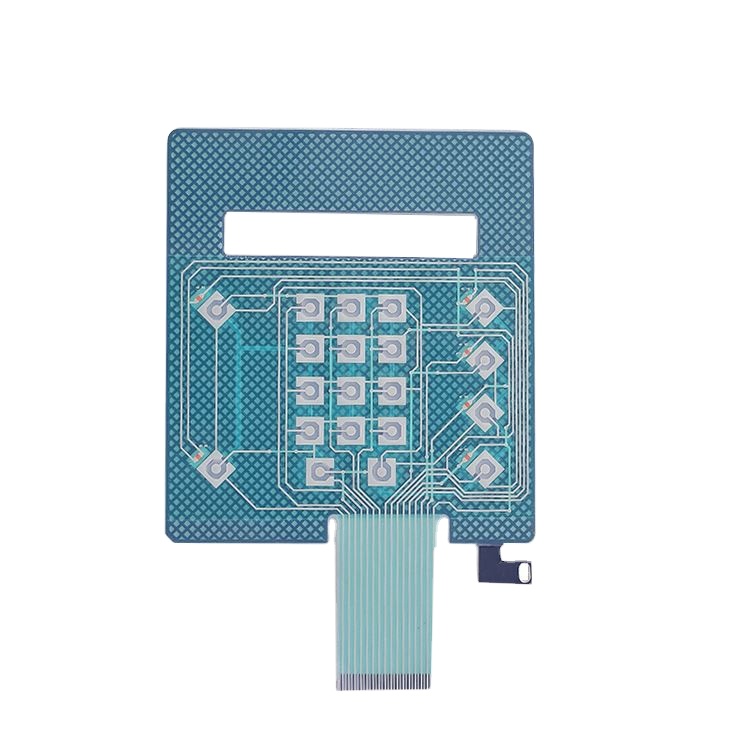
Custom PET Membrane Switch Keypad with ESD Shielding Layer
View Product Details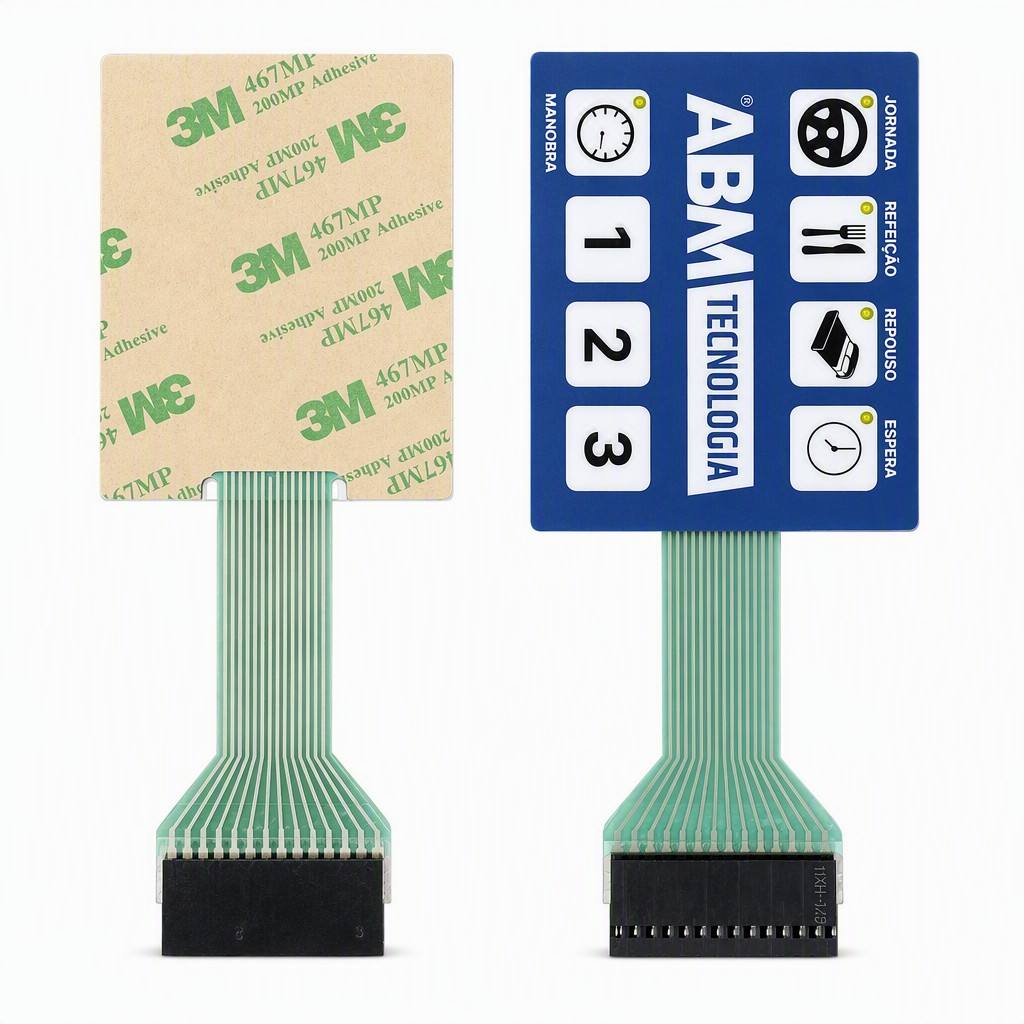
Custom Industrial Control Panel Keypad with Tactile Metal Domes
View Product Details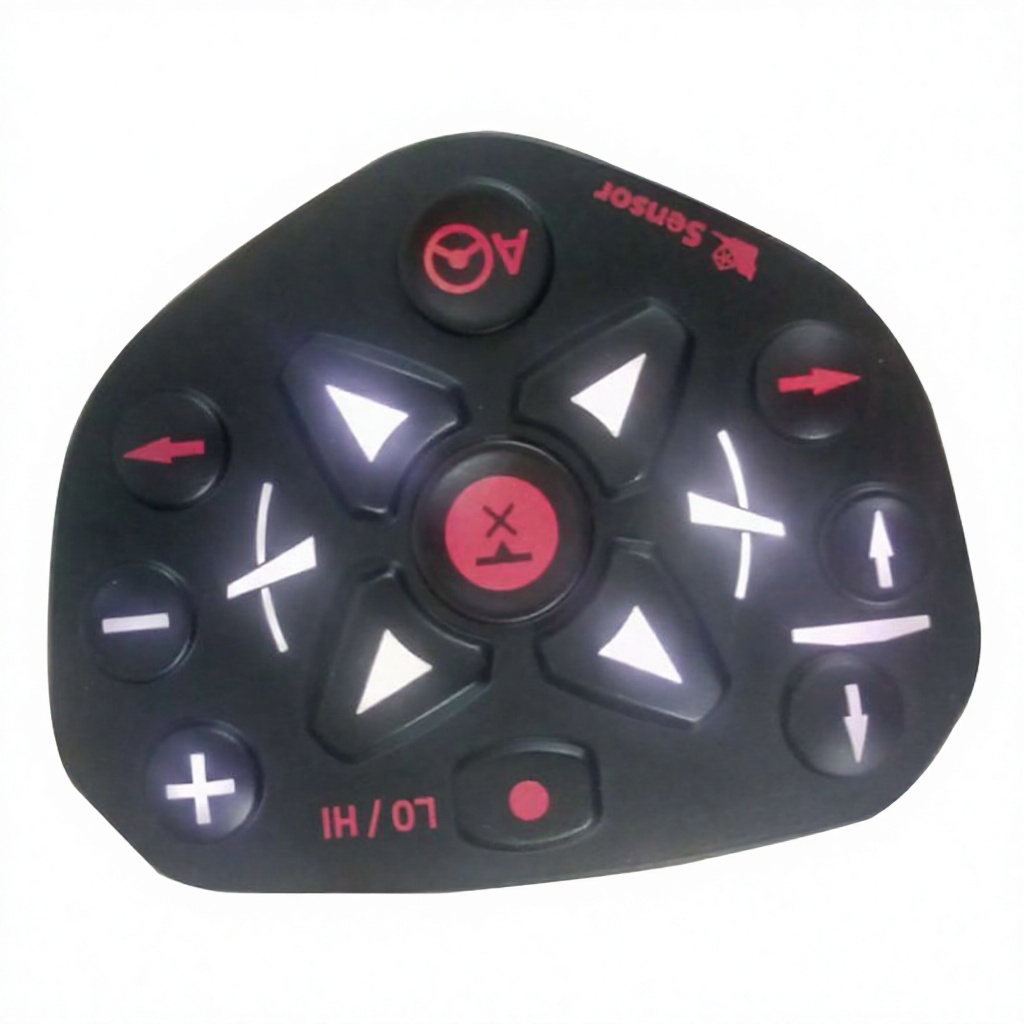
Translucent PC Overlay with Light Guide Layer for Uniform Illumination
View Product Details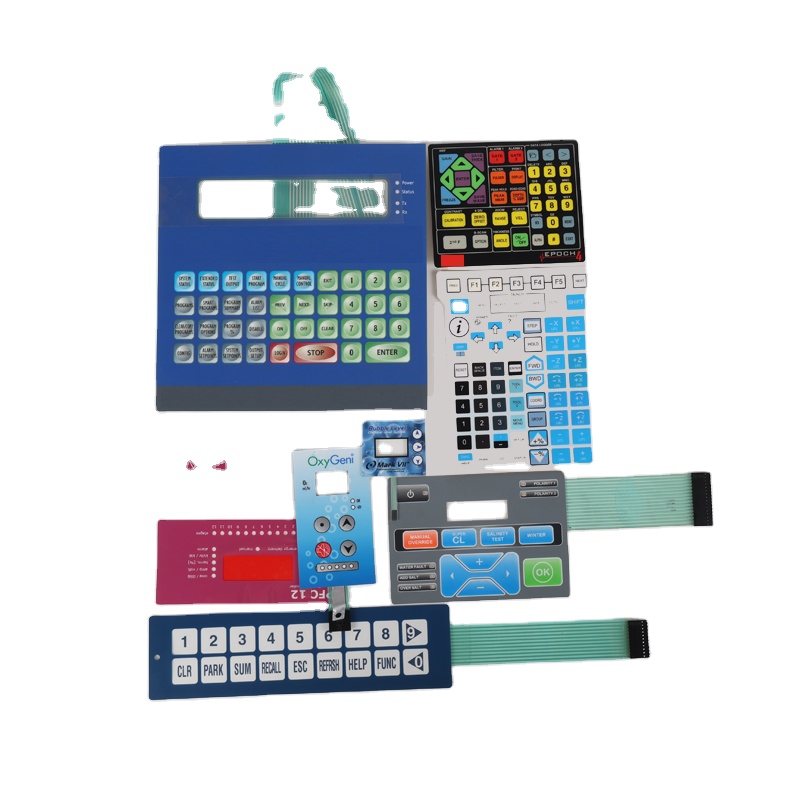
Waterproof Flexible Circuit Membrane Switch for Medical Equipment
View Product DetailsEngineering Architecture & Elastomeric Keypad Physics
In modern electronic hardware design, the human-machine interface (HMI) serves as the primary physical bridge between the user and internal system electronics. For original equipment manufacturers (OEMs), design consultancies, and system integrators operating across Greater London and the Thames Gateway technology corridor, custom silicone rubber keypads represent a superior mechanical solution compared to standard hard-plastic push buttons or basic membrane assemblies. Elastomeric keypads deliver tactile responsiveness, three-dimensional ergonomic geometry, chemical resistance, and severe environmental sealing—all integrated into a single compression-molded silicone component.
The operational mechanics of a custom silicone keypad rely on precision compression molding of High-Consistency Silicone Rubber (HCR) or Liquid Silicone Rubber (LSR). When an end-user depresses a key top, the underlying silicone webbing flexes and undergoes controlled elastic deformation. This deflection forces the internal contact element—typically a conductive carbon pill, a gold-plated contact pad, or a tactile metal dome beneath the silicone keymat—to short the trace gap on an underlying Printed Circuit Board (PCB) or Flexible Printed Circuit (FPC). Upon release, the stored strain energy within the elastomeric webbing causes the key top to snap back instantly to its neutral position, providing crisp physical feedback and long-term mechanical rebound.
Tactile Snap Ratio Engineering
The feel of a silicone keypad is dictated by its snap ratio: Snap Ratio (%) = [(Fa - Fr) / Fa] × 100, where Fa is Actuation Force and Fr is Return Force. We custom-engineer snap ratios between 40% and 65% with actuation forces ranging from 50g to 500g to eliminate tactile mushiness and ensure mechanical precision.
Environmentally Sealed Geometry
Compression-molded silicone acts as a continuous perimeter seal. By integrating perimeter seal beads directly into the keypad mold, London OEMs achieve full IP67 and IP68 ingress protection against fluid spillage, coastal condensation, industrial grease, and airborne particulate ingress.
Advanced Surface Coatings
To withstand millions of duty cycles, key surfaces undergo secondary surface processing: Polyurethane (PU) clear coats for abrasion resistance, Silicone Matte Spray for a velvety tactile finish, Epoxy Caps for a 3D glass-like key dome, and Precision Laser Etching for light-guiding backlighting graphics.
Technical Specifications & Engineering Tolerances
Our custom silicone rubber keypad manufacturing process operates under strict quality management systems (QMS) compliant with international ISO standards, serving high-reliability applications across the United Kingdom.
| Engineering Parameter | Standard Specification | Custom High-Precision Range / Options |
|---|---|---|
| Base Material Selection | High-Consistency Silicone Rubber (HCR) / VMQ | Liquid Silicone Rubber (LSR), Flame-Retardant UL94V-0, Food/Medical Grade |
| Durometer Hardness | 50° to 60° Shore A | 30° to 80° Shore A (±5° Shore A tolerance) |
| Actuation Force Range | 150g to 250g (General Industrial) | 50g to 500g (Custom engineered webbing profile) |
| Contact Resistance | Low-resistance Carbon Pill (<100 Ω) | Gold-plated contacts (<1 Ω), Printed conductive silver inks, Tactile Metal Domes |
| Key Stroke / Travel Distance | 0.8mm to 1.5mm deflection stroke | 0.3mm to 3.0mm depending on webbing height & diameter |
| Surface Protection Coatings | Silicone Spray Coating | PU Wear-Resistant Coating, UV-Cured Clear Coat, 3D Resin Epoxy Domes |
| Operating Temperature | -40°C to +200°C continuous duty | Extreme thermal range grade (-55°C to +250°C continuous) |
| Life Cycle Rating | 1,000,000 to 3,000,000 key depressions | Up to 5,000,000+ actuations (tested via automated pneumatic life testers) |
Localized Application Scenarios across London & Greater London
As London solidifies its status as Europe's primary hub for hardware tech startups, medical device innovation, advanced transit infrastructure, and high-value industrial technology, the requirement for localized, compliant HMI components has surged. Zhejiang ZIRA Membrane Switch Co., Ltd. provides direct manufacturing and rapid exporting services tailored specifically to the operational environments of Greater London:
1. London MedTech & NHS Hospital Devices
With major clinical research clusters near King’s Health Partners, Imperial College Healthcare, and the White City Innovation District, medical device OEMs require sterile, wipe-clean interfaces. Our silicone keypads feature seamless perimeter sealing and laser-etched backlit keycaps that withstand harsh hospital-grade chemical disinfectants (such as Isopropyl Alcohol, Hydrogen Peroxide, and Chlorine bleaches) without legend degradation or fluid ingress into sensitive diagnostic electronics.
2. Transit Infrastructure & EV Chargers
Across Transport for London (TfL) networks, public ticketing terminals, and EV charging stations deployed throughout London’s Ultra Low Emission Zone (ULEZ), input keypads face outdoor weather exposure, UV radiation, and high-frequency public usage. We supply silicone keypads molded with anti-UV additives, flame-retardant silicone compounds (UL94V-0 certified), and vandal-resistant steel bezel integration designed for year-round UK weather conditions.
3. Thames Gateway Industrial & Warehouse Automation
In automated logistics hubs, distribution facilities, and light industrial complexes along the Thames Estuary and Park Royal, handheld barcode terminals, fleet management consoles, and forklift control interfaces undergo continuous physical impacts and exposure to oils. Our silicone keymats incorporate wear-resistant polyurethane topcoats and custom tactile feedback designed to give warehouse operators distinct click feel even when wearing thick protective work gloves.
4. Financial POS & Retail Security Terminals
Serving the Square Mile (City of London) and Canary Wharf fintech and retail payment ecosystems, secure PIN entry pads (PEDs) demand tactile consistency, wear resistance, and integration with anti-tamper security meshes. ZIRA manufactures dual-durometer silicone keypads with integrated conductive security traces and light-guide film (LGF) backlighting for sleek, low-profile payment architecture.
Local Industry Trends & UK Regulatory Compliance Framework
Procurement managers and engineering directors in London face strict compliance demands following the UK’s transition to localized regulatory standards. Sourcing custom silicone rubber keypads requires compliance with UK, EU, and global environmental directives:
- UKCA & CE Marking Alignment: All custom keymats and integrated membrane switches supplied by ZIRA are manufactured using raw materials that fully meet the legal requirements for UK Conformity Assessed (UKCA) and European CE marking, guaranteeing seamless integration into finished electrical equipment sold in Britain and exported across the EU.
- RoHS 3 & REACH SVHC Compliance: Hazardous substance restriction is crucial for UK electronics manufacturers. Our silicone raw stocks, pigments, conductive carbon formulations, and adhesives undergo regular lab screening to ensure compliance with RoHS Directive 2011/65/EU as amended by 2015/863 (RoHS 3) and SVHC registration under REACH standards.
- Transition to Tactile Elastomeric Interfaces: While purely capacitive touchscreens gained popularity in recent years, hardware engineers in London are increasingly returning to tactile silicone keypads for mission-critical interfaces. Physical keys eliminate false-triggering caused by water drops or gloved operation—a critical factor for marine, medical, and emergency service hardware.
- Integrated Illumination (LGF & LED Backlighting): High-end UK industrial and medical designs now mandate precise illuminated feedback. Rather than bulky discrete bulbs, modern custom silicone keypads utilize embedded Light Guide Films (LGF) or translucent silicone formulations coupled with side-firing SMD LEDs on the underlying PCB, achieving zero-hotspot light distribution with minimal power drain.
Why London Buyers Partner with Zhejiang ZIRA Membrane Switch Co., Ltd.
Operating from our cleanroom-equipped manufacturing campus in Changhe Industrial Park, Ningbo, Zhejiang ZIRA Membrane Switch Co., Ltd. has established itself as an authority in custom Human-Machine Interface engineering since 1996. With nearly three decades of dedicated production history, we serve as a direct factory supplier and reliable exporter to Western Europe, North America, and global industrial markets.
Intertek Onsite Verified Factory
Eliminate supply chain uncertainty. ZIRA's manufacturing facilities, cleanrooms, operational floor space (3,000–5,000 m²), automated production lines, and legal standing have been audited onsite by Intertek—giving UK procurement teams verified manufacturer confidence.
100% Electrical Testing & QA
Every single production batch undergoes 100% automated electrical testing before dispatch. We verify contact resistance, short circuit insulation, circuit continuity, LED functionality, and mechanical actuation force to guarantee zero out-of-box defects upon arrival in London.
Complete DFM & Custom Tooling Support
Our internal R&D engineering department works directly with your 3D CAD files (STEP, IGES, DXF, DWG). We offer free Design for Manufacturability (DFM) analysis, assisting London engineers in optimizing key webbing angles, wall thickness, land pad sizes, and color matching (Pantone / RAL).
Frequently Asked Questions (London Procurement & Engineering)
Technical Answers to Common Sourcing Questions from UK System Integrators
1. 3D CAD step files (or 2D dimensioned drawing) showing key shape, webbing thickness, and stroke travel.
2. Key color requirements (Pantone or RAL codes) and legend printing artwork (AI, CDR, or vector PDF).
3. Contact element selection (Conductive carbon pills, gold contact pad, or metal dome actuation).
4. Surface coating preference (PU clear coat, matte spray, or resin epoxy top caps).
5. Estimated annual volume (EAV) and initial prototype quantity requirement.
Transform Your Hardware Interface with Custom Silicone Keypads
Partner with an Intertek-verified manufacturer with 29+ years of HMI engineering excellence. Send your 3D CAD files or project specification to our engineering team today for a free DFM review, material recommendation, and rapid quotation.
