Custom Touch Panel & Membrane Assemblies for Local Deployment
Precision-manufactured interface assemblies designed to meet demanding cleanroom, chemical resistance, and maritime ingress standards throughout County Cork and the wider Munster region.
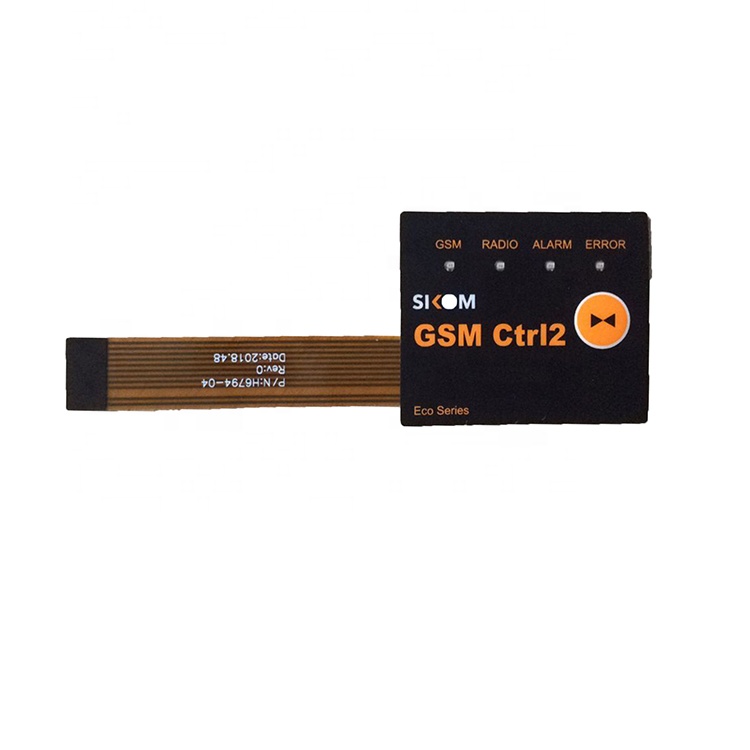
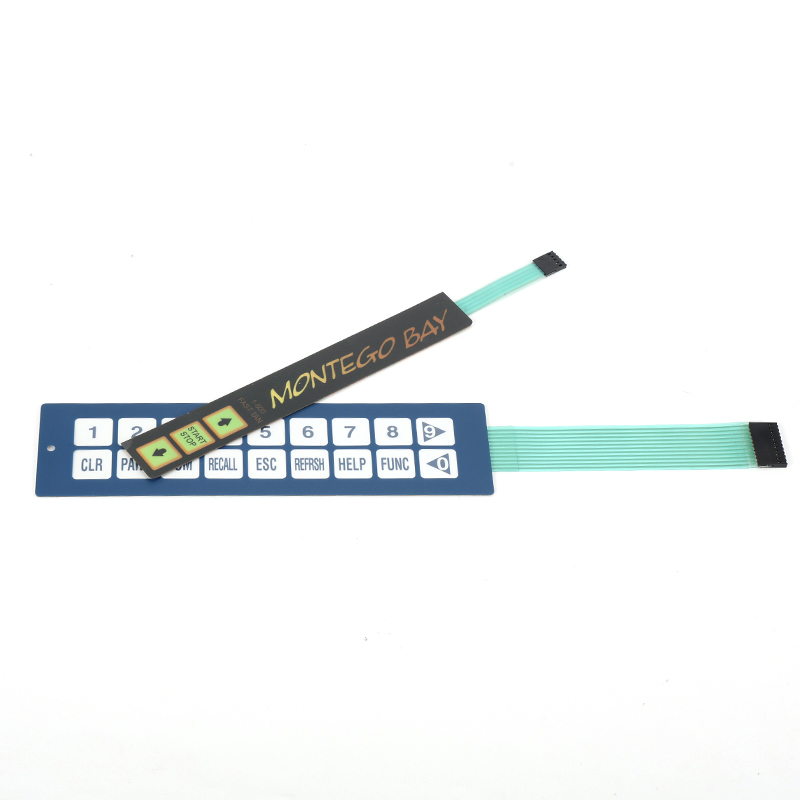
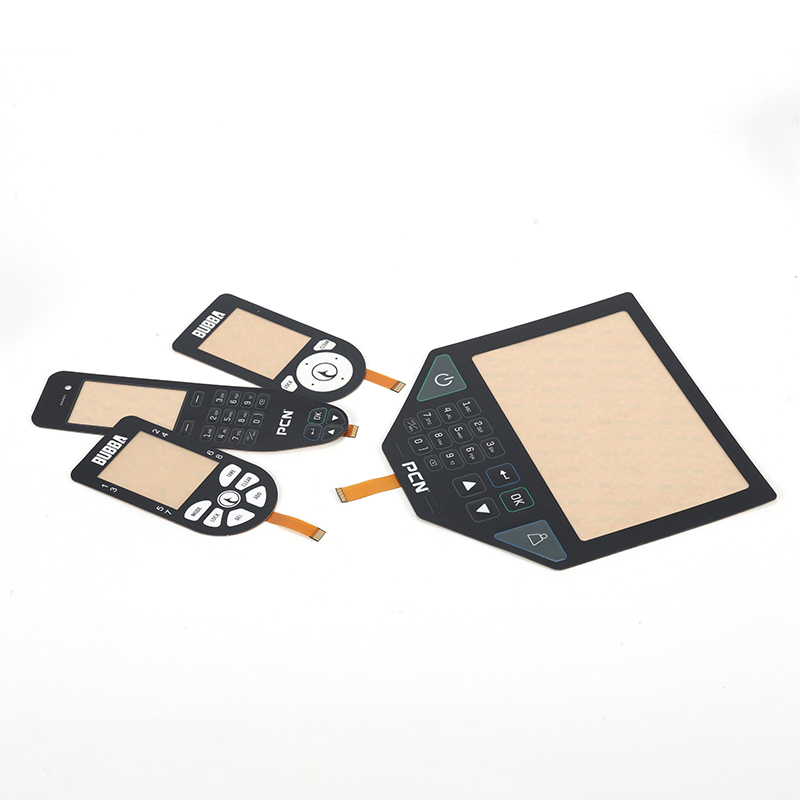
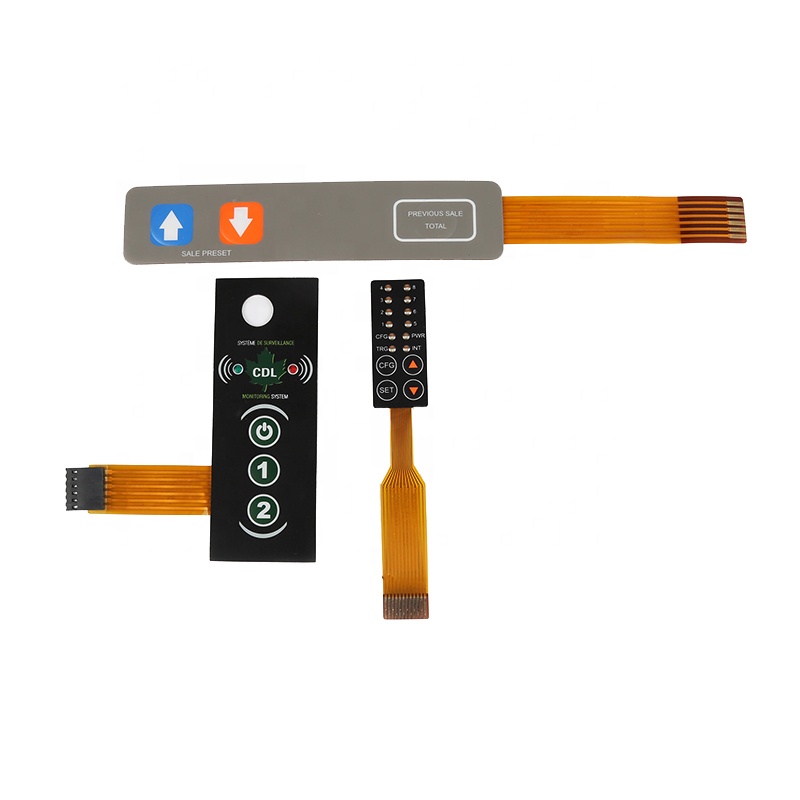
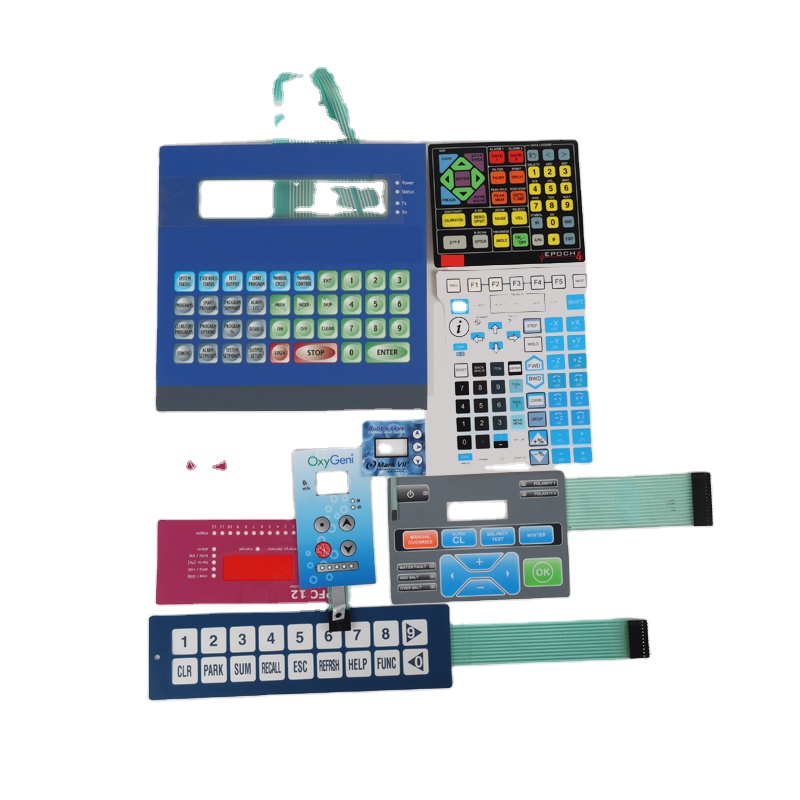
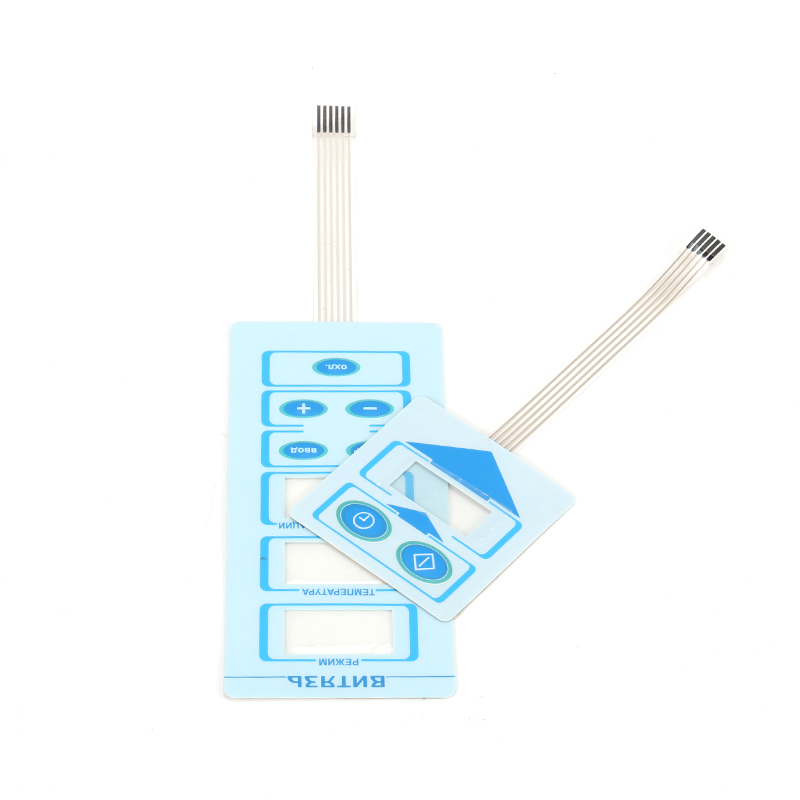
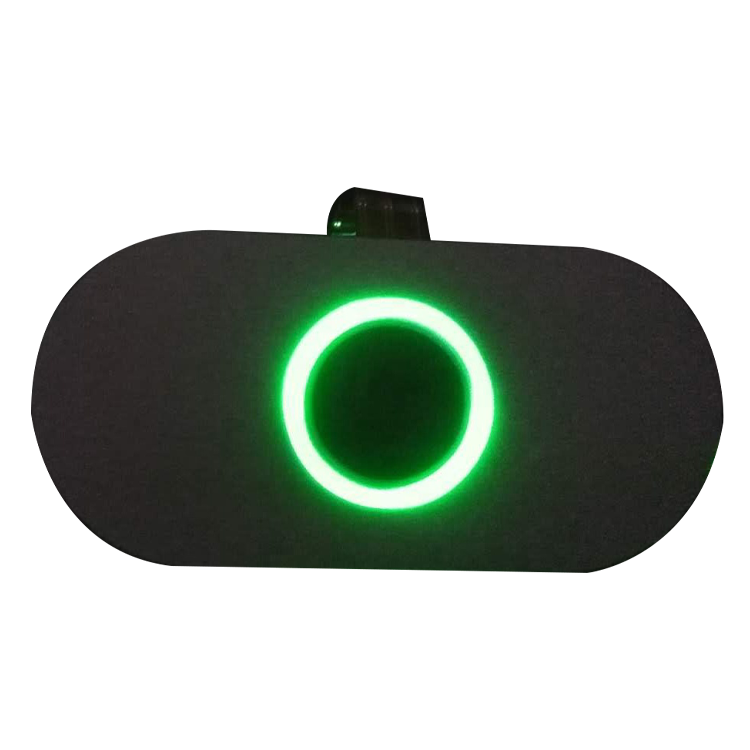
Engineering Custom OEM Touch Panel Assemblies for Cork’s Specialized Industries
Navigating stringent environmental sealing, European chemical compliance, and high-frequency actuation demands across the Ringaskiddy, Little Island, and Cork Harbour technological corridors.
Total Life-Cycle Integrity Under Aggressive Washdown
OEM equipment built in County Cork faces unique operating atmospheres. Biopharmaceutical cleanrooms in Ringaskiddy and dairy processing plants across North and East Cork use rigorous cleaning regimens involving hydrogen peroxide vapors, sodium hypochlorite, isopropyl alcohol (IPA), and high-pressure hot water spray down. Standard off-the-shelf capacitive touch assemblies or unsealed mechanical pushbuttons degrade under these conditions, leading to seal delamination and trace oxidization.
Our custom OEM assemblies use chemically inert biaxially-oriented polyethylene terephthalate (PET) films (Autotex XE/Steel) paired with closed-cell 3M 467MP/468MP acrylic adhesives and custom perimeter gaskets. This creates an impermeable IP66/IP67/IP69K barrier that prevents moisture capillary action, preserving graphic registration and circuit conductivity over years of intensive sanitation.
EMI/RFI Shielding & High-Reliability Signal Routing
In high-density industrial control enclosures and precision medical diagnostic consoles, electromagnetic interference can cause spurious input triggers or corrupt high-frequency digital telemetry. Standard screen-printed silver circuits without attenuation layers act as unintended aerials when routed alongside VFDs (Variable Frequency Drives), industrial servos, or clinical radiofrequency generators.
ZIRA addresses this design risk through multi-layer architectural shielding. We integrate full-coverage copper or aluminum foil backing layers, conductive graphite grids, and selectively deposited conductive silver-carbon grounding paths terminating into dedicated ESD shunt pins. Whether your assembly interfaces through a standard 2.54mm pitch Amphenol/FCI connector or high-density ZIF flex cables, trace cross-talk and electrostatic discharge sensitivity are eliminated before deployment.
Tactile Kinematics & User Confirmation Systems
While capacitive touch offers smooth, wipe-clean surfaces, mission-critical operators in pharma cleanrooms and marine control rooms frequently operate while wearing nitrile or heavy thermal gloves. In these environments, pure capacitive sensing lacks positive tactical feedback, risking missed actuations or double-entry errors.
We specialize in hybrid human-machine interfaces that combine the cleanability of flat front panels with the distinct mechanical snap of stainless steel metal domes (nickel or gold-plated, actuation forces from 220g to 450g) and custom localized embossing (rim, pillow, or dome embossing). Operators receive crisp, audibly perceptible tactile confirmation even through multiple glove layers, while integrated surface-mount chip LEDs or uniform light guide films provide immediate visual feedback.
Localized Application Scenarios in Cork’s High-Tech Economy
How ZIRA’s custom touch panels and membrane assemblies integrate directly into the production floors, laboratory suites, and marine hubs across County Cork.
Biopharmaceutical Cleanroom Processing (Ringaskiddy & Little Island)
Cork is home to one of the world's most concentrated biopharmaceutical clusters, producing active pharmaceutical ingredients (APIs), vaccines, and biologics. Touch interfaces mounted on bioreactors, chromatography skids, and cleanroom fill-finish machines require complete resistance to sporicidal cleaning agents, VHP (Vaporized Hydrogen Peroxide), and regular wipe-downs without hazing, yellowing, or edge ingress. Our non-porous Autotex PET overlays, sub-surface printed legends, and hermetic perimeter bonding ensure continuous compliance with Annex 1 GMP cleanroom hygiene standards.
Diagnostic & Surgical Consoles (Model Farm Road & Carrigtwohill)
With global medical technology giants and specialized precision engineering firms operating along Model Farm Road and Carrigtwohill, medical device HMIs demand extreme reliability and full traceability under EU MDR 2017/745. ZIRA supplies custom capacitive touch panels and silicone elastomer-hybrid keypads with low contact resistance, anti-glare display windows (transmission >92%), and integrated antimicrobial coatings to prevent cross-contamination in surgical theaters and automated IVD analyzer setups.
Offshore Marine & Maritime Port Infrastructure (Cork Harbour & Ringaskiddy Deepwater)
Cork Harbour, one of the world's largest natural harbors, is a pivotal center for marine engineering, offshore renewable energy research, and commercial shipping. Control consoles installed on pilot vessels, offshore wind service operations vessels (SOVs), and dockside loading cranes face relentless exposure to salt-spray fog, severe UV solar radiation, and rapid thermal cycling. We engineer UV-stabilized polycarbonate and weatherproof outdoor-grade polyester switches with IP68 ratings and optical silicone gasketing to avoid internal fogging.
Agri-Food, Dairy & Distilling Automation (Mallow, Charleville & Midleton)
From the automated dairy processing plants across the Golden Vale to the heritage distilleries in East Cork, automated processing equipment relies on human-machine interfaces that can withstand acidic byproducts, ethanol vapors, and high-pressure steam sanitation. Our custom metal dome assemblies and solid-state capacitive touch panels feature completely flat, crevice-free geometries preventing bacterial harborage, bonded with high-shear 3M adhesives that withstand repetitive 80°C washdown protocols.
Emerging HMI Procurement Trends in the Cork & Munster Region
An engineering breakdown of material migration, intelligent surface integration, and supply chain strategies shaping OEM hardware procurement across southern Ireland.
Convergence of Capacitive Sensing with Optical Clear Bonding
Cork machine builders are rapidly moving away from traditional mechanical cutouts toward unified, seamless front bezels. By optically bonding projected capacitive (PCAP) touch sensors or ITO film directly to toughened cover glass or PMMA windows, engineers eliminate internal reflections and air gaps. This produces high-contrast visibility under ambient daylight while completely sealing the underlying display from moisture condensation and particulate contamination.
Flexible Printed Circuitry (FPC) Displacing Standard Silver Inks
While screen-printed silver tracks on polyester film remain cost-effective for standard configurations, high-density instrumentation manufactured across Munster increasingly requires fine-pitch trace routing (<0.5mm) and SMD active component soldering. Polyimide-based FPC keypads provide superior copper conductivity, allow reflow soldering of multi-color LEDs and onboard ICs, and offer virtually unlimited flexing endurance along narrow enclosure paths.
Strict Regulatory De-Risking (RoHS, REACH, and PFAS Scrutiny)
With Ireland enforcing stringent EU chemical regulations, Cork procurement managers demand uncompromised documentation. Touch panel manufacturers must provide exhaustive substance declarations verifying the complete absence of hazardous plasticizers, restricted heavy metals, and persistent per- and polyfluoroalkyl substances (PFAS). ZIRA backs every manufacturing run with third-party testing reports and full batch material certification.
Engineering Architecture & Substrate Selection Guide
Compare mechanical properties, chemical resilience, and design flexibilities across our core touch panel assembly technologies to identify the optimal match for your application.
| Performance Parameter | Polyester (PET) Tactile Switch | Capacitive ITO Film Panel | Silicone Rubber Keymat Hybrid | FR4 / FPC Rigid-Flex Assembly |
|---|---|---|---|---|
| Primary Substrate | Autotype / MacDermid PET (0.15–0.20mm) | Optical Grade PET with Sputtered ITO | Compression Molded Silicone (40–70 Shore A) | Polyimide (PI) Film / FR4 Glass Epoxy |
| Operating Life (Cycles) | >1,000,000 to 5,000,000 actuations | Solid-state (virtually unlimited) | >2,000,000 actuations | Dependent on actuator (>3,000,000) |
| Chemical & Solvent Resistance | Excellent (Alcohols, Bleach, Dilute Acids) | Impervious when front-laminated with glass | Good (Special coatings required for oils) | Excellent (Fully encapsulated circuitry) |
| Ingress Protection (Max) | IP65 to IP67 (continuous perimeter seal) | IP68 / IP69K (seamless solid faceplate) | IP65 (integral wraparound bezel gasket) | IP67 with potting or gasket channel |
| Operating Temperature | -40°C to +85°C | -20°C to +70°C | -50°C to +180°C | -40°C to +105°C |
| Tactile Feedback | Crisp metal dome snap (180g–450g force) | Zero stroke (Software buzzer / LED sync) | Soft, long-travel tactile feel (1.0–2.5mm) | Tactile dome or integrated microswitch |
| Illumination Options | Integrated Chip LEDs, LGF backlighting | Backlit capacitive icons, halo rings | Laser-etched translucent legends, light pipes | Surface-mount RGB LEDs, multi-zone arrays |
| Typical Cork Applications | Medical instruments, pump controls, test kits | Cleanroom consoles, smart building interfaces | Handheld remotes, heavy marine control decks | High-vibration engine controls, diagnostics |
Enterprise Manufacturing Advantages & Reliability Assurance
Zhejiang ZIRA Membrane Switch Co., Ltd. has combined vertically integrated design, prototyping, cleanroom printing, and automated testing since 1996.
Intertek Onsite Audited Facility
Our 5,000m² manufacturing plant in Changhe Industrial Park, Ningbo, is independently audited and verified onsite by Intertek. European procurement teams can review our full supplier assessment reports detailing operational hygiene, equipment calibration, and legal standing.
100% Electrical & Function Inspection
Every switch leaving our plant undergoes automated continuity, contact resistance (typically <100Ω), insulation resistance (>100MΩ at 100V DC), and dielectric withstand verification. We eliminate field assembly defects before products are boxed.
Engineering DFM Within 24 Hours
Our dedicated engineering department partners directly with your hardware designers. Provide a DXF, DWG, Step, or PDF file, and our team returns a comprehensive Design for Manufacturability review including stack-up optimization, dome spacing, and trace recommendations.
Tier-1 Global Supplier Track Record
With an annual output reaching up to US$50 million and long-term supply partnerships serving automation leaders like ABB and Emerson, we understand the exacting change-control, traceability, and packaging protocols necessary for high-tier European OEM delivery.
Rapid Prototyping (Samples from 1 PC)
We believe engineering teams should test and refine tactile feel before locking production capital. Using precision digital plotting and laser cutter tooling, we fabricate functional, fully wired evaluation prototypes with short turnarounds for fitment and bench testing.
Seamless Ireland DDP Logistics
We routinely support shipments under flexible Incoterms including DDP, CIP, and CIF, directly handling customs brokerage, export documentation, and air freight logistics into Cork Airport, Shannon, or Dublin logistics networks for smooth, hassle-free clearance.
Frequently Asked Questions for Sourcing Managers in Cork
Key details on lead times, tooling setup, prototyping, European compliance standards, and supply chain continuity.
What is the standard lead time for custom prototype samples and volume runs shipped to Ireland?
Prototype samples with custom graphics, tailored embossing, and circuit termination are typically completed within 7 to 10 working days from final artwork and engineering approval. Volume production runs require approximately 2 to 3 weeks depending on quantity and layer complexity. Urgent batches can be air-shipped directly into Cork (ORK) or Dublin (DUB) with express transit times of 3 to 5 business days.
How do you guarantee chemical resistance against cleanroom and dairy washdown solutions?
We specify authentic biaxially oriented textured polyester films from global leaders such as MacDermid Autotype (Autotex F/V or Steel series). Unlike standard polycarbonate, which can craze or degrade when exposed to aggressive biocides, our PET substrates resist isopropyl alcohol (IPA), hydrogen peroxide (VHP), sodium hydroxide, and harsh detergents. Graphic inks are applied on the reverse subsurface side, preventing abrasive wear.
What engineering files and specifications are needed to initiate a DFM review and quotation?
To provide an accurate technical assessment, our engineers prefer 2D engineering drawings in vector formats (DXF, DWG, AI, or Vector PDF) showing outer dimensions, key centers, tail layout, connector pitch, and color specifications (Pantone or RAL codes). A circuit schematic or pin-out table, switch current/voltage parameters, and expected IP rating should be included. If you have an existing physical sample, our laboratory can reverse-engineer the stack-up.
What minimum order quantities (MOQ) apply for OEM prototype validations?
For custom prototype iterations and pilot verification runs, our MOQ begins at just 1 to 5 pieces. Standard industrial production runs typically start at 100 pieces, enabling small-to-medium batch medical and industrial equipment builders throughout Munster to source bespoke interfaces without excess inventory commitments or prohibitive upfront overhead.
Can you accommodate custom LED status indicators and light guide films (LGF) in thin panels?
Yes. We incorporate surface-mount (SMD) bi-color or RGB chip LEDs directly onto the circuit layers using conductive silver epoxy bonding encapsulated in UV-cured structural resin. For edge-lit icon backlighting, we integrate ultra-thin Light Guide Film (LGF, 0.125mm to 0.25mm), using precision micro-dot distribution patterns to direct light evenly beneath graphic windows without hot spots or light bleed.
How do you support full compliance with EU RoHS, REACH, and CE safety standards?
All raw materials—including base films, graphic inks, silver/carbon conductive pastes, internal adhesive transfer tapes, and tail connectors—are rigorously selected from certified suppliers and independently tested. We provide comprehensive Declarations of Conformity (DoC), full chemical disclosure statements, and third-party laboratory reports verifying adherence to the latest EU RoHS directives and REACH SVHC candidate lists.
