Engineering Whitepaper: Graphic Overlays & HMI Manufacturing for San Jose Technology Clusters
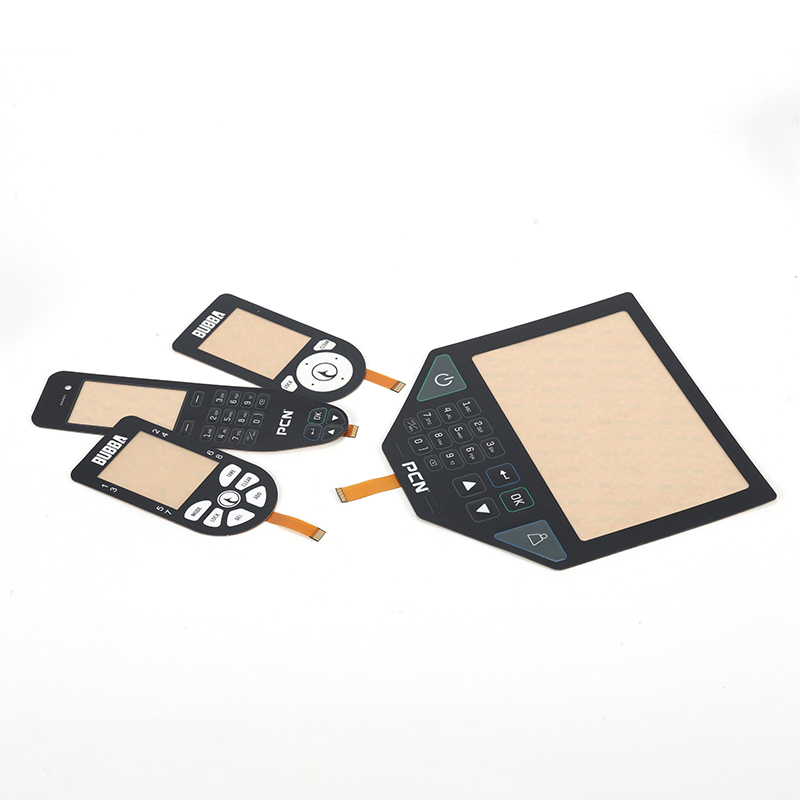
In the epicenter of modern innovation—stretching across San Jose, Santa Clara, Sunnyvale, and the greater Silicon Valley corridor—hardware engineering demands an uncompromising balance between ergonomic aesthetics, micro-mechanical longevity, and environmental ruggedization. As hardware teams accelerate design sprints for commercial robotics, autonomous infrastructure, optical lab metrology, and mission-critical medical diagnostics, the graphic overlay is no longer a simple decorative label. It is the primary physical touchpoint of the system architecture.
Serving the San Jose market requires a sophisticated understanding of Design for Manufacturability (DFM). Electronic enclosures deployed across California data centers, aerospace cleanrooms, and outdoor EV charging corridors face stringent chemical exposure, ultraviolet degradation, electrostatic discharge (ESD), and mechanical fatigue. Zhejiang ZIRA Membrane Switch Co., Ltd., founded in 1996, combines nearly three decades of precision industrial tooling with direct-factory export capacity, bridging overseas fabrication efficiency directly into Silicon Valley supply chains.
Material Selection Science: Polycarbonate (Lexan) vs. Biaxially Oriented PET (Autotex)
A critical divergence in high-reliability HMI engineering lies in the substrate chemistry selected for the front panel overlay. Through extensive laboratory thermal cycling and chemical immersion testing, our engineering group guides San Jose procurement and mechanical design teams through exact substrate matching:
| Performance Vector |
Autotex® Biaxially Oriented PET (Polyester) |
Lexan® Polycarbonate (PC) |
Optical Grade Hardcoated Acrylic (PMMA) |
| Mechanical Flexural Life |
>5,000,000 switch actuation cycles without micro-cracking |
~100,000 cycles (Prone to stress crazing under cyclic fatigue) |
Rigid only (Non-switchable display windows) |
| Chemical & Solvent Resistance |
Superior: Immune to Isopropanol (IPA), bleach, MEK, and brake fluids |
Moderate: Susceptible to aromatic hydrocarbons and harsh esters |
Excellent optical clarity, moderate chemical resilience |
| Thermal Stability Range |
-40°C to +120°C continuous operating temperature |
-30°C to +85°C heat deflection threshold |
-20°C to +75°C stable operating threshold |
| Embossing Integrity |
Excellent memory retention for rim, pillow, and polydome keys |
Sharp initial form, slight creep over extensive actuation cycles |
N/A (Machined or die-cut flat only) |
| UV Weatherability |
Exceptional with outdoor-rated UV absorbers (Autotex XE) |
Good with UV stabilizing hardcoats; yellowing if untreated |
Inherent UV stability without yellowing |
Sub-Surface Screen & Digital Hybrid Printing
To ensure lifelong graphic permanence, all graphics, legends, branding, and color calibrations are deposited on the second surface (the reverse side of the transparent protective film). This ensures that physical abrasive contact, aggressive sanitizers, or ambient UV radiation never touch the pigments directly. For rapid NPI (New Product Introduction) cycles common in San Jose startups, we deploy direct high-resolution digital flatbed printing for zero-tooling photographic prototypes. Once design freeze occurs, we transition the tooling to automated micro-registration screen printing lines utilizing Pantone Matching System (PMS) and RAL calibrated solvent or UV inks, ensuring total color uniformity across multi-thousand unit production runs.
Hermetic Sealing & NEMA 4X / IP67 Ingress Protection
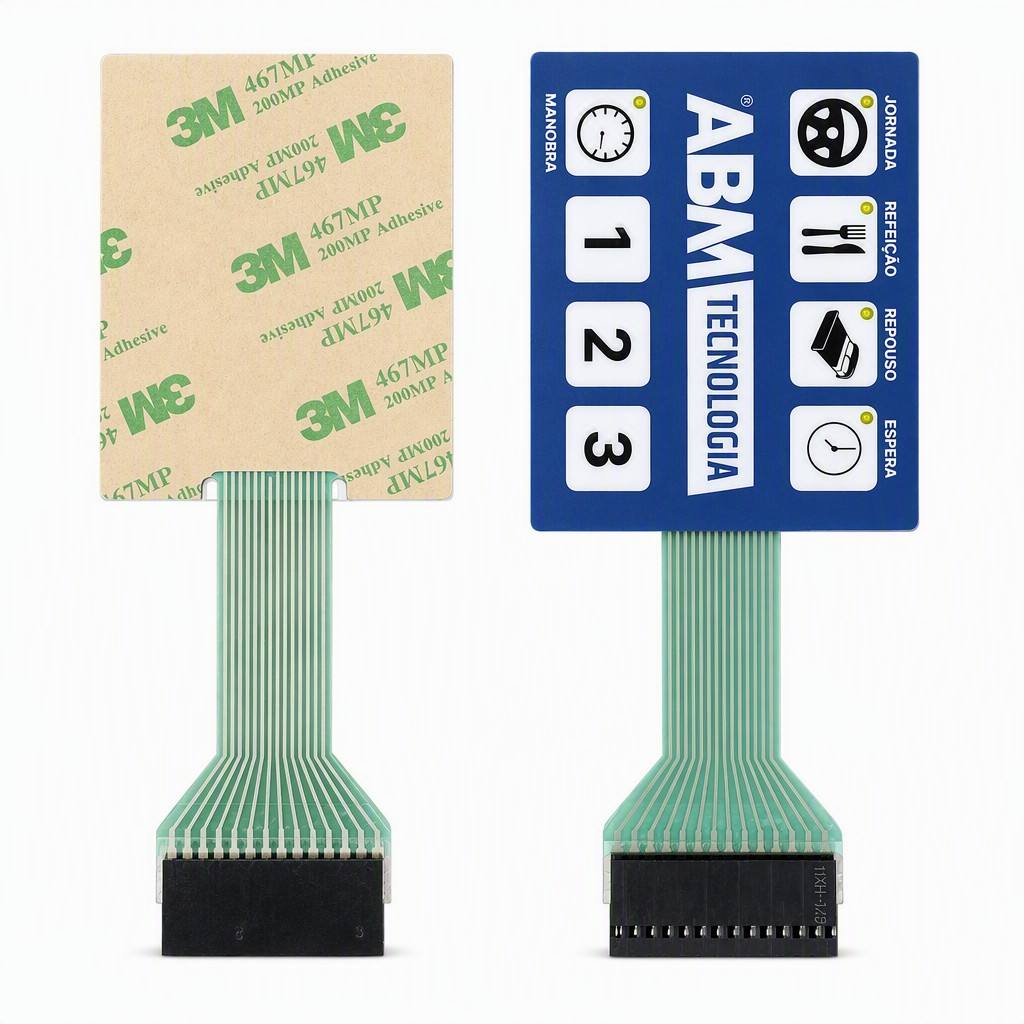
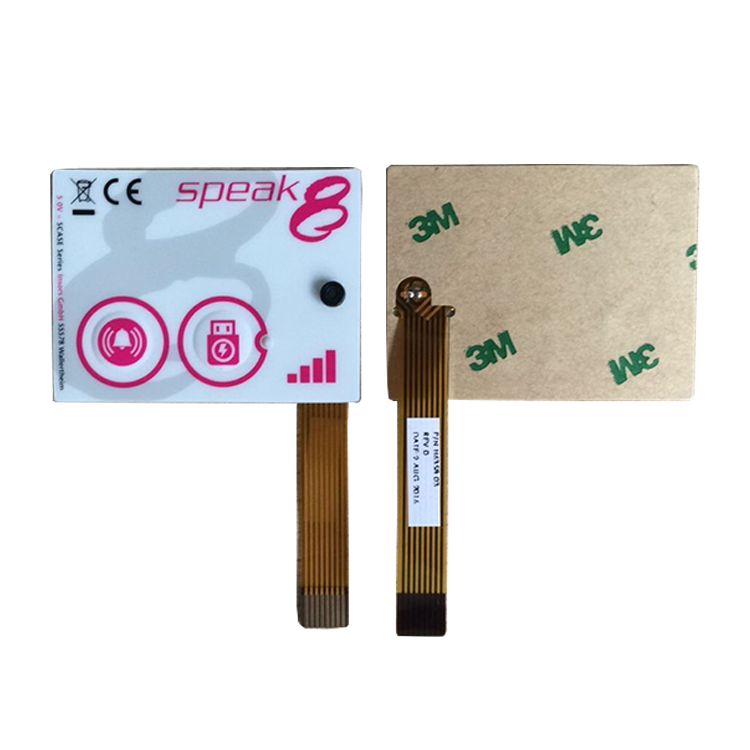
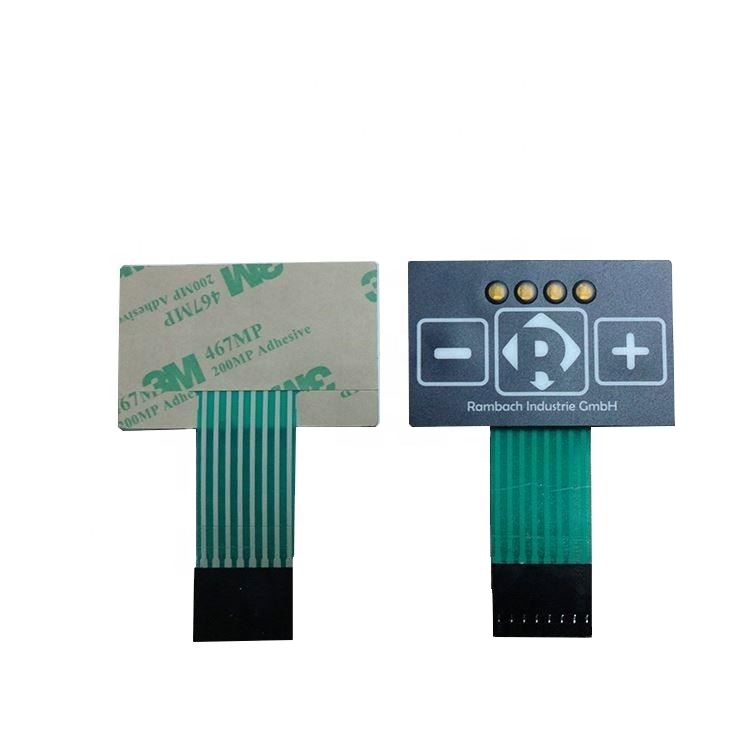
Cleanroom laboratory equipment in Cupertino, semiconductor fabrication plants in North San Jose, and ag-tech sensors deployed in Northern California valleys share a non-negotiable requirement: zero fluid or particulate ingress. We engineer complete environmental perimeter seals utilizing advanced acrylic pressure-sensitive adhesives (PSA) from 3M (such as 3M 467MP, 468MP, and the 3M 300LSE series for low-surface-energy powder-coated cast aluminum enclosures). Continuous perimeter acrylic adhesive barriers surround the cutouts and electrical traces, preventing liquids, cleaning solutions, airborne flux, and particulate contamination from compromising internal sub-assemblies.
Semiconductor Metrology & Fab Equipment
San Jose fab tooling requires zero outgassing, non-conductive dielectric front facings, and ESD dissipation. Our sub-surface printed polyester overlays resist cleanroom IPA wipe-downs and eliminate particulate shedding near wafer inspection stages.
Medical Diagnostic & Lab Metrology Consoles
Medical hardware OEM developers across Santa Clara County require antimicrobial top surfaces, selective gloss display windows for dead-front OLED readouts, and fluid-sealed keypads rated for hospital-grade glutaraldehyde sterilizers.
EV Infrastructure & Smart Energy Hubs
Commercial level-3 charging consoles and smart grid distribution terminals deployed throughout the Bay Area require robust UV stabilization (non-yellowing Autotex XE), wide thermal cycling tolerance, and IP66 ingress protection against driving rain.
Industrial Automation & Robotics Pendants
Collaborative robot teach pendants and assembly automation controllers benefit from stainless-steel tactile metal domes offering 350g snap forces, ensuring positive operator tactile feedback even through heavy industrial nitrile work gloves.
High-Density Server & Edge Hardware Faces
Silicon Valley server farms and telecommunication networking racks demand precise aesthetic faceplates featuring EMI shielding, custom dead-front indicator LEDs, and laser-precise aperture routing to align with cast bezel tolerances.
San Jose Market Trends: Shifting Paradigms in HMI Sourcing
Hardware procurement dynamics in the Bay Area have fundamentally evolved over the past thirty-six months. Engineering teams are no longer choosing between expensive domestic boutique shops and unverified overseas brokerages. Instead, procurement directors are building direct relationships with verified source factories offering comprehensive engineering support.
1. Compression of the NPI (New Product Introduction) Window
San Jose product teams operate under aggressive venture capital and commercial launch milestones. Waiting 8–10 weeks for graphic overlay tooling iterations is unacceptable. ZIRA addresses this through our rapid prototyping workflow: vector validation and DFM analysis within 24 hours, rapid digital second-surface prototyping delivered in 5–7 business days via international air express, and rapid CNC laser cutting that eliminates the upfront tooling wait for pre-production beta testing.
2. Transition from Flat Capacitive Glass to Tactile Hybrid Overlays
While touchscreens have dominated consumer electronics, high-reliability industrial and clinical operators in San Jose are pushing back against pure glass capacitive screens in mission-critical environments. False triggers caused by fluid splatter, accidental contact, or gloved hand operation present safety hazards. The prevailing trend across Silicon Valley medical and industrial hardware is the hybrid interface: a vibrant central graphical display surrounded by hermetically sealed, embossed tactile membrane switches or backlit silicone rubber keymats that provide definitive acoustic and haptic snap feedback.
3. Stringent Supply Chain Traceability and Environmental Compliance
With California’s strict environmental mandates (including Proposition 65) alongside international RoHS 3 and REACH regulations, every raw film, adhesive transfer tape, and conductive silver formulation must have verifiable chain-of-custody documentation. Every production batch at ZIRA uses certified raw stock (genuine 3M adhesives, Autotype MacDermid films, Sabic Lexan, and Acheson conductive silver inks), backed by third-party verification to satisfy internal corporate audits.
Intertek Onsite-Verified
Our facility, production equipment, cleanroom laminating bays, and quality assurance workflows have undergone rigorous physical inspection and verification by Intertek.
Complete In-House Tooling
Screen-making, film conditioning, precision embossing, die-cutting, adhesive lamination, and SMT LED assembly are performed 100% in-house under single-source accountability.
100% Electrical Verification
Every membrane switch circuit undergoes computerized continuity, loop resistance, insulation breakdown, and key travel verification before export packaging.
Tier-1 Brand Pedigree
Decades of long-term OEM/ODM manufacturing partnerships with global engineering leaders such as ABB and Emerson validate our consistency, tolerances, and build quality.
What typical lead times can our team expect for prototypes and production delivery to San Jose?
For rapid NPI prototyping, digital printed overlays and laser-cut membrane switch samples are delivered within 5 to 7 business days following drawing sign-off. High-volume screen-printed production orders typically ship in 12 to 18 business days. We partner with priority air express carriers (DHL, FedEx, UPS) offering direct 3-to-4-day customs-cleared air transit to San Jose International Airport (SJC) and San Francisco International Airport (SFO).
How does ZIRA manage DFM reviews for complex graphic overlays and circuit stack-ups?
Our senior engineering team conducts an exhaustive Design for Manufacturability review upon receipt of your CAD assets (DWG, DXF, Step, or Adobe Illustrator vector files). We analyze layer thickness stack-up, trace pitch tolerances, tactile dome actuation clearance, venting channel layout to prevent dome collapse, and tail exit strain relief. A comprehensive engineering drawing and stack-up schematic are provided for engineering sign-off prior to any tooling expense.
Can we integrate dead-front graphics and selective display window tints for OLED/LCD screens?
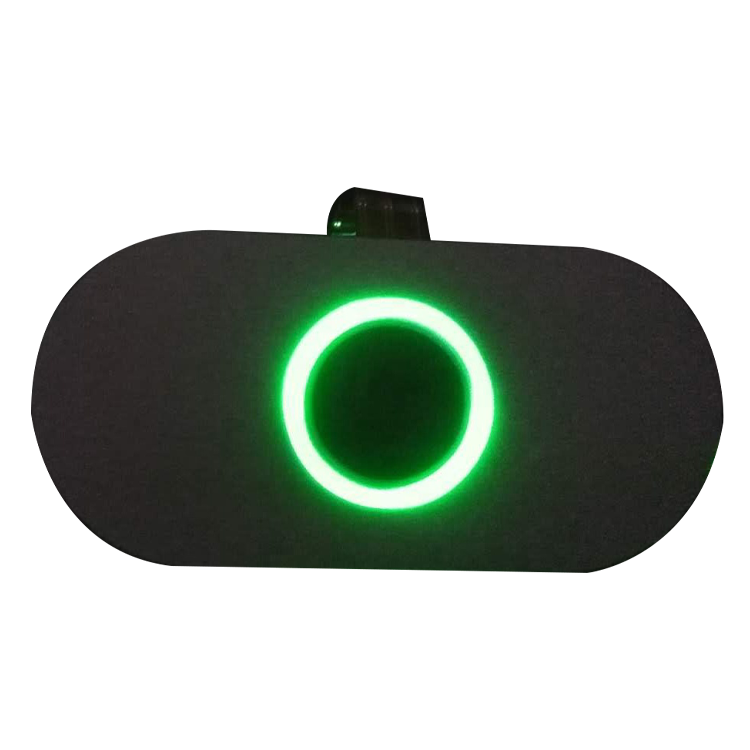
Yes. Dead-front technology allows indicator icons or operational legends to remain completely invisible until backlit by surface-mount LEDs or Light Guide Film (LGF). For active displays, we apply selective optical-clear, anti-glare, or tinted window textures to maximize readout contrast while eliminating Newton rings across Santa Clara lab instruments and industrial equipment.
What adhesive systems do you specify for die-cast aluminum or powder-coated plastic enclosures?
Adhesive failure in the field is fatal to an HMI interface. For smooth metallic surfaces, we standardize on genuine 3M 467MP high-performance acrylic adhesive. For low surface energy (LSE) substrates, textured plastics, or powder-coated cast aluminum enclosures, we integrate 3M 300LSE or 3M 200MP transfer tapes, which offer immediate high tack and resist chemical creep, thermal delamination, and humidity cycling.
What are your Minimum Order Quantity (MOQ) and sample validation policies?
Recognizing the dynamic iterative development cycles in Silicon Valley, we support prototype validation starting from 1 to 5 pieces. Standard commercial production runs typically begin at 100 pieces for custom membrane switch assemblies, while high-volume PET/PC numeric or cosmetic overlay runs can scale to tens of thousands of units with substantial economies of scale.
How do you ensure ESD and EMI shielding in noisy electronic environments?
We integrate continuous sub-surface shielding layers, including printed conductive carbon grids, solid aluminum foil laminates, or copper mesh layers routed directly to the ground pin of the flexible tail connector. This structure effectively shunts electrostatic discharges up to 15kV away from sensitive host PCB microcontrollers.