ESD Shielded
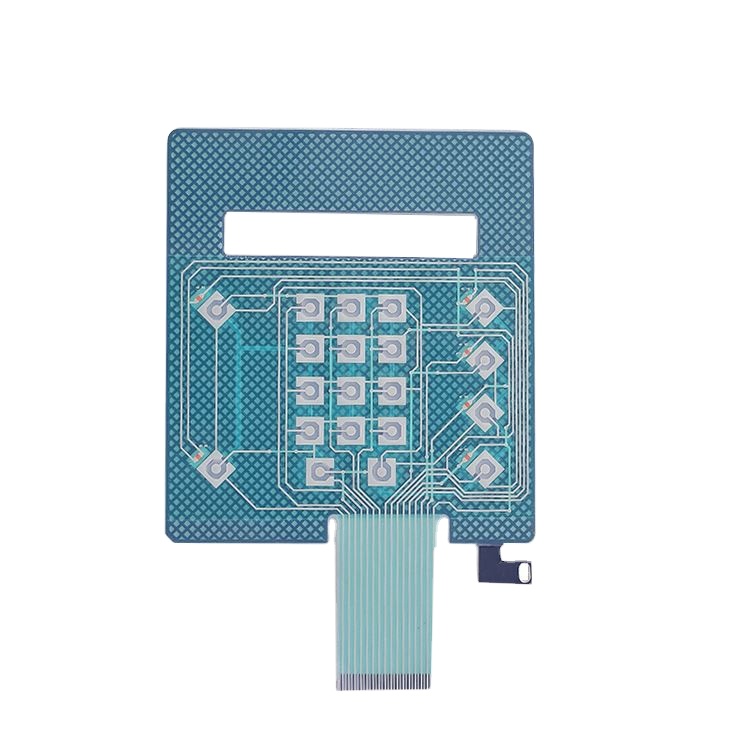
Precision-manufactured in Ningbo, China to strict ISO9001 and clinical sanitization standards. Specifically formulated with high-tensile Autotex PET, micro-textured Lexan PC, and 3M medical-grade adhesives to endure tropical humidity, hospital autoclaves, and aggressive disinfectant protocols.
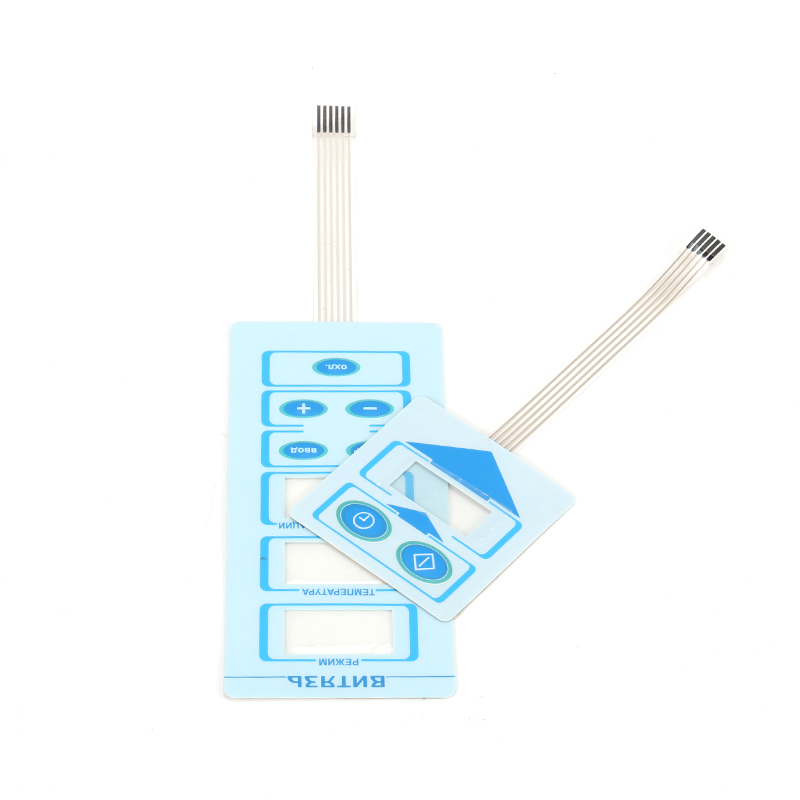
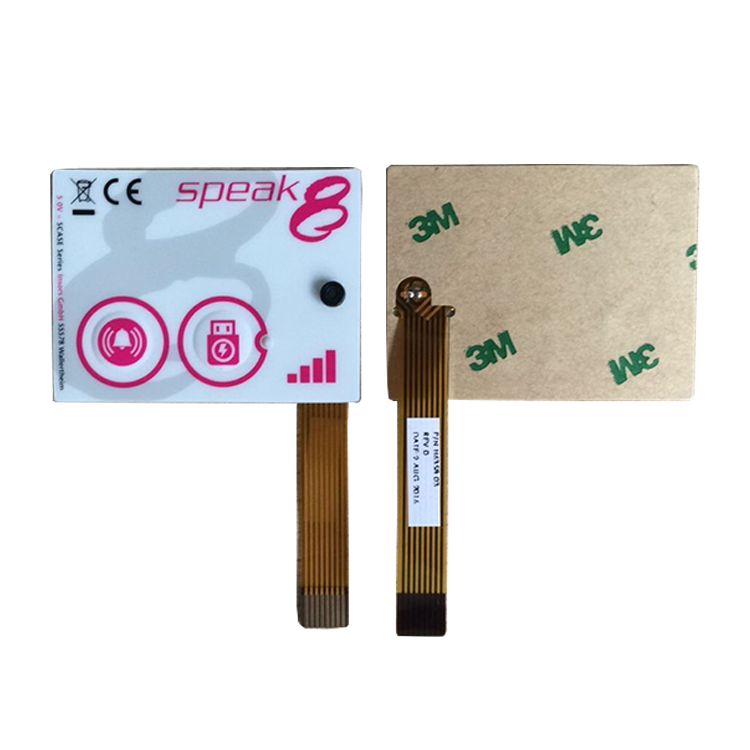
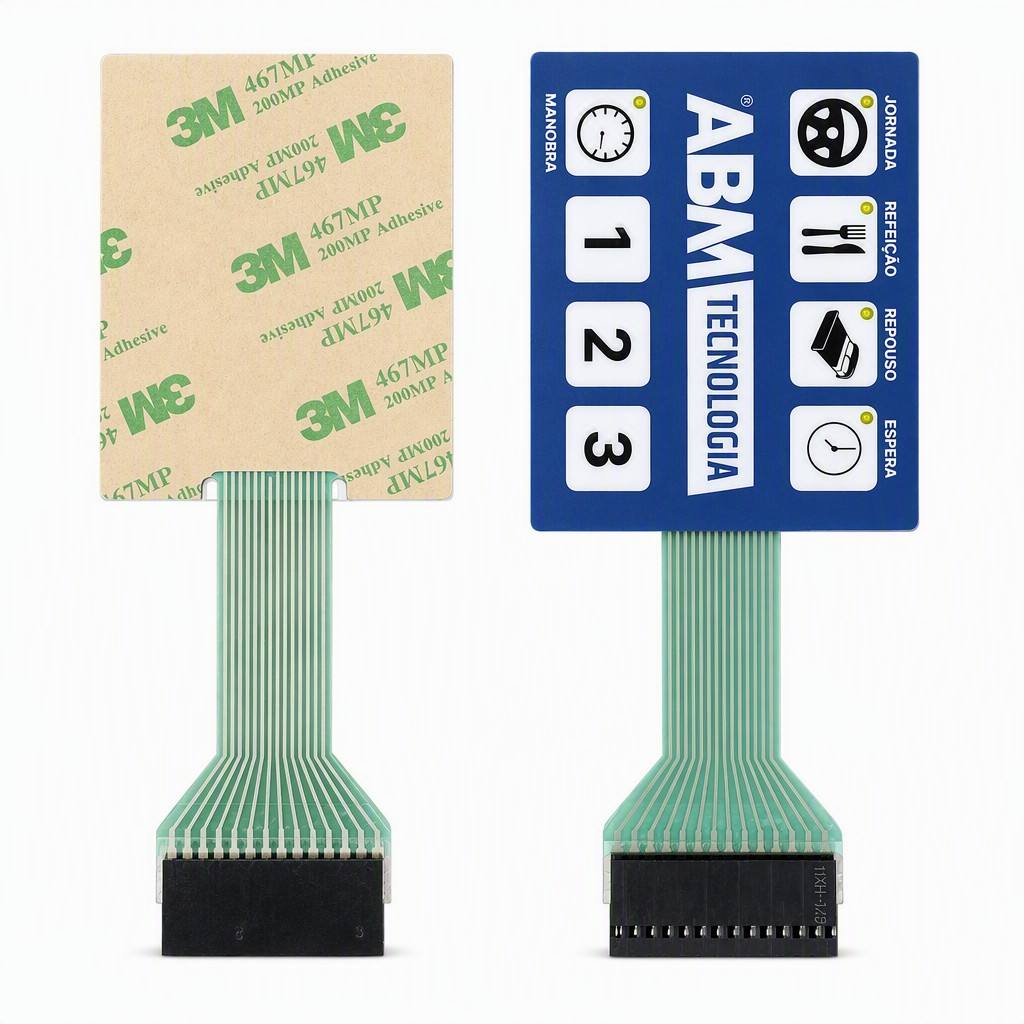
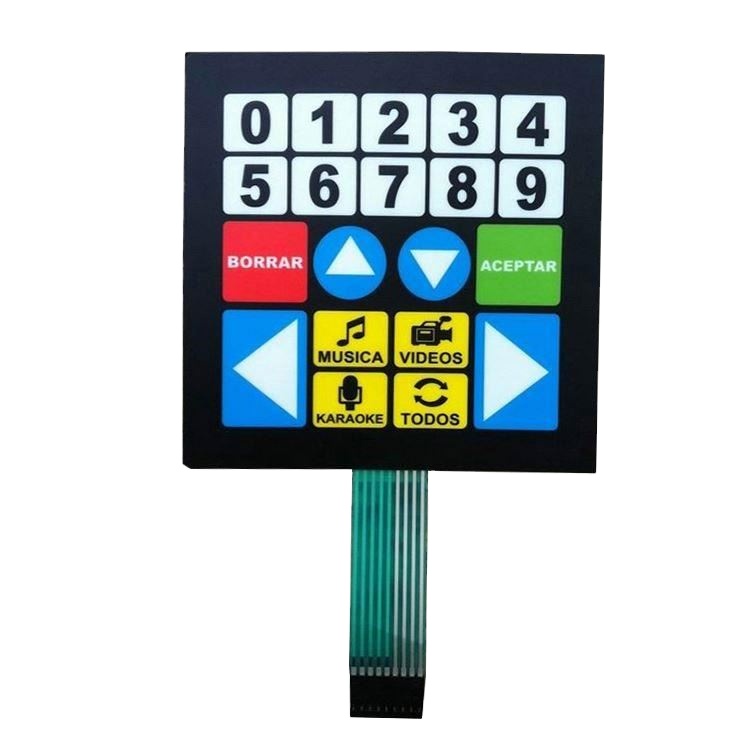
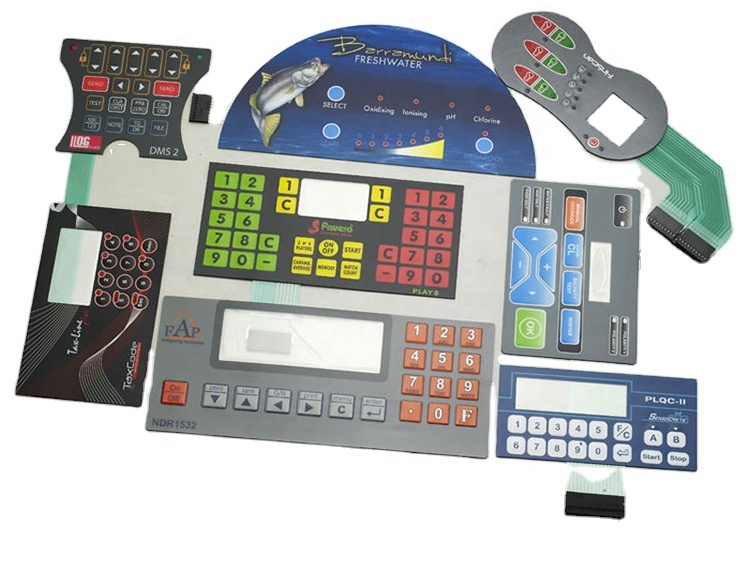
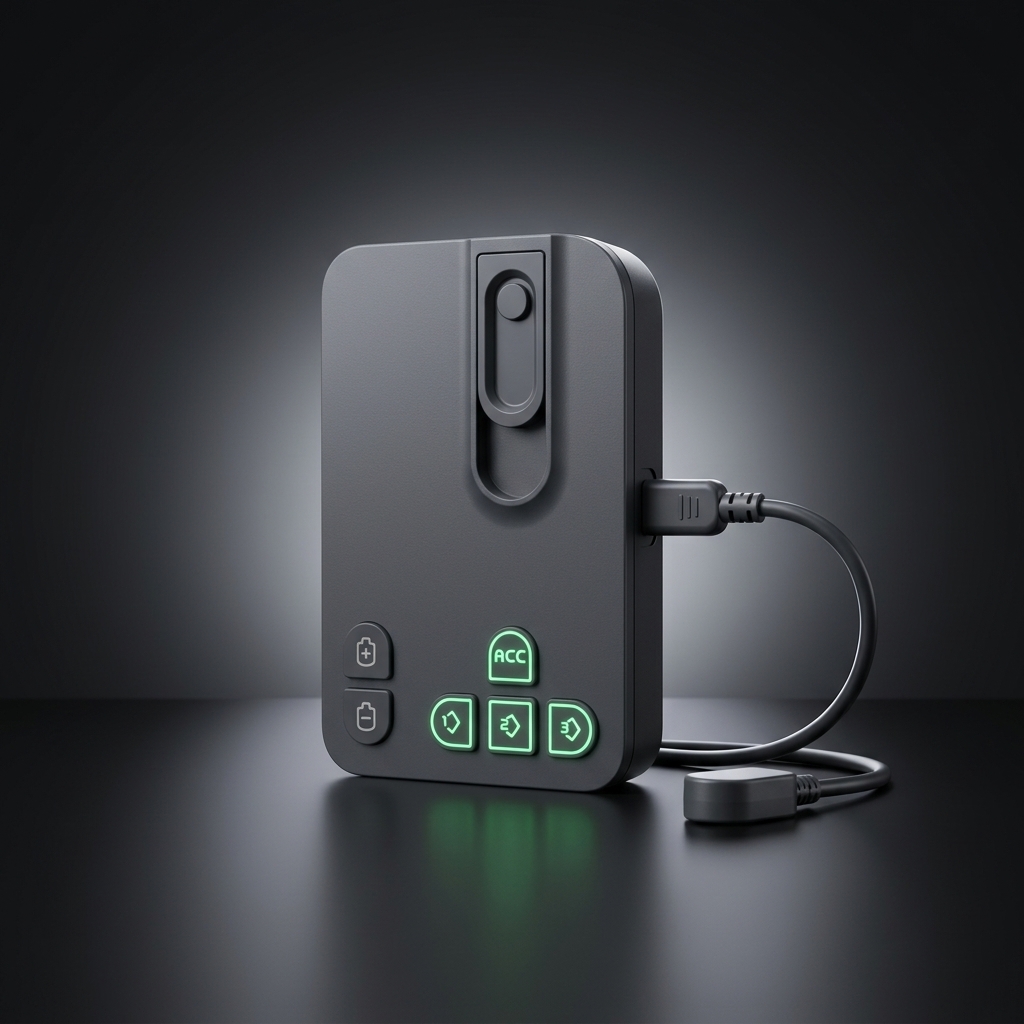
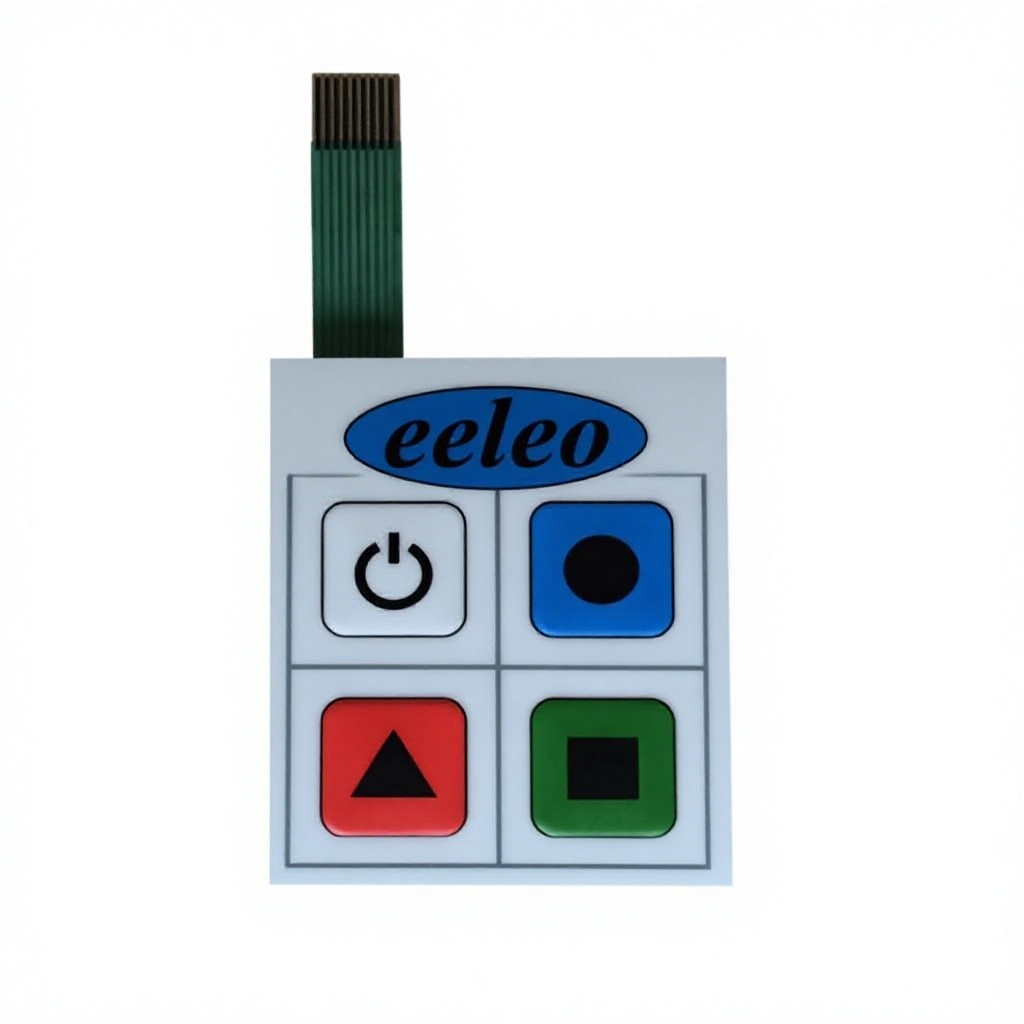
In biomedical equipment engineering, the physical front interface—the medical graphic overlay and membrane switch keypad—serves as the primary defensive barrier separating delicate electronic microcontrollers from aggressive environmental vectors. In Grenada, healthcare facilities such as St. George's General Hospital, Princess Alice Hospital in Saint Andrew, and Princess Royal Hospital on the sister island of Carriacou contend with an extraordinarily challenging combination of microclimates: persistent ambient relative humidity frequently exceeding 80–90%, airborne oceanic chloride aerosols (saline-fog), high tropical ultraviolet index levels, and relentless sterilization regimens.
Standard commercial-grade Polycarbonate (PC) graphic overlays, while optically clear and initially cost-effective, suffer rapid degradation under these circumstances. When exposed repeatedly to aggressive quaternary ammonium hospital disinfectants, 70% isopropyl alcohol, peracetic acid, or sodium hypochlorite (bleach), standard polycarbonate experiences polymer chain scission, resulting in micro-crazing, hazing of LCD inspection windows, and eventual embrittlement around tactile button perimeter flexures. Furthermore, warm humid environments accelerate atmospheric moisture vapor transmission through non-sealed perimeter edges, triggering catastrophic electromigration of silver traces across circuit layers, producing short circuits and phantom switch triggering.
To eliminate these field failures, Zhejiang ZIRA Membrane Switch Co., Ltd. incorporates biaxially oriented Autotex XE and Autotex Steel PET (polyethylene terephthalate) films. These substrates undergo a specialized texturing and chemical-grafting process that renders the outer interface completely inert to standard medical sterilizing compounds (ISO 22196 tested for antimicrobial efficacy). Furthermore, by engineering continuous perimeter hermetic barrier rings bonded with 3M 300LSE or VHB solvent-resistant acrylic adhesives, our assemblies achieve complete IP67 and IP68 liquid isolation, preventing the ingress of bodily fluids, cleaning splashes, and humid saline air into internal switch contacts.
A precision medical graphic overlay is not merely a printed sheet of plastic; it is a multi-layered, micrometer-calibrated electromechanical assembly. A standard six-layer ZIRA medical assembly consists of the following precisely laminated components:
1. Surface Overlay Film: Premium Autotex PET (150µm to 200µm) sub-surface printed via reverse screen printing. The graphics, alphanumeric indicators, and company branding are printed on the rear side of the transparent film, meaning mechanical friction from user fingers, fingernails, or cleaning sponges never comes into direct physical contact with the pigmented inks.
2. Top Mechanical Spacer & Adhesive: High shear strength 3M acrylic adhesive with precision laser-cut chambers venting tactile snap domes. In medical settings, anti-microbial seal venting is routed internally into dry cable conduits rather than venting to external ambient air, stopping humidity aspiration during button depression.
3. Tactile Feedback Actuators: Ultra-reliable, gold or nickel-plated stainless steel metal domes (typically four-leg oblong or round, 8.4mm to 12.2mm diameter). Domes are configured for tactile actuation forces ranging between 220g and 350g, offering a crisp tactile snap ratio (40–60%) that gives surgeons and clinical nurses tactile confirmation even through thick nitrile or surgical latex gloves.
4. Circuitry Layer: Heat-stabilized polyester film printed with high-conductivity DuPont silver conductive inks, overprinted with conductive carbon contacts at switch intersections to prevent silver migration and oxidation under electrical load.
5. Electrostatic Discharge (ESD) Shield Layer: Integrated continuous solid aluminum or grid-patterned carbon foil layer positioned immediately below the graphic overlay, connected directly to ground. This layer shunts dangerous high-voltage static shocks (up to 15kV ASTM F1812 rating)—common in air-conditioned hospital wards—safely away from sensitive internal microcontrollers and FPGA processing boards.
6. Rear Mounting Adhesive: 3M 300LSE adhesive system engineered specifically to bond tenaciously to low surface energy (LSE) medical enclosures, including powder-coated steel, cast aluminum chassis, ABS, polycarbonate, or polypropylene housings.
When procurement managers and biomedical engineers in Grenada specify human-machine interfaces, choosing between Polyester, Polycarbonate, and Silicone Rubber hybrids determines long-term MTBF (Mean Time Between Failures). The following comparison chart outlines physical tolerances:
| Engineering Property | Medical-Grade PET (Autotex XE) | Optical Polycarbonate (Lexan) | Molded Silicone Rubber Hybrid |
|---|---|---|---|
| Chemical Resistance (Bleach/IPA) | Superior Zero micro-crazing at 24h exposure | Moderate Prone to clouding over time | High Impervious to water; requires PU coat |
| Switch Flexural Fatigue Life | >5,000,000 cycles (Embossed dome) | ~100,000 cycles before hinge failure | >3,000,000 cycles (Elastomer travel) |
| Tropical Saline Mist Ingress | Complete hermetic perimeter seal (IP67) | Requires supplemental perimeter gasket | Integral wrap-around compression bezel |
| Gloved Tactile Snap Ratio | 45% – 60% with stainless steel dome | 30% – 45% (Soft tactile profile) | Smooth linear stroke (1.0mm - 2.5mm travel) |
| ESD Breakdown Withstand | Up to 15kV with solid ground foil | Up to 12kV with printed mesh | >20kV inherently non-conductive keymat |
| LCD Inspection Window Clarity | Selective UV-cured gloss window (>91%) | High water-clear transmission (>92%) | Translucent silicone or molded lens insert |
From primary referral hospitals in St. George's to remote parish healthcare stations, custom graphic overlays and membrane keypads perform indispensable operational roles across vital medical equipment categories.
Integrated into multiparameter vital signs monitors, bedside ECG consoles, and syringe pumps at acute care facilities like St. George's General Hospital. Smooth, flat, and embossed button profiles allow zero crevices for blood or bacterial pooling, facilitating rapid 30-second wipe-down sterilization between patient changeovers.
Utilized on clinical centrifuges, automated hematology analyzers, and blood bank storage monitors. Embedded clear optical display windows with selective tinting protect internal OLED/LCD displays from scratching while maintaining extreme photometric clarity under fluorescent laboratory lighting.
Front-panel controllers for surgical steam sterilizers, ultrasonic instrument baths, and dental autoclaves. Designed to resist localized high-temperature steam plumes, heat conductivity, and condensed moisture without delaminating or deforming the polyester switch matrix.
Installed on rugged emergency defibrillators, portable aspirators, and telemetry units deployed across rural health centers in Gouyave, Victoria, Sauteurs, and Grenville, as well as marine paramedic boats servicing Carriacou and Petite Martinique. Resilient against extreme vibration, mechanical drops, and marine salt air.
Healthcare infrastructure across the Caribbean is transitioning toward localized resilience, standardized biomedical refurbishment, and direct factory partnerships to curtail high third-party markups.
Caribbean hospital infection control committees are actively decertifying older medical apparatus featuring protruding mechanical pushbuttons. These legacy switches feature mechanical gaps where pathogens, sweat, and spilled saline accumulate into unsterilizable reservoirs. The standard is rapidly shifting to unbroken, planar membrane overlays that present an absolute barrier against cross-contamination (meeting stringent PAHO/WHO infection mitigation recommendations).
Importing brand-new clinical systems to island nations carries substantial freight overhead and prolonged customs delays. Biomedical engineering departments and independent medical maintenance contractors in Grenada are increasingly adopting reverse-engineering strategies: replacing worn, cracked, or unresponsive front panel overlays on imported dialysis units, incubators, and monitor consoles with custom-fabricated, drop-in replacement PET switch panels from China factories.
Historically, Caribbean procurement teams ordered replacement assemblies through North American medical distributors at significant markups. Today, biomedical purchasing officers in Grenada bypass middlemen by establishing direct OEM/ODM supply agreements with verified factories like ZIRA in Ningbo, China. This transition unlocks custom DFM engineering, rapid rapid-prototype sampling from 1 piece, and production unit savings exceeding 40%–60%.
Headquartered in Ningbo, Zhejiang, ZIRA has stood as a benchmark HMI manufacturer since 1996, delivering certified reliability to world leaders including ABB and Emerson.
Our 3,000–5,000 m² cleanroom workshop handles all critical processes in-house: high-precision automated screen printing, CNC laser cutting, mechanical embossing, pin crimping, and cleanroom lamination.
Our manufacturing capacity, legal registration, trade history, and stringent QC systems have been inspected and validated onsite by Intertek, providing Caribbean purchasers with verified peace of mind.
Every single membrane switch undergoes computerized 100% electrical testing for open circuits, short circuits, trace contact resistance (<100Ω), loop resistance, contact bounce, and insulation resistance (>100MΩ at 100V DC).
We welcome low MOQs (prototypes from 1 piece; production from 100 pieces). Full support for DDP, CIF, FOB, or express door-to-door courier directly to Maurice Bishop International Airport or the Port of St. George.
Key technical, regulatory, and logistics answers compiled by ZIRA's engineering team to guide hospital administrators, distributors, and device manufacturers in the Caribbean region.
We deploy a dual-defense architecture: first, we specify stabilized Autotex XE PET film that does not absorb moisture or oxidize. Second, we engineer a continuous perimeter seal using solvent-resistant 3M 300LSE adhesive gaskets, completely enclosing the silver conductive circuit and metal domes in an airtight envelope. External vents are eliminated or internally routed via the connection tail to prevent moist coastal air from entering during switch actuation.
Yes. If you have an out-of-production medical device, autoclave, or diagnostic console with a damaged keypad, you can simply ship a physical sample (even a non-functioning or torn one) or a dimensioned scan with pin-out schematics to our engineering center in Ningbo. Our R&D team will trace the circuit matrix, calibrate the button embossing dies, recreate color-matched artwork according to Pantone/RAL, and deliver working prototypes for validation.
For custom prototype samples, our turnaround is typically 7 to 10 working days following engineering drawing sign-off. Bulk production orders (100 to 5,000+ units) complete manufacturing within 15 to 20 days. Shipments to Grenada are dispatched via express air courier (DHL, FedEx, UPS) directly to Maurice Bishop International Airport (GND) within 5–7 transit days, or via consolidated ocean freight to the Port of St. George for larger enclosures.
Absolutely. Our medical graphic overlays are rigorously tested against all primary healthcare chemical agents: 70% to 99% Isopropyl Alcohol (IPA), Quaternary Ammonium formulations (such as CaviCide and Virex), Sodium Hypochlorite (standard commercial bleach dilutions), Hydrogen Peroxide solutions, and Mild Glutaraldehyde. The reverse-printing process ensures chemicals never encounter the print inks directly, preventing hazing or fading.
We accept mechanical layout drawings in DXF, DWG, STEP, or PDF format, along with graphic artwork files in Adobe Illustrator (.AI), vector EPS, or CorelDraw (.CDR). Key engineering specifications to include are tail length, pin pitch (1.0mm, 1.27mm, 2.54mm), connector housing type (FCI, Nicomatic, ZIF), tactile force requirements, and any specific window tinting or LED indicator requirements.
We recognize the specialized volume requirements of island healthcare networks: engineering prototype runs can be initiated from just 1 piece, while standard volume production begins at 100 pieces. We support secure international payment options including wire transfer (T/T), Letter of Credit (L/C), Western Union, and accepted trade platforms in USD, EUR, or CNY under flexible Incoterms including EXW, FOB, CIF, and DDP.
Whether you are engineering a next-generation diagnostic device for the Caribbean health sector, upgrading legacy front panels for local clinics in Grenada, or sourcing dependable wholesale OEM/ODM manufacturing directly from China—our senior HMI application engineers are prepared to review your project schematics.
