Precision Industrial Membrane Keypads & Interface Assemblies
Direct-from-factory custom membrane switches, graphic overlays, and hybrid silicone-elastomer control panels. Engineered to withstand high coastal humidity, extreme UV indexes, aggressive chemical washdowns, and continuous industrial cycling.
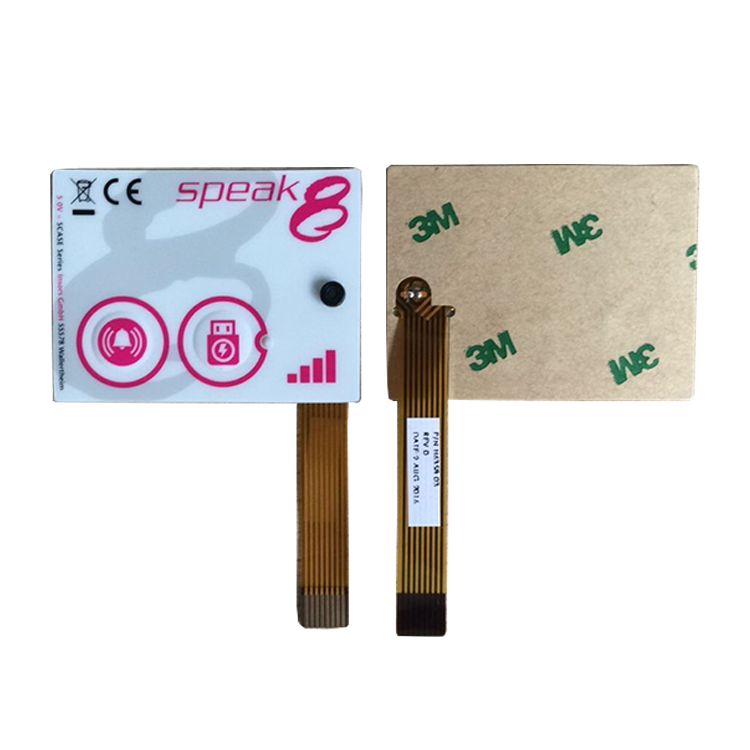
Custom Silk Screen Flexible Membrane Switch Keypad for Medical Equipment
- Autotex PET Anti-Microbial Surface
- Precision Fine-Pitch Flexible Tail
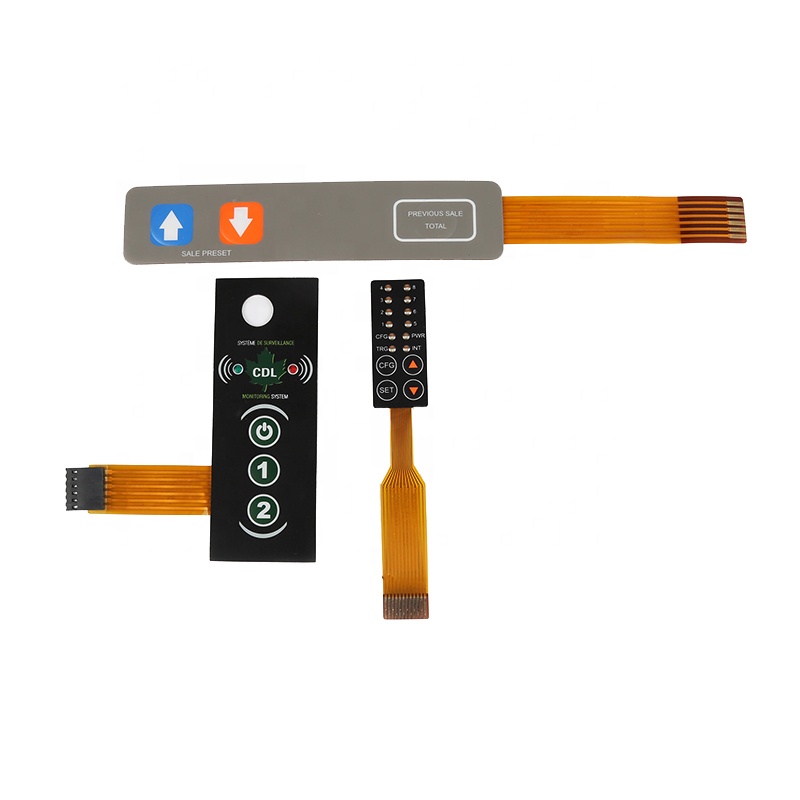
Waterproof Capacitive Touch Membrane Switch Customizable Texture
- Hermetic Gas-Tight Perimeter Barrier
- Capacitive ITO Solid-State Sensing
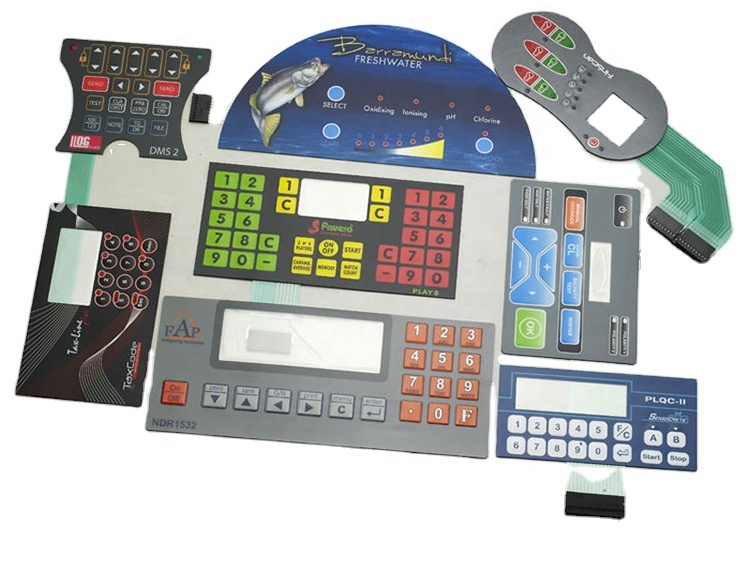
Custom Membrane Keyboards LED Backlit Membrane Switch Quick Sampling
- Surface-Mount High-CRI LED Nodes
- Laser-Etched Selective Backlit Keys
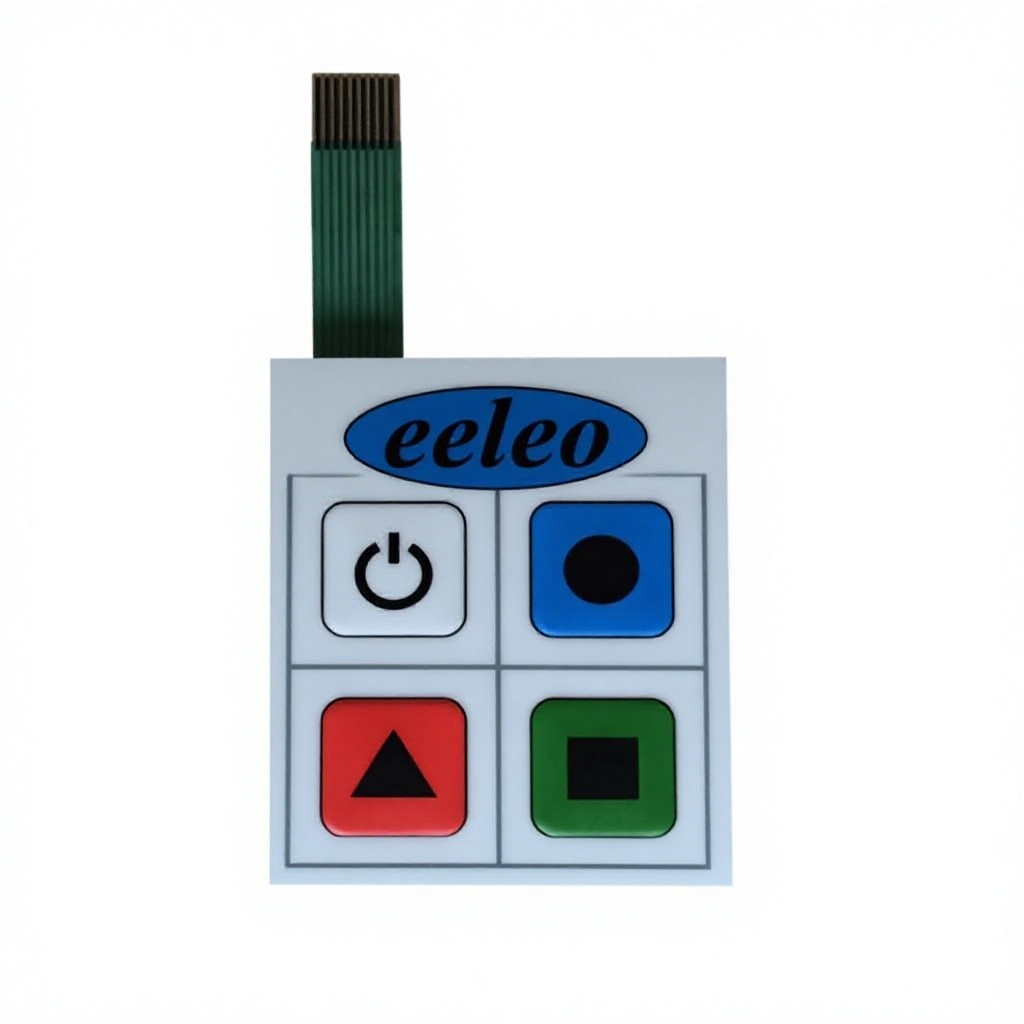
OEM ODM Membrane Switch Home Appliance Control Panel PET Graphic Overlay
- Multi-Pass Sub-Surface Screen Print
- 3M 467MP / 468MP Heavy Adhesive
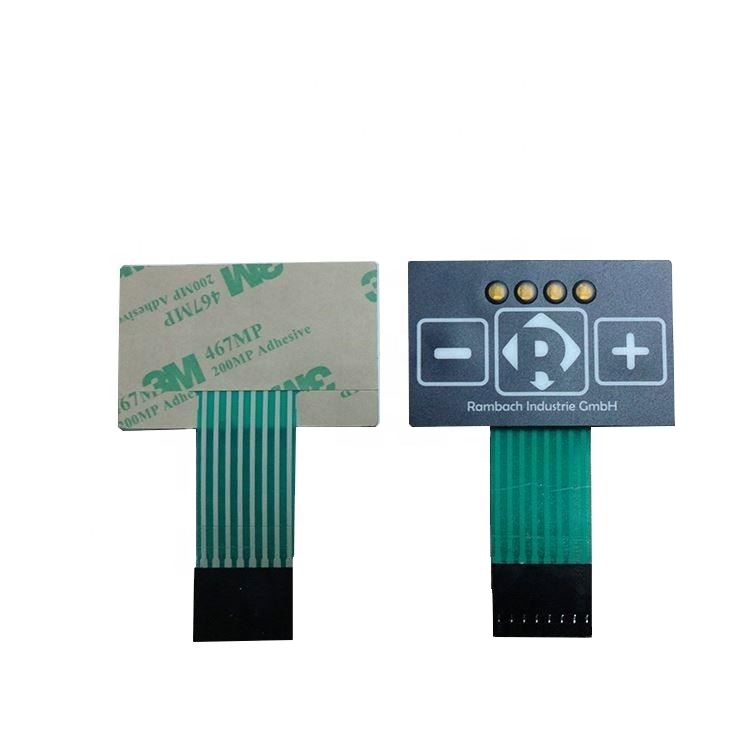
Thin Film Illuminated Panel LGF / LED Backlight Membrane Switch
- Ultra-Thin Light Guide Film Diffuser
- Low Power Uniform Edge Incoupling
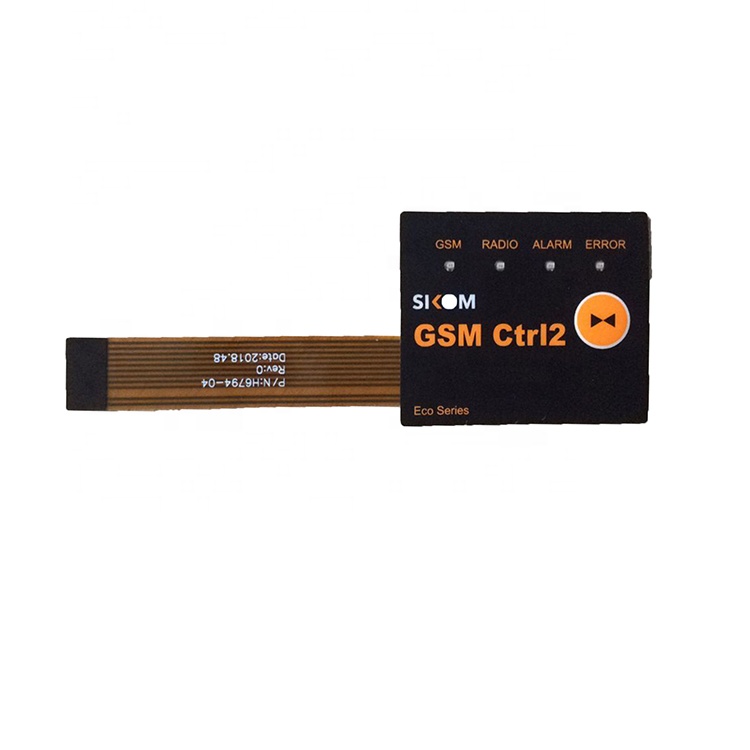
RoHS Compliant Industrial Membrane Push Button Switch Tactile Keypad
- Nickel-Plated Crisp Tactile Domes
- >1,000,000 Cycles Actuation Life
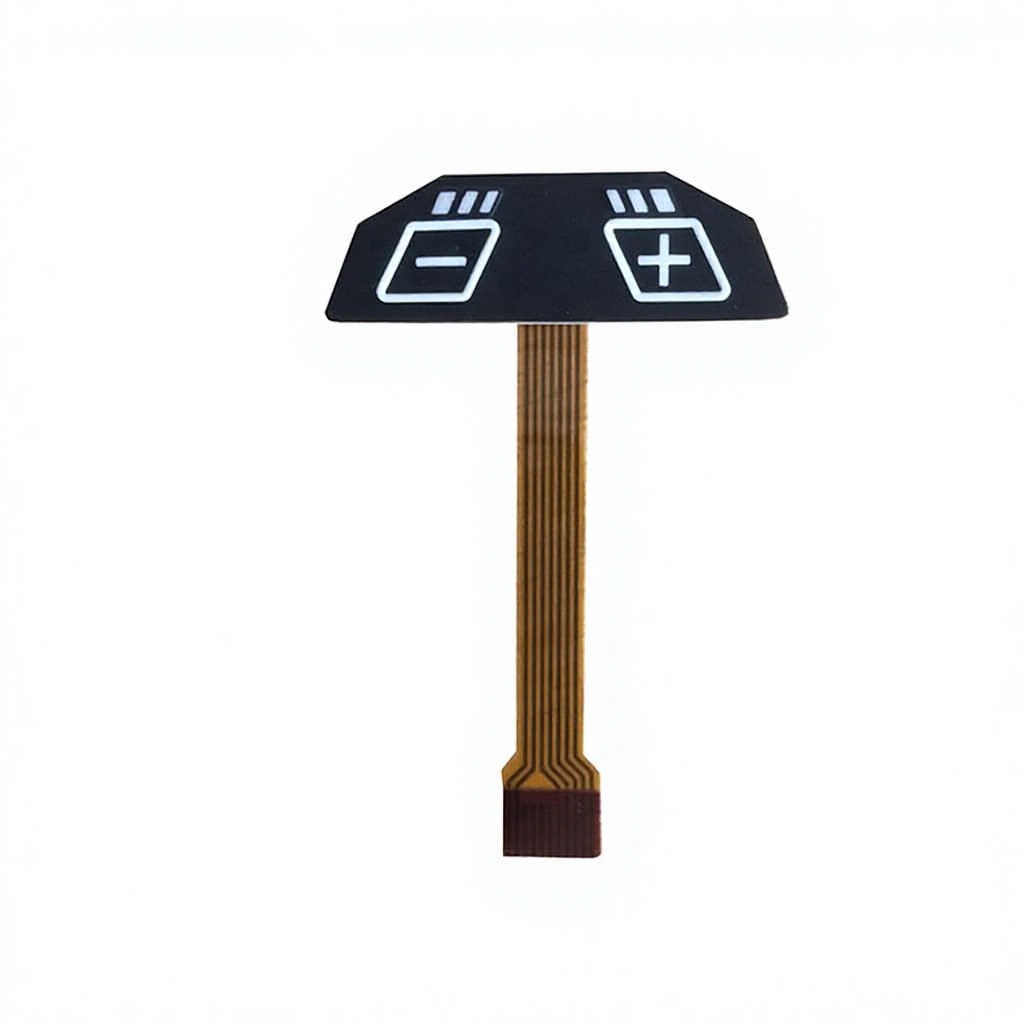
Multi-Layer Printed Silver Circuit Wholesale Graphic Overlay Keypad
- Conductive Carbon Bridge Coating
- High Dielectric Cross-Over Insulation
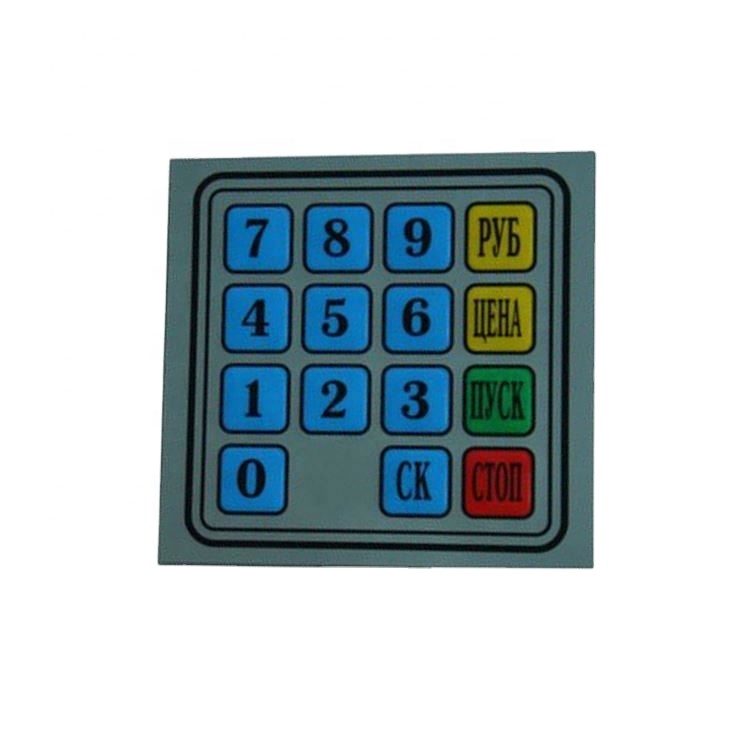
Industrial Membrane Switch Keypad with Compression-Molded Rubber Buttons
- High Travel Cushioned Ergonomics
- Heavy Glove Industrial Operation
Application Scenarios Across Tauranga's Core Sectors
Tauranga hosts New Zealand's premier container port, a dense cluster of post-harvest agritech innovators, and world-class dairy, pulp, and marine engineering complexes. Our custom membrane keyboards are purpose-built to eliminate interface failures across these demanding operational environments.
Port of Tauranga Maritime Logistics & Cranes
Sulphur Point and Mount Maunganui stevedoring machinery, gantry cranes, container spreaders, and weighbridges operate 24/7 in saturated oceanic salt fog. Our membrane switches feature 3M 300LSE adhesive perimeter hermetic barriers that block saline-induced electrolytic corrosion and trace cross-talk.
Kiwifruit & Avocado Post-Harvest Automation
From Te Puke packhouses to Tauriko automated packaging hubs, optical sorters and palletizing robotics run at high mechanical cycles in cold-storage environments (0°C to 4°C). We utilize premium Autotex XE polyester films that prevent embrittlement, flexing fatigue, and condensation failure during thermal cycling.
Pulp, Paper & Heavy Timber Sawmills
Processing facilities throughout the Bay of Plenty corridor experience extreme airborne particulate density (wood fiber, resin mist, chemical bleaching agents) and violent mechanical shocks. Our metal-dome membrane keypads offer dust-impermeable IP66 ingress protection with rigid FR-4 backing.
Hygienic Dairy & Food Grade Washdown HMI
Supplying regional processing plants linking Waikato and Bay of Plenty with CIP sanitization regimes. Smooth, embossed-rim graphic overlays eliminate bacterial harbor points and withstand daily caustic cleanings with sodium hydroxide (NaOH), nitric acid, and boiling water flushes.
Mitigating Coastal Degradation: Material Selection Criteria for Tauranga OEM Designers
Designing human-machine interfaces for installation in Tauranga presents a dual-front degradation challenge: extreme solar ultraviolet (UV) radiation combined with maritime salt-spray aerosolization. New Zealand experiences peak solar UV index levels exceeding 12 during summer months due to ozone depletion characteristics and high atmospheric clarity. When standard Polycarbonate (PC) graphic overlays are specified, photo-oxidative degradation accelerates rapidly—yielding micro-cracking, yellowing, tactile dome stiffness, and window clouding within 18 months of outdoor exposure.
To ensure an operational lifecycle exceeding 10 years, our engineering department specifies biaxially oriented polyethylene terephthalate (PET) films—specifically MacDermid Autotype Autotex XE. This specialized outdoor-grade film integrates an inorganic UV-absorber system within its hardcoat matrix, resisting yellowing and maintaining flexibility under rigorous ASTM G154 cyclic accelerated weathering testing. Furthermore, in seaside environments like Sulphur Point and Mount Maunganui, relative humidity routinely surges past 85%. Conventional membrane circuitry with printed conductive silver inks can suffer from catastrophic silver electromigration (dendrite dendritic growth across conductive tracks under DC electrical potential), creating permanent short-circuits.
To prevent silver electromigration, our factory implements a two-fold engineering defense: First, every conductive silver circuit trace is 100% encapsulated with a continuous, low-resistance carbon conductive overcoat, forming an impermeable physical barrier against humidity and microscopic ionic contaminants. Second, for mission-critical marine instrumentation and port automation hardware, we engineer full Flexible Printed Circuits (FPC) with rolled-annealed polyimide copper traces or rigid FR-4 printed circuit boards with immersion gold (ENIG) plating, guaranteeing zero ionic migration and infinite contact life.
HMI Architecture Selection Matrix for New Zealand Industrial Environments
Compare mechanical, chemical, and electrical performance across primary front-panel technologies.
| Engineering Parameter | Autotex XE PET Membrane | Industrial Polycarbonate (PC) | Silicone Keymat over FPC/PCB | Solid-State Capacitive ITO |
|---|---|---|---|---|
| UV Resistance (NZ Sun Exposure) | Exceptional (>10 Years Outdoor) | Poor (Yellows/embrittles in 12-24 mo) | High (UV-Stabilized Silicone) | Superior (Glass or UV-PET Top Layer) |
| Maritime Salt Spray & Moisture (IP) | IP67 with 3M 300LSE Seal | IP65 (Degrades with edge lift) | IP68 (Molded perimeter seal) | Hermetic IP69K (Full Solid Core) |
| Tactile Force & Operator Feedback | 280g–450g Crisp Snap (Metal Dome) | 220g–350g Snap or Non-Tactile | 120g–250g Deep Travel Cushioned | Zero Travel (Haptic / Acoustic Feedback) |
| Heavy Work Glove Compatibility | High (Embossed Rims + High Click) | Medium (Flat surfaces difficult) | Highest (High-profile 3D keys) | Requires Tuned High-Sens Controller |
| Chemical & Washdown Resiliency | Alcohols, Bleach, Mild Acids, Oils | Attacked by Esters & Ketones | High Chemical Stability | Immune to Liquid Chemical Detergents |
| Tooling Cost & Prototyping Lead Time | Very Low (5–7 Days for Samples) | Very Low (5–7 Days for Samples) | Medium (Steel Tooling 15–20 Days) | Moderate (Firmware Tuning + ITO Etch) |
Technological Trends Transforming Tauranga's OEM Hardware
As Bay of Plenty manufacturers pivot towards Industry 4.0, smart horticultural packing, and automated port logistics, HMI requirements are shifting from legacy mechanical panels to integrated, intelligent, and ruggedized electronic subsystems.
Integrated SMD Intelligence & FPC Convergence
Tauranga electronics engineers are moving away from passive switches connected via long wire harnesses to high-density FPC (Flexible Printed Circuit) and rigid-flex assemblies. Our factory integrates surface-mount bi-color LEDs, photo-sensors, resistors, and integrated driver ICs directly onto the flex tail, drastically reducing enclosure depth and lowering assembly labor costs during domestic New Zealand production.
Light Guide Film (LGF) & Dead-Front Lighting
Modern marine navigation control units and high-speed fruit sorting consoles require intuitive, distraction-free lighting. By utilizing sub-millimeter Light Guide Films (LGF) illuminated by high-efficiency side-fire micro-LEDs, we achieve perfectly uniform illumination of discrete legends without hot-spotting, combined with "dead-front" graphics that remain invisible until illuminated.
Antimicrobial & Chemical Sanitizer Resistance
With increasing biosecurity and hygiene standards in export horticultural and dairy logistics, control panels must endure continuous wipedowns with chlorine dioxide, quaternary ammonium, and aggressive chemical sterilants. We incorporate silver-ion anti-microbial coatings and inert texturing that preserve legend legibility and prevent microscopic fungal proliferation in high-humidity facilities.
Factory Verification, Quality Assurance & Engineering DFM
Zhejiang ZIRA Membrane Switch Co., Ltd. brings 29 years of specialized human-machine interface manufacturing directly to the Australasian engineering community. Discover the quality management foundations verified by global audit authorities.
29 Years Dedicated OEM/ODM Manufacturing
Established in 1996 in Changhe Industrial Park, Ningbo, our facility houses 3,000–5,000 square meters of precision manufacturing space. With over 25 years of tier-supplier experience delivering critical assemblies to industrial giants like ABB and Emerson, we offer established production stability.
Intertek Onsite-Verified Supplier
Our cleanroom facilities, environmental management systems, employee safety standards, and QA testing protocols are independently inspected and verified onsite by Intertek. Buyers in New Zealand receive full traceability, transparent corporate documentation, and certified compliance.
Complete In-House DFM Engineering Support
Every drawing sent by your engineering team undergoes thorough Design for Manufacturability (DFM) review: we evaluate trace resistance, calculate tactile snap ratios, model thermal expansion differences, and confirm tail pinout terminations prior to hard tooling, eliminating revision delays.
100% Comprehensive Electrical Testing
Defects are intercepted at origin. Every circuit run passes computerized continuity, loop resistance, insulation breakdown (>100MΩ at 100V DC), and switch contact chatter testing. Finished units undergo optical coordinate measurement (CMM) and manual cosmetic checks.
Rapid Prototyping (Samples from 1 Pc)
Avoid rigid domestic tooling costs. We offer rapid laser-cut and digital flatbed print prototyping starting from just 1 unit for initial R&D fit, form, and firmware verification. Transition smoothly to volume hard-tooling with standard minimum orders starting at only 100 pieces.
Export-Optimized Logistics (Direct to Tauranga)
Conveniently situated adjacent to Ningbo Port, we provide regular FCL/LCL ocean shipping direct to the Port of Tauranga container terminal, plus door-to-door expedited air freight (DHL/FedEx/TNT) clearing into Auckland or Tauranga Airport within 4–6 business days.
Frequently Asked Questions for Tauranga & NZ Buyers
Essential technical, compliance, customs, and operational guidance for procurement managers and design engineers sourcing membrane keyboards across New Zealand.
How do your membrane switches perform in high-salinity Tauranga coastal environments?
What are the New Zealand customs tariffs and documentation requirements?
Can we receive tactile prototypes for field testing before committing to production?
How do you compare membrane keypads vs. silicone rubber keypads for outdoor use?
What CAD and technical drawing formats are required to begin quotation and DFM?
What are the freight options and lead times to Tauranga and the wider Bay of Plenty?
Ready to Engineer a Superior Interface for Your Industrial Equipment?
Connect directly with our senior application engineers. Receive a comprehensive Design for Manufacturability (DFM) review, material stack-up proposals, and custom factory-direct quotations within 24 hours.
