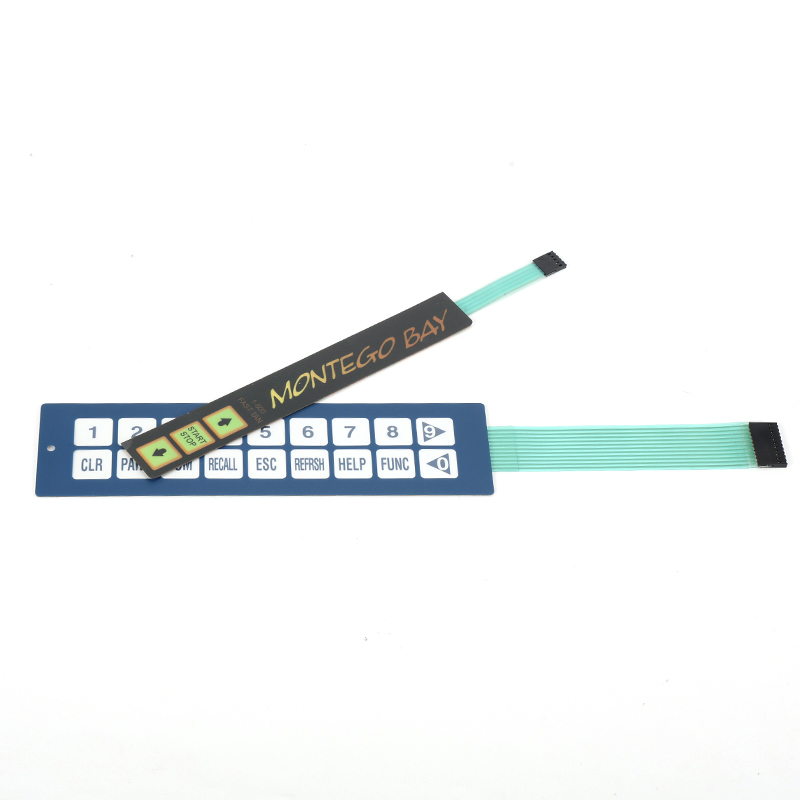
Long-Lasting High Durability Membrane Keypad for Electronic Appliances & Devices
Engineered for extreme cycle fatigue resistance (>1,000,000 actuations), multi-layer hermetic seal, and stable feedback.
Explore our export-certified HMI portfolio, custom-fabricated with high-grade polyester, 3M 300LSE acrylic adhesives, and precision-printed conductive circuit layers.
Engineered for extreme cycle fatigue resistance (>1,000,000 actuations), multi-layer hermetic seal, and stable feedback.
Integrated silicone keymat with segregated light guide channels for night-time marine navigation and low-light field telemetry.
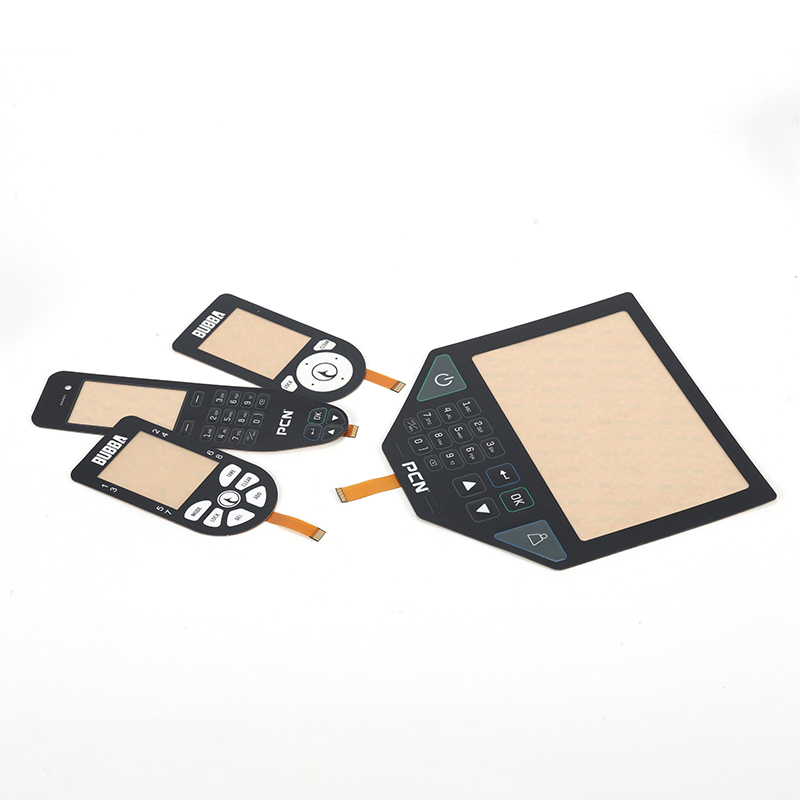
Polyimide flexible printed circuitry with carbon/aluminum EMI/RFI shielding to eliminate RF interference in telecom arrays.
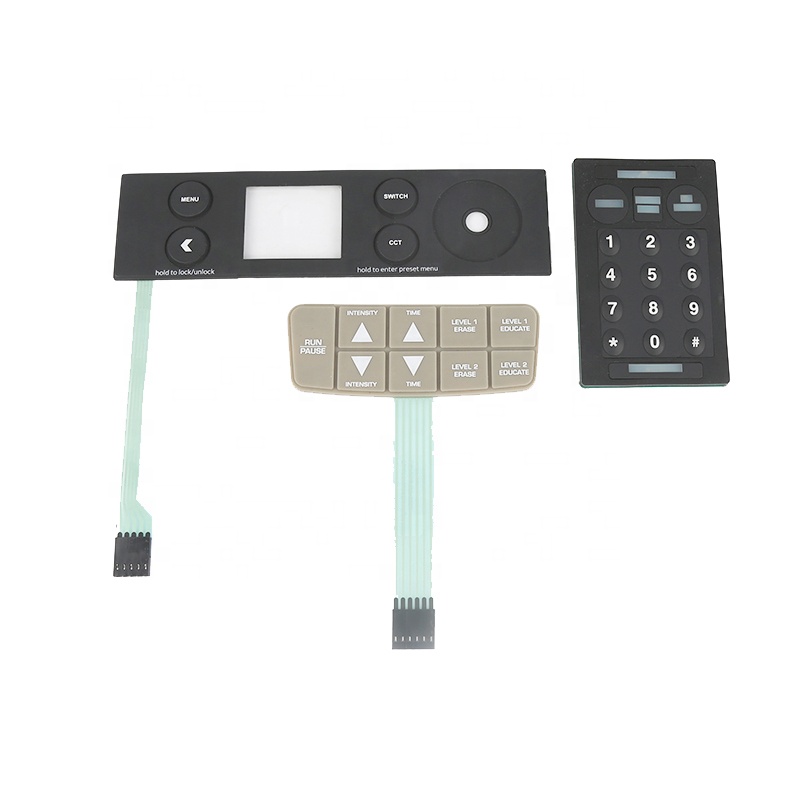
Gold-plated or nickel-plated stainless steel domes delivering tactile snap response, bonded by anti-fungal 3M adhesive substrates.
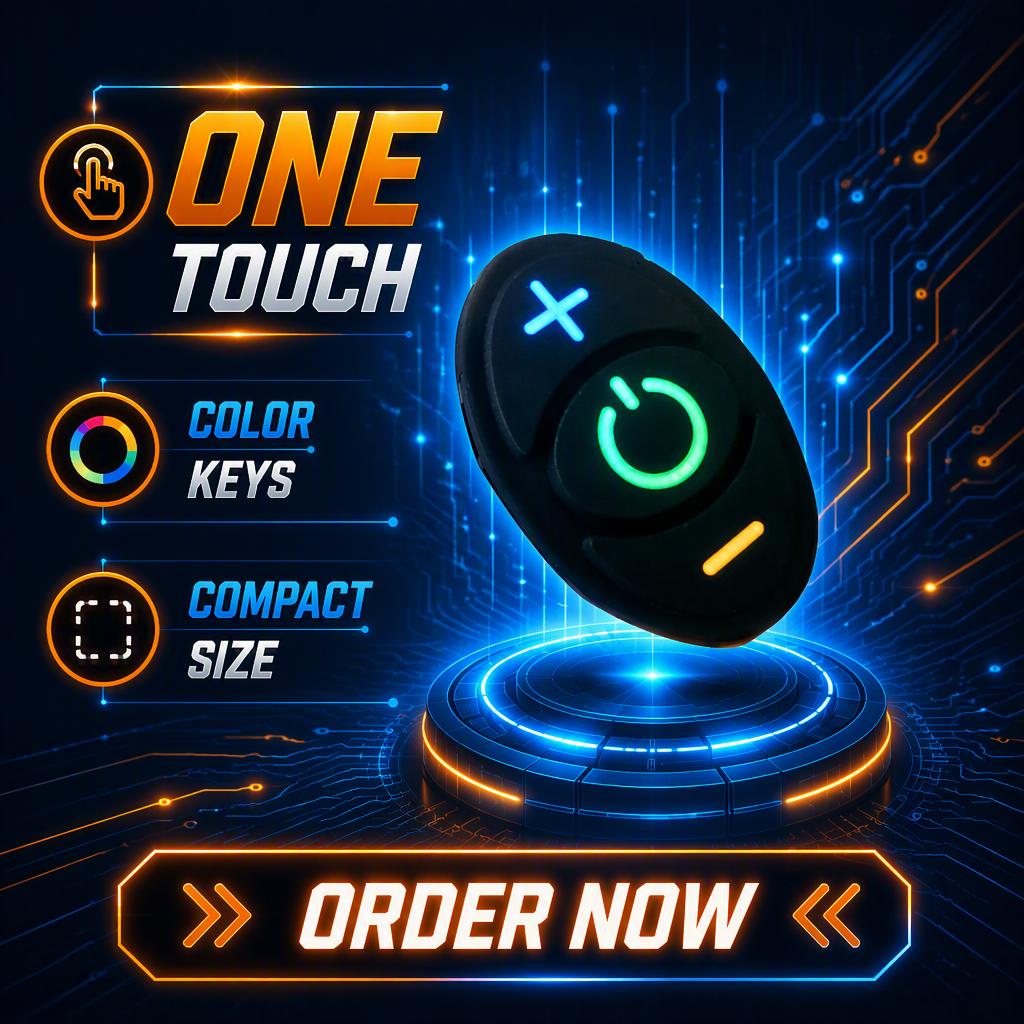
Ultra-thin Light Guide Film (LGF) architecture combining surface-mount micro-LEDs for consistent luminescence at minimal power draw.
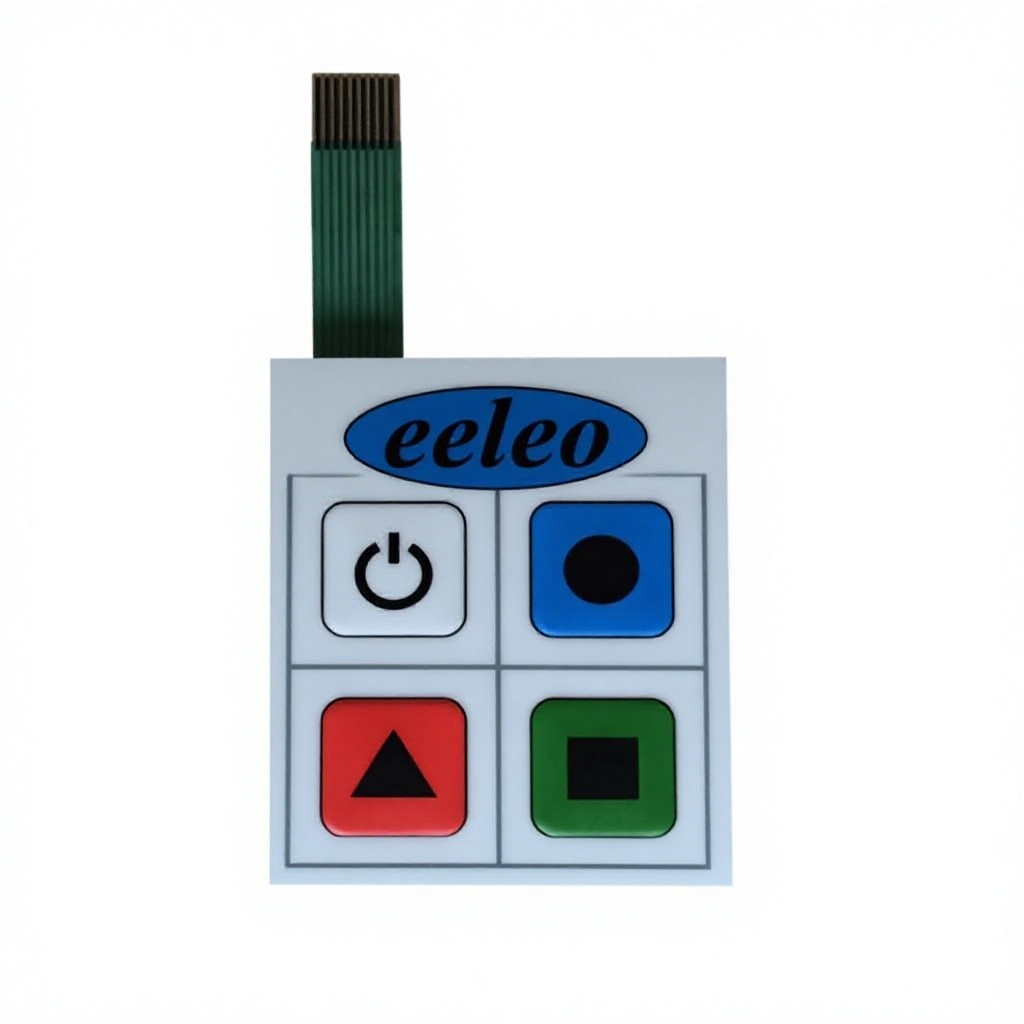
Chemically inert Autotex PET graphic overlay resistant to tropical mold, oil splatters, cleaning detergents, and boiling washdowns.
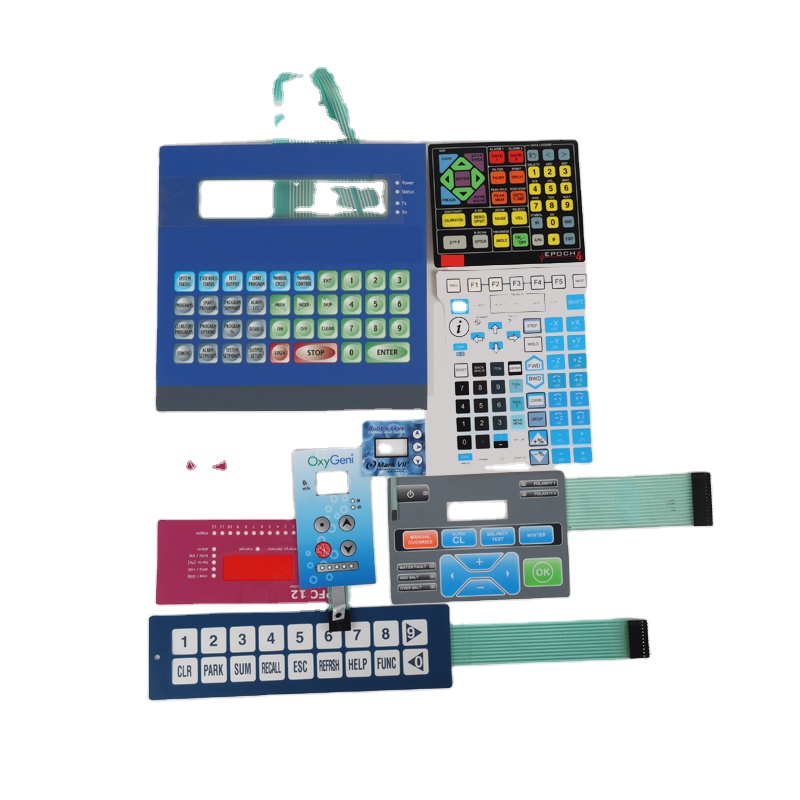
Antimicrobial surface coating designed for hospital sterilization protocols in tropical regional diagnostic facilities.
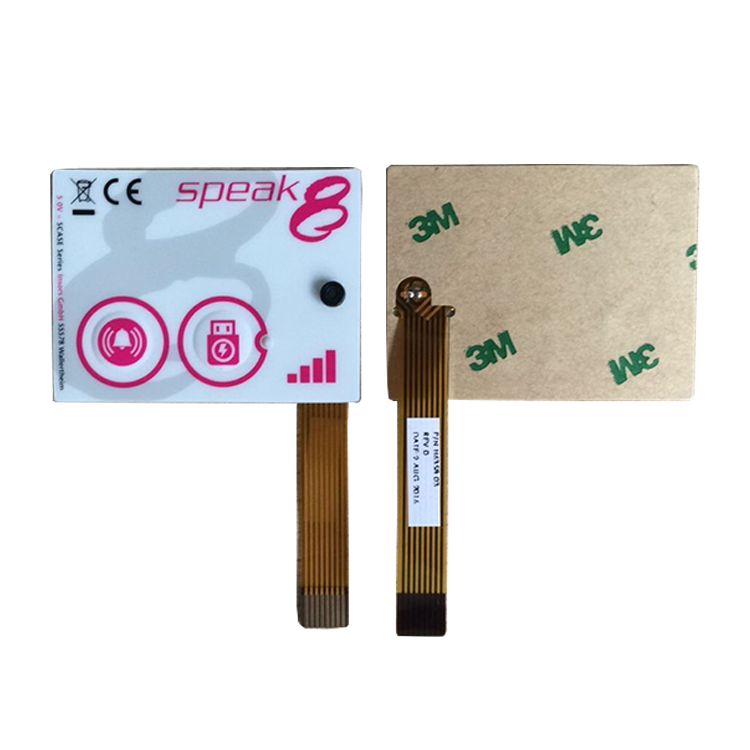
High-density conductive silver paste printing, oven-cured with dielectric barrier insulation to safeguard against silver electromigration.
Supplying human-machine interface (HMI) hardware to the Independent State of Samoa—comprising Upolu, Savai'i, Manono, and Apolima—requires strict adherence to environmental engineering principles. Located in the equatorial South Pacific, Samoa experiences year-round temperatures between 24°C and 31°C, accompanied by relative humidity routinely exceeding 85% to 90%, and persistent oceanic salt mist driven by trade winds. In such an aggressive microclimate, standard off-the-shelf electronic keypads suffer rapid mechanical delamination, dielectric breakdown, and catastrophic silver ion electromigration.
As an industry-leading China wholesale exporter established in 1996, Zhejiang ZIRA Membrane Switch Co., Ltd. applies advanced material sciences to solve these localized environmental failure points before shipment:
When micro-condensation penetrates an inadequately sealed keypad layer containing traditional silver-printed traces, the DC electric potential causes silver ions ($Ag^+$) to detach from the anode and migrate toward the cathode, precipitating microscopic conductive dendrites. This process causes terminal short-circuits. ZIRA mitigates this by applying a secondary screen-printed carbon conductive overcoat across all silver circuit termination tracks, paired with high-voltage dielectric encapsulation and nitrogen-flushed curing ovens. For mission-critical marine instrumentation in Apia Harbor, we engineer Polyimide Flexible Printed Circuits (FPC) with rolled-annealed etched copper traces, providing 100% immunity to silver migration.
While budget suppliers frequently use Polycarbonate (PC) graphic overlays, PC exhibits poor flexural fatigue thresholds (failing around 100,000 cycles) and rapidly undergoes photodegradation, yellowing, and micro-cracking when exposed to intense Pacific UV indices (often reaching UV Index 11+ in Samoa). ZIRA exclusively deploys biaxially oriented polyethylene terephthalate films, such as MacDermid Autotype (Autotex XE / Autoflex), which incorporate specialized UV-stabilizers and chemical barrier coatings. This ensures over 5,000,000 actuations without cosmetic embrittlement, protecting internal switch components from saline atmospheric ingress.
Standard pressure-sensitive adhesives (PSAs) experience plasticizer migration, shear failure, and edge-lifting when exposed to thermal cycling between sun-drenched daytime operation and humid nocturnal cooling. Our switches intended for Samoan deployment utilize authentic 3M 300LSE, 3M 467MP, or 3M VHB perimeter gaskets. These modified acrylic adhesives provide shear strength up to 150°C and aggressive initial tack to powder-coated cast aluminum, stainless steel, and molded LSE plastics like polypropylene and ABS.
From Apia's municipal infrastructure and industrial processing zones to remote off-grid solar microgrids across Savai'i, our custom membrane switches power crucial equipment across the Samoan archipelago.
Samoa's deep-sea tuna longline fleets operating from the Port of Apia rely on onboard navigation sonars, VHF radios, hydraulic winch consoles, and sub-zero blast freezer controls. Our IP67/IP68 perimeter-sealed flexible keypads withstand direct saltwater spray, ice accumulation, and blood/protein-rich organic fluids without seal breakdown.
Under the Electric Power Corporation's (EPC) clean energy transition, solar-diesel hybrid mini-grids and utility-scale battery energy storage systems (BESS) installed at Fiaga and airport corridors require rugged HMI interfaces. ZIRA supplies UV-stable front panels with clear LCD viewing windows that resist condensation pooling.
Samoan export processors handling virgin coconut oil, taro, nonu fruit extracts, and local brewing (such as Vailima packaging facilities) require industrial washdown-tolerant push-button panels. Our sealed polyester overlays withstand hot water sanitization, caustic clean-in-place (CIP) chemicals, and organic fatty acids.
Regional health centers like Tupua Tamasese Meaole (TTM) Hospital in Motootua and rural medical posts across Savai'i utilize diagnostic analyzers, autoclaves, and patient monitoring terminals. ZIRA fabricates medical-grade membrane switches featuring antimicrobial films that resist bleach and alcohol wipe-downs.
Cellular base stations and remote meteorological telemetry deployed on mountain ridges (like Mount Vaea) face tropical storms and lightning EMI. Our switches feature embedded shielding foils (aluminum or copper deposition) that route electro-static discharge (ESD) up to 15kV safely to ground, protecting sensitive microcontrollers.
Luxury eco-resorts and commercial properties along Samoa’s coastline implement electronic door locks, HVAC zoning interfaces, and pump station controllers. ZIRA’s custom tactile keypads incorporate silicone rubber keymats over membrane circuits, delivering a premium touch with total water ingress protection.
As the Pacific Island nations accelerate digital adoption and autonomous infrastructure projects, procurement dynamics in Apia and the surrounding region are undergoing significant structural shifts:
1. Shifting from Fragile Touchscreens to Resilient Membrane & Silicone Hybrids: While capacitive glass touchscreens are popular in consumer tech, industrial operators in Samoa have experienced catastrophic failure rates in field conditions. High atmospheric humidity and wet fingers cause capacitive ghosting, while salt air corrodes exposed flex tails. Furthermore, dropped tools on vessels or agricultural farms shatter glass displays that cannot be replaced quickly on island. Consequently, procurement officers are returning to IP67-rated tactile membrane switches with embossed snap-domes that provide undeniable mechanical confirmation even when operators wear heavy-duty work gloves.
2. Direct-to-Factory OEM/ODM Partnerships to Mitigate Island Logistics Markups: Traditionally, Samoan businesses procured replacement equipment panels through intermediary distributors in New Zealand or Australia, incurring 200% to 400% price markups and extensive lead-time delays. By partnering directly with a verified China manufacturer like Zhejiang ZIRA Membrane Switch Co., Ltd., Samoan engineering teams, system integrators, and industrial workshops access wholesale factory pricing, rapid digital CAD/DFM reviews, and tailored batch sizes shipped directly via sea or express air routes.
3. Demand for Integrated Electronics and Smart Backlighting: Modern municipal water treatment pumping stations (Samoa Water Authority) and mini-grid inverters demand interfaces integrated with surface-mount LEDs, photo sensors, and micro-pitch ZIF (Zero Insertion Force) tail connectors. Membrane switches featuring integrated Light Guide Films (LGF) are replacing bulky incandescent pilot lamps, drastically lowering power consumption—a key priority for remote off-grid solar-powered installations across Savai'i.
Detailed performance benchmarks comparing flexible membrane switches with alternative input devices in coastal high-salinity operating conditions.
| Performance Parameter | PET Membrane Switch | Silicone Rubber Keypad | Capacitive Touch Glass | Mechanical Rocker Array |
|---|---|---|---|---|
| Ingress Protection (IP Rating) | IP67 to IP68 Sealing | IP65 to IP67 (with bezel) | IP65 (Edge vulnerable) | IP40 to IP54 (Poor seal) |
| Salt Mist Resistance (ASTM B117) | Exceptional (>1,000 hrs) | Exceptional (Inert polymer) | Moderate (ITO degradation) | Very Low (Contact rust) |
| Tactile Feedback Ratio | Crisp (40% to 60% snap ratio) | Soft, cushioned stroke | Zero (Requires haptic motor) | Distinct mechanical click |
| Operation with Wet/Gloved Hands | 100% Reliable | 100% Reliable | Fails (Ghost activations) | 100% Reliable |
| Profile Depth / Thickness | Ultra-thin (<1.2 mm typical) | Medium (5.0 mm to 12.0 mm) | Slim (2.0 mm to 4.0 mm) | Bulky (>25 mm behind panel) |
| Lifecycle Expectancy | >5 Million actuations (PET) | >3 Million actuations | Unlimited (Glass surface) | 50,000 to 100,000 cycles |
Operating from Changhe Industrial Park in Ningbo, Zhejiang, ZIRA combines nearly three decades of interface manufacturing expertise with rigorous third-party verified quality management.

Our complete manufacturing footprint, employee safety, cleanrooms, and testing facilities are independently audited and verified onsite by Intertek.

Founded in 1996, we have evolved from traditional screen-printing to cutting-edge capacitive ITO, micro-LGF backlighting, and precision FPC integration.

We take pride in long-standing OEM cooperation with global industrial leaders such as ABB and Emerson, adhering to zero-defect manufacturing standards.

100% of finished switches undergo automated computerized continuity testing, insulation resistance checking, and tactile snap force verification before dispatch.
Essential guidance addressing logistical lead times, climate customization, CAD requirements, and payment mechanisms for businesses in Samoa.
