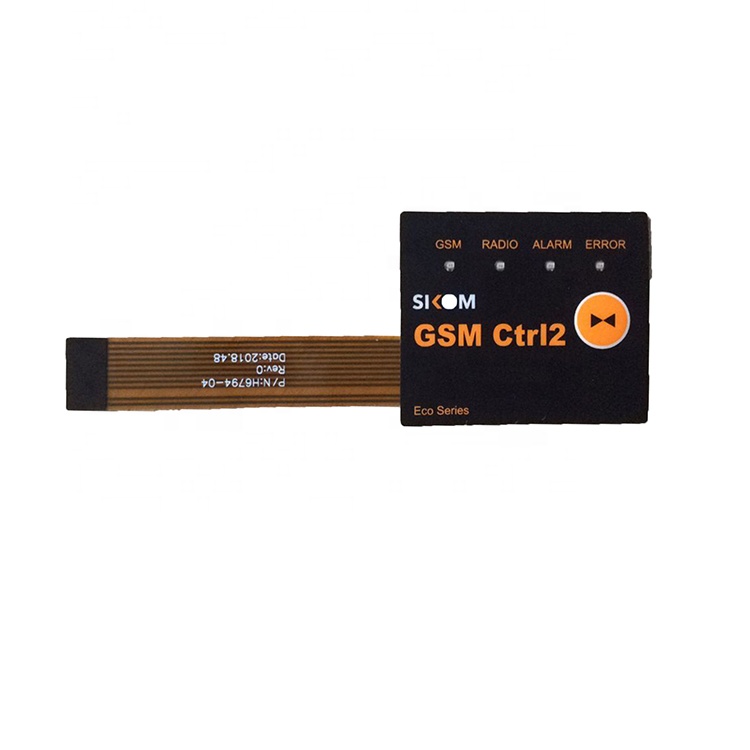
RoHS Industrial Tactile Switch
Sealed tactile membrane switch explicitly tailored for medical instrument consoles, high-density lab analyzers, and cleanroom HMI controllers.
Explore our export-grade tactile interface assemblies, custom-engineered for rugged industrial, clinical, and outdoor telemetry applications across North America.
Sealed tactile membrane switch explicitly tailored for medical instrument consoles, high-density lab analyzers, and cleanroom HMI controllers.
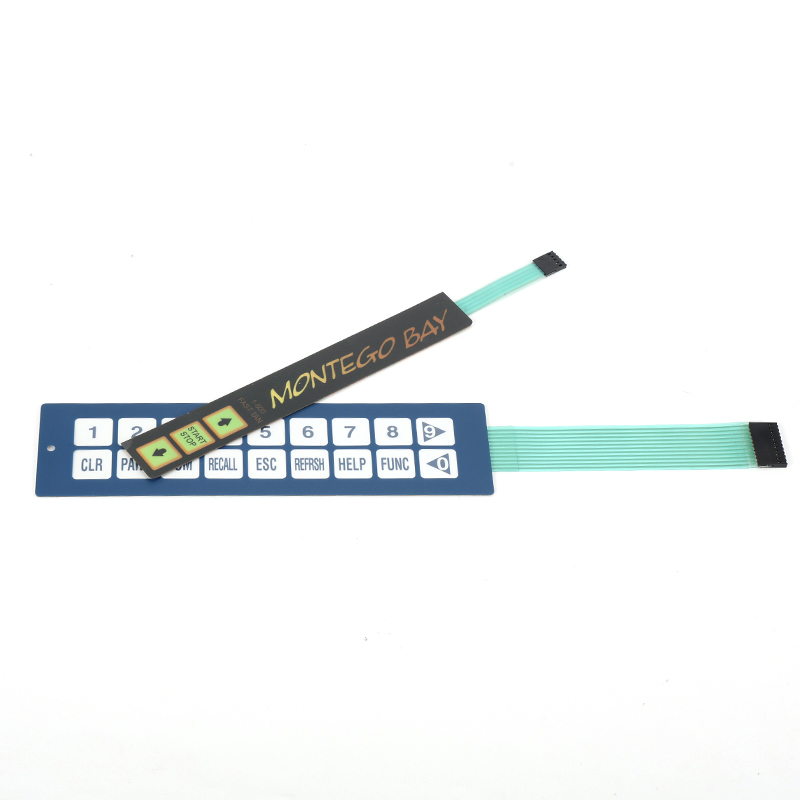
Rated for over 5 million cycles, utilizing high-grade PET substrates for continuous-duty commercial appliances and heavy test equipment.
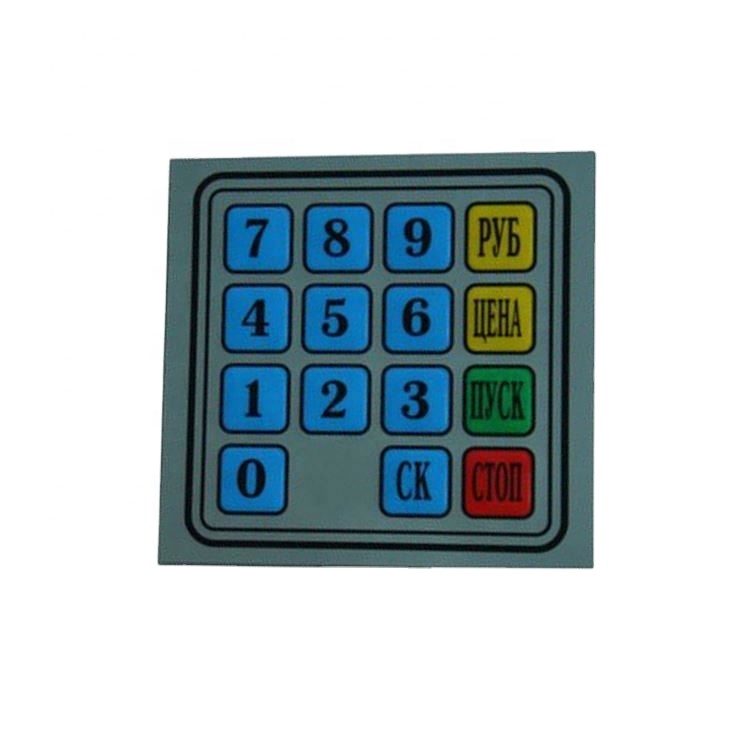
Configurable 4x4, 3x4, and 4x5 layouts engineered with elastomeric silicone keycaps over tactile metal domes for embedded MCU telemetry systems.
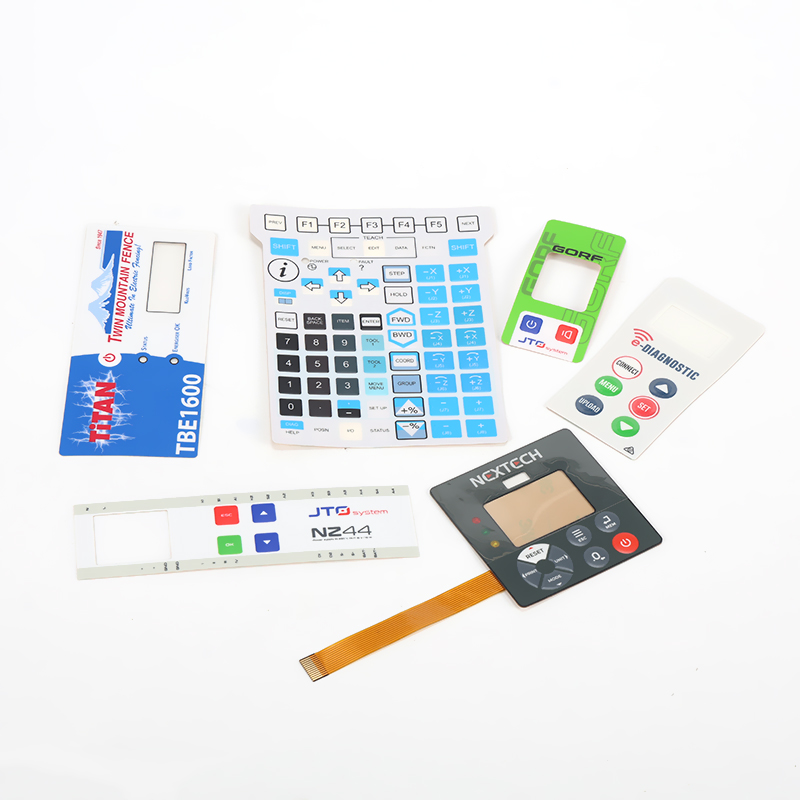
Dual-perimeter gasket sealing with Autotex PET film, offering complete resistance to moisture, hydraulic fluid, hydrocarbons, and dust ingress.
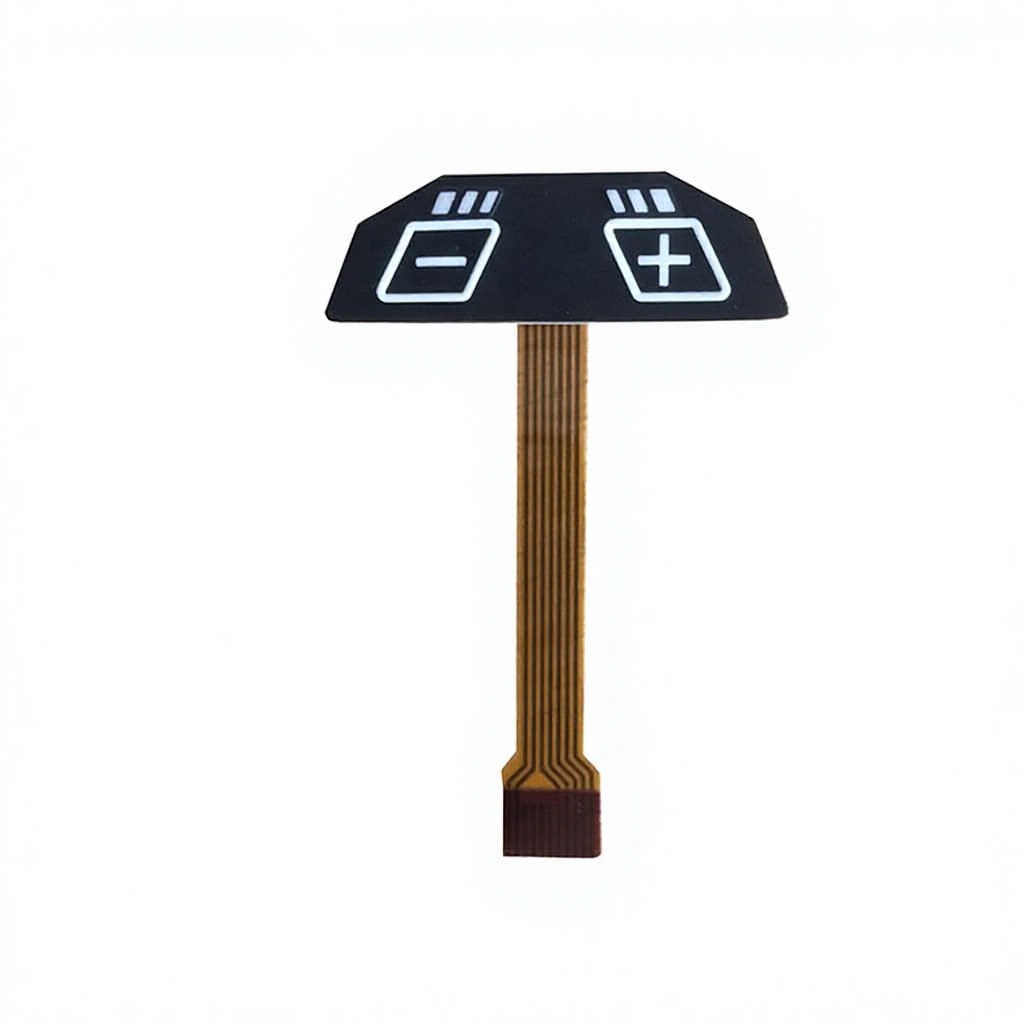
Advanced screen-printed silver-carbon traces engineered with low trace resistance (<100Ω) and crossover dielectric insulation layers for mission-critical logic.
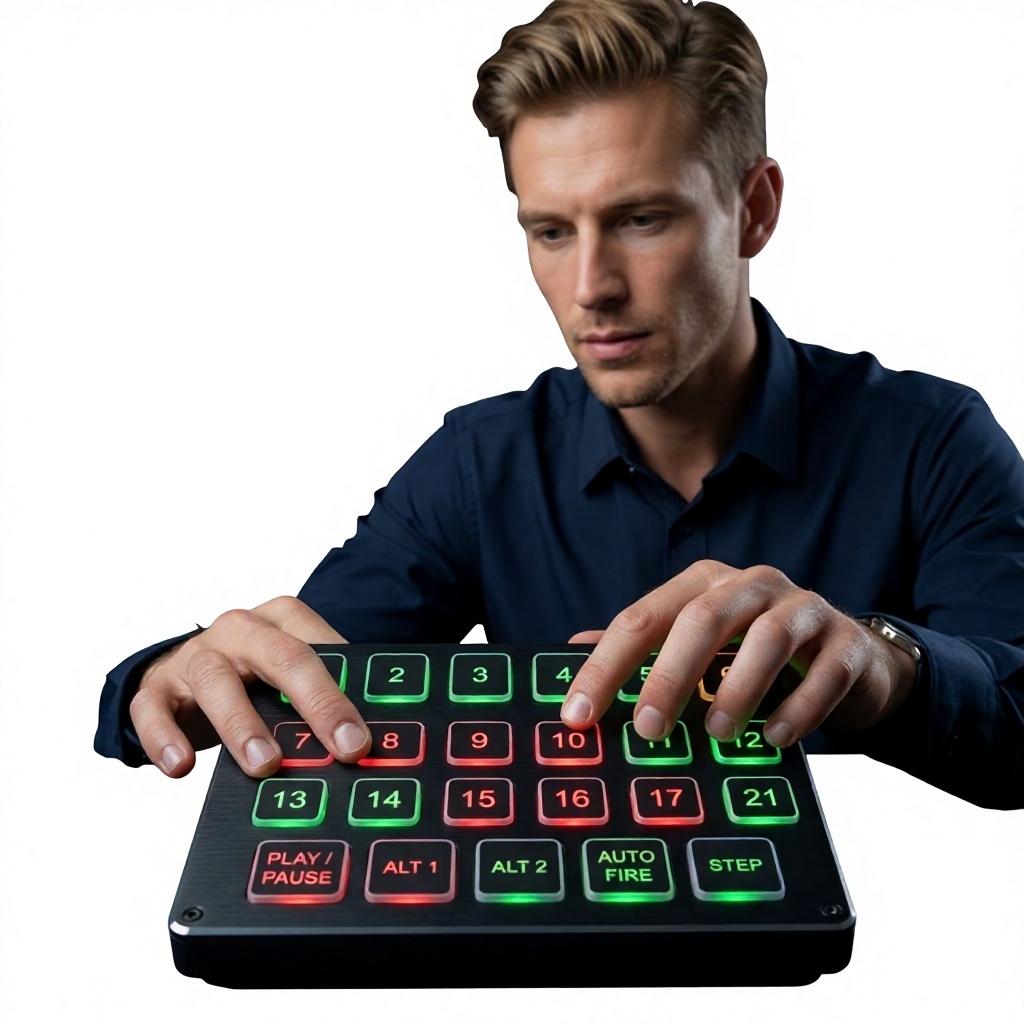
Integrated Light Guide Film (LGF) and surface-mount micro LEDs providing edge-to-edge balance across laser-etched translucent silicone buttons.
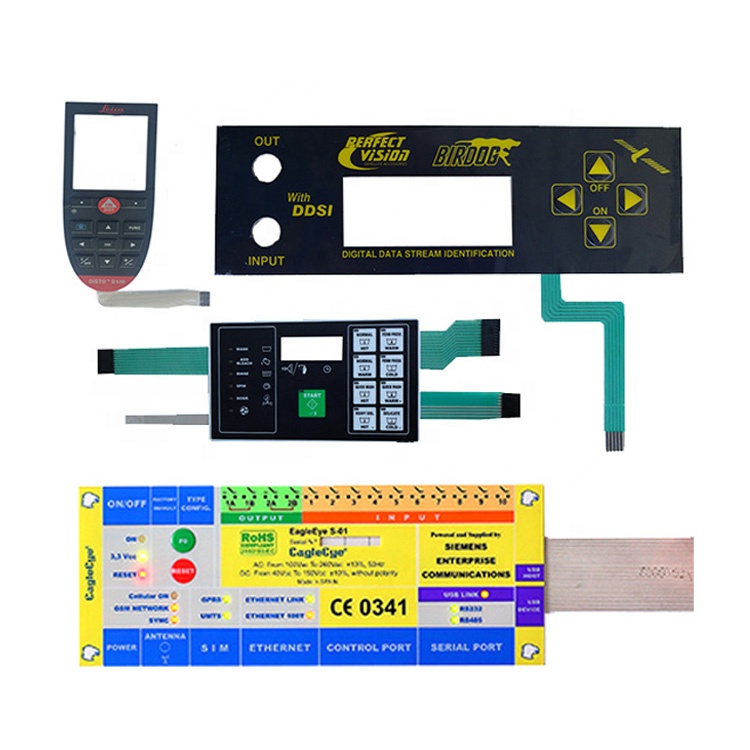
Reinforced FR4/CEM-1 rigid backer design offering mechanical integrity against severe vibration and field impact in rig-site environments.
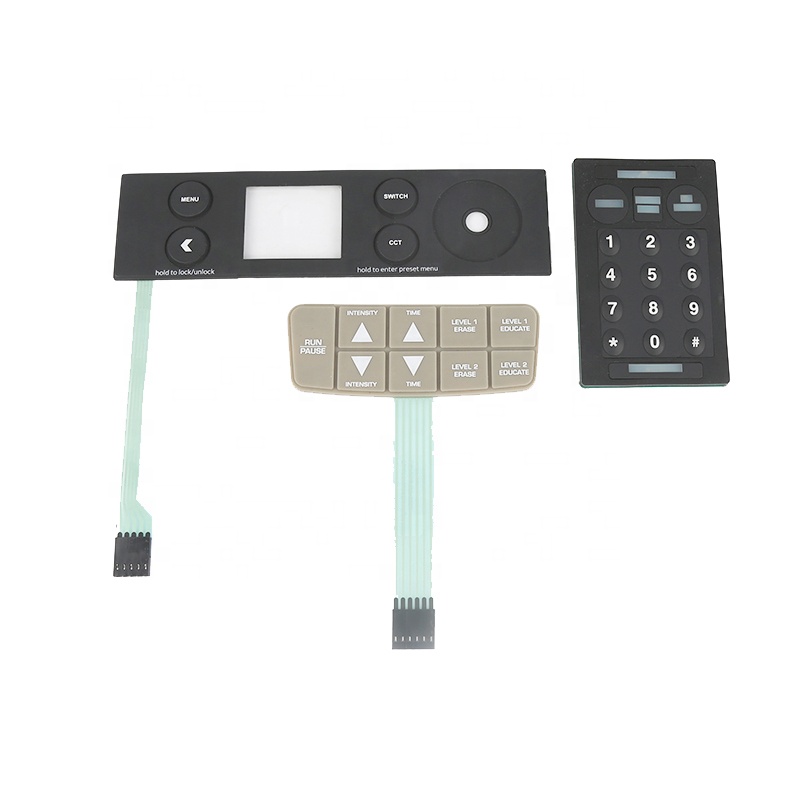
Featuring precision-stamped stainless steel snap domes paired with industrial 3M 467MP/468MP acrylic adhesive transfer tapes for permanent bonding.
Oklahoma City's economic backbone requires human-machine interfaces that perform reliably under mechanical stress, chemical exposure, and temperature extremes.
In the Mid-Continent oil patch surrounding OKC, electronics operate under intense cyclic thermal stresses (-40°C winter freezes to +50°C summer heats), airborne dust, and high humidity. Our custom compression-molded silicone elastomer keypads utilize proprietary fluoro-silicone blends and conductive carbon pills that do not oxidize or crack. Gasketed perimeter barriers achieve IP66/IP67 ingress ratings, preventing oil, diesel splashing, and moisture penetration on automated pump jacks, top-drive controls, and downhole data logging units.
Anchored by Tinker Air Force Base and adjacent aeronautical engineering complexes, OKC holds one of North America's largest aircraft maintenance, repair, and overhaul (MRO) clusters. Test benches, avionics diagnostics boxes, and hangar ground support units demand tactile switches compliant with military MIL-STD shock, vibration, and solvent wipe-down standards. We offer laser-etched translucent silicone keymats equipped with night-vision-compatible LED backlighting, zero light-leak baffles, and EMI/RFI aluminum or copper shielding foils to block radiated emissions.
The University of Oklahoma Health Sciences Center and local medical equipment innovators develop specialized point-of-care devices requiring complete surface disinfection. Traditional mechanical push-buttons accumulate bio-burden in mechanical seams. Our custom-formulated medical-grade silicone keypads and flush-embossed PET membrane panels offer continuous, antimicrobial-coated barrier surfaces capable of withstanding daily exposure to hospital-grade disinfectants, isopropyl alcohol, and quaternary ammonium cleaners without fading or debonding.
Procurement teams and mechanical system architects are transitioning beyond basic mechanical switches toward integrated, intelligent human-machine interface assemblies.
Local electronics manufacturers are increasingly abandoning legacy all-plastic membrane switch panels in favor of hybrid designs. By pairing a compression-molded silicone elastomer keymat with an underlying flexible printed circuit (FPC) or rigid FR4 PCB, engineers achieve long actuation travel (1.2mm to 2.5mm) and a positive snap ratio (40% to 65%) while retaining the sealed, moisture-proof properties of membrane electronics. This construction provides tactile feedback that operators can easily feel through heavy leather safety gloves.
With Oklahoma field operations running around the clock, uniform nighttime illumination without battery drain is a top engineering priority. Legacy discrete LED arrangements create glaring hotspots and shadow zones across the front bezel. Modern designs incorporate ultra-thin micro-etched Light Guide Films (0.125mm to 0.25mm) laminated directly below the silicone keys. Side-firing SMD LEDs channel light evenly across intricate graphical legends, reducing total power consumption by up to 70% compared to traditional EL backlighting foils.
As IoT telemetry displays become standard in commercial automation and oilfield management, user expectations are converging toward capacitive glass touchscreens. However, capacitive glass often fails under vibration or when exposed to heavy rain and greasy fingers. Oklahoma City product designers are addressing this by integrating capacitive touch sensing channels behind ruggedized silicone elastomer buttons, combining sleek gesture capability with the fail-safe mechanical boundary of elastomer polymers.
Evaluate core mechanical, electrical, and environmental characteristics to determine the ideal human-machine interface configuration for your hardware build.
| Evaluation Parameter | Compression Silicone Elastomer | Tactile Metal Dome Membrane | Capacitive ITO / FPC Panel |
|---|---|---|---|
| Typical Key Travel | 1.0 mm – 2.5 mm (Deep tactile feedback) | 0.3 mm – 0.6 mm (Crisp snap response) | 0.0 mm (Zero travel; solid state) |
| Actuation Force Range | 80g – 500g (Customizable via web angle) | 180g – 450g (Predetermined by dome alloy) | Zero force (Proximity/capacitance change) |
| Contact Resistance | <150Ω (Carbon pill), <1Ω (Gold pill/PCB) | <1Ω (Nickel/Gold-plated domes) | Solid state trace routing logic |
| Operating Temperature | -40°C to +200°C (Extended silicone range) | -25°C to +70°C (PET substrate limited) | -20°C to +70°C (ITO / optical grade) |
| Chemical / UV Resilience | Excellent (Inert polymer, PU/Parylene coated) | Very Good (With Autotex XE hardcoat PET) | Excellent (Hermetic glass or polymer face) |
| Gloved Operation Suitability | Outstanding (Tactile key profiles & travel) | Moderate (Requires precise centering force) | Low to Poor (Requires tuned algorithms) |
| Tooling & Mold Amortization | Medium (Steel compression tooling) | Low (Laser cut dies, photolithography) | Medium to High (Sensors & firmware tuning) |
Direct answers to technical specifications, import logistics, quality verification, and lead-time planning for procurement teams sourcing from China.
For industrial silicone keypads, our Ningbo facility applies precision screen-printed silicone inks that chemically cross-link with the raw keymat under vulcanization heat. To ensure lifelong legibility against hydrocarbons, hydraulic fluids, and isopropyl alcohol, we apply an abrasion-resistant Polyurethane (PU) spray coating, UV-curable protective resin, or high-performance chemical-vapor Parylene coating, withstanding upwards of 500,000 abrasion rub cycles.
For custom compression-molded silicone elastomer keypads, tooling fabrication and initial engineering First Article samples (FAS) are typically completed in 12 to 15 working days. Membrane switch prototypes run even faster, shipping in 5 to 7 days. Once first articles receive engineering sign-off from your Oklahoma engineering team, full production run orders are manufactured, 100% electrically tested, and packed in 15 to 20 days.
Yes. We regularly handle complete door-to-door delivery logistics under Incoterms 2020 DDP. We manage customs documentation, tariff processing, Harmonized System (HS) classifications, and direct air or ocean transit to your freight docks or distribution center in Oklahoma City, Edmond, Norman, or Moore, without administrative friction for your procurement department.
Every single manufactured unit passes through automated computer-controlled testing stations before packaging. We test 100% of circuits for closed loop contact resistance, open loop insulation resistance (typically >100MΩ at 100V DC), LED luminous output and polarity, switch bounce time (<5ms), and snap ratio confirmation. Intertek onsite verification reports are available on request to substantiate factory QA/QC protocols.
We work seamlessly with 2D mechanical CAD drawings in DXF or DWG formats, vector graphical layout files in Adobe Illustrator (AI), CorelDraw, or high-resolution vector PDF, and complete 3D mechanical models in STEP, IGES, or SolidWorks formats. Our internal engineering department provides a complimentary Design for Manufacturability (DFM) review within 24 hours, evaluating web angles, actuation forces, trace spacing, and tail bend radii.
We source authentic 3M pressure-sensitive adhesive systems tailored to the substrate profile of your housing. For powder-coated metals, cast aluminum, and low surface energy (LSE) polymers (such as polypropylene or textured ABS) commonly used in industrial enclosures, we specify 3M 300LSE or 3M 200MP transfer tapes (e.g., 3M 467MP, 468MP, or 9472LE) to prevent edge lifting under outdoor humidity.
Combining 29 years of operational precision in Ningbo, China with global engineering standards, supporting leading enterprises worldwide.
Over 5,000 square meters of specialized manufacturing space equipped with multi-axis CNC mold tooling, vacuum hydraulic rubber molding presses, and Class 10,000 cleanroom printing lines.
Verified on-site by Intertek as an assessed export manufacturer. Complete traceability, ISO9001 compliance, and transparent supplier ratings across North American and European supply chains.
Long-term trusted supplier to multinational engineering firms including ABB and Emerson, delivering consistent mechanical reliability and low defect rates across multi-year production runs.
Agile engineering protocols supporting rapid functional prototyping from single-piece samples up to hundreds of thousands of units, with flexible low minimum order requirements (MOQ 100 pcs).
Connect with our technical engineering group today. Receive a comprehensive DFM audit, layer stack-up guidance, and production-grade pricing tailored for your market release.
