Featured Membrane Keypads & Control Switch Assemblies
Custom-fabricated to exact mechanical, electrical, and graphic parameters. Every membrane switch features multi-layer perimeter environmental hermetic sealing, medical/food grade finishes, and 100% electrical continuity and insulation inspection.
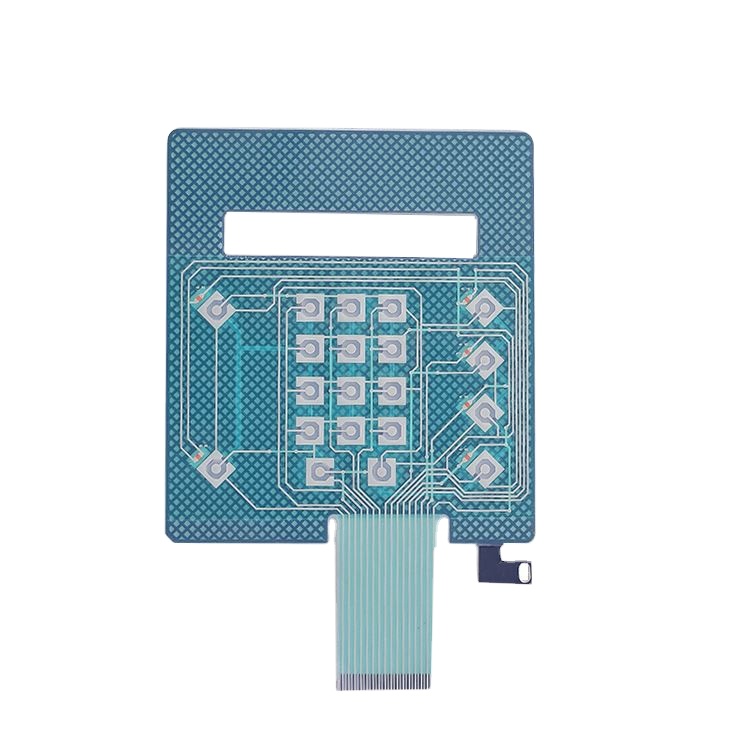
Custom PET Membrane Switch Keypad, ESD Shielding Layer Thin Film Switch
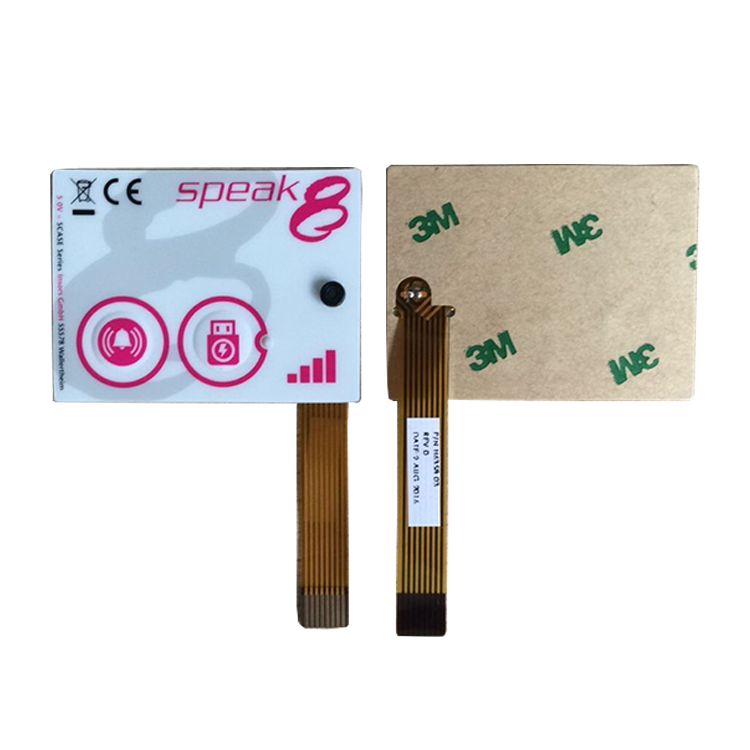
Custom Silk Screen Printing Membrane Switch Flexible Thin Film Keypad
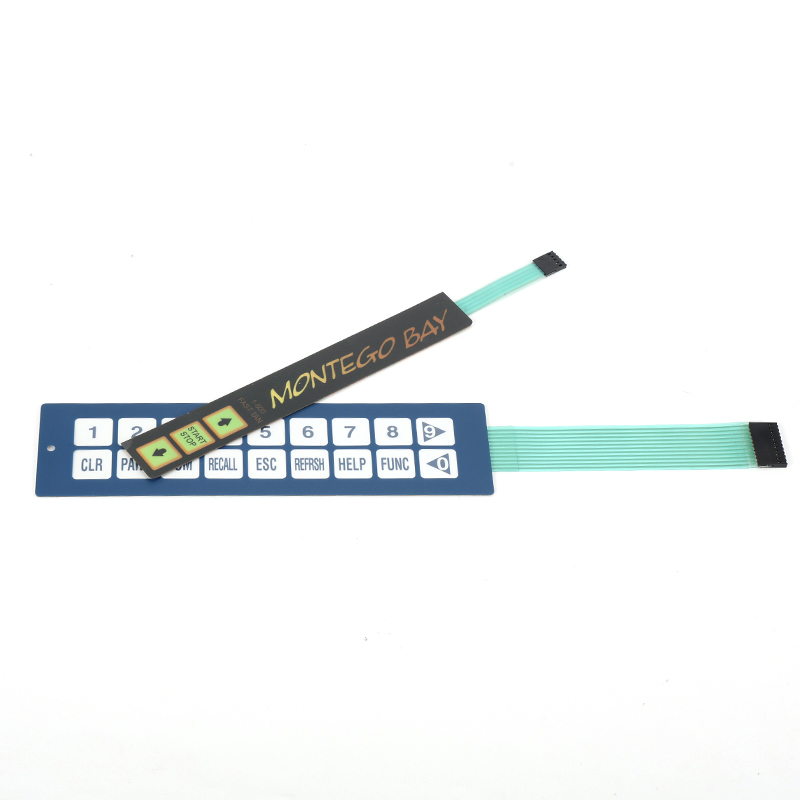
Long-Lasting High Durability Membrane Keypad for Industrial Devices
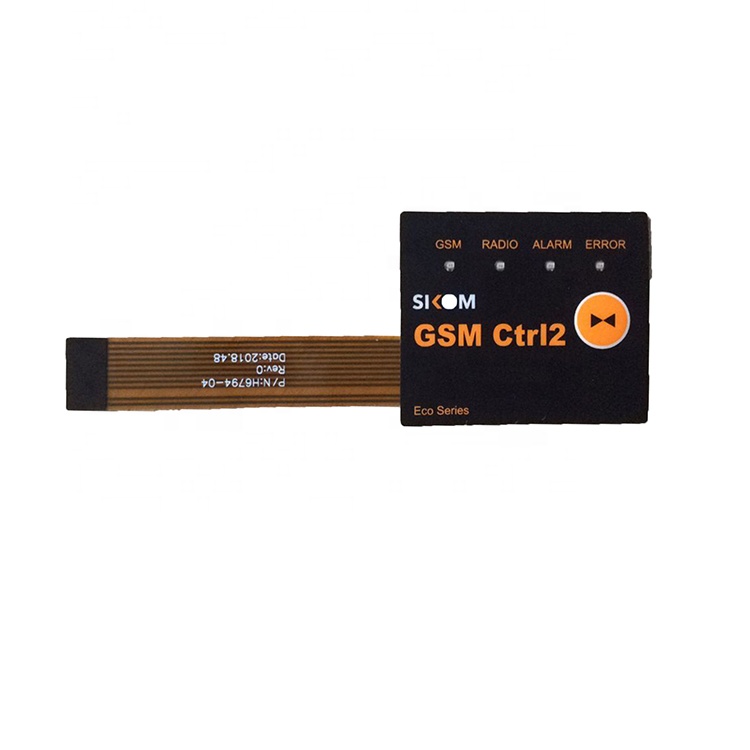
RoHS Compliant Industrial Membrane Tactile Switch for Instrument Control
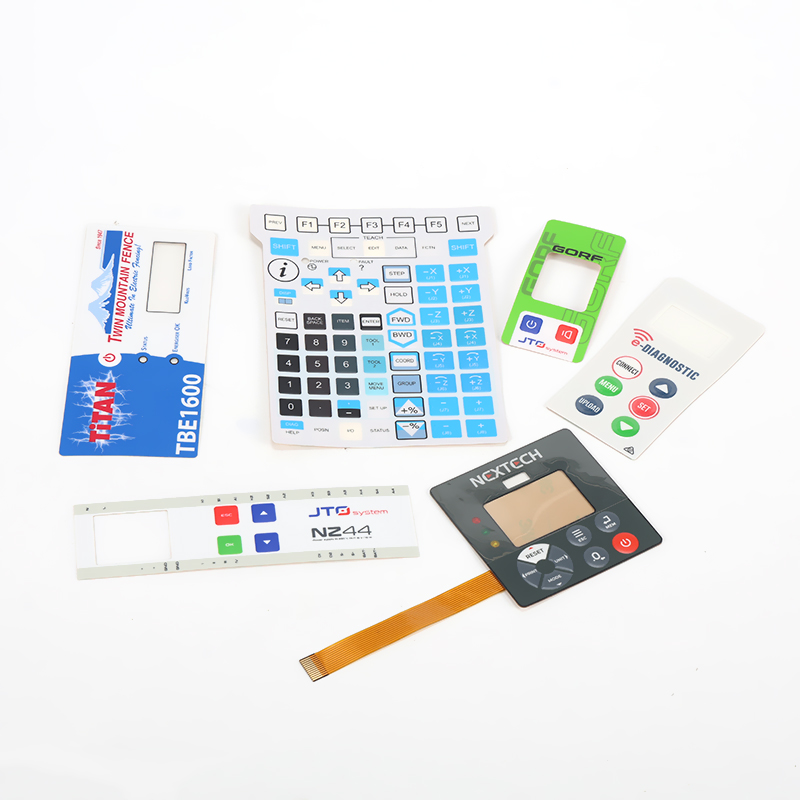
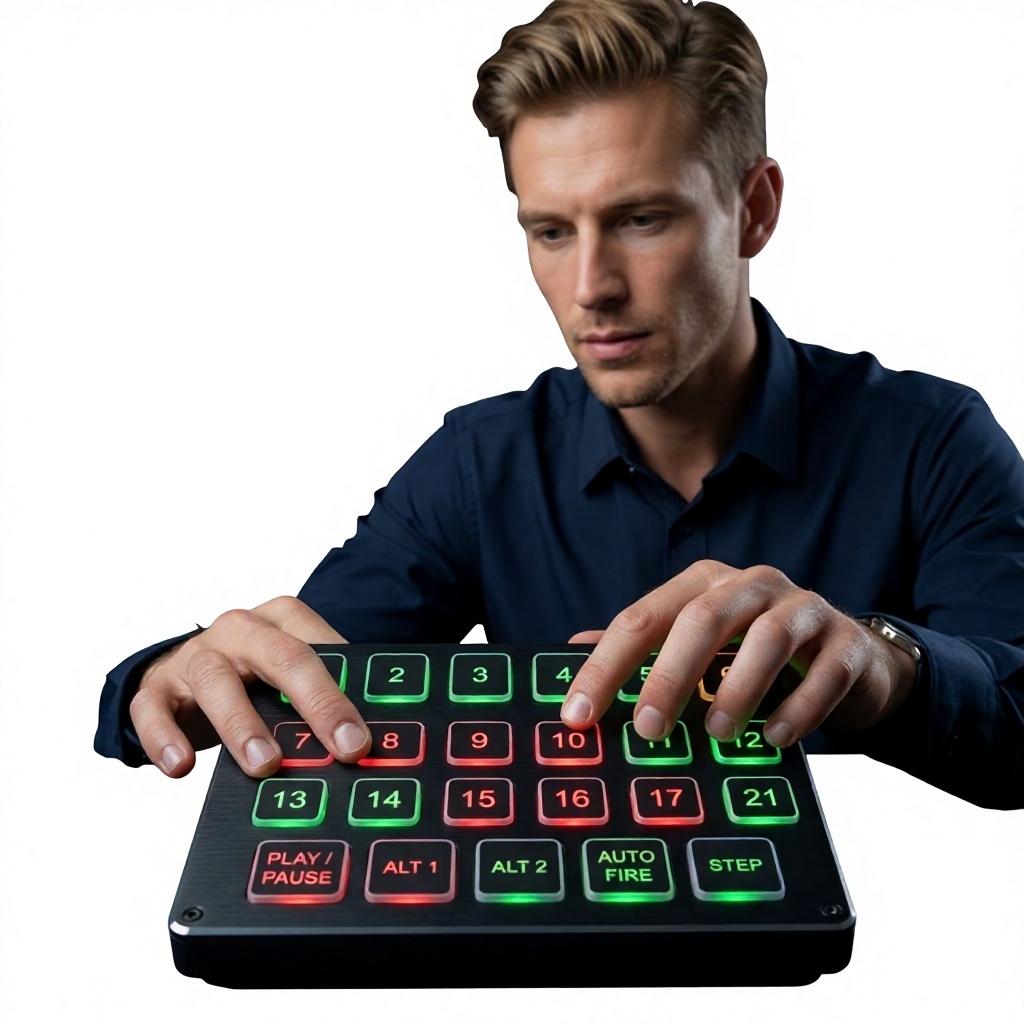
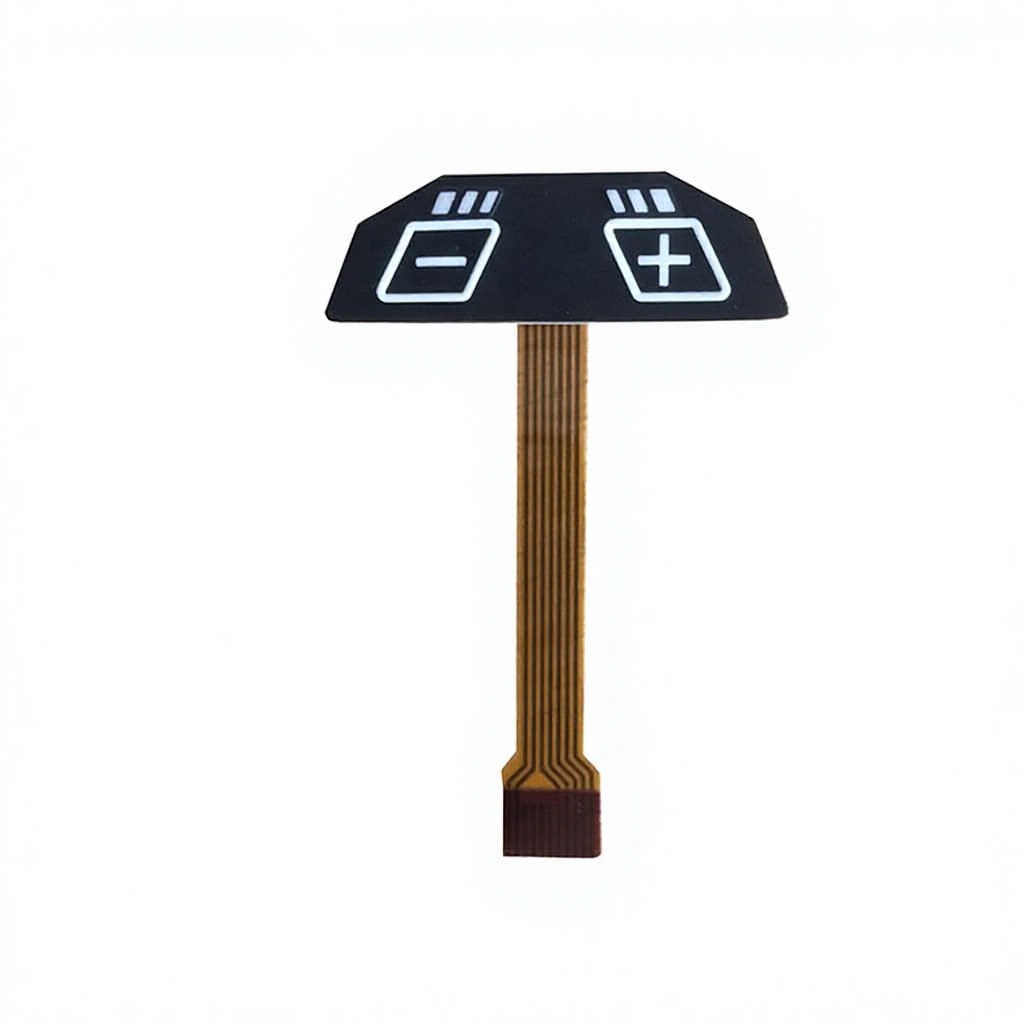
Multi-Layer Printed Silver Circuit OEM Graphic Overlay Membrane Keypad


Mitigating Environmental Failure in Tropical Marine Microclimates
Industrial machinery deployed across Lautoka and the Western Division of Fiji operates under severe environmental stresses rarely matched in temperate industrial zones. Ambient relative humidity consistently fluctuates between 75% and 95%, combined with high levels of airborne maritime sodium chloride (NaCl) and chemical aerosols from processing plants. Under such thermodynamic conditions, conventional commercial-grade membrane keyboards face rapid catastrophic failure modes, most notably galvanic electrochemical migration (silver dendritic growth) and adhesive delamination.
Zhejiang ZIRA Membrane Switch Co., Ltd. resolves these challenges through targeted material science and layered stack-up optimization. We utilize medical-grade biaxially-oriented polyethylene terephthalate (PET) substrate treated with optical primers, combined with conductive silver inks encapsulated by high-density carbon overcoat barriers. This carbon capping prevents electrolytic silver dissolution across electrical tracks under DC bias in moist environments. Furthermore, where prolonged marine submersion or rigorous caustic washdowns are mandatory, our engineering team deploys flexible copper-clad polyimide circuits (FPC) bonded with cross-linked acrylic 3M 300LSE structural transfer tapes, effectively isolating conductive traces from saline vapor penetration up to IP68 rating.
- Silver Migration Inhibition: Selective carbon paste shielding layer deposited over silver circuit intersections eliminates dendritic dendritic shorts under 95% RH.
- Autotex XE UV Stabilization: Micro-textured graphic overlays withstand high Pacific Solar UV Index (11+) without yellowing, crazing, or graphic fading.
- Hydrophobic Equalization Vents: Integrated ePTFE breathable membranes allow internal pressure equalization during temperature swings while blocking liquid ingress.
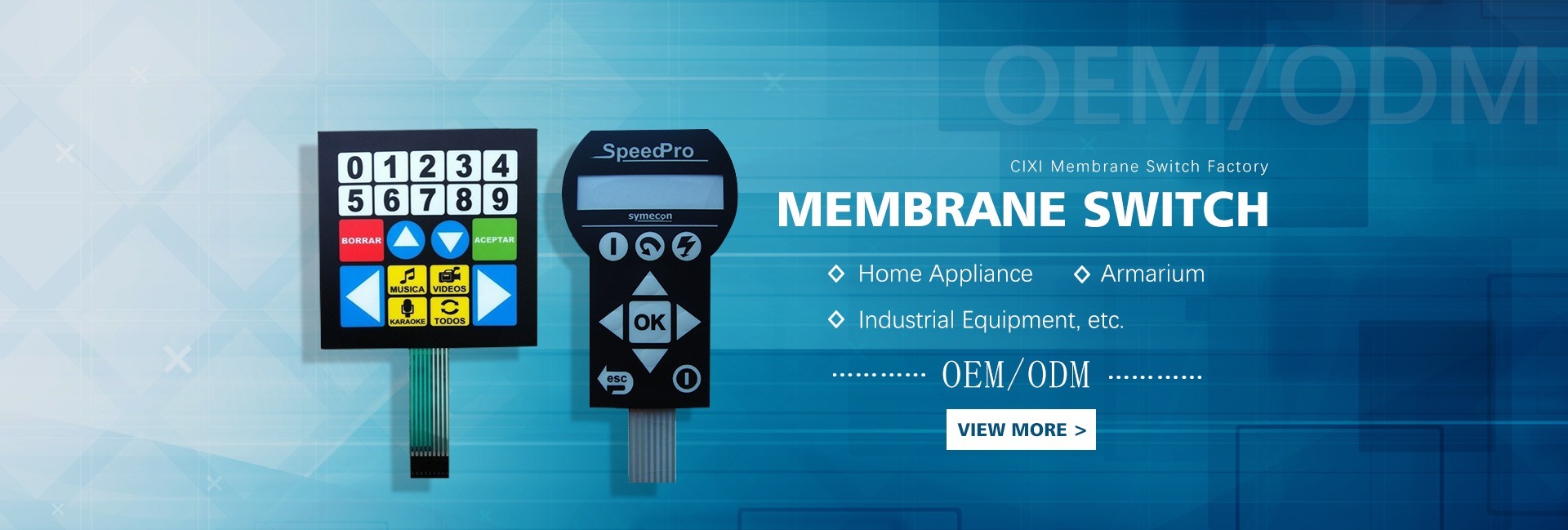
Localized Industrial Applications Across Lautoka Ecosystems
As Fiji’s primary western industrial gateway and agro-processing capital, Lautoka presents specialized requirements across diverse operational sectors. Here is how ZIRA membrane switches are engineered for specific facility profiles.
Lautoka Sugar Mill & Agro-Refining
Sugar milling entails intense exposure to airborne abrasive bagasse dust, elevated boiler room ambient temperatures, and corrosive molasses residue. Our sealed IP66/IP67 membrane switch panels prevent fine sugar dust from penetrating contacts, eliminating mechanical switch jamming and spark hazards in volatile dust-laden processing rooms.
Port of Lautoka Wharf & Bulk Handling
The port infrastructure relies on continuous crane operation, stevedoring terminal controls, and marine winch consoles. Switches built for port equipment feature heavy-duty stainless steel domes (actuation force 280g–400g) delivering unmistakable tactile confirmation to operators wearing heavy industrial protective gloves.
Distilleries & Beverage Bottling Lines
Local rum distillation, brewing, and commercial beverage plants utilize aggressive Clean-In-Place (CIP) regimes with pressurized chemical sanitizers and warm caustic soda solutions. Sub-surface silk-screened Autotex and Bayfol films isolate printed graphics, preventing visual wear, chemical dissolution, and ink peeling.
Timber Mills & Tropik Pine Facilities
Wood processing plants generate extreme levels of micro-fine sawdust combined with mechanical vibration from debarkers and chippers. Membrane assemblies with rigid FR-4 backer boards withstand sustained structural resonance while preventing dielectric shorting caused by resin-heavy sawdust settling.
Off-Grid Solar & Desalination Skids
Decentralized energy microgrids and reverse-osmosis desalination skids throughout Viti Levu require HMIs that withstand non-air-conditioned enclosures exposed to diurnal thermal cycling (-5°C to +65°C internal cabinet temperature) without switch bubbling or contact degradation.
Deep-Sea Fisheries & Cold Storage Logistics
Marine harvest processing and blast freezer refrigeration units demand flexible switches capable of reliable actuation at sub-zero temperatures (-25°C) without brittle film fracturing. We specify specialized low-temperature polyurethane adhesives and gold-plated dome contacts.
Emerging HMI Engineering Trends in Fiji's Western Industrial Corridor
The transition toward Industry 4.0 automation across the South Pacific is driving rapid shifts in human-machine interface procurement. Industrial operators in Lautoka are modernizing legacy control consoles with advanced membrane integration.
1. Shift to Hybrid Silicone-Membrane Keymats: Traditional rigid electromechanical pushbuttons are being phased out in favor of hybrid designs where a molded silicone elastomer keymat is co-molded over a sealed membrane circuit. This delivers the deep tactile travel and ergonomic feel of physical buttons while retaining complete hermetic perimeter protection against tropical salt air.
2. Adoption of Thin-Line Capacitive ITO Touch Sensors: For hygienic food and beverage plants in Lautoka, touch surfaces with zero mechanical seams or embossed crevices minimize bacterial growth. Using Indium Tin Oxide (ITO) patterned films, operators can actuate controls through thick safety acrylic or glass overlays even when wearing nitrile gloves or in the presence of surface moisture splatter.
3. Low-Voltage LED Backlit Dark-Field Guidance: To support continuous nighttime processing during peak sugar crushing seasons and 24-hour port logistics, backlit membrane keyboards integrated with edge-lit Light Guide Film (LGF) provide uniform, glare-free luminance across key icons, reducing operator entry error and fatigue.
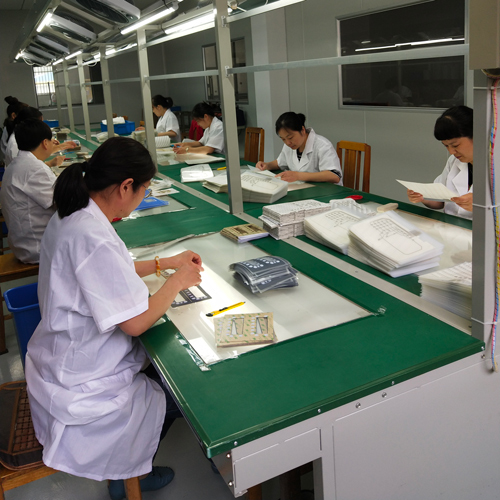
Technical Performance Comparison for Tropical Pacific Deployments
Selecting the optimal circuit carrier and contact architecture depends heavily on operational duty cycle, moisture exposure, and electrical design constraints.
| Engineering Parameter | Standard PET Silver Circuit | Carbon-Capped PET Silver Circuit | Flexible Copper FPC Circuit | Rigid FR-4 PCB Membrane Assembly |
|---|---|---|---|---|
| Silver Migration Risk (95% RH) | Moderate (Requires Seal) | Very Low (Encapsulated) | Zero (Pure Copper) | Zero (HASL / ENIG Plated) |
| Trace Loop Resistance | < 1.0 Ω / cm | < 1.2 Ω / cm | < 0.05 Ω / cm (High Speed) | < 0.01 Ω / cm (Ultra Low) |
| SMT Component Density (LEDs) | Standard Conductive Epoxy | Reinforced Conductive Epoxy | High-Reliability Reflow Soldered | Dense Dual-Sided Reflow SMT |
| Actuation Life Expectancy | 1,000,000 cycles | 2,000,000 cycles | 5,000,000 cycles | 5,000,000+ cycles |
| Operating Temperature Range | -20°C to +65°C | -25°C to +75°C | -40°C to +105°C | -40°C to +125°C |
| Recommended Lautoka Use | Indoor Packaging Machinery | Sugar Mill Control Panels | Marine Port Winch Terminals | Heavy Vibration Timber Mills |
Why Lautoka Procurement Teams Partner with ZIRA
Zhejiang ZIRA Membrane Switch Co., Ltd. combines nearly three decades of precision Human-Machine Interface fabrication with an Intertek-verified production infrastructure, serving tier-one global OEMs including ABB and Emerson.
29+ Years Manufacturing Depth
Founded in 1996 in Ningbo, Zhejiang. We house all tooling, precision screen printing, embossing, die-cutting, cleanroom lamination, and automated testing under one unified roof.
Intertek Onsite Audit Assessed
Our quality control pipelines, legal enterprise status, and cleanroom operational standards have been physically verified by Intertek testing inspectors with public audit documentation.
Design for Manufacturing (DFM)
Our senior engineering group audits every customer Gerber, CAD drawing, and tail pinout to identify potential flex fatigue points, moisture ingress gaps, and tactile dome misalignment prior to tooling.
Low MOQ & Ocean Freight Ready
We support rapid prototyping starting from 1 piece for engineering trials through to mass volume production. Direct export logistics to Port of Lautoka under flexible Incoterms (CIF, FOB, DDP).
10 Controlled Production Gates from Raw Film to Inspected HMI
Every membrane switch delivered to Lautoka passes through ten monitored stages, ensuring total repeatability, mechanical alignment, and hermetic perimeter seal integrity.
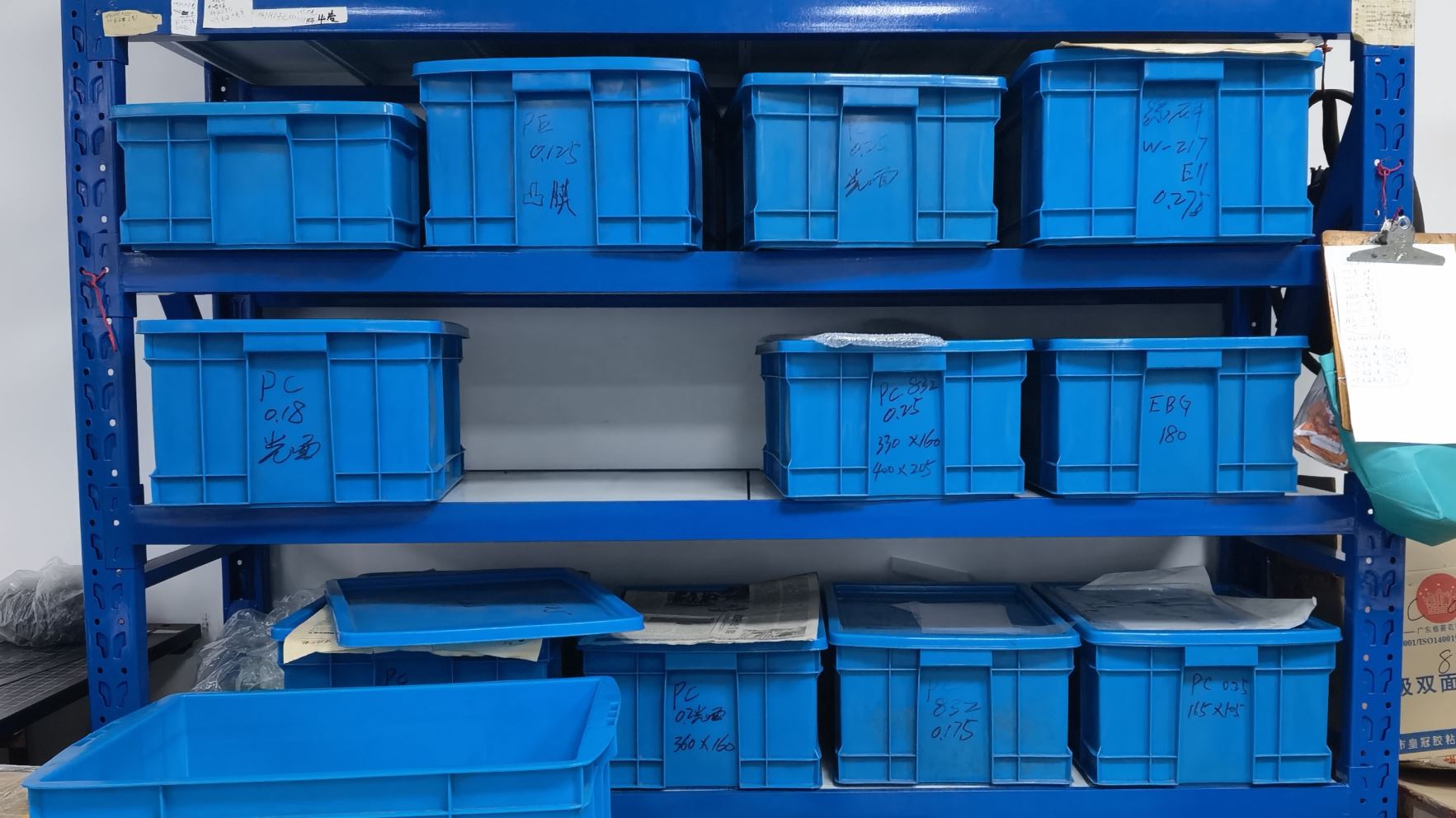
Raw Materials QA
Autotex PET, 3M adhesives, and conductive inks inspected for thickness, purity, and surface tension.
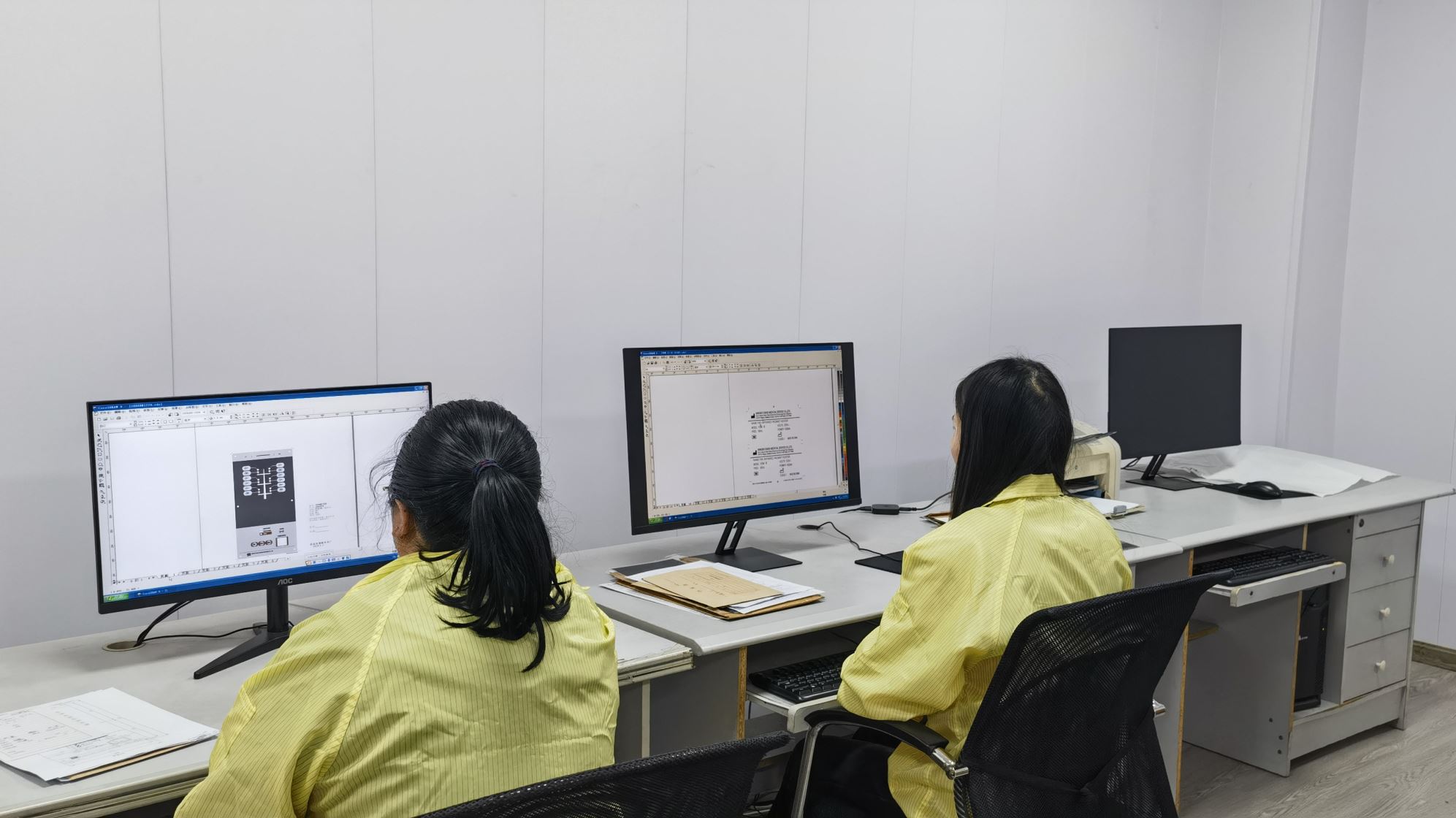
Artwork & DFM
Confirmation of color separations, Pantone matches, track routing widths, and tail bend radii.
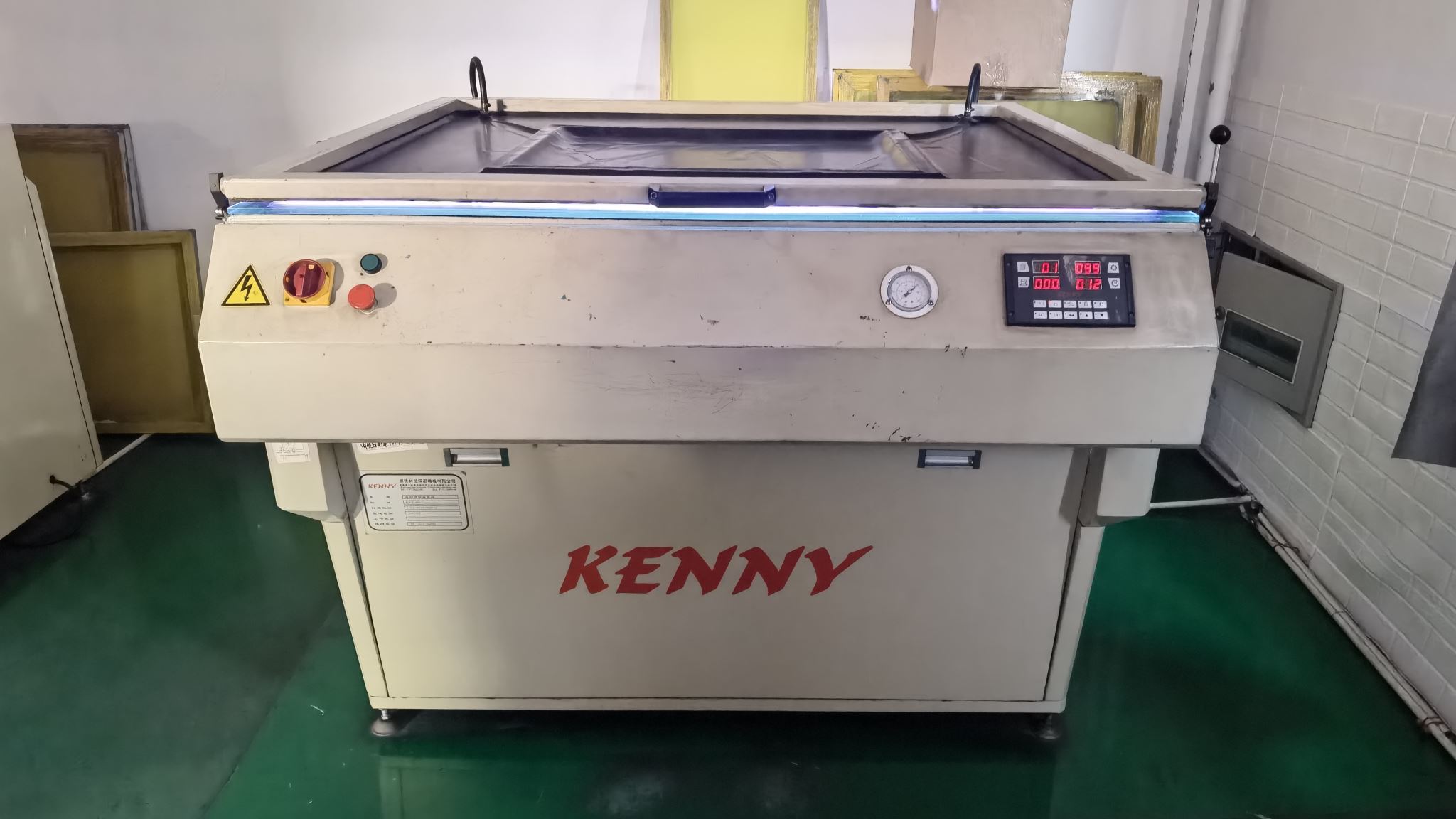
Screen Plate Making
High-tension polyester and stainless steel mesh exposed under optical alignment for micro-line printing.
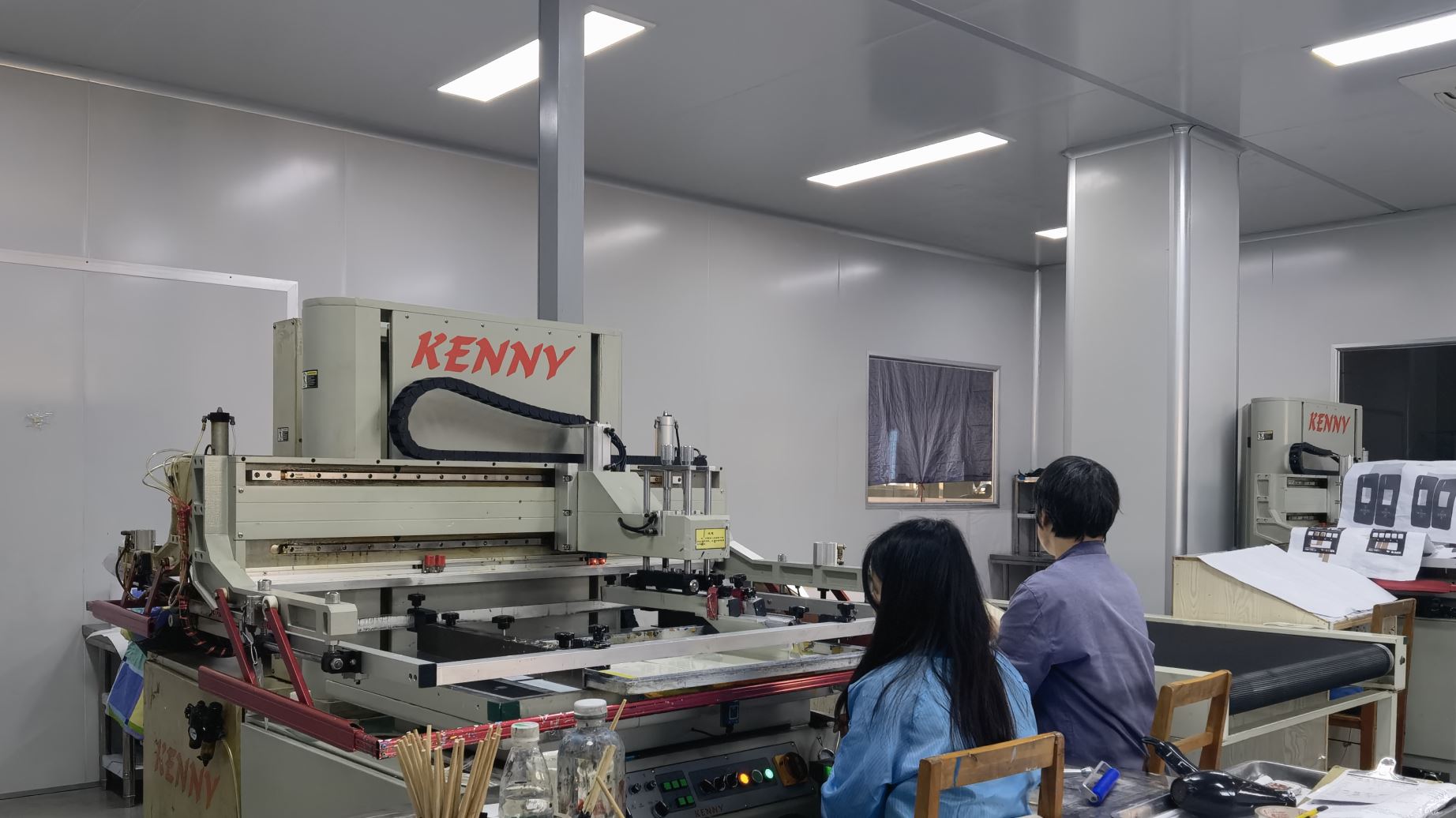
Precision Screen Printing
Cleanroom printing of graphic layers, conductive silver tracks, and insulating dielectric crossover layers.
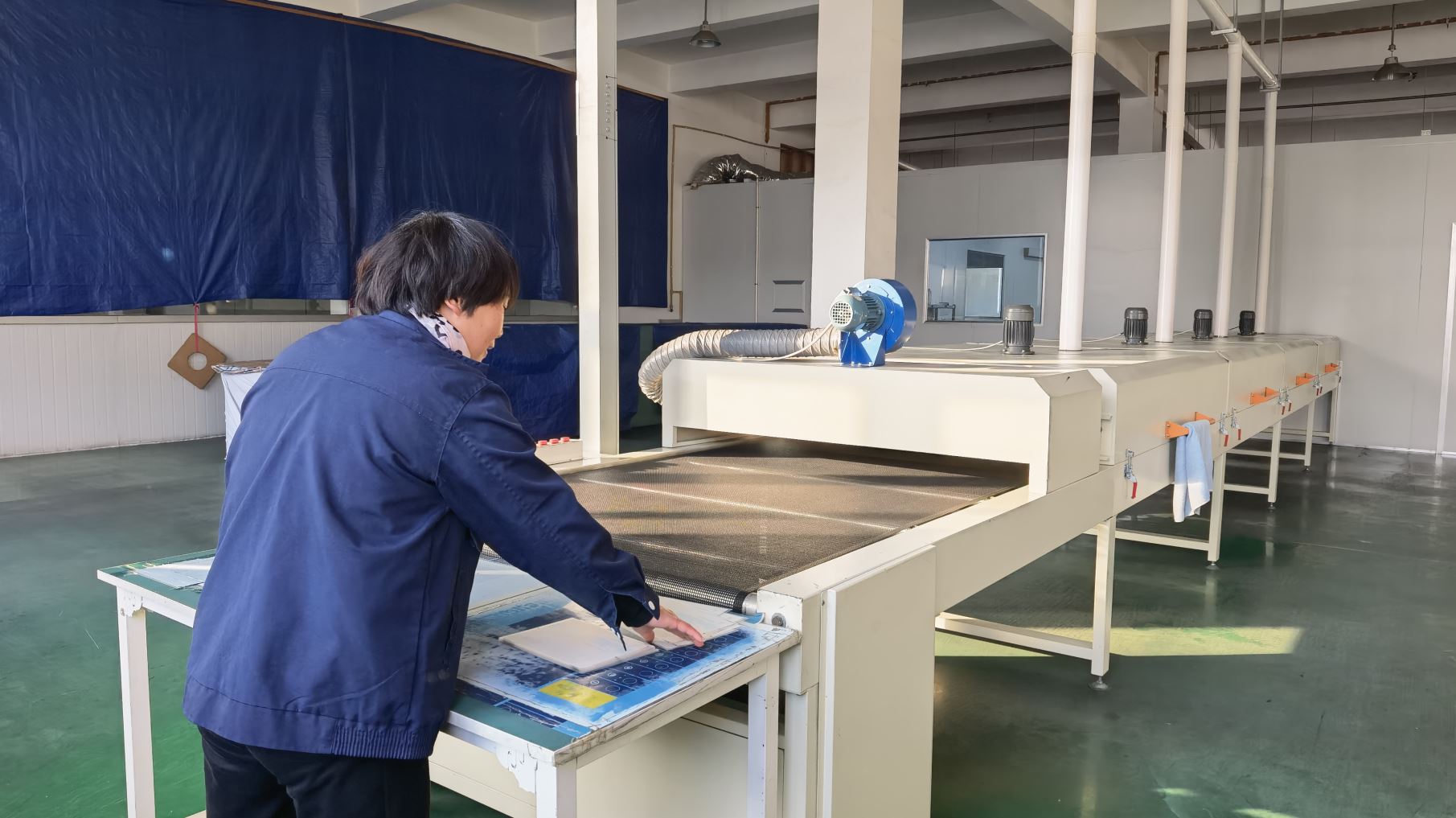
Controlled Curing
Thermal tunnel drying drives off volatile solvents, maximizing conductive cross-linking and film adhesion.
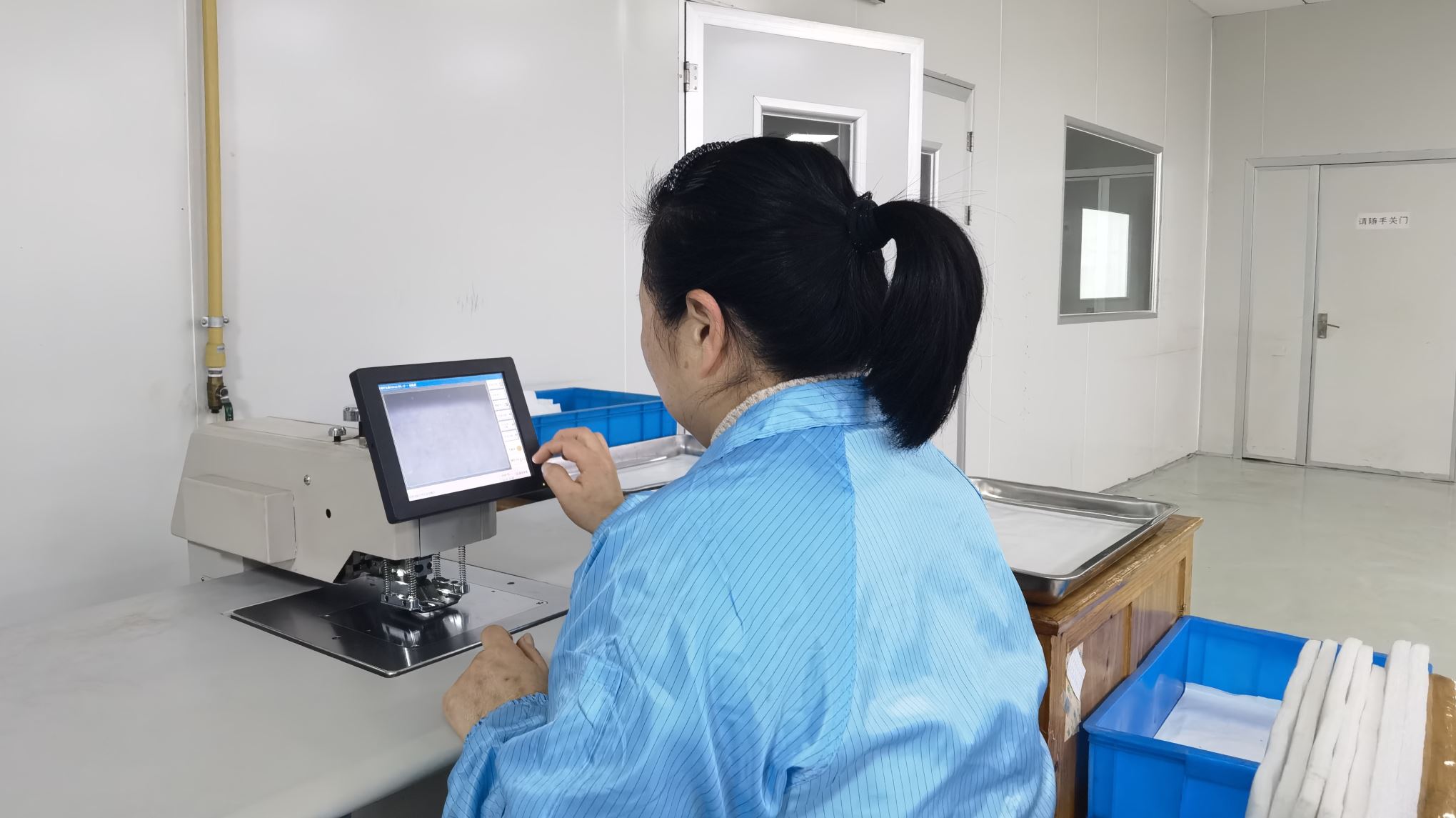
Optical Registration
CNC CCD optical punches create precise reference guide holes, ensuring layer-to-layer tolerance within ±0.05mm.
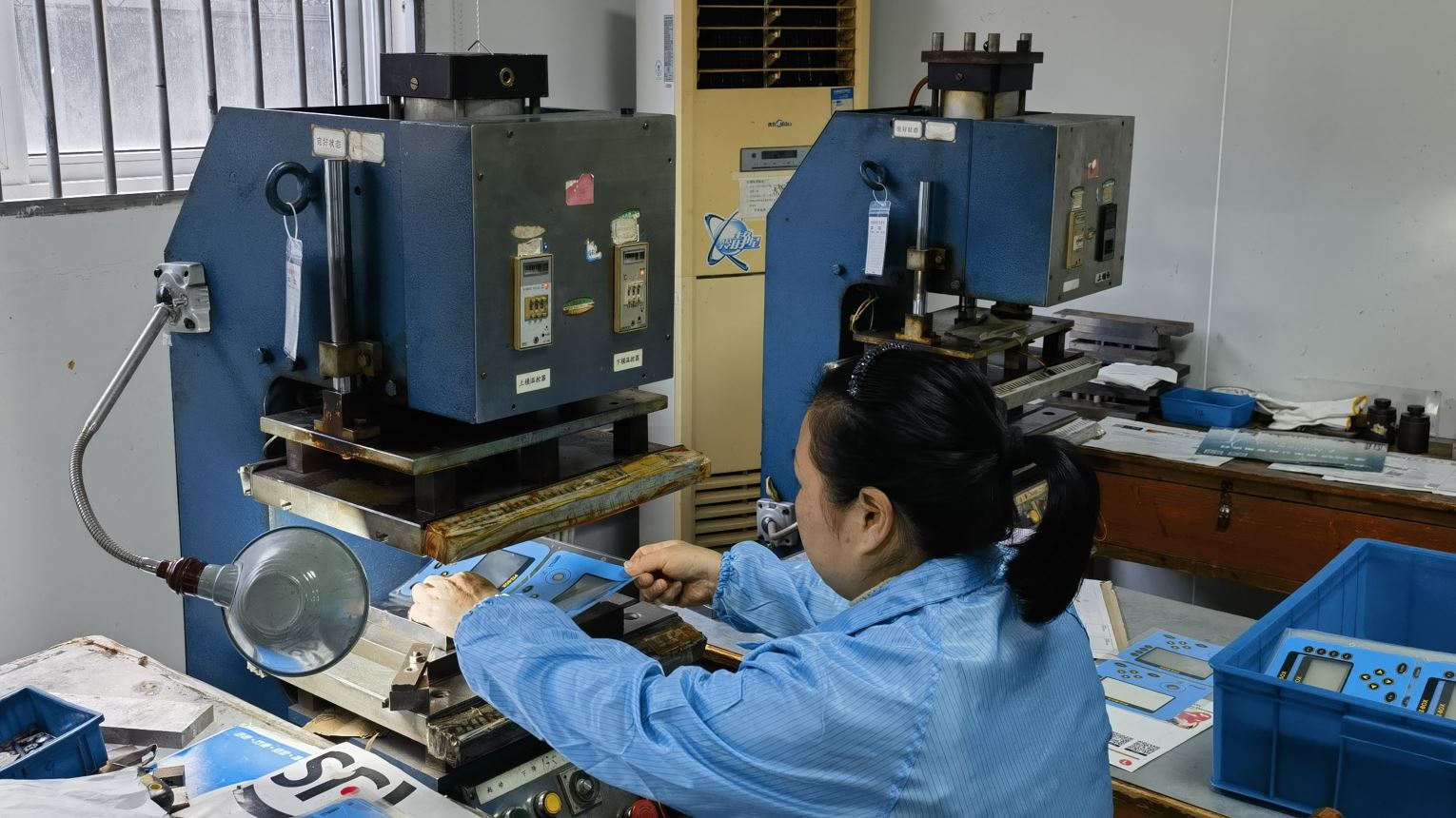
Key Embossing
Thermal hydro-forming establishes crisp rim, pillow, or dome embossing profiles for tactile finger location.
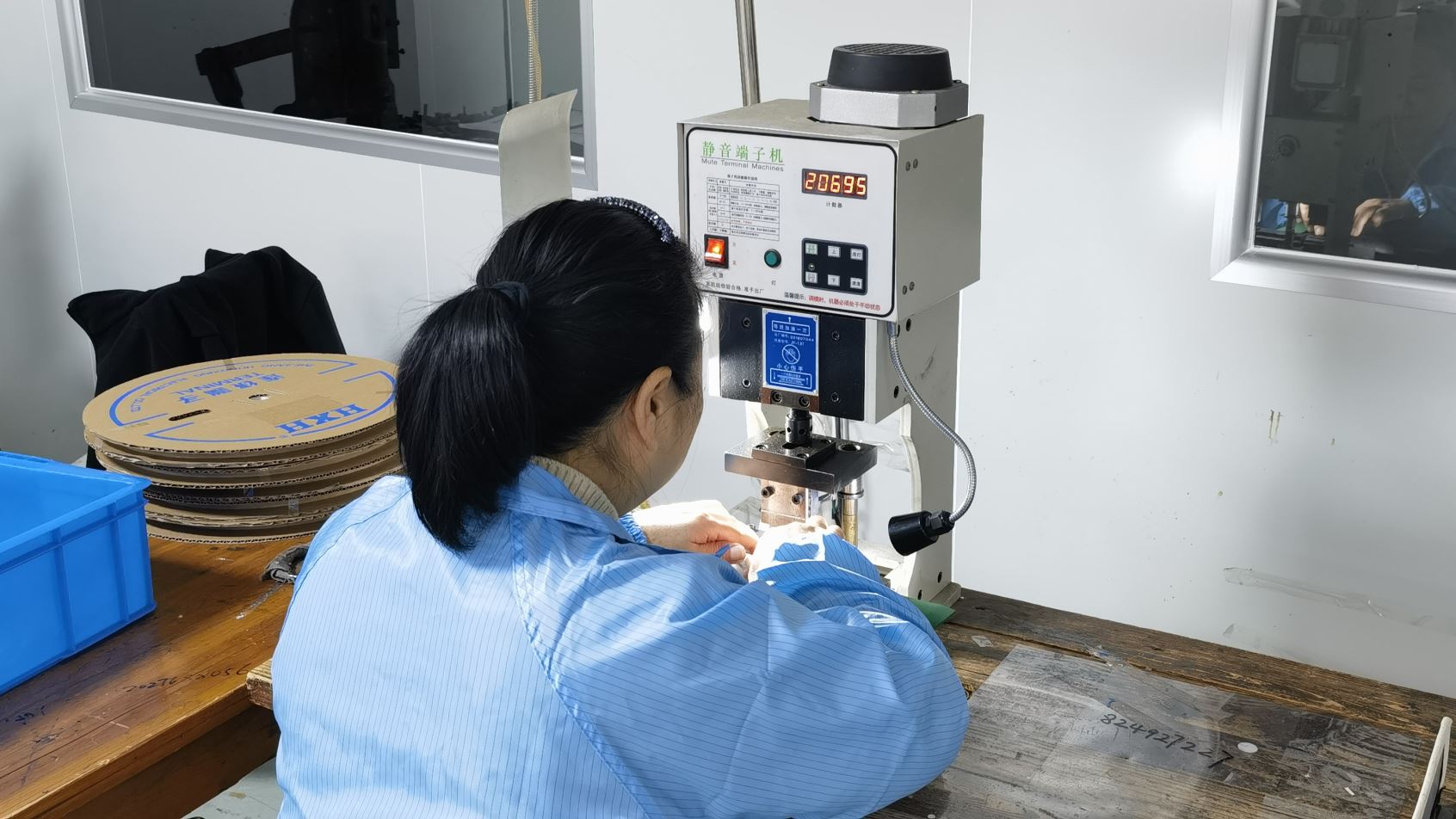
Terminal Crimping
Automated insertion of female contact pins, solder tabs, or latching housings at 2.54mm or 1.0mm pitch.
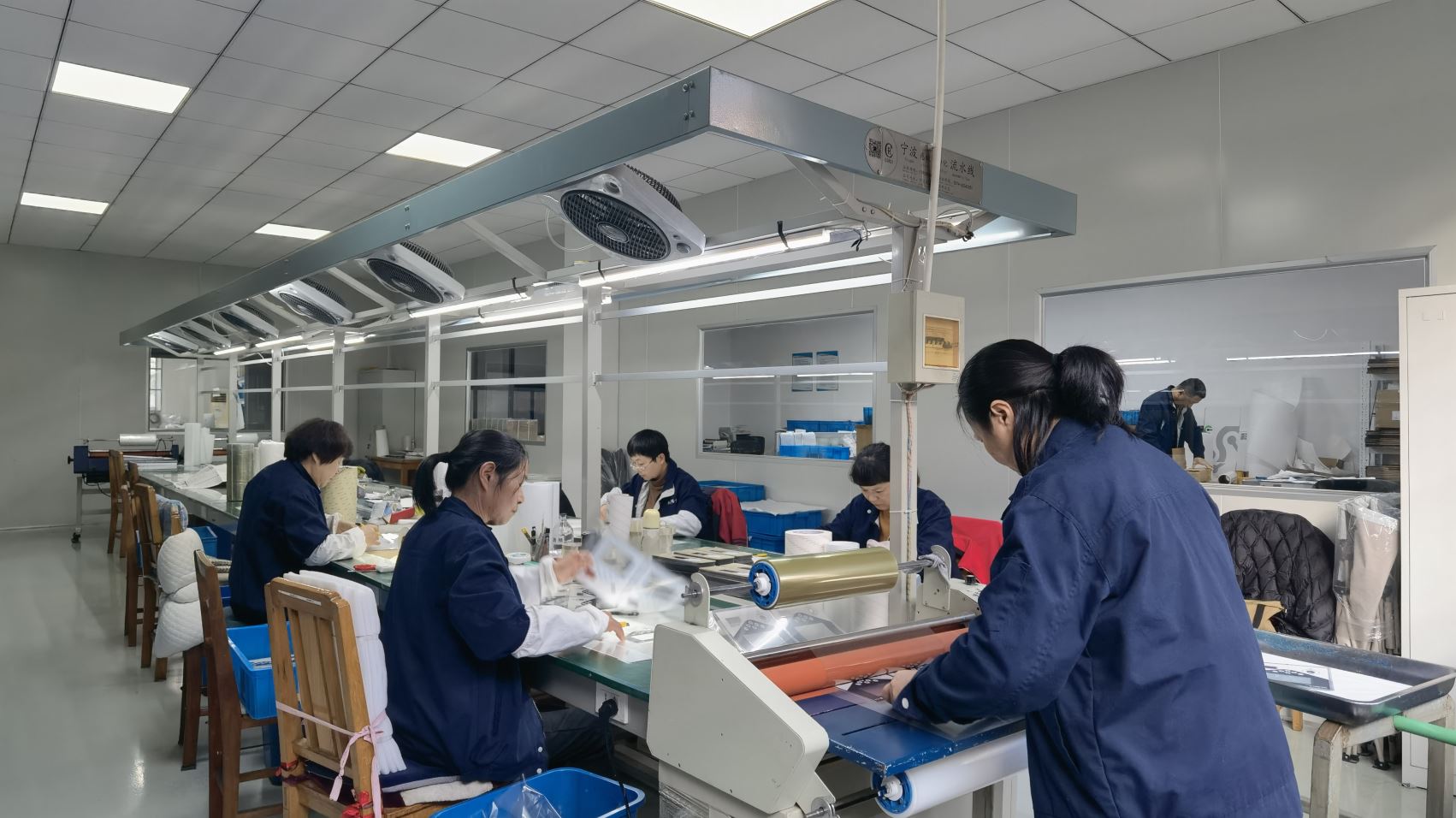
Multi-Layer Lamination
Bubble-free pressurized roller assembly uniting overlay, metal dome retainers, spacer layers, and circuit backing.
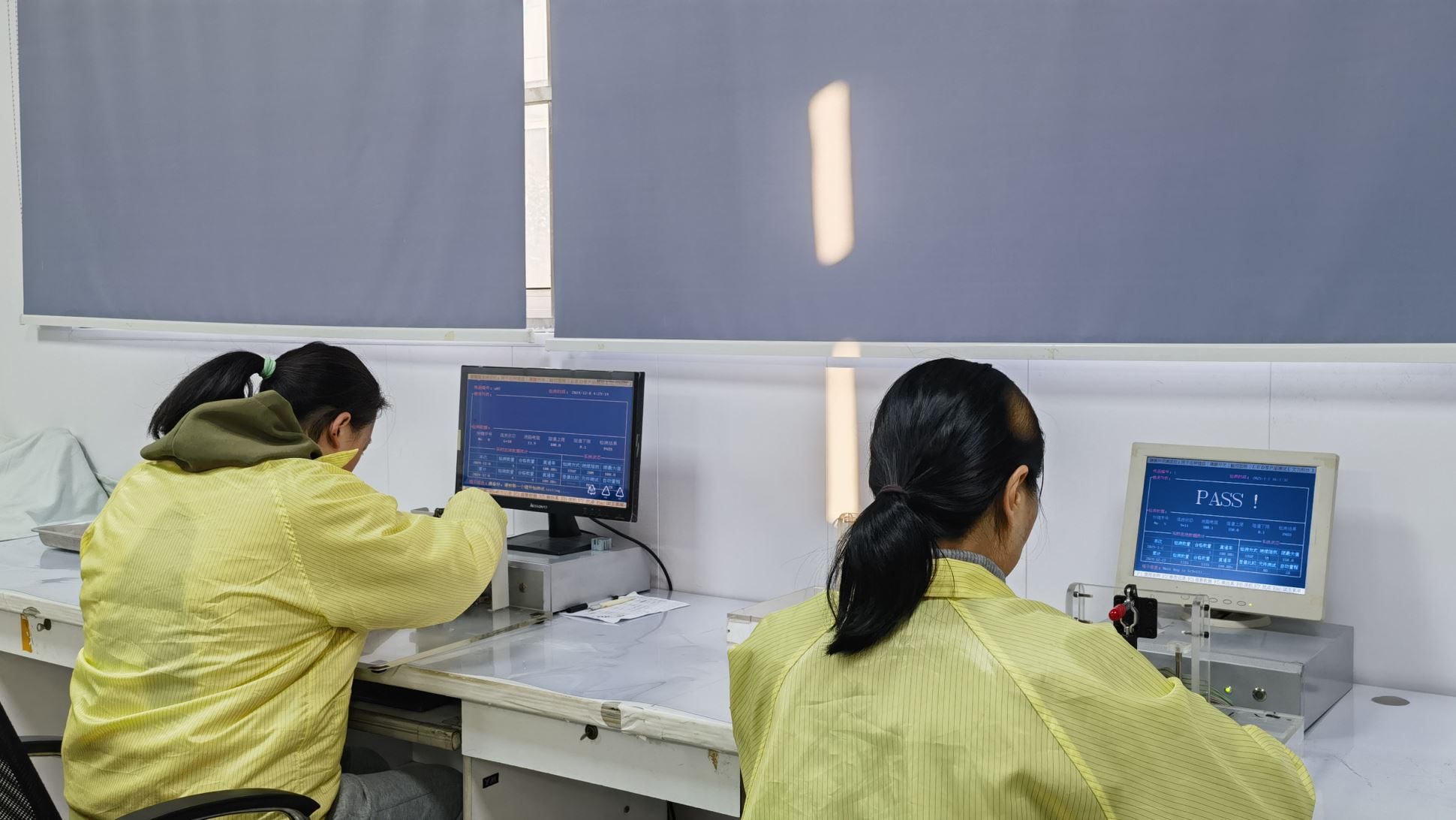
100% Final Inspection
Automated electrical pin testers examine loop resistance, open/short circuits, insulation resistance, and visual cosmetics.
Frequently Asked Questions for Lautoka Industrial Engineers
Direct answers addressing import logistics, compliance certifications, humidity engineering, and replacement procedures for western Fiji facilities.
What are the lead times and shipping routes for custom membrane switch shipments to Lautoka, Fiji?
From our manufacturing complex in Ningbo, rapid engineering prototypes and urgent replacement panels are dispatched via express air freight (DHL, FedEx, or air courier to Nadi International Airport - NAN, located just 25 minutes south of Lautoka). Air shipments clear customs and arrive in Lautoka within 4 to 7 business days. For volume production orders (1,000+ pieces), sea freight containers route directly from Ningbo Port to the Port of Lautoka via Pacific shipping lines with an average maritime transit time of 18 to 26 days. We provide complete documentation for Fiji Revenue and Customs Service (FRCS) tariff classification.
How does CE certification ensure regulatory compliance for machinery imported into Fiji?
While Fiji references Australian and New Zealand Standards (AS/NZS) across certain building and electrical infrastructure, the vast majority of processing machinery deployed at Lautoka Sugar Mill, beverage bottling facilities, and port gantry systems originates from European or multinational equipment makers. Our CE certification certifies full compliance with the European Low Voltage Directive (LVD 2014/35/EU), Electromagnetic Compatibility Directive (EMC 2014/30/EU), and RoHS Directive (2011/65/EU as amended by 2015/863). This guarantees that our membrane switch panels do not radiate spurious electrical noise, are completely immune to surrounding industrial electromagnetic interference, and contain zero hazardous heavy metals.
Can ZIRA reverse-engineer and reproduce obsolete OEM membrane keypads for legacy machinery in Lautoka?
Yes. Many processing lines in the Western Division run robust European, Japanese, or American machinery whose original control panel manufacturers have discontinued support. You can mail a used, damaged, or functional sample panel to our Ningbo engineering facility. Our R&D team executes high-precision 2D laser dimensional scanning, measures track resistance and tail pitch, analyzes graphic color separations, and decodes the internal contact matrix schematic. We reproduce modern, tropicalized drop-in replacements featuring superior UV-stable materials and upgraded perimeter seals—frequently delivering a longer operating lifespan than the original OEM component.
What adhesive formulations do you specify to prevent panel lifting under Lautoka's 95% humidity?
Standard commercial double-sided adhesives fail rapidly in coastal Fiji due to shear creep and plasticizer migration under continuous tropical humidity and high ambient warmth. We specify genuine 3M high-performance acrylic adhesive systems, specifically 3M 467MP / 468MP (200MP adhesive family) for smooth metal control boxes, and 3M 300LSE high-tack adhesive for powder-coated steel, polycarbonate, ABS, and low surface energy (LSE) plastic enclosures. 3M 300LSE provides exceptional peel resistance, chemical washdown stability, and moisture impermeability across operating temperatures from -40°C to +148°C.
What is the minimum order quantity (MOQ) for custom-printed membrane switch prototypes?
We believe in supporting engineering validation and equipment retrofits without prohibitive volume barriers. For custom-designed membrane switches, we offer rapid prototyping runs starting from just 1 piece to 5 pieces. Standard batch production orders typically begin at 100 pieces, while high-volume serial runs for consumer appliances or standardized numeric keypads scale into tens of thousands of units. Tooling costs for film cutting and screen plate fabrication are amortized across production, and all tooling files remain exclusively archived for your future repeat reorders.
Request an Engineering DFM Review for Your Lautoka Application
Send our senior engineering team your dimensional drawings (CAD, DWG, DXF, or PDF), circuit matrix schematic, or photos of your existing control panel. We will provide a comprehensive Design for Manufacturing (DFM) assessment, material stack-up proposal, and transparent FOB/CIF Lautoka pricing within 24 business hours.
