Export-Grade Membrane Keypads & Tactile Panels for Turku OEMs
Engineered to withstand the demanding marine atmosphere of the Archipelago Sea, clinical sterilization cycles, and sub-zero Nordic operating environments. Explore our 8 primary CE-certified interface architectures below.
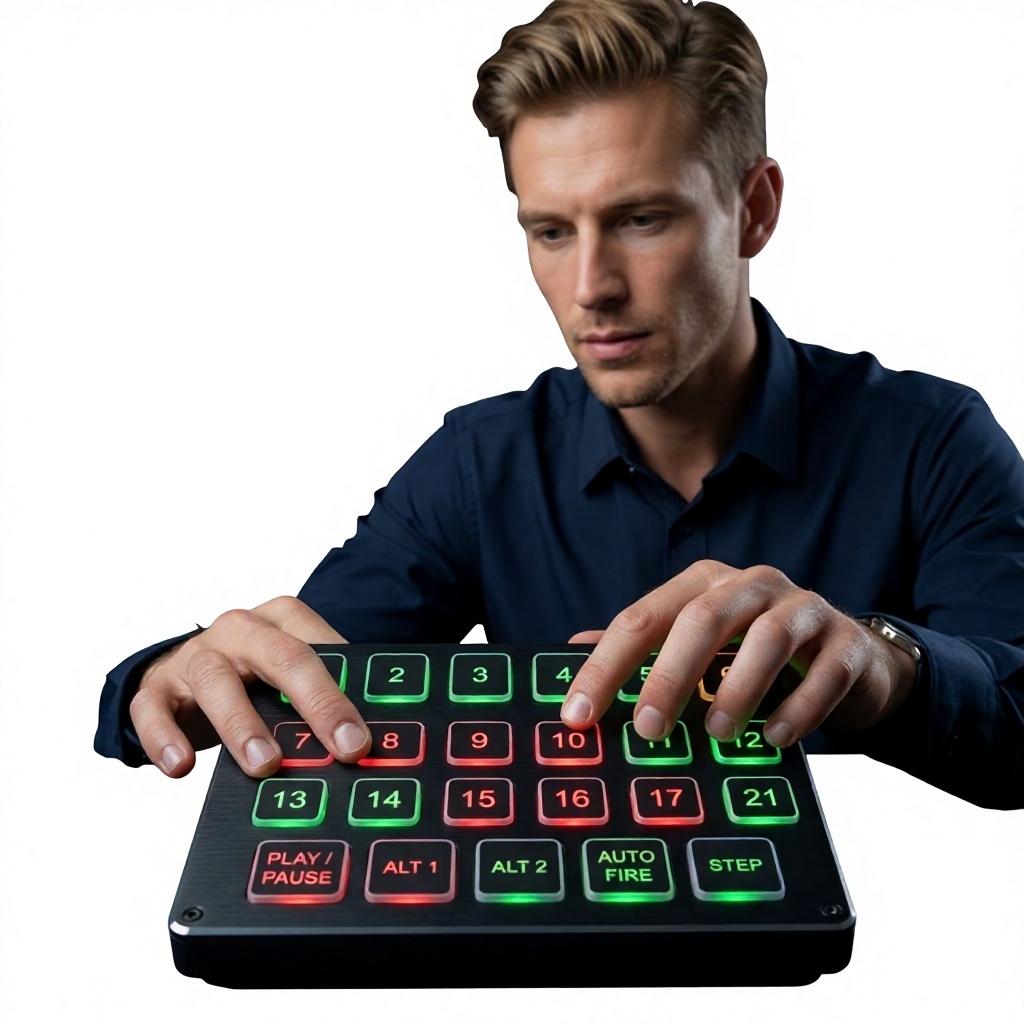
Even Illumination Night Operation Backlit Keypad
High-uniformity LED/LGF backlight designed for night bridge navigation, clinical darkrooms, and 24/7 industrial dashboards. Full RoHS & REACH compliance.
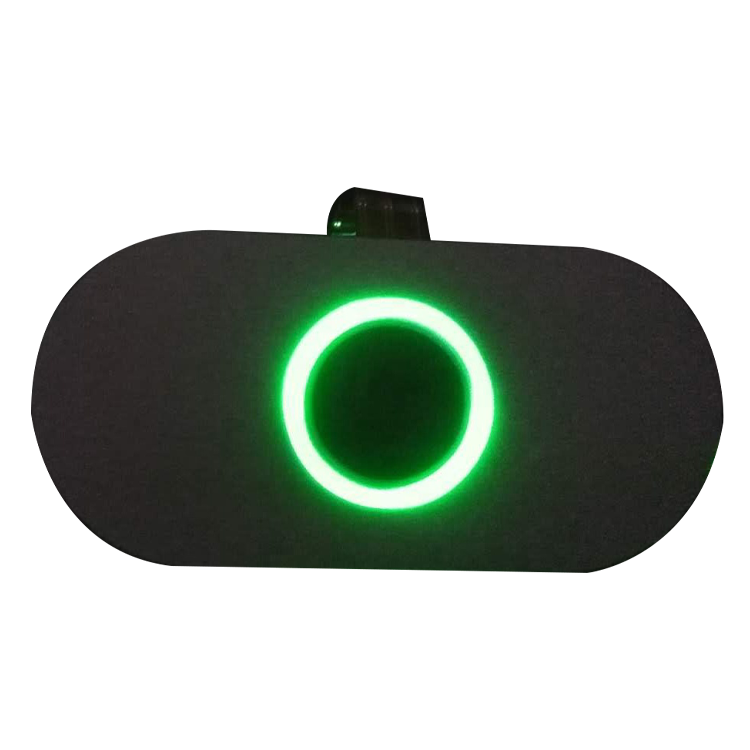
Tactile Metal Dome Industrial Control Keypad
Crisp tactile snap ratio with gold-plated stainless steel metal domes. Designed for heavy machinery, automotive assembly rigs, and shipboard motor controls.
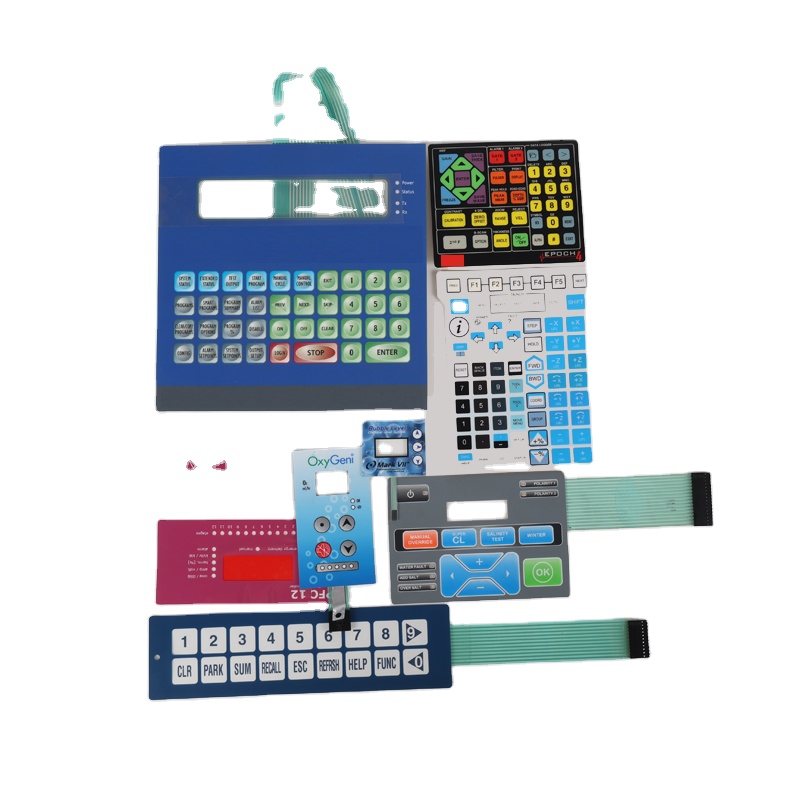
Waterproof Flexible Circuit Medical Keypad
Bacteriostatic PET overlay with IP67 perimeter gasket seal. Resists hospital disinfectants, isopropyl alcohol washdowns, and aggressive clinical reagents.
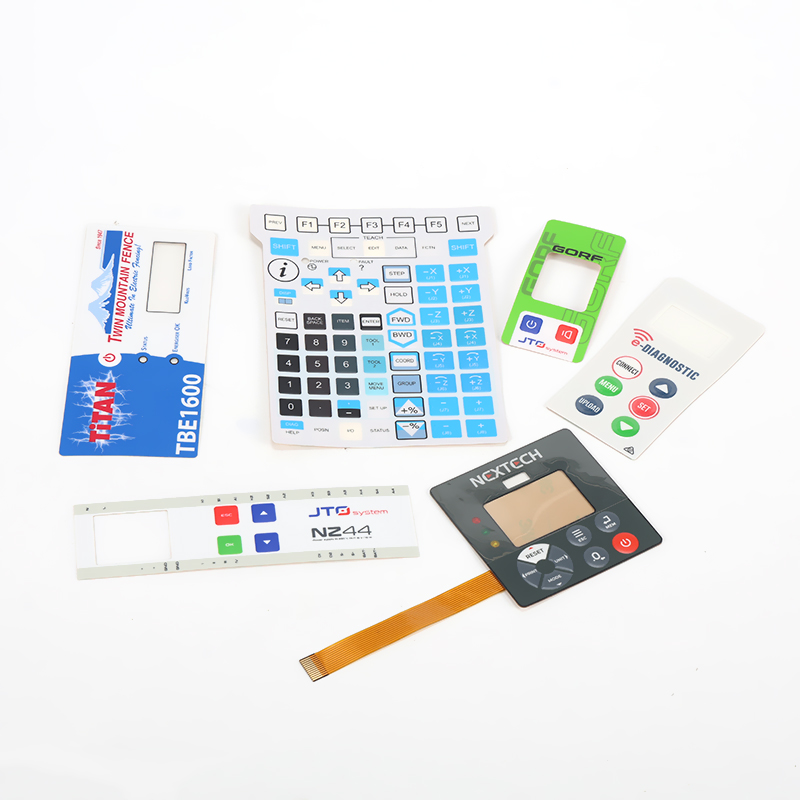
Waterproof & Dustproof PET Control Panel
Hermetically sealed against salt-mist and particulate ingress. Ideal for forestry cranes, port logistics cranes, and outdoor cargo handling in Southwest Finland.
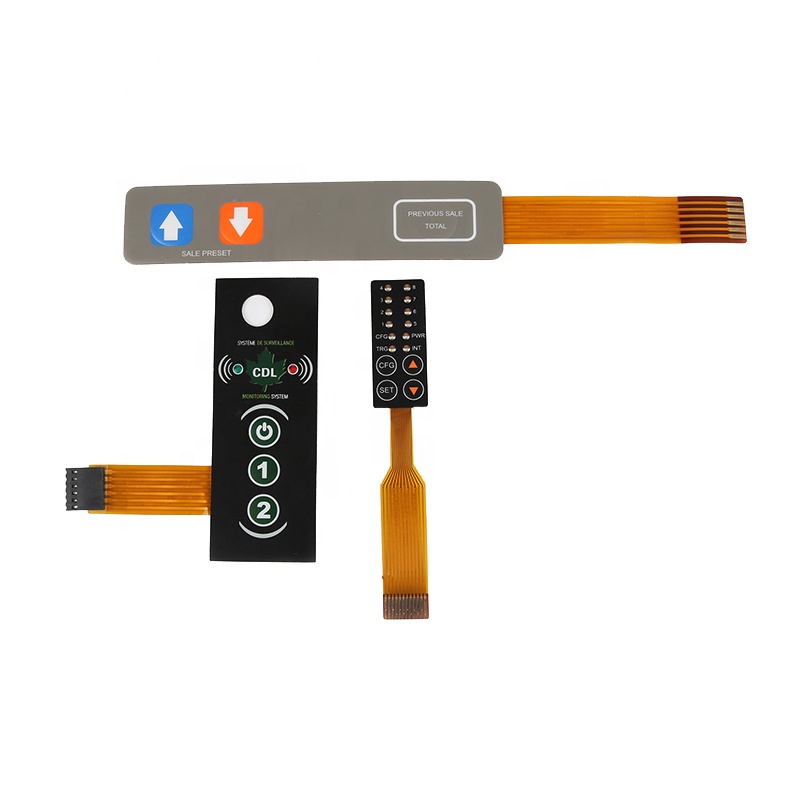
High-Performance LED Backlit Front Panel
Integrated surface-mount micro-LEDs within a slim profile under 1.2 mm. Provides status indication, alarm feedback, and clear legend legibility in compact housings.
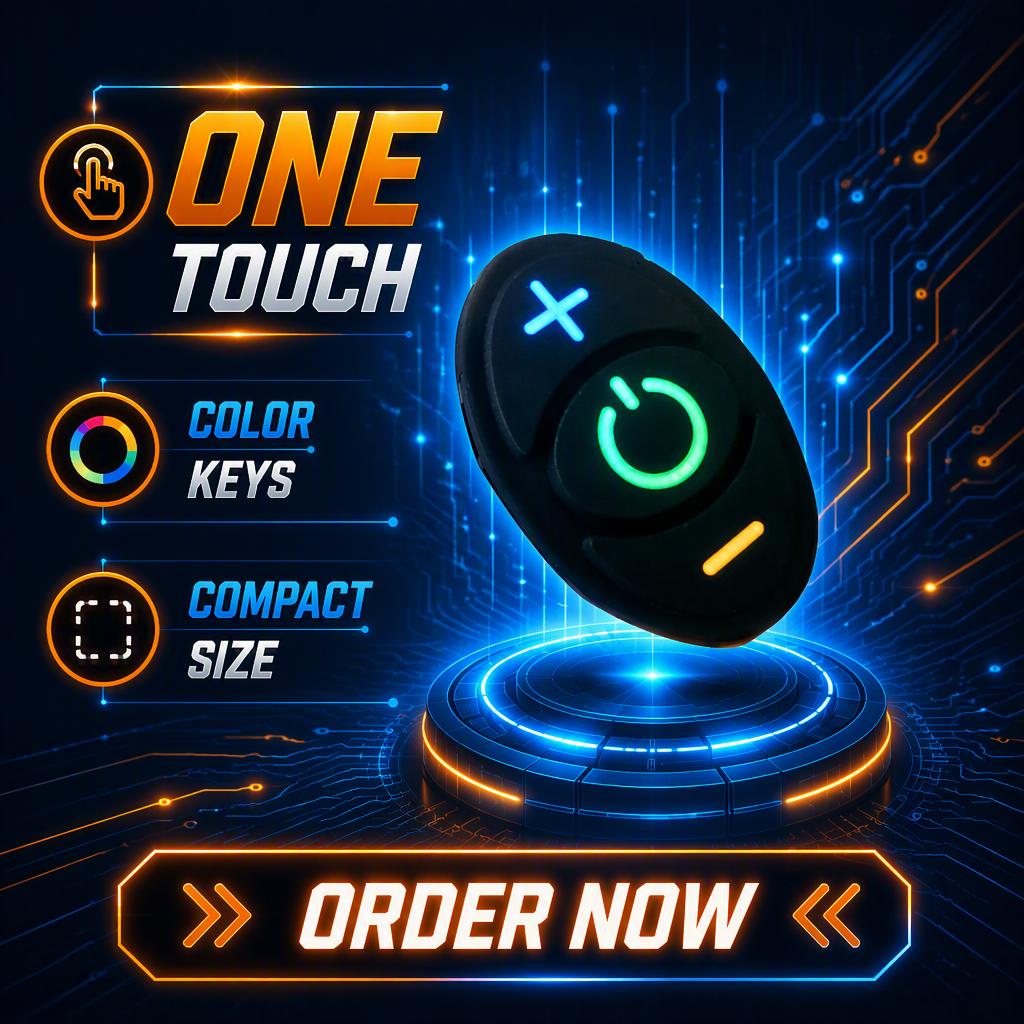
LGF Light Guide Film FPC Control Keypad
Polyimide FPC substrate combined with micro-etched Light Guide Film (LGF) to eliminate hot spots. Extremely low power consumption for battery-operated field instruments.
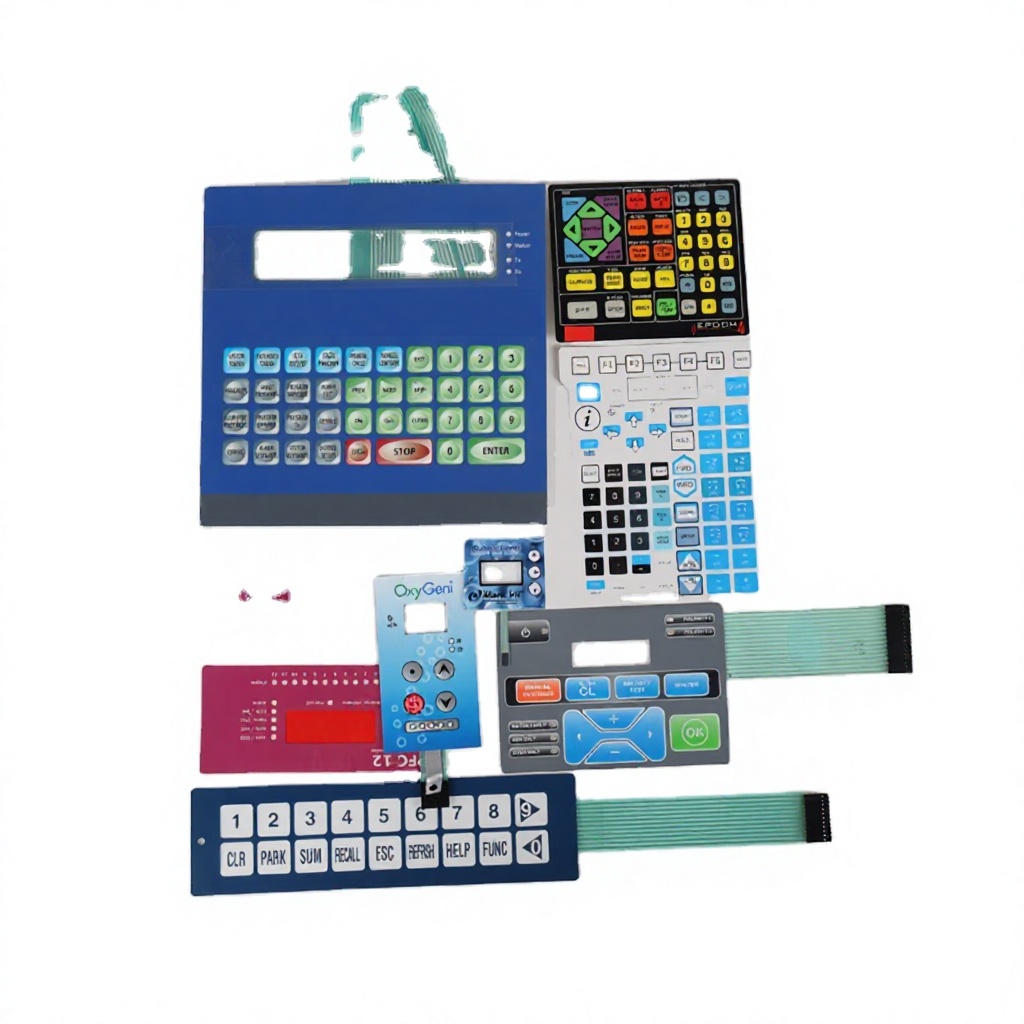
IP67 Waterproof Tactile Membrane Keyboard
UL94 V-0 flame-retardant specification option. Built with 3M 300LSE structural adhesive to anchor securely to powder-coated aluminum and cast steel enclosures.
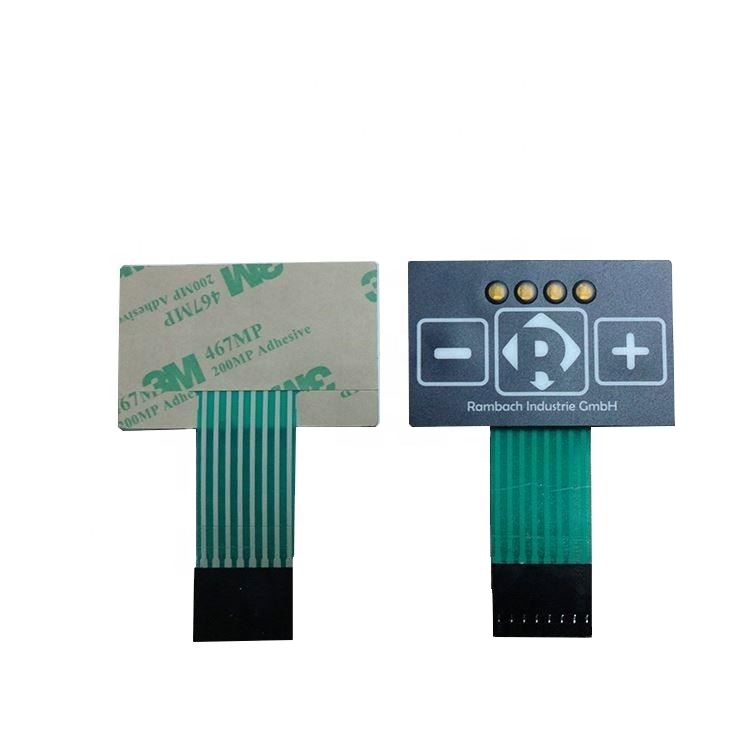
Ultra-Thin Illuminated Film Electronics Switch
Streamlined thickness ideal for handheld diagnostic meters and wireless maritime communication handsets. Tested to over 1,000,000 continuous switch actuations.
Engineering Human-Machine Interfaces for the Baltic Industrial Environment: A Turku Perspective
The manufacturing and design ecosystem in Turku (Åbo) and the broader Southwest Finland region (Varsinais-Suomi) occupies a distinct position within European industry. From the colossal cruise vessels constructed at Meyer Turku to the clinical diagnostic apparatus emerging from the Turku Science Park and the heavy mobile machinery working Finnish terrain, user interfaces must endure environmental and mechanical conditions far exceeding commercial requirements.
"For engineering teams in Turku, human-machine interface reliability is not merely an aesthetic consideration—it is a functional safety imperative. Operating parameters dictate sustained resistance to high salinity, sub-zero Scandinavian thermal cycling, intensive chemical sterilization, and high-frequency actuation cycles."
Sub-Zero Elasticity and Thermal Coefficient Matching
Winter operations in Southwest Finland frequently expose marine deck machinery, harbor cranes, and forestry electronics to ambient temperatures dropping to -35°C to -40°C. Standard polycarbonate (PC) graphic films experience glass transition brittleness under these conditions, resulting in micro-cracking across tactile embossed button perimeters after minimal duty cycles. To resolve this, our export configurations for the Turku market use biaxially oriented polyester (PET) substrates—specifically automotive-grade Autotex XE and Melinex films.
Polyester films maintain flexural fatigue strength and tensile memory across a thermal window spanning -40°C to +85°C. In addition, differential coefficient of thermal expansion (CTE) between the graphic overlay, circuit spacer, and conductive silver inks must be balanced. In our Ningbo cleanrooms, we engineer circuit traces with polymer thick-film silver ink enriched with flexible resin binders, preventing conductive trace micro-fractures during abrupt thermal shocks between indoor heated operator cabs and sub-zero outdoor docks.
Hermetic Sealing & Salt Mist Corrosion Prevention (ASTM B117)
Marine atmospheric salinity in the Baltic Archipelago presents constant galvanic corrosion risks. In conventional open-vent membrane switches, moisture-laden salt air is drawn into internal switch cavities during atmospheric pressure shifts, causing rapid dendritic silver migration and short circuits across trace contacts. For maritime applications around Turku's shipyards and ports, we deploy complete perimeter hydro-gaskets engineered using 3M 467MP or 3M 300LSE acrylic transfer adhesive tapes, combined with isolated internal air-channel networks that loop pressure internally without drawing external air.
When high tactile responsiveness is required in maritime consoles, stainless steel metal domes (typically alloy SUS301 or SUS304) are coated with selective gold or nickel plating. This barrier layer prevents oxidation and contact resistance drift over decades of exposure to salt mist, meeting or exceeding ASTM B117 salt spray test protocols across 1,000 continuous hours.
Electromagnetic Compatibility (EMC) & CE Marking Directives
As a key entry port for European industrial hardware, Turku requires uncompromising adherence to European Union product safety directives. Every membrane switch exported by ZIRA to Finland complies fully with the CE framework, including the Electromagnetic Compatibility Directive (EMC) 2014/30/EU and the Low Voltage Directive (LVD) 2014/35/EU. Our engineering designs incorporate full-coverage aluminum foil shielding or printed continuous-mesh carbon ground layers situated between the graphic overlay and the active circuit matrix.
This grounding architecture reliably dissipates electrostatic discharge (ESD) events exceeding 15 kV (IEC 61000-4-2 standard), protecting delicate onboard microcontrollers in sensitive medical diagnostic analyzers and bridge automation systems from software resets or component latch-ups.
Precision HMI Integration across Turku's Core Industries
Our custom membrane switches, silicone rubber keypads, and flexible circuits are designed to match the specific operational realities of Finnish OEM manufacturers.
Maritime & Naval Architecture (Meyer Turku Supply Chain)
Turku is the center of European cruise shipbuilding and naval technology. Bridge control consoles, engine room automation, ballast monitoring, and emergency hatch interfaces demand rugged reliability. Our IP67/IP68 sealed membrane panels resist saltwater spray, engine oil, diesel vapors, and extreme vibration without seal degradation. Integrated dimmable LED backlighting provides NVIS-compliant illumination for night navigation across open sea routes.
Life Sciences & BioTech (Turku Science Park Ecosystem)
With Åbo Akademi, University of Turku, and numerous in-vitro diagnostic (IVD) innovators, clinical lab devices require sterile, crevice-free interfaces. We produce chemically inert polyester front panels treated with anti-microbial coatings that withstand sodium hypochlorite, isopropyl alcohol (70%), quaternary ammonium disinfectants, and autoclave splashdown without discoloration or legend fading.
Heavy Machinery & Cargo Handling (Varsinais-Suomi Hub)
The engineering corridor connecting Turku, Raisio, and Uusikaupunki builds rock drills, material handlers, and specialty utility vehicles. Operators wear thick leather gloves in winter, requiring distinct physical tactile feedback. We utilize oversized embossed key domes with 350g to 500g actuation forces and robust stainless steel metal domes delivering crisp snap feedback through heavy glove wear.
Emerging HMI Engineering Trends in Southwest Finland
Industrial procurement in Finland is shifting rapidly toward hybrid architectures that bridge mechanical tactility with sleek capacitive aesthetics and circular economy mandates.
LGF Uniform Backlighting
Replacing bulky discrete LEDs with micro-structured Light Guide Films (LGF) allows multi-zone legend illumination with balanced lux distribution, reducing battery consumption in mobile telemetry units.
Capacitive ITO under Armored Glass
Combining printed ITO (Indium Tin Oxide) or silver nanowire capacitive touch matrices beneath 3mm to 5mm toughened anti-glare display glass to create vandal-proof, IK10-rated outdoor public interfaces.
Low-VOC & REACH Compliance
Strict European green procurement favors PFAS-free adhesive formulations and water-borne conductive pastes that adhere to European Chemical Agency (ECHA) SVHC restriction schedules.
Silicone-Membrane Hybrid Keymats
Over-molding ergonomic silicone rubber keys on top of precision flexible printed circuits (FPC), combining 3D spatial key travel with the IP67 hermetic barrier of a sealed membrane switch.
Substrate & Architectural Specifications for Finnish Procurement
Detailed performance parameters comparing standard graphic overlay and circuit architectures for export projects.
| Evaluation Parameter | Autotex XE Marine PET | Polycarbonate (Lexan 8010) | Copper Flex Circuit (Polyimide FPC) | Printed Silver Membrane (PET) |
|---|---|---|---|---|
| Operating Temperature | -40°C to +85°C | -20°C to +105°C | -40°C to +125°C | -25°C to +70°C |
| Actuation Flex Life | >5,000,000 cycles | ~100,000 cycles (brittles) | >10,000,000 cycles | >1,000,000 cycles |
| Salt Mist & Humidity | Impervious (ASTM B117) | Moderate (Micro-craze risk) | Hermetic Coverlay | Requires Hydro-Gasket |
| Chemical Disinfection | High (IPA, Bleach, Acids) | Poor (Attacked by Solvents) | Immune (Internal Core) | Isolated by Spacer Layer |
| Trace Resistance / Foot | N/A (Graphic Layer) | N/A (Graphic Layer) | <0.05 Ω (High Conductivity) | <1.0 Ω per track length |
| Optimal Turku Industry | Maritime Deck & Diagnostic Lab | Indoor Power Distribution | Compact Diagnostics & Aviation | Industrial Control Consoles |
Why Turku Engineering Teams Partner Directly with ZIRA
Combining 29+ years of precision HMI fabrication in Ningbo, China with European quality control rigor, independent Intertek factory audits, and end-to-end testing.
End-to-End Vertical Integration
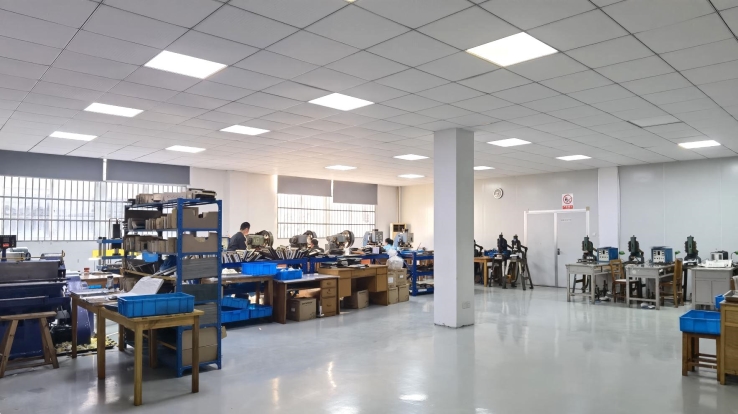
Our 5,000 m² cleanroom facility houses screen printing, laser profiling, CNC embossing, clean lamination, and SMT assembly under one roof, maintaining cost stability and quality control.
Intertek Onsite Assessed
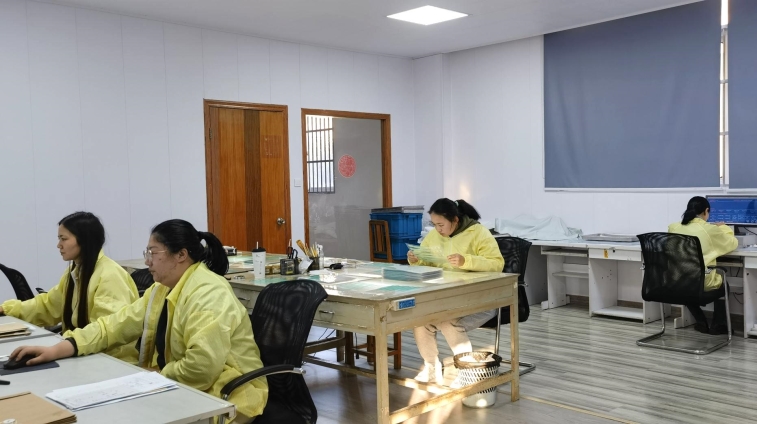
Independent third-party verification by Intertek validates our operational capacity, legal compliance, quality control apparatus, and direct export credibility to the EU market.
100% Automated Electrical Testing
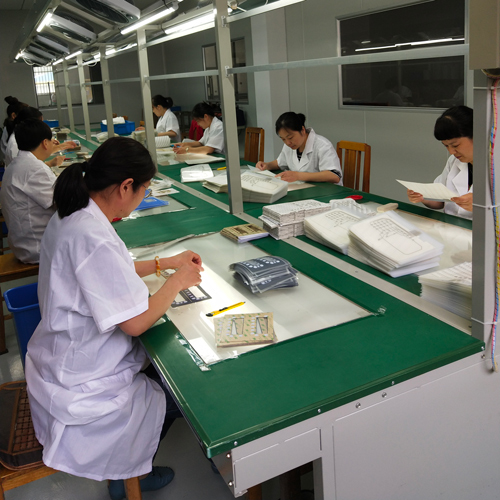
Every switch leaving our plant undergoes automated continuity, contact bounce, loop resistance, and insulation breakdown voltage testing (500V DC Hipot) before packaging.
Rapid DFM Prototyping
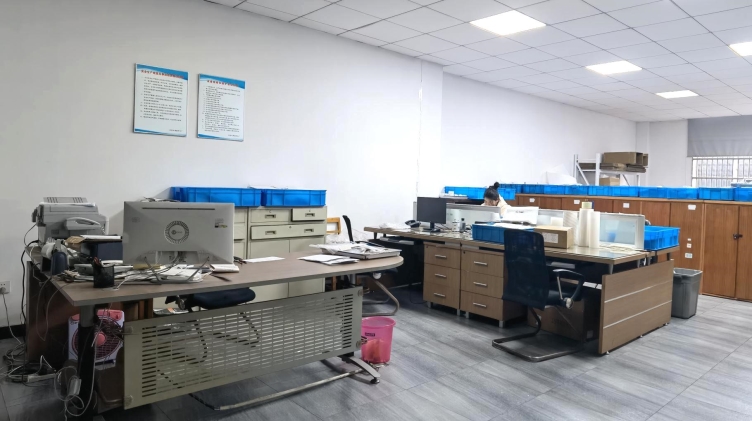
Our mechanical and electronics R&D team delivers full Design for Manufacturing (DFM) reviews within 24 hours and quick-turn functional prototypes from 1 piece.
Frequently Asked Questions by Technical Buyers in Turku
Addressing engineering specifications, regulatory compliance, logistics from Ningbo to Southwest Finland, and production minimums.
What are the direct freight routes and lead times to Turku, Finland?
For prototypes and urgent production runs, air express (DHL/FedEx/UPS) delivers directly to Turku Airport (TKU) or Helsinki Airport (HEL) within 4 to 6 business days. For containerized volume manufacturing, sea shipments depart Ningbo Port directly to the Port of Vuosaari (Helsinki) or the Port of Turku, with average sea transit times of 30 to 35 days. We provide comprehensive DDP (Delivered Duty Paid) shipping, handling Finnish customs clearance and VAT (ALV) formalities seamlessly.
How do you guarantee CE, RoHS, and REACH documentation for Finnish audits?
Every shipment to Finnish OEMs is accompanied by an official CE Declaration of Conformity referencing the Low Voltage Directive (2014/35/EU) and EMC Directive (2014/30/EU). Full material declarations verify that all substrates, conductive inks, spacers, and adhesive transfer tapes comply with RoHS 3 (EU Directive 2015/863) and REACH (EC 1907/2006) Substances of Very High Concern (SVHC) list.
What is the minimum order quantity (MOQ) for custom tooling?
We actively support engineering trials and pilot builds: initial prototyping runs start from just 1 to 5 pieces. Standard industrial production runs start at 100 units. For high-volume numeric keypads or specialized silicone-elastomer keymats, optimal production pricing starts at 1,000 units. Tooling costs for laser-cut dies and screen films are low, with tooling credit programs available on serial volume orders.
Can your membrane switches operate reliably in maritime outdoor installations?
Yes. By utilizing UV-stabilized Autotex XE polyester films, selective silicone sealing gaskets, 3M 300LSE high-tack acrylic adhesives, and nickel/gold-plated stainless steel metal domes, our marine-grade assemblies achieve certified IP67 and IP68 hermetic ingress ratings. They resist continuous sea salt fog, UV radiation degradation, and heavy rainfall across decades of deck exposure.
What CAD and technical drawing file formats do you accept for DFM?
Our engineering department works directly with native DXF, DWG, STEP, vector PDF, and Adobe Illustrator (AI) files. To ensure rapid turnaround, your drawing package should ideally include graphic vector artwork, color callouts (Pantone or RAL matching), dimensioned mechanical boundary cuts, circuit pinout schematics, connector termination types (e.g., 2.54mm or 1.0mm pitch ZIF), and preferred adhesive specs.
How do you address ESD protection in medical and sensitive electronics?
We integrate full-surface aluminum foil shield layers or printed grid-pattern conductive graphite layers situated immediately behind the graphic overlay. Terminated directly into the grounding pin of the tail connector, this shield shunts static charges greater than 15kV safely to chassis ground, ensuring complete protection for delicate ICs in patient-connected clinical monitoring equipment.
Ready to Engineer Your Custom Membrane Interface?
Collaborate directly with our senior application engineers. Submit your dimensional 2D/3D CAD drawings or project technical requirements today to receive a comprehensive DFM review, stack-up proposal, and prototype quotation within 24 hours.
