Years Engineering Interface Excellence (Since 1996)
5,000m²
Precision Workshop & ISO Cleanroom Production Floor
100%
Automated Electrical & Environmental Verification
50%
Export Volume to Western Europe & Global OEM Giants
Engineering High-Fidelity Capacitive Touch Interfaces for the Basel Life Sciences Ecosystem
The trinational metropolitan region of Basel—anchoring Switzerland's premier Life Sciences, Bio-technology, and Specialty Chemical hub—demands human-machine interface (HMI) hardware that surpasses standard consumer durability metrics. In an operational landscape driven by giants such as Novartis, Roche, Lonza, and hundreds of specialized medical technology (MedTech) startups throughout Basel-Stadt, Basel-Landschaft, and the surrounding BioValley, user interfaces are subject to strict cleanroom protocols, rigorous chemical decontamination cycles, and mission-critical precision parameters.
For Swiss instrument design engineers, selecting a reliable capacitive touch panel manufacturer is not merely a question of sourcing glass-and-sensor assemblies. It is an exercise in comprehensive Design for Manufacturability (DFM), strict electromagnetic compatibility (EMC) engineering, optical stack-up formulation, and long-term supply chain traceability. As factory-direct manufacturers with nearly three decades of dedicated HMI fabrication, Zhejiang ZIRA Membrane Switch Co., Ltd. builds high-reliability projected capacitive (PCAP) touch sensors, ruggedized optical bonding assemblies, and hybrid touch-membrane switch systems engineered specifically to satisfy these stringent European industrial directives.
Technical Information Gain Note: Unlike consumer-grade capacitive screens that suffer from erratic touch reporting when contaminated with saline solutions or operated with double-layer cleanroom gloves, our Basel-tailored PCAP touch modules utilize mutual-capacitance and self-capacitance hybrid controller firmware. This architecture achieves flawless glove operation (latex, nitrile, neoprene up to 5.0 mm thickness) alongside complete water-rejection algorithms under active liquid flow.
Capacitive touch technology operates on the principle of electrostatic disturbance caused by a conductive body entering an electromagnetic field projected above a transparent conductive layer. In the demanding laboratory and manufacturing cleanrooms of Basel, two core sensor configurations dominate modern instrument procurement:
1. Glass-Film-Film (GFF) Sensor Architecture
GFF structures utilize an optically bonded chemically strengthened soda-lime or aluminosilicate cover lens (e.g., Corning Gorilla Glass or Asahi Dragontrail) laminated over two optical clear adhesive (OCA) film layers containing laser-etched Indium Tin Oxide (ITO) or metal mesh circuits. This construction offers superior mechanical shock distribution, ensuring that impact shocks from dropped surgical tools or laboratory hardware do not crack the underlying capacitive sensor array. GFF assemblies provide unmatched design flexibility for curved industrial geometries and lightweight portable diagnostics.
2. Glass-Glass (GG) Rigid Architecture
When Basel equipment designers engineer analytical gas chromatography workstations, autoclave-adjacent autoclaving consoles, or industrial bio-reactors, GG structures provide extreme structural rigidity and broad operational thermal windows (-40°C to +85°C). Incorporating an ITO sensor etched directly onto a glass substrate beneath a rugged outer glass cover, GG stacks ensure near-zero birefringence, optimal optical clarity (>90% transmission), and absolute resistance to thermal expansion warping under aggressive thermal sterilization protocols.
Standard electronic displays degrade rapidly when exposed to the continuous chemical wipe-downs mandated by Good Manufacturing Practice (GMP) standards in Basel’s pharmaceutical laboratories. Routine exposure to 70% Isopropanol (IPA), hydrogen peroxide vapor (VHP), quaternary ammonium compounds, and chlorine-based sterilants causes clouding, delamination, and anti-reflective coating deterioration on low-grade touchscreens.
Our capacitive touch panel fabrication utilizes chemically hardened front cover glass with specialized surface physical treatments:
Anti-Glare (AG) Chemical Etching: Unlike cheap spray-on coatings that wear off under repetitive scrubbing, chemical acid-etching permanently alters the micro-topography of the glass, reducing specular reflections under bright cleanroom surgical lighting without sacrificing display sharpness.
Anti-Reflective (AR) Multi-Layer Sputtering: Vacuum-magnetron deposition of alternating refractive metal oxide layers reduces ambient reflection to below 0.5%, optimizing contrast for delicate diagnostic image displays.
Anti-Fingerprint / Oleophobic (AF) Hydrophobic Coatings: Applied through high-vacuum thermal evaporation, these nanometer coatings create a water contact angle exceeding 115°, repelling blood, chemical solvents, and fingerprint oils while allowing effortless wipe-down cleaning.
Anti-Microbial Ion-Exchange: Embedded ionic silver ($Ag^+$) within the glass matrix continually degrades the cellular walls of microbes, achieving a >99.9% reduction in bacterial presence (ISO 22196 compliant).
Technical Evaluation Matrix
Capacitive Touch vs. Alternative HMI Technologies for Basel OEMs
Direct architectural trade-offs to guide system engineering teams during preliminary specification development.
Performance Parameter
Projected Capacitive (PCAP) Touch Panel
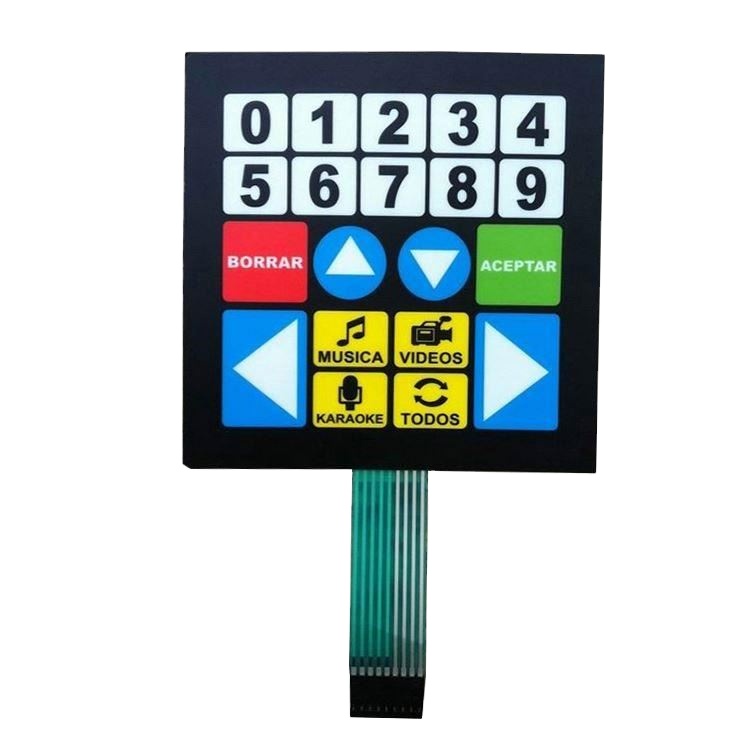
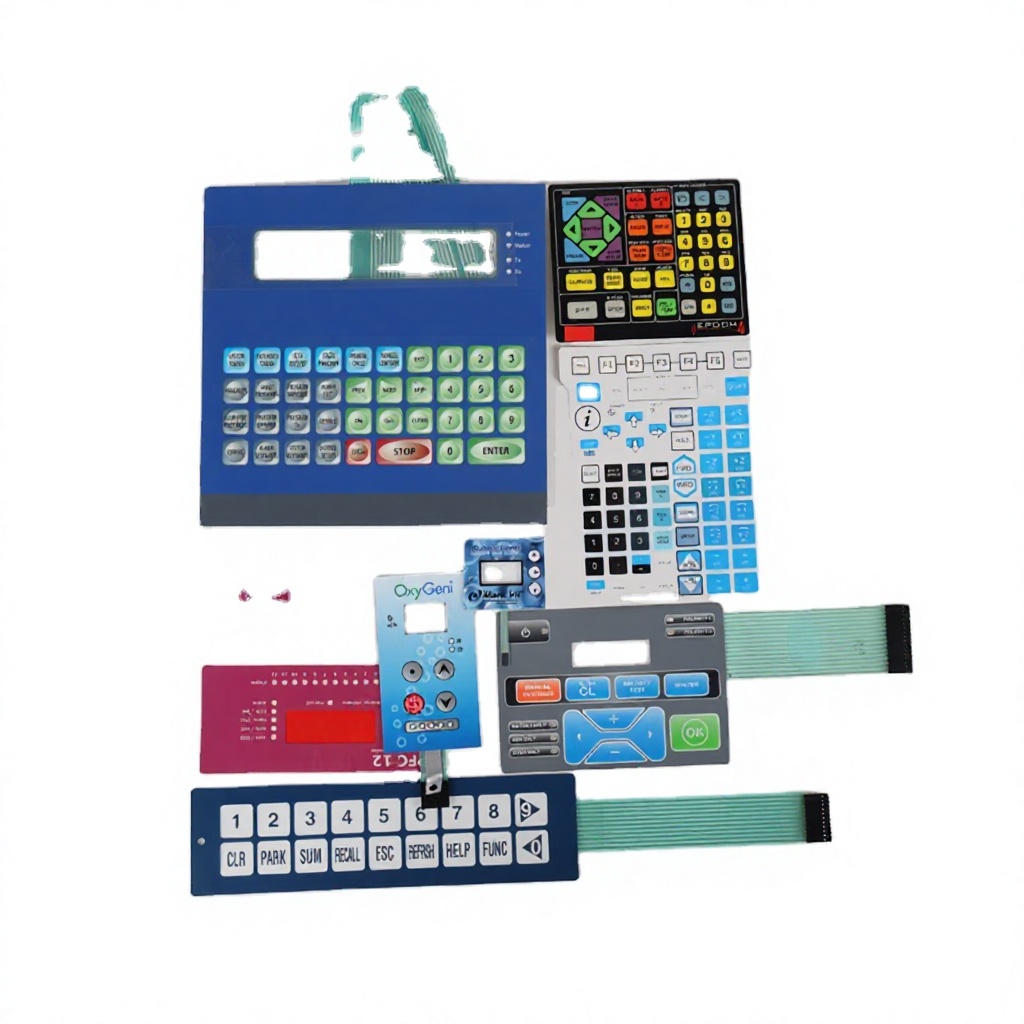
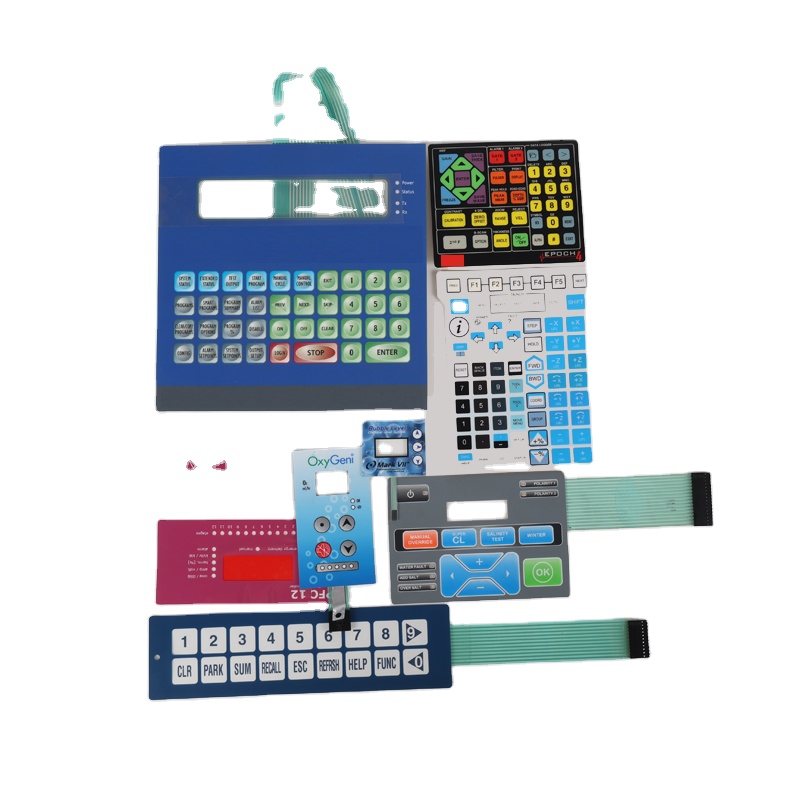
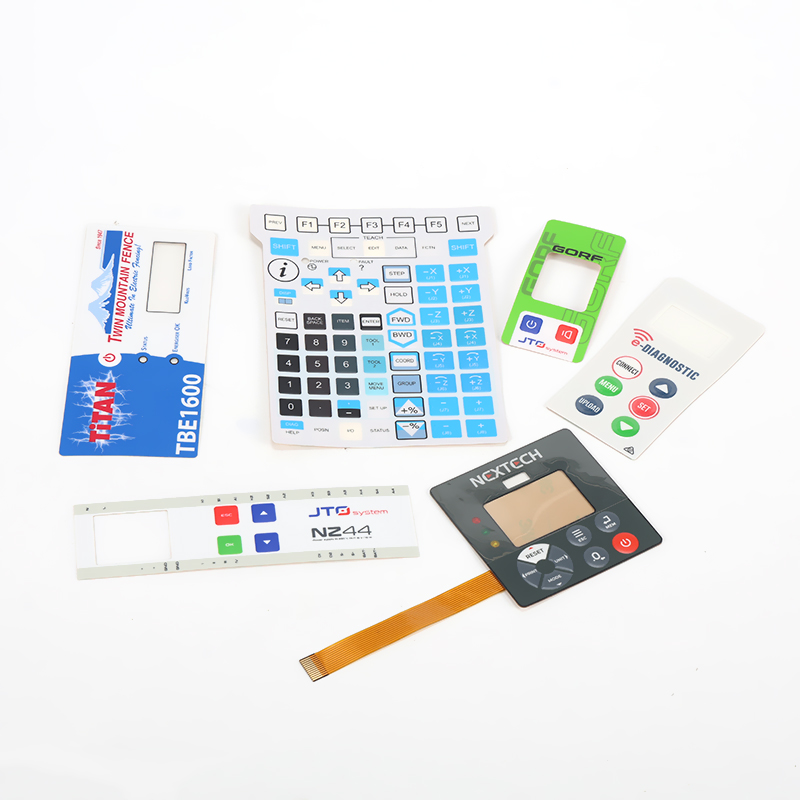
Tactile Membrane Switch (Metal Dome)
Hybrid Capacitive-Tactile Keypad Panel
Surface Planarity & Hygiene
Completely flat, seamless edge-to-edge glass; zero microbial traps (IP68/IP69K).
Embossed or flush overlay; hermetically sealed perimeter with 3M adhesive.
Flush touch surface with selective tactile zones; exceptional wipe-down profile.
Cleanroom Glove Operation
Excellent via tuned mutual-capacitance algorithms (up to 5mm nitrile/latex).
Direct mechanical actuation; immune to glove material or thickness variations.
Multi-touch zone sensing + mechanical affirmation for critical safety functions.
Chemical & Solvent Resistance
Impervious to IPA, Spor-Klenz, acetone, bleach, and VHP sterilizing agents.
High resistance using textured Autotype MacDermid PET films.
Deployed in localized fermentation facilities and modular single-use pharmaceutical synthesis suites in Basel-Landschaft. Featuring edge-to-edge chemically strengthened glass that repels saline spills, tolerates aggressive caustic cleaning, and provides multi-touch control for complex recipe execution.
In-Vitro Diagnostic (IVD) Workstations
High-resolution optical bonded capacitive screens integrated into automated blood analyzers and PCR test equipment engineered across Basel's diagnostic sector. Engineered with custom optical filters and anti-glare etching to eliminate diagnostic screen distortion under fluorescent clinical lighting.
Chemical Dosing & Hazardous Ex-Zones
Specialty chemical manufacturers near the Rhine river harbor require HMI panels certified against volatile atmospheres. We engineer explosion-proof, thick-cover-lens (up to 8.0 mm glass) PCAP systems calibrated for heavy impact resilience (IK09/IK10) while maintaining hyper-sensitive touch detection.
Micro-Precision Laboratory Robotics
Automated liquid handling systems, micro-pipetting instruments, and automated titrators engineered in the Basel innovation district. These modules utilize hybrid FPC circuit tails and narrow bezel profiles that integrate directly into space-constrained laboratory robotic arm enclosures.
Market Intelligence
Emerging Interface Dynamics Shaping the Basel Industrial Market
Technological shifts redefining how European procurement leaders and mechanical engineers evaluate capacitive touch suppliers.
TREND 01
Shift Toward Seamless Monolithic Glass Surfaces
GMP Class A/B cleanroom regulations are phasing out mechanical bevels and bezel edges. Equipment designers in Basel now mandate flush, edge-printed monolithic front panels where touch zones, LED status windows, and company branding reside beneath a solitary, crevice-free glass plate.
TREND 02
Optical Bonding with Full Direct LOCA/OCA
Air-gap lamination is no longer acceptable in high-end Swiss instrumentation. Optical bonding using UV-curable Liquid Optically Clear Resin (LOCA) or Optical Clear Adhesive (OCA) eliminates internal reflections, prevents internal condensation during washdown thermal shocks, and dramatically improves sunlight readability.
TREND 03
EMC Immunity Against High-Power Variable Drives
With laboratory automation packing high-power centrifugal drives and stepper motors alongside sensitive touch monitors, conducted electromagnetic noise has become a primary field-failure cause. Advanced touch ICs with multi-frequency frequency-hopping algorithms ensure zero false touches.
TREND 04
Strict Environmental Compliance: REACH 2026+
European chemical mandates demand complete supply chain transparency. Every capacitive panel delivered into the Swiss market must carry verified full-disclosure material declarations, fulfilling RoHS 3, REACH SVHC monitoring, and halogen-free standards across all component layers.
Factory Advantage
Why Global Automation Leaders Partner with ZIRA Since 1996
Direct manufacturing transparency, third-party audit credentials, and decades of mission-critical delivery for multinational engineering conglomerates.
Intertek Onsite Verified Quality
Unlike trading intermediaries, our 5,000 m² Ningbo manufacturing plant is verified onsite by independent third-party inspectors Intertek. Our quality management system conforms to ISO 9001:2015, featuring Class 1,000 cleanroom printing lines, precision lamination, and laser-guided routing equipment.
Tier-1 Track Record: ABB & Emerson
We are a proven long-term production partner for industry giants like ABB and Emerson. We know how to meet strict international standards, maintain revision control, provide First Article Inspection Reports (FAIR), and guarantee identical batch-to-batch electrical parameters over multi-year production programs.
100% Comprehensive Electrical Testing
Every single capacitive touch panel, membrane switch, and FPC tail manufactured in our facility undergoes complete automated electrical continuity, high-voltage insulation resistance testing, capacitance mapping, and visual optical inspections prior to ESD-safe vacuum packaging.
In-House Tooling & Rapid DFM Engineering
Our senior mechanical and electronic R&D engineering department reviews your 2D/3D CAD drawings (DXF, DWG, STEP) and circuit schematics within 24 hours. We offer low-cost rapid prototyping from 1 piece, drastically cutting time-to-market for Swiss industrial equipment innovators.
Complete Material Formulation Control
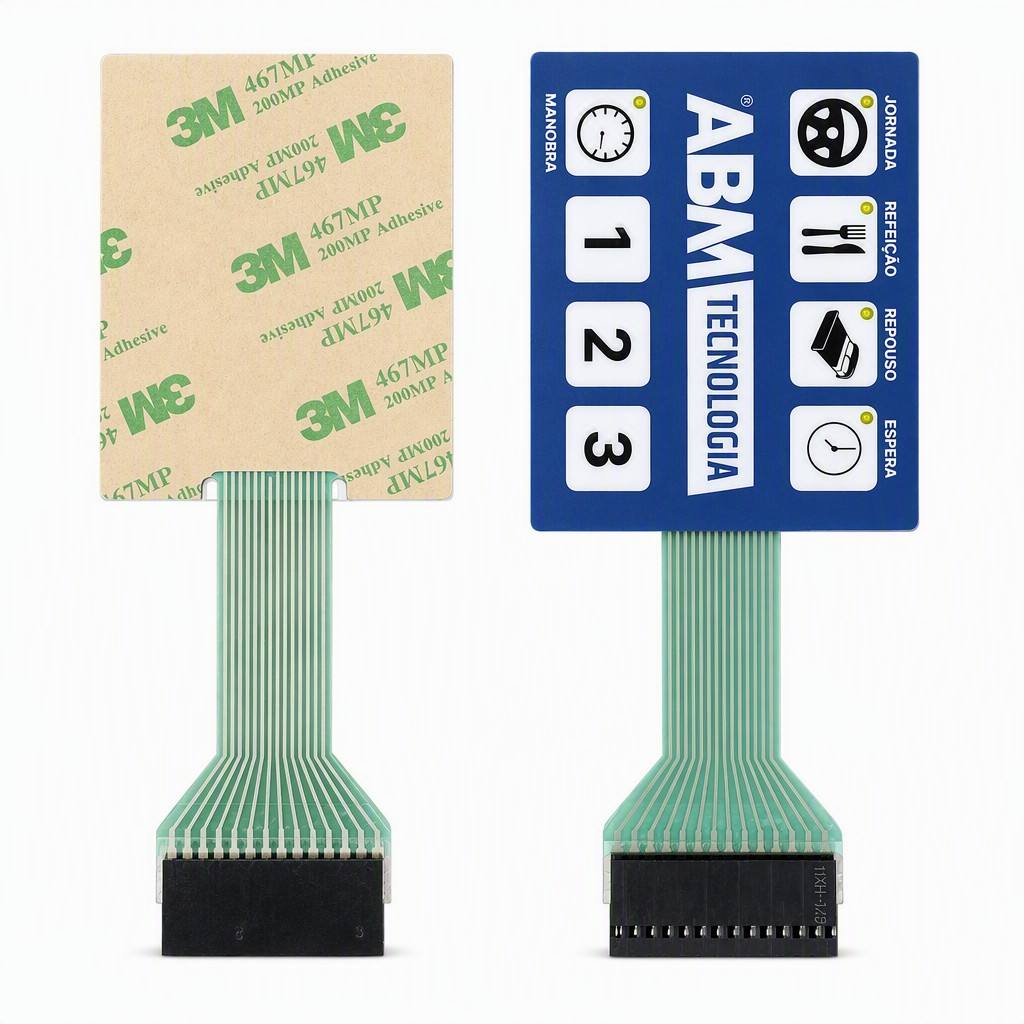
We source certified optical-grade materials from top global suppliers: 3M adhesives (467MP, 468MP, VHB), Autotype MacDermid textured PET overlays, DuPont silver inks, and premium IC drivers (Ilitek, FocalTech, Goodix, EETI) to ensure rock-solid touch reliability.
Streamlined Swiss & European Logistics
We have extensive experience shipping into the Basel-Mulhouse-Freiburg EuroAirport (BSL/MLH/EAP) freight zone. We support flexible Incoterms including DDP, CIP, and FOB with complete documentation handling: Certificate of Origin, RoHS/REACH compliance letters, and Swiss customs clearance support.
Procurement Knowledge Base
Frequently Asked Questions for Basel Sourcing Engineers
Direct answers addressing technical compliance, prototyping lead times, cleanroom integration, and Swiss customs logistics.
What is the minimum order quantity (MOQ) for custom touch projects?
To accommodate rapid R&D cycles in Basel’s MedTech and laboratory development labs, engineering prototypes can be sampled from as few as 1 to 5 pieces. Standard mass production runs generally start at 100 pieces for complex capacitive touch assemblies, up to tens of thousands of units for ongoing production runs.
How do you handle water-droplet immunity and cleanroom glove operation?
Our capacitive panels run on specialized industrial firmware (EETI, Ilitek, or FocalTech) tailored for harsh cleanroom settings. We calibrate both mutual capacitance (for high-resolution multi-touch and liquid tracking) and self-capacitance (for thick glove penetration and water rejection), preventing erratic touches when covered in drops of water, saline, or blood.
What documentation do you provide for Swiss medical equipment audits?
We supply full technical dossiers necessary for EU MDR and Swissmedic regulatory submissions, including Certificates of Conformance (CoC), raw material UL94V-0 flammability certificates, RoHS 3 and REACH chemical declaration reports, optical spectroradiometric test data, and detailed First Article Inspection Reports (FAIR).
What is the typical tooling and prototype turnaround time?
Upon approval of 2D/3D mechanical drawings and pinout schematics, custom prototype tooling and sample production are completed in 10 to 14 business days. Express air dispatch to the Basel area (via DHL, FedEx, or EuroAirport air cargo) takes 3 to 5 business days for incoming dock delivery.
Can you combine tactile physical buttons with a capacitive touchscreen?
Yes. Our hybrid interface technology lets you integrate crisp metal dome switches (for critical functions like emergency stops or physical parameter toggles) alongside a projected capacitive touchscreen or capacitive slider zone under a single, seamless front overlay, giving you the best of both worlds.
Which payment terms and Incoterms are accepted for Swiss clients?
We work under standard international commercial terms including DDP (Delivered Duty Paid directly to your Basel or Baselland facility), CIP, CIF, and FOB Ningbo/Shanghai. Payments are supported via T/T wire transfer and L/C in major currencies including CHF, EUR, and USD.
Ready to Engineer Your Custom Capacitive Touch Interface?
Send us your dimensional drawings, 3D STEP models, or target electrical specifications. Our senior engineering team will provide a comprehensive DFM evaluation, stack-up proposal, and formal quotation within 24 hours.