High-Performance Backlit Silicone & Membrane Keypads
Engineered for high visibility, tactile precision, and extreme environmental resilience. Ideal for OEM integration in Hamburg's industrial hubs.
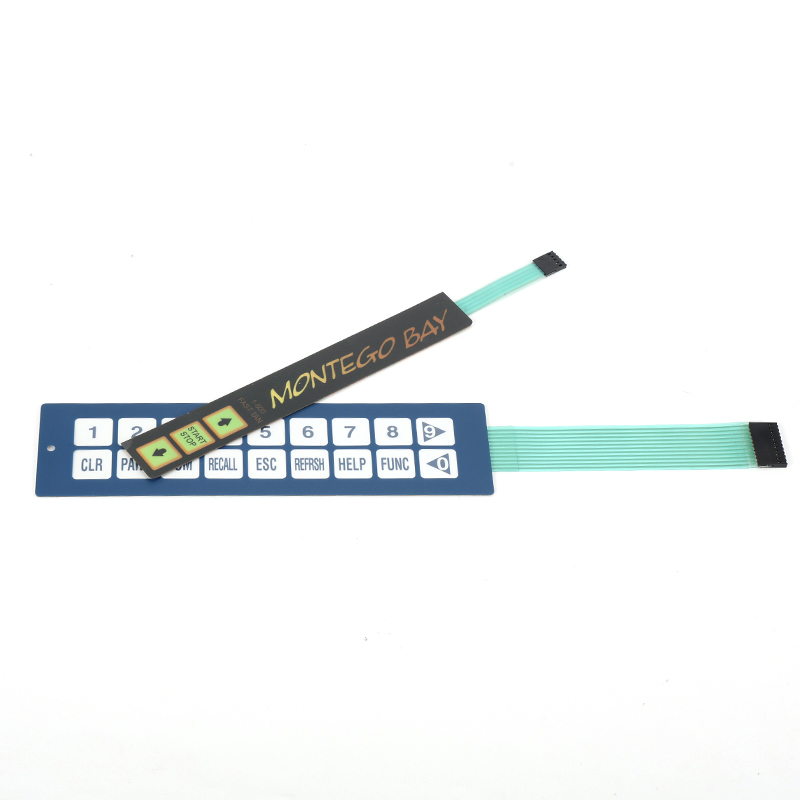
High Durability Membrane Keypad for Electronic Devices
Designed for heavy-duty industrial interfaces with superior abrasion resistance, long cycle life, and custom surface texturing.
View Technical Specs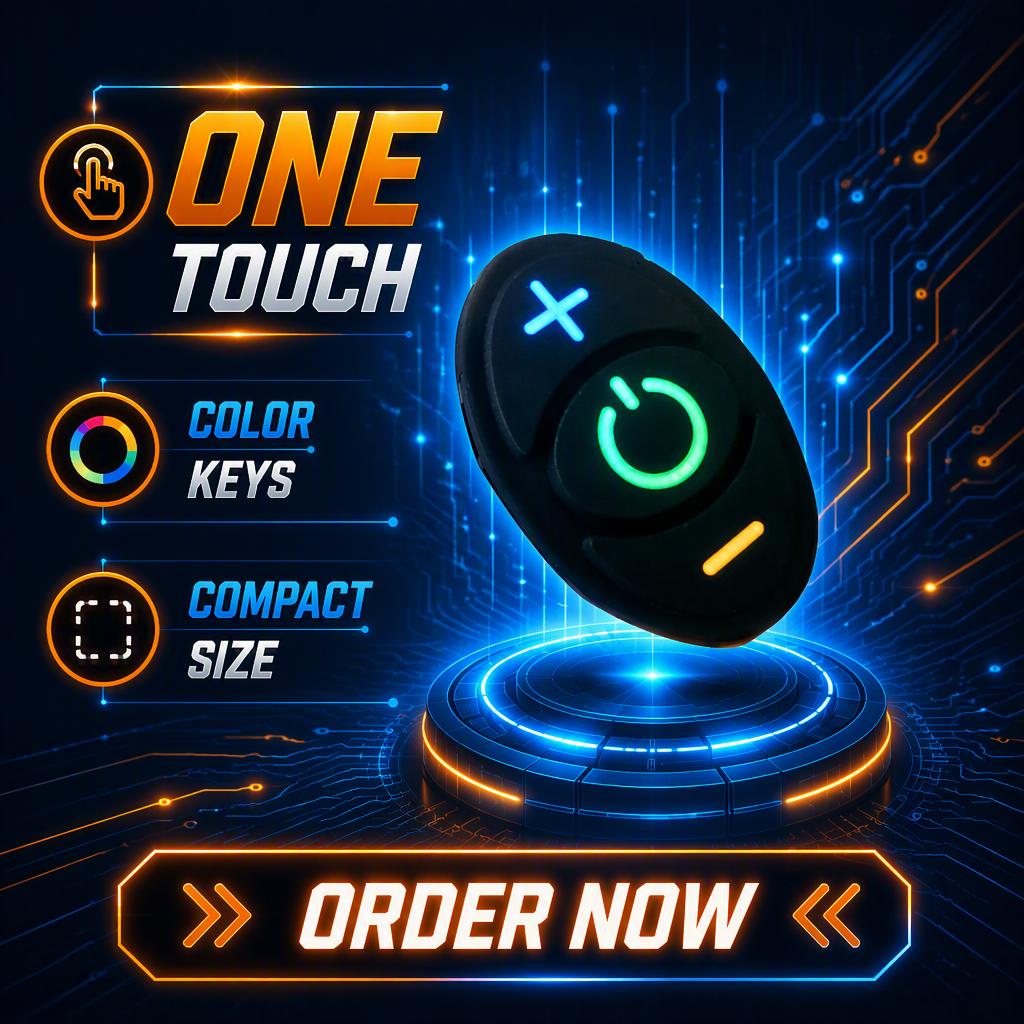
Custom LED EL Backlit Membrane Switch Keypad OEM ODM
Features uniform Light Guide Film (LGF), PC graphic overlay, and RoHS compliance for dark-environment operational control.
View Technical Specs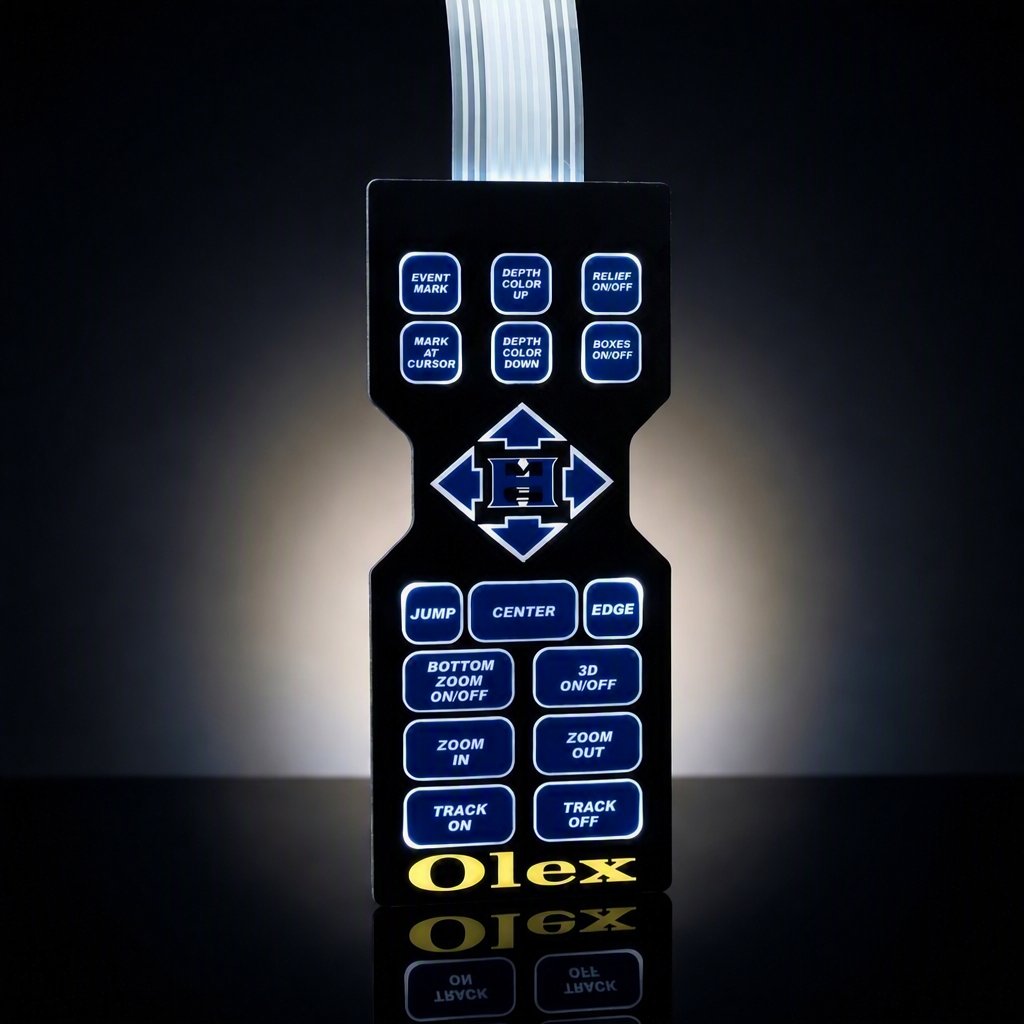
Uniform Illumination Backlight Membrane Switch
Backed by free ray-tracing simulation and optical light guide design support for zero light-leakage and balanced key luminance.
View Technical Specs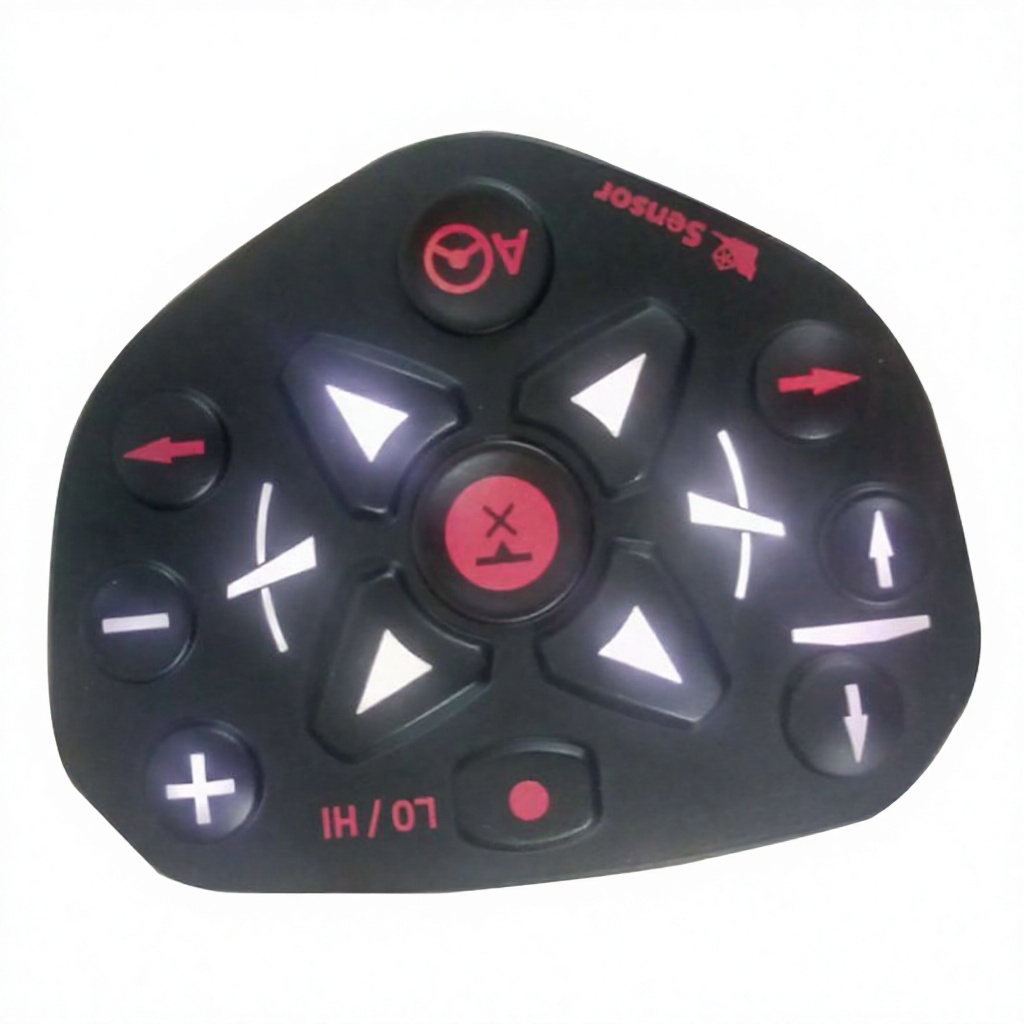
Translucent PC Overlay with Light Guide Layer
Premium translucent polycarbonate overlay layer optimized for crisp laser-etched iconography and diffuse backlighting.
View Technical Specs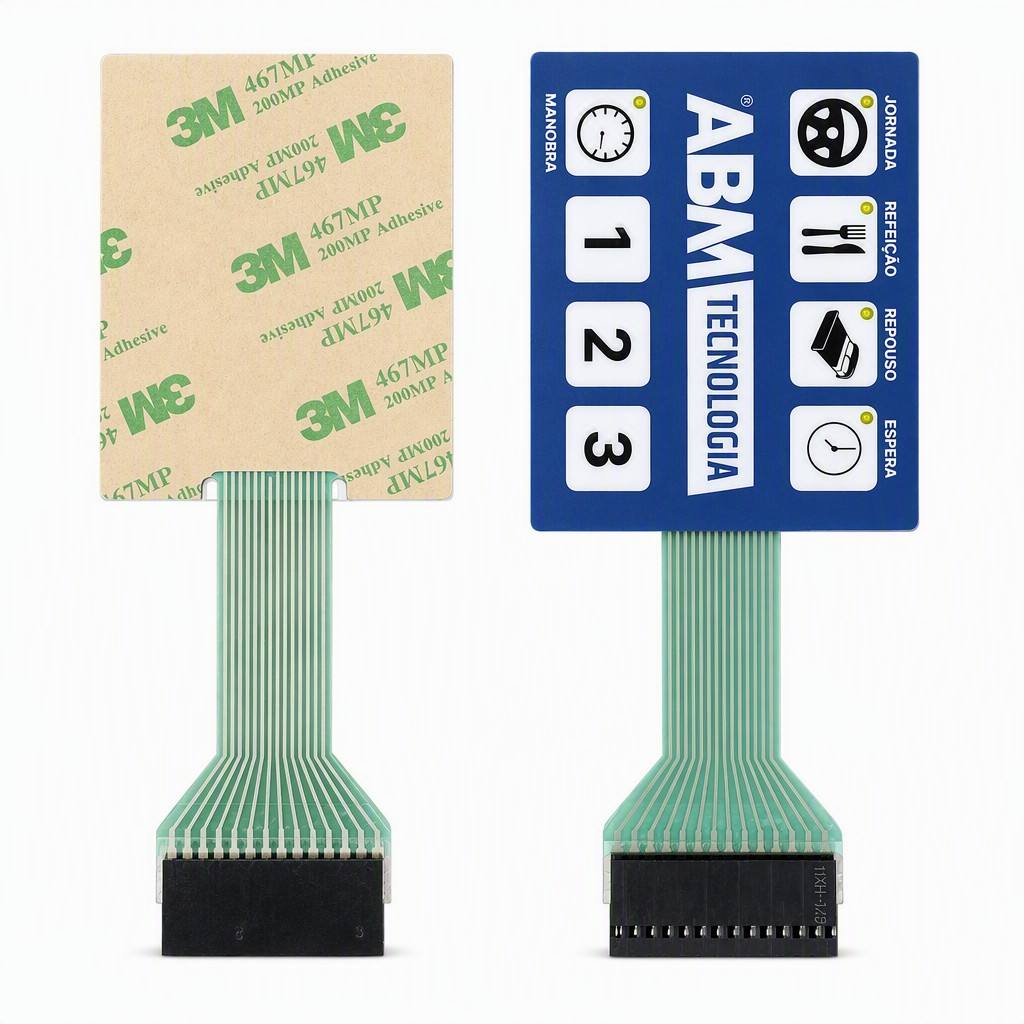
Industrial Control Panel Keypad Tactile Metal Dome
UL94V0 fire-retardant material with tactile stainless steel domes rated for up to 5 million actuation cycles.
View Technical Specs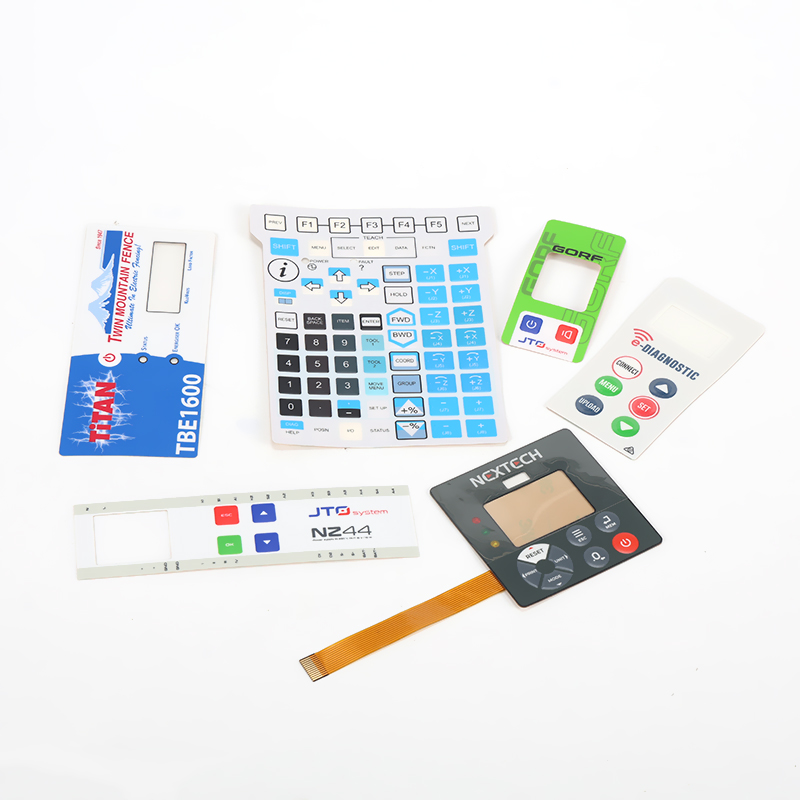
Waterproof & Dustproof PET Membrane Push Button Switch
IP67 sealed construction designed for harsh ambient environments, marine consoles, and washdown-heavy industrial settings.
View Technical Specs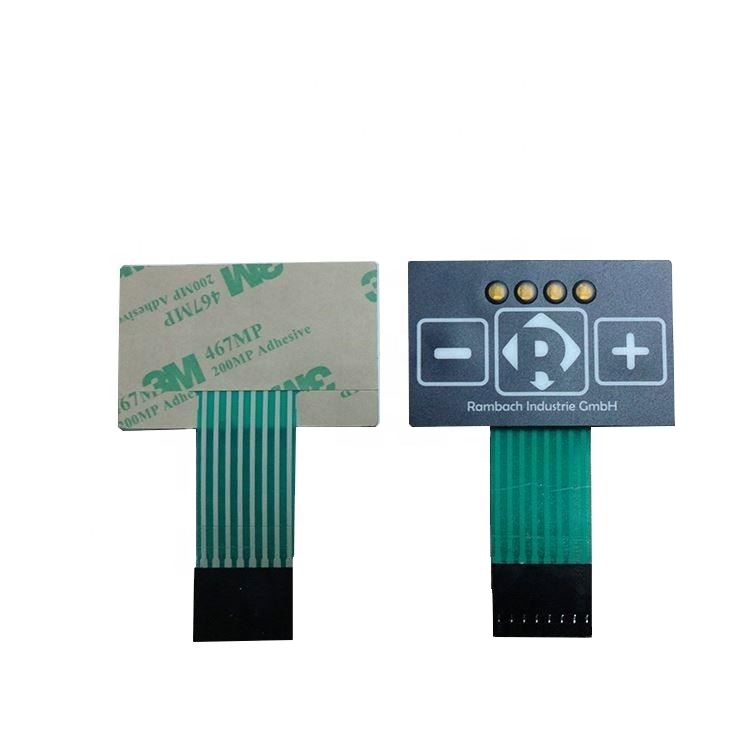
Custom Thin Film Illuminated Panel LGF / LED
Ultra-thin profile HMI solution combining light guide films with low-power side-emitting SMT LEDs for space-constrained enclosures.
View Technical Specs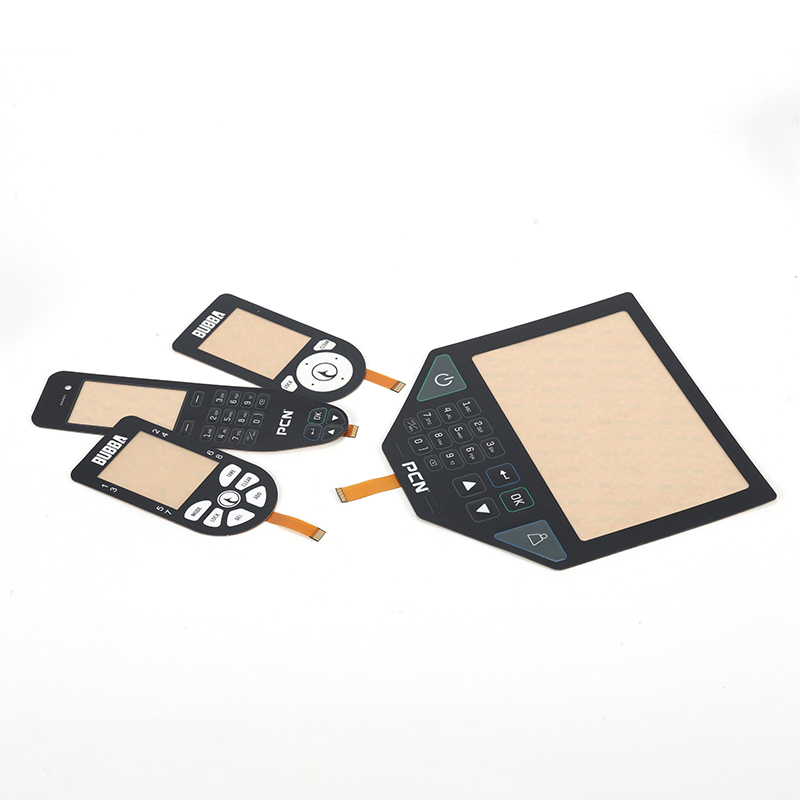
FPC Circuit Membrane Keypad Switch with EMI Shielding
High-density flexible printed circuit backing integrated with aluminum foil shielding to prevent electromagnetic interference in critical control systems.
View Technical SpecsEngineering Backlit Silicone Rubber Keypads for Extreme Operating Environments
Understanding Material Science, Optical Physics, and Tactile Dynamics in Modern HMI Design
1. Material Selection & Polymer Chemistry
Silicone rubber keypads (elastomeric keymats) are manufactured primarily from high-consistency silicone rubber (HCR) or liquid silicone rubber (LSR). These polymers offer an extraordinarily wide operating temperature window (-40°C to +230°C), making them indispensable for equipment deployed in variable maritime weather, industrial foundries, or unconditioned outdoor enclosures across Hamburg and Northern Germany.
By tuning the durometer (hardness measured on the Shore A scale, typically between 30 and 70 Shore A), engineers can tailor the tactile response, snap ratio, and actuation force of each key. For backlit applications, pure translucent silicone compounding is mandatory to minimize optical attenuation and eliminate discoloration over extended operating cycles.
2. Backlighting Architecture: LGF vs. EL vs. Fiber Optics
Illuminating a silicone rubber keypad efficiently without compromising tactile feedback or thermal management requires selecting the appropriate optical transmission mechanism:
- Light Guide Film (LGF): Utilizes micro-embossed dot patterns on thin polycarbonate or PET films (0.125mm–0.25mm) to redirect light from edge-mounted side LEDs evenly upward through translucent silicone keycaps. LGF offers low power consumption, ultra-thin profiles, and long service life (>50,000 hours).
- Electroluminescent (EL) Lamps: Phosphor-based thin sheets that emit a soft, uniform glow across the entire panel. While excellent for low-light night-vision applications, EL requires AC high-voltage driving inverters and exhibits a shorter operational half-life (~3,000 to 10,000 hours).
- Integrated SMT LEDs & Fiber Optics: Placing surface-mount LEDs directly onto underlying PCB or FPC layers beneath silicone key webbing offers bright localized illumination for indicator windows and status backlighting.
3. Surface Coatings & Protective Finishings
Raw silicone rubber possesses high surface tackiness, attracting dust, lint, and oils. To meet the hygienic and mechanical standards required by European OEMs, advanced surface treatments are applied:
Polyurethane (PU) Coating: Provides a smooth matte or satin tactile feel while protecting laser-etched graphics from finger oil degradation and abrasive wear (up to 1,000,000 rub cycles on RCA abrasion testers).
Parylene Coating: A vapor-deposited conformal polymer coating providing absolute chemical inertness, biocompatibility for medical devices, and extreme resistance to harsh cleaning solvents (e.g., isopropyl alcohol, hydrogen peroxide, chlorine bleaches).
Key Industry Application Scenarios in Hamburg & Northern Germany
Tailored HMI Engineering for Germany’s Premier Maritime, Logistics, Aerospace, and Industrial Clusters
1. Maritime Technology & Port Logistics (Port of Hamburg)
Hamburg is home to Europe’s third-largest container port and a massive cluster of marine engineering firms. Vessel bridge navigation consoles, container crane operator panels, and dockside freight handling systems require HMIs capable of withstanding saltwater spray, intense UV exposure, and heavy night-shift usage.
Our backlit silicone keypads feature IP67/IP68 perimeter sealing gaskets, salt-fog resistant PU/Parylene topcoats, and high-contrast night-vision lighting compliant with marine safety standards.
Request Maritime Spec Sheet2. Aviation Maintenance & Aerospace Engineering (Hamburg Aviation)
As one of the global capitals of civil aviation manufacturing and maintenance (MRO), Hamburg’s aerospace sector demands flight cabin control interfaces and ground support test equipment that comply with strict flame-retardant (UL94 V-0) and electromagnetic shielding (EMI) specifications.
We supply custom backlit silicone keymats integrated with flexible printed circuits (FPC), laser-etched illuminated legends, and tactile stainless steel domes for clear operator confirmation under high-vibration conditions.
Request Aerospace HMI Quote3. Medical Technology & Laboratory Instrumentation
Hamburg’s burgeoning Life Science Nord cluster develops sophisticated diagnostic devices, surgical equipment, and cleanroom interfaces. Keypads used in these environments must withstand rigorous sterilization protocols without swelling, degrading, or yellowing.
Our biocompatible, laser-etched silicone keypads feature continuous sealed construction, eliminating crevices where bacteria can harbor, and supporting seamless wiping down with medical-grade disinfectants.
Request Medical Sample Kit4. Industrial Automation & Smart Logistics Warehousing
The automated fulfillment centers and mechanical engineering plants surrounding Hamburg rely on ruggedized handheld terminals, fleet management consoles, and PLC human-machine interfaces. These devices require reliable backlight visibility in low-light warehousing bays and high shock absorption during accidental drops.
Compression-molded silicone rubber keymats act as intrinsic shock absorbers while housing conductive carbon pills for seamless contact with underlying circuit boards.
Consult Automation EngineerAdapting to European Regulatory Standards & Industry 4.0
Aligning Custom Keypad Manufacturing with Germany's Strict Environmental and Safety Directives
Navigating the European Regulatory Landscape
Procurement teams and design engineers in Hamburg cannot afford supply chain disruptions or regulatory fines caused by non-compliant imported components. At Zhejiang ZIRA Membrane Switch Co., Ltd., all production runs adhere strictly to EU directives:
ESG & Sustainability Directives: As Northern Germany transitions toward green logistics and circular economy practices, we utilize eco-friendly food-grade liquid silicone resins, halogen-free conductive inks, and energy-efficient LED/LGF optical backlighting systems that reduce total power consumption in battery-operated field devices.
Industry 4.0 Integration: Modern HMIs are no longer passive switch panels. We integrate illuminated silicone keymats directly onto PCB assemblies featuring integrated microcontrollers, CANbus, Modbus, or IO-Link communications protocols, enabling direct plug-and-play assembly into German industrial control cabinets.
HMI Backlighting Technology Comparison Matrix
Select the Right Interface Technology Based on Mechanical, Optical, and Cost Parameters
| Performance Parameter | Backlit Silicone Rubber Keypad (LGF) | LED Backlit Membrane Switch | Capacitive Touch Glass Panel |
|---|---|---|---|
| Tactile Feedback | High (3D Key travel, 0.8–2.0mm, distinct snap) | Medium (Metal dome / poly dome snap, 0.3–0.5mm) | None (Requires haptic motor or acoustic buzzer) |
| Illumination Uniformity | Excellent (Laser-etched keycaps + LGF dispersion) | Good to Very Good (Discrete LEDs or LGF layer) | Excellent (Diffuse LED halo or edge lighting) |
| Gloved Operation | Superior (Work gloves, insulated marine gloves) | Good (Thin nitrile or work gloves) | Poor to Fair (Requires specialized capacitive gloves) |
| Impact & Drop Resistance | Exceptional (Silicone acts as shock damper) | Moderate (Surface prone to denting/draining) | Low to Moderate (Glass cracking risk) |
| Operating Temperature | -40°C to +200°C | -20°C to +70°C | -10°C to +60°C |
| Tooling Cost Structure | Moderate (3D Compression mold) | Low (Steel rule dies & printing screens) | High (Glass tooling & capacitive controller tuning) |
Why Hamburg OEM Engineers Partner with Zhejiang ZIRA
29 Years of Precision Manufacturing Excellence, Global Export Capability, and In-House Quality Assurance
Direct Manufacturing & Complete Process Control
Located in the Changhe Industrial Park, Ningbo, Zhejiang ZIRA Membrane Switch Co., Ltd. controls every single step of keypad production under one roof. From raw silicone mixing, tooling fabrication, precision compression molding, spray painting, and laser etching, to SMT LED soldering, lamination, and final electrical testing—we eliminate middleman markups and guarantee total quality traceability.
Our long-term supply partnerships with global automation giants such as ABB and Emerson demonstrate our ability to meet the stringent auditing standards expected by European industrial buyers.
- Optical Photometric Testing: Every illuminated keypad design undergoes spectroradiometer testing to measure luminance (cd/m²) and chromaticity coordinates (x, y) to ensure identical illumination across custom production batches.
- Design for Manufacturability (DFM) Support: Our senior engineering team conducts comprehensive drawing reviews before tooling cutter production, identifying potential issues in key actuation force curves, light guide placement, or tail termination logic.
- Streamlined Shipping to Hamburg Hubs: Located near Ningbo Port, we offer seamless sea freight directly to the Port of Hamburg, as well as rapid air express freight (3-5 business days) for prototype samples and urgent OEM production lines under DDP, FOB, or CIF terms.
Frequently Asked Questions for Hamburg Buyers & Engineers
Addressing Common Technical, Commercial, and Logistical Inquiries
What is the typical lead time for custom backlit silicone keypads delivered to Hamburg?
Prototype samples are generally fabricated within 10 to 14 business days following DFM drawing approval. Standard mass production orders require 3 to 4 weeks depending on tooling complexity and laser etching requirements. Express air freight to Hamburg Airport (HAM) takes 3-5 days, while direct ocean shipping from Ningbo to the Port of Hamburg takes approximately 28 to 35 days.
What files do your engineers require to initiate a custom keypad quotation?
To provide an accurate engineering quote, we request: 3D STEP/IGES CAD files for the silicone keymat shape, 2D vector graphic artwork (AI, CDR, PDF, or DXF) showing legend layout and Pantone/RAL color codes, circuit schematic/pin-out details, preferred backlighting style (LGF or SMT LED), and ambient operating parameters (IP rating, temperature range, chemical contact).
Can you match specific night-vision or custom LED color temperatures for aviation/marine controls?
Yes. We can incorporate specialized NVIS-compatible (Night Vision Imaging System) filters, red light illumination for bridge operations, or precise correlated color temperatures (CCT 3000K to 6500K) using optical spectroradiometers to match your existing cockpit or bridge console color scheme.
What minimum order quantity (MOQ) do you require for custom OEM projects?
We accommodate prototyping and small-batch OEM runs starting at just 1 to 10 pieces for design validation. Production orders typically start at 100 to 500 pieces depending on part size and tooling economics. High-volume industrial runs benefit from significant unit price amortization.
How do you ensure zero light leakage between adjacent keys on a backlit keypad?
We utilize multi-shot molding or precise opaque base coat masking layers prior to laser etching. By applying an initial opaque black or silver light-blocking coat before spraying the final translucent color coat, light is completely constrained within the laser-etched graphic character, preventing unwanted halo leakage into surrounding silicone key webbing.
Ready to Engineer Your Custom Backlit Silicone Keypad?
Connect directly with our senior technical engineering team in Ningbo. Receive a detailed DFM feedback report, material sample kit, and competitive pricing within 24 hours.
