29+ Years
Manufacturing Authority (Est. 1996)
IP67 / IP68
Salt-Mist & Ingress Hermetic Sealing
100% Tested
Electrical & Optical Continuity Inspection
Verified OEM
Intertek-Audited Cleanroom Production
Engineered Product Lines
Certified Backlit Keypad & Membrane Assemblies for Pacific Projects
Explore our industrial-grade switch solutions engineered to withstand extreme relative humidity, airborne saline mist, and continuous mechanical actuation in demanding remote environments.
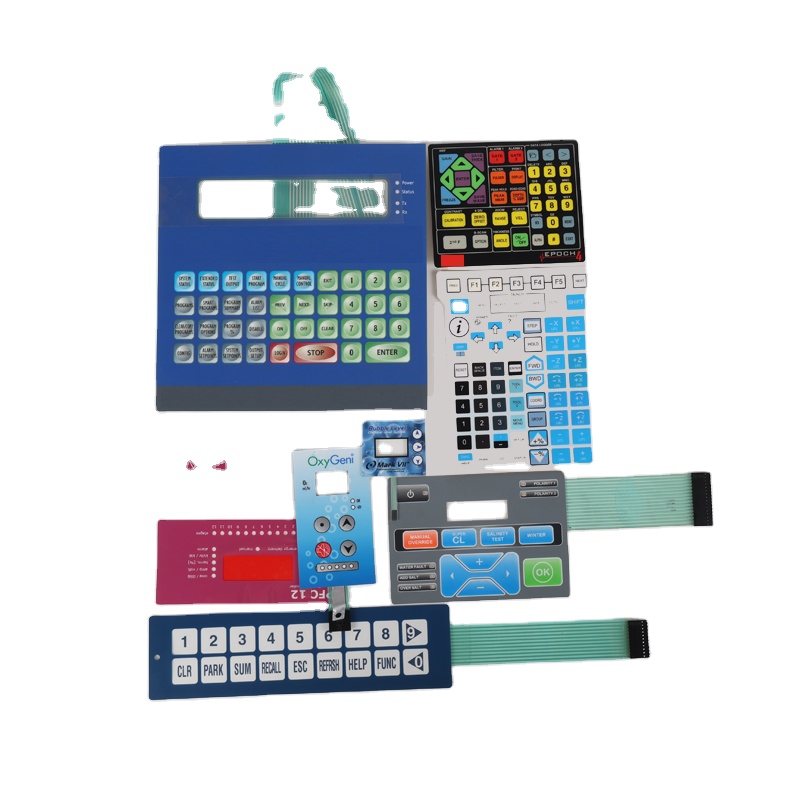
RoHS Industrial Membrane Push Button Tactile Switch Panel
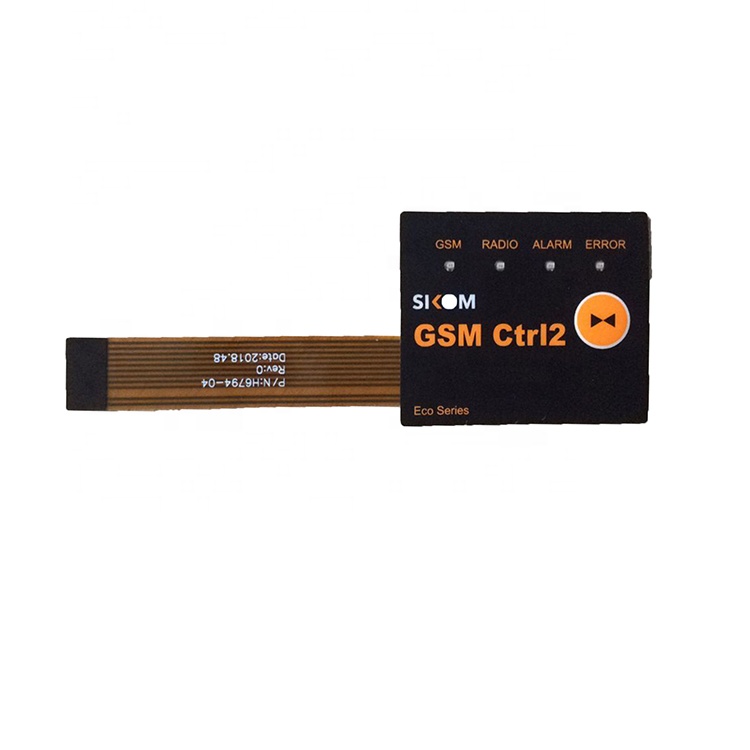
Custom Silk Screen Flexible Thin Film Push Button Keypad
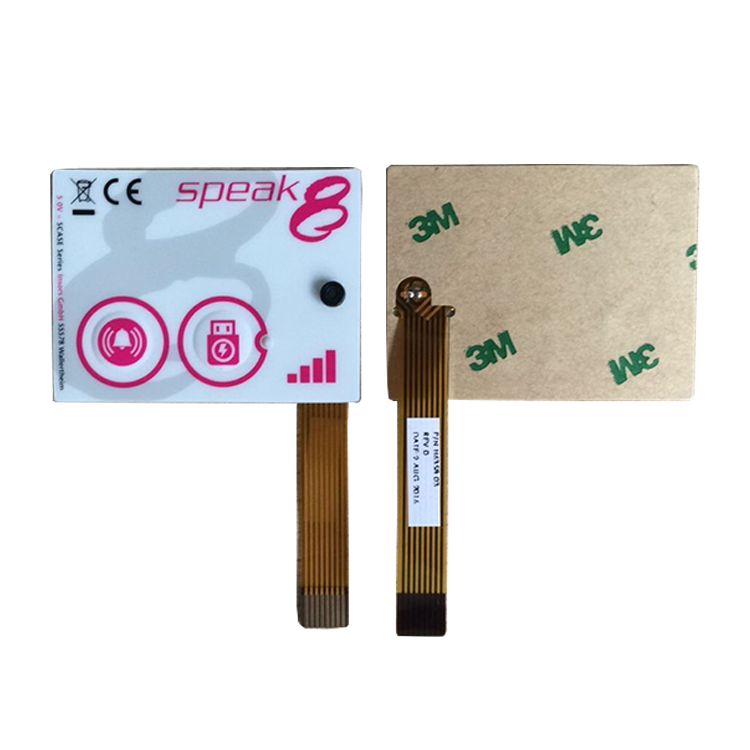
ISO 9001:2015 Certified IP67 Waterproof Tactile Keyboard
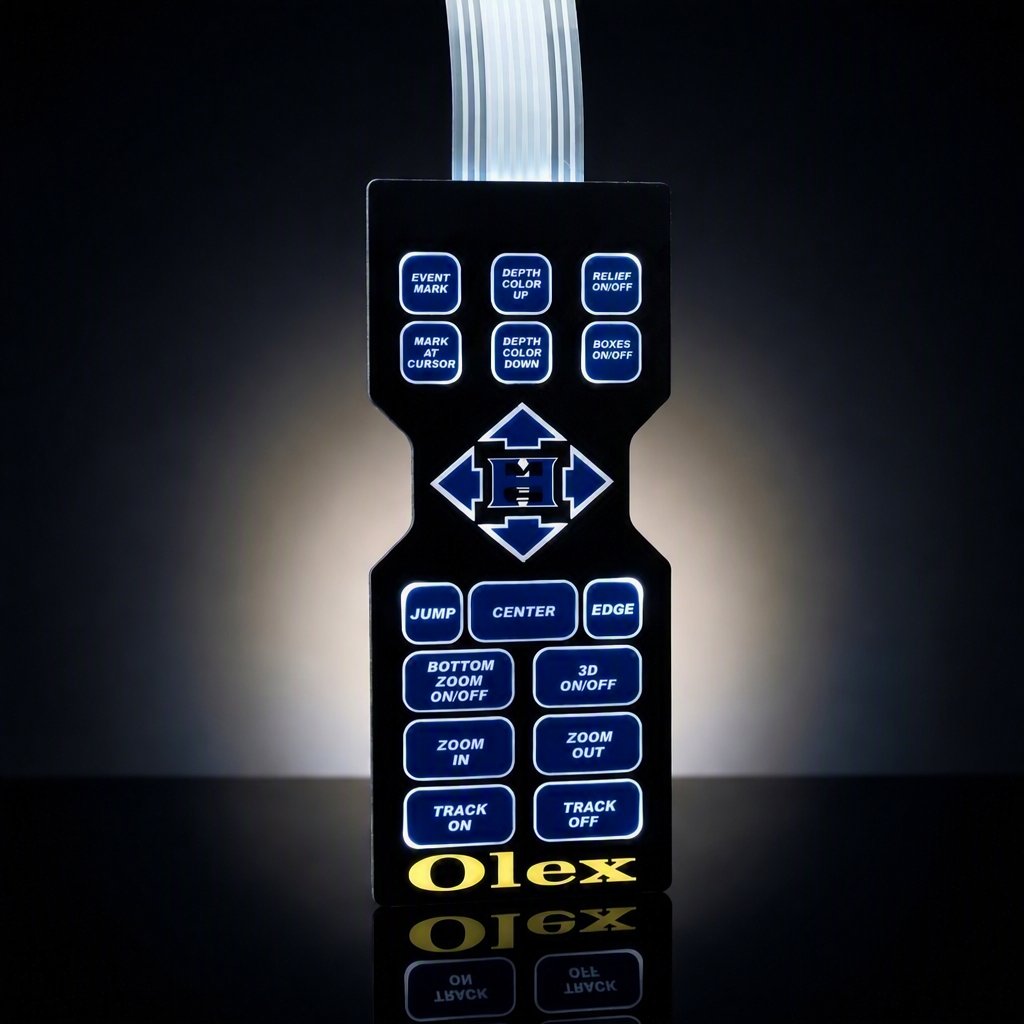
Custom Uniform Illumination Backlight Membrane Switch
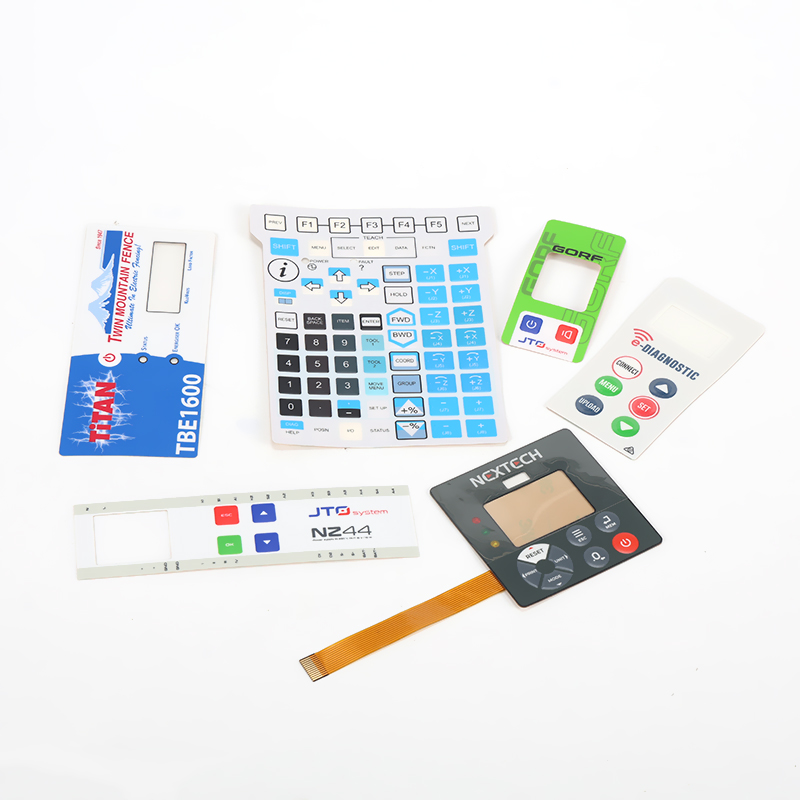
Harsh Environment Dustproof & Waterproof PET Overlay Keypad
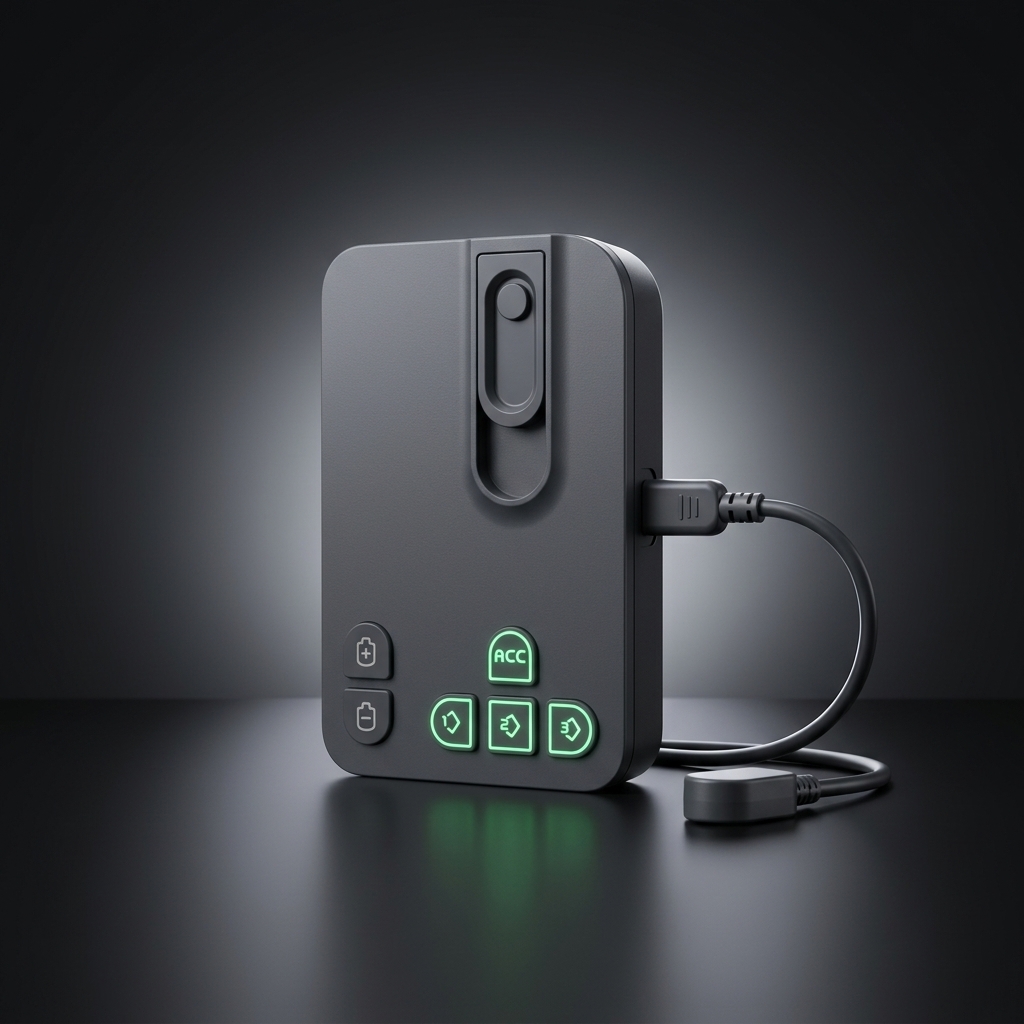
Custom Backlit Silicone Membrane Keyboard (EL & LED)
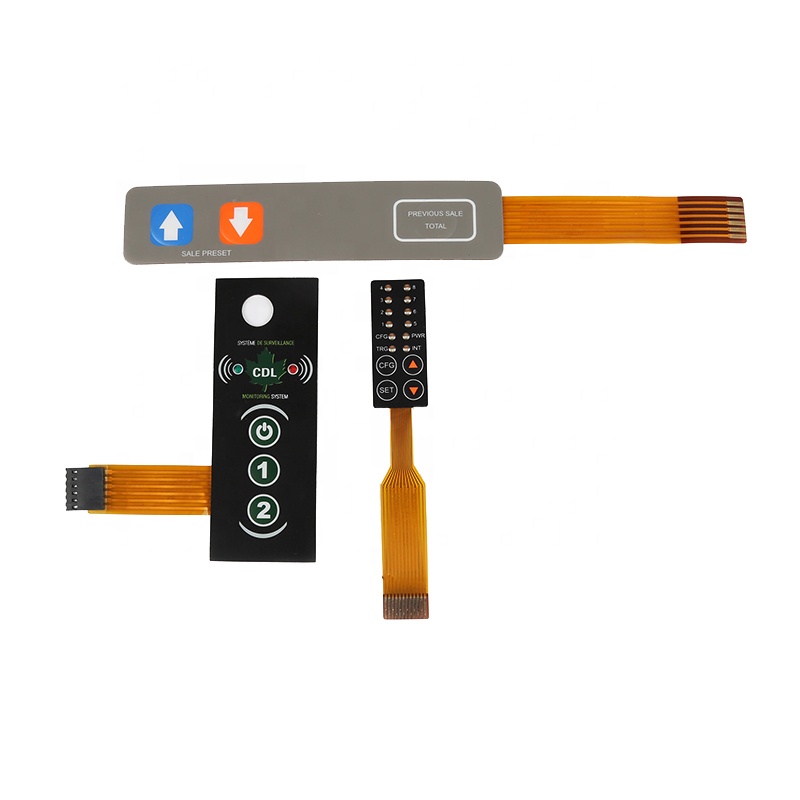
Customizable Waterproof Capacitive Touch Membrane Switch
Material Science & DFM
Designing Backlit Elastomeric Interfaces for Equatorial Maritime Climates
Operating control interfaces in Weno, Chuuk State presents extreme environmental challenges rarely encountered in standard mainland installations. Here is how our engineering team optimizes keypad reliability from raw resin to finished assembly.
High-Barrier Silicone Formulation
In equatorial oceanic zones, persistent relative humidity exceeding 85% causes micro-condensation inside poorly sealed enclosures. We utilize vulcanized polydimethylsiloxane (PDMS) elastomers combined with non-blooming silicone formulations. This prevents plasticizer migration, swelling, and degradation when continuously subjected to ambient salt fog and tropical mold growth.
Photonic Light Guide Design (LGF)
Direct LED backlighting in remote operations often suffers from uneven luminous flux and high current draw. By deploying ultra-thin 0.125mm to 0.25mm Light Guide Films (LGF) with optimized refractive micro-dot extraction patterns, we achieve up to 88% illumination uniformity across all key legends while minimizing power usage for solar-backed systems.
Laser Etching & Parylene Topcoats
Translucent key tops are spray-coated with opaque dual-layer polyurethane or epoxy inks, followed by computer-guided laser ablation to reveal sharp negative typography. To combat abrasive coral sand and UV index levels of 11+, we apply a continuous Parylene chemical vapor deposition (CVD) barrier or high-grade anti-UV matte clear coat.
Conductive Contact Physics
Keypad longevity depends on switch contact resistance. We offer gold-plated nickel contact pills or low-resistance (<100 Ω) conductive carbon pills compression-molded directly into the silicone base. These mate flawlessly with gold-plated FR4 PCBs or carbon-printed silver flex circuits without galvanic corrosion under saline atmospheric cycling.
Perimeter Ingress Gasketing
Rather than relying solely on pressure-sensitive adhesives, our silicone keymats incorporate molded perimeter gaskets and wrap-around sealing ribs. When compressed against cast aluminum or polycarbonate bezels, this mechanical design creates a true NEMA 4X / IP68 barrier that prevents tropical torrential rainwater ingress.
Real-World Operational Scenarios
Localized Interface Engineering for Weno’s Island Infrastructure
From the bustling dockyards of Weno Harbor to remote off-grid telecom repeaters atop Mount Tonoken, human-machine interfaces must survive unchecked environmental exposure. Here is how our custom backlit silicone assemblies serve local procurement teams.
Marine Navigation & Commercial Fishing Vessels
Chuuk Lagoon is one of the world's most vital maritime regions. Inter-island passenger skiffs, cargo barges, and tuna fishing vessels require wheelhouse and deck-mounted sonar, GPS, and VHF radio interfaces that operate in complete darkness with dimmable red/NVIS backlighting. Our sealed silicone keypads stop salt crusting from binding mechanical keys.
Municipal Power & Off-Grid Solar Microgrids
The Chuuk Public Utility Corporation (CPUC) and distributed outer-island solar microgrids deploy inverters, charge controllers, and battery energy storage systems (BESS). These installations face intense ambient heat and humidity. Our high-temperature silicone keypads maintain crisp tactile actuation from -20°C up to +85°C without warping.
Telecommunications & Remote Satellite Terminals
Micronesian telecommunication stations in Weno rely on VSAT terminals and microwave repeater links. Technicians perform nocturnal maintenance during stormy weather. Integrated uniform backlighting provides rapid alphanumeric data entry, while internal EMI/ESD shielding protects sensitive signal processors from electrical surges.
Healthcare & Clinical Laboratory Instrumentation
At Chuuk State Hospital and localized dispensaries, portable diagnostic equipment, autoclaves, and patient monitoring stations require continuous chemical sanitization. Our medical-grade silicone keypads feature seamless construction that eliminates bacterial traps and withstands alcohol, bleach, and hospital-grade germicides.
Specification Matrix
Keypad Technology Evaluation for Remote Coastal Applications
Compare performance trade-offs across common HMI technologies to select the ideal stack-up for your project's life cycle and budget.
| Engineering Parameter | Backlit Silicone Keypad | Standard PET Membrane Switch | Capacitive ITO Touch Panel | Silicone-Over-PCB Hybrid |
|---|---|---|---|---|
| Tactile Response | Full stroke (0.8–2.0mm) ergonomic snap | Crisp click (metal snap dome 0.2–0.5mm) | None (requires haptic/buzzer feedback) | Tactile dome or direct elastomer snap |
| Salt Mist & Humidity Sealing | Superior (IP67/IP68 Gasketed) | Excellent (Perimeter Sealed) | Superior (Solid State Glass/Film) | Superior (Hermetic Ring O-Seal) |
| Illumination Uniformity | Excellent via LGF / Translucent Core | Good (Surface mount LEDs / EL) | Icon backlighting via reverse-mount LEDs | Outstanding (SMD Matrix + LGF) |
| Gloved Operation (Wet/Oil) | Flawless (3D Raised Profiles) | Moderate (Requires embossed keys) | Poor (False triggers from water) | Flawless (Positive Mechanical Feedback) |
| Expected Actuation Life | 5,000,000+ continuous cycles | 1,000,000+ switch cycles | Virtually unlimited (no wear parts) | 3,000,000+ switch cycles |
| Tooling Cost & Lead Time | Steel mold required (12–18 days) | Low tooling (screen & dies, 5–8 days) | Moderate (circuit tooling, 10–14 days) | Combined mold & SMT tooling (14–20 days) |
Factory Prowess & Authority
Why Global OEMs & Island Systems Integrators Choose ZIRA
Operating from our custom manufacturing campus in Changhe Industrial Park, Ningbo, Zhejiang ZIRA Membrane Switch Co., Ltd. has delivered precision human-machine interfaces since 1996. Our operations are audited for global aerospace, medical, and tier-1 industrial supply chains.
29+ Years Dedicated Experience
Founded in 1996, ZIRA provides nearly three decades of direct manufacturing know-how, avoiding third-party markup and guaranteeing single-source accountability from rapid prototyping to volume production.
Intertek Onsite Verification
Our facility, production equipment, cleanroom lamination bays, and Quality Management Systems (QMS) have undergone rigorous onsite inspection by Intertek, with fully certified audit reports available for client review.
Tier-1 Client Trust (ABB, Emerson)
We maintain continuous, audited supply partnerships with multinational industrial automation giants like ABB and Emerson, fulfilling exacting standards for precision tolerances and long-term switch durability.
100% Automated Electrical Testing
Every single backlit silicone keypad and membrane switch panel undergoes automated continuity testing, dielectric breakdown isolation checks, and actuation force verification before international export packing.
Procurement & Logistics Intelligence
Frequently Asked Questions: Sourcing Keypads for Weno & Chuuk
Direct answers for project engineers, procurement managers, and government utility contractors shipping electronic components into the Federated States of Micronesia.
What is the realistic shipping timeline and logistics route from your factory to Weno, Chuuk?
Shipments to Weno typically transit via consolidated air freight through Guam (GUM) into Chuuk International Airport (TKK) via United Airlines Cargo or regional carriers, taking approximately 5 to 9 business days for urgent prototypes and pilot runs. For heavy tooling or volume production orders, ocean container freight routes through Guam or directly through regional Pacific shipping lines (such as Kyowa or Matson) into the Port of Weno, with an average sea transit time of 20 to 28 days. We provide comprehensive export documentation including commercial invoices, certificates of origin, and custom export packing with desiccant packs to prevent transit moisture absorption.
How do your backlit silicone keypads resist salt mist corrosion in marine lagoon environments?
Our marine-grade assemblies use high-grade silicone rubber vulcanized under vacuum compression, leaving zero microscopic voids. Keypad legends are protected with UV-curable polyurethane or thermal-cured epoxy topcoats that pass ASTM B117 salt fog testing for over 500 hours without bubbling or discoloration. Underneath, switch contacts use gold-over-nickel plating or inert carbon pills that will not oxidize or form galvanic couples, ensuring continuous electrical switching even in high-salinity coastal installations.
What is your Minimum Order Quantity (MOQ) for custom prototypes versus mass production?
To support engineering development and equipment retrofits in Weno, our rapid-prototyping service accepts prototype orders starting at just 1 to 5 pieces using CNC-cut prototype silicone or rapid tooling molds. Standard commercial production runs for custom silicone tooling generally start at 100 pieces. High-volume standardized membrane keypads begin at 1,000 pieces. We accommodate hybrid batch manufacturing, allowing you to validate fit and ergonomics in Chuuk before committing to larger production runs.
Can you reverse-engineer a damaged or obsolete keypad from an older generator, boat, or hospital device?
Yes. Many facilities in Weno operate imported machinery with obsolete manufacturer support. You can mail us a physical sample of a worn, damaged keypad, or provide high-resolution dimensional scans alongside pinout schematics. Our R&D engineering department will digitize the outline, reverse-engineer the circuit traces, recreate graphic typography, fabricate matching silicone compression tooling, and provide working samples for field verification.
What design files do we need to submit to receive a detailed engineering quote?
We accept 3D mechanical models in STEP, IGES, or SolidWorks formats for silicone keymat geometry, key stroke travel, and actuator pill spacing. For graphic overlays and circuit schematics, vector files in DXF, DWG, PDF, or Adobe Illustrator (AI) are preferred. Please specify required actuation force (typically 150g to 300g), legend colors (Pantone or RAL codes), backlighting color wavelengths (e.g., 625nm Red, 470nm Blue, or 5000K Neutral White), and operating voltage parameters.
What payment terms and commercial trade conditions (Incoterms) do you support?
We work with international procurement teams under multiple Incoterms including FOB Shanghai/Ningbo, CIF Weno, CPT Chuuk, and door-to-door DDP air express. Accepted payment methods include international Wire Transfer (T/T), Letter of Credit (L/C at sight), Western Union, and Trade Assurance. Tooling is typically invoiced at 50% down / 50% upon sample sign-off, with net terms available for long-term municipal and corporate contracts.
