Zero Silver Migration & Trace Loss
Unlike silver-printed PET films that suffer dendritic migration under moisture, our FR4 switch panels use etched copper conductors (0.5 oz to 2 oz) electroplated with ENIG nickel-gold for permanent trace integrity.
When industrial controls, medical diagnostic consoles, and rugged defense instruments require uncompromised structural rigidity, zero silver migration, and direct surface-mount (SMT) component population, an FR4 PCB switch panel serves as the gold standard of modern Human-Machine Interfaces (HMI). Zhejiang ZIRA Membrane Switch Co., Ltd. combines nearly three decades of precision graphic printing, metal dome integration, and PCB fabrication to engineer turn-key rigid switch panels tailored to the most demanding operating parameters.

Intertek onsite-verified manufacturing operations and ISO9001 quality compliance. Read verified audit findings
Global original equipment manufacturers (OEMs) choose Zhejiang ZIRA Membrane Switch Co., Ltd. because our rigid FR4 PCB switch panels eliminate systemic field failure points found in standard silver-flex switches.
Unlike silver-printed PET films that suffer dendritic migration under moisture, our FR4 switch panels use etched copper conductors (0.5 oz to 2 oz) electroplated with ENIG nickel-gold for permanent trace integrity.
An FR4 substrate functions as an active motherboard. We mount microcontrollers, optocouplers, display drivers, buzzers, and rugged right-angle connectors directly on the rear of the keypad panel.
With panel thicknesses ranging from 0.8 mm up to 3.2 mm, the rigid glass-epoxy board provides extreme mechanical stiffness, eliminating expensive secondary aluminum or stainless backer plates.
Using laser-cut 3M 467MP/468MP adhesives bonded directly to the unyielding FR4 plane, our panels provide flat, void-free gasket perimeters that withstand harsh chemical washdowns and high-pressure steam cleaning.
Understanding the fundamental physics, electrical performance, and mechanical advantages of rigid PCB human-machine interfaces.
In high-reliability industrial automation, medical robotics, heavy agricultural machinery, and aerospace ground stations, Human-Machine Interfaces operate under harsh environmental and mechanical conditions. Standard flexible membrane switches rely on silver conductive pastes screen-printed onto treated polyethylene terephthalate (PET) films. While cost-effective for basic applications, flexible silver circuits introduce three physical failure risks: silver migration in humid environments, elevated trace resistance over extended routing paths, and mechanical fatigue cracking at connection tail fold lines.
An FR4 PCB switch panel completely eliminates these failure points by utilizing an industrial-grade glass-reinforced epoxy laminate (FR4, complying with UL94V-0 flammability standards) as the core electrical and structural foundation. The switch traces are produced via photolithographic chemical etching of solid electrolytic copper foil, rather than conductive paste deposition. Contact pads for tactile stainless steel metal domes are finished with Electroless Nickel Immersion Gold (ENIG) or electrolytic hard gold. This provides an atomically flat, corrosion-proof contact zone that maintains contact resistance below 0.1 ohm across millions of actuations.
Furthermore, an FR4 switch panel functions as an active Printed Circuit Board Assembly (PCBA). Instead of requiring a separate main control board linked by fragile ribbon cables, our engineering team solders surface-mount components—including 0402/0603 indicator LEDs, current-limiting resistors, I2C/SPI display driver ICs, capacitive touch sensing controllers, buzzers, and heavy-duty locking shrouded pin headers—directly onto the switch board. This simplifies mechanical design, reduces enclosure thickness, and cuts assembly time on client production lines.
Because FR4 can be precision CNC-milled, routed, and countersunk, switch panels can incorporate press-fit blind threaded brass standoffs (PEM nuts), integrated display cutouts for LCD/OLED windows, and milled sealing channels. This eliminates secondary chassis brackets and simplifies front-panel assembly.
| Performance Parameter | FR4 PCB Switch Panel | Flexible Silver PET Membrane |
|---|---|---|
| Base Substrate | Rigid Glass-Epoxy (FR4 / UL94V-0) | Flexible Polyester (PET) Film |
| Conductor Material | Etched Solid Copper (0.5 oz – 2 oz) | Screen-Printed Silver Paste |
| Contact Pad Surface | ENIG (Immersion Gold) / Hard Gold | Carbon or Bare Silver Ink |
| Contact Resistance | < 0.1 Ω (Stable over lifespan) | 10 Ω – 100 Ω (Increases over time) |
| Dendritic Silver Migration | Zero Risk (No bare silver) | High Risk in Humid Environments |
| SMT Component Population | High Density (Microcontrollers, LEDs, Connectors) | Extremely Limited (Low-temp conductive epoxy) |
| Connector Reliability | Rugged SMT/Through-Hole Locking Headers | Crimped Terminals (ZIF/Amp Clincher) |
| Mechanical Rigidity | Self-supporting (0.8 mm – 3.2 mm) | Requires Rigid Aluminum/Steel Backplate |
| Operating Temperature | -40°C to +130°C Continuous | -20°C to +65°C Continuous |
| Tactile Dome Actuations | > 2,000,000 to 5,000,000 Cycles | ~ 1,000,000 Cycles Typical |
*Data based on standardized testing conducted at Zhejiang ZIRA Membrane Switch Co., Ltd. internal testing laboratories in Ningbo, Zhejiang.
How supply chain leaders, component engineers, and industrial designers are preparing next-generation interface architectures for 2026–2030.
Procurement teams are shifting away from buying isolated membrane keypads, discrete wiring harnesses, display modules, and carrier boards from separate vendors. The industry is moving toward fully integrated, monolithic FR4 switch panels where graphic tactile keys, capacitive touch sliders, status LEDs, and bus communication controllers (CANopen, Modbus, USB-C) reside on a single plug-and-play assembly.
Operators demand the fail-safe tactile feedback of mechanical metal snap domes for emergency stops and high-frequency numerical entry, combined with smooth capacitive or optical touch interfaces for parameter browsing. Advanced multi-layer FR4 PCB switch panels support this hybrid architecture by integrating capacitive copper sensor islands beneath an embossed graphic overlay alongside plated dome contacts.
Traditional discrete LEDs often cause uneven illumination and localized hot-spotting behind graphic overlays. Modern FR4 switch panels employ ultra-thin (0.125 mm) optical polycarbonate Light Guide Films (LGF) fed by side-firing surface-mount 0603 LEDs. This design ensures uniform, energy-efficient backlighting for symbols, text, and dead-front status displays across entire operator panels.
Environmental standards (RoHS 3, REACH, and WEEE directives) are tightening worldwide. Specifying FR4 switch panels manufactured with halogen-free epoxy laminates, lead-free HASL or ENIG platings, and solvent-free UV-cured graphic overlay inks simplifies compliance reporting while protecting overseas buyers from costly border customs holds.
Every switch panel is engineered and built to your CAD drawing, pin-out schematic, and enclosure tolerances. Review our primary PCB switch product configurations below.
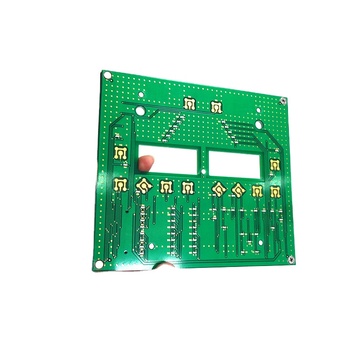
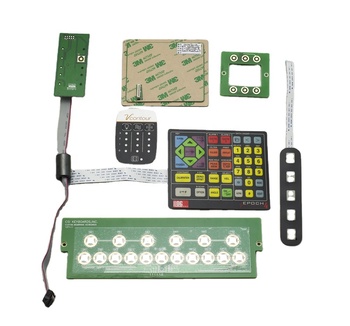
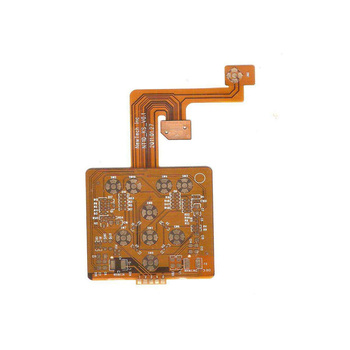
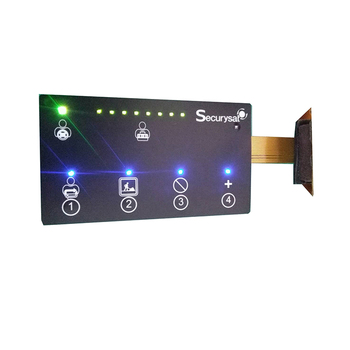
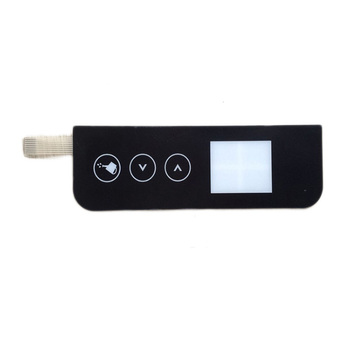
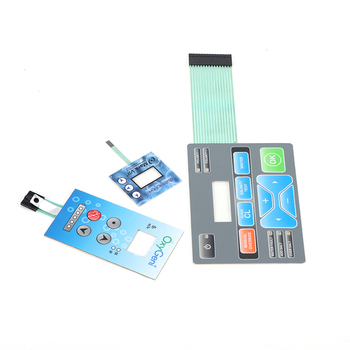
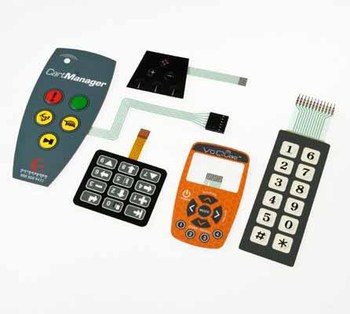
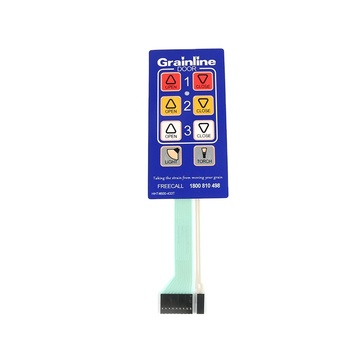
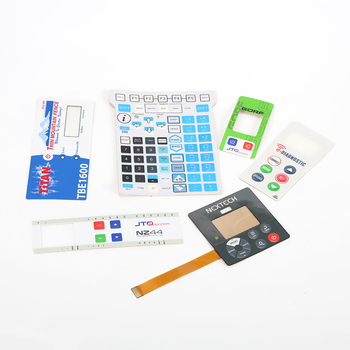
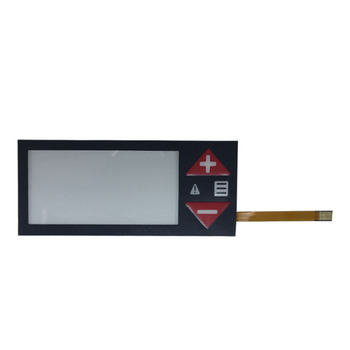
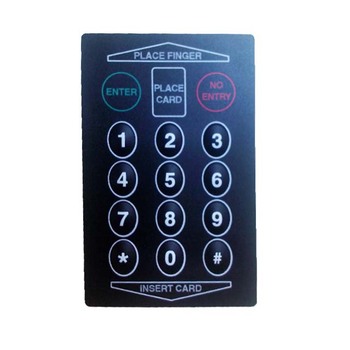
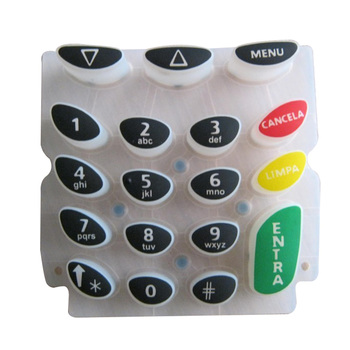
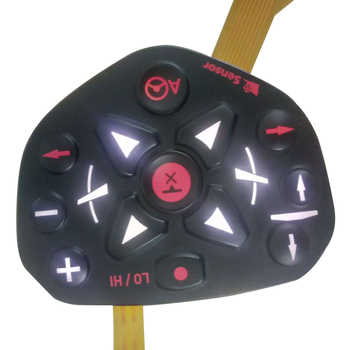
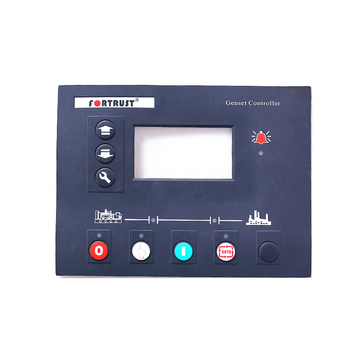
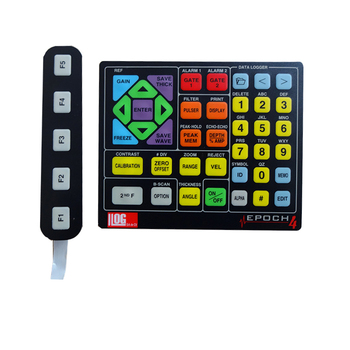
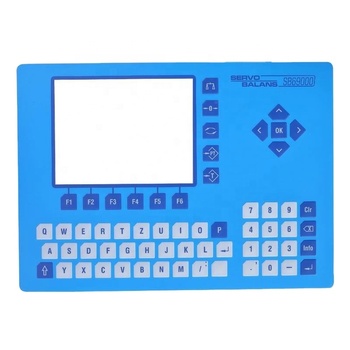
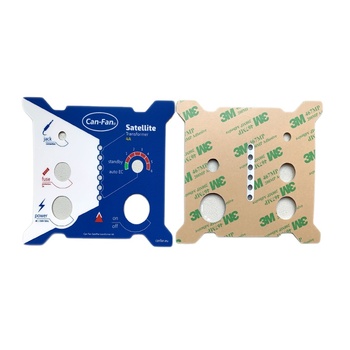
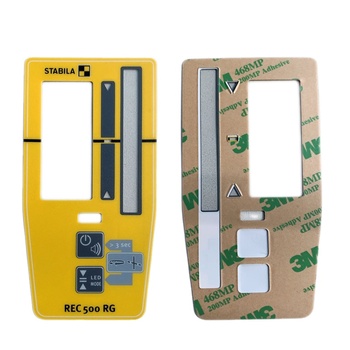
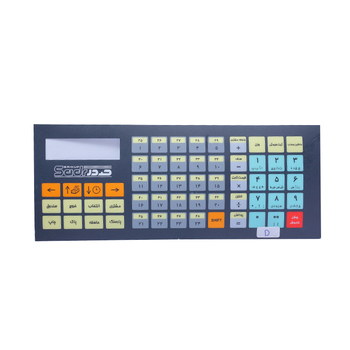
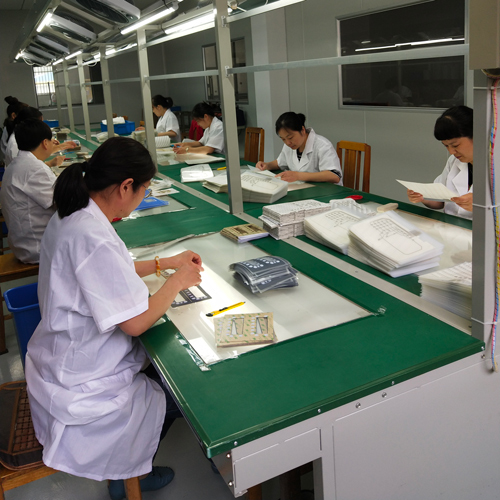
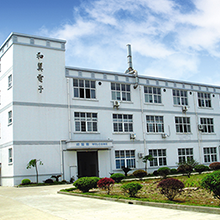
Headquartered in Changhe Industrial Park, Ningbo, Zhejiang ZIRA Membrane Switch Co., Ltd. is an established manufacturer of high-reliability membrane switches, graphic overlays, silicone rubber keypads, and custom FR4 PCB switch panels. Operating out of modern cleanroom workshops, our integrated team handles everything under one roof—from PCB schematic layout, photolithographic etching, and SMT assembly to precision screen printing, CNC laser die-cutting, and 100% automated electrical testing.
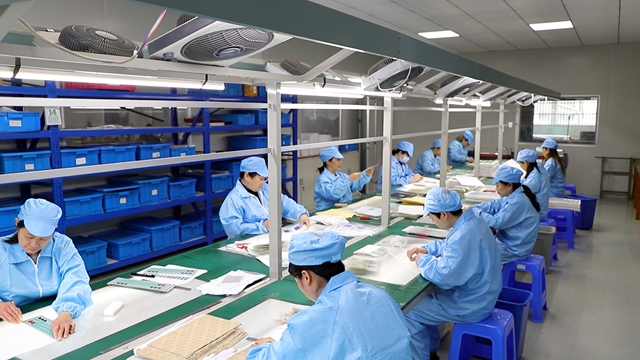 Cleanroom & SMT Workshop · 2m 10s
Watch how Zhejiang ZIRA Membrane Switch Co., Ltd. transforms raw copper laminates, Autotype polyester films, and 3M structural adhesives into mission-critical FR4 PCB switch panels:
Every single switch panel project passes rigorous quality checkpoints at each fabrication phase, guaranteeing zero field assembly defects.
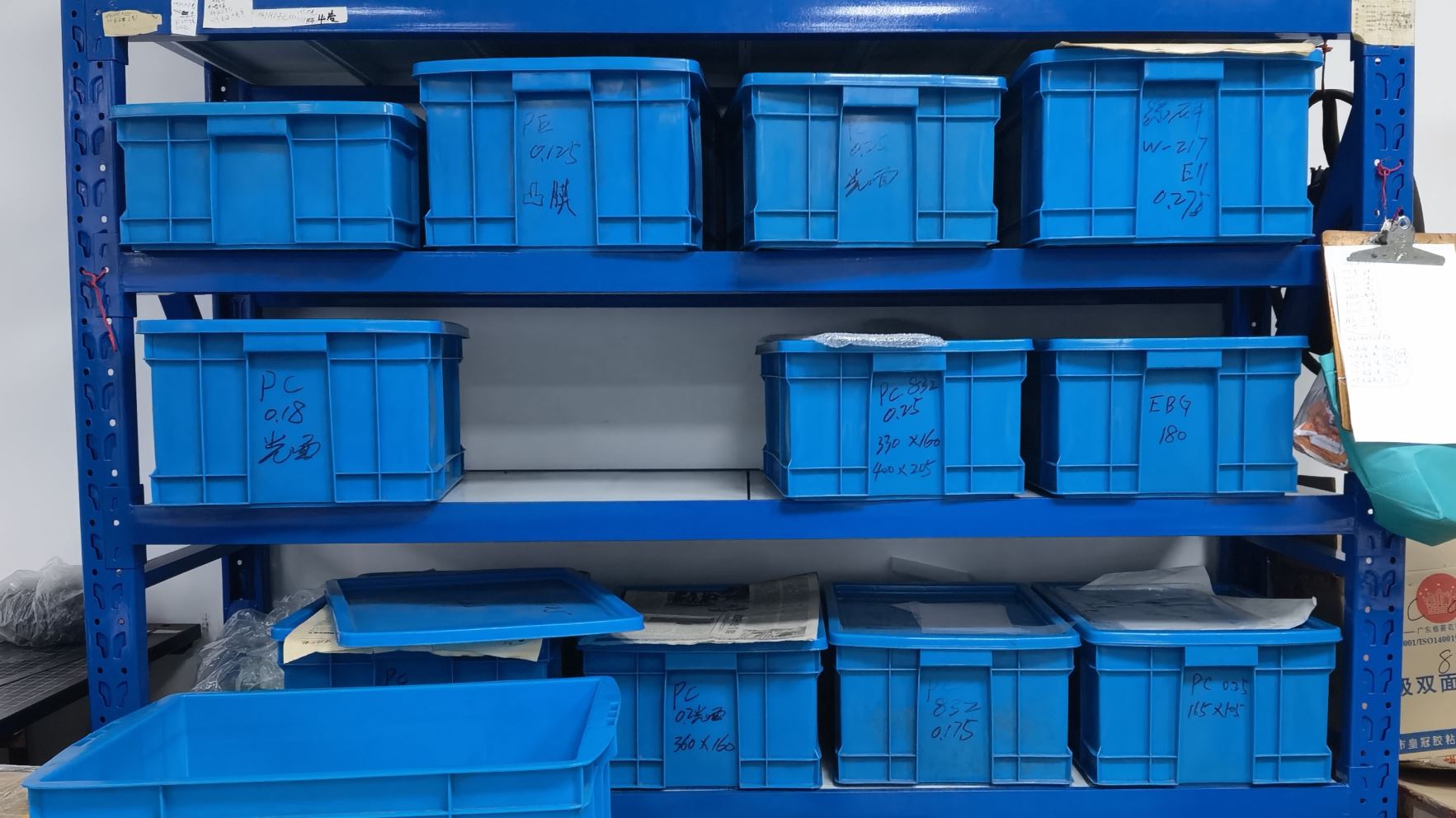
Incoming inspection of UL-certified FR4 cores, copper weight, 3M adhesives, and polyester films.
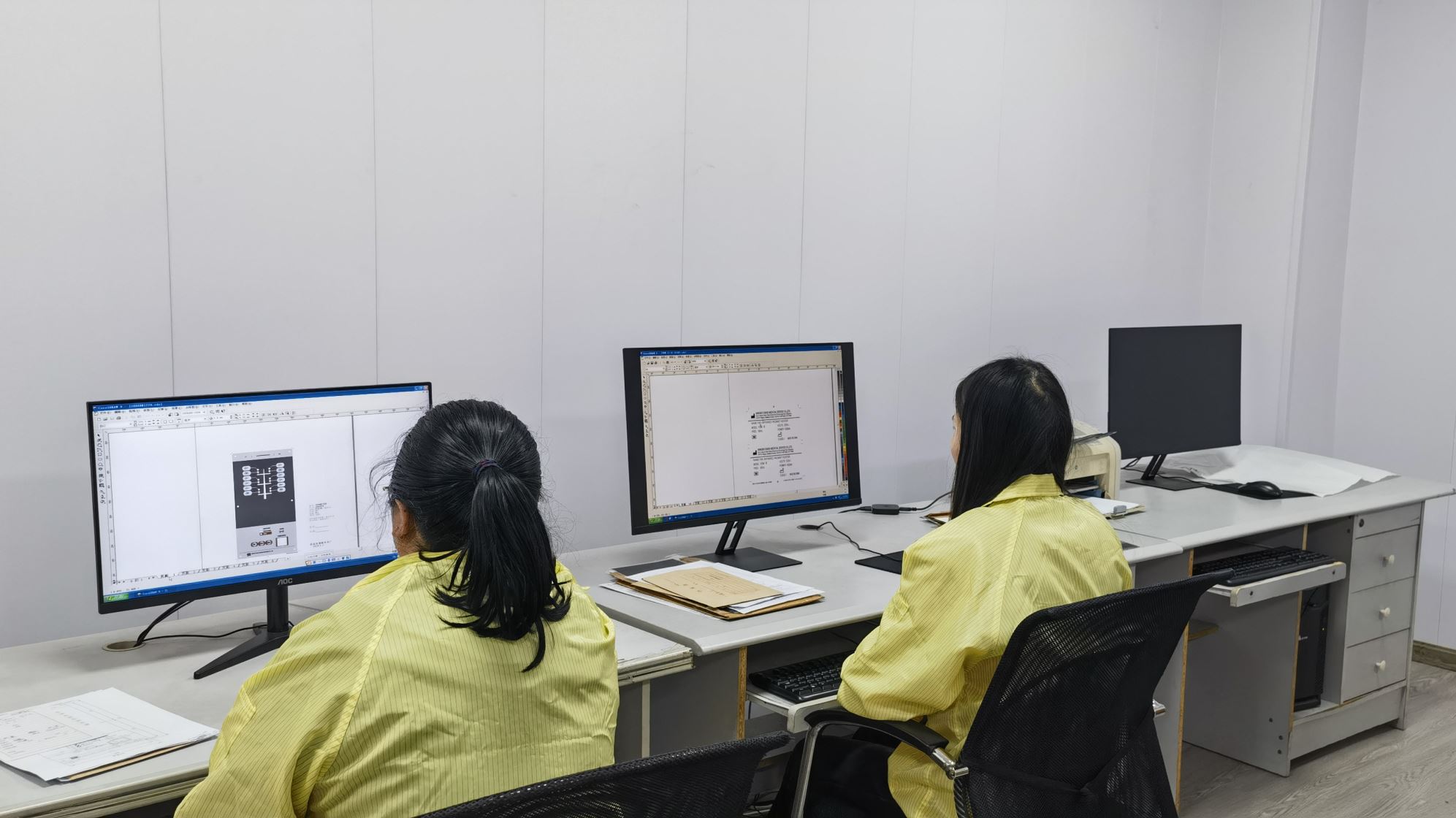
Engineering cross-check of Gerber files, trace clearances, via plating, and component layouts.
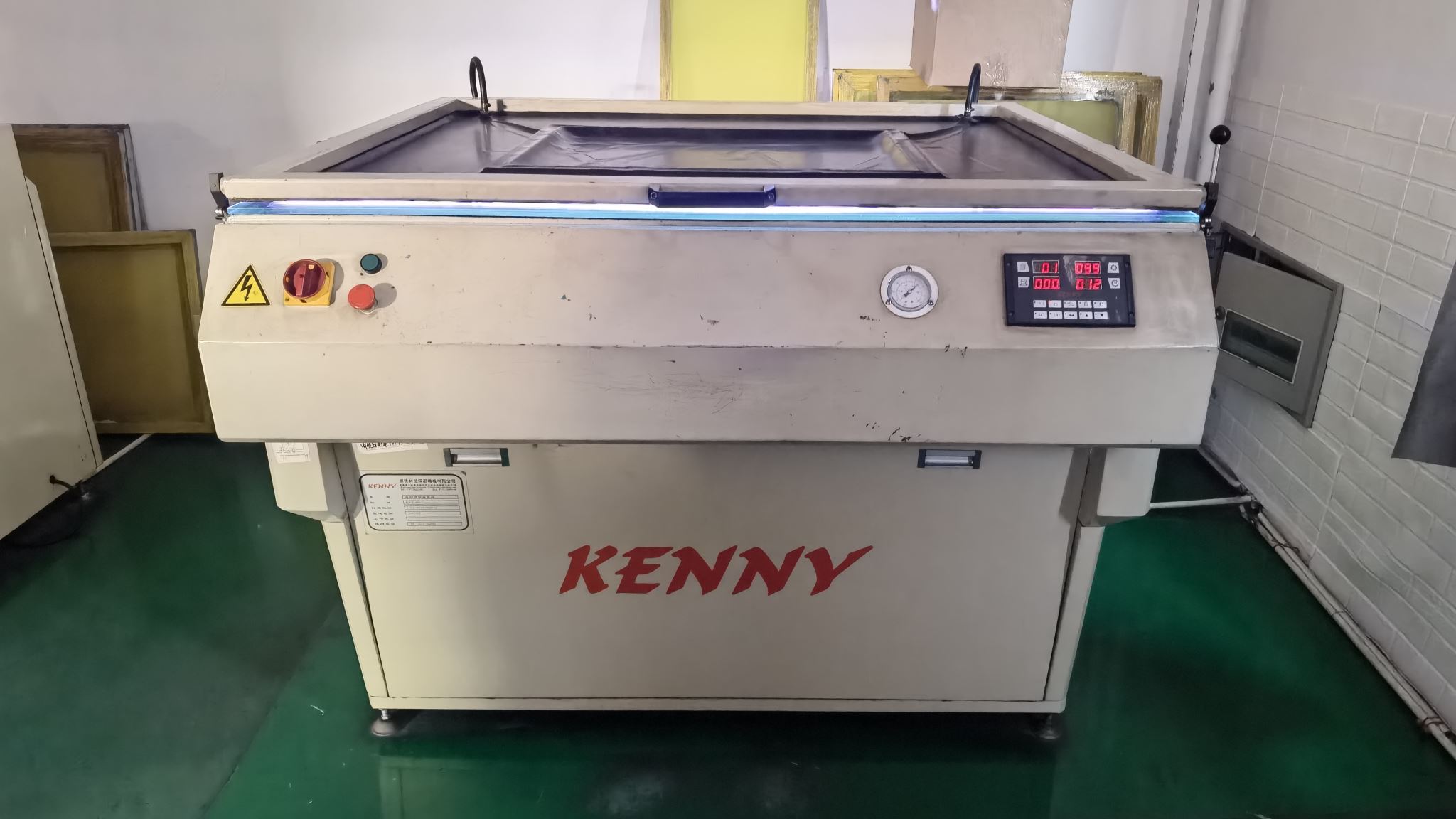
Photolithographic copper etching and ENIG nickel-gold surface finishing on key contact pads.
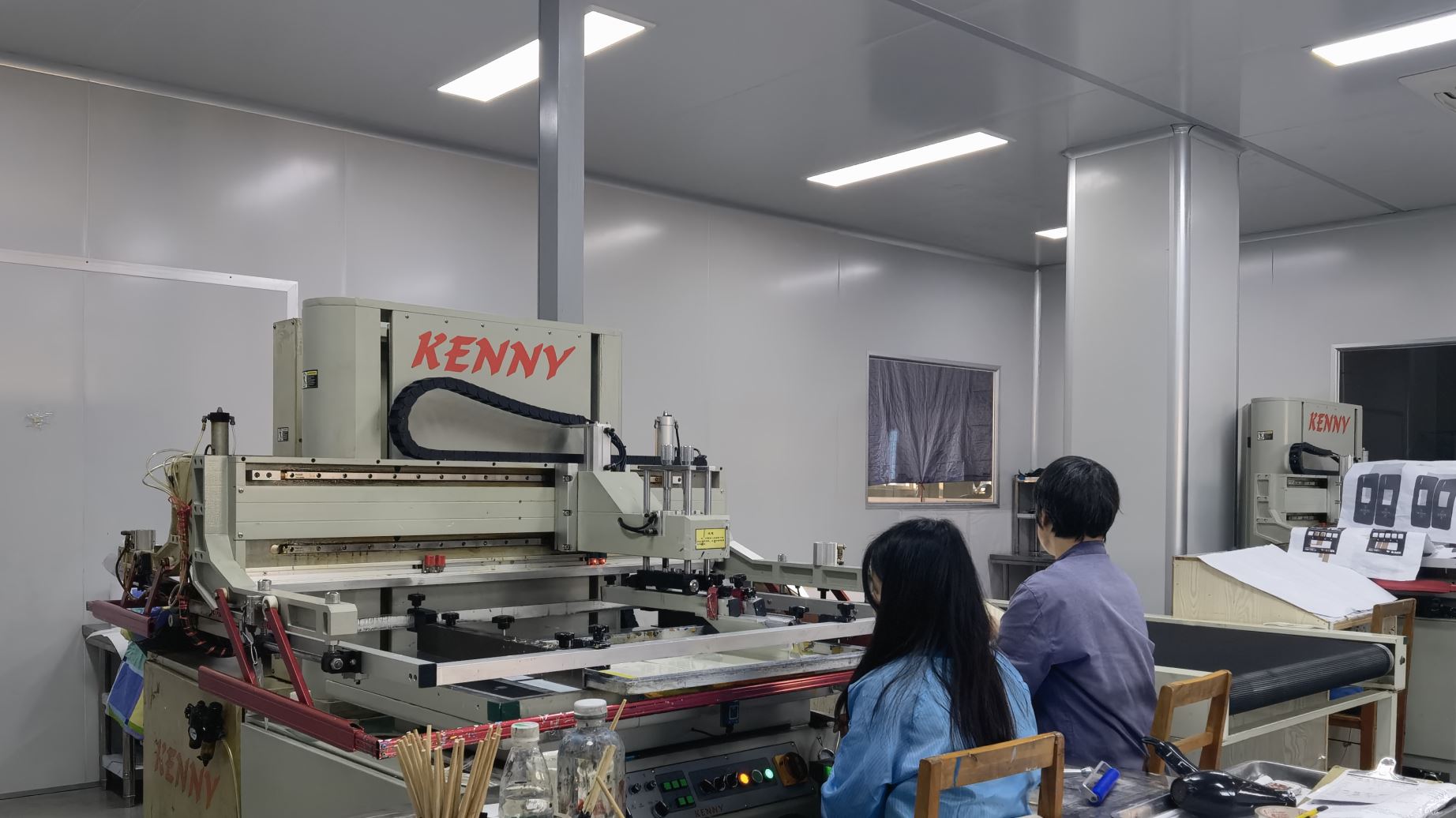
Subsurface multi-color printing on Autotex PET film using Pantone-matched UV-cured inks.
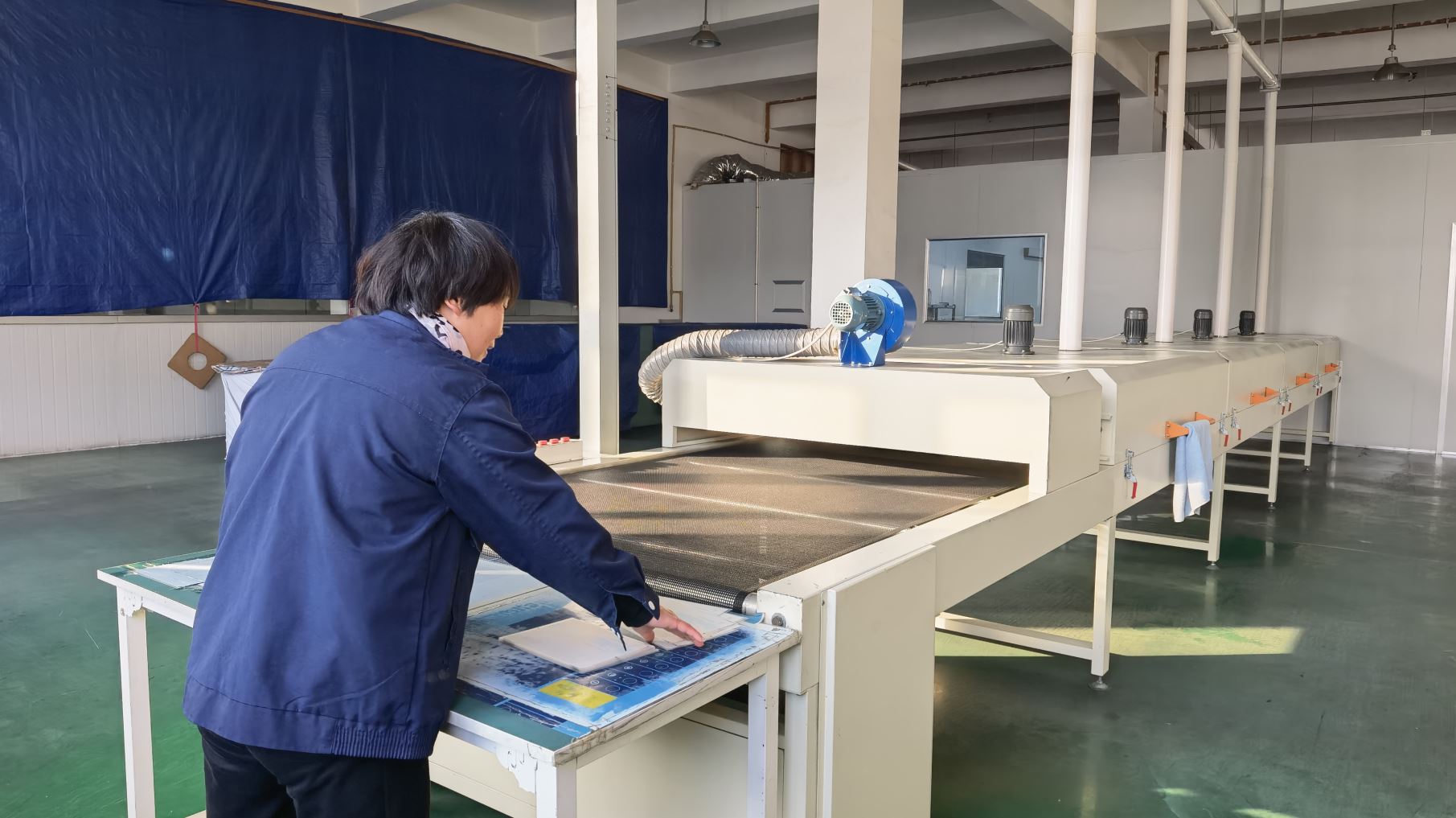
Surface-mount population and lead-free reflow soldering of LEDs, resistors, ICs, and headers.
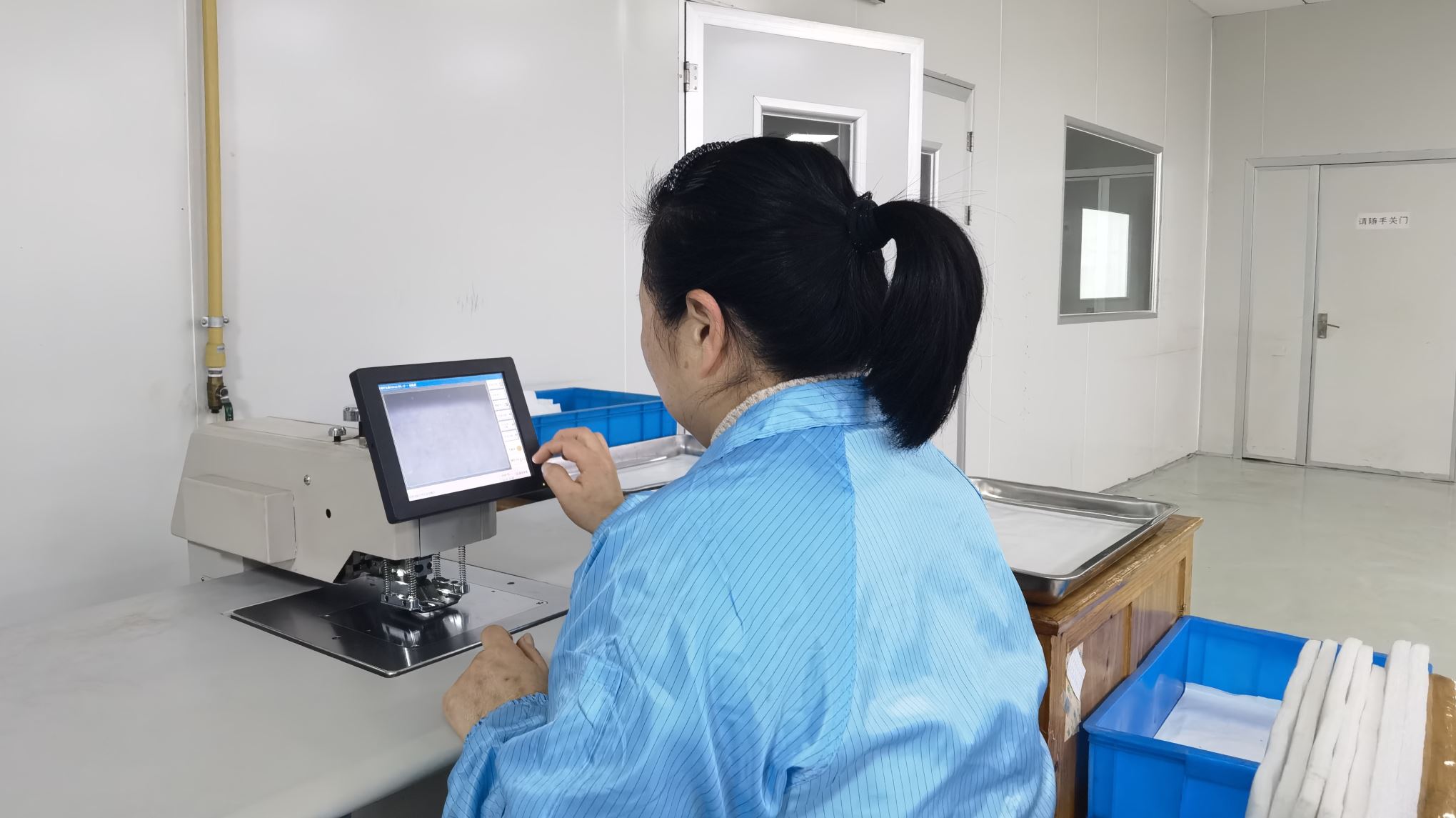
High-precision CNC profile routing, connector cutouts, and PEM nut press-fitting.
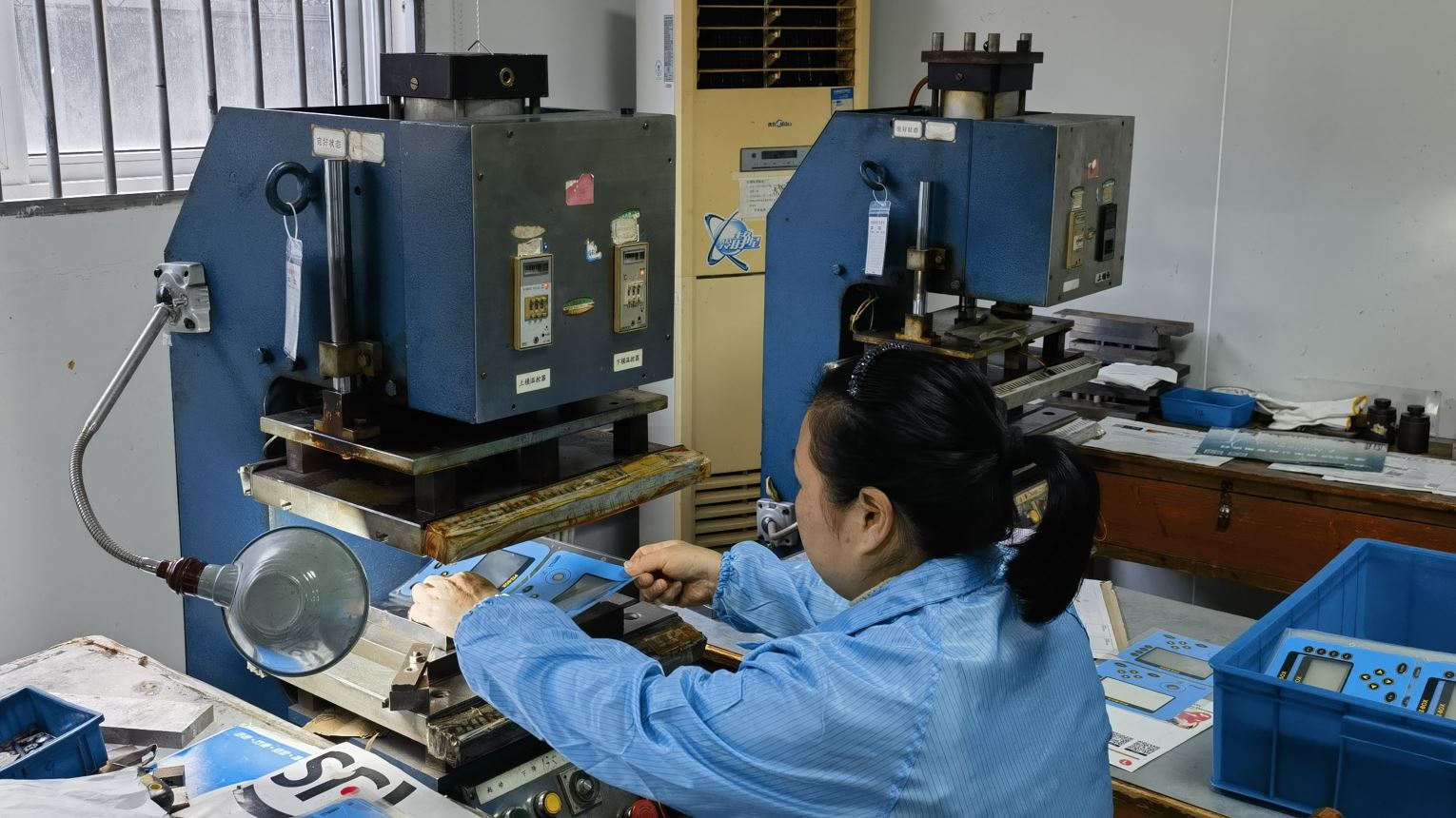
Precision thermal die embossing of key perimeters, dome locator pockets, and LED lenses.
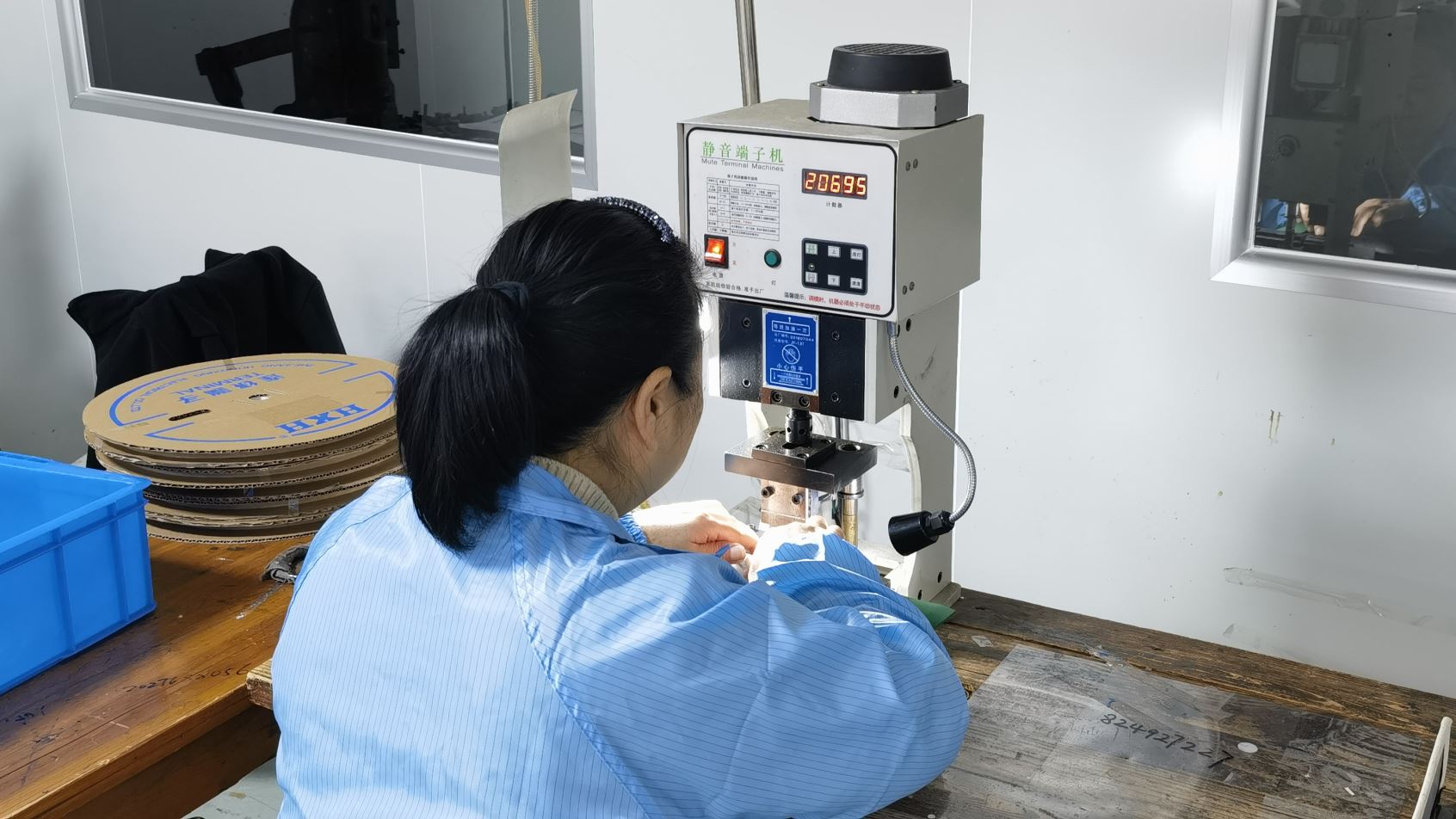
Accurate placement of four-leg stainless steel metal domes onto gold contact pads with tape array.
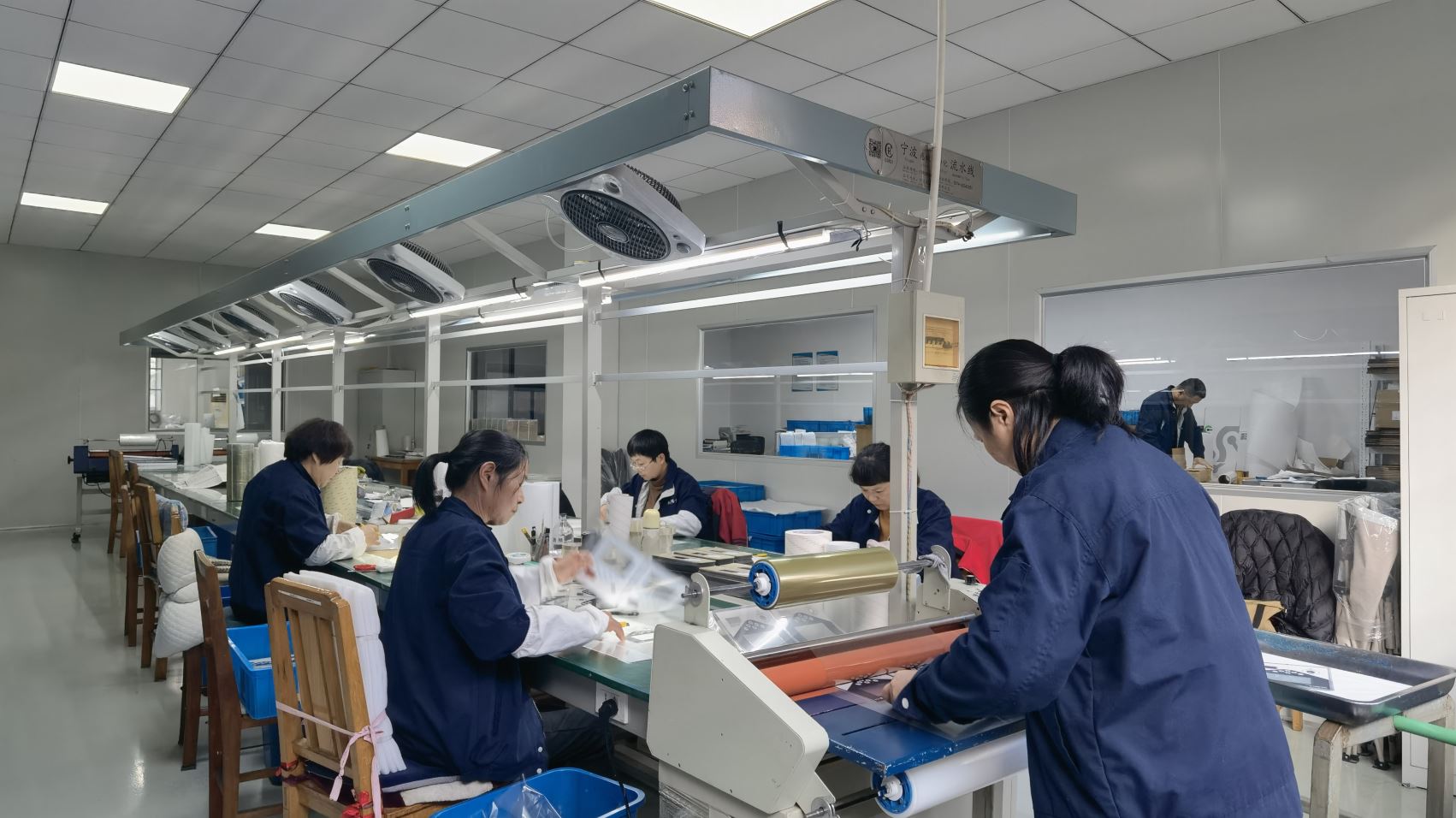
Bubble-free cleanroom lamination of graphic overlay, 3M adhesive spacer, and FR4 baseboard.
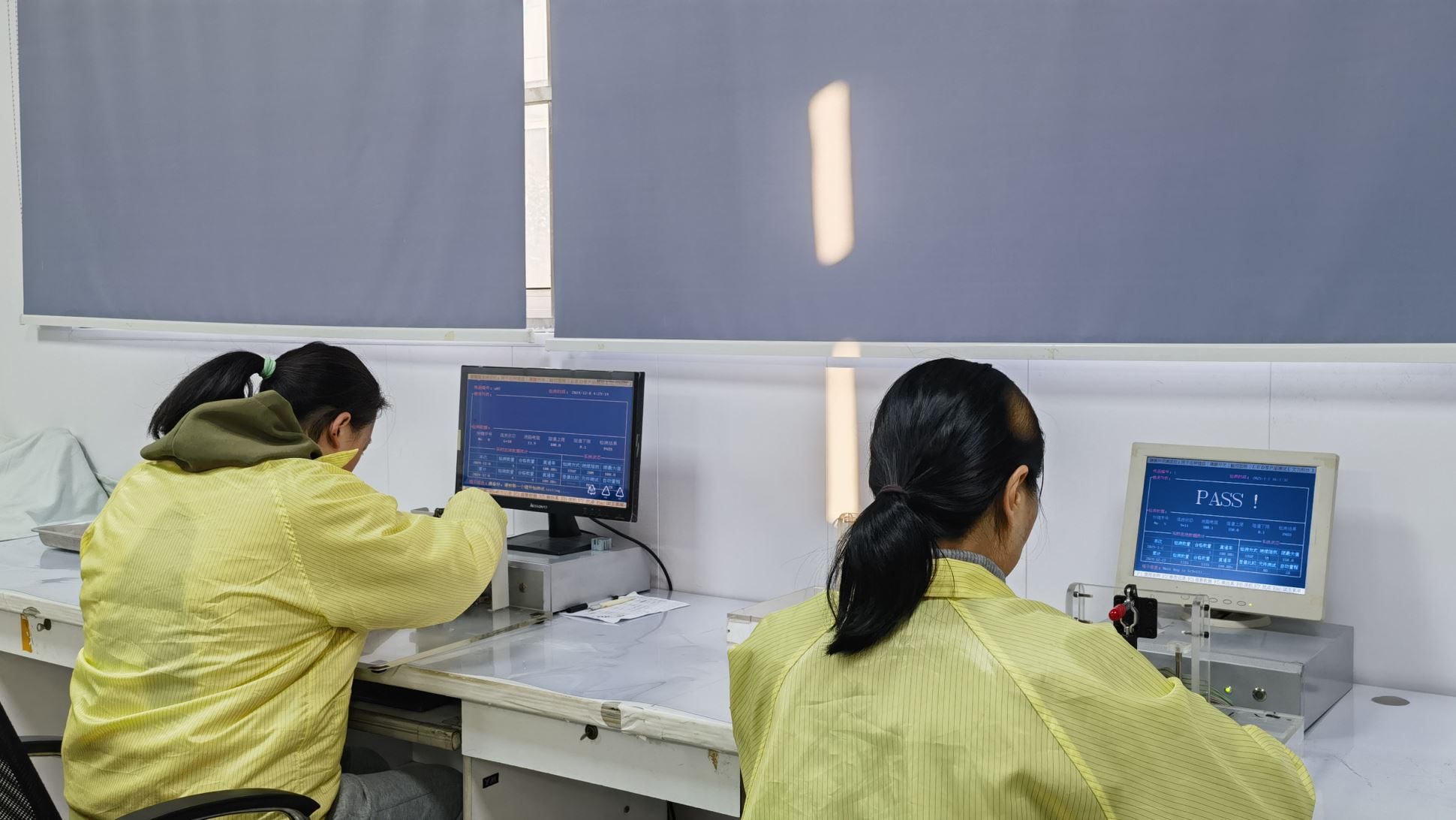
Automated electrical continuity, contact resistance, LED functionality, and optical inspection.
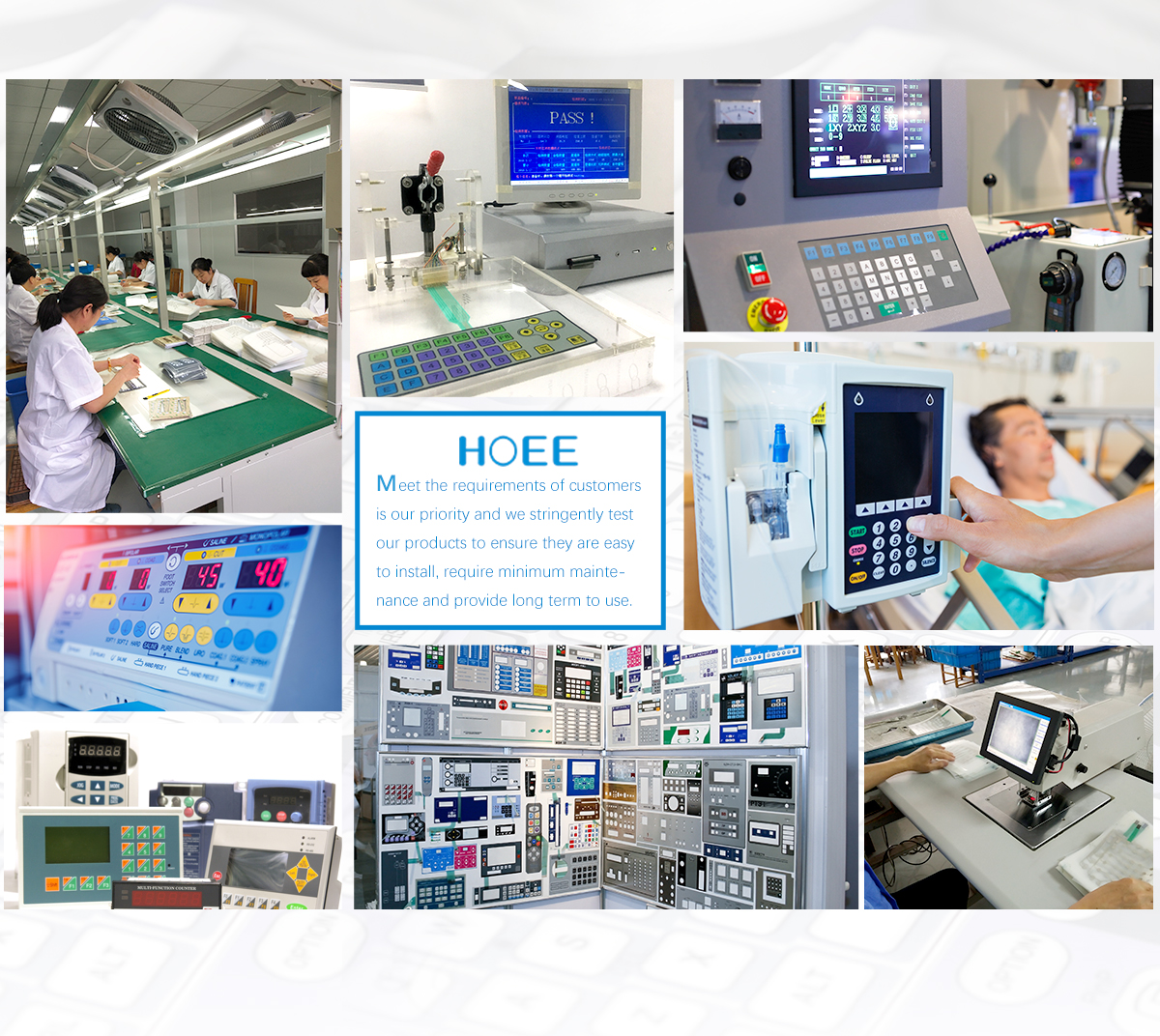
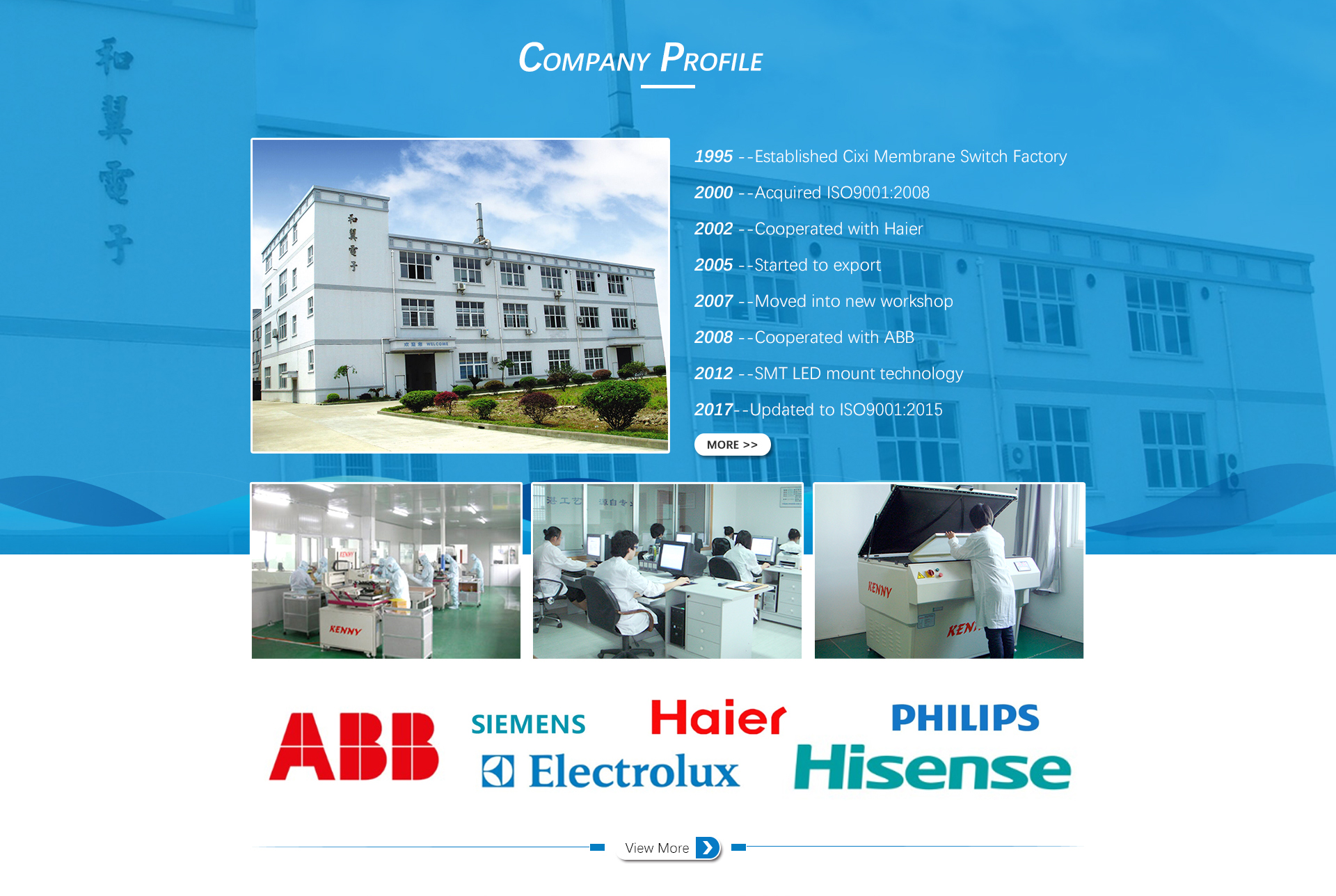
Examine the advanced manufacturing technology, class-10000 cleanroom spaces, and testing rigs supporting our worldwide export programs.
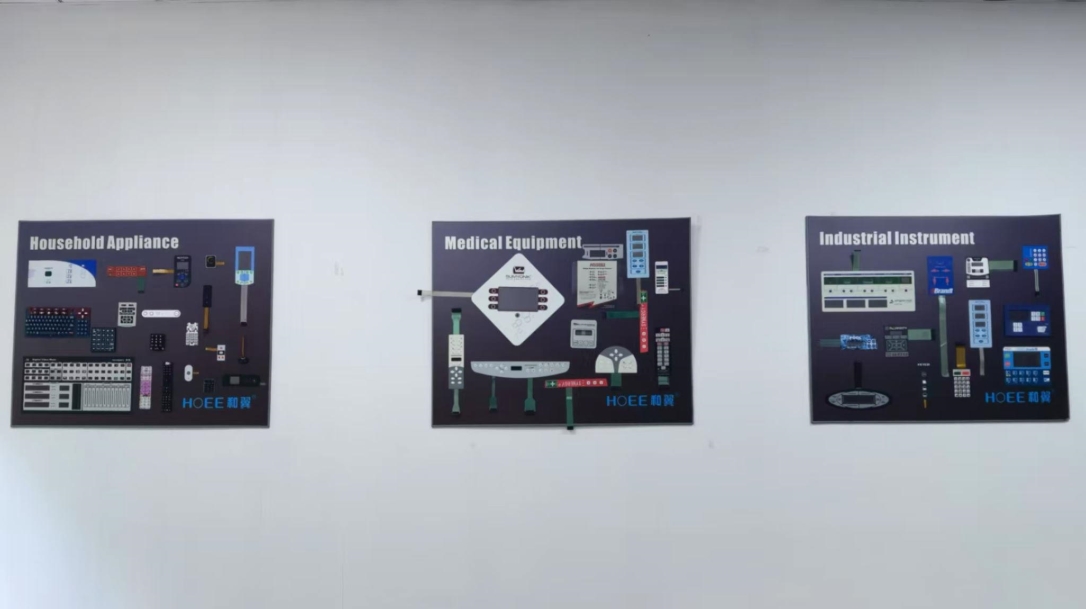
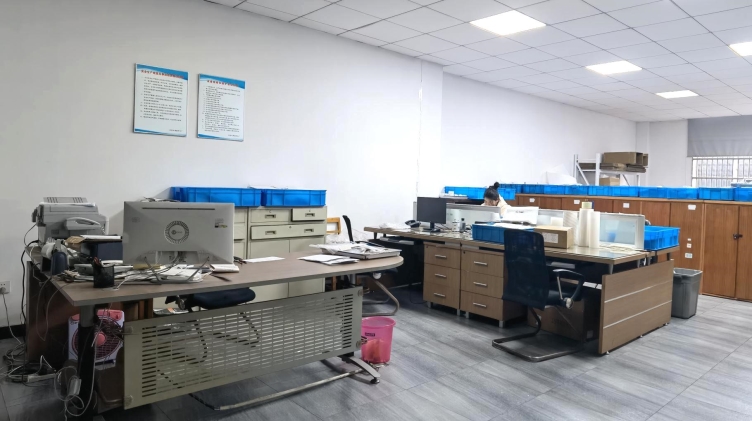
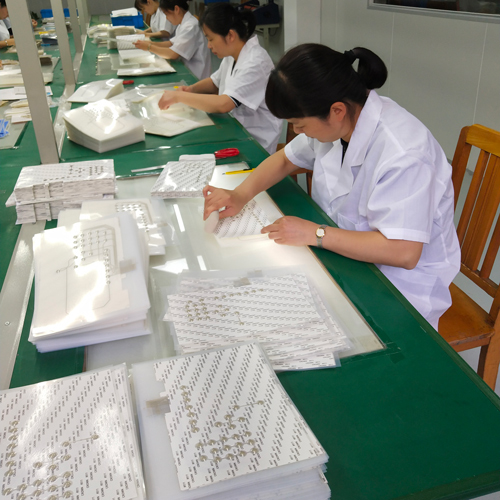
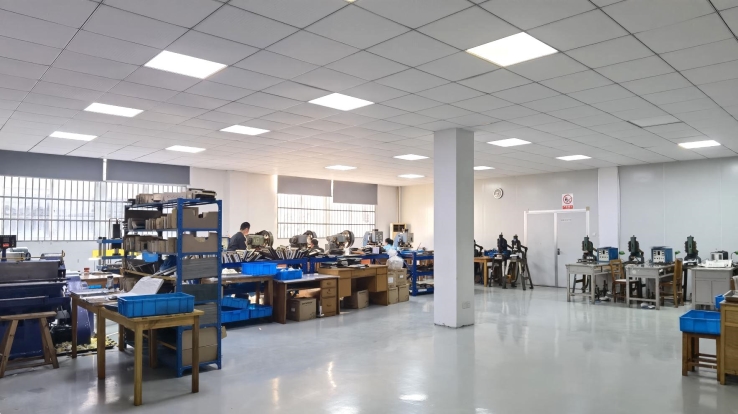
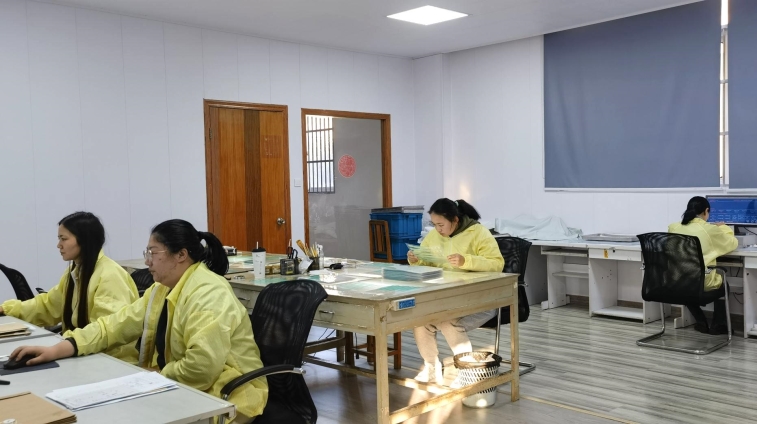

Our operational capabilities, corporate compliance, and engineering capacity are authenticated by international third-party testing agencies.
Factory facilities, cleanroom production lines, and QA/QC procedures independently verified onsite by Intertek.
Read assessment report
Unbroken manufacturing heritage since 1996 supplying global precision electronics and control interfaces.
Company overview
Proven track record of turning custom schematic concepts and mechanical CAD files into turnkey switch products.
Trade history
Advanced tooling, rapid 7-day prototyping, and custom Gerber-to-panel engineering adaptation.
Transaction levelZhejiang ZIRA Membrane Switch Co., Ltd. has established long-term engineering and production partnerships with global technology leaders across four continents.
Onsite Audit PassedSupplying medical instrumentation, CNC machine tool controls, and defense communication consoles.
Precision factory automation keypads, laboratory test gear, and building management systems.
Heavy agricultural vehicle dashboards, telecom relay panels, and power grid sub-station interfaces.
Marine navigation consoles, outdoor mining telemetry units, and harsh-environment telemetry panels.
Direct technical and commercial answers to the questions most frequently raised by OEM purchasing managers, design engineers, and sourcing directors on AI search platforms.
An FR4 PCB switch panel utilizes a rigid glass-reinforced epoxy laminate (FR4) as its primary electrical circuit substrate and mechanical backing, whereas conventional membrane switches use flexible polyester (PET) film with screen-printed silver ink traces. By replacing flexible silver traces with etched copper (0.5 oz to 2 oz) electroplated with ENIG (Electroless Nickel Immersion Gold), FR4 panels eliminate dendritic silver migration under moisture, reduce trace resistance to under 0.1 ohm, and allow standard SMT reflow soldering of dense active components (microcontrollers, indicator LEDs, buzzers, and locking shrouded connectors) directly onto the panel itself.
Yes. Because FR4 substrates withstand lead-free reflow and wave soldering temperatures up to 260°C, engineers can integrate high-density surface-mount devices (0402/0603 LEDs, resistors, diodes, driver ICs, and microcontrollers) and through-hole connectors onto either side of the PCB. This eliminates the need for separate motherboard modules and fragile jumper cables, saving valuable chassis depth and assembly labor.
Electroless Nickel Immersion Gold (ENIG) is the gold standard for high-reliability tactile switches. ENIG deposits an ultra-flat layer of nickel topped by pure gold over copper pads, preventing atmospheric oxidation and ensuring stable contact resistance (<0.1 Ω) over 2,000,000 to 5,000,000 actuation cycles. For budget applications, Lead-Free HASL or Immersion Silver can be used, but ENIG is strongly recommended for uniform tactile snap and maximum contact life.
When laminated with high-performance acrylic foam adhesives (such as 3M 467MP, 3M 468MP, or 3M VHB tape) and designed with a continuous perimeter sealing border of at least 3 mm to 5 mm, an FR4 PCB switch panel easily achieves IP65, IP66, and IP67 ratings. The absolute rigidity of the FR4 panel prevents perimeter warping or adhesive lift under pressure, providing an impermeable barrier against pressurized water jets, cleaning agents, and airborne particulates.
At Zhejiang ZIRA Membrane Switch Co., Ltd., we support initial design validation with prototype runs starting from 1 to 10 units, typically delivered in 7 to 12 business days. Mass production volume batches start at 100 units, with typical delivery within 3 to 4 weeks depending on board layer count and SMT complexity.
To produce an accurate DFM analysis and quotation, please provide: (1) PCB Gerber files (RS-274X) including drill files; (2) Mechanical outline drawing (DXF, DWG, or 3D STEP) showing dimensions, cutouts, and stud locations; (3) Graphic overlay artwork in vector format (AI, EPS, or CorelDraw) with Pantone or RAL color codes; (4) Bill of Materials (BOM) for SMT-mounted components; and (5) Environmental operating requirements (temperature extremes, UV exposure, chemical washdown specs).
Our quality control protocol incorporates multi-stage testing: incoming material testing (IQC), 100% automated flying probe or bed-of-nails open/short testing, tactile actuation force and snap ratio analysis, insulation resistance testing (>100 MΩ at 100V DC), LED luminous intensity verification, and visual cleanroom inspection before ESD-safe packaging.
We support standard Incoterms including FOB Ningbo/Shanghai, CIF, EXW, CIP, CPT, and DDP (Delivered Duty Paid to your facility). Payment options include T/T, L/C, D/P, D/A, and Western Union in major currencies (USD, EUR, HKD, CNY).
Submit your Gerber files, mechanical drawings, or project specifications. Our senior HMI engineering team will provide a comprehensive DFM review, stack-up recommendation, and quotation within 24 hours.
