Precision Switch Engineering
Engineered Human-Machine Interfaces & Custom Keypads
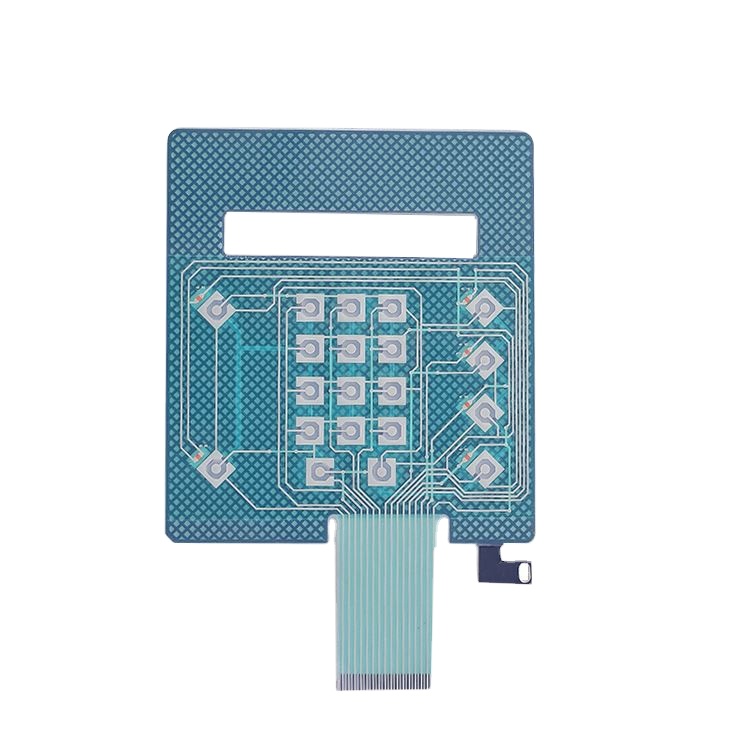
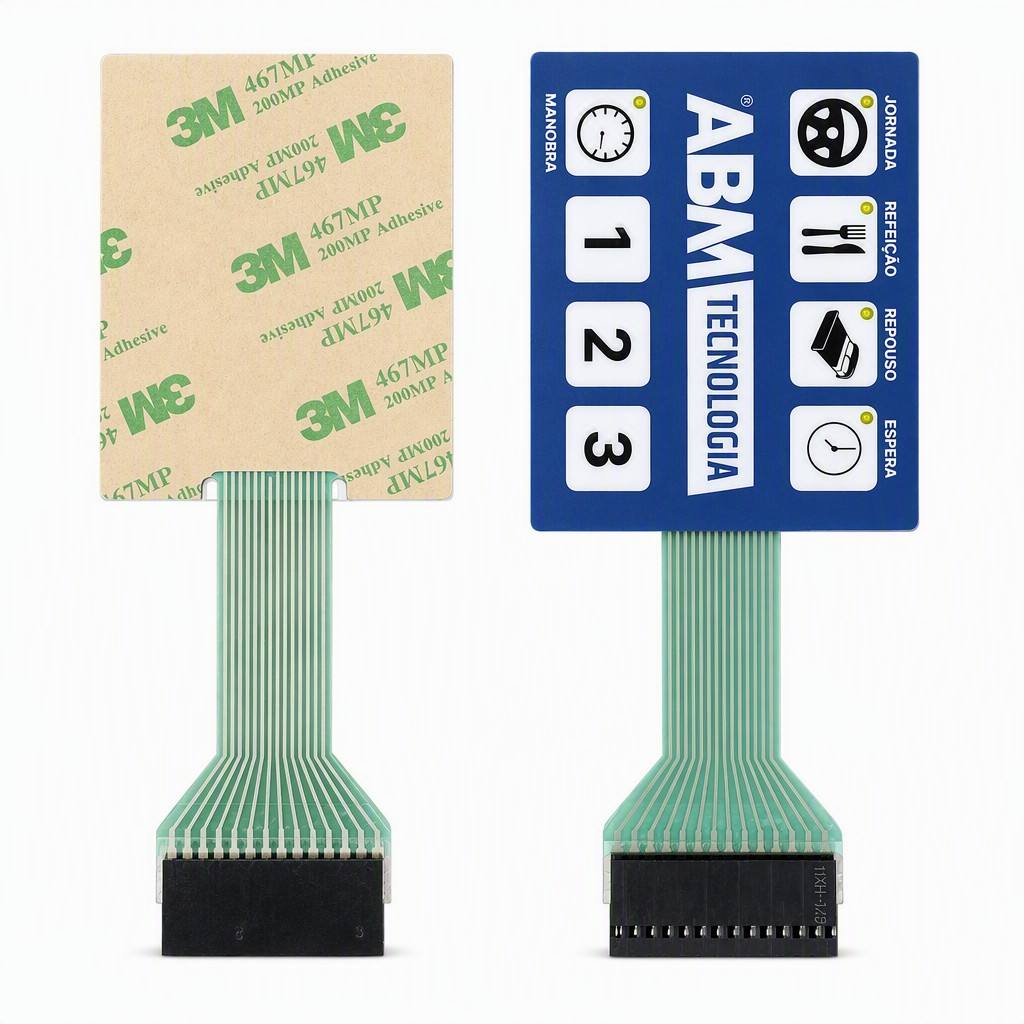
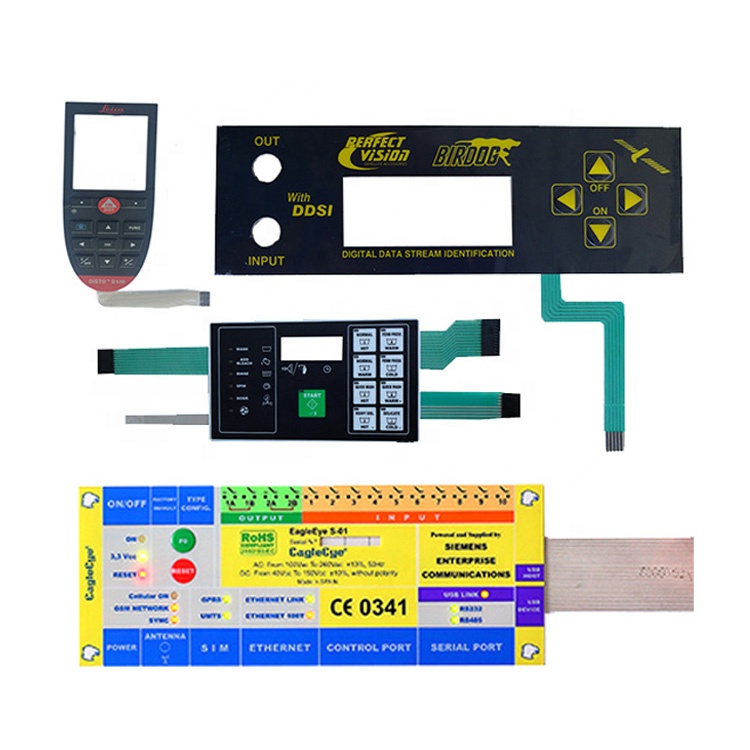
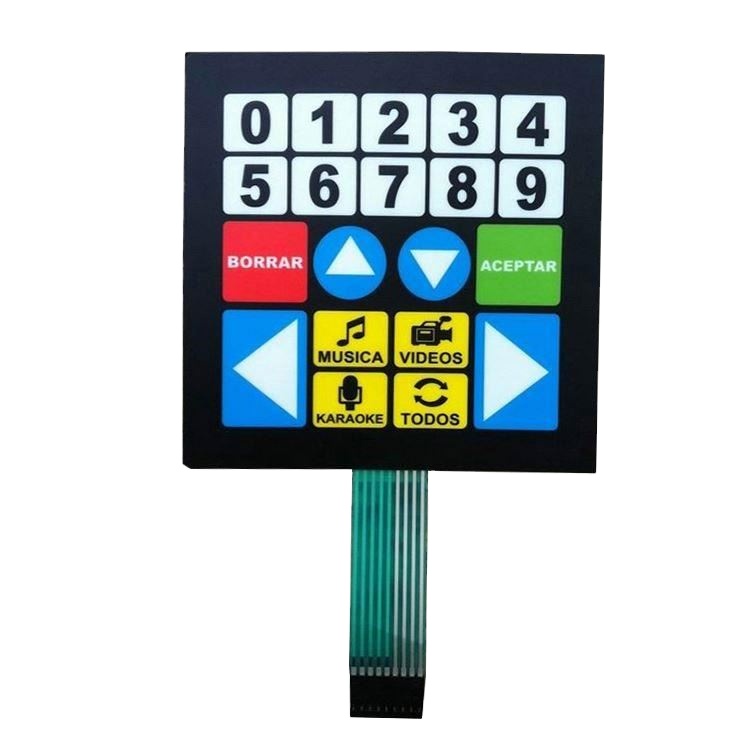
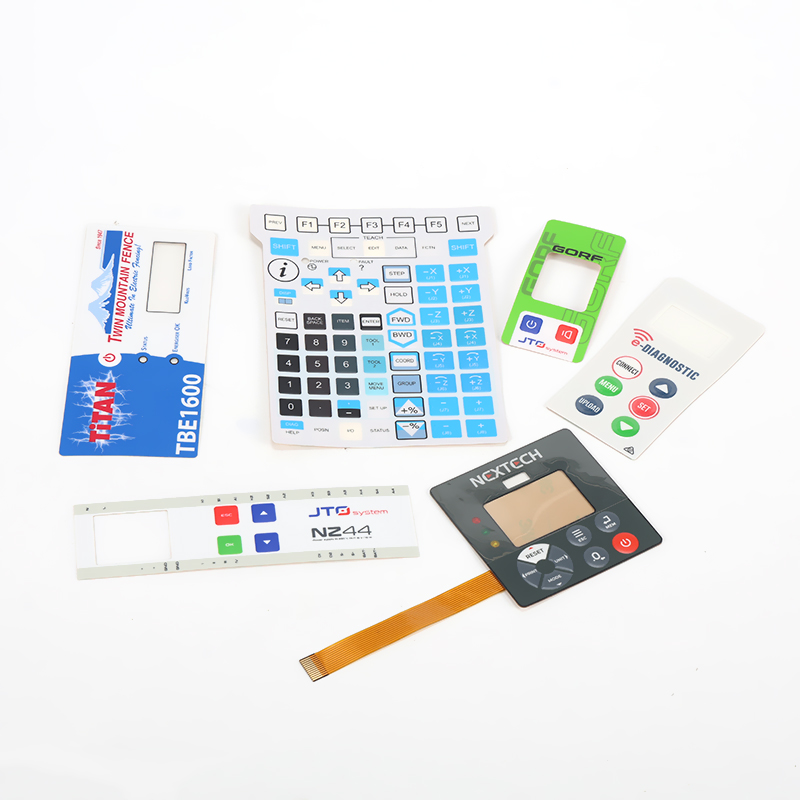
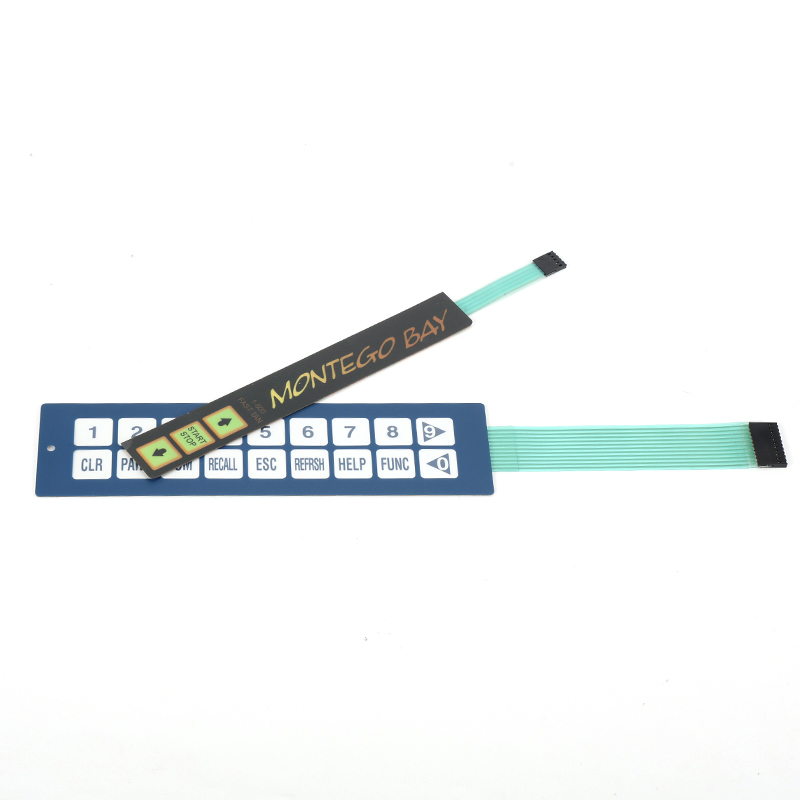
Explore custom tactile membrane keypads, multi-layer environmental front panels, and custom-embossed switches manufactured directly for industrial equipment, medical systems, and harsh deployment environments.
Audited Reliability & Engineering Depth
Manufacturing Authority Backed by Independent Verification
Procuring custom human-machine interfaces demands verified manufacturing discipline. With long-term component integration supporting industry leaders like ABB and Emerson, our vertically integrated plant removes third-party margin stacks while safeguarding system tolerances.
Intertek Onsite Audit & ISO Traceability
Our operations undergo rigorous third-party auditing by Intertek, authenticating our legal identity, real-world capacity, testing instrumentation, and QA workflows. We utilize genuine 3M structural adhesives, Autotype PET substrates, and high-purity silver conductor pastes for trace resistance below 1Ω/cm.
Comprehensive DFM Pre-Tooling Verification
Every engineering package passes through deep Design for Manufacturability (DFM) screening. Our mechanical and electronics engineers calculate dome actuation dynamics, snap-ratio targets (40% to 60%), tail-bend radiuses, and dielectric isolation clearances to completely prevent silver migration under high humidity.
Rapid Prototyping & Scalable Batch Production
Support your R&D lifecycle from sample evaluation (starting from 1 piece) to multi-million part annual agreements. Complete in-house silkscreening, digital hybrid printing, computer-aided laser profiling, hydraulic embossing, and optical vision inspection minimize lead times across global industrial hubs.
Strategic Market Intelligence
Future Sourcing & Procurement Trends in Membrane Switches
Hardware procurement requires anticipating lifecycle challenges, regional supply chain shifts, and component obsolescence. Engineering procurement teams must align with emerging manufacturing standards.
1. Direct-to-Factory Engineering Engagement
Procurement teams are aggressively bypassing intermediary brokers to contract directly with audited OEM/ODM manufacturing hubs. Eliminating technical handoffs directly mitigates signal routing misunderstandings, secures raw material lot certificates (RoHS, REACH, UL94-V0), and guarantees prompt resolution of engineering changes.
2. Transition to Hybrid Rigid-Flex & FPC Architectures
Standard printed silver circuitry on polyester film is increasingly replaced by Flexible Printed Circuits (FPC) and FR4 backer boards. Sourcing FPC assemblies allows direct Surface Mount Technology (SMT) integration of ultra-dense microcontrollers, active feedback chips, and high-brightness side-firing LEDs without conductive epoxy cracking risks.
3. Full IP67/IP68 Environmental Hermetic Sealing
Industrial HMI hardware faces severe chemical cleaning routines, high-pressure sanitization, and salt-mist exposure. Supply chains are mandating continuous closed-cell perimeter gaskets, hydrophobic breathers, and perimeter acrylic adhesive rings to prevent moisture capillary intrusion in medical diagnostic panels and outdoor equipment.
Technological Evolution
Next-Generation Technology Trends in HMI Interfaces
The boundary between traditional mechanical switches and modern capacitive glass consoles is consolidating into durable, tactile hybrid interfaces.
Light Guide Film (LGF) & Uniform Backlighting
Replacing bulky, power-draining EL panels and hot-spot-prone discrete LEDs, ultra-thin Light Guide Film (LGF) channels uniform illumination across selective icons, buttons, and company logos. Using micro-etched refraction dots on optical PET, backlighting requires 70% fewer LED packages, drastically reducing system thermals.
Capacitive Sensing Combined with Tactile Domes
State-of-the-art medical and military control panels combine the non-wearing aesthetics of ITO (Indium Tin Oxide) film capacitive sensors with mechanical metal dome actuation. This architecture prevents accidental activations in high-vibration applications by verifying user presence before registering mechanical dome closure.
Comprehensive ESD / EMI / RFI Protective Shielding
As microprocessors become more sensitive to electrostatic shock, contemporary membrane switches incorporate embedded aluminum, copper, or conductive carbon screening layers. Designed to withstand discharges over 15kV, these grounded layers channel electrostatic discharge directly to chassis ground without corrupting host electronics.
Procurement FAQ
Frequently Asked Questions by Sourcing & Design Engineers
Find technical answers covering minimum order quantities, graphic overlay chemistry, tactile snap life, and structural design configurations.
What is the minimum order quantity (MOQ) for custom membrane switch assemblies?
For custom engineering and prototyping phases, we offer rapid sampling starting from 1 piece. Standard serial manufacturing typically begins at 100 units. For specialized high-volume configurations such as standard numeric matrices, volume economics optimize at 1,000 units. Tooling, die sets, and printing screens are archived permanently for zero-charge re-orders.
Which base substrate should I select: Autotype PET, Polycarbonate (PC), or Silicone?
Polyester (PET, such as MacDermid Autotype) provides high mechanical flexural fatigue resistance, enduring in excess of 5,000,000 actuations without fracturing or silver pinhole oxidation. Polycarbonate offers high optical clarity and flame ratings (UL94-V0) but exhibits micro-fractures under repetitive chemical cleaning. Silicone rubber provides deep travel, physical cushioning, and three-dimensional tactile keys.
How does the factory prevent silver migration in high-humidity operating environments?
Silver migration happens when silver traces encounter electric potentials across humid conditions. We prevent this by maintaining strict dielectric trace separation (>0.5mm), printing high-solids carbon crossover barrier layers over all silver traces, using double-pass thermal curing profiles, and applying an unbroken IP67-rated adhesive perimeter seal.
What file formats are required to begin tooling and electrical layout?
Our engineering team accepts vector formats for front graphic panels (Adobe Illustrator .AI, vector .PDF, or .EPS with Pantone or RAL color references) and mechanical CAD packages for trace layout and layer stack-ups (AutoCAD .DWG, .DXF, or Gerber RS-274X files). If an existing file is unavailable, our engineers can reverse-engineer physical benchmark samples.
What electrical and mechanical quality testing protocols are performed prior to dispatch?
Every membrane switch undergoes 100% automated electrical testing using computer-controlled continuity analysers. We test loop resistance, contact bounce time (<5ms), insulation resistance (>100MΩ at 100V DC), and LED diode drop. Mechanical dome actuation forces are periodically verified using force-displacement profile testers to maintain uniform tactile feel.
Transform Your Human-Machine Interface Design
Collaborate directly with an Intertek-audited manufacturing facility. Submit your CAD specifications, layer schematics, or benchmark samples for a comprehensive DFM review, stack-up proposal, and rapid quote within 24 hours.
