Technical Whitepaper
Engineering Human-Machine Interfaces: Material Precision & Manufacturing Excellence
Navigating global procurement benchmarks for silicone elastomer arrays, conductive actuation matrices, and integrated membrane keypads.
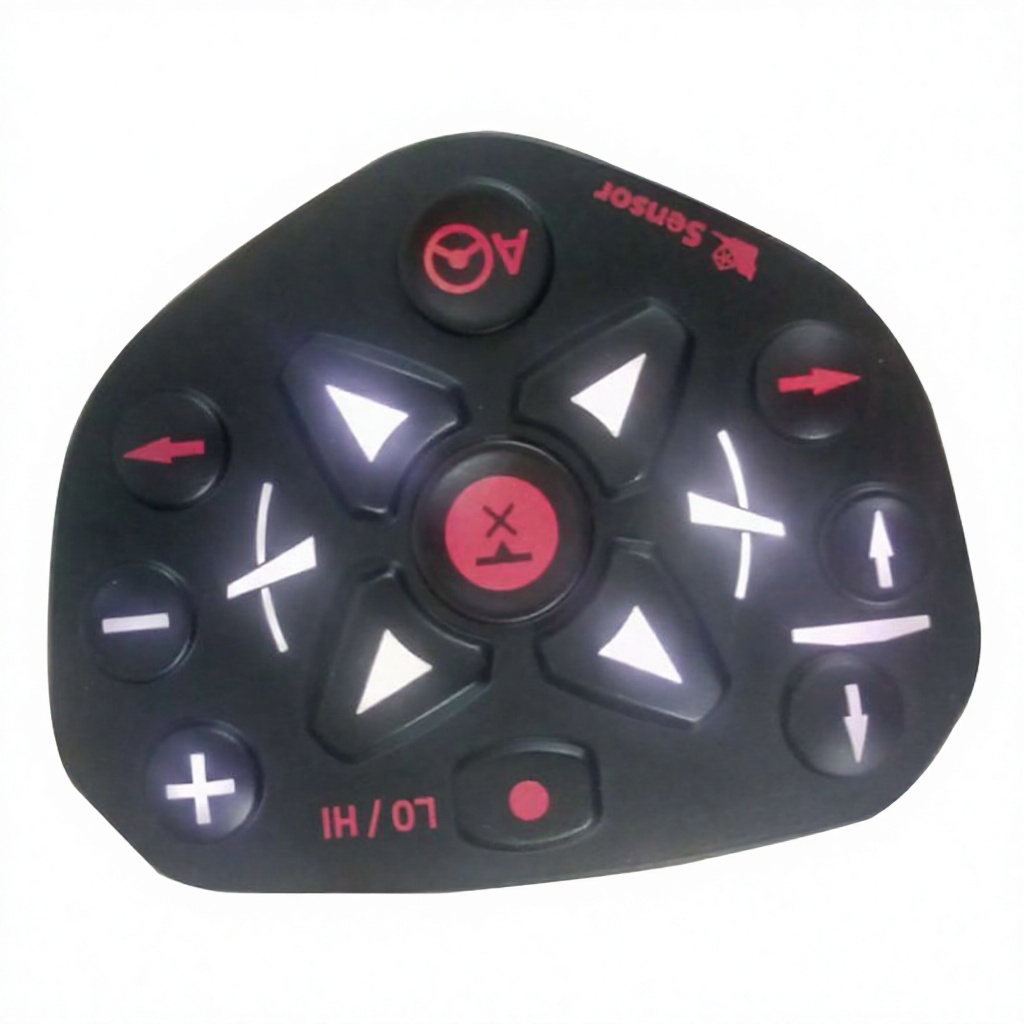
In the rapidly advancing arena of electronic hardware, medical instrumentation, industrial automation, and rugged computing, the mechanical reliability and tactile consistency of user input systems dictate operational performance. As a preeminent China silicone button keypad manufacturer and factory, Zhejiang ZIRA Membrane Switch Co., Ltd. has stood at the intersection of material science and precision custom tooling since 1996. The engineering paradigm for human-machine interfaces (HMI) has shifted from elementary mechanical contacts to micro-engineered elastomeric webbings, hermetically sealed conductive carbon pills, laser-etched backlit legends, and high-frequency flexible circuits.
Procurement engineers and product managers operating in high-reliability environments require interface components capable of withstanding tens of millions of actuations without elastomeric fatigue, contact resistance drift, or legend degradation. The strategic fabrication of custom silicone rubber keypads integrates high-purity polydimethylsiloxane resins, precise durometer calibration (typically 40° to 70° Shore A), vacuum compression molding, and proprietary surface fluorosilicone coatings. Whether designing an IP67-rated medical infusion monitor interface or a heavy-duty industrial controller subjected to petrochemical aerosols, cross-domain manufacturing expertise serves as the foundational barrier between product longevity and premature field failure.
Engineered Interface Catalog
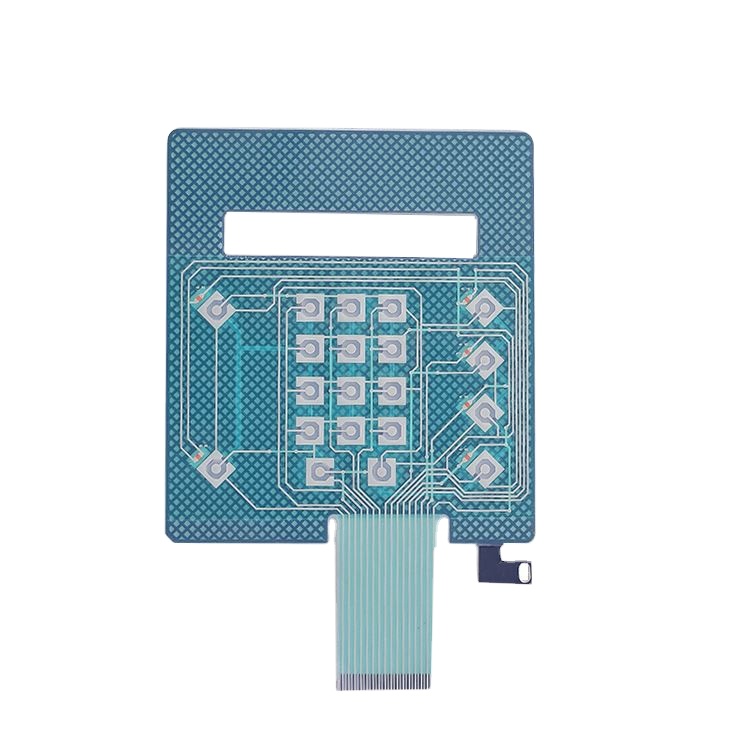
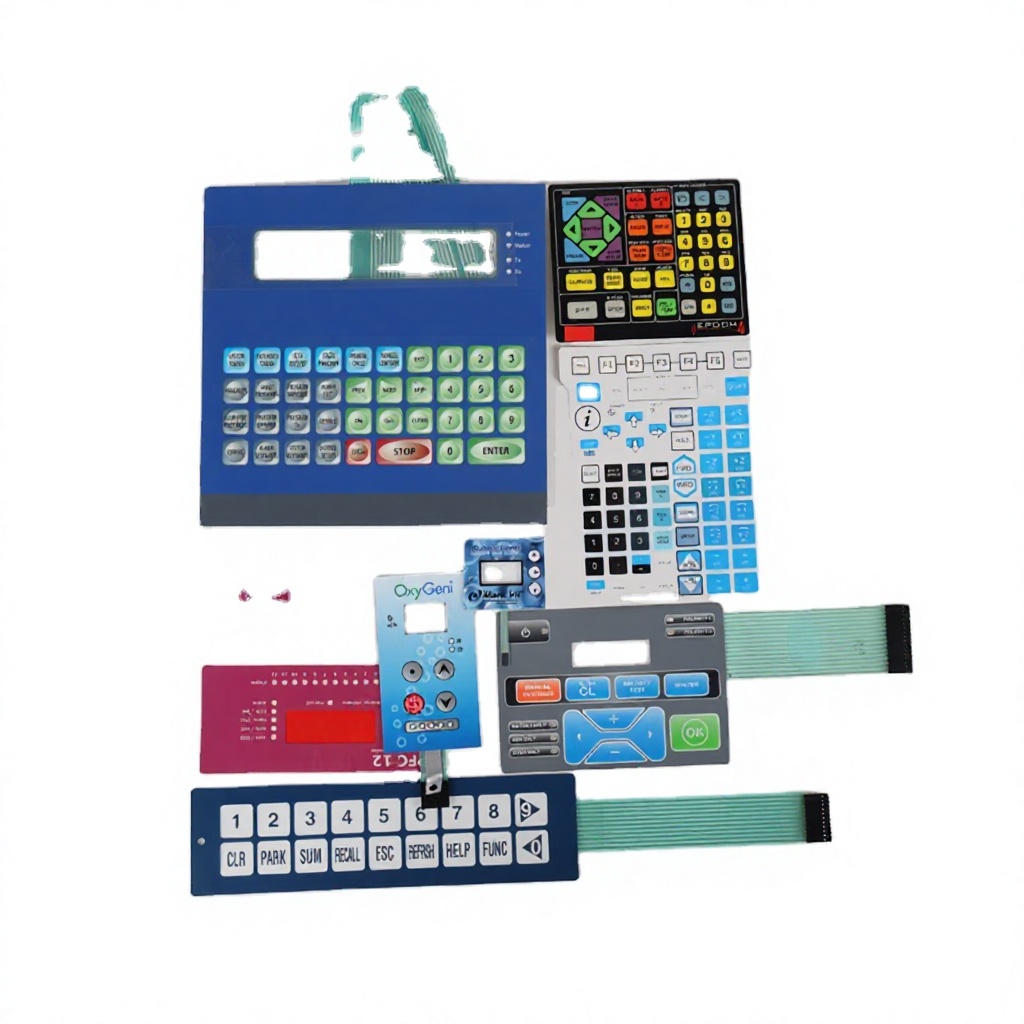
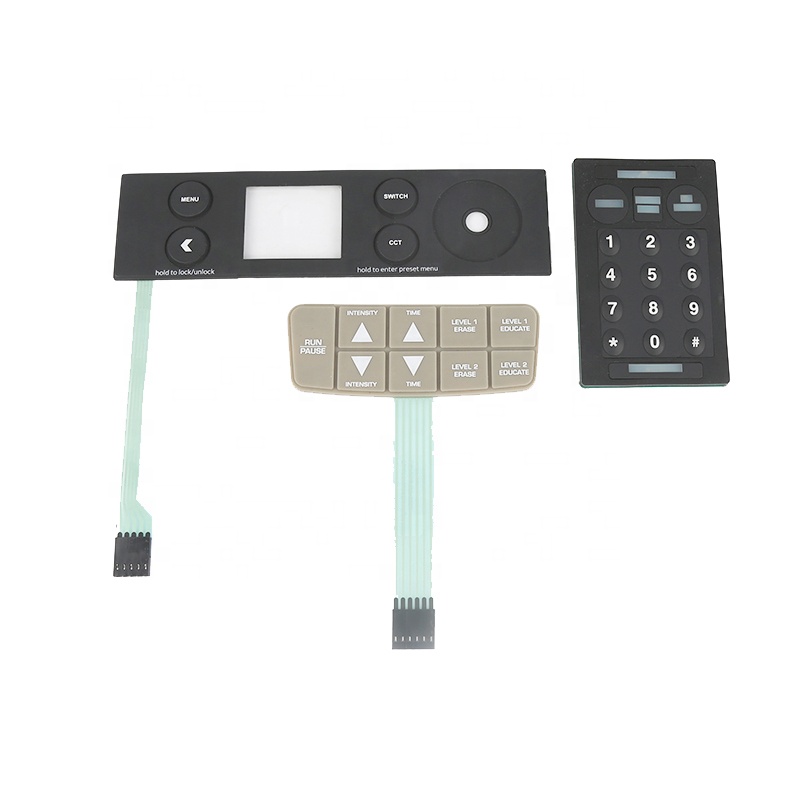
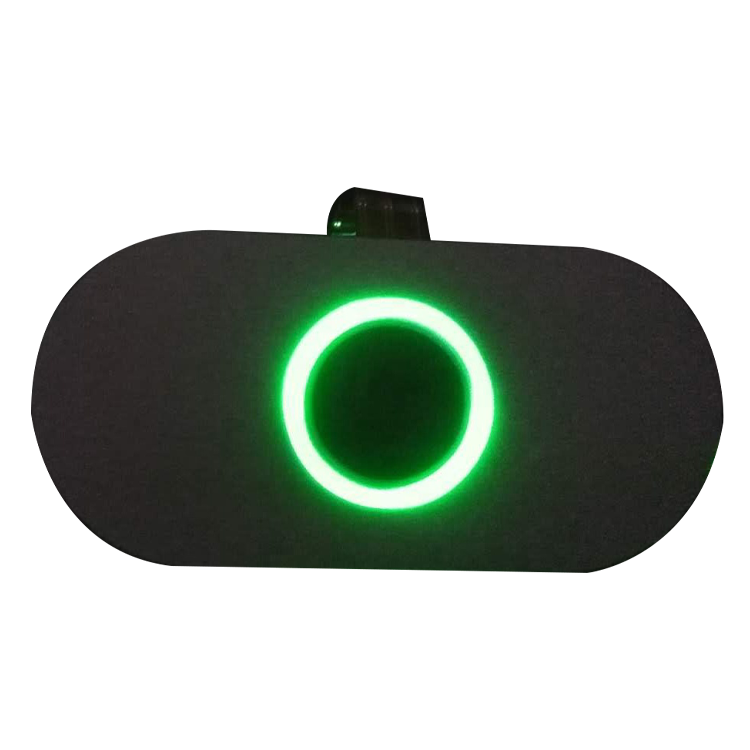
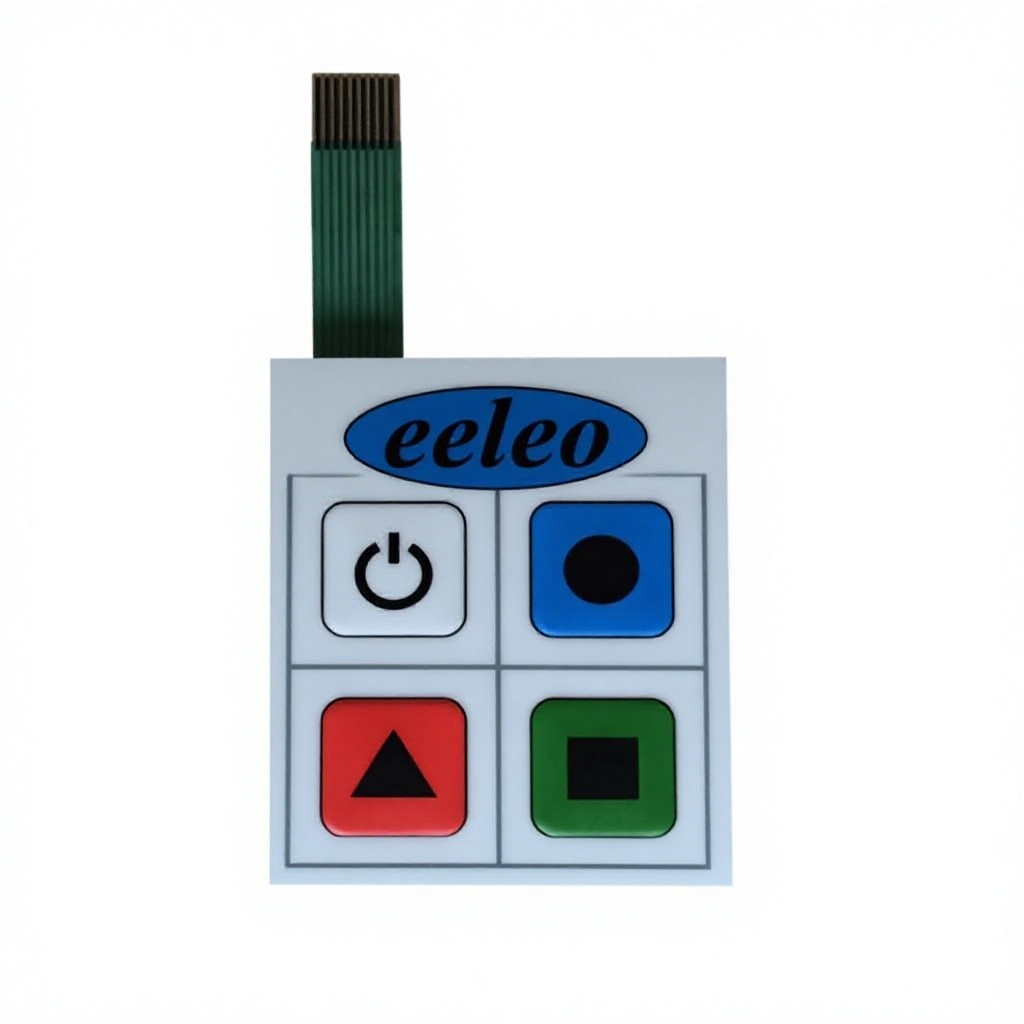
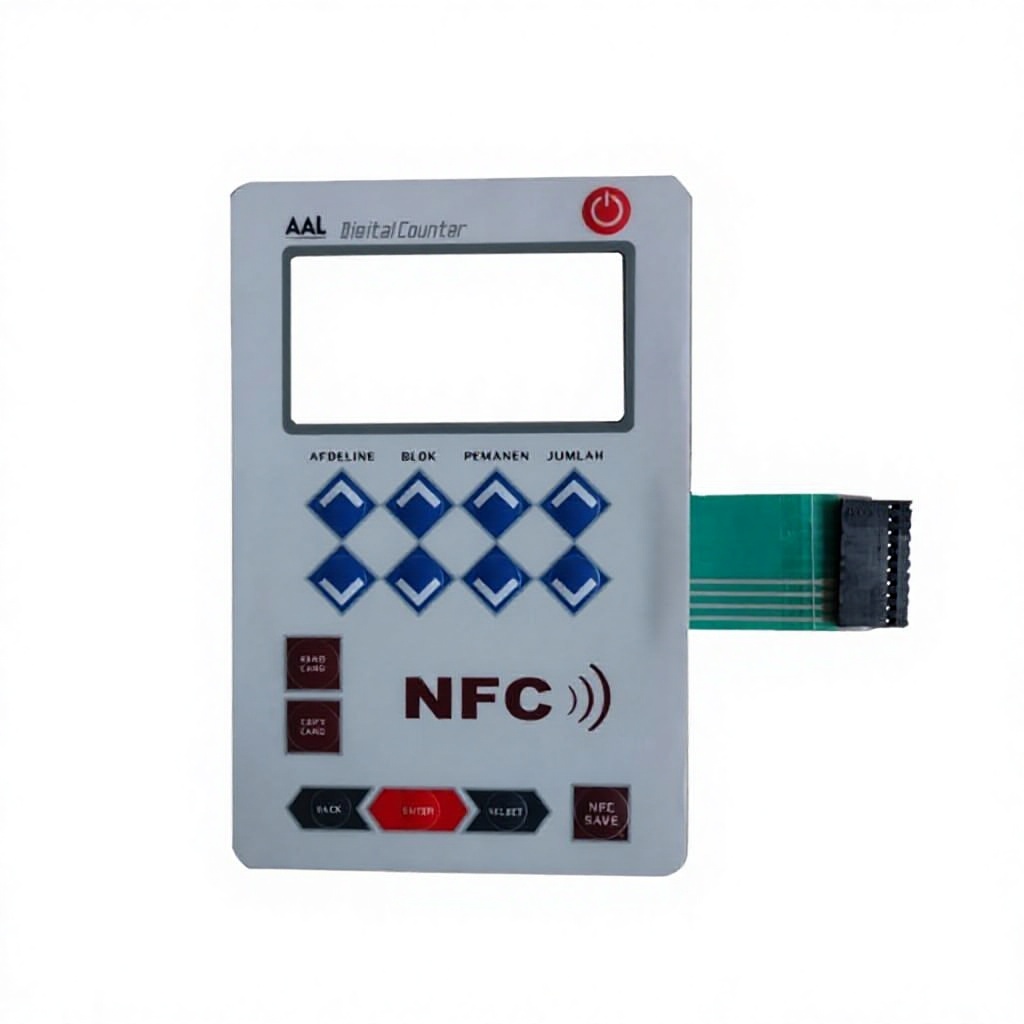
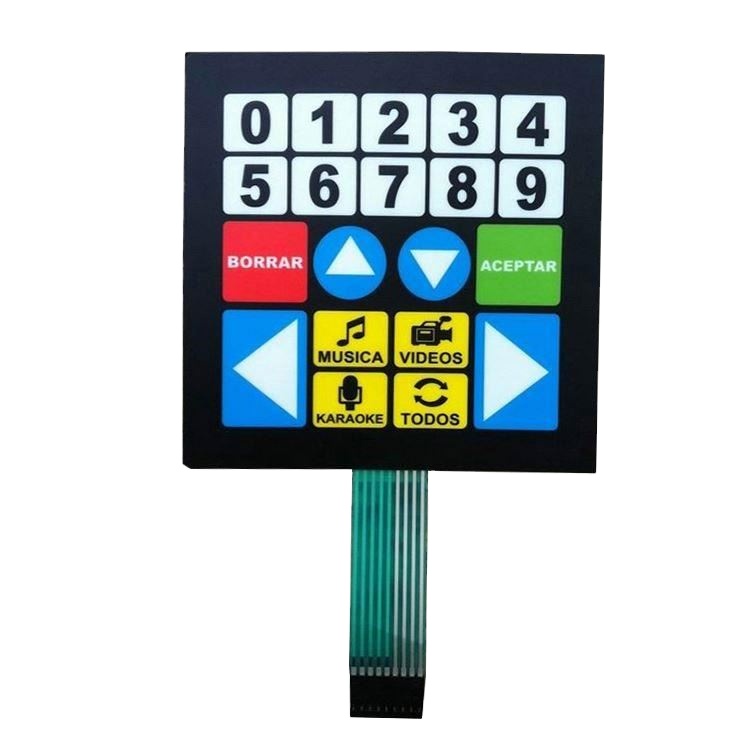
Certified Membrane Keypads & Silicone Switch Assemblies
High-durability tactile configurations, backlighting layers, and environmental sealing engineered to exacting OEM specifications.
29+
Years Engineering Interface Excellence (Est. 1996)
5,000m²
Precision Production & Testing Facility
100%
Pre-Shipment Electrical & Mechanical Testing
50+
Tier-1 Global Destination Countries Served
Production Authority
Audited Factory Capabilities & Engineering Rigor
Onsite Intertek verification, multi-layer cleanroom production, and certified supply chain traceability.
Vertical Integration
From in-house precision steel compression tooling and CNC milling to Class 1,000 cleanroom screen printing and final assembly, eliminate multi-tier contractor overhead.
Advanced Material Science
Utilizing authentic medical-grade silicones, Dow Corning formulations, Autotype PET films, and genuine 3M high-performance adhesives (467MP, 468MP, VHB).
Full DFM Verification
Dedicated engineering teams validate snap ratios (40% to 65%), actuation force thresholds (100g to 500g), travel distances, and conductive pill planarity prior to pilot tooling.
Intertek Audited Quality
Continuous compliance with ISO 9001:2015, RoHS, REACH, and UL94V-0 flammability standards, supported by verified trade histories with leaders like ABB and Emerson.
Manufacturing precision silicone keypads demands an exhaustive understanding of elastomeric physics. Compression molding processes must control tool temperature gradients within ±2°C to prevent curing anomalies or internal air inclusions within the keypad webbings. The angle and thickness of the elastic webbing determine the actuation profile: a steeper angle yields a crisp tactile snap, whereas a tapered webbing delivers linear tactile travel suitable for medical instrumentation. At ZIRA, every mold cavity is engineered using high-precision EDM and mirror polishing to maintain repeatable wall tolerances within ±0.02 mm across multi-cavity runs exceeding 100,000 cycles.
Zero-Defect Protocol
Precision 10-Stage Manufacturing Workflow
Systematic process validation from raw polymer compounding to functional electrical validation.
01
Material QA
Spectroscopic & rheological verification of silicone bases and films.
02
DFM Artwork
Circuit trace, webbing snap ratio, and pinout engineering clearance.
03
Tooling & Mold
Precision CNC & EDM steel compression mold fabrication.
04
Screen Print
Micro-conductive silver traces and graphic deposition in cleanroom.
05
Curing & Dry
IR thermal tunnel polymerization ensuring structural stability.
06
Registration
High-precision optical punching for multi-layer alignment holes.
07
Tactile Dome
Hydro-forming convex keys and integrating stainless metal domes.
08
Termination
High-reliability terminal crimping (FCI, Nicomatic, or ZIF tails).
09
Lamination
Vacuum bonding of adhesive layers, spacers, and keymats.
10
100% Test
Electrical continuity, contact resistance, and tactile profile audit.
Strategic Forecasting
Future Procurement & Technological Trends in Keypad Interfaces
Key design shifts shaping global supply chains and HMI integration over the next product cycle.
Hybrid Elastomer-Capacitive Panels
The convergence of physical tactile reassurance and modern capacitive touch surfaces. Buyers are moving toward silicone overlays mounted over projected capacitive (PCAP) or ITO film sensors, offering glove-compatible physical key feel paired with solid-state multi-gesture capabilities.
Low-Absorption Fluorosilicone Formulations
Demand in medical and clinical sectors requires interfaces to endure constant sterilization via aggressive biocides (bleach, isopropyl alcohol, quaternary ammonia). Procurement focuses on anti-microbial additives and fluorosilicone blends preventing chemical swell and legend embrittlement.
Micro-LGF Uniform Backlighting
Electroluminescent (EL) backlights are systematically being replaced by ultra-thin Light Guide Films (LGF) powered by edge-mounted SMD LEDs. This transition achieves uniform luminescence across irregular button clusters with zero electromagnetic interference (EMI) and a 70% reduction in power draw.
Integrated Rigid-Flex FPC Substrates
Traditional silver-printed flexible polyester circuits are increasingly superseded by polyimide-based Flexible Printed Circuits (FPC) and FR4 backer boards. This provides superior trace density, direct surface-mount soldering of active driver ICs, and ultra-low loop resistance.
Laser-Etched Polyurethane Mattes
Modern procurement specifications strictly prohibit non-coated silicone surfaces due to static friction and particulate adhesion. Contemporary manufacturing uses spray polyurethane and silicone anti-friction coatings, coupled with CNC laser etching for illuminated graphics.
Supply Chain ESG & Low-VOC Compliance
Western procurement directives are heavily scrutinizing upstream chemical safety. Factories must certify platinum-cure catalytic vulcanization over traditional peroxide agents to eliminate off-gassing volatiles and comply with strict environmental benchmarks.
Technical Resolution
Frequently Asked Procurement & Engineering Questions
Clarifying mechanical specifications, tooling investments, contact technologies, and production timelines.
What are the key technical differences between carbon pills and metal domes under silicone keys?
Conductive Carbon Pills: Compression-molded directly into the silicone key base during vulcanization. They yield a soft, quiet, cushioned mechanical stroke with typical contact resistance between 50Ω and 150Ω. This construction delivers extraordinary lifespans (over 5 million cycles) and is ideal for remote controls, telecommunication devices, and ruggedized military inputs.
Metal Domes (Gold or Nickel Plated): Positioned beneath the silicone keymat over a PCB or membrane circuit trace. They provide a crisp, audible, mechanical "snap" tactile feedback with contact resistance under 1Ω and travel between 0.3 mm and 0.6 mm. This approach is favored for mission-critical medical diagnostic consoles, avionics, and safety-sensitive industrial controllers where actuation confirmation is mandatory.
What parameters are required by the engineering team to quote and run DFM analysis?
To generate an actionable quotation, tooling estimation, and Design for Manufacturability (DFM) review, buyers should furnish:
- CAD Data: 2D dimensioned mechanical prints (DXF, DWG, or PDF) along with 3D step files (STEP/STP) showing key heights, draft angles, and travel depths.
- Elastomer Specs: Desired durometer hardness (e.g., 50±5 Shore A), Pantone/RAL color codes, and surface coating requirements (PU, epoxy coating, or soft-feel anti-friction).
- Circuit Integration: Electrical schematics, pinout configuration, tail length, pitch (1.0 mm, 1.27 mm, or 2.54 mm), and connector model (e.g., FCI Clincher, ZIF).
- Tactile Profile: Required actuation force (e.g., 200g ± 30g) and target actuation lifespan (e.g., 1,000,000 cycles).
How does ZIRA ensure water and dust ingress protection up to IP67/IP68 ratings?
Ingress sealing relies on two primary architectural methods:
1. Integrated Peripheral Gasket Webbings: During silicone compression tooling, a continuous outer sealing bead is molded directly into the perimeter of the keymat. When clamped between the product's plastic housing and internal PCB, this bead forms a hermetic gasket that prevents liquid ingress under hydrostatic pressures corresponding to IP67 requirements.
2. Continuous Perimeter Adhesion: For membrane hybrids, we use closed-cell acrylic foam adhesives (such as 3M 200MP series or VHB series) stamped with engineered vent channels. These internal relief passages equalize pressure differential without exposing the conductive switch cavities to ambient contaminants or moisture.
What is the typical lead time structure for prototype tooling versus volume production?
Tooling and fabrication lead times are structured as follows:
- Design & DFM Feedback: 24 to 48 hours following drawing submission.
- Prototype Tooling & First-Article Samples: 10 to 14 business days. CNC prototype molds allow validation of physical tactile travel, snap ratio, and cosmetic appearance prior to production mold release.
- Production Steel Tooling: 18 to 22 calendar days for hardened multi-cavity production molds.
- Volume Order Turnaround: Typically 2 to 3 weeks for orders ranging from 500 to 25,000 units, depending on backlighting complexity and final assembly steps. Expedited transit via express air courier or containerized ocean freight is fully supported.
What quality inspection protocols prevent key sticking, carbon wear, and delamination?
Every batch manufactured in our facility undergoes rigorous multi-stage quality verification:
- 100% Automated Electrical Check: Automated test fixtures verify every switch node for continuity, circuit loop resistance, and insulation breakdown resistance (>100MΩ at 100V DC).
- Tactile Force-Displacement Profiling: Automated test plungers record the force curve, ensuring peak actuation force and click ratio fall within tolerance without sluggish return or sticking.
- Abrasion & Solvent Testing: Surface legends and topcoats are tested against RCA abrasion testers (min. 300 cycles) and cross-hatch tape adhesion tests following aggressive IPA wiping.
Launch Your Custom Keypad Project with Zhejiang ZIRA
Connect directly with our senior application engineers. Receive detailed DFM reviews, layer stack-up diagrams, material recommendations, and our comprehensive technical catalog.
