Engineered Solutions
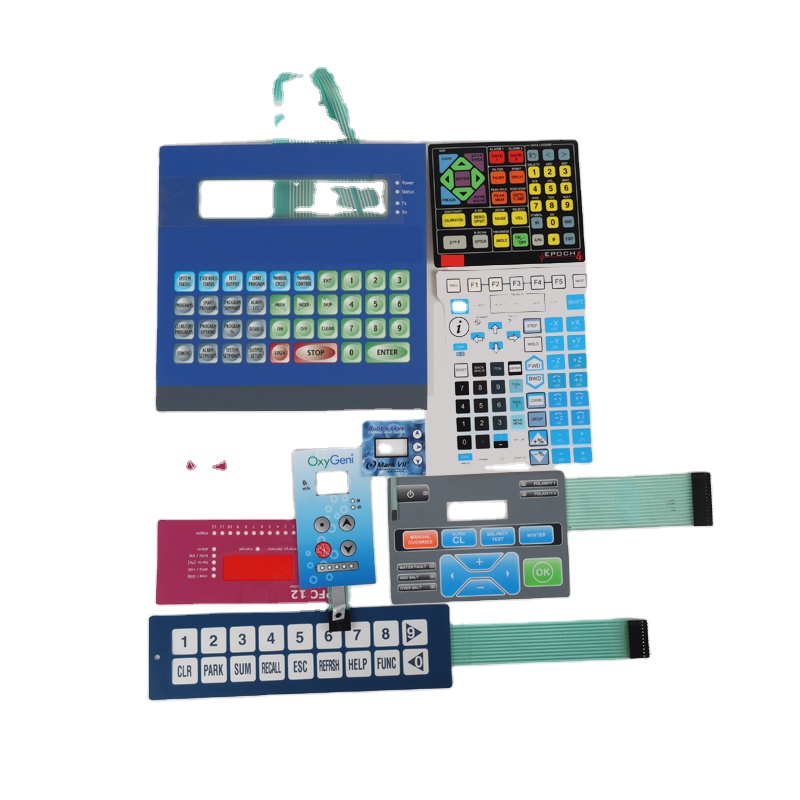
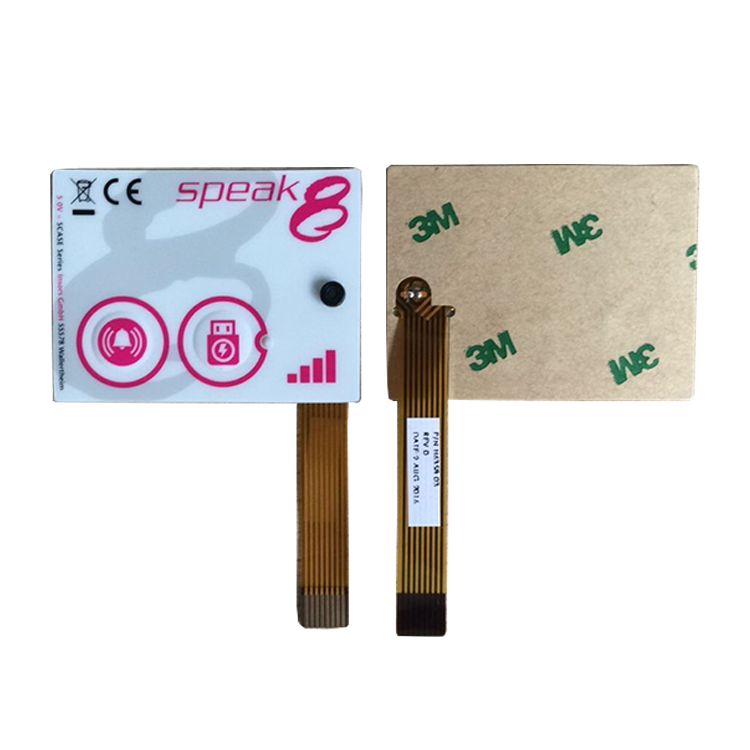
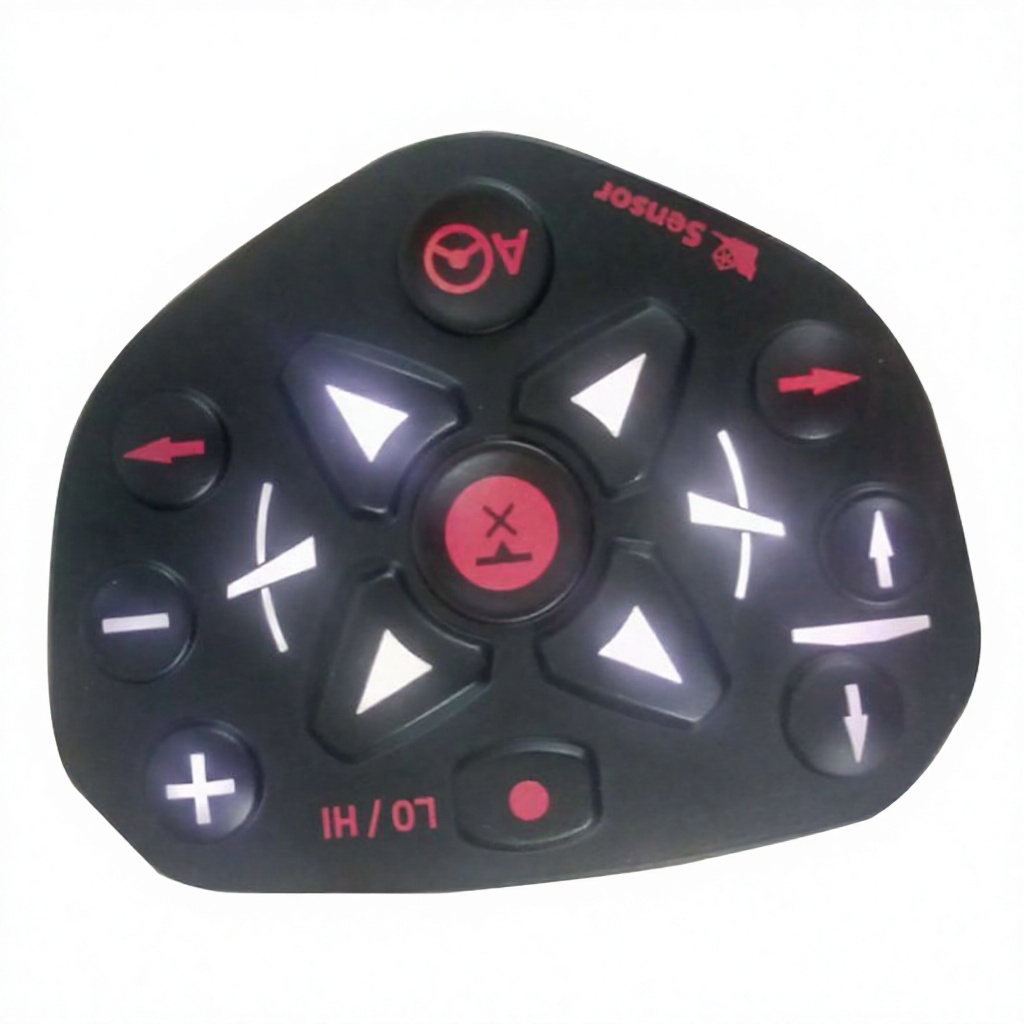
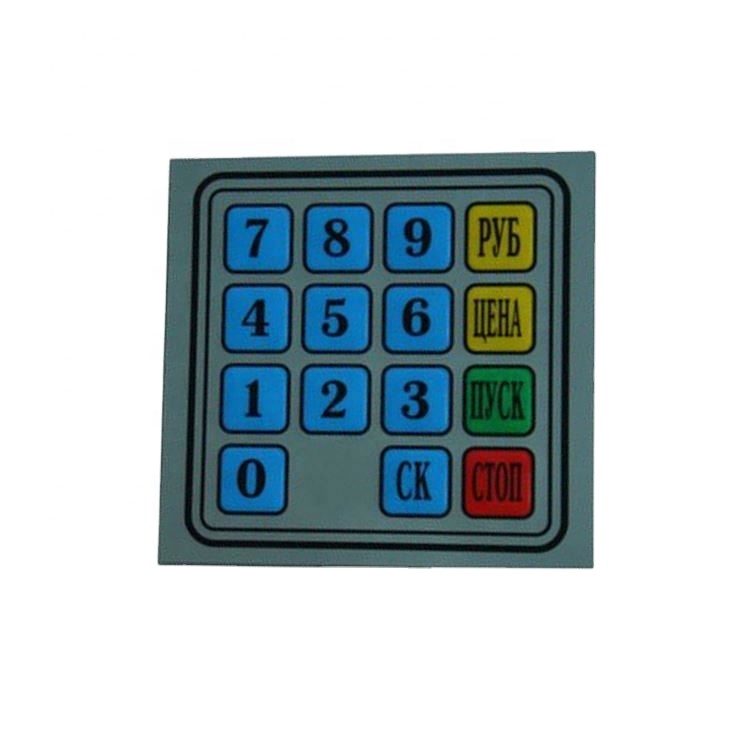
Featured Acrylic Panels & Integrated Keypad Assemblies
Explore our precision-fabricated front panel overlays, multi-zone backlit membrane keypads, and custom optical PMMA solutions built to strict tolerance standards.


29+
Years Manufacturing Experience (Est. 1996)
5,000m²
Modern Cleanroom Production Workshop
100%
Automated Continuity & Visual QC Testing
>50%
Direct Export to North America & Europe
Technical Whitepaper: The Strategic Role of Optical-Grade PMMA Acrylic Front Panels in Modern HMI Design
In modern industrial instrumentation, medical telemetry displays, automated laboratory equipment, and mission-critical human-machine interfaces (HMI), the front panel serves as both the first line of environmental defense and the primary sensory touchpoint for the operator. Polymethyl Methacrylate (PMMA), widely known as optical acrylic, has emerged as the premier substrate for front panels requiring crystalline optical transparency (up to 92.5% visible light transmission), dimensional rigidity, superior scratch resistance, and long-term chemical resilience.
Unlike standard transparent thermoplastics, premium optical-grade PMMA panels processed by top Chinese manufacturers like Zhejiang ZIRA Membrane Switch Co., Ltd. undergo controlled thermal tempering and surface molecular stabilization. When precision-milled using multi-axis CNC diamond tooling and paired with sub-surface multi-pass screen printing, acrylic panels deliver an unyielding structural aesthetic that neither degrades under continuous hospital-grade sterilization nor yellows when deployed in severe outdoor UV environments.
Critical Design Insight: While thin PET and Polycarbonate (PC) films excel in high-flexibility embossed tactile membrane switches, optical acrylic panels (typically 1.0mm to 6.0mm in thickness) solve the structural weakness of thin overlays by functioning simultaneously as a rugged display window, a mechanical load-bearing bezel, and an ESD-dissipative shield.
Sub-Surface Screen Printing & The "Dead-Front" Visual Effect
One of the most demanded engineering features in export-grade acrylic front panels is the sub-surface "dead-front" display window. By applying specialized optical inks with tightly controlled opacity gradients to the second (rear) surface of the acrylic sheet, icons and regulatory indicators remain completely invisible until backlit by surface-mount LEDs or custom light guide films (LGF). Because the graphics and opaque masking are applied to the underside, they are immune to mechanical abrasion, alcohol washdowns, solvent wiping, and environmental weathering.
Achieving a crisp dead-front effect demands absolute ink viscosity consistency and cleanroom atmospheric control. ZIRA’s Class 10,000 cleanroom printing lines guarantee zero particulate contamination, eliminating microscopic pinholes that could cause light leakage or visual distortion under intense directional backlighting.
Why Tier-1 Global Procurement Audits Consistently Select ZIRA
Founded in 1996 in Ningbo, Zhejiang, ZIRA has evolved from a specialized precision screen-printing workshop into a fully integrated HMI engineering enterprise. Our 5,000 m² manufacturing plant is verified onsite by Intertek, proving compliance across environmental management, occupational safety, and precision manufacturing capabilities.
Our complete vertical integration—encompassing CAD/CAM engineering, CNC diamond edge polishing, cleanroom graphic printing, SMT circuit placement, clean lamination, and automated 100% electrical continuity testing—ensures unmatched unit-to-unit consistency for high-reliability international brands.
Trusted In Supply Chains Of:
ABB
EMERSON
INTERTEK AUDITED
Full In-House Tooling
Custom CNC micro-milling, laser profiling, and diamond polishing dies produced on-site to minimize lead times.
100% Functional Testing
Every acrylic panel assembly undergoes automated electrical, optical haze, and adhesive bond validation before dispatch.
Agile Prototyping
Rapid sampling from 1 piece for comprehensive mechanical DFM review, reducing design cycle risks.
Export Compliance
Full compliance with RoHS, REACH, UL94 flammability standards, and custom Incoterms (DDP, FOB, CIF).
Engineering Material Selection Guide: PMMA Acrylic vs. Polycarbonate vs. Tempered Glass
Selecting the ideal transparent substrate for your machine interface requires balancing optical transmission, mechanical impact tolerance, scratch resistance, weight, and tooling economics. The comparative analysis below outlines key mechanical metrics observed in our testing laboratories:
| Evaluation Parameter | Optical Grade Acrylic (PMMA) | Polycarbonate (Lexan PC) | Chemically Strengthened Glass | Hard-Coated PET Film |
|---|---|---|---|---|
| Light Transmittance (%) | 92.5% (Highest Organic Polymer) | 88.0% - 90.0% | 91.5% - 93.0% | 87.0% - 89.0% |
| Surface Hardness | 3H - 5H (Uncoated) / 6H+ (Hard-Coated) | HB - 1H (Requires Hardcoat) | 9H (Pencil) / 7 Mohs | 2H - 3H |
| Machinability & Beveling | Exceptional (CNC Diamond Polish) | Moderate (Prone to stress cracking) | Very Difficult (Requires early waterjet) | Die-cut / Laser only |
| UV Weathering & Yellowing | Outstanding (No UV degradation >10 yrs) | Poor (Yellows without UV stabilizers) | Impervious | Moderate to Good |
| Impact Resistance | Moderate (10x Standard Glass) | Extremely High (Virtually Unbreakable) | High (Subject to brittle fracture) | High (Flexible) |
| Tooling / NRE Economics | Very Low (Direct CAD CNC Routing) | Low to Medium | Very High (Molds & thermal baths) | Low (Steel rule dies) |
| Weight (Specific Gravity) | 1.19 g/cm³ (Lightweight) | 1.20 g/cm³ | 2.50 g/cm³ (Heavy) | 1.38 g/cm³ |
Industry Strategic Outlook
Future Procurement Trends in Industrial Front Panel Manufacturing
Key supply chain, technological, and environmental developments shaping international procurement strategies over the next five years.
1. Direct Optically Clear Adhesive (OCA) Bonding
B2B buyers are moving away from mechanical bezel air-gap mounting. Full dry optical bonding using solid OCA film unites the acrylic front panel directly with TFT/OLED displays, eliminating internal reflections, preventing condensation, and multiplying shock resistance.
2. Anti-Microbial & Hydrophobic Surface Treat
Driven by post-pandemic clinical hygiene and cleanroom manufacturing standards, acrylic panels now integrate non-leaching nano-silver ionic coatings and hydrophobic surface modifications that withstand 10,000+ medical wipes with isopropyl alcohol and bleach.
3. Hybrid Capacitive Touch Integration
Pure mechanical pushbuttons are increasingly replaced by hybrid solutions. Projected Capacitive (PCAP) sensing foils or printed ITO layers are laminated directly behind 2.0mm to 3.0mm acrylic sheets, enabling multi-touch through thick protective front plates.
4. Near-Zero Defect Automated Optical QC (AOI)
High-end international equipment builders now mandate 100% digital dimensional and chromatic audits. Automated machine vision scanners verify edge bevel angles, ink layer density, Pantone color tolerance (Delta E < 0.8), and window haze before packing.
Technological Horizons: Advanced Manufacturing Innovations in PMMA Fabrication
As human-machine interfaces transition from utilitarian switchboards into sleek consumer-grade industrial control hubs, the fabrication processes for acrylic front panels have undergone significant technological evolution:
Diamond-Edge Polishing & Micro-Step CNC Routing
Traditional laser cutting leaves micro-fissures and thermal tension along the acrylic perimeter, predisposing the material to stress cracks when exposed to industrial cleaning agents. Modern fabrication utilizes high-speed diamond milling spindles (up to 40,000 RPM) to achieve mirror-finish, optically perfect 45-degree chamfers and step-milled rebates without introducing thermal residual stress.
EMI/RFI Metallization & Grounding Architecture
Industrial acrylic front panels deployed near high-voltage motor drives or RF transmission sources require electromagnetic shielding. Advanced techniques deposit conductive micro-mesh grids or vapor-sputtered ITO films on the rear surface of the panel, connecting directly to perimeter grounding spring contacts or copper foil gaskets to guarantee EMC Directive compliance.
Anti-Glare (AG) & Anti-Reflective (AR) Etching
High ambient glare in maritime navigation consoles and outdoor agriculture machinery degrades display legibility. Chemical immersion micro-etching and multi-layer vacuum anti-reflective coatings applied to PMMA substrates reduce specular glare by up to 85% while maintaining sharpness and contrast on underlying LCD/OLED panels.
Buyer's Due Diligence
Frequently Asked Questions for Acrylic Front Panel Sourcing
Direct technical answers addressing engineering validation, production tolerances, adhesive selection, and commercial terms.
What dimensional tolerances can ZIRA achieve for custom CNC-machined acrylic panels?
Our high-precision multi-axis CNC milling centers regularly maintain dimensional edge-to-edge tolerances within ±0.05 mm (±0.002 in). For complex interior display window cutouts, mounting counterbores, and step-relief profiling, standard tolerances are held within ±0.1 mm. Tight-tolerance laser profiling can achieve positioning accuracy within ±0.03 mm for custom non-standard geometries.
How do you prevent solvent stress-cracking (crazing) on machined acrylic edges?
Solvent crazing typically happens when laser-cut acrylic contains high internal thermal stress and later comes into contact with isopropyl alcohol, chemical washdowns, or adhesives. To prevent this, ZIRA utilizes high-feed CNC diamond milling rather than purely thermal cutting. When laser profiling is required for intricate features, all parts undergo a controlled thermal annealing cycle (held at 75°C to 80°C for 2–4 hours followed by gradual cooling) to fully relieve residual internal stress before adhesive application.
Which industrial adhesives are recommended for mounting acrylic front panels to metal or plastic enclosures?
We match genuine pressure-sensitive adhesives (PSA) from 3M based on your mating enclosure substrate. For smooth powder-coated metal or aluminum frames, 3M 467MP (0.05mm) or 3M 468MP (0.13mm) high-performance acrylic adhesive is standard. For low surface energy (LSE) molded plastics like polypropylene (PP) or ABS, we utilize 3M 300LSE or 3M 9472LE. For outdoor marine or heavy industrial vibration environments requiring IP67 waterproof gaskets, 3M VHB closed-cell acrylic foam tape (such as 3M 5952 or 4941) provides superior elastomeric sealing and compensates for thermal expansion differentials.
What is the minimum order quantity (MOQ) and standard prototype lead time?
Because we operate fully digital CNC routing tables and precision flatbed digital/screen printing equipment, functional engineering prototypes are available from 1 piece. Standard production batches generally start at 100 to 500 units depending on panel complexity. Prototyping lead times range from 5 to 7 working days following mechanical drawing (DXF/DWG/STEP) and color sign-off. High-volume series production orders are typically completed and dispatched within 12 to 18 working days.
How are color matching and optical density controlled across production batches?
All printed inks are formulated under standard D65 illuminant conditions using computerized spectrophotometers. We calibrate formulations to official Pantone Matching System (PMS) or RAL Classic standards, enforcing an ultra-tight chromatic tolerance limit of Delta E (ΔE) < 0.80 between production runs. Translucent display windows and dead-front indicators are verified with digital densitometers to maintain strictly consistent optical transmission rates across all production lots.
Can acrylic front panels be combined with flexible tactile membrane switches or FPC circuits?
Yes. A significant portion of our manufacturing involves building integrated assemblies where a rigid optical PMMA front panel serves as the outer protective fascia, laminated directly over an embossed tactile membrane switch or Polyimide (FPC) flexible circuit. The acrylic panel can be machined with localized tactile button cutouts, rear blind pocket reliefs for metal snap domes, or surface-flush capacitive touch sensor zones.
