Featured Textured Overlays & Switch Assemblies
Explore our high-durability, custom-engineered graphic overlays and membrane keypads designed for industrial, medical, and appliance control panels.
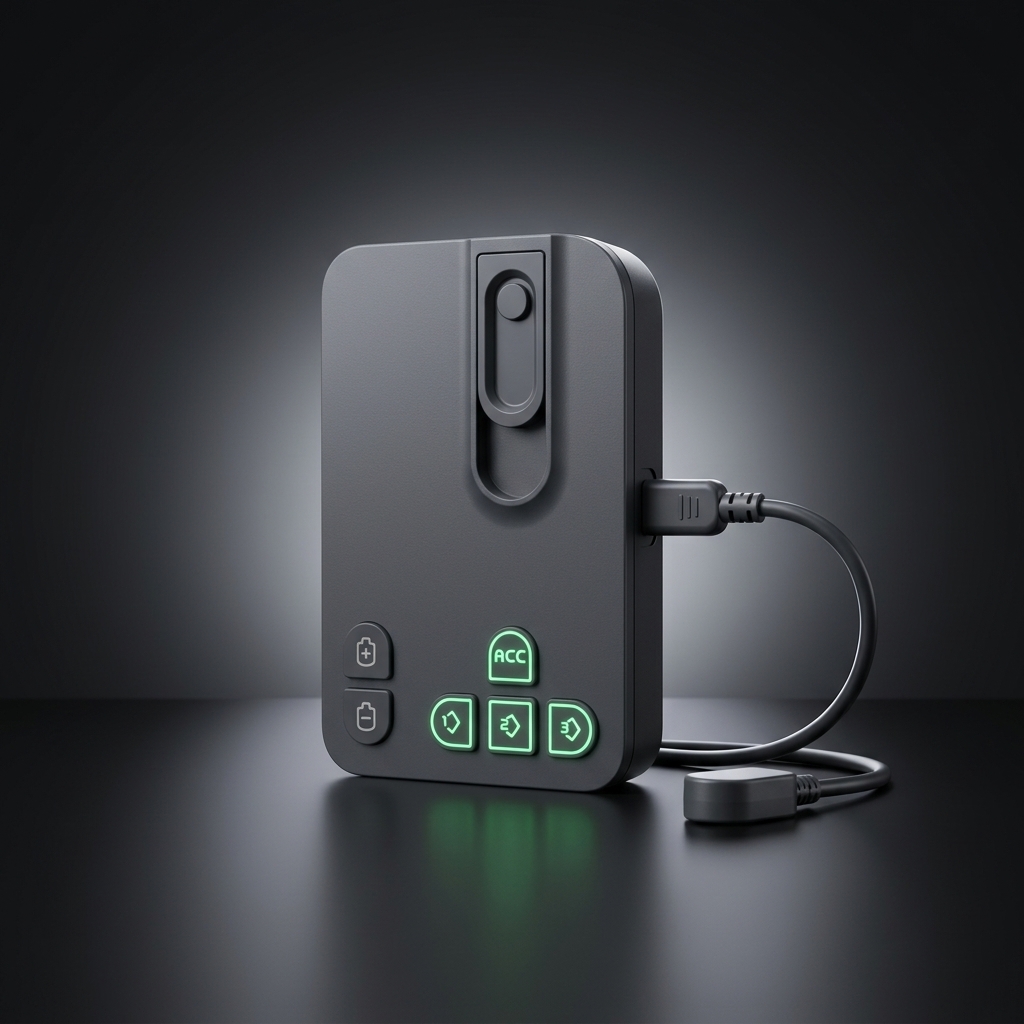
Custom Backlight Silicone Membrane Keyboard Switch EL LED Uniform Light Guide
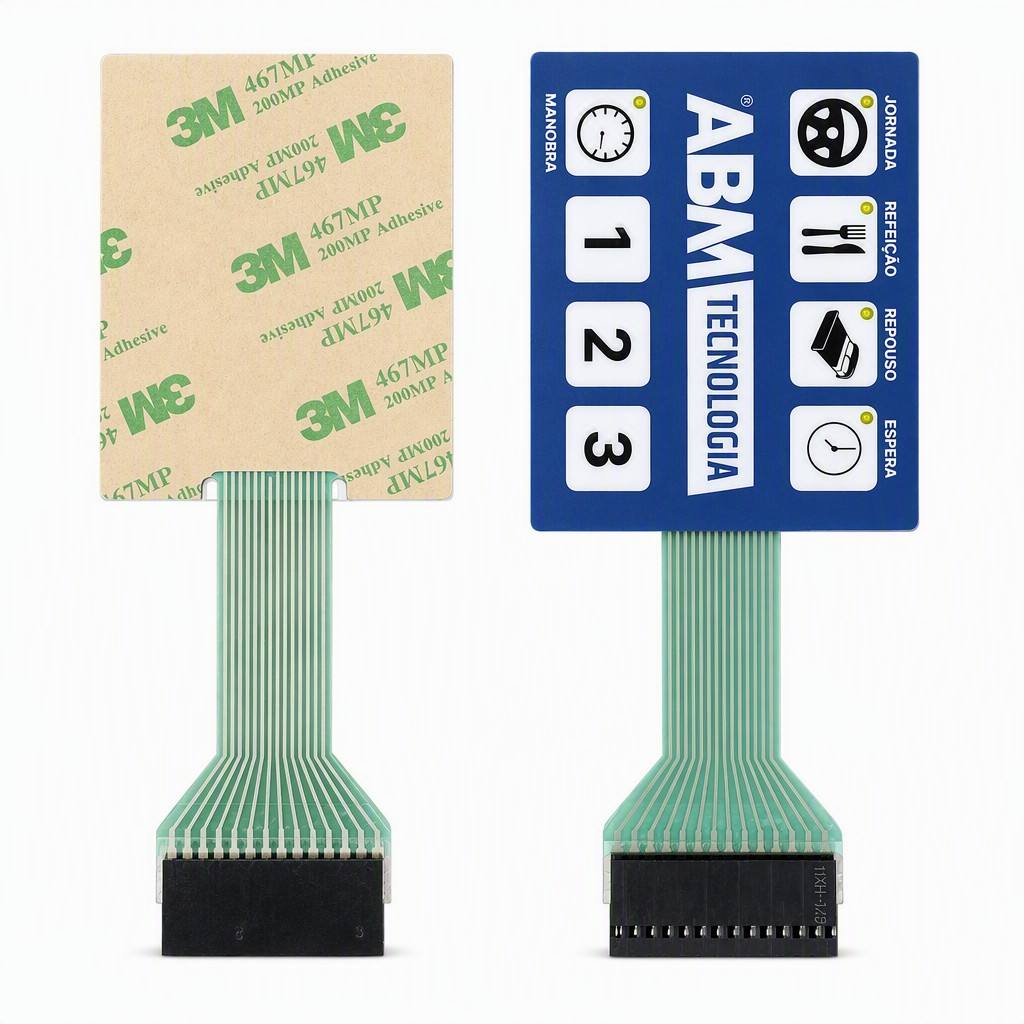
Custom Membrane Switch Industrial Control Panel Keypad Tactile Metal Dome UL94V0
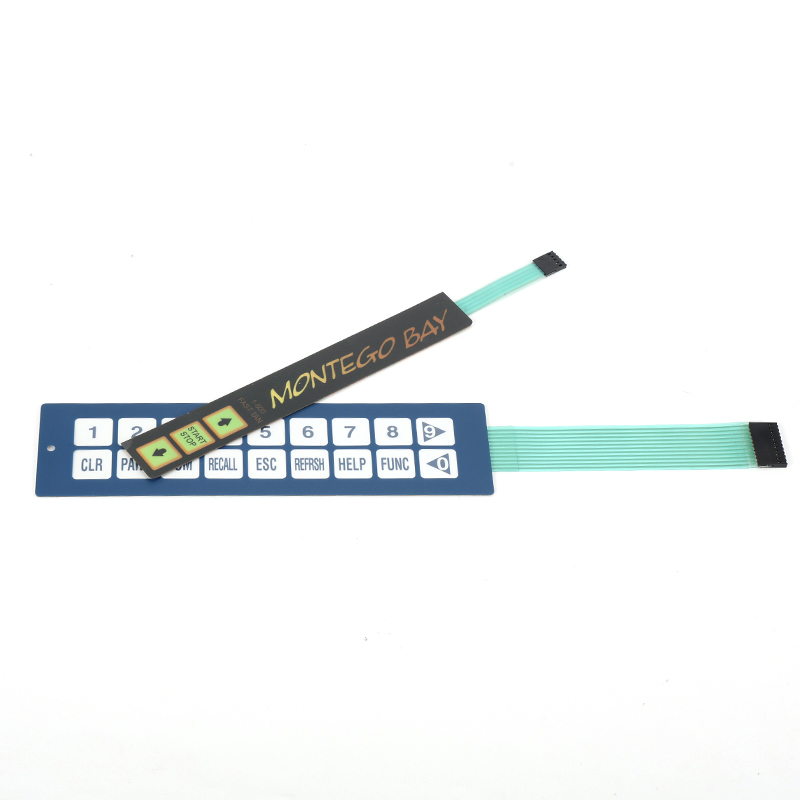
Long-Lasting High Durability Membrane Keypad for Electronic Appliances & Devices
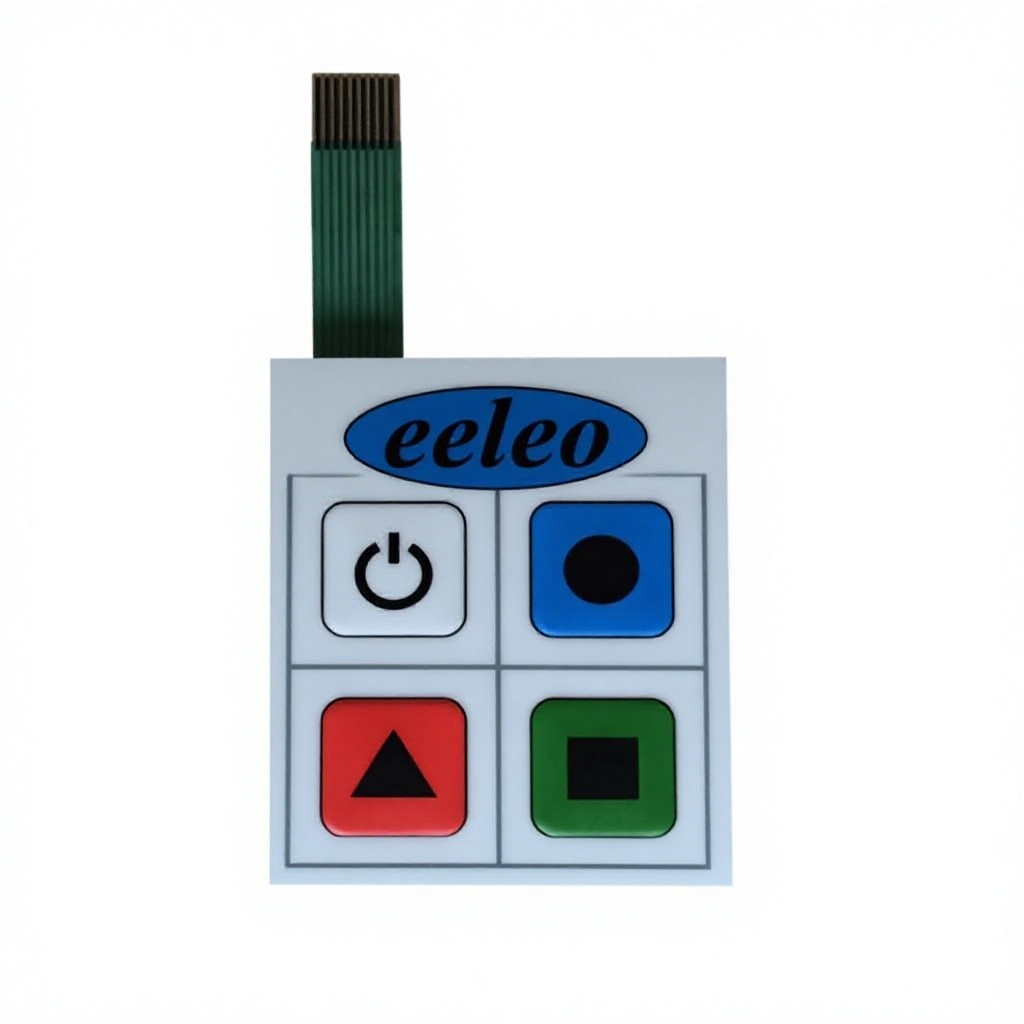
Wholesale OEM/ODM Home Appliance Control Panel Custom Graphic Overlay PET Film
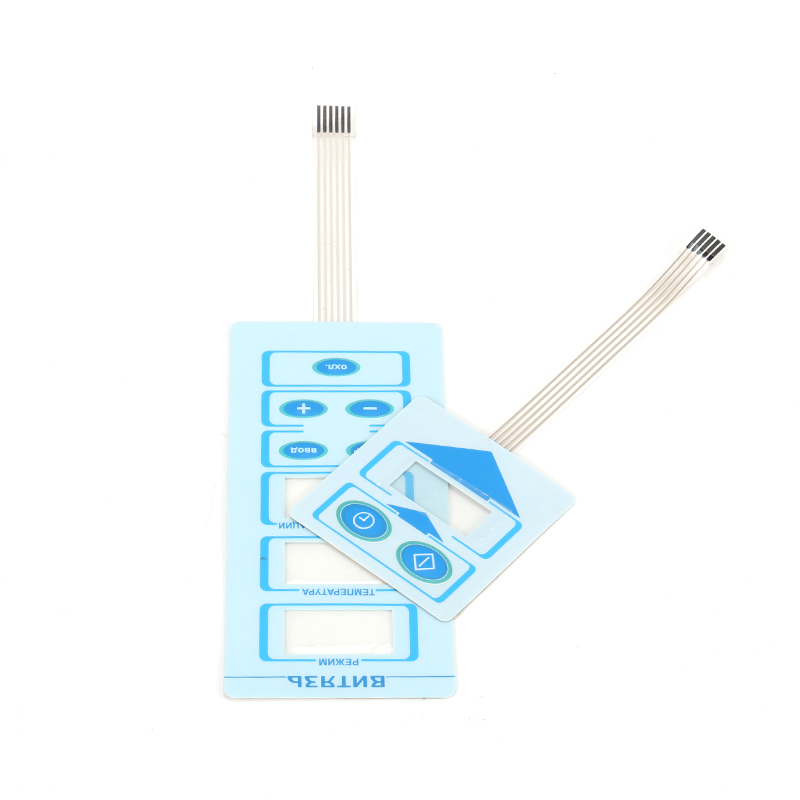
Waterproof Metal Dome Membrane Switch Keypad with 3M Adhesive for Heavy Machinery
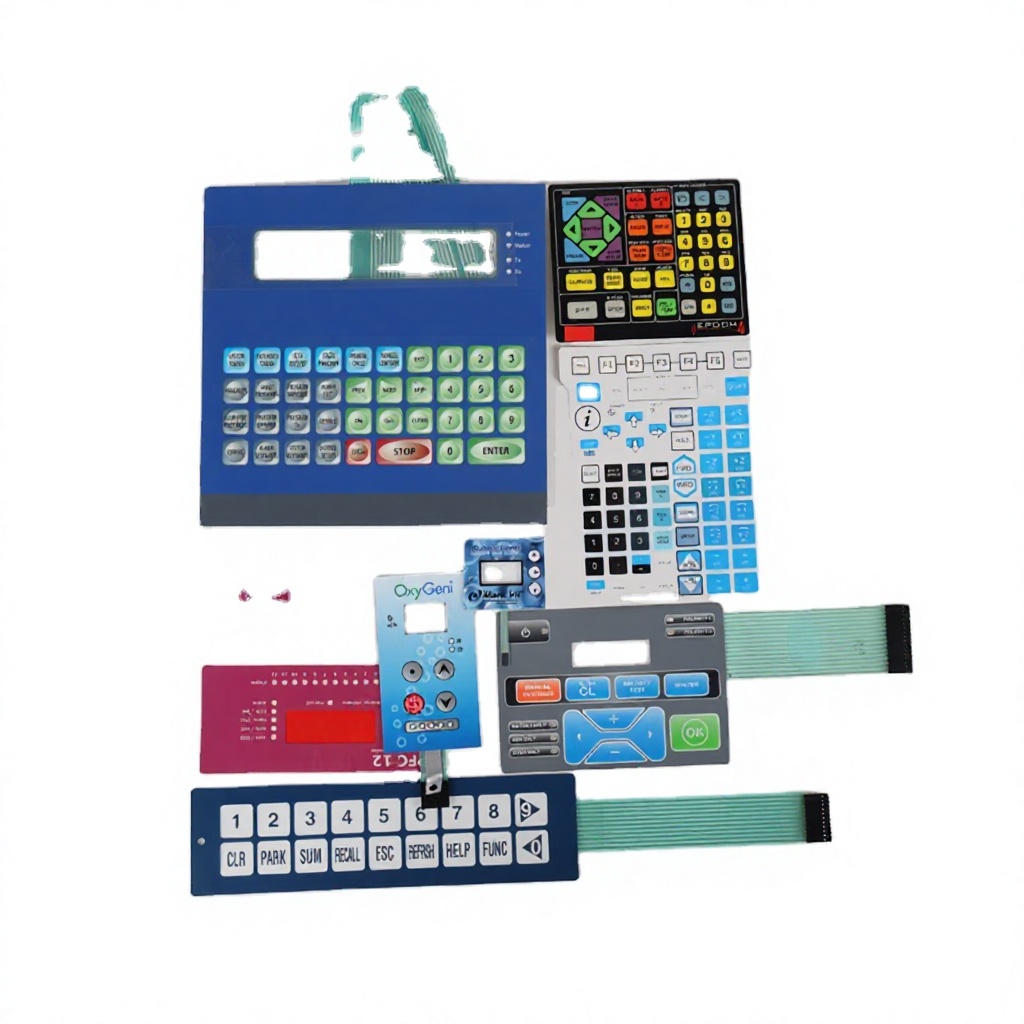
RoHS & REACH Compliant IP67 Sealed Tactile Membrane Keyboard (UL94V0 Optional)
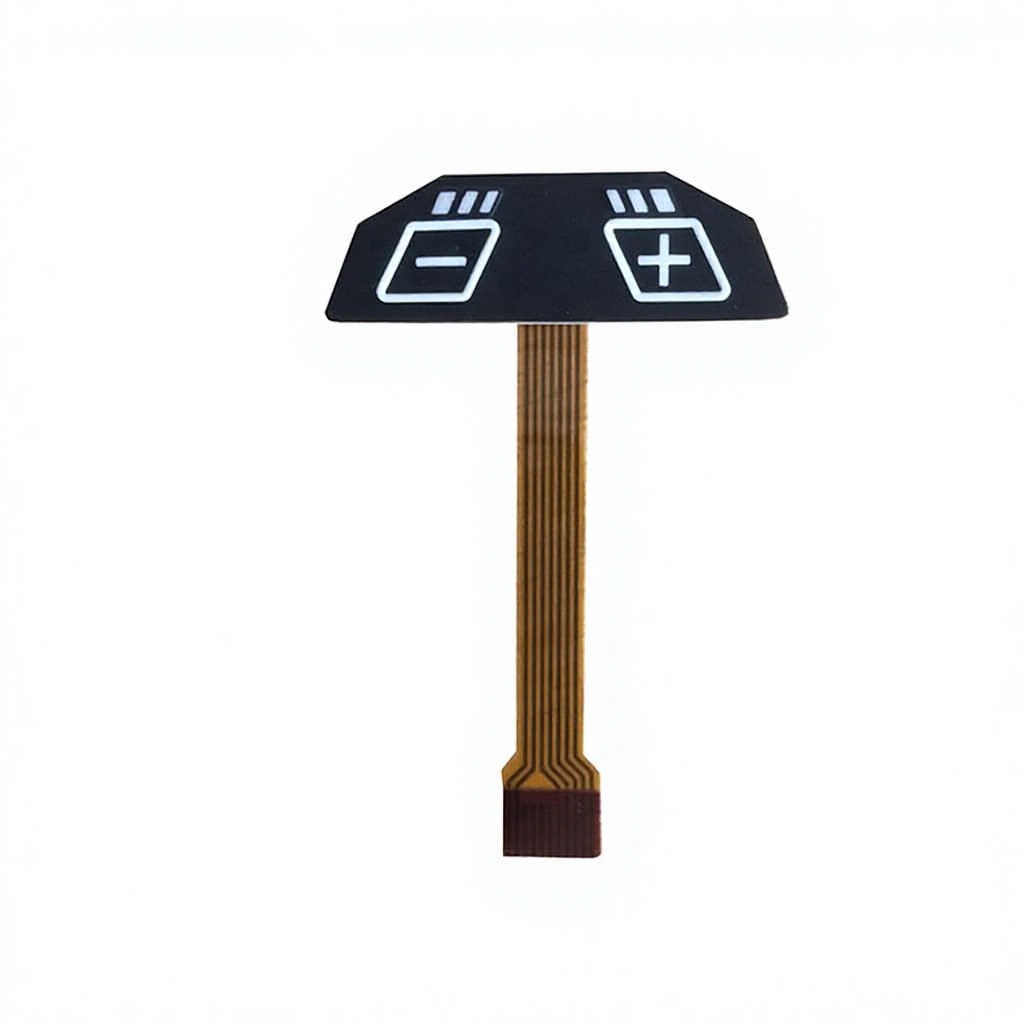
Customized Multi-Layer Printed Silver Circuit Graphic Overlay Keypad Assembly
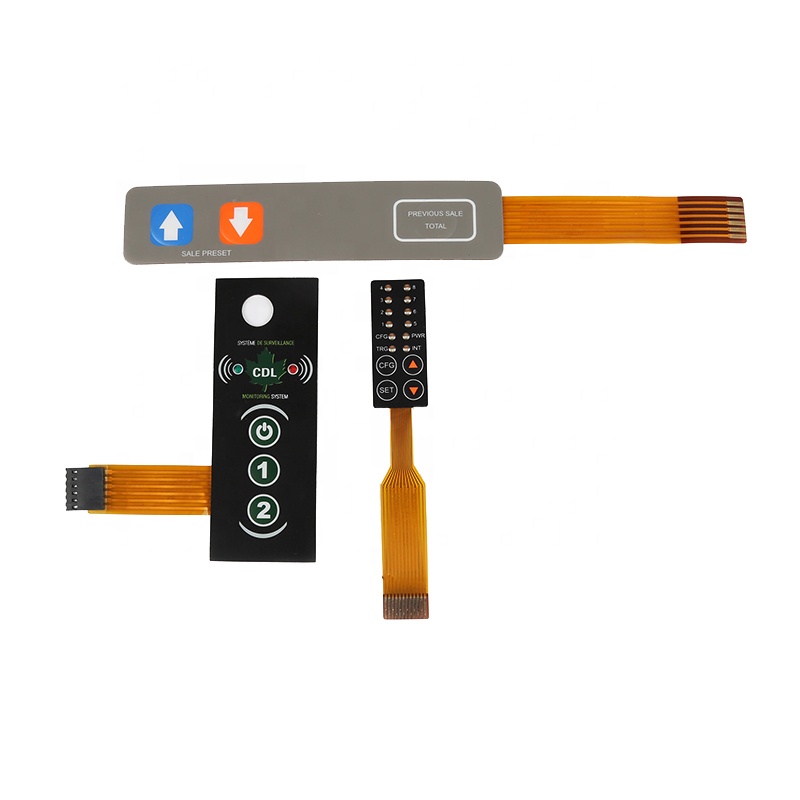
Waterproof Capacitive Touch Membrane Switch with Customizable Texture & Colors
Executive Summary: Sourcing Engineering-Grade Textured Graphic Overlays
Textured graphic overlays serve as the vital frontline interface between human operators and complex electronic systems. Across high-precision industries such as medical diagnostics, industrial automation control, aerospace instrumentation, defense equipment, and commercial appliances, a graphic overlay is far more than a simple decorative faceplate. It acts as an environmental barrier against chemical splatters, UV radiation, dust ingress, moisture, and extreme physical wear while simultaneously delivering physical tactile feedback and branding identity.
Global procurement teams face increasing challenges when evaluating graphic overlay factories and exporters. Key considerations extend far beyond unit piece price to encompass material optical clarity, selective texture printing precision, long-term actuation durability, die-cut tolerances, and adhesive bond longevity. This whitepaper provides procurement managers, electrical engineers, and hardware design executives with an exhaustive technical evaluation framework for vetting top-tier graphic overlay manufacturers worldwide.
Technical Deep-Dive: Polymer Science & Texture Engineering
The operational performance of a textured graphic overlay depends heavily on polymer material selection and print process chemistry. Leading exporters specialize in two major thermoplastic materials: Polyester (PET) and Polycarbonate (PC).
Biaxially Oriented PET (Polyester)
Ideal for high-flex, high-actuation environments (exceeding 5 million switch cycles). Offers superior resistance to solvents, industrial chemicals, and mechanical fatigue. Substrates like MacDermid Autotype Autotex feature built-in fine velvet textures and hardcoats that prevent key-dome flex cracking.
Polycarbonate Film (PC / Lexan)
Favored for exceptional optical clarity, ease of die-cutting, deep 3D thermoforming capabilities, and high heat resistance. Available in factory-extruded Velvet (FR60/80) or Matte finishes. Best suited for static panels, non-flex overlays, or budget-conscious medical display windows.
Selective UV-Cured Texturing
A precision screen-printing method where a clear UV-curable textured varnish is applied selectively onto a smooth film substrate. This allows a single overlay to feature a anti-glare matte body while leaving crystal-clear display windows for LCD/LED readouts.
Sub-surface screen printing (printing graphics on the backside of clear film) protects custom colors, Pantone-matched branding, and functional icons from surface scratching, cleaning solvents, and abrasive handling. Choosing the proper adhesive backer—such as 3M 467MP for smooth aluminum housings or 3M 468MP / LSE adhesives for textured powder-coated steel—ensures complete seal integrity without edge-lifting over time.
| Performance Metric | Polyester (PET) Overlays | Polycarbonate (PC) Overlays | Hybrid (Silicone + PET) |
|---|---|---|---|
| Flex Fatigue Life | > 5,000,000 Cycles | ~ 100,000 Cycles | > 10,000,000 Cycles |
| Chemical Resistance | Exceptional (Alcohols, Oils, Acids) | Moderate (Vulnerable to Solvents) | Outstanding Overall |
| Embossing Quality | High (Requires Heated Tooling) | Excellent (Cold/Hot Embossing) | 3D Molded Contours |
| Taber Abrasion Resistance | ASTM D3363 3H - 4H Hardcoat | ASTM D3363 HB - 1H | Wear-Resistant PU Coating |
| Operating Temperature | -40°C to +105°C | -30°C to +85°C | -50°C to +180°C |
Vetting OEM/ODM Factories: Enterprise Strengths & Quality Framework
When evaluating the top 10 textured graphic overlay exporters worldwide, procurement teams must look beyond marketing claims and audit physical manufacturing infrastructure, quality control equipment, and supply chain credentials.
Leading exporters, such as Zhejiang ZIRA Membrane Switch Co., Ltd. (established in 1996 in Ningbo, China), set industry benchmarks by operating complete in-house manufacturing lines covering cleanroom screen printing, precision CNC die-cutting, automated key embossing, CCD camera optical alignment, and 100% automated electrical testing.
ISO 9001 & Intertek Verified
Onsite audited facilities by third-party inspection firms ensure strict compliance with raw material traceability, environmental standards (RoHS, REACH), and flame-retardant certifications (UL94V0).
X-Rite Spectrophotometer Color Matching
Color consistency is critical for OEM brand consistency. Top suppliers utilize digital color measurement to guarantee Delta E < 0.5 across production batches, matching Pantone and RAL standards precisely.
DFM Engineering Support
Experienced design-for-manufacturability engineers review layer stack-ups, tail bend radiuses, connector pinouts, and key force curves prior to tooling, preventing costly redesigns and assembly delays.
Future Procurement Trends in Graphic Overlay & HMI Manufacturing
As human-machine interaction modernizes, the industrial sourcing landscape for graphic overlays is shifting rapidly. Buyers looking to maintain competitive advantages over the next decade must prepare for four primary technological advancements:
1. Seamless Capacitive Touch & Integrated Textured Interfaces: Traditional mechanical metal-dome keys are increasingly combined with or replaced by capacitive touch ITO (Indium Tin Oxide) films or printed conductive silver touch sensors. Textured PET overlays provide tactile locating rims or embossed guide frames that direct the user's fingers without requiring sight, enhancing touch panel usability in dark or high-vibration industrial environments.
2. Anti-Microbial & Self-Healing Surface Coatings: In medical environments, cleanrooms, and food processing plants, demand is surging for graphic overlays embedded with silver-ion anti-microbial surface treatments. These hardcoats actively suppress bacterial growth (ISO 22196 standard) and resist micro-scratches caused by frequent sterilization with harsh disinfectants.
3. Ultra-Thin Light Guide Film (LGF) & Smart Backlighting: Rather than using bulky point LED sources that cause hot-spotting, modern overlays integrate thin-profile Light Guide Films (LGF) or Electroluminescent (EL) layers. This creates soft, uniform backlight diffusion across complex key matrix legends, sliders, and brand logos while maintaining a thin total stack-up profile (< 1.5mm).
4. Sustainable Substrates & Low-VOC UV Printing Chemistry: Regulatory frameworks across the EU and North America are pushing procurement managers to request bio-based PET films, solvent-free UV-curable inks, and recyclable release liners. Eco-conscious factories that reduce VOC emissions and maintain REACH compliance offer significant supply-chain risk mitigation.
Technological Evolution: From Flat Screen Printing to In-Mold Decoration (IMD)
The manufacturing process for textured graphic overlays has evolved from basic flat silkscreen printing into a sophisticated multi-stage precision engineering workflow. Understanding these process innovations helps buyers optimize product specs and tooling investments.
In-Mold Decoration (IMD) & IML
For complex 3D curved surfaces, In-Mold Labeling (IML) integrates the printed textured film directly inside the plastic injection mold. The resulting component features unbreakable graphic encapsulation and seamless 3D geometry without surface adhesive lines.
Precision CNC Laser & Steel-Rule Cutting
Modern exporters use automated CCD-guided laser cutting or male/female steel die sets to cut connector tail slots, LED window cutouts, and perimeter contours down to ±0.05mm tolerances, ensuring perfect fit inside plastic and metal enclosures.
Tactile Embossing Innovations
Key embossing options have expanded beyond basic pillow or rim shapes. Advanced thermal embossing tools produce distinct tactile snap ratios when paired with stainless steel domes, delivering crisp tactile feedback without sacrificing overlay film elasticity.
Frequently Asked Questions (FAQ) for Graphic Overlay Procurement
Enterprise Partnership Advantages: Why Source from ZIRA
Founded in 1996, Zhejiang ZIRA Membrane Switch Co., Ltd. stands out among global graphic overlay exporters with nearly three decades of dedicated OEM/ODM engineering excellence. Operating out of a modern 5,000 square meter factory in Changhe Industrial Park, Ningbo, ZIRA combines specialized craftsmanship with modern automated manufacturing technology.
End-to-End In-House Control
From graphic prepress and ink mixing to cleanroom screen printing, precision embossing, die-cutting, and final assembly, every process takes place under one roof, guaranteeing strict quality control and competitive factory-direct pricing.
Trusted by Global Industry Leaders
ZIRA serves as an audited long-term supplier to fortune-500 industrial brands including ABB and Emerson, exporting reliable interfaces to North America, Western Europe, South America, and Oceania.
Rigorous 100% Quality Testing
Every single switch layer and graphic overlay batch undergoes rigorous optical checking, adhesive shear testing, dimensional inspection, and 100% electrical circuit continuity testing prior to shipment.
