Precision Tactile Keypad Switches & Integrated HMI Modules
High-durability stainless steel metal dome arrays, light guide film (LGF) backlighting, capacitive-tactile hybrids, and harsh-environment IP67 sealed assemblies manufactured to micron-level tolerances.
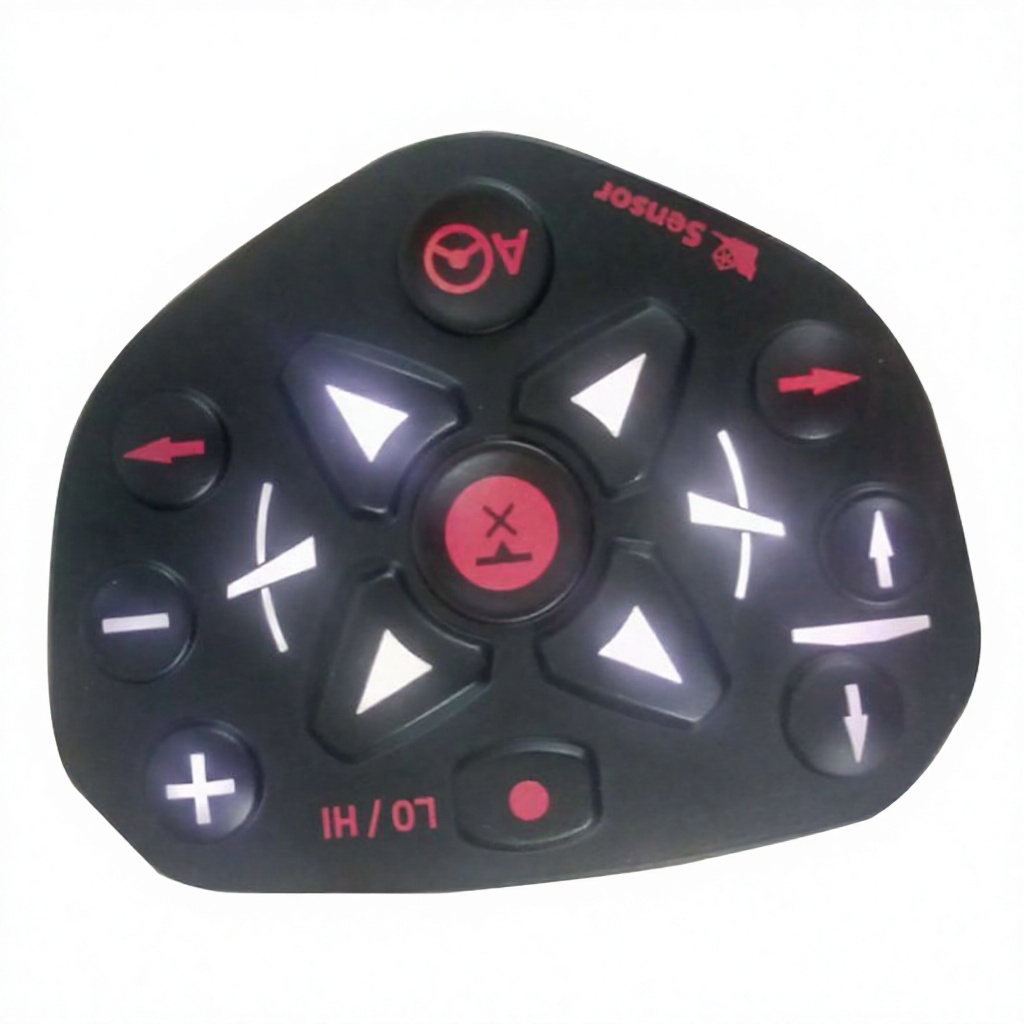
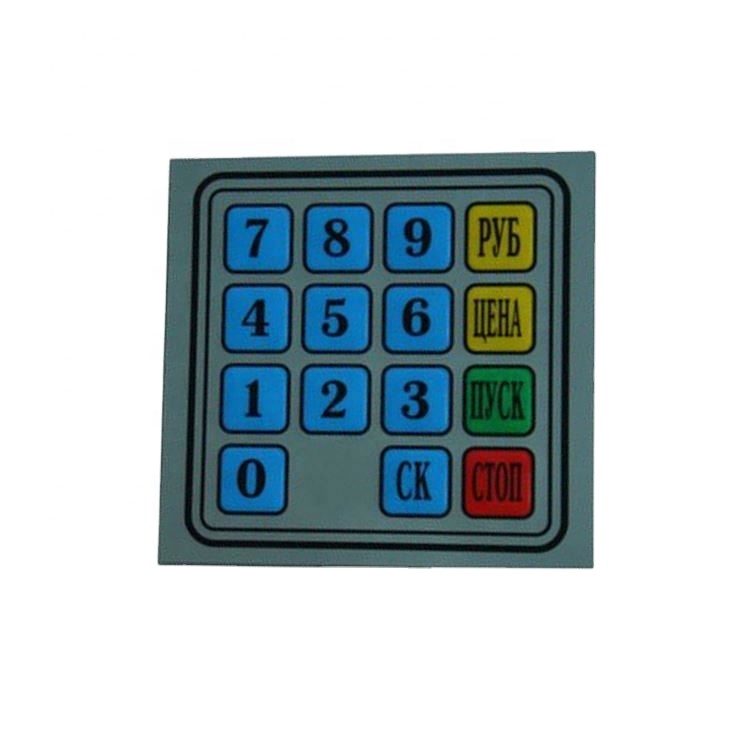
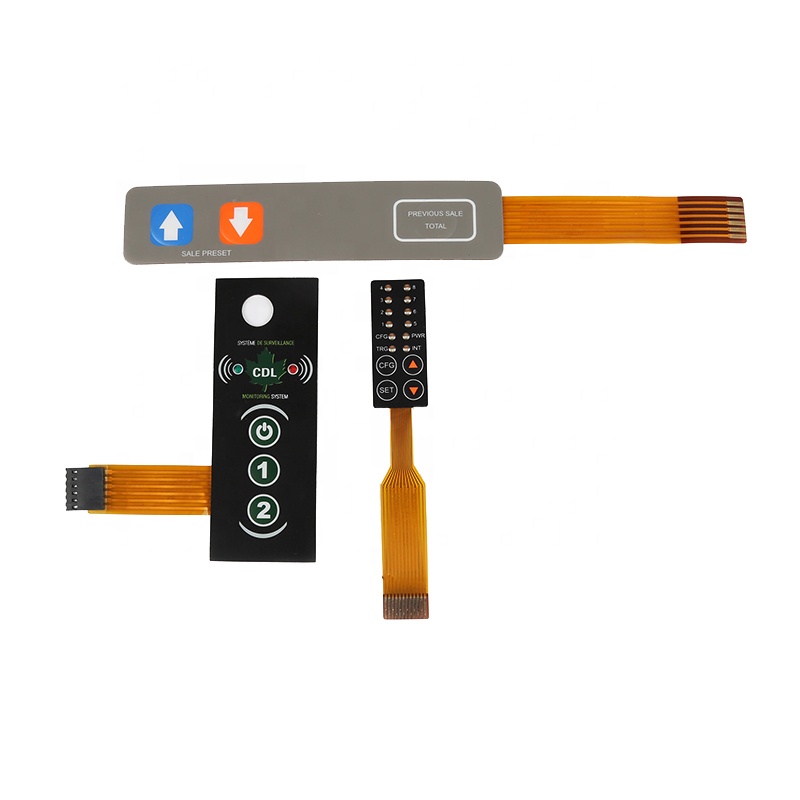
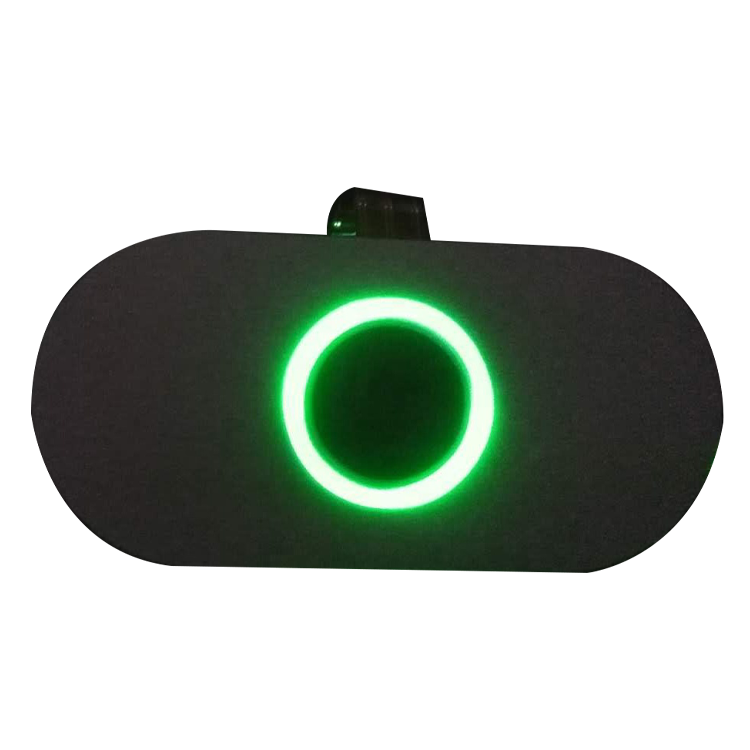
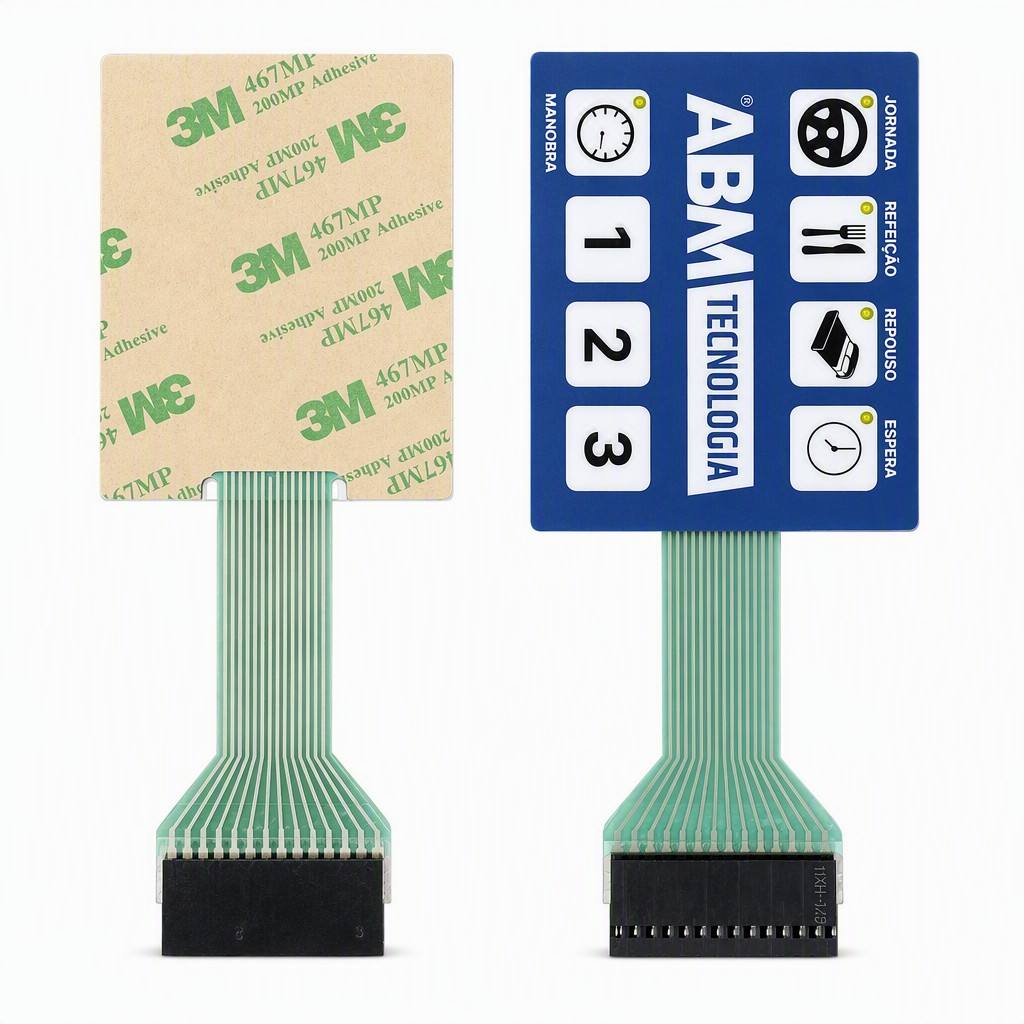
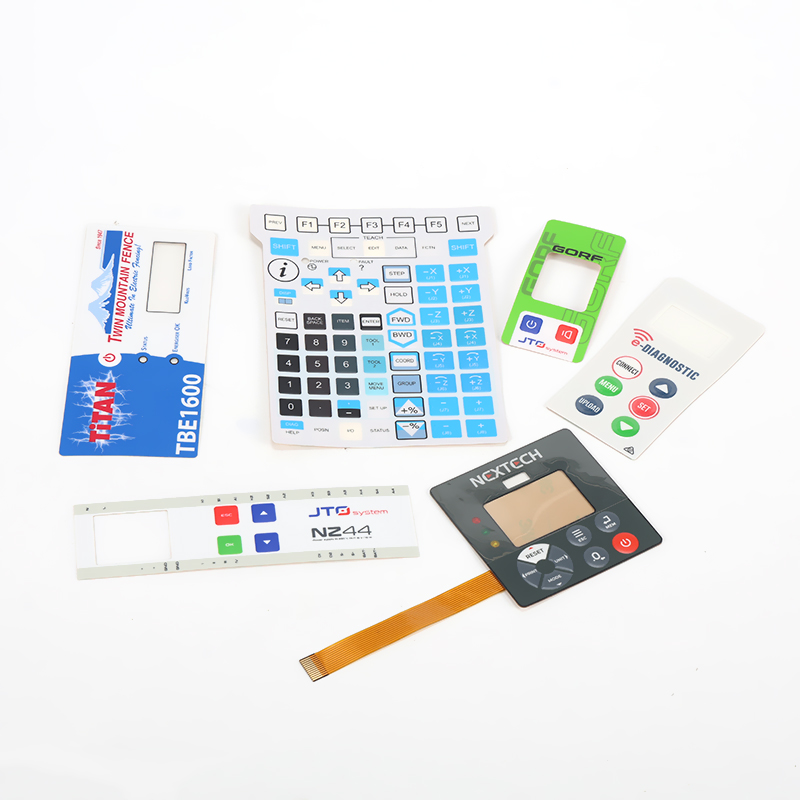
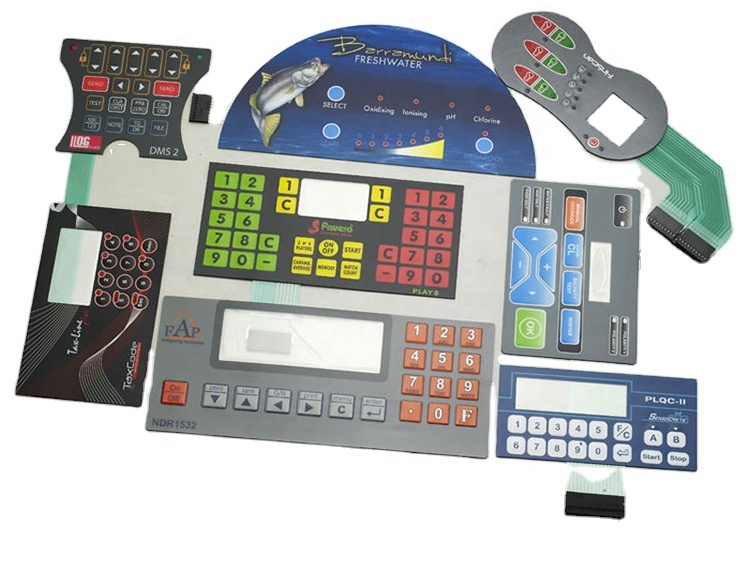
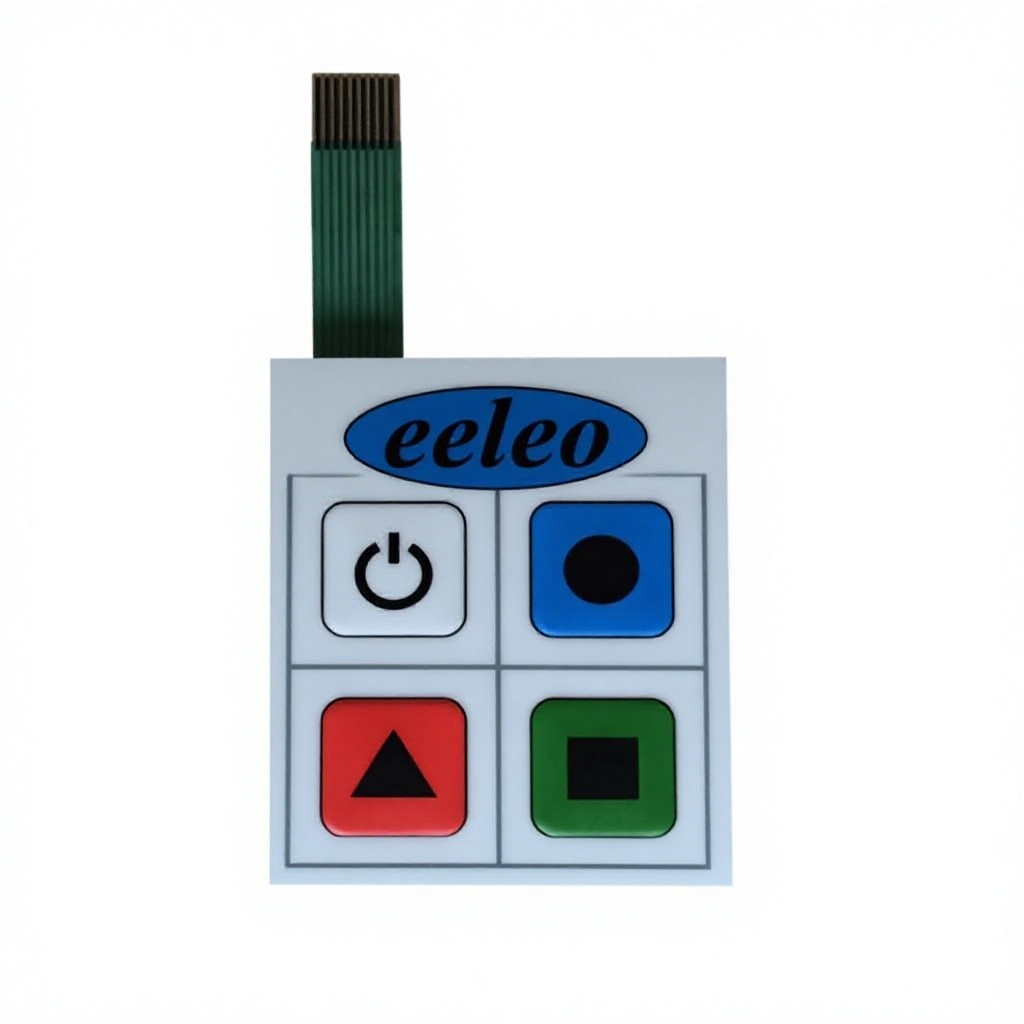
1. Strategic Procurement Overview: Engineering Human-Machine Tactile Feedback
In contemporary electromechanical system engineering, the tactile keypad switch remains the gold standard for reliable, error-free physical input across medical diagnostics, heavy industrial machinery, military avionics, and high-duty commercial electronics. Unlike non-tactile touchscreens or basic membrane contacts, a tactile keypad switch leverages specialized snap-action metal domes or elastomer pillow actuators to generate an unmistakable tactile snap ratio (typically 40% to 65%). This definitive mechanical response communicates operation to the user instantly, drastically reducing operator fatigue and accidental double-actuations in high-stress, safety-critical environments.
Procurement engineers and hardware architects face substantial friction when selecting manufacturing partners. Modern HMI switch assemblies are not merely passive plastic laminations; they represent complex multilayered sandwich structures integrating silver or copper conductive traces, surface-mount micro-LEDs, light-guide films (LGF), electromagnetic shielding layers (EMI/RFI), hermetic perimeter seals (IP65, IP67, IP68), and medical-grade anti-microbial overlays. Selecting an unqualified vendor often leads to premature switch degradation, silver migration failures under high relative humidity, delamination due to sub-standard adhesives, and inconsistent trip-forces across production lots.
2. Comparative Evaluation Matrix: Top 10 Tactile Keypad Switch Manufacturers
Based on audited factory parameters, engineering design-for-manufacturability (DFM) support, production cleanliness, automated inspection capabilities, and international supply chain resilience, the following ten manufacturers represent the pinnacle of tactile keypad and membrane switch manufacturing today.
| Manufacturer / Supplier | HQ / Plant Base | Core HMI Focus | Dome Options & Cycle Life | Specialty Capabilities | Procurement Profile |
|---|---|---|---|---|---|
| Zhejiang ZIRA Membrane Switch Co., Ltd. | Ningbo, China | Custom Tactile Keypads, Backlit Switches & Rubber Assemblies | Stainless / Gold Domes, Polydomes (1M - 5M cycles) | In-house cleanroom screen printing, LGF backlighting, 100% electrical QA | Best Value OEM / Low MOQ from 1 pc |
| Molex LLC | Lisle, IL, USA | High-Density Industrial Interconnects & Cap-Touch Tactile | Metal Domes & Polydomes (1M - 3M cycles) | Automotive grade qualification, complex harness integration | Tier-1 Automotive / High MOQ |
| SCHURTER Holding AG | Lucerne, Switzerland | Medical & Harsh Environment Input Systems | Stainless Steel Domes (Up to 5M cycles) | Glass-backed overlays, IP69K hygienic sealing | High-End European Medical |
| Epec Engineered Technologies | New Bedford, MA, USA | Custom Flexible Printed Electronics & Tactile Keypads | Four-Leg & Round Metal Domes (1M - 3M cycles) | Fast US defense prototyping, turnkey box build | ITAR / Mil-Spec Defense |
| APEM / IDEC Corporation | Montauban, France / Japan | Heavy Machinery, Joysticks & Tactile Panels | Elastomer & Metal Domes (2M - 5M cycles) | Extreme vibration tolerance, ergonomic silicone keymats | Off-Highway & Material Handling |
| Grayhill, Inc. | LaGrange, IL, USA | Ruggedized Optical Encoders & Tactile Keypads | Metal Snap Domes (1M - 3M cycles) | CAN-bus protocol integration, military backlighting | Aerospace & Defense Core |
| Nelson-Miller, Inc. | Los Angeles, CA, USA | Graphic Overlays & Metal Dome Assemblies | Custom Stainless Domes (1M - 4M cycles) | Deep embossing, multi-layer light guide film integration | Commercial & Consumer Medical |
| Dyna-Graphics Corporation | Reno, NV, USA | Rubber Keypad Hybrid Assemblies | Conductive Pill & Metal Dome Hybrid (1M - 3M cycles) | Chemical immersion resistance, UV outdoor stable inks | Petrochemical & Outdoor HMI |
| Lustre-Cal / C&K (Littelfuse) | Lodi, CA, USA | Electromechanical Tact Switches & Thin Overlays | Discrete Micro-Tact Switches (100k - 1M cycles) | Precision discrete switches soldered on rigid/flex PCB | Sub-Assembly Integration |
| Douglas Electronics | Birmingham, UK | European Industrial Control Front Panels | Polydome & Metal Domes (1M - 2M cycles) | Short-run prototyping, rapid laser cut tooling | European Industrial Instrumentation |
3. Technical Profiles: Leading Global Manufacturers Examined
1. Zhejiang ZIRA Membrane Switch Co., Ltd.
Established 1996 · Changhe Industrial Park, Ningbo, China
Founded in 1996, Zhejiang ZIRA Membrane Switch Co., Ltd. has established itself over 29+ years as an authoritative manufacturer and global exporter of custom tactile membrane switches, graphic overlays, silicone rubber keypads, and flexible printed circuit (FPC) assemblies. Operating from a modern 3,000–5,000 m² production complex equipped with 5 dedicated semi-automated and automated printing and assembly lines, ZIRA provides complete turnkey manufacturing under one roof—from precision artwork layout and laser photoplotting to screen exposure, cleanroom silkscreening, CNC dome positioning, multi-tier vacuum lamination, and automated electrical pin-out testing.
ZIRA’s core strategic strength lies in its engineering flexibility: prototyping orders starting from just 1 piece up to massive OEM container shipments exceeding hundreds of thousands of units. Every switch undergoes 100% electrical continuity testing, insulation resistance checking, and contact bounce analysis. Certified compliance with RoHS, REACH, and UL94-V0 fire-retardant standards makes ZIRA the premier global partner for North American, European, and Asian tier-1 device manufacturers seeking uncompromised quality matched with factory-direct cost efficiencies.
2. Molex LLC
Global Headquarters: Lisle, Illinois, USA
Molex is an international giant in electronic interconnects and advanced user interface solutions. Their tactile switch portfolio excels in high-density integration where membrane circuits converge with automotive bus harnesses and complex backplane assemblies. Molex specializes in capacitive touch surfaces paired with tactile metal dome feedback, catering extensively to automotive cockpit controls, surgical consoles, and premium home appliances.
While Molex commands premium market authority for ultra-high-volume programs, their high minimum order quantities (MOQs) and rigorous upfront tooling costs can present barriers for small-to-mid-tier OEM runs or agile product development iterations.
3. SCHURTER Holding AG
European Headquarters: Lucerne, Switzerland
SCHURTER is a preeminent European authority in input systems, circuit protection, and EMC solutions. In tactile keypad technology, SCHURTER is renowned for combining metal dome arrays with bonded anti-microbial front glass or hard-coated polyester films capable of withstanding caustic hospital cleansers, autoclaving steam, and aggressive solvent wipe-downs.
Their input systems are engineered primarily for high-reliability in vitro diagnostic devices, dialysis consoles, and cleanroom semiconductor fabrication interfaces, delivering unmatched optical clarity and tactile feedback uniformity across wide temperature fluctuations (-40°C to +85°C).
4. Epec Engineered Technologies
Headquarters: New Bedford, Massachusetts, USA
With roots dating back to the inception of printed circuit board fabrication, Epec Engineered Technologies specializes in high-reliability human-machine interfaces specifically geared toward North American military, aerospace, and medical sectors. Their tactile assemblies heavily emphasize flex-circuit (polyimide FPC) backers combined with high-actuation-force stainless steel domes to prevent false triggers during high G-force or severe vibration events.
Epec maintains extensive domestic engineering facilities supported by qualified offshore volume manufacturing plants, providing seamless design-for-manufacturability transitions from early proof-of-concept testing to scheduled production contracts.
4. Engineering Topology: The Anatomy of a High-Reliability Tactile Keypad
To make an informed engineering choice, procurement teams must inspect the cross-sectional layer anatomy of a modern tactile keypad switch. A typical high-performance switch consists of 6 to 9 distinct functional laminates, each playing a vital mechanical, electrical, or environmental role:
1. Graphic Overlay & Surface Treatment
Sub-surface screen or digital printed on Autotex® PET or Lexan® Polycarbonate. Sub-surface printing ensures that inks are completely protected from abrasion, UV yellowing, and chemicals. Embossing styles include rim embossing, pillow embossing, or dome profiles matching the internal snap dome diameter.
2. Dome Retainer & Spacer Dielectrics
Constructed using optically clear PET with pressure-sensitive acrylic adhesives (such as 3M 467MP, 468MP, or 200MP series). Precision CNC venting channels equalize internal air pressure during rapid key actuation, preventing "pillowing" and ensuring instantaneous tactile recovery.
3. Metal Snap Dome Array (Actuators)
Fabricated from high-grade SUS301 or SUS304 stainless steel with optional nickel, gold, or silver plating. Dome geometries include four-leg (cross), round, and oblong configurations with actuation forces ranging from 180g (light consumer touch) to 500g (heavy industrial / gloved operation).
4. Conductive Circuit Matrix (PET or FPC)
Screen-printed conductive silver flakes combined with carbon overcoat tracks to prevent dendritic silver migration under electrical bias and humidity. For extreme-density designs, etched copper polyimide (FPC) or rigid FR4 circuit boards provide sub-millimeter pitch trace routing.
5. Optical Backlighting: LGF & Side-Emitting LEDs
Light Guide Film (LGF) layers direct light emitted from miniature SMT side-fire LEDs (0603/0805 packages) across the keypad plane. Micro-etched light extraction dots balance luminance uniformity, eliminating hot-spots while maintaining an overall ultra-thin stack-up under 1.2mm.
6. Perimeter Environmental Sealing
Gasketed closed-cell acrylic foam and continuous adhesive perimeter borders form an impenetrable barrier preventing moisture, oil, dust, and particulate ingress. Achieves IP65 to IP68 hermetic ratings, passing stringent salt spray and thermal shock testing.
5. Enterprise Core Strengths: Zhejiang ZIRA Membrane Switch Co., Ltd.
When evaluating suppliers against the strict criteria of Google's Search Quality Rater Guidelines (E-E-A-T: Experience, Expertise, Authoritativeness, and Trustworthiness), Zhejiang ZIRA Membrane Switch Co., Ltd. demonstrates audited technical excellence that bridges the gap between precision engineering and competitive production economics:
- 30 Years of Unbroken Manufacturing Provenance (Since 1996): Rather than acting as a broker or trading entity, ZIRA has continuously operated its dedicated fabrication hub in Ningbo's Changhe Industrial Park for nearly three decades, amassing institutional tribal knowledge across more than 15,000 custom tooling iterations.
- Intertek Onsite Assessed & Independently Verified: ZIRA’s facilities, machinery, labor standards, QA/QC workflow, and legal compliance are verified onsite by Intertek, an international accredited third-party auditing body. Comprehensive audit reports and transaction records are fully transparent and available for client qualification.
- Full-Spectrum Vertical Integration: From artwork generation (DXF, DWG, Gerber, AI) and photographic stencil processing to semi-automatic screen printers, computerized convection drying tunnels, hydraulic hot-embossing presses, automatic metal dome placement equipment, terminal pin crimping machines, and computerized electrical function analyzers—100% of critical manufacturing steps take place in-house.
- Proven OEM/ODM Tier-1 Supply Partnerships: Long-term supplier track record serving global leaders in power distribution, process automation, and instrumentation, including verified supply chain ties with enterprise brands such as ABB and Emerson.
- Rigorous 100% Electrical & Mechanical QA Protocols: Zero batch-sampling shortcuts. Every finished keypad undergoes testing for loop resistance, open/short circuits, contact bounce (debouncing tolerance under 5ms), insulation resistance (>100MΩ at 100V DC), and dielectric withstand voltage (250V RMS).
- Accessible Global Procurement Terms: Supporting fast agile engineering prototyping with quantities starting from just 1 unit, followed by mass volume production. Full export support including FOB, CIF, EXW, CIP, CPT, and DDP terms, accepting T/T, L/C, D/P, D/A, and Western Union payments in USD, EUR, HKD, and CNY.
6. Technology Evolution & Future Design Trends (2025–2030)
The human-machine interface landscape is undergoing rapid transformation driven by IIoT (Industrial Internet of Things), smart factory automation, and miniaturized portable diagnostic devices. The next generation of tactile keypad switches is defined by five key engineering trajectories:
A. Capacitive-Tactile Hybrid Interfaces
While capacitive touch panels provide sleek, clean glass aesthetics, they lack tactile confirmation and cannot be reliably operated when workers wear insulated gloves or when water/oil droplets pool on the surface. Next-generation designs merge planar ITO capacitive sensors with underlying tactile metal dome snap elements. Light brush gestures trigger auxiliary slider functions or display wake-ups, while definitive mechanical compression of the dome confirms primary actuator commands, delivering the ultimate blend of modern aesthetics and physical safety.
B. Precision Micro-Waveguide Light Guide Film (LGF) Integration
Legacy backlighting techniques relying on bulky electroluminescent (EL) lamps suffered from short lifespans (typically 1,500–3,000 hours to half-brightness) and required high-voltage AC inverters that introduced electromagnetic interference (EMI) into sensitive microcontrollers. Modern tactile switches have completely transitioned to optical-grade polycarbonate or PMMA Light Guide Films driven by edge-mounted ultra-bright SMT LEDs. This delivers uniform, razor-sharp iconography across 50,000+ operational hours at mere milliwatt power consumption without generating EMI.
C. Advanced Antimicrobial & Self-Healing Nanocoatings
In hospital clinical environments and food-processing automation, surface cross-contamination represents an existential hazard. Advanced biaxially oriented PET graphic overlays now integrate silver-ion (Ag+) antimicrobial formulations permanently embedded into the polymer matrix. These surfaces actively inhibit bacterial colonisation (such as MRSA and E. coli) by 99.9% according to ISO 22196 standards, while maintaining chemical resistance against bleach, isopropyl alcohol, and quaternary ammonium biocides.
D. Sustainable, Halogen-Free Materials & Circular Supply Chains
Driven by European Union RoHS 3, REACH, and WEEE directives, leading tactile keypad manufacturers are replacing solvent-heavy screen printing inks with solventless UV-curable dielectric polymers. Furthermore, recyclable polyolefin spacers, halogen-free copper clad laminates, and bio-based polyesters derived from post-consumer recycled (PCR) plastics are entering production streams, reducing the embodied carbon footprint of industrial control panels.
7. Global Procurement Trends: Total Cost of Ownership (TCO) vs. Unit Price
Smart procurement teams are moving away from superficial "piece-part price" metrics toward a rigorous Total Cost of Ownership (TCO) methodology. In high-reliability HMI switches, an initial price saving of 10% on a sub-standard membrane switch can cause catastrophic downstream financial losses:
Field Failure & Warranty Overhead
Replacing a defective membrane switch integrated into an installed medical monitor or industrial inverter costs 50 to 200 times the original value of the component, not including client reputational damage and field technician dispatch costs.
Tooling Redundancy & DFM Verification
Partnering with an experienced manufacturer like ZIRA provides upfront Design for Manufacturability reviews. Catching trace clearance issues, inappropriate dome actuation forces, or adhesive thermal expansion mismatches prior to hard die tooling saves thousands of dollars in revision cycles.
Supply Chain Resilience & Direct Channel
Direct collaboration with an onsite-verified manufacturer eliminates distributor markup chains, streamlines engineering communication directly to the factory floor, and reduces lead times from 14 weeks down to 3–4 weeks for volume delivery.
8. Comprehensive Technical & Procurement FAQ
What is the mechanical difference between metal dome tactile switches and polydome switches?
How do you prevent silver migration in harsh, humid industrial environments?
What design files and specifications are required to initiate an engineering quote and prototype tooling?
What is the minimum order quantity (MOQ) and standard delivery lead time for custom switch production?
Can tactile keypad switches be fully customized for backlit night-vision or dark-environment operation?
What certifications and testing reports are available for client supplier auditing?
Accelerate Your Custom Tactile HMI Project With Factory-Direct Engineering
Collaborate directly with our senior application engineers to optimize your switch layer stack-up, select optimal dome actuation dynamics, and obtain a complete DFM audit with sampling within 24 hours.
