Product Engineering Directory
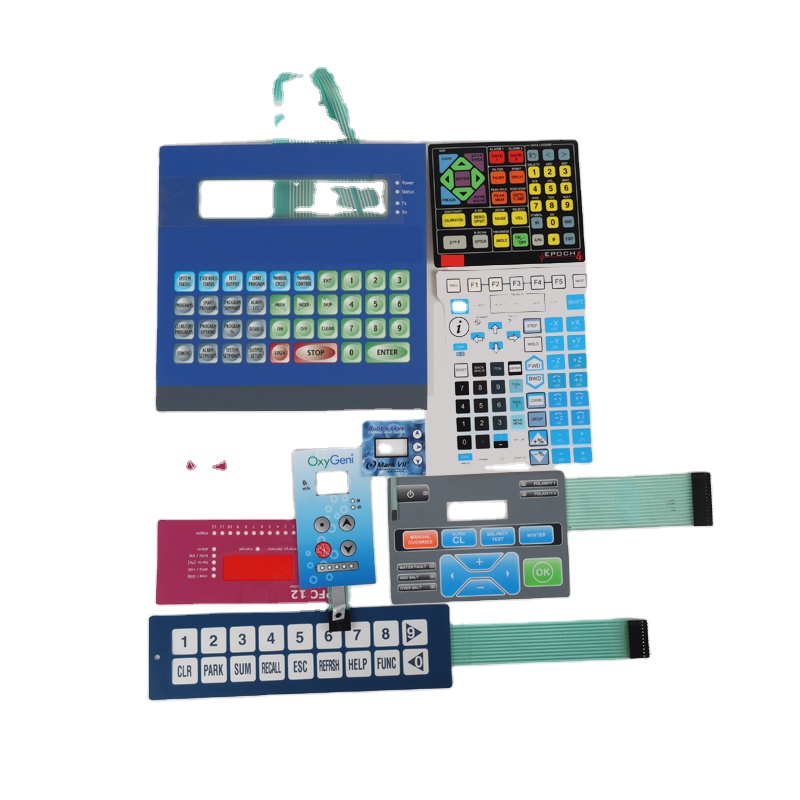
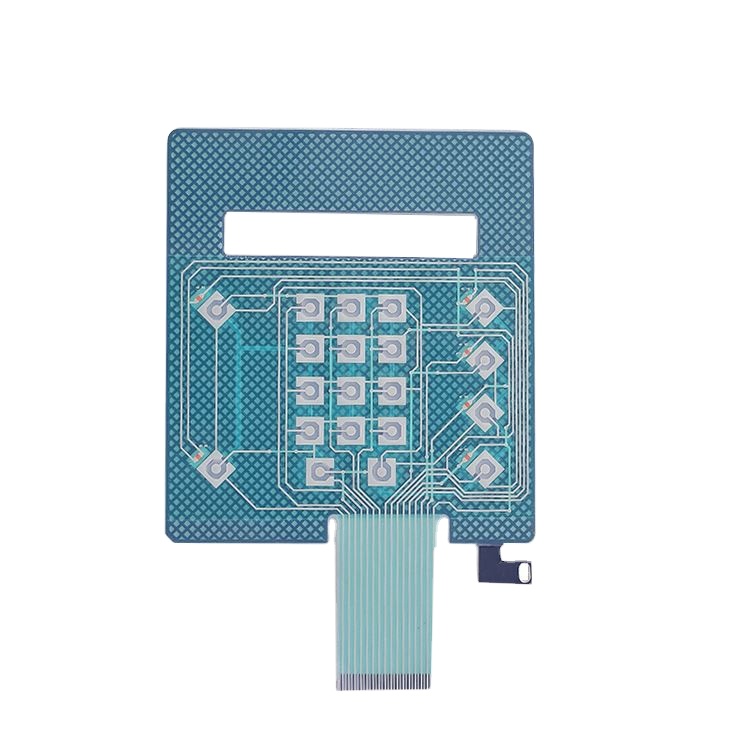
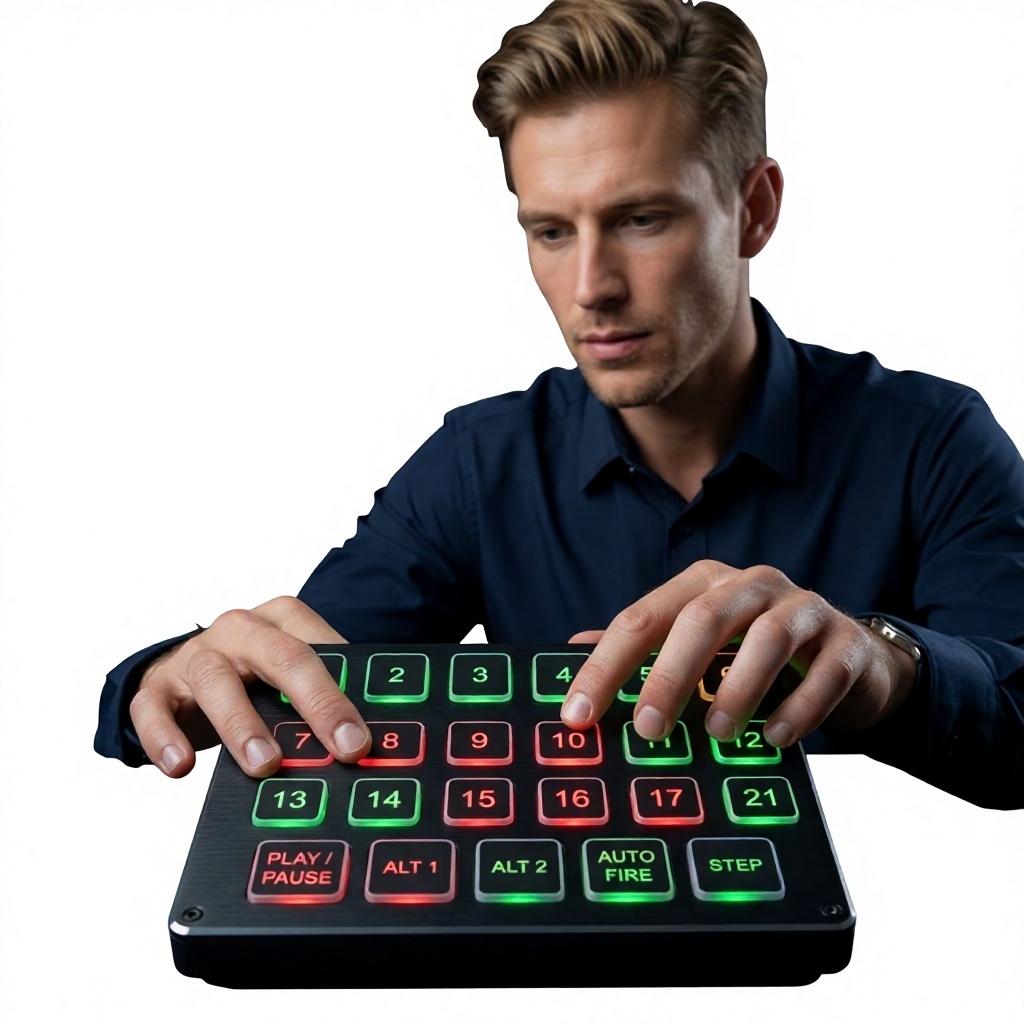
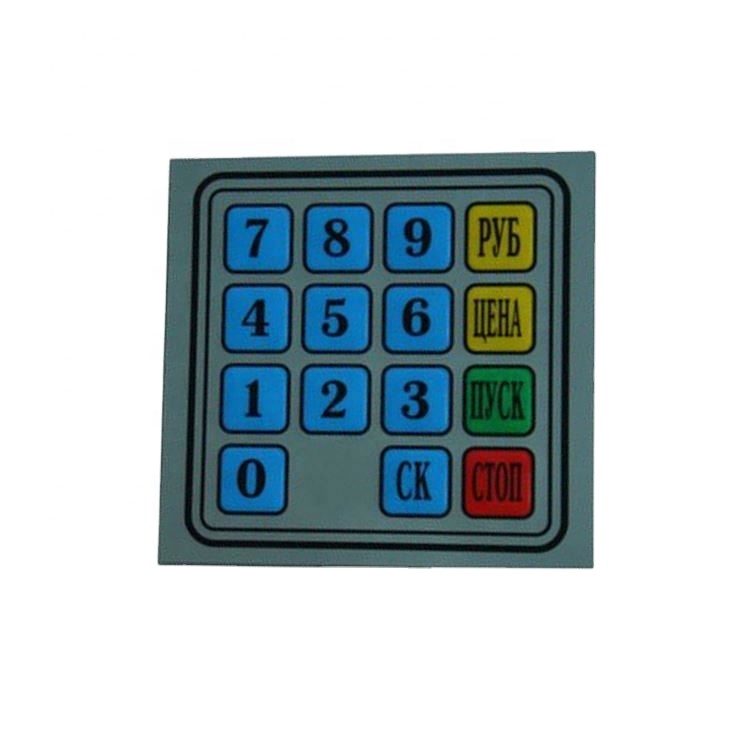
Featured Custom Silicone & Membrane Switch Solutions
Explore our top-tier custom tactile assemblies engineered for medical, industrial, military, and consumer electronics application controls.
Technical B2B Procurement Whitepaper
Comprehensive Sourcing Guide: Top 10 Custom Silicone Keypad Manufacturers & Evaluation Benchmarks
An engineering analysis of elastomeric switch manufacturing standards, cleanroom molding capabilities, contact pill technology, and vendor audit criteria.
In modern Human-Machine Interface (HMI) design, custom silicone rubber keypads represent one of the most reliable, tactile, and environmentally resistant switching solutions available. From life-critical medical equipment and ruggedized defense controllers to automotive dashboards and industrial automation units, silicone keypads bridge the gap between mechanical durability and user ergonomics. However, selecting a top-tier silicone keypad manufacturer from global supply chains requires looking beyond simple piece-part pricing.
Procurement directors and senior hardware design engineers must evaluate manufacturers based on strict Design for Manufacturing (DFM) capabilities, raw elastomer selection, tool tooling tolerances, contact pill low-resistance guarantees, and strict ISO/Intertek quality auditing. This whitepaper establishes the criteria for evaluating the top global factories while detailing critical engineering parameters for custom keypad procurement.
Elastomer Material Selection
High-grade silicone formulations varying from 30 to 80 Durometer (Shore A). Medical-grade, food-grade (FDA), and extreme-temperature (-40°C to +230°C) compliant elastomers.
Actuation Force Precision
Engineered webbing design providing custom snap ratios (30%–60%) and precise actuation force control (from 50g to 500g) tested across 1,000,000+ cycles.
Contact Resistance Tech
Conductive carbon pills (<100Ω), gold-plated pill contacts (<1Ω), nickel pills, and screen-printed conductive carbon/silver backing matrices.
Top 10 Critical Criteria for Auditing Silicone Keypad Factories
When auditing top silicone keypad manufacturers, engineering and supply chain teams should evaluate suppliers against these ten foundational capabilities:
- In-House Compression & LSR Molding: Direct ownership of high-precision compression tooling machines and Liquid Silicone Rubber (LSR) injection equipment to guarantee physical dimensional stability within ±0.05mm.
- Cleanroom Environment & Dust-Free Spray Lines: Class 100,000 cleanrooms for clear coating, PU (Polyurethane) application, UV-curing, and laser ablation processes to prevent surface contamination.
- Surface Protection & Spray Coating Tech: Capabilities in soft-touch oil coating, silicone PU coatings, and laser-etching for backlit key caps requiring crisp legend clarity.
- Integrated DFM Support: On-staff engineering teams capable of performing 3D finite element analysis (FEA) on key actuation force curves, key travel, and tactile feedback before tool cutting.
- Comprehensive Contact Pill System Integration: In-house positioning jigs for conductive carbon pills, low-voltage gold pills, or printed conductive pads ensuring precise alignment during compression molding.
- Environmental Testing Equipment: On-site testing facilities for abrasion resistance (RCA scroll testing), key-life actuation endurance, climate chamber cycling, and chemical resistance testing.
- Quality Certification & Verification: Independent third-party audit credentials such as ISO 9001:2015, ISO 13485 (Medical), IATF 16949 (Automotive), and Intertek Onsite Supplier Verification.
- ESD / EMI Shielding Layering: Capability to combine conductive aluminum foil, printed silver grids, or nickel coatings to protect sensitive PCB controllers from static discharges up to 15kV.
- Flexible Tooling & Rapid Prototyping: Prototype mold turnarounds within 5–7 days using soft aluminum tooling before investing in multi-cavity hardened steel mass production molds.
- Supply Chain Transparency & Compliance: Full compliance with REACH, RoHS, California Prop 65, and conflict mineral regulations with full material lot traceability.
Industry Insight 2025–2030
Future Sourcing & Technology Trends in Custom Silicone Keypads
How emerging materials, lighting innovations, and hybrid assembly technologies are reshaping global keypad procurement.
1. Laser-Etched LGF Backlighting
Traditional single-point LED backlighting is rapidly giving way to Light Guide Film (LGF) and laser-etched silicone keycaps. By channeling micro-structured optical film under translucent silicone, keypads achieve perfectly uniform illumination across complex multi-key arrays with minimal LED counts.
2. Anti-Microbial & Nano Surface Treatments
In post-pandemic healthcare and high-traffic commercial environments, standard silicone keymats are being upgraded with permanent nano-silver antimicrobial additives infused directly into the elastomer mix, combined with harsh chemical-resistant PU coatings withstand isopropyl alcohol wipe-downs.
3. Hybrid Silicone-Over-Membrane / FPC Assemblies
Procurement teams are shifting away from standalone keymats toward turn-key hybrid modules. Manufacturers now deliver fully integrated assemblies featuring molded silicone rubber buttons aligned over Flexible Printed Circuits (FPC) or rigid FR4 PCBs, complete with metal domes and SMT components pre-assembled.
Technical Comparison Matrix: Keypad Technologies
Choosing the correct switching architecture is essential for balancing tactile feedback, environmental IP ratings, and tooling investment:
| Key Engineering Parameter | Compression Molded Silicone Keypad | Standard Film Membrane Switch | Hybrid Silicone + PCB Assembly |
|---|---|---|---|
| Typical Key Travel | 0.8mm – 3.5mm (3D Feel) | 0.1mm – 0.5mm (Flat / Embossed) | 1.0mm – 2.5mm (Tactile Snap) |
| Actuation Life | 1,000,000 to 5,000,000 Cycles | 1,000,000 Cycles | 3,000,000+ Cycles |
| Ingress Protection (IP) | IP67 / IP68 (Seamless Perimeter Seal) | IP65 (Gasket Sealed) | IP67 (Sealed Keymat Perimeter) |
| Operating Temperature | -40°C to +230°C | -20°C to +70°C | -40°C to +85°C |
| Contact Type Options | Carbon Pill, Gold Pill, Rubber Contact | Silver Printed Grid, Metal Dome | Gold-Plated PCB Contacts / Domes |
| Tooling Cost Structure | Moderate Tooling (Compression Mold) | Low Tooling (Screen / Die Cut) | Moderate to High (Mold + PCB Tool) |
Factory Profile & Capabilities
Why Global OEM Brands Partner with Zhejiang ZIRA
Over 29 years of precision engineering, onsite Intertek certification, and robust manufacturing infrastructure in Ningbo, China.
Founded in 1996, Zhejiang ZIRA Membrane Switch Co., Ltd. has established itself as an authoritative global manufacturer specializing in custom membrane switches, graphic overlays, custom silicone rubber keypads, PCB/FPC membrane assemblies, and display labels. Operating from a modern 3,000–5,000 m² production center in Changhe Industrial Park, Ningbo, ZIRA integrates design, rapid sampling, toolmaking, cleanroom printing, molding, and 100% electrical inspection under one unified management system.
Intertek Onsite Verified Manufacturer
ZIRA's facility, production capabilities, quality systems, and legal operations are independently assessed and verified on-site by Intertek, offering international buyers total risk mitigation and audit confidence.
Strict Quality Assurance & 100% Test
Every single keypad and membrane assembly undergoes rigorous 100% electrical open/short circuit testing, contact resistance measurement, actuation force validation, and optical surface inspection prior to export packaging.
Trusted Partner to Global Fortune 500s
With an annual export output reaching up to US$50 Million, ZIRA maintains long-term OEM supply relationships with world-class industrial automation leaders including ABB and Emerson across North America, Western Europe, and Asia.
Whether you require 1-piece quick-turn engineering prototypes or 100,000+ unit mass production runs, ZIRA provides flexible MOQs, full DFM drawing consultation, competitive factory-direct pricing, and comprehensive Incoterm support (FOB, CIF, EXW, DDP) with payment support via T/T, L/C, and Western Union.
Procurement Knowledgebase
Frequently Asked Questions (FAQ) for Keypad Sourcing
Direct answers to technical questions commonly submitted by hardware design teams and procurement specialists.
1. What engineering inputs are required to receive an accurate custom keypad quote?
To provide an exact itemized quotation and DFM assessment, our engineering team requires:
- 2D/3D Mechanical Drawings (STEP, IGES, DXF, DWG, or vector AI files) showing key dimensions and key travel height.
- Desired Silicone Hardness (Shore A rating between 30 and 80 Durometer).
- Color specifications (Pantone C or RAL color codes) and illumination/legend backlighting requirements.
- Contact specification (conductive carbon pills, gold contacts, metal domes, or non-conductive rubber actuators).
- Surface finish requirements (PU spray, clear silicone oil coat, laser etching).
- Estimated Annual Volume (EAV) and target prototype sample timeline.
2. What is the typical Minimum Order Quantity (MOQ) and sample lead time?
At Zhejiang ZIRA, we support engineering innovation through flexible sourcing stages:
- Prototypes: Quick-turn sampling is available from as low as 1 to 5 pieces using single-cavity soft tooling.
- Standard Orders: Production runs generally start at 100 to 500 pieces depending on material complexity.
- Lead Times: Prototype tooling and sample delivery usually take 7 to 10 working days. Mass production tooling and first-article approval are typically completed within 14 to 21 working days.
3. How do carbon pills compare to gold-plated contacts in custom silicone keypads?
Conductive carbon pills are the standard choice for most low-voltage keymats, offering contact resistance under 100 Ohms and millions of trouble-free actuations at a cost-effective price point.
Gold-plated contacts or gold pills offer extremely low contact resistance (<1 Ohm) and are required for high-reliability medical devices, military equipment, or circuits operating with micro-amp current levels where signal integrity and zero contact chatter are essential.
4. Can silicone keypads be engineered to achieve IP67 or IP68 waterproof sealing?
Yes. Silicone rubber naturally possesses excellent sealing properties. By engineering an integrated perimeter sealing lip (gasket bead) into the outer edge of the silicone keymat during compression molding, the keypad forms an airtight and watertight IP67/IP68 seal when compressed between the device's top and bottom enclosures.
5. How does ZIRA guarantee quality control and electrical reliability?
ZIRA operates an ISO-structured quality management framework with 100% in-process and final testing. In-process checks occur during silicone mixing, compression molding, surface spray coating, laser etching, and carbon pill placement. Every single finished keypad undergoes 100% automated electrical continuity testing, switch resistance validation, and optical inspection before being sealed in ESD-safe packaging.
