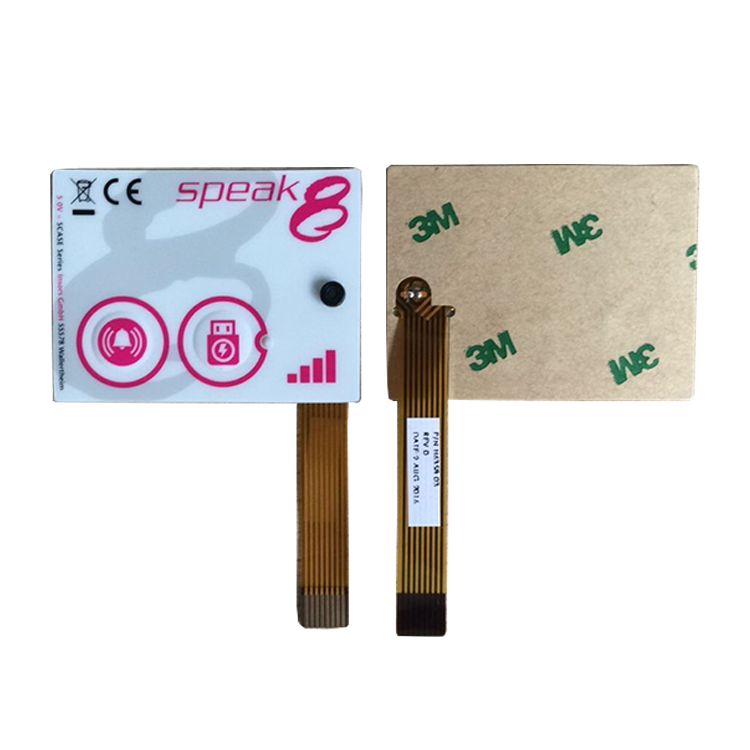
Factory-Engineered Interface Assemblies
Precision Human-Machine Interface Solutions
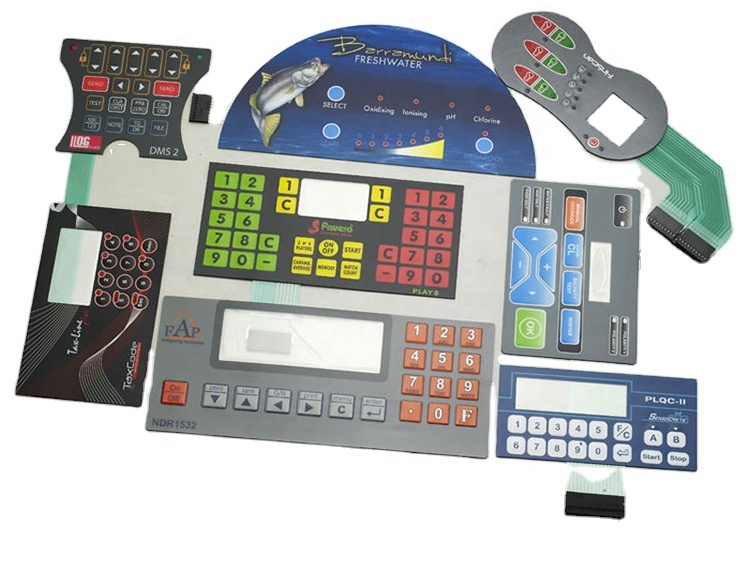
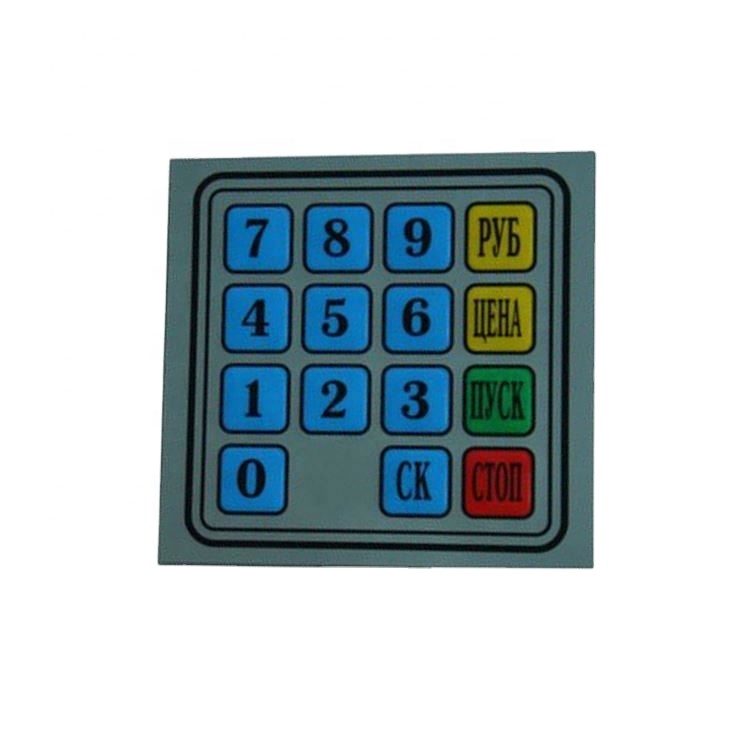
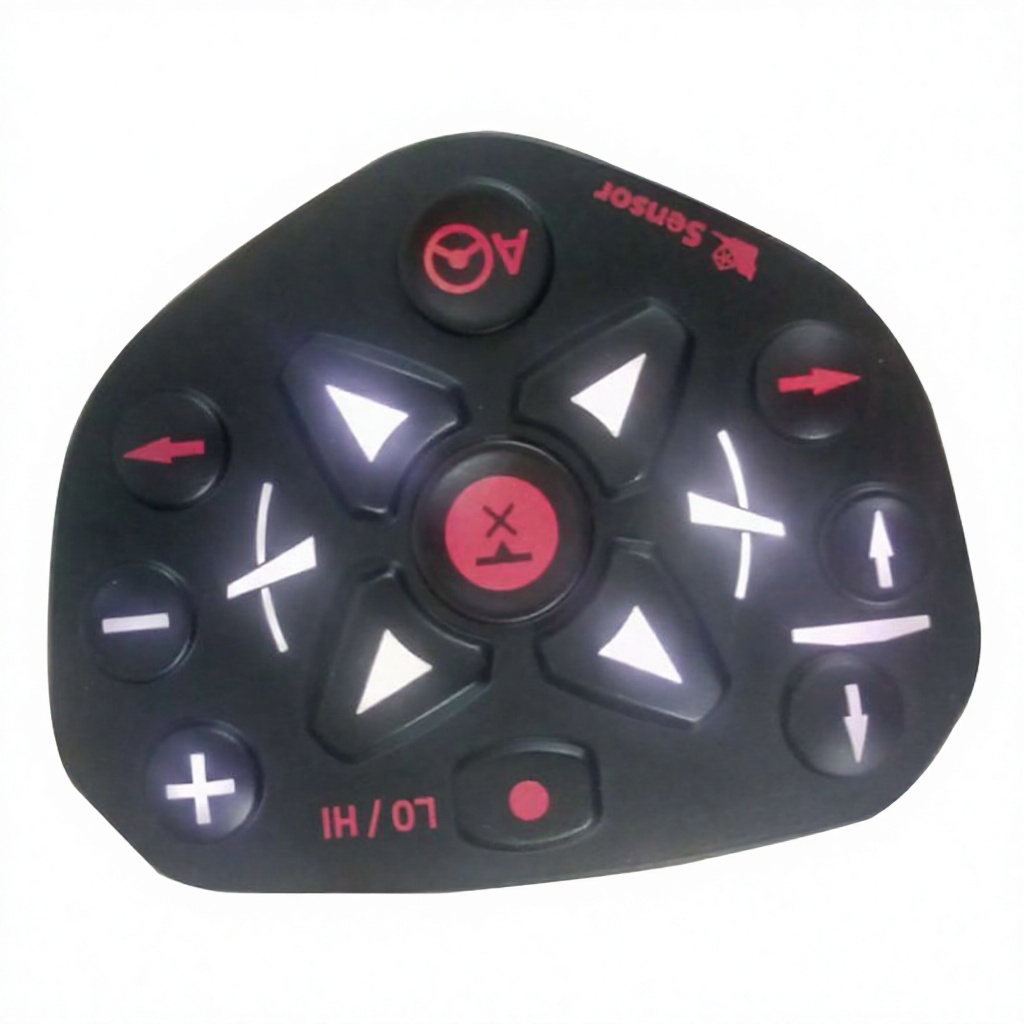
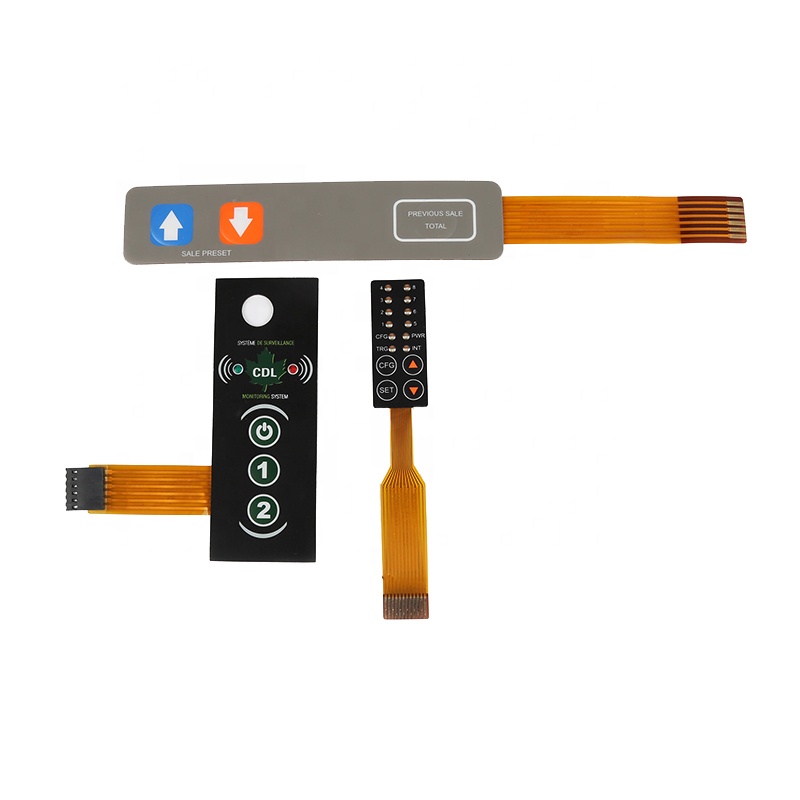
Direct from our Ningbo cleanroom manufacturing facility: ISO-compliant custom membrane switches, tactile silicone rubber keypads, and hybrid integrated panels built for extreme duty cycles.
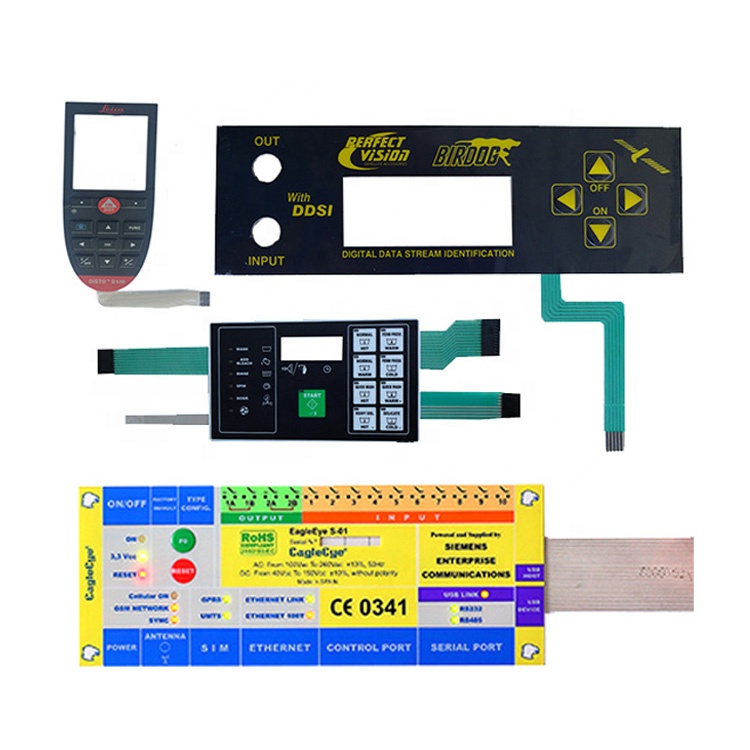
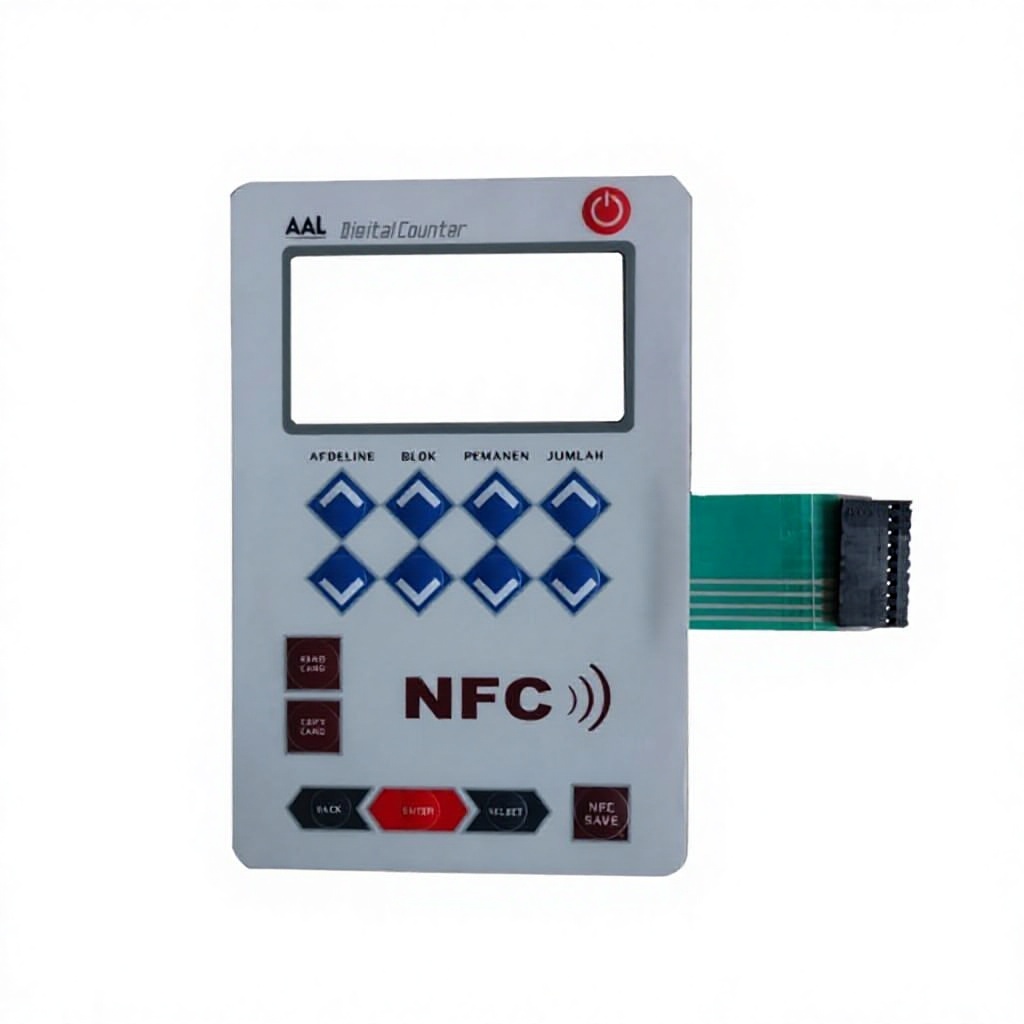
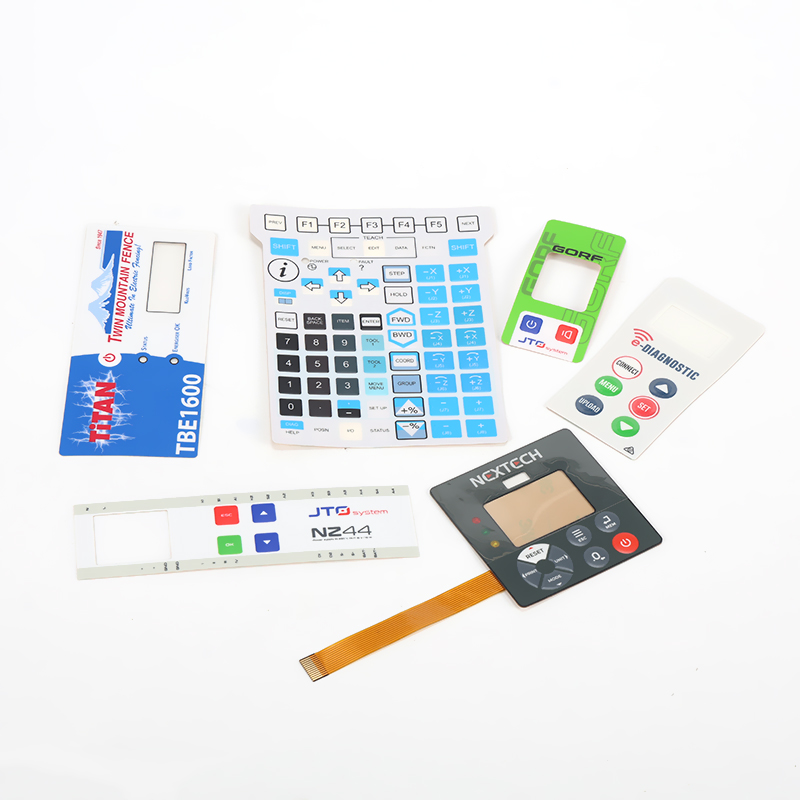
Competitive Landscape Benchmarking
Top 10 Custom Rubber Keypad Manufacturers & Manufacturing Ecosystems
An unbiased engineering assessment of the world's premier elastomeric keypad fabricators, evaluating manufacturing capabilities, tooling tolerances, contact technologies, and supply chain viability.
1. Zhejiang ZIRA Membrane Switch Co., Ltd.
Ningbo, ChinaA specialized OEM/ODM manufacturer operating since 1996, verified onsite by Intertek. ZIRA excels in hybrid elastomer-membrane integration, compression molding, conductive carbon pill insertion, and laser-etched silicone backlit keypads. Serving multinational conglomerates including ABB and Emerson, ZIRA offers engineering-driven DFM, proprietary life-cycle testing rigs, and rapid-turn tooling with low initial MOQs.
Core Strengths: Rapid prototyping from 1 pc, custom durometer compounding (30–80 Shore A), cleanroom assembly, complete in-house tooling.
2. Shin-Etsu Polymer Co., Ltd.
Tokyo, JapanA global leader in silicones and polymer science. Shin-Etsu is renowned for high-precision automotive input modules, inter-connectors, and patented conductive rubber compositions. Their manufacturing infrastructure emphasizes ultra-high-volume automated production for Tier-1 automotive cabins and medical computing interfaces.
Core Strengths: Advanced material compounding, micro-pitch zebra elastomeric connectors, automotive IATF 16949 compliance.
3. C&K Switches (Littelfuse)
Waltham, MA, USAAcquired by Littelfuse, C&K provides custom silicone keypads with deep competence in harsh environment vehicle controls and aerospace cockpits. They combine tactile dome integration with custom rubber bezels designed to meet MIL-STD shock and vibration tolerances.
Core Strengths: Military-spec validation, rugged avionics integration, precision tactile snap response.
4. Trelleborg Sealing Solutions
Trelleborg, SwedenTrelleborg specializes in Liquid Silicone Rubber (LSR) injection molding for critical medical and life-science keypads. Their class 7/8 cleanrooms deliver biocompatible elastomeric switches with integrated perimeter sealing diaphragms capable of withstanding autoclaving.
Core Strengths: 2-shot multi-component LSR molding, USP Class VI medical silicones, micromolding.
5. Fujikura Ltd.
Tokyo, JapanOperating across telecommunications and automotive electronics, Fujikura manufactures advanced membrane and silicone switch matrices integrated with flexible printed circuitry (FPC). They are dominant in consumer electronics miniaturization.
Core Strengths: High-density FPC bonding, roll-to-roll printing integration, optical clear adhesives.
6. Grayhill, Inc.
LaGrange, IL, USAA stalwart in rugged industrial human interface components, Grayhill produces custom molded rubber keypads often bundled with CAN-bus controllers, rotary encoders, and display modules for construction and agricultural machinery.
Core Strengths: CAN-bus protocol integration, sealed IP67/NEMA 4X consoles, high-impact rubber webbing.
7. Epec Engineered Technologies
New Bedford, MA, USAFocusing on custom build-to-print electronics, Epec provides comprehensive engineering support for silicone keypads integrated with rigid-flex FR4 PCBs, plastic injection back-plates, and complete turnkey box builds.
Core Strengths: DFM assistance for North American OEMs, PCB-based contact pads, full enclosure assembly.
8. APEM (IDEC Corporation)
Montauban, FranceAPEM designs robust elastomeric operator panels for commercial defense, material handling, and public safety equipment. Their products excel in extreme temperature stability (-40°C to +125°C) and resistance to hydrocarbon contamination.
Core Strengths: UV-stable pigments, flame retardancy (UL 94-V0), mechanical impact resistance (IK10).
9. RSP, Inc.
Brookfield, WI, USARSP provides full-scale manufacturing services specializing in silicone rubber molding, membrane switches, and plastic injection bezels. They bridge domestic project management with optimized overseas compression molding lines.
Core Strengths: Cost-effective multi-cavity tooling, custom epoxy and PU coating options, dual-shore hardness.
10. Keymat Technology Ltd.
London, United KingdomTrademarks under Storm Interface, Keymat specializes in vandal-resistant, weatherproof silicone rubber keypads engineered for public terminals, ATM banking kiosks, and access control hardware requiring tough physical resilience.
Core Strengths: Tamper-proof switch design, ADA compliant tactile legends, IP65 water-submersible panels.
Engineering Reference Standard
Elastomeric Keypad Technical Comparison Matrix
Material metrics and DFM tolerance parameters for evaluating custom rubber keypad architectures against standard membrane switches and solid-state sensors.
| Mechanical & Electrical Metric | Compression Silicone Keypad | Liquid Silicone Rubber (LSR) | Polyester Membrane Switch | Capacitive Touch ITO Matrix |
|---|---|---|---|---|
| Material Base | Solid Silicone Gum (HCR) | Two-Part Liquid Polymer | Biaxially Oriented PET (Autotex) | Indium Tin Oxide (ITO) on PET |
| Actuation Travel (mm) | 0.8 mm – 2.5 mm | 0.5 mm – 1.8 mm | 0.2 mm – 0.6 mm (Dome) | 0.0 mm (Solid State) |
| Tactile Ratio (%) | 40% – 65% (Customizable) | 35% – 55% | 40% – 60% (Metal Dome) | None (Requires Haptic Driver) |
| Contact Resistance | <100 Ω (Carbon) / <1 Ω (Gold) | <50 Ω (Conductive Silicone) | <10 Ω (Silver Trace + Dome) | N/A (Proximity Sensing) |
| Cycle Life Expectancy | 1,000,000 – 5,000,000 actuations | >5,000,000 actuations | 1,000,000 – 3,000,000 actuations | >10,000,000 cycles (No wear) |
| Operating Temperature | -40°C to +200°C | -50°C to +220°C | -20°C to +70°C | -20°C to +85°C |
| Ingress Protection Capability | IP65 – IP67 (Integrated Gasket) | IP68 (Hermetic Overmolding) | IP65 – IP67 (Perimeter Seal) | IP68 / IP69K (Full Enclosure) |
| Tooling Investment & Lead Time | Moderate (10–18 Days) | High (25–35 Days) | Low (7–12 Days) | Moderate (14–20 Days) |
Material Science & DFM Guidelines
Designing High-Reliability Elastomeric Switch Geometries
Precision elastomeric keypad engineering demands a holistic balance between mechanical stress curves, tactile snap profiles, vulcanized contact pill choices, and chemical protective coatings.
Web Design & Tactile Snap Ratio
The tactile "click" of a rubber keypad relies on the flexure of its elastomeric web. Snap ratio is formulated as ((F1 - F2) / F1) × 100%, where F1 is Peak Actuation Force and F2 is Return Contact Force. Optimizing the web angle between 40° and 55° and web thickness between 0.3 mm and 0.6 mm delivers crisp mechanical feedback while preventing fatigue tearing after 106 actuations.
Contact Termination Technologies
Electrical switching is achieved via three primary architectures: Vulcanized Carbon Pills (standard <100 Ω resistance, highly cost-effective); Gold-Plated Metallic Pills (<0.5 Ω resistance for low-voltage I/O circuitry); or actuation directly over Stainless Steel Metal Domes placed on a PCB or flexible polyester circuit for crisp, sharp tactile feedback.
Advanced Surface Coatings & Parylene
Raw silicone has a high coefficient of friction and attracts dust. To counter this, ZIRA applies Matte Polyurethane (PU) spray coatings, High-Gloss Epoxy keytop drips for a ceramic-like aesthetic, or vapor-deposited Parylene coatings. Parylene creates a pinhole-free barrier resistant to harsh solvents, gasoline, cleaning alcohols, and abrasive wipe cycles in hospital ICUs.
Backlighting: Laser Etching & LGF
For dark-environment operation in aerospace, medical, and defense cockpits, translucent silicone is molded and coated with multiple opaque color layers, followed by high-precision CNC laser ablating to expose the translucent core. When paired with Light Guide Films (LGF) or ultra-thin SMT LEDs, light distributes uniformly without hotspots or chromatic drift.
Environmental Sealing & Perimeter Gasketing
A primary failure mode of industrial electronics is moisture and dust ingress. Custom silicone keymats can be molded with integrated perimeter sealing lips (O-ring ribs) compressed between front bezels and rear chassis plates. This delivers a native IP67 or IP68 washdown seal, eliminating secondary die-cut gaskets and accelerating factory assembly.
Strategic Procurement Intelligence
Future Sourcing & Procurement Trends (2025–2030)
As industrial automation, IoT medical devices, and smart energy grids advance, procurement officers face shifting geopolitical tariffs, supply chain disruptions, and emerging manufacturing technologies.
Shift from Solid Compression to Liquid Silicone Rubber (LSR)
While compression molding remains dominant for medium-volume runs due to low tooling costs, automated multi-cavity LSR injection molding is gaining rapid market share. LSR allows lower cycle times, higher dimensional tolerance (±0.05 mm), flashless keytops, and direct overmolding onto PC/PBT plastic housings, driving long-term unit cost reductions in high-volume sourcing programs.
Total Cost of Ownership (TCO) & Tooling Amortization
Strategic sourcing is pivoting away from chasing the lowest unit piece price toward lifetime TCO. Sourcing managers evaluate suppliers on prototype-to-production scalability, cavity expansion guarantees, tool maintenance clauses, and DFM design audits that eliminate post-assembly secondary operations. Low-risk vendors such as ZIRA amortize mold tooling across scheduled blanket purchase orders.
Biocompatibility & ESG Regulatory Compliance
International environmental and health regulations are driving stringent chemical audits across supply chains. Sourcing agreements now mandate comprehensive compliance with RoHS 3, REACH SVHC, California Proposition 65, and medical-grade biocompatibility standards (ISO 10993 and USP Class VI). Fluorosilicone and post-cured platinum-catalyst silicones are increasingly specified to avoid outgassing.
Next-Gen Interface Evolution
Technological & Material Development Trends
The boundaries between mechanical silicone keypads, flexible printed electronics, and capacitive touch sensors are dissolving, ushering in smart, multi-modal interface architectures.
Capacitive Sensing Through Dielectric Silicone
Traditional moving parts are being augmented by combining solid-state capacitive ITO sensor sheets directly beneath contoured silicone keypads. The molded rubber serves as a 3D tactile finger guide and robust environmental barrier, while underlying capacitive sensors detect proximity and gestures, creating a zero-wear interface immune to mechanical degradation.
Antimicrobial & Self-Sanitizing Polymers
In response to hygiene mandates across healthcare and shared food service terminals, keypad manufacturers are compounding silver-ion (Ag+) nanoparticles and quaternary ammonium compounds directly into the silicone base stock. These additives inhibit 99.9% of bacterial and fungal colonization across the life of the product without degrading under repeated autoclave cycles.
In-Mold Electronics (IME) & Smart Elastomers
IME converges decorative graphics, conductive silver traces, and surface-mount micro-electronic components into a single consolidated 3D thermoformed structure. When bonded to elastomeric actuators, IME eliminates discrete wiring harnesses and internal PCBs, reducing interface thickness by over 60% and enabling curved ergonomic industrial handles.
Procurement & Technical Due Diligence
Frequently Asked Questions (FAQ)
Direct technical answers from ZIRA’s Senior Engineering Team to guide mechanical designers, systems engineers, and strategic procurement teams through custom keypad development.
What files and technical documentation are required to initiate a custom keypad quotation and DFM review?
To provide an accurate engineering quotation and Design for Manufacturability (DFM) review within 24 hours, we require: (1) 3D mechanical CAD files (STEP, IGES) detailing key travel, key pitch, and web geometry; (2) 2D engineering drawings (PDF, DWG, DXF) with critical dimensional tolerances and Shore A hardness callouts; (3) Graphic artwork files (AI, vector EPS, or high-resolution PDF) specifying Pantone (PMS) or RAL color codes and text legends; (4) Electrical schematic specifying contact type (conductive carbon pill, gold pill, or metal dome matrix), target contact resistance, tail pinout, and connector mating spec. If CAD models are unavailable, our engineering team can reverse-engineer physical benchmark samples.
What is the difference between compression molding and liquid silicone rubber (LSR) injection molding for keypads?
Compression molding utilizes pre-weighed solid silicone rubber gum (High Consistency Rubber - HCR) placed manually into heated mold cavities. It features significantly lower tooling costs (typically 40%–60% cheaper) and faster tooling lead times (10–15 days), making it the optimal choice for low-to-medium volumes, multi-color keytop arrangements, and standard industrial controls. Conversely, Liquid Silicone Rubber (LSR) uses two-part liquid polymers fed into closed injection barrels. LSR requires higher initial mold investments but provides rapid cycle times, ultra-tight flashless tolerances (±0.05 mm), superior optical clarity for light pipes, and ideal properties for multi-shot plastic/rubber overmolding.
How do you control and verify contact resistance over millions of actuations?
Contact resistance is controlled through precise compounding of conductive carbon black particles vulcanized at specific temperatures into the pill substrate, or by applying electroplated gold alloy pills. Carbon pills offer a baseline resistance of <100 Ω (typically 20–50 Ω), which is ideal for microcontroller digital inputs. Gold pills maintain <0.5 Ω resistance for analog signal routing. During mass production, ZIRA conducts 100% automated electrical continuity testing and validates batches on pneumatic lifecycle endurance testers to ensure resistance remains stable past 1,000,000 cycles under ASTM F1578 standards.
How can engineers prevent legends from fading or rubbing off in high-wear applications?
Depending on your operational environment, we deploy four distinct surface legend retention technologies: (1) Silicone Inks vulcanized directly into the rubber substrate via thermal baking, creating a molecular bond resistant to standard abrasion; (2) Polyurethane (PU) Matte/Gloss Spray Coating applied over printed graphics to resist hand oils and abrasives; (3) Epoxy Coating Drip, which deposits a thick, dome-shaped resin over keytops for permanent mechanical wear resistance; and (4) Laser Etching of painted translucent silicone, where legends are formed by ablating opaque topcoats, leaving no surface ink exposed to tactile friction.
What are your standard Minimum Order Quantities (MOQ), prototype lead times, and mass production cycles?
At Zhejiang ZIRA, we support engineering innovation with rapid prototyping starting from just 1 piece. Prototyping molds typically take 7 to 12 working days, with initial functional samples dispatched for verification immediately thereafter. For production orders, our baseline MOQ is 100 pieces for custom membrane switches and silicone keypads. Tooling fabrication for hardened steel production molds ranges from 15 to 20 days. Standard production order lead time is 2 to 3 weeks upon sample sign-off, supported by flexible global logistics including FOB, CIF, DDP, and priority air express.
What testing protocols and quality certifications ensure reliability for medical and industrial use?
Zhejiang ZIRA is verified onsite by Intertek, with operations adhering to ISO 9001 quality management procedures. Our internal QC laboratory subjects keypads to: (1) Actuation life testing up to 5,000,000 cycles; (2) Snap ratio force-displacement curve analysis; (3) RCA paper abrasion and crockmeter rub tests (>300 cycles without graphic degradation); (4) High/low temperature environmental chamber cycling (-40°C to +85°C); (5) Optical spectrophotometer color-matching (Delta E < 1.0); and (6) 100% electrical open/short pinout testing prior to final vacuum packaging.
Ready to Engineer Your Custom Keypad Solution?
Send your CAD models, technical specifications, or target drawings to ZIRA’s engineering team. Receive a comprehensive DFM audit, stack-up recommendation, and competitive factory-direct quote within 24 hours.
Get a Quote