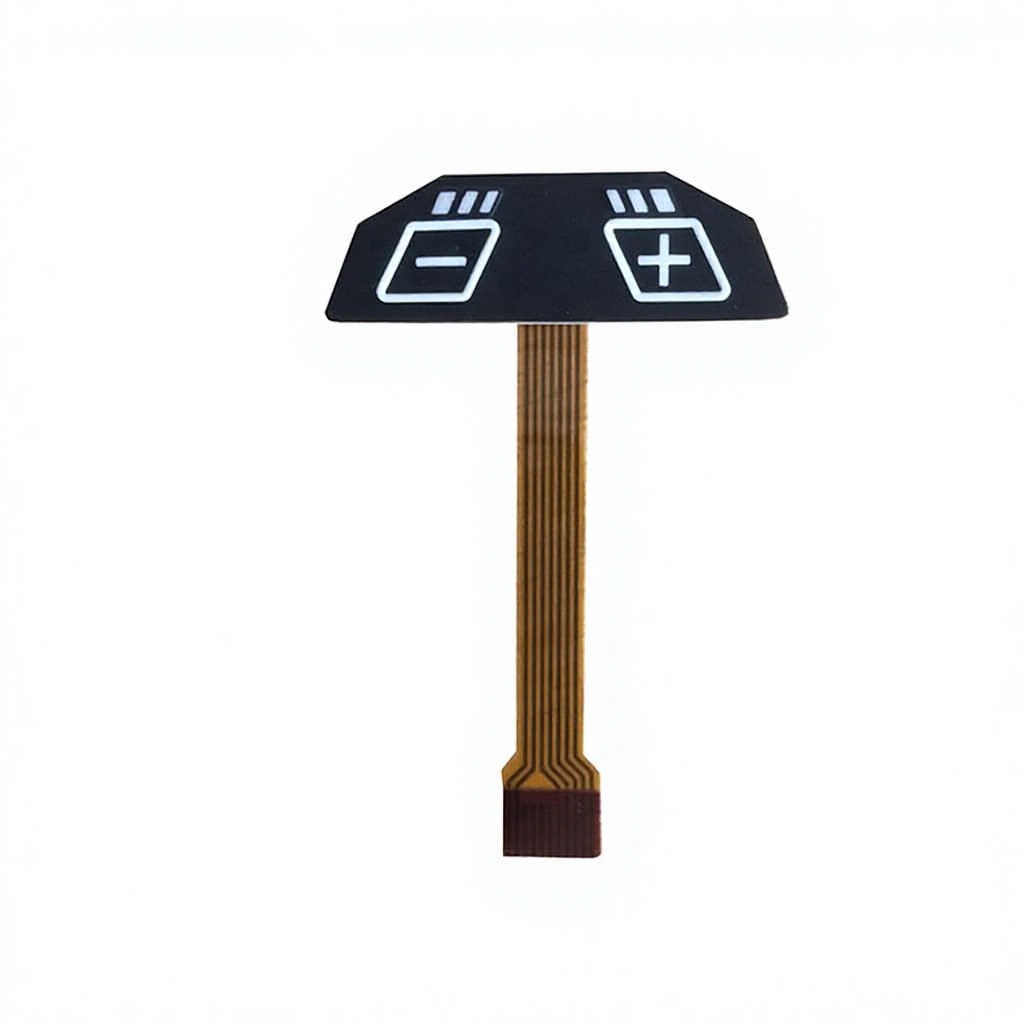
Customized Multi-Layer Printed Silver Circuit Keypad
Multi-layer screen printed polymer thick film (PTF) silver traces with UV dielectric crossovers, precision pitch, and integrated overlay.
View ArchitectureEngineered for harsh operating environments across industrial automation, diagnostic medical equipment, aerospace instrumentation, and high-reliability commercial electronics.
Multi-layer screen printed polymer thick film (PTF) silver traces with UV dielectric crossovers, precision pitch, and integrated overlay.
View Architecture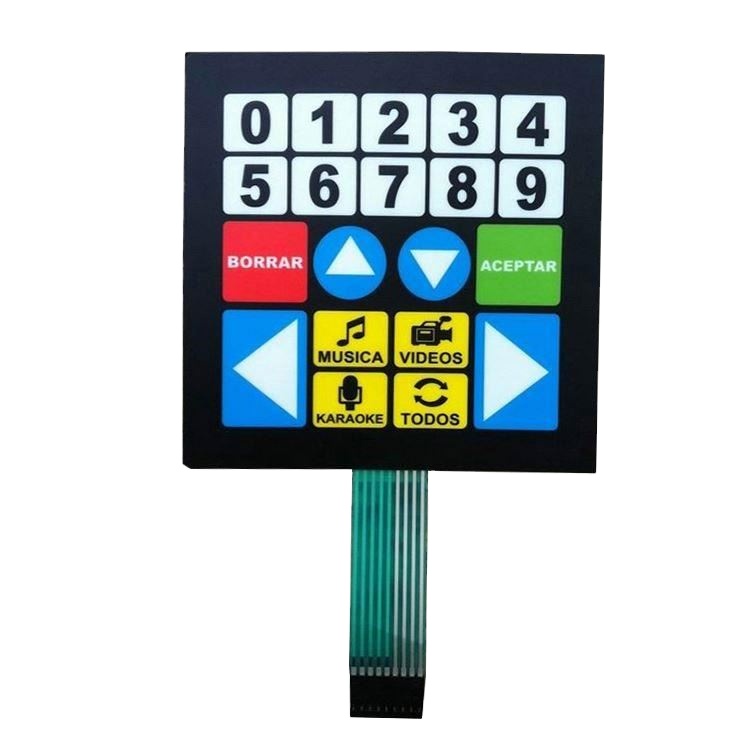
Autotex textured PET front panel with tactile stainless-steel dome integration for high-repetition industrial PLC machinery.
View Architecture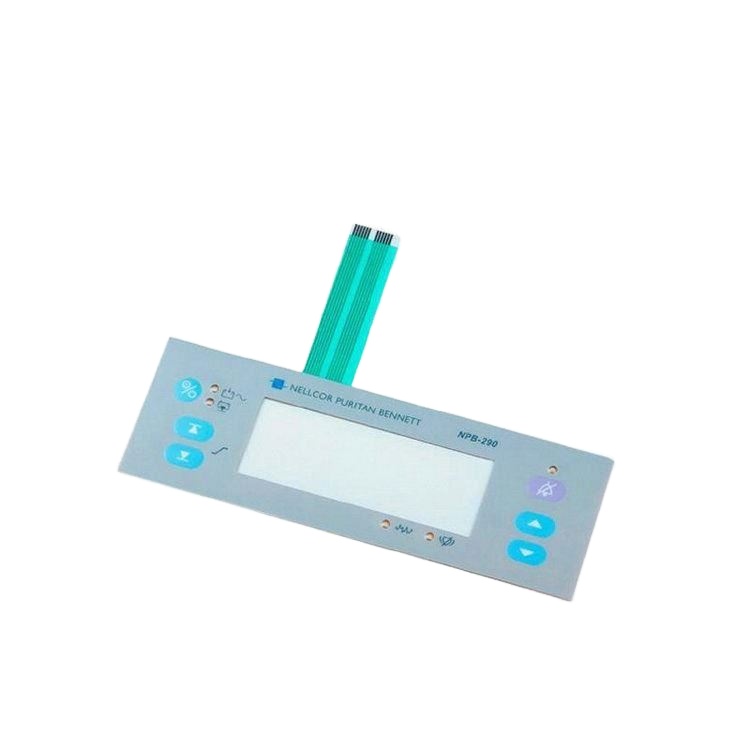
Ultra-thin form-factor with high-flexibility conductive silver paths, standard 2.54mm pitch female crimp flex tail termination.
View Architecture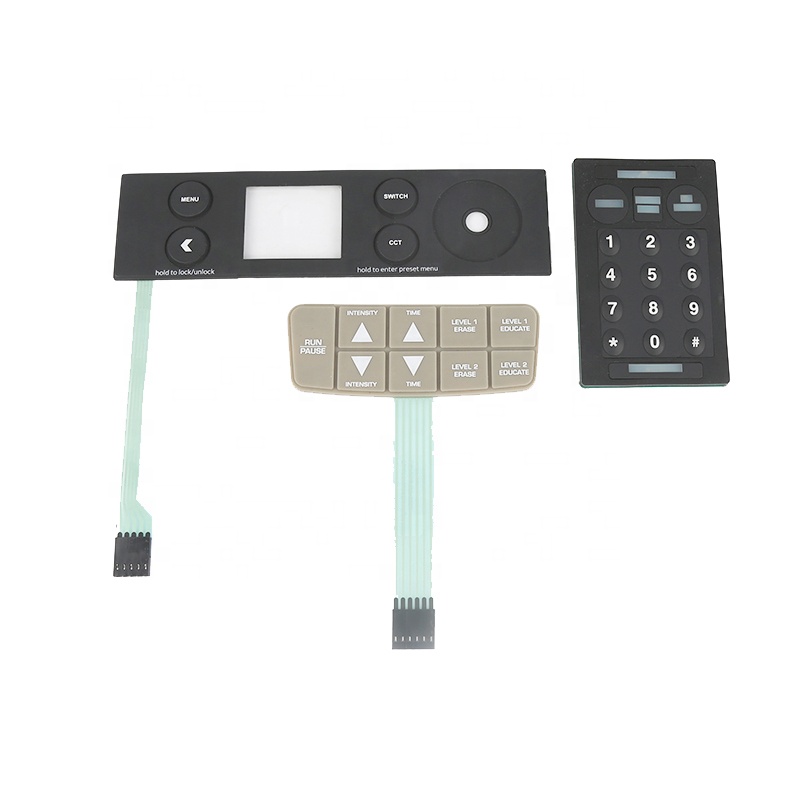
Constructed with medical-grade 3M adhesive backing and gold-plated nickel domes providing distinct tactile feedback and clean wiping action.
View Architecture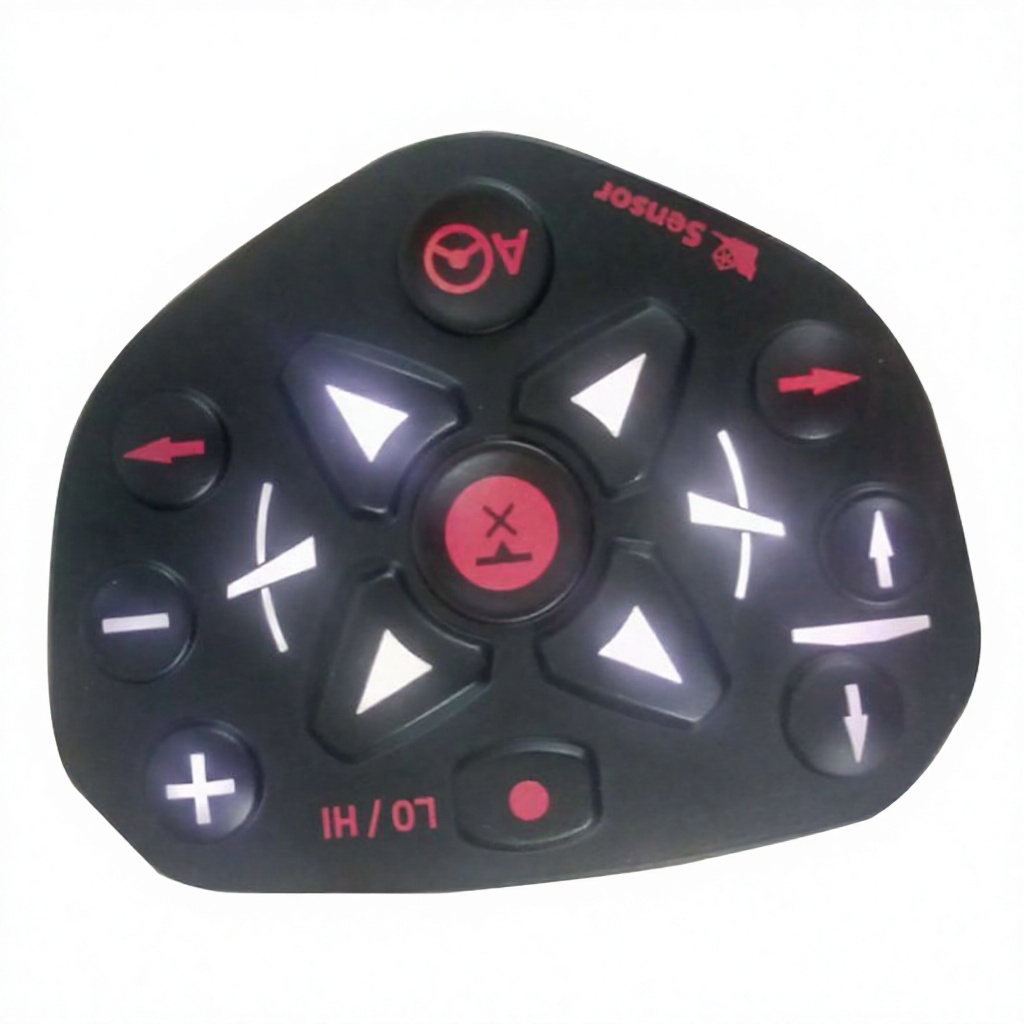
Optical micro-dot pattern PC layer distributes edge-lit SMT LED output evenly across control legends without light leakage.
View Architecture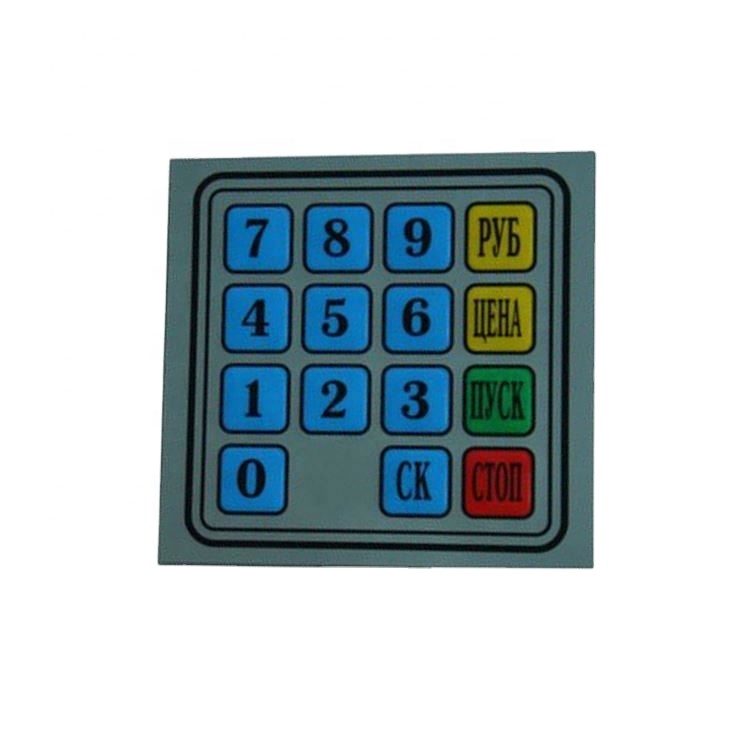
Hybrid matrix construction combining molded elastomeric silicone buttons with fine-pitch silver traces for microcontrollers.
View Architecture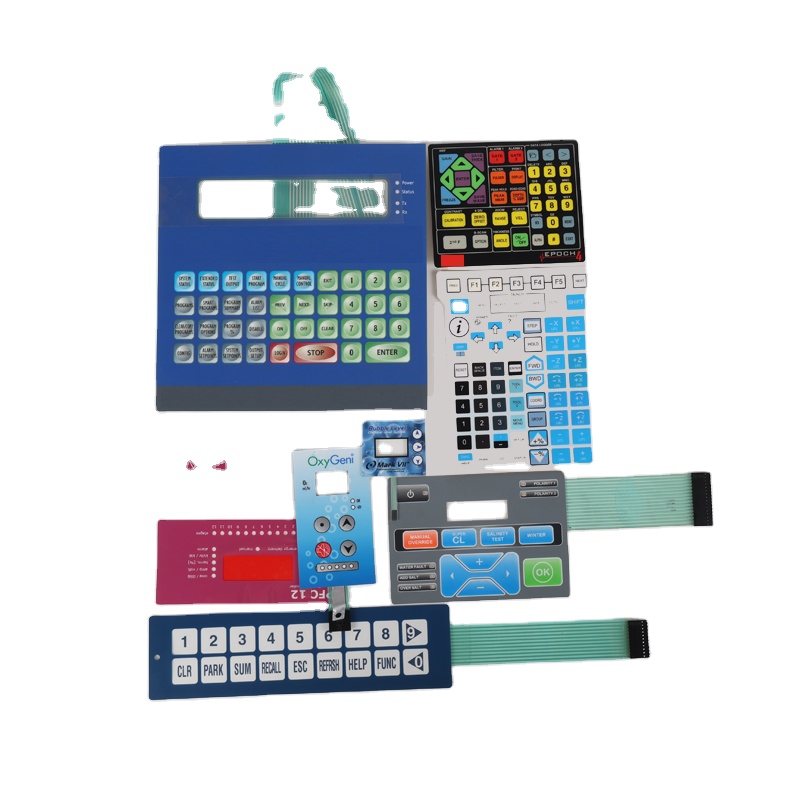
Perimeter gas-tight gasket seal combined with carbon-over-silver tracks ensures resilience against wash-downs and chemical sterilization.
View Architecture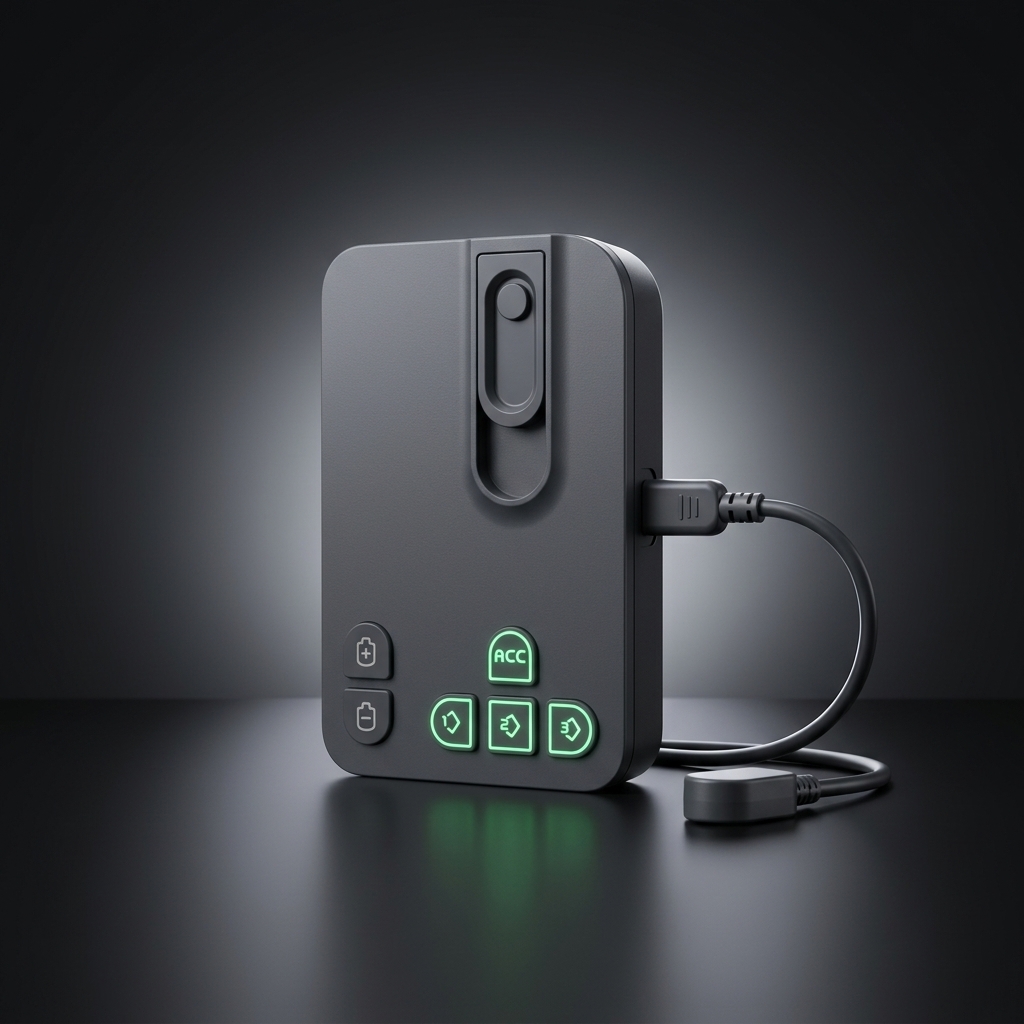
RoHS-compliant integrated assembly with laser-etched silicone elastomer keypads and multi-color electroluminescent panels.
View ArchitectureAn authoritative engineering overview of conductive metallurgy, substrate selection, dielectric crossover integrity, and environmental stability.
Flexible conductive circuits built on screen-printed Polymer Thick Film (PTF) silver paste represent the pinnacle of cost-to-performance efficiency in modern human-machine interface (HMI) design and signal distribution networks. Unlike traditional etched-copper polyimide Flexible Printed Circuits (FPCs) which involve subtractive chemical etching, silver flex circuits utilize additive manufacturing. High-purity conductive silver flakes suspended in thermoplastic polymer resins are precision screen-printed directly onto heat-stabilized polyester (PET) substrates. This manufacturing paradigm slashes upfront tooling investments by up to 65% while providing rapid turnaround for multi-layer routing.
Conductive silver inks calibrated to achieve trace resistance under 0.05 Ω/sq/mil, allowing extended flex tail lengths without significant signal drop.
Continuous perimeter sealing tracks bonded with 3M 200MP and 300LSE acrylic systems create a closed envelope meeting IP65 to IP67 standards.
Optimized curing schedules and resin binders permit a 180° flex bend radius down to 2.0mm without trace cracking or micro-fissuring.
| Performance Parameter | Silver Flex Circuit (PET) | Polyimide Etched FPC | Rigid FR-4 PCB |
|---|---|---|---|
| Base Substrate | Heat-stabilized PET (50μm – 125μm) | Polyimide (PI / Kapton) | Glass-reinforced Epoxy (0.4 – 1.6mm) |
| Conductor Methodology | Screen-printed PTF Silver + Carbon | Subtractive Etched Copper Foil | Etched Copper Clad |
| Contact Resistance | < 1.0 Ω (Tail to contact pad) | < 0.1 Ω | < 0.05 Ω |
| Tooling Cost & Lead Time | Low cost / 5 to 7 Days Proto | Medium to High / 10 to 14 Days | Medium / 7 to 10 Days |
| Actuation Lifetime (Tactile) | > 1,000,000 Cycles (Metal Dome) | > 5,000,000 Cycles | > 5,000,000 Cycles |
| Operating Temperature | -40°C to +85°C | -40°C to +125°C | -40°C to +130°C |
Strategic supply chain analysis for engineering directors and sourcing professionals planning next-generation HMI platforms.
The convergence of In-Mold Electronics (IME) with silver flex circuits allows capacitive touch sensors and conductive traces to be directly thermoformed into 3D plastic bezels, eliminating internal wiring harnesses.
Adoption of sub-micron silver flakes and particle sintering inks is cutting trace width down to <100μm, allowing high-density interconnects (HDI) suitable for compact medical wearables and wearable telemetry.
Tier-1 procurement organizations are shifting away from fragmented sub-assembly networks, prioritizing consolidated OEM/ODM factories capable of handling silk-screen printing, laser routing, and automated optical testing under one roof.
Founded in 1996 in Ningbo, Zhejiang ZIRA Membrane Switch Co., Ltd. delivers verified manufacturing rigor verified through Intertek onsite audits.
With an annual manufacturing capacity servicing North America, Western Europe, South America, and Oceania, our operation blends three decades of empirical formulation knowledge with modern automated production lines. Direct factory capabilities include:
Production facility, quality management protocols, and export certifications are independently inspected and verified onsite by Intertek.
Strategic, high-volume production supplier for Fortune 500 automation icons including Emerson and ABB, meeting strict zero-defect thresholds.
From class-10,000 cleanroom printing to CNC die-cutting, embossing, SMT component placement, and 100% automated circuit testing.
Detailed answers resolving common design-for-manufacturing (DFM), electrical limits, and international delivery queries.
For standard volume production on PET, our standard design guidelines specify 0.38mm (15 mil) minimum trace width and 0.38mm space. In precision high-density applications, we maintain down to 0.20mm (8 mil) using high-mesh polyester and stainless steel printing screens.
While silver does not oxidize readily like copper, it is vulnerable to vulcanization (tarnishing via sulfur) and silver migration. We print an overcoat of conductive graphite carbon paste over all contact switch fingers and crimp connector pads, followed by a pinhole-free UV dielectric insulator.
Engineering prototypes and DFM verification samples can be fabricated and shipped within 5 to 7 business days following artwork sign-off. Full OEM production volumes typically complete within 12 to 18 business days depending on custom tooling and embossing complexities.
We support industry-standard Nicomatic and FCI Clincher female housing connectors (2.54mm pitch), solder-free male crimp terminals, bare silver contact fingers designed for standard Zero Insertion Force (ZIF) sockets, and anisotropic conductive film (ACF) bonding pads.
Yes. Because PET cannot survive standard reflow soldering temperatures, we employ high-shear conductive isotropic epoxy adhesives (ECA) dispensed automatically, followed by UV-cured structural potting to ensure mechanical vibration stability.
Prototypes are supported from 1 piece for engineering evaluations. Standard repeat production batches start at 100 pieces. Commercial delivery terms supported include FOB, CIF, EXW, CIP, CPT, and DDP with payments via T/T, L/C, D/P, or Western Union.
Submit your DXF/DWG mechanical files, circuit schematic, or functional pinout specifications. Our engineering team provides comprehensive DFM reviews and detailed quotations within 24 hours.
Send an Inquiry