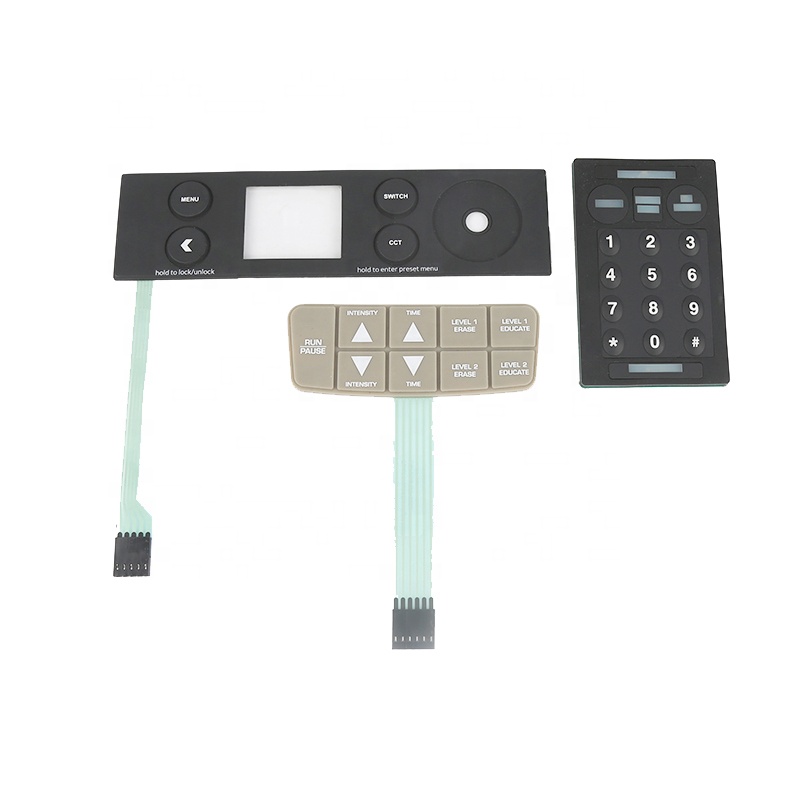
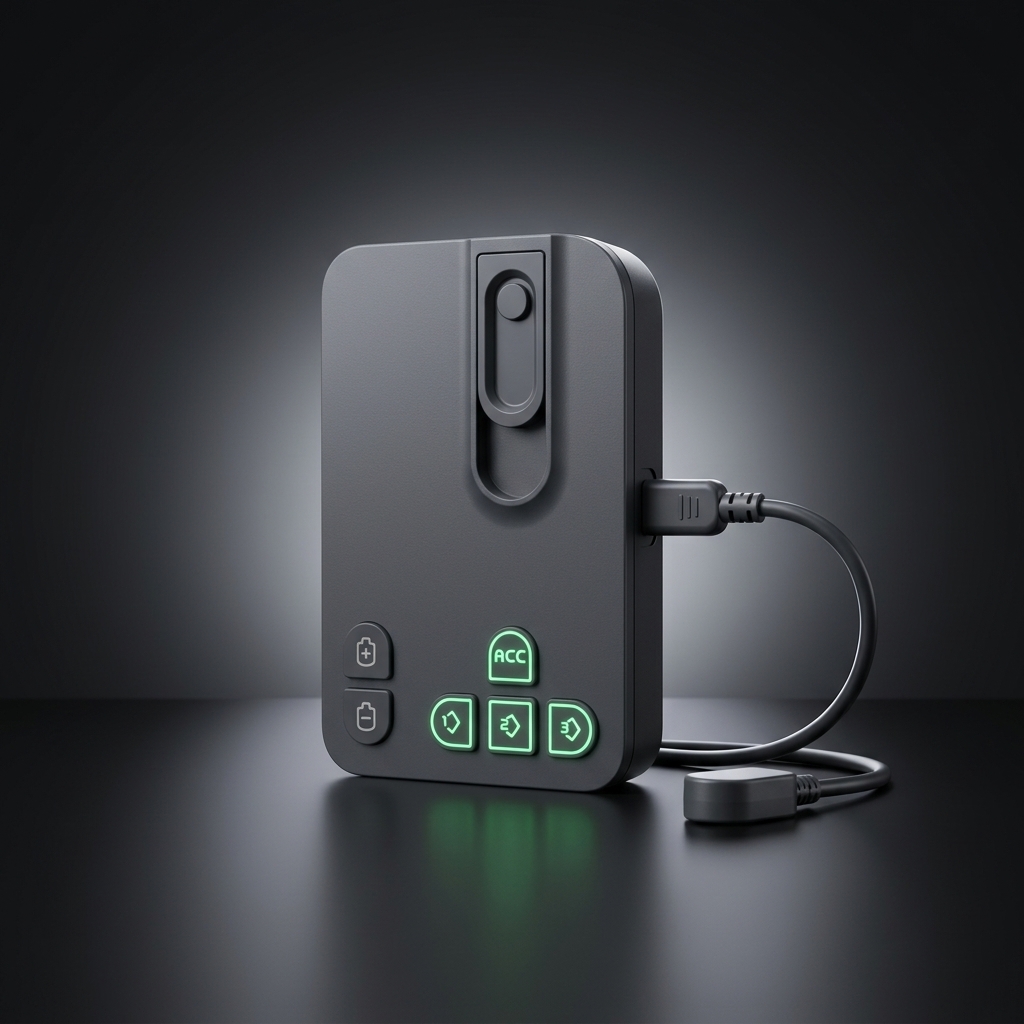
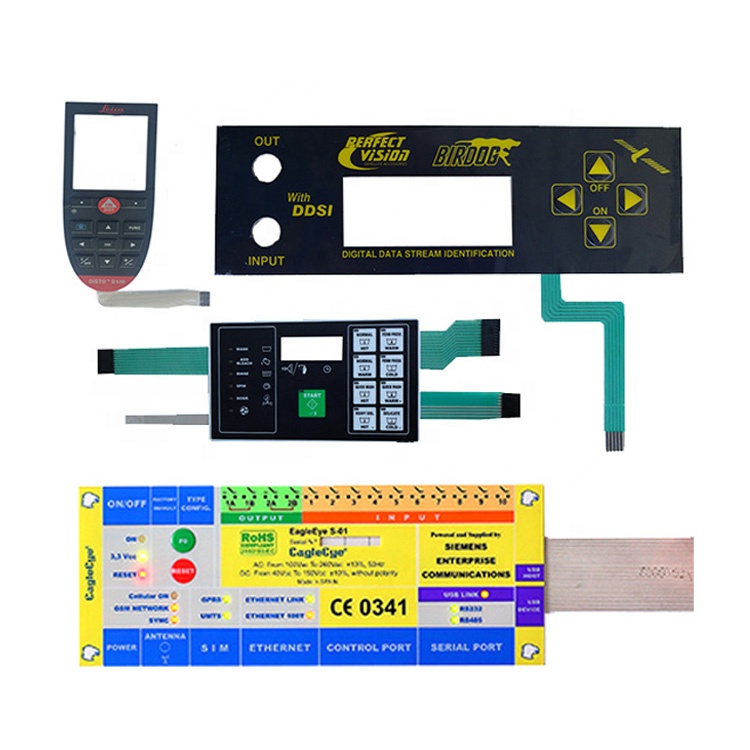
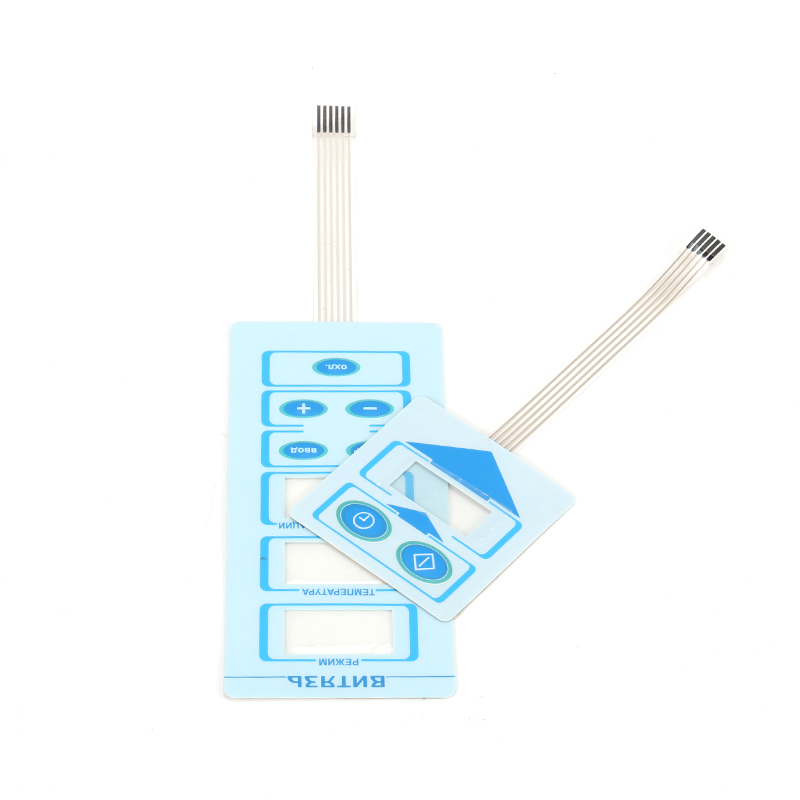
What design files and specifications are needed to initiate an OEM quotation?
To provide an actionable engineering review and quotation within 24 hours, we require: (1) Vector mechanical drawings outlining perimeter cuts, display window apertures, and LED positions (DXF, DWG, PDF, or STP); (2) Graphic artwork specifying exact Pantone or RAL color codes and texture requirements (AI, EPS, or CorelDraw); (3) Electrical schematic showing matrix or common-bus pin-outs, trace loop resistance constraints, and connector termination pitch (standard 2.54mm or 1.0mm ZIF); and (4) Environmental parameters detailing operating temperatures, chemical wash exposures, and IP rating targets. Physical samples are also accepted for reverse engineering.
How do you prevent silver migration and conductor failures in high-humidity applications?
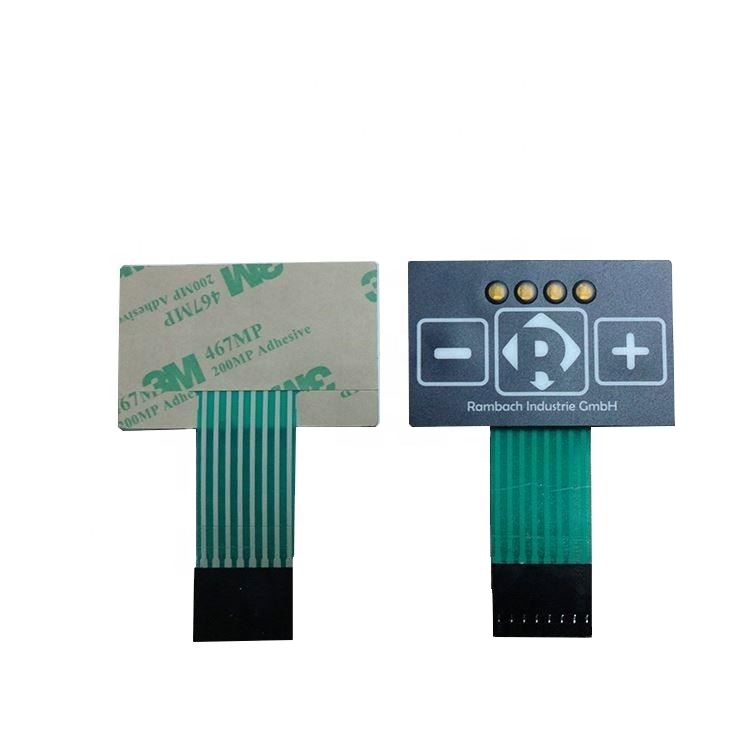
Silver migration occurs when moisture condenses across energized silver traces under DC voltage bias, precipitating dendritic silver growths that create inter-trace shorts. ZIRA mitigates this risk through a three-tier defense protocol: First, we mandate trace layout spacing rules based on operating voltage. Second, we screen print a pinhole-free conductive carbon or dielectric overcoat over all silver conductors, physically shielding the metallic silver from atmospheric exposure. Third, we utilize high-cohesion acrylic adhesive borders (such as 3M 200MP/300LSE series) that create a hermetic barrier preventing ambient water vapor intrusion into the trace cavity.
What is the difference between Metal Dome vs. Polydome (Polyester Dome) switches?
Metal domes are stamped stainless steel elements (often nickel or gold-plated) placed inside the switch cavity. They deliver an unmistakable, sharp tactile snap, endure over 1,000,000 to 5,000,000 actuations, and maintain consistent mechanical actuation across severe thermal ranges (-40°C to +85°C). Polydomes are formed directly into the PET film layer via thermal or hydro-forming dies. Polydomes offer lower unit production costs for massive volume orders and quieter operation, but have shorter lifespans (typically 500,000 to 1,000,000 cycles) and tend to soften or degrade tactile snap at elevated temperatures.
What testing procedures do you execute before shipment dispatch?
100% of finished switches undergo automated electrical testing on multi-channel circuit analyzers before packaging. Every switch is validated for open circuits, short circuits, switch contact resistance (typically kept under 100 Ohms depending on trace length), insulation resistance (greater than 100M Ohms at 100V DC), and LED diode functionality (forward voltage and chromaticity verification). In parallel, batch statistical sampling undergoes tactile force-displacement graphing, cross-hatch ink adhesion testing (ASTM D3359), life-cycle testing under robotic pneumatic actuators, and environmental thermal chamber cycling.
What are the accepted international trade terms (Incoterms) and payment structures?
As an Intertek-assessed manufacturer with extensive international trade history, we offer complete global shipping terms including FOB (Ningbo/Shanghai), CIF, EXW, CIP, CPT, and DDP (Delivered Duty Paid directly to your assembly facility). We accept transactions in USD, EUR, HKD, and CNY via wire transfer (T/T), Letter of Credit (L/C), D/P, D/A, and Western Union. For standard prototyping orders, tooling setup and sampling can be initiated immediately upon CAD approval.