High-Performance OEM/ODM Capacitive & Membrane Product Catalog
Explore standard and fully customized front panel interfaces engineered with precision screen-printed silver circuits, Copper Flex FPC, Light Guide Film (LGF), and optical-grade graphic overlays.
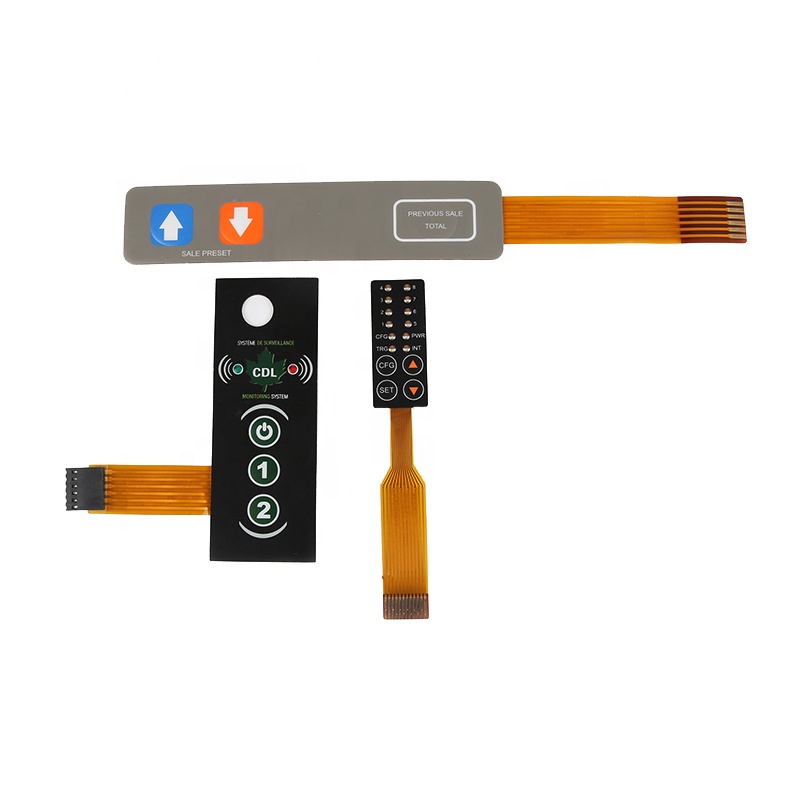
High-Performance OEM Membrane Key Switch with LED Backlight for Control Panels
Integrated SMD LEDs, ultra-thin light guide distribution, IP65 sealed front overlay engineered for medical diagnostic consoles and machine automation.
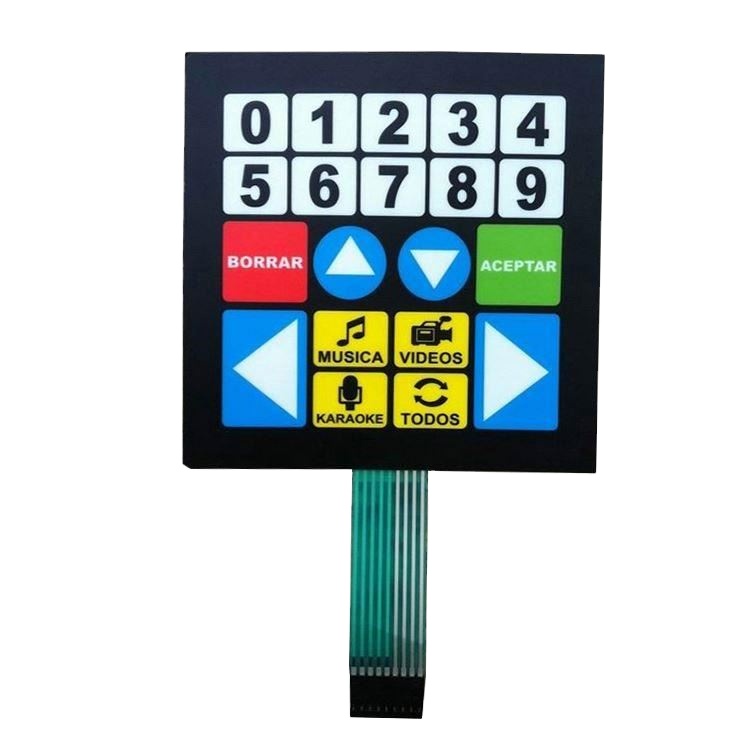
OEM ODM Custom Membrane Switch Keypad, PET PC Graphic Overlay Tactile Push Button
Stainless steel metal domes, textured Autotex PET film, debossed key borders, and chemical-resistant industrial control panel enclosure seals.
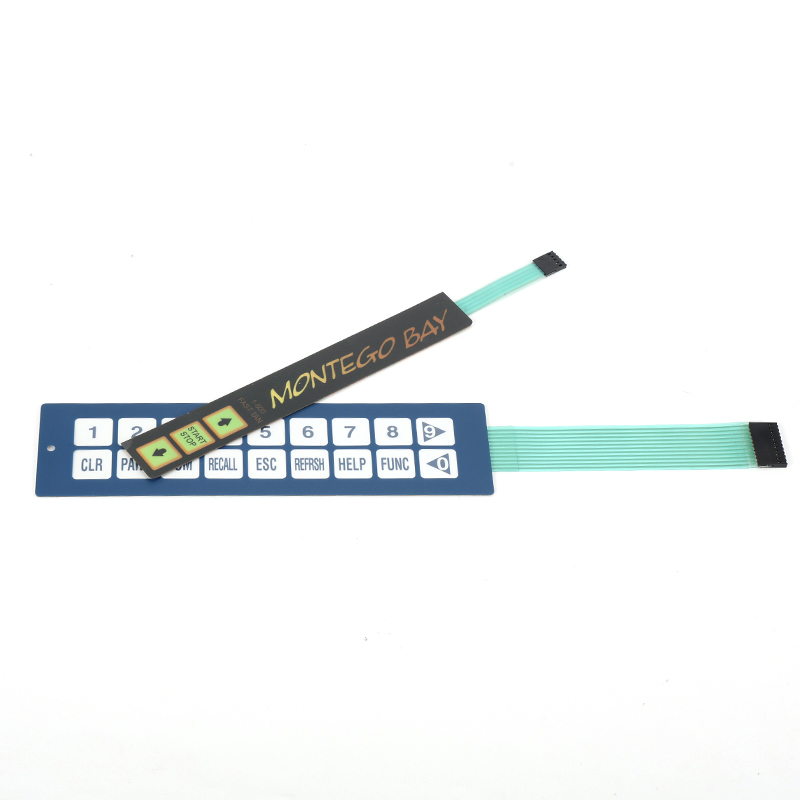
Long-Lasting High Durability Membrane Keypad for Electronic Appliances & Devices
Rated for over 5 million switch actuations, utilizing multi-layer dielectric crossover insulators, 3M 467MP adhesive backing, and anti-static ESD shielding.
Custom LED EL Backlit Membrane Switch Keypad OEM ODM, PC Graphic Overlay RoHS
Uniform light guide film (LGF) micro-dot matrix technology, flexible printed circuits (FPC), RoHS certified, designed for military and aerospace HMIs.
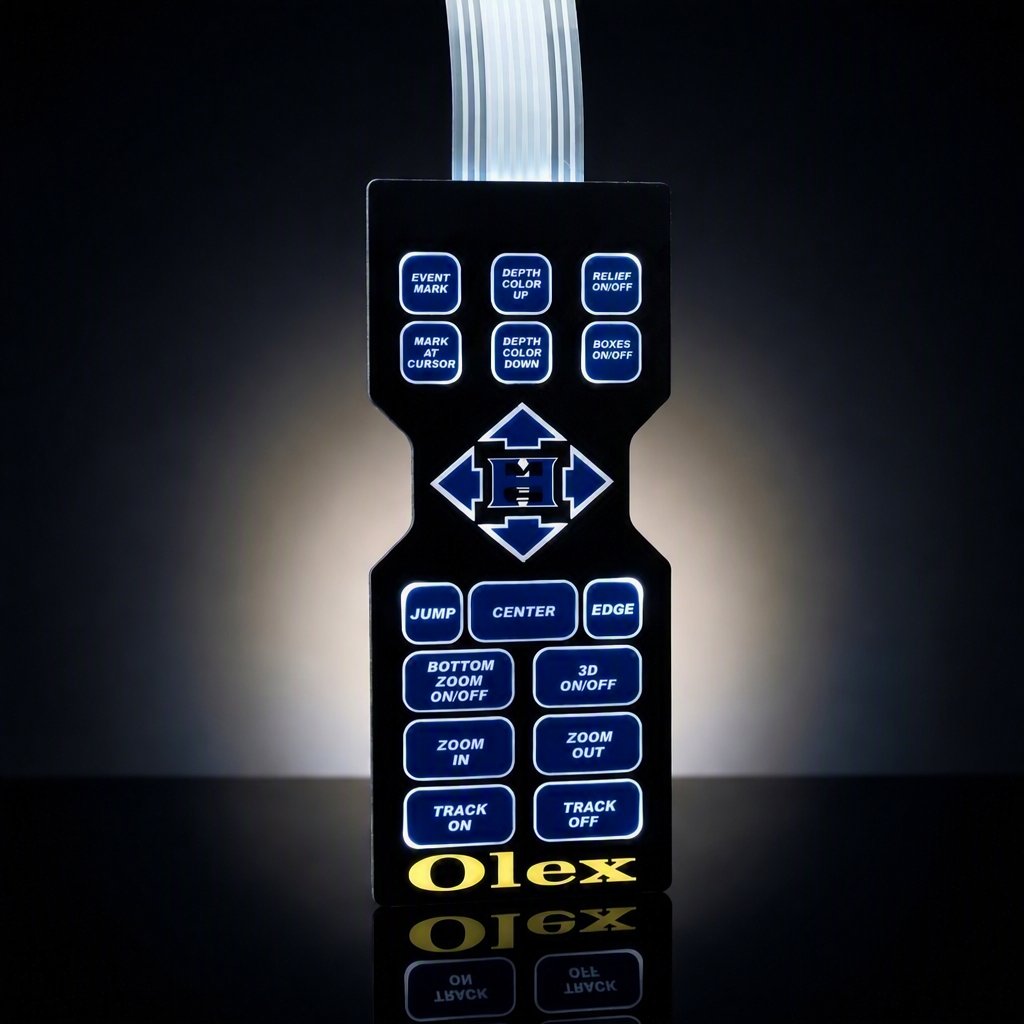
Free Backlight Simulation & Light Guide Design Support Customized Illumination Keyboard
Complete optical ray-tracing analysis, lux luminance simulation, hot-spot mitigation, and custom phosphor EL sheet prototyping for mission-critical instruments.
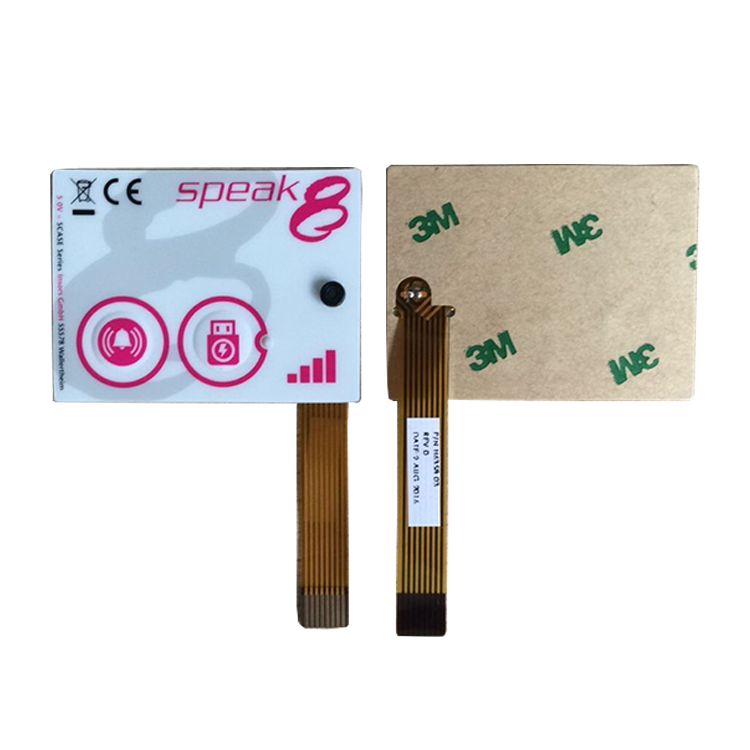
Custom Silk Screen Flexible Membrane Switch Keypad for Household & Medical
Antibacterial hard-coated polyester surface, hermetically sealed perimeter barrier, non-porous wipeable surface resistant to harsh hospital chemical disinfectants.
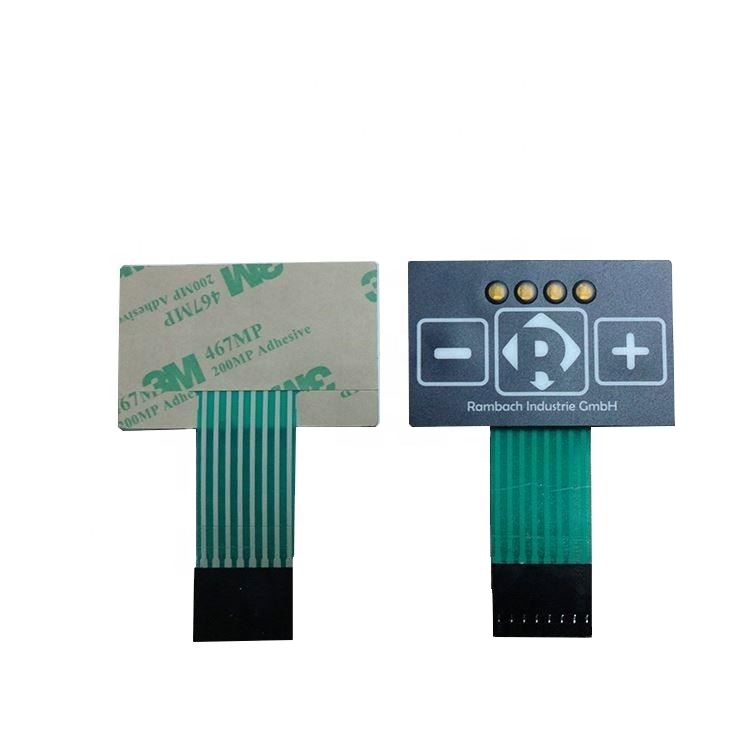
Custom Thin Film Illuminated Panel Lgf/LED Backlight Membrane Switch for Electronics
Low profile total thickness under 0.8mm, side-firing white and RGB LEDs, laser-etched light guide diffusion layers ensuring zero hot-spots.
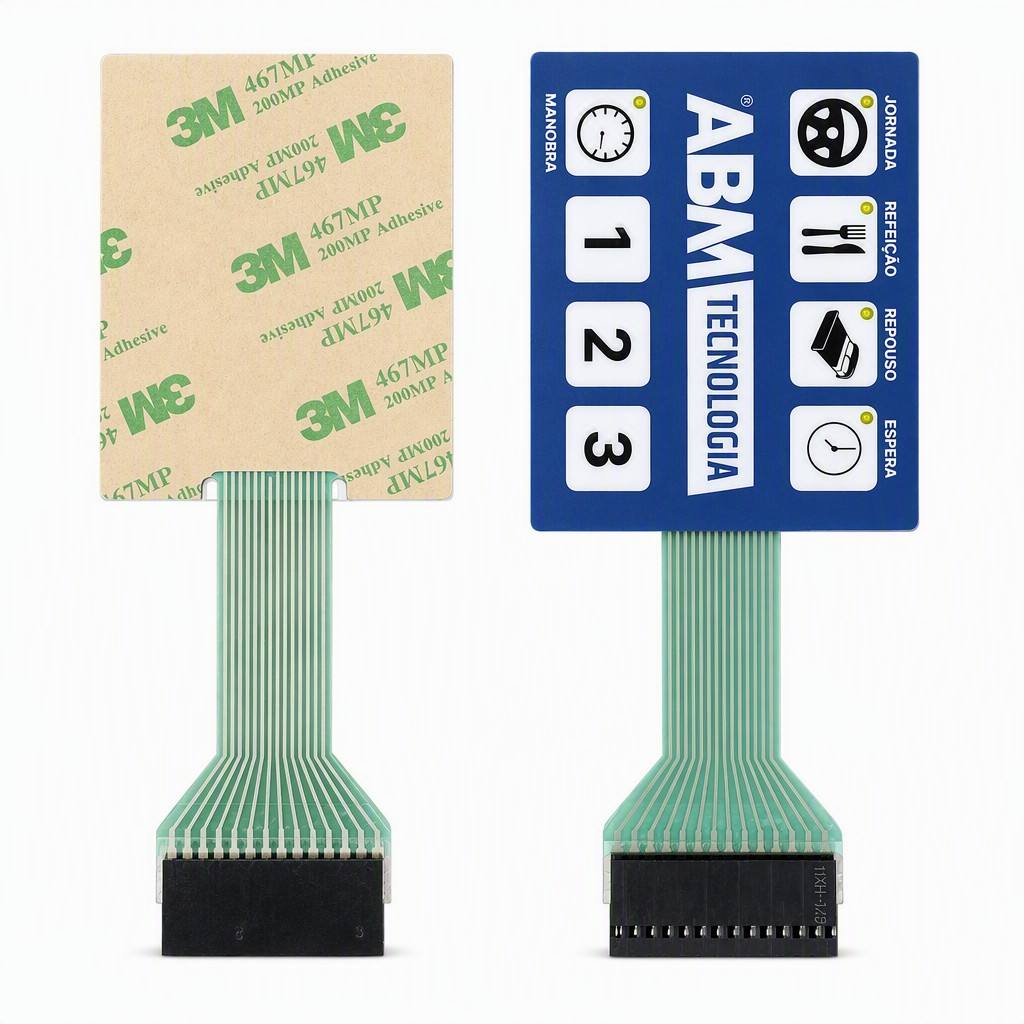
Custom Membrane Switch Industrial Control Panel Keypad Tactile Metal Dome UL94V0
Flame retardant UL94-V0 polyimide core, heavy nickel-plated domes, EMI/RFI aluminum shielding foil, factory direct wholesale with low initial tooling MOQ.
Engineering Principles of Capacitive Membrane Switches: Sensor Geometry, Dielectrics, and Noise Immunity
As industrial, diagnostic, and commercial human-machine interfaces (HMIs) transition from electromechanical actuation toward sleek, seamless, solid-state surfaces, capacitive membrane switch technology has emerged as the premier design choice. Unlike traditional tactile membrane switches that rely on mechanical metal domes collapsing onto printed contact traces, capacitive touch switches operate with zero moving components. This fundamental shift eliminates mechanical fatigue, extends operating lifetimes beyond tens of millions of cycles, and yields an impenetrable front barrier resistant to liquids, chemical sanitizers, dust, and aggressive airborne contaminants.
Mutual vs. Self-Capacitance Sensing
Self-capacitance measures the total capacitance of a single electrode relative to electrical ground. While exceptionally responsive for discrete keypads and wide-spaced button arrays, it is susceptible to "ghosting" when multi-key combinations are pressed. In contrast, mutual-capacitance designs implement orthogonal transmit (Tx) and receive (Rx) conductive grid nodes. Measuring inter-electrode electric flux enables flawless multi-touch tracking, capacitive sliders, rotary wheels, and sophisticated water-rejection algorithms required for outdoor and medical marine controls.
Conductive Layer Substrates: ITO vs. FPC
Transparent capacitive interfaces leverage Indium Tin Oxide (ITO) sputtered onto high-grade optical polyester (PET) films (typically 100–175 μm thickness) delivering visible light transmittance ≥88% with sheet resistances from 50 to 100 Ω/sq. For opaque backlit panels or compact assemblies, double-sided Copper Flexible Printed Circuits (FPC, 0.5 oz or 1 oz RA copper) or ultra-fine screen-printed conductive polymer thick-film (PTF) silver paste provide lower bulk resistance (<0.05 Ω/sq), drastically reducing RC loop latency across expansive panel formats.
Dielectric Overlay Physics & Sensitivity
The touch sensitivity is governed by the classic parallel-plate equation: C = (ε0 · εr · A) / d. Increasing the overlay cover plate thickness (d) diminishes finger coupling capacitance, necessitating materials with elevated relative dielectric constants (εr). Polycarbonate (εr ≈ 2.9–3.0), Polyester (εr ≈ 3.2–3.4), and chemically strengthened Gorilla® glass (εr ≈ 7.0–7.5) require distinct sensor layout dimensions and firmware threshold tunings to prevent false triggers or missed actuations when operators wear heavy industrial gloves.
Capacitive Touch vs. Metal Dome Tactile vs. Silicone Rubber Keypads
A rigorous engineering benchmark detailing physical properties, actuation parameters, environmental sealing, and lifecycle characteristics to guide component selection.
| Evaluation Parameter | Solid-State Capacitive Switch | Tactile Metal Dome Membrane | Conductive Silicone Rubber Keypad | Hybrid Silicone-over-FPC Interface |
|---|---|---|---|---|
| Actuation Mechanism | Electrostatic field perturbation (Zero travel) | Mechanical dome snap (0.2 – 0.6 mm travel) | Elastomeric web collapse (1.0 – 3.5 mm travel) | Silicone keytop triggering metal dome or FPC |
| Operating Lifecycle | > 50 Million cycles (Wear-free) | 1 – 5 Million cycles (Fatigue limited) | 1 – 3 Million cycles (Elastomer fatigue) | 3 – 5 Million cycles |
| Front IP Sealing | IP67 / IP68 / IP69K (True hermetic) | IP65 – IP67 (Edge gasket dependent) | IP65 (Requires mechanical clamping bezel) | IP66 / IP67 (Integrated molded gasket rim) |
| Backlighting Integration | Integrated LGF, RGB micro-LEDs, capacitive icons | Surface-mount LEDs within spacer cutouts | Laser-etched translucent silicone buttons | Dual-color LED light pipes & LGF film |
| Chemical Sanitization | Immune to bleach, IPA, glutaraldehyde, quaternary salts | Excellent with Autotex Steel or Hardcoat PET | Susceptible to swelling from aromatic hydrocarbons | Parylene or PU protective top-coating required |
| ESD Immunity (Air/Contact) | ≥ 15 kV air discharge with continuous shield | 8 – 15 kV with perimeter conductive border | > 12 kV dependent on enclosure wall thickness | ≥ 15 kV with internal grounded grid plane |
| Initial NRE Tooling Cost | Moderate (Phototools, printing screens, test jig) | Low to Moderate (Steel rule dies, emboss tools) | High (Hardened steel compression molds) | Moderate to High (Molds plus circuit tooling) |
Future Procurement Trends in the Global Capacitive Switch Market
B2B electronics procurement directors and supply chain engineers must navigate material transitions, geopolitical risk mitigation, and stringent sustainability standards over the 2025–2030 horizon.
ITO Replacements: Silver Nanowires & Metal Mesh
Traditional ITO sputtering suffers from brittleness upon cyclic thermal flexing and volatile indium supply chains. Leading OEM factories are shifting procurement allocations toward Silver Nanowire (AgNW) and roll-to-roll micro-copper metal mesh films. These novel materials achieve sheet resistances below 15 Ω/sq while tolerating sharp bend radii (<1.5 mm), facilitating radical 2.5D and curved ergonomic human-machine interfaces without risk of micro-crack propagation.
Decoupling Supply Chains & Dual Sourcing
Global supply disruptions have prompted OEMs in North America and Western Europe to prioritize Tier-1 and Tier-2 factories with established vertical integration. Sourcing switches directly from vertically integrated manufacturers (screen printing, precision die-cutting, laser structuring, cleanroom lamination, and automated optical inspection within one plant) reduces freight touchpoints, compresses lead times from 12 weeks to 3 weeks, and eliminates cross-tier subcontractor margin stacking.
PFAS-Free Adhesives & Circular Substrates
With impending European ECHA restrictions on per- and polyfluoroalkyl substances (PFAS) and stringent RoHS/REACH compliance audits, procurement teams are proactively migrating bill-of-materials (BOM) specifications to post-consumer recycled (PCR) optical PET films, bio-based polycarbonates, and solvent-free acrylic transfer adhesives (e.g., 3M 467MP/468MP series) engineered for easy end-of-life disassembly and circular disposal.
Technological Roadmaps: In-Mold Electronics (IME), Haptic Feedback & Smart Backlighting
The boundaries between mechanical faceplates, printed circuits, and display modules are dissolving into seamless smart surfaces.
In-Mold Electronics (IME)
IME unites screen-printed functional circuitry and SMD LEDs directly onto flat films, which are subsequently thermoformed into complex three-dimensional contours and injection-molded with structural resin. This slashes structural mass by up to 70%, shrinks assembly depth down to 2 mm, and eradicates secondary internal wiring harnesses.
Active Piezoelectric & ERM Haptics
The primary barrier to capacitive switch adoption in heavy industrial environments is the lack of tactile tactile confirmation. Modern architectures solve this by bonding miniature piezoelectric disk actuators or Eccentric Rotating Mass (ERM) motors directly behind the capacitive sensor plane, delivering sub-millisecond, crisp haptic pulses that confirm button actuation even through thick protective work gloves.
Micro-Dot Light Guide Film (LGF)
Eliminating unsightly LED hot-spots across large key matrices is achieved via computer-simulated laser-etched Light Guide Films (LGF). By calculating micro-prism extraction dot densities relative to edge-mounted ultra-bright side-emitting LEDs, uniform backlighting is generated across legends with thickness overhead of merely 0.125 mm to 0.25 mm.
Antimicrobial & Hydrophobic Surfaces
Medical, food processing, and public kiosk interfaces increasingly mandate custom chemical surface modifications. Integrating ionic silver or nano-copper antimicrobial agents into UV-cured top texturing lacquers destroys 99.9% of bacterial colonization (ISO 22196 compliance), while oleophobic and hydrophobic coatings prevent oil, fingerprint, and grease contamination.
10-Stage Precision Manufacturing Workflow: From Raw Substrates to 100% Tested HMIs
Every capacitive switch and membrane keypad produced at our Zhejiang manufacturing facilities passes through rigid inline quality inspection gates, ensuring zero defect escape into final OEM assemblies.
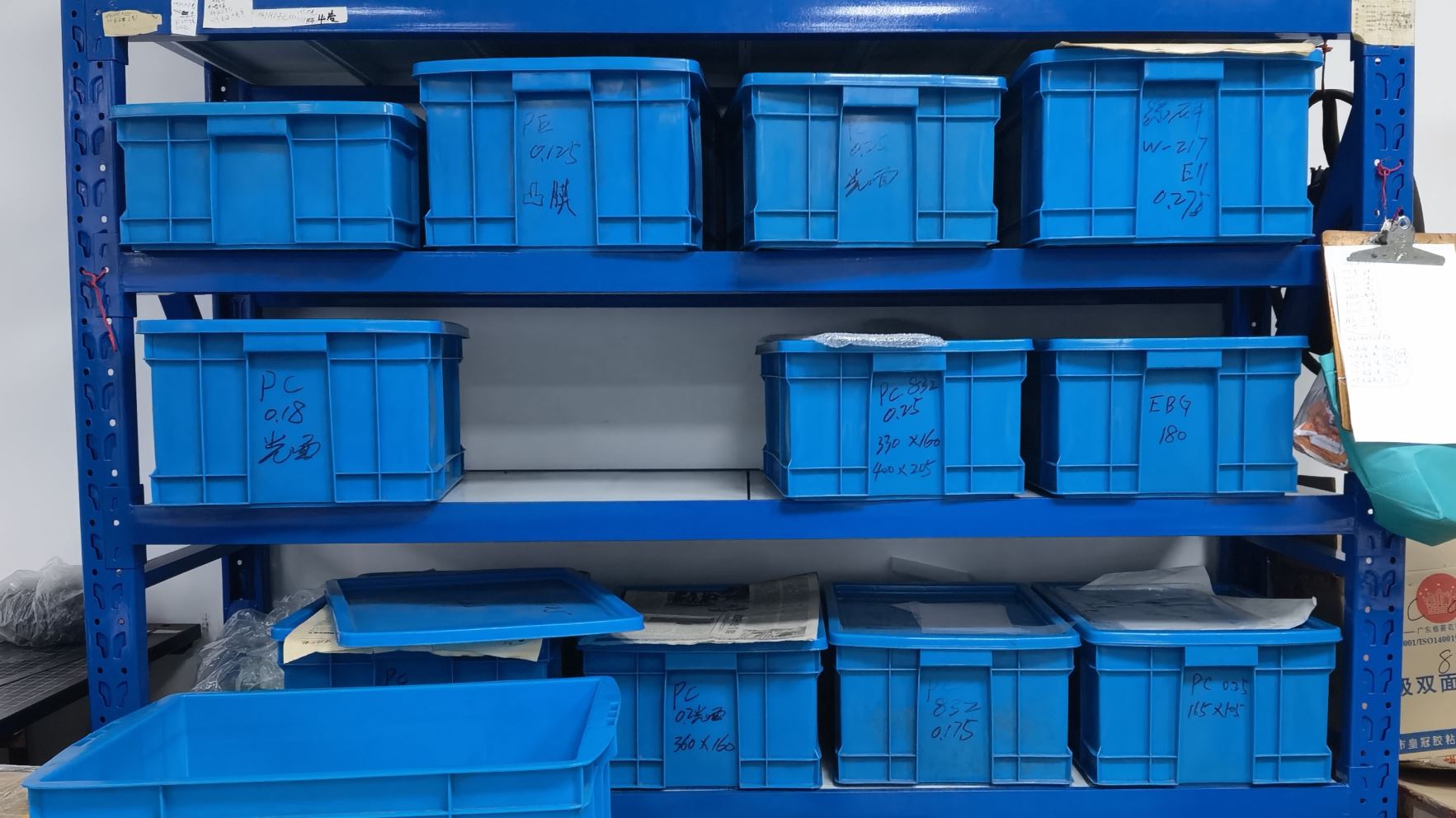
Raw Material IQC
Spectrophotometer color check, dyne surface energy validation on Autotex PET and 3M transfer adhesives.
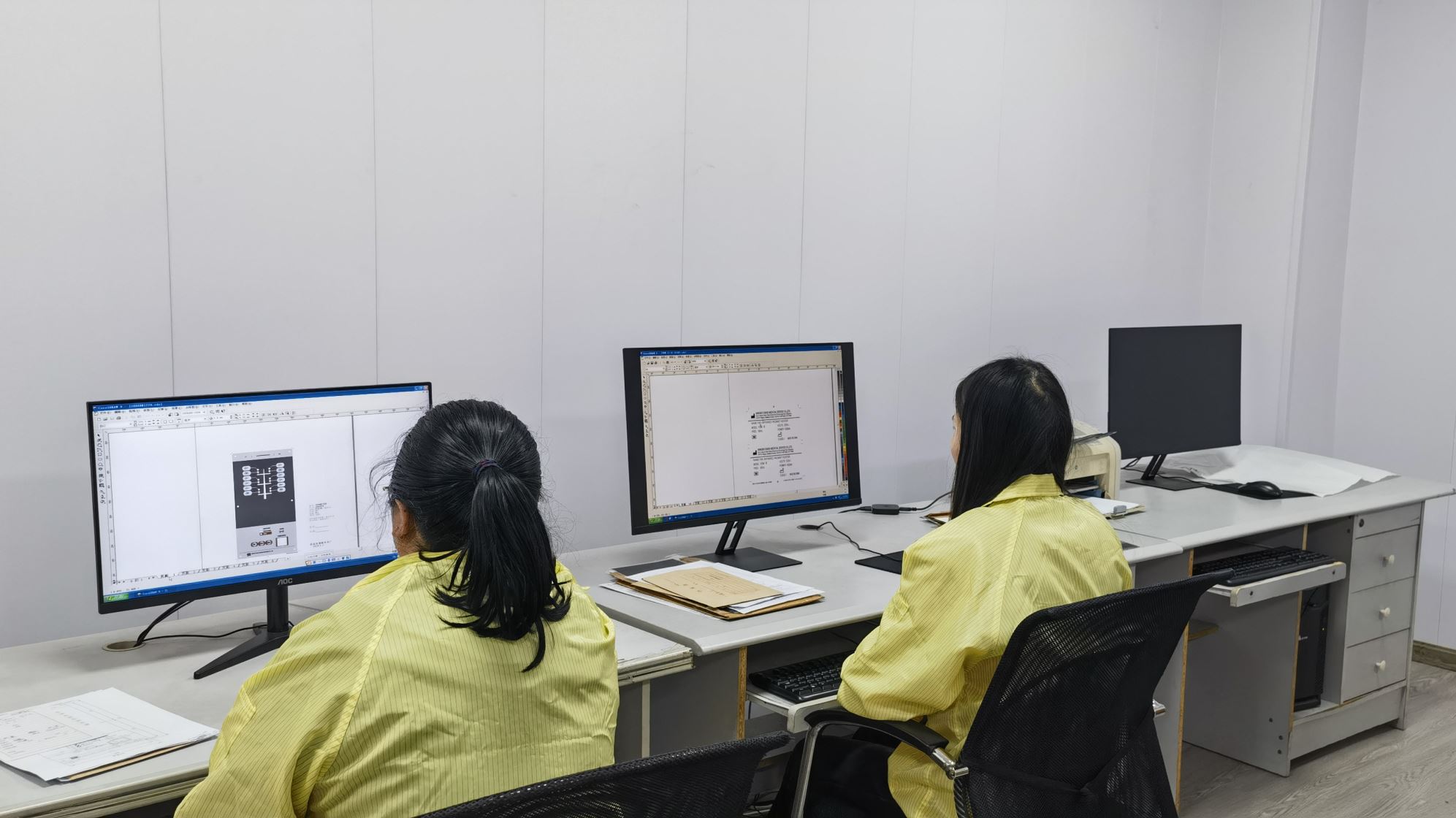
DFM Engineering
Gerber, DXF, and circuit schematic analysis, optimizing capacitive sensor pitch and tail pin-outs.
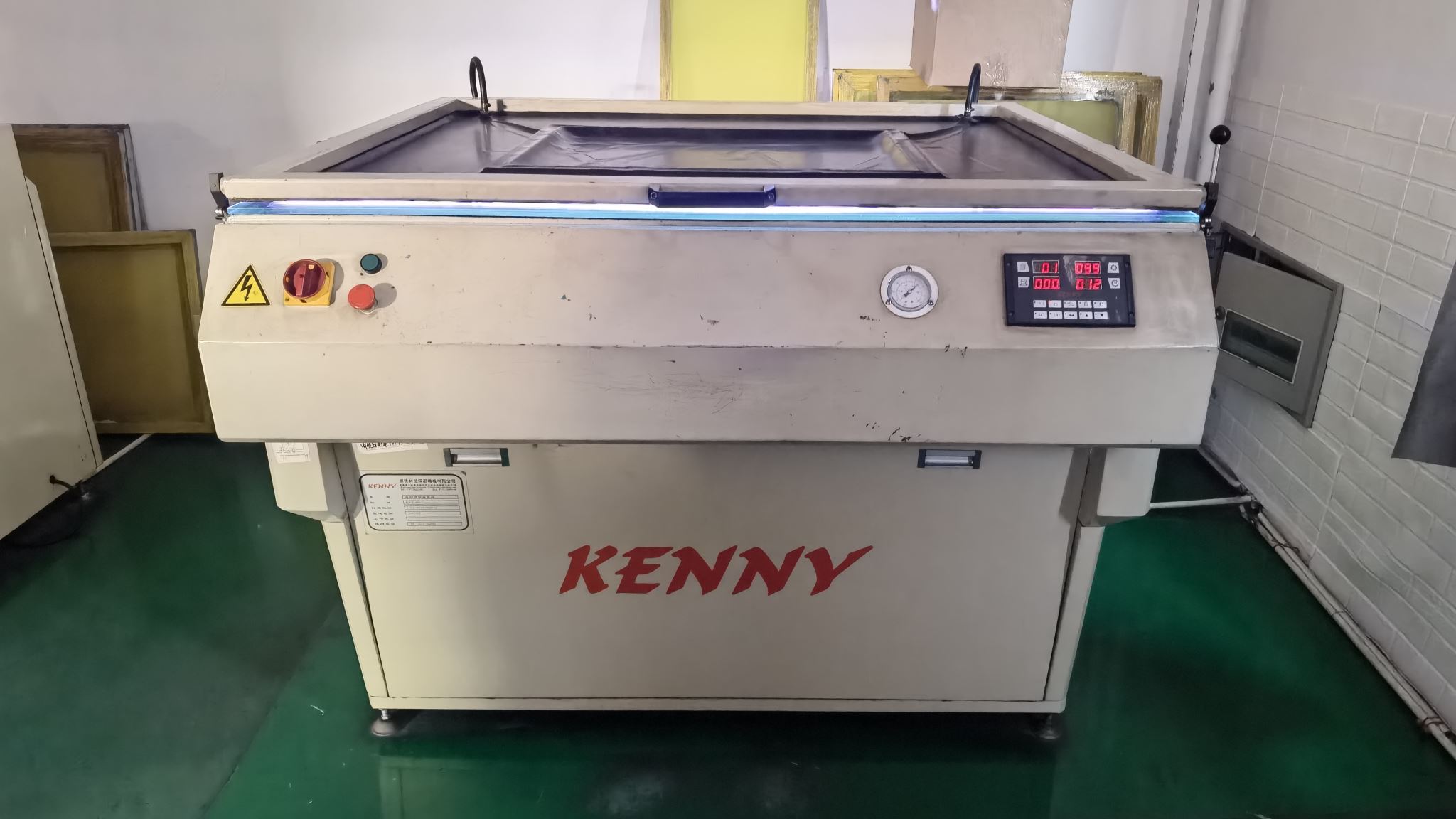
Precision Screen Stenciling
High-tension 300–420 mesh stainless steel and polyester screen preparation in cleanroom environments.
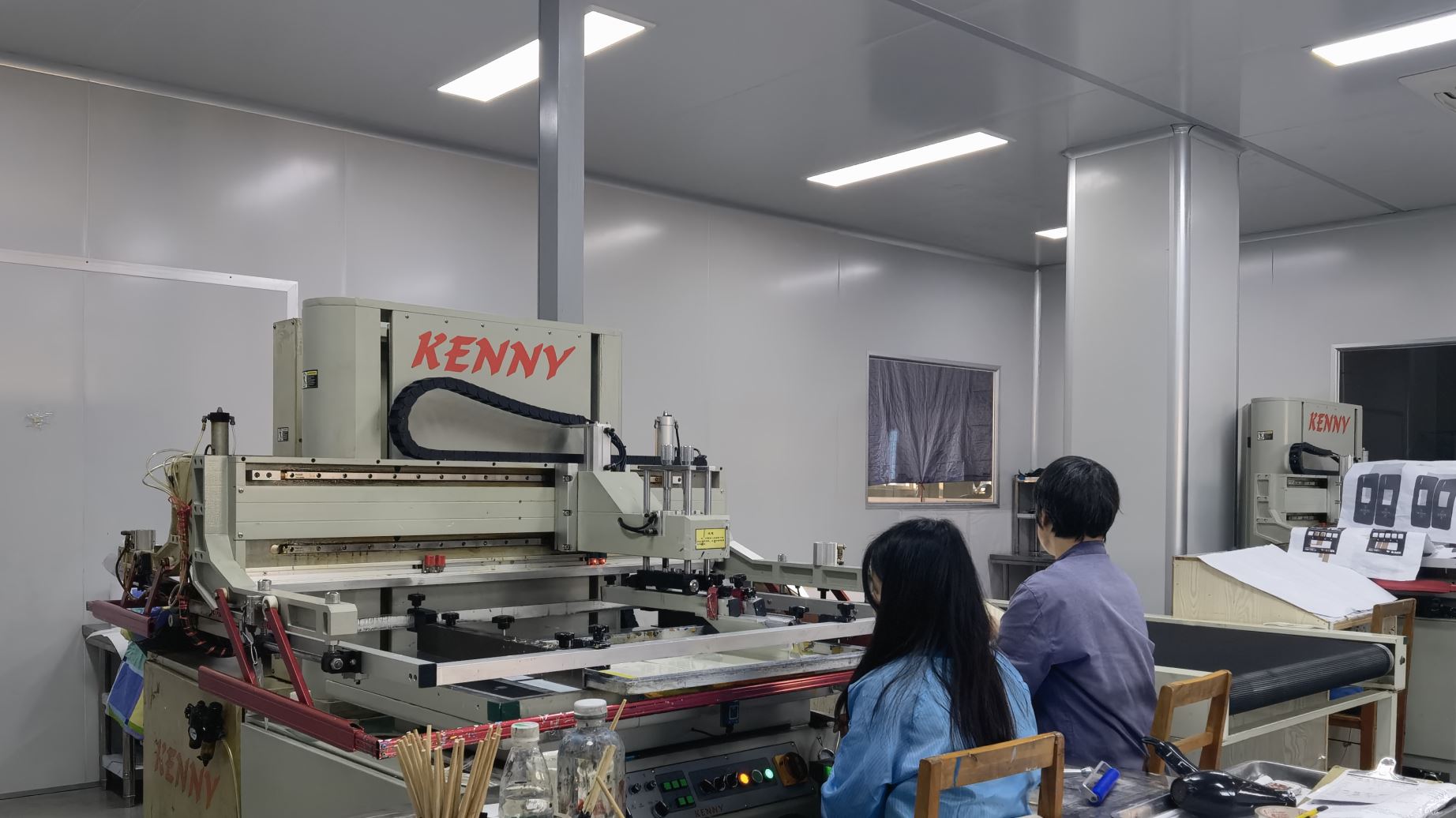
Class 10,000 Screen Printing
Automatic alignment silk-screening of conductive silver traces, carbon overcoats, and vibrant Pantone graphics.
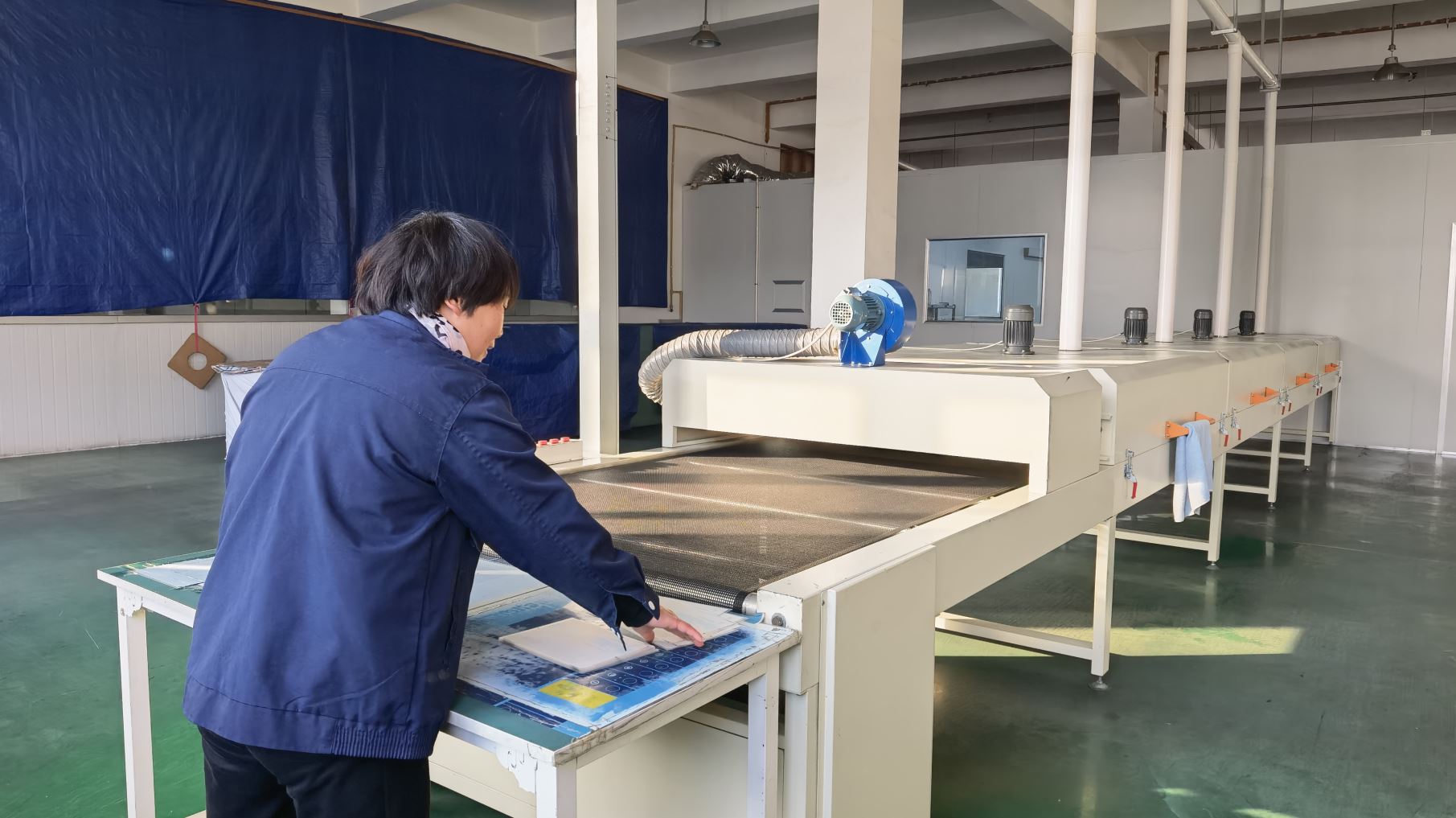
Thermal Tunnel Curing
Multi-zone infrared and convection baking ensures absolute ink cross-linking and ultra-low track resistance.
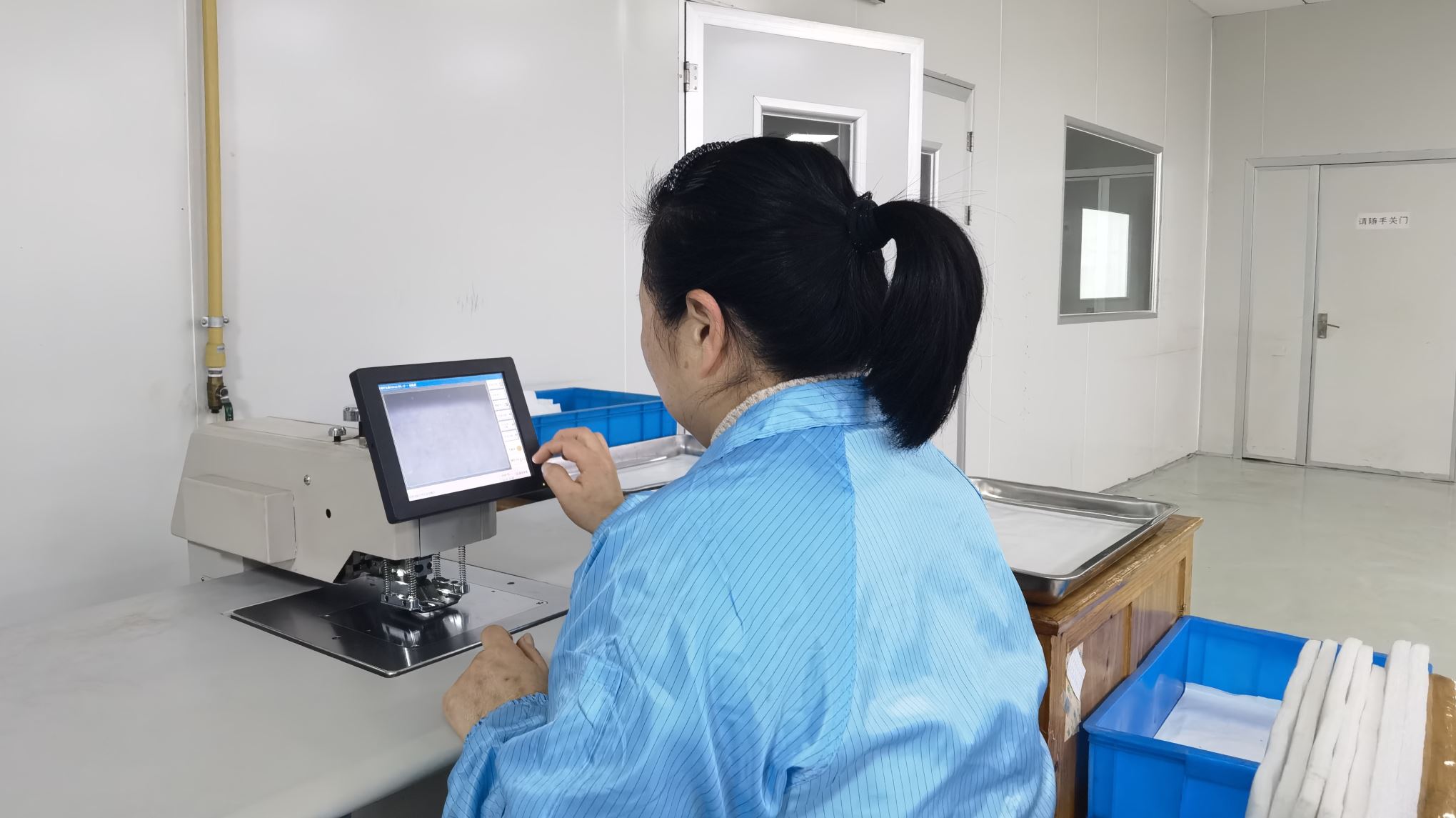
CCD Optical Punching
High-precision optical recognition cameras register pilot holes within ±0.05 mm mechanical tolerances.
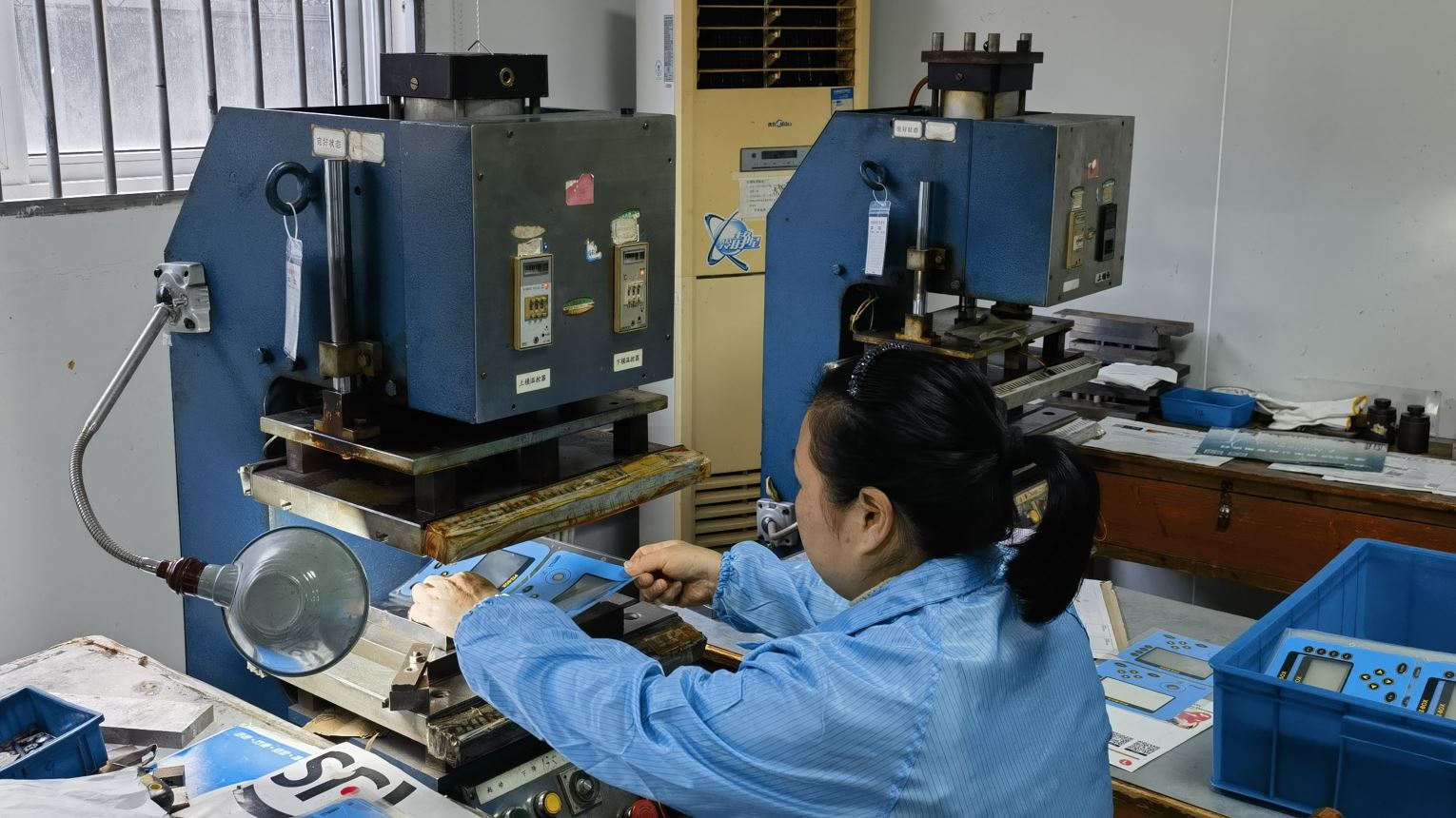
Hydroforming & Embossing
Pillow, rim, or dome thermo-embossing providing physical boundaries around active touch switch fields.
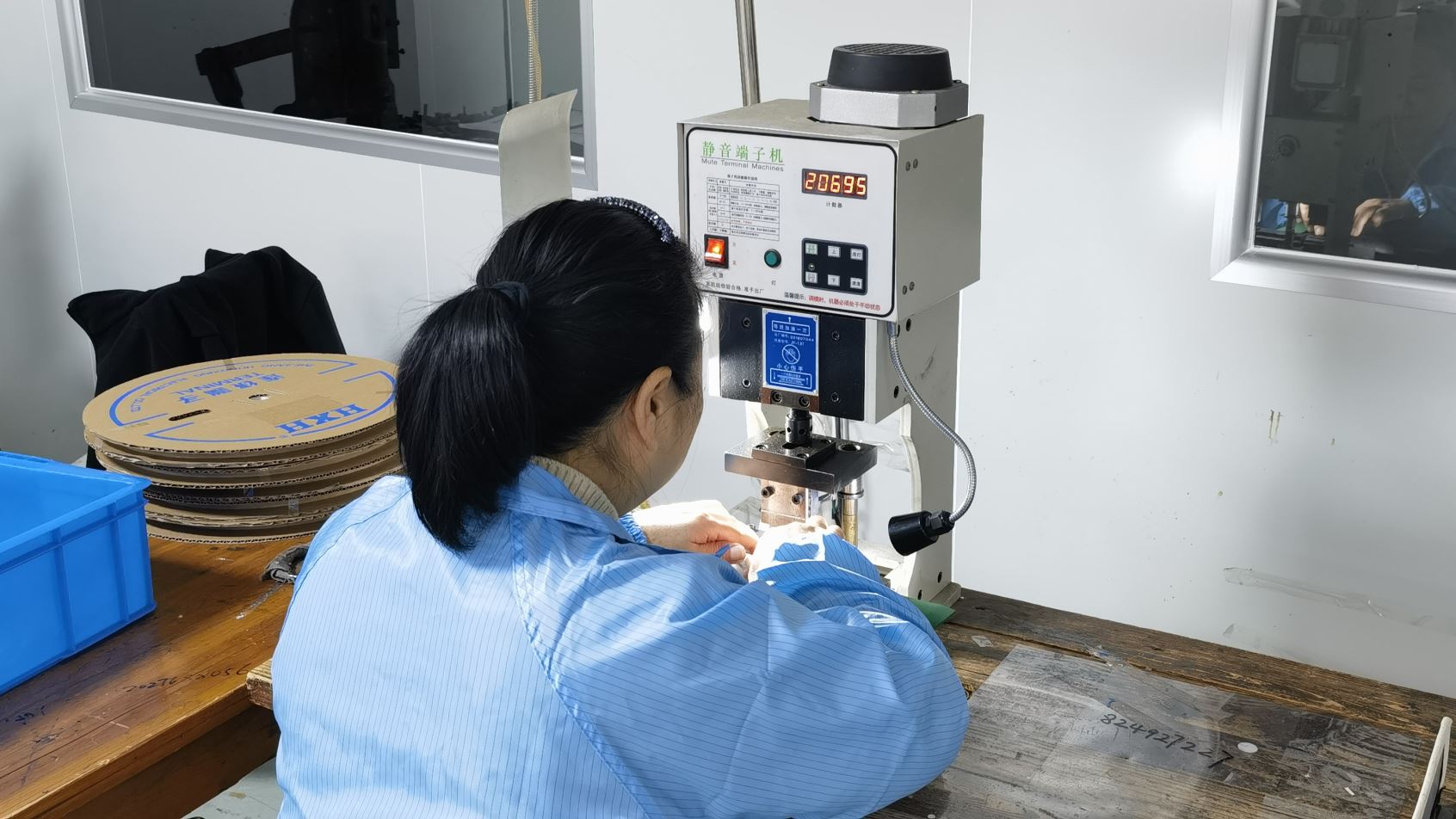
SMD Assembly & Crimping
High-speed pick-and-place of LEDs, resistors, and crimping of Nicomatic or FCI female clincher connectors.
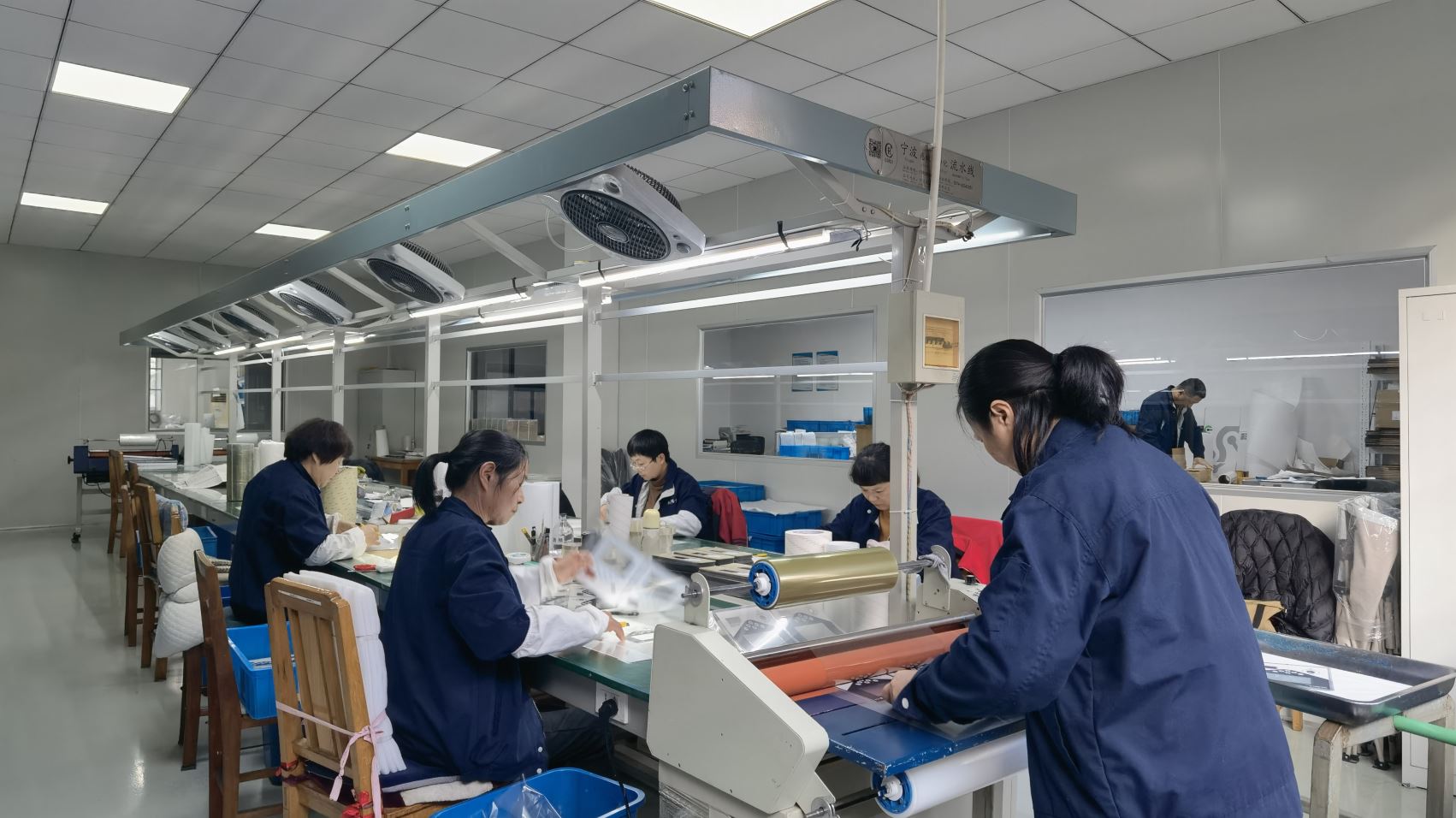
Precision Multi-Layer Lamination
Pressure-controlled vacuum lamination of graphic overlays, spacer gaskets, and circuit cores without air entrapment.
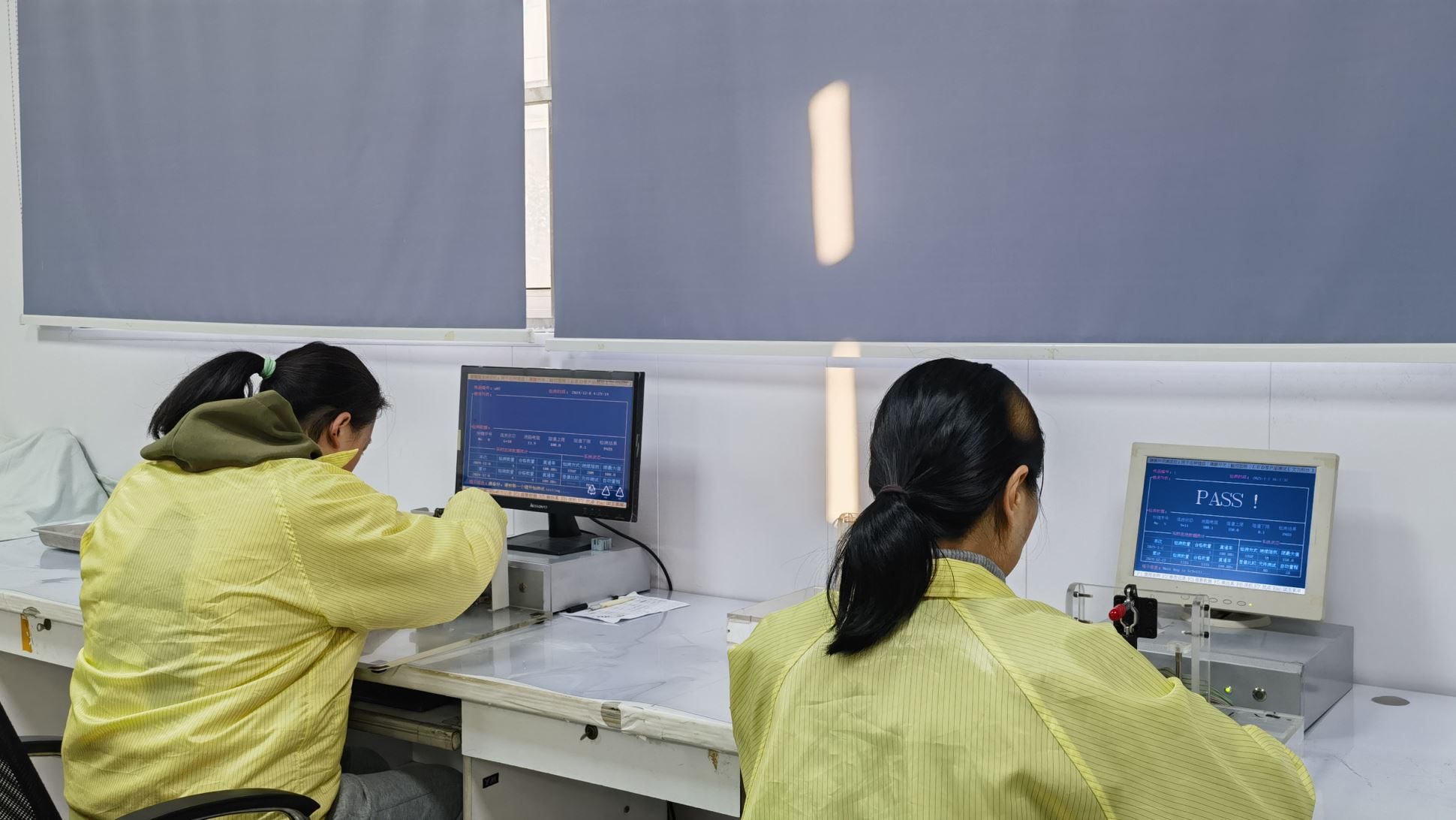
100% Automated Electrical Test
Computerized testing of loop resistance, isolation resistance (>100 MΩ @ 100V DC), LED forward voltage, and capacitive SNR.
Why Tier-1 Industrial Brands Partner with ZIRA Since 1996
Headquartered in Changhe Industrial Park, Ningbo, Zhejiang ZIRA Membrane Switch Co., Ltd. combines nearly three decades of precision manufacturing with third-party verified export compliance.

Intertek Onsite Assessed
Full manufacturing capacity, physical cleanroom workshops, legal registration, and QC labs rigorously audited onsite by Intertek.

29+ Years Manufacturing
Specializing exclusively in membrane switches, graphic overlays, and capacitive HMI modules since our incorporation in 1996.

Complete OEM / ODM Flexibility
Rapid engineering turnaround from customer sketch, Gerber file, or reverse-engineered benchmark sample to fully working prototypes.

ABB & Emerson Supplier
Proven track record supplying heavy-duty front panel interfaces to multinational industrial leaders across North America and Europe.
Frequently Asked Questions: Sourcing Custom Capacitive Membrane Switches
In-depth technical answers addressing tooling investments, false triggering mitigation, environmental testing, and global export logistics.
What design files and specifications are required to initiate an OEM/ODM capacitive switch quote?
- Vector Graphic Artwork: Adobe Illustrator (.AI), PDF, or CorelDraw files identifying Pantone (PMS) or RAL color codes, window cutouts, and text fonts.
- Mechanical Layer Stack-Up: AutoCAD (.DWG / .DXF) or 3D STEP files illustrating overall dimensions, tail routing, connector location, and mounting stud positions.
- Electrical Circuit Schematic: Gerber files or pin-out logic tables defining capacitive sensor pad layout, trace routing, tail pitch (typically 1.0mm, 1.27mm, or 2.54mm), connector part numbers, and LED polarity.
- Environmental & Operating Specs: Target enclosure material, operating temperature extremes (-20°C to +70°C typical), IP sealing requirements (IP65, IP67, IP68), and glove-wearing operational conditions.
How do capacitive touch switches prevent false triggering from water spills, condensation, or fluid spray?
1. Driven Shielding (Shield Electrodes): A guard ring or conductive shield plane surrounds individual sensing pads. When moisture droplets spread across the panel surface, capacitive coupling between the shield and touch pads remains balanced, canceling out spurious baseline threshold shifts.
2. Dual-Mode Differential Sensing: Firmware measures mutual capacitance changes between adjacent Tx/Rx electrode pairs rather than absolute self-capacitance to ground. While water exhibits high relative permittivity (εr ≈ 80), its coupling characteristic is uniform across adjacent nodes, allowing the touch microcontroller to isolate a localized finger press from pooling liquid films.
What are the typical tooling costs (NRE) and prototype lead times for custom membrane switches?
Prototyping Turnaround: Functional engineering prototypes are shipped within 10 to 14 business days following final 2D/3D artwork approval. Mass production lead times typically span 2 to 3 weeks depending on batch volume.
How does capacitive membrane switch reliability compare against mechanical tactile metal dome switches?
Capacitive membrane switches contain no moving mechanical parts whatsoever. Switching occurs via solid-state electrostatic field disruption through an unbroken, hermetically sealed front overlay. As a result, capacitive switch lifecycles routinely exceed 50 million touch operations, making them virtually impervious to mechanical breakdown, vibration-induced chattering, and contact oxidation.
What international quality certifications, flame ratings, and environmental compliance standards do your products meet?
- ISO 9001:2015: Total quality management across design, production, and in-line testing.
- Intertek Verification: Factory capability, cleanroom workshops, and trade capacity onsite verified by Intertek.
- RoHS 3 (EU 2015/863) & REACH (EC 1907/2006): 100% free of hazardous lead, mercury, cadmium, hexavalent chromium, and restricted phthalates.
- Flammability Standards: Raw overlay films and FR-4 / Polyimide substrates comply with UL 94V-0 flame retardancy ratings.
- ESD Protection: Assemblies integrate grounded perimeter silver or aluminum shield planes tested to resist IEC 61000-4-2 air discharge ≥15 kV and contact discharge ≥8 kV.
What incoterms, payment options, and minimum order quantities (MOQ) are supported?
Minimum Order Quantity (MOQ): We accommodate custom prototype sampling from just 1 to 10 pieces for initial engineering validation. Standard serial production orders typically start at 100 pieces, while high-volume consumer appliances scale past 100,000 units.
Incoterms & Logistics: EXW, FOB Ningbo / Shanghai, CIF, CIP, CPT, and DDP (Delivered Duty Paid via FedEx, DHL, UPS air express or ocean freight).
Payment Options: T/T (Telegraphic Transfer), L/C (Letter of Credit at sight), Western Union, supporting USD, EUR, HKD, and CNY transactions.
Request an Engineering DFM Review & Quotation for Your Custom Keypad
Send our senior engineering team your CAD drawings, schematic diagrams, or physical sample specifications. We will deliver a comprehensive manufacturability analysis, layer stack-up proposal, and official quotation within 24 hours.
