Medical & Industrial Keypad Solutions
Explore our engineering-certified product range designed for rigorous healthcare, laboratory control, and precision instrumentation applications.
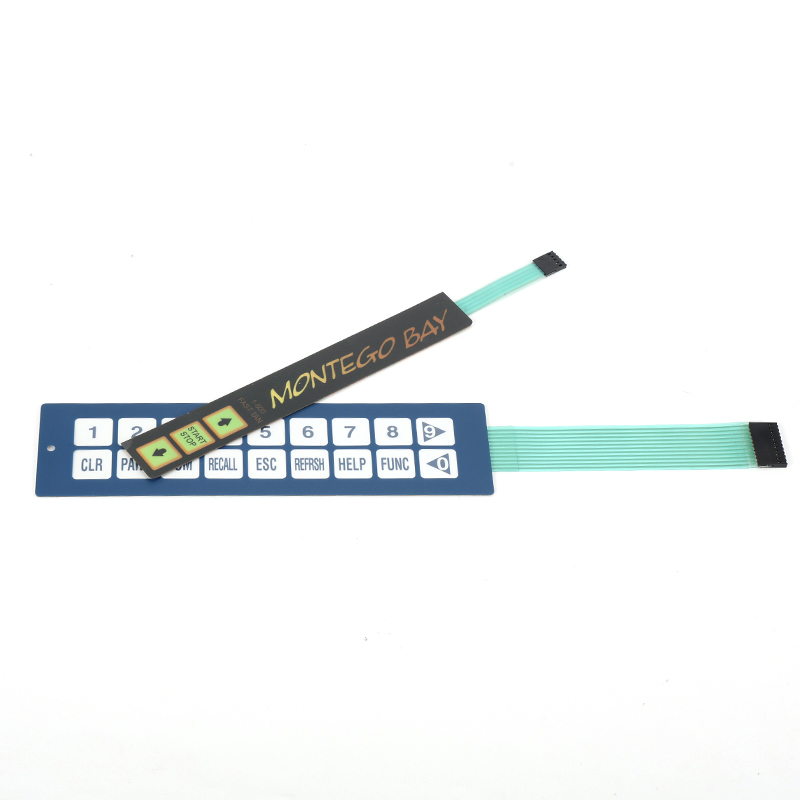
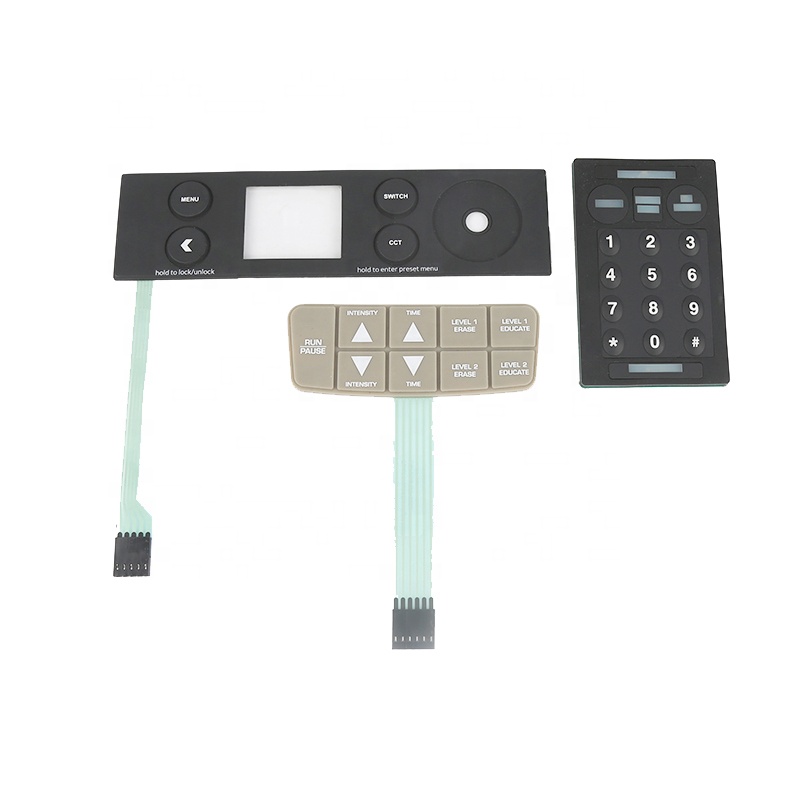
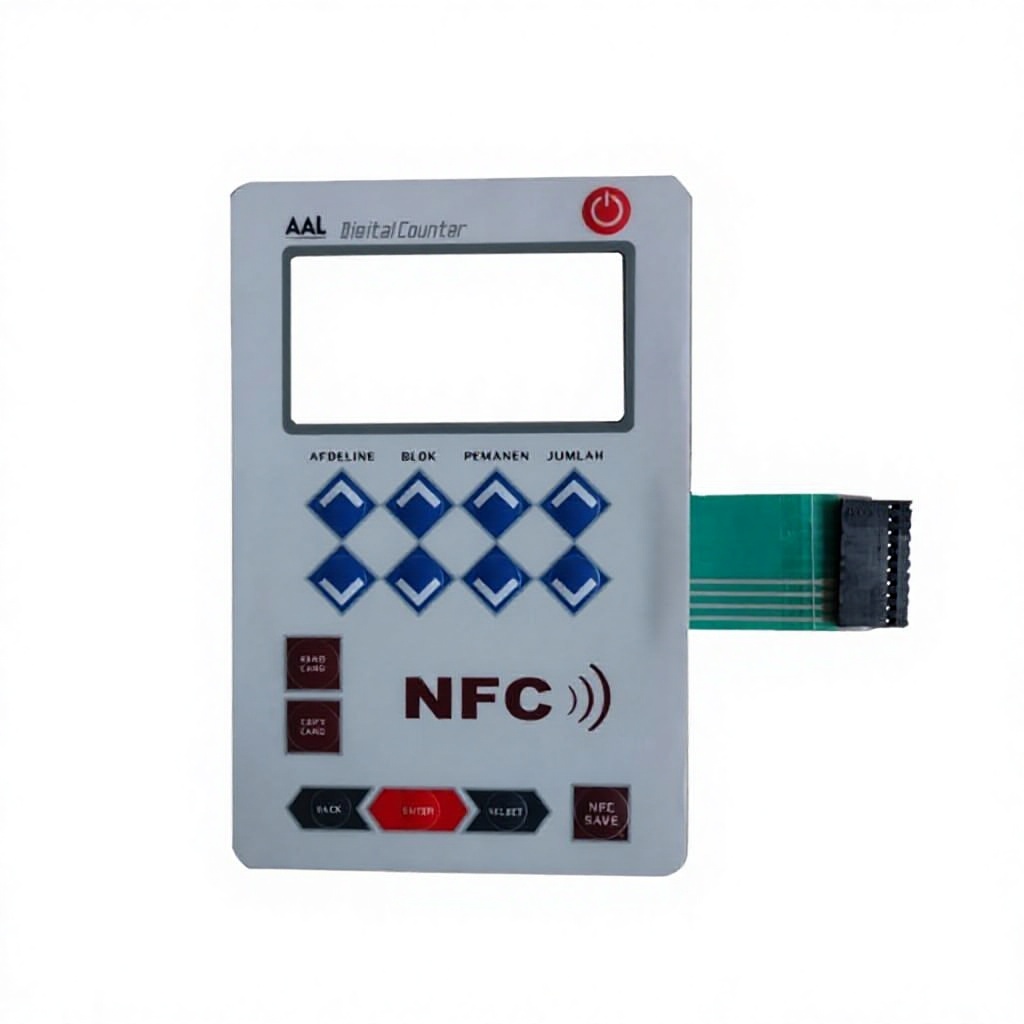
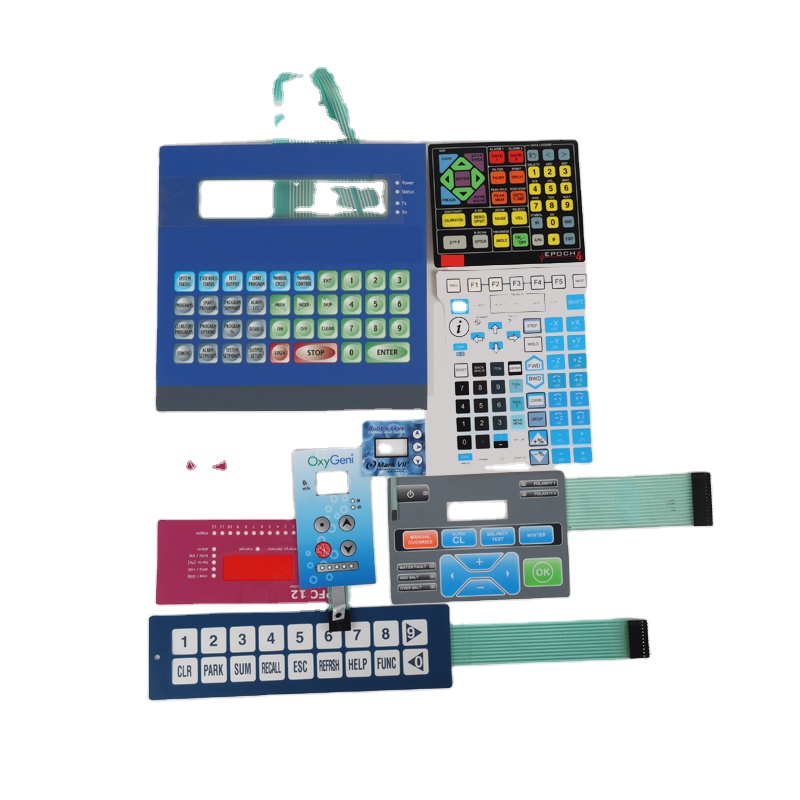
Why OEM Healthcare & Industrial Leaders Choose ZIRA
Zhejiang ZIRA Membrane Switch Co., Ltd. combines nearly three decades of engineering innovation with rigorous cleanroom manufacturing to power critical human-machine interfaces globally.
Medical Grade Quality Control
Operating under ISO-aligned quality management systems, every custom keypad undergoes 100% automated electrical continuity testing, resistance checking, and optical inspection. Backed by third-party Intertek verification, our cleanroom assembly guarantees zero contamination for sterile medical environments.
End-to-End OEM/ODM DFM Support
From rapid prototyping (sampling from 1 piece) to full-scale production, our in-house engineering team provides Design for Manufacturability (DFM) reviews. We optimize tactile actuation force, layer stack-up thickness, EMI/RFI shielding grids, and pin-out configurations before tooling commitment.
Global Exporting & Strategic Trust
Trusted by global fortune automation leaders including ABB and Emerson, ZIRA exports over 50% of its high-precision keypads to North America, Western Europe, South America, and Oceania. We support flexible Incoterms (FOB, CIF, EXW, DDP) and multi-currency transactions.
Whitepaper Technical Benchmark: Medical Keypad Engineering
Designing medical-grade HMIs requires a delicate balance of fluid resistance, biocompatibility, tactile responsiveness, and optical clarity. Review our technical material comparison matrix.
E-E-A-T Technical Insight: Chemical & Environmental Disinfection Protocols
Hospital-acquired infection (HAI) prevention protocols mandate that medical control panels tolerate daily wiping with aggressive disinfectants including Isopropyl Alcohol (70-90%), Sodium Hypochlorite (Bleach), Hydrogen Peroxide Vapor (HPV), and Quaternary Ammonium Compounds. Traditional Polycarbonate (PC) graphic overlays suffer from micro-cracking and hazing under exposure to these agents. ZIRA recommends specifiers utilize specially treated Autotype MacDermid Polyester (PET) films integrated with silver-ion antimicrobial topcoats (ISO 22196 certified) for maximum chemical immunity and long-term optical window integrity.
| Performance Parameter | Medical Grade PET (Autotex) | Medical Polycarbonate (PC) | Silicone Elastomer Keymat |
|---|---|---|---|
| Chemical & Fluid Resistance | Superior (Bleach, IPA, Wipes) | Moderate (Prone to Crazing) | High (Hydrophobic & Inert) |
| Actuation Cycle Durability | > 5 Million Flex Cycles | > 1 Million Flex Cycles | > 10 Million Key Presses |
| Antimicrobial Integration | Built-in Microban/BioCote Silver Ion | Surface Coating Only | Liquid Silicone Rubber (LSR) Additive |
| Ingress Protection Rating | IP67 / IP68 Fully Hermetic Seal | IP65 / IP67 Perimeter Sealed | IP67 Sealed Keymat Assembly |
| Tactile Actuation Feel | Metal / Poly Dome Snap (180g-450g) | Embossed Pillow / Rim Dome | 3D Molded Soft Travel (60g-250g) |
| Primary Medical Application | Patient Monitors, Infusion Pumps | Diagnostic Displays, Enclosures | Handheld Surgical Remotes, Vent Panels |
Future Procurement Trends in Medical Keypads
As healthcare technology advances toward digitized patient care, procurement and sourcing teams must align with emerging global compliance, material sustainability, and supply chain demands.
1. Total Cost of Ownership (TCO) & Modular Tooling
Procurement teams are shifting away from single-source rigid PCB keypads toward flexible, modular HMI platforms. By decoupling the graphic overlay from the underlying circuit layout (utilizing standard 2.54mm pitch connectors or ZIF FPC tails), medical OEMs can update visual branding and language variations across international markets without re-tooling the expensive electronic base. This strategy reduces prototype lead times by up to 40% and lowers inventory carrying costs.
2. Supply Chain Auditability & ISO 13485 Traceability
Global regulatory bodies (FDA, EU MDR) are enforcing strict component-level material traceability. Modern procurement checklists now require suppliers to deliver complete certificates of compliance (CoC) for full raw material lots—including 3M medical-grade adhesives (e.g., 3M 467MP, 3M 200MP, 3M 300LSE), halogen-free conductive silver inks, and RoHS/REACH sub-tier declarations. ZIRA’s integrated ERP system ensures lot-level batch tracking for every membrane switch leaving our Ningbo facility.
Technological Development Trends in Medical HMIs
Next-generation medical devices require intuitive visual feedback, seamless hygienic surfaces, and smart capacitive sensing technologies.
Ultra-Thin Light Guide Film (LGF) Illumination
Traditional discrete surface-mount LEDs often create uneven illumination, light bleed, and hot spots. Modern medical keypads incorporate razor-thin (0.125mm-0.25mm) optical Light Guide Films (LGF) fed by side-firing LEDs. LGF distributes crisp, perfectly uniform backlighting across key legends, halo borders, and status icons—enabling error-free operation in darkened operating rooms and ICU suites without increasing panel thickness.
Seamless Capacitive ITO Touch Panels
To eliminate crevices where bacteria and bodily fluids accumulate, diagnostic electronics are replacing mechanical switches with Capacitive ITO (Indium Tin Oxide) Film Membrane Switches. Featuring zero moving parts, smooth glass or PET top surfaces, and adjustable sensitivity (operable with thick surgical latex gloves), capacitive panels offer superior cleanability and infinite actuation life cycles.
Active Haptic & Tactile Audio Feedback
For mission-critical medical actions (e.g., defibrillator charge, drug dose confirmation), operators require immediate, unambiguous response confirmation. Advanced hybrid keypads integrate high-reliability gold-plated stainless steel snap domes (yielding snap ratios exceeding 50%) combined with haptic micro-vibration motors or integrated piezoceramic audio buzzers on PCB backers.
Frequently Asked Questions (Procurement FAQ)
Expert engineering answers to common technical, commercial, and regulatory questions regarding custom medical keypad manufacturing.
- Dimensional vector drawings (Autodesk CAD .DXF/.DWG, Adobe Illustrator .AI, or vector .PDF).
- Color matching requirements (Pantone PMS or RAL color codes).
- Circuit schematic or connector pin-out diagram, tail length, and connector pitch (e.g., 2.54mm, 1.0mm, or ZIF).
- Environmental operating specs (IP ingress sealing level, operating temp range, tactile force preference).
