Featured Engineering Solutions
Explore our custom OEM custom membrane keypads, FPC tactile switches, backlit interfaces, and heavy-duty industrial control panel assemblies.
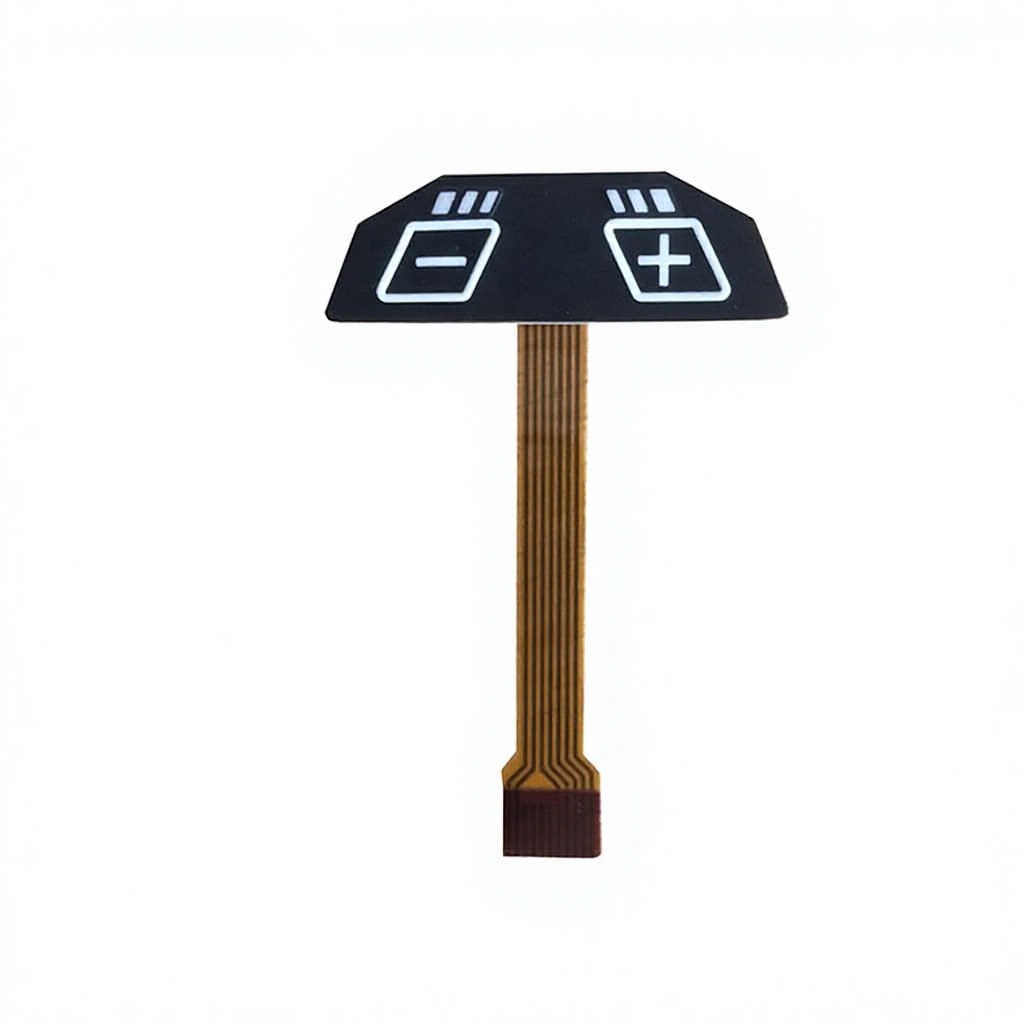
Customized Multi Layer Construction Printed Silver Circuit Graphic Overlay Membrane Keypad
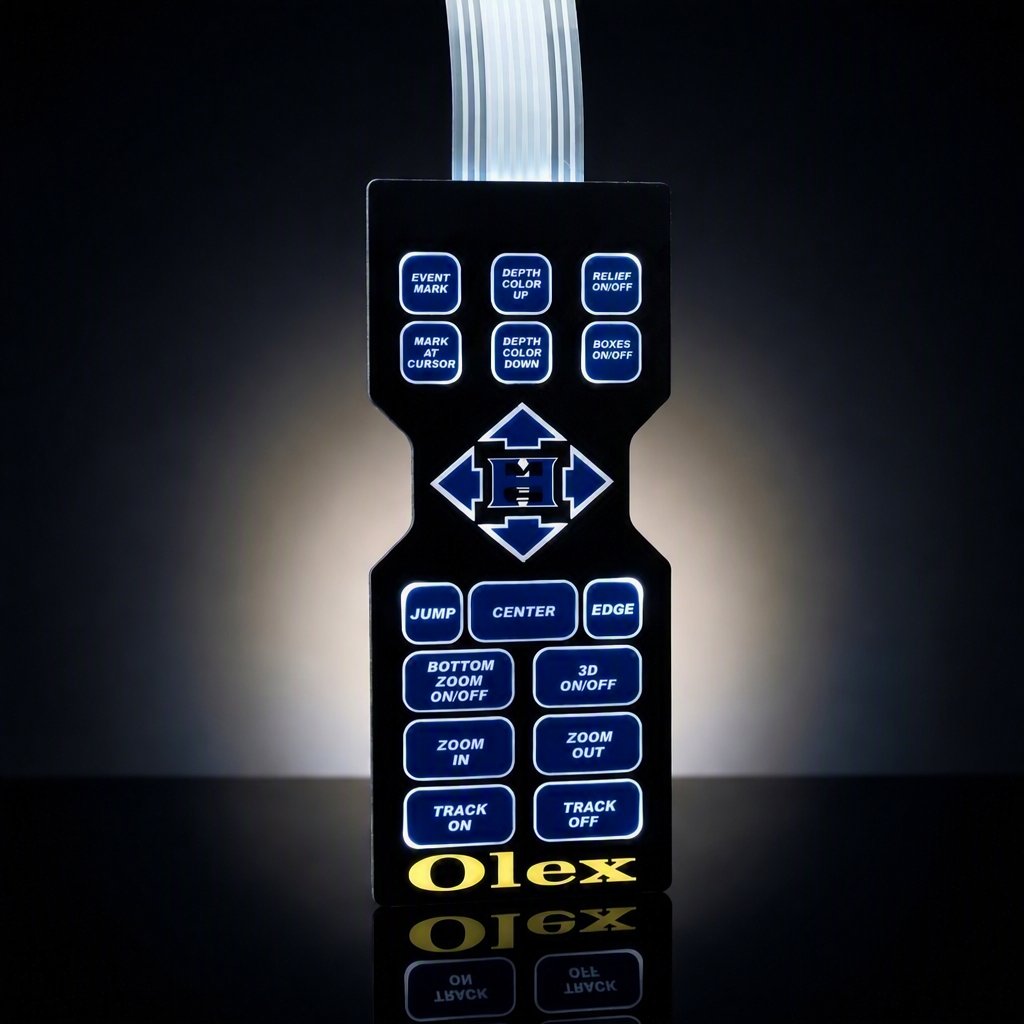
Free Backlight Simulation & Light Guide Design Support Uniform Illumination Membrane Switch
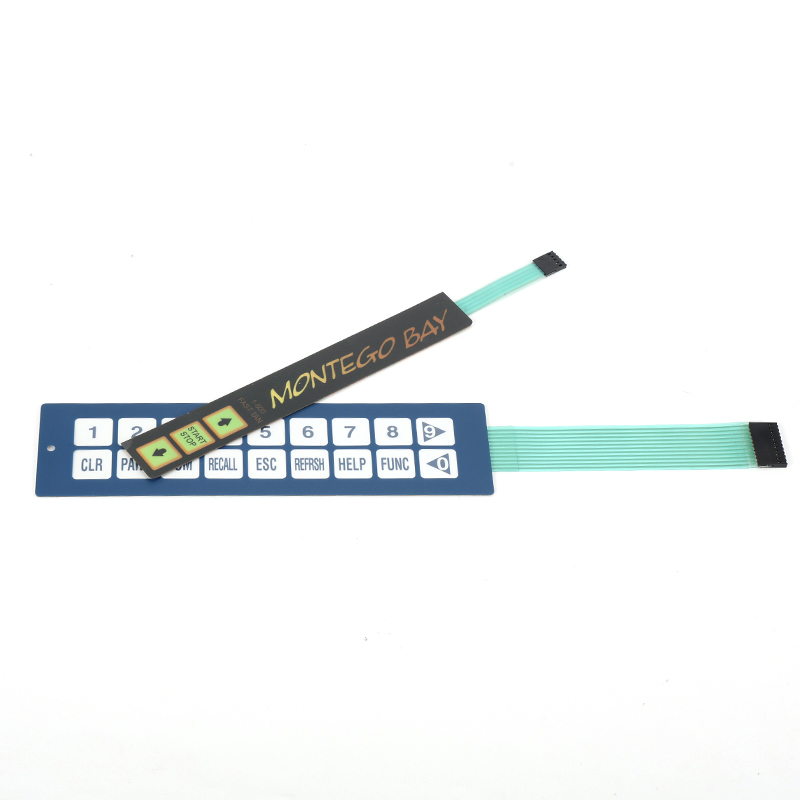
Long-Lasting High Durability Membrane Keypad for Electronic Appliances & Medical Devices
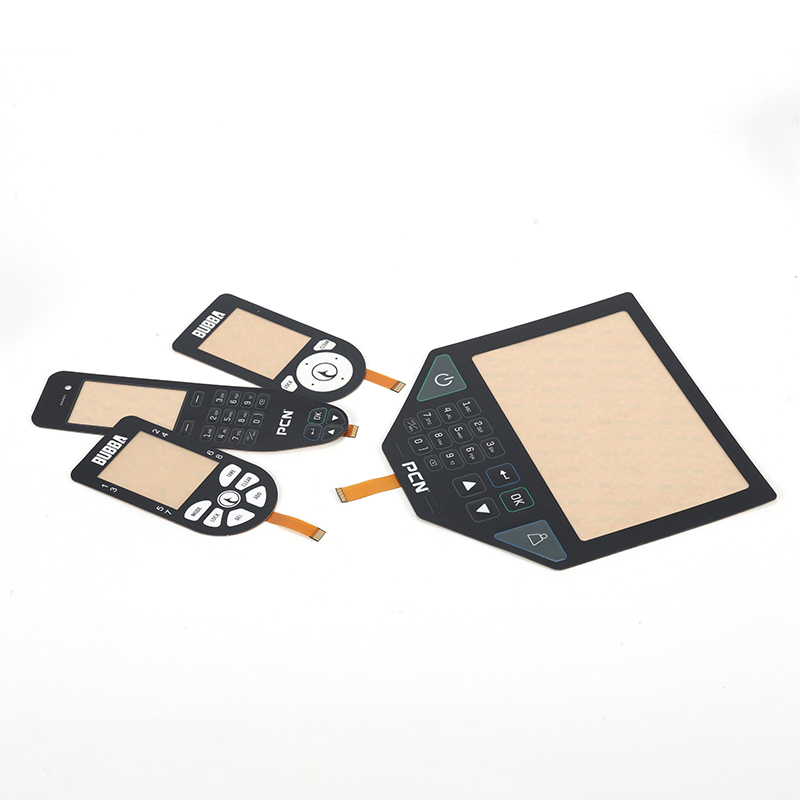
Customized Membrane Push Button Switch, FPC Circuit Membrane Keypad with Shielding Layer
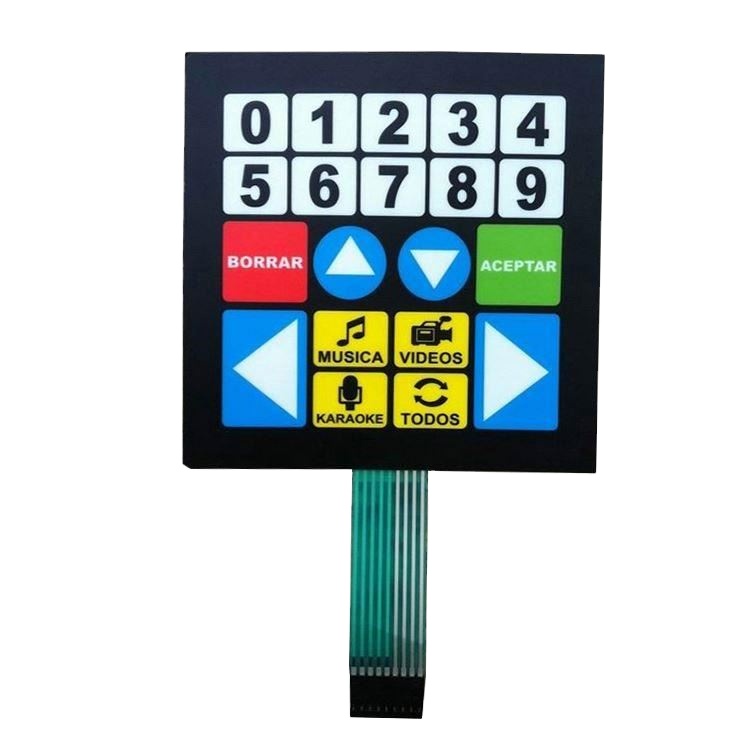
OEM/ODM Custom PET PC Graphic Overlay Tactile Membrane Switch for Industrial Control Panel
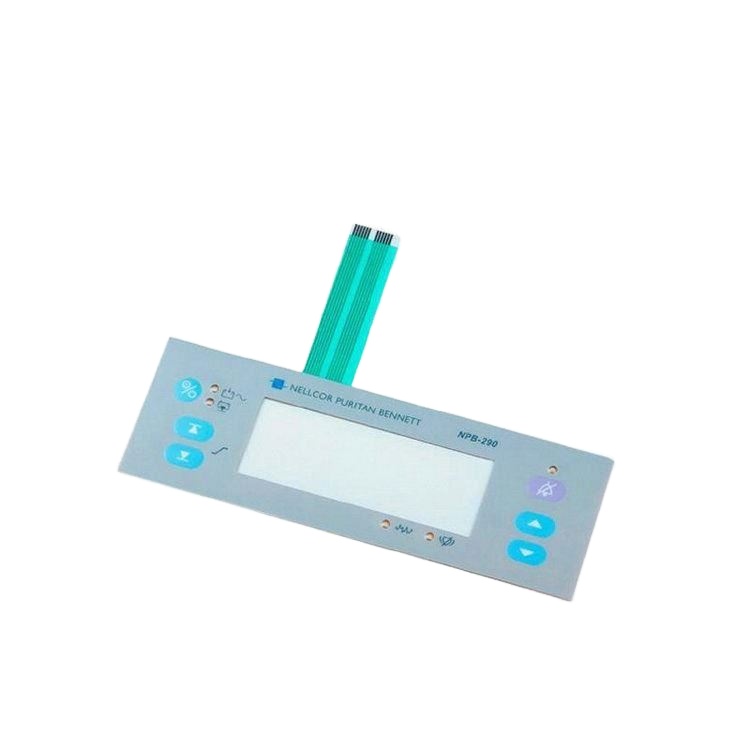
China Manufacturer Custom Flexible Membrane Push Button Keypad Switch (Sample Available)
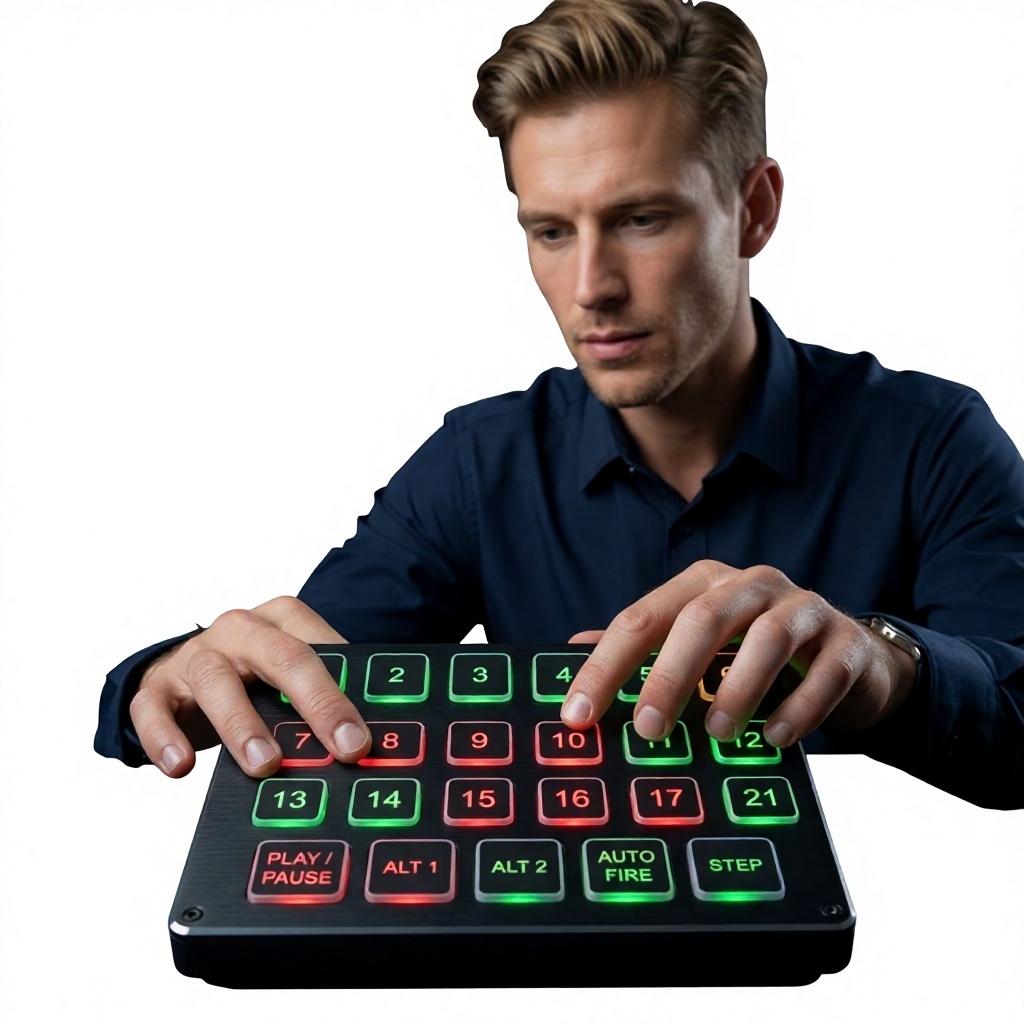
RoHS & REACH Compliant Even Illumination Custom Backlit Membrane Keypad Switch
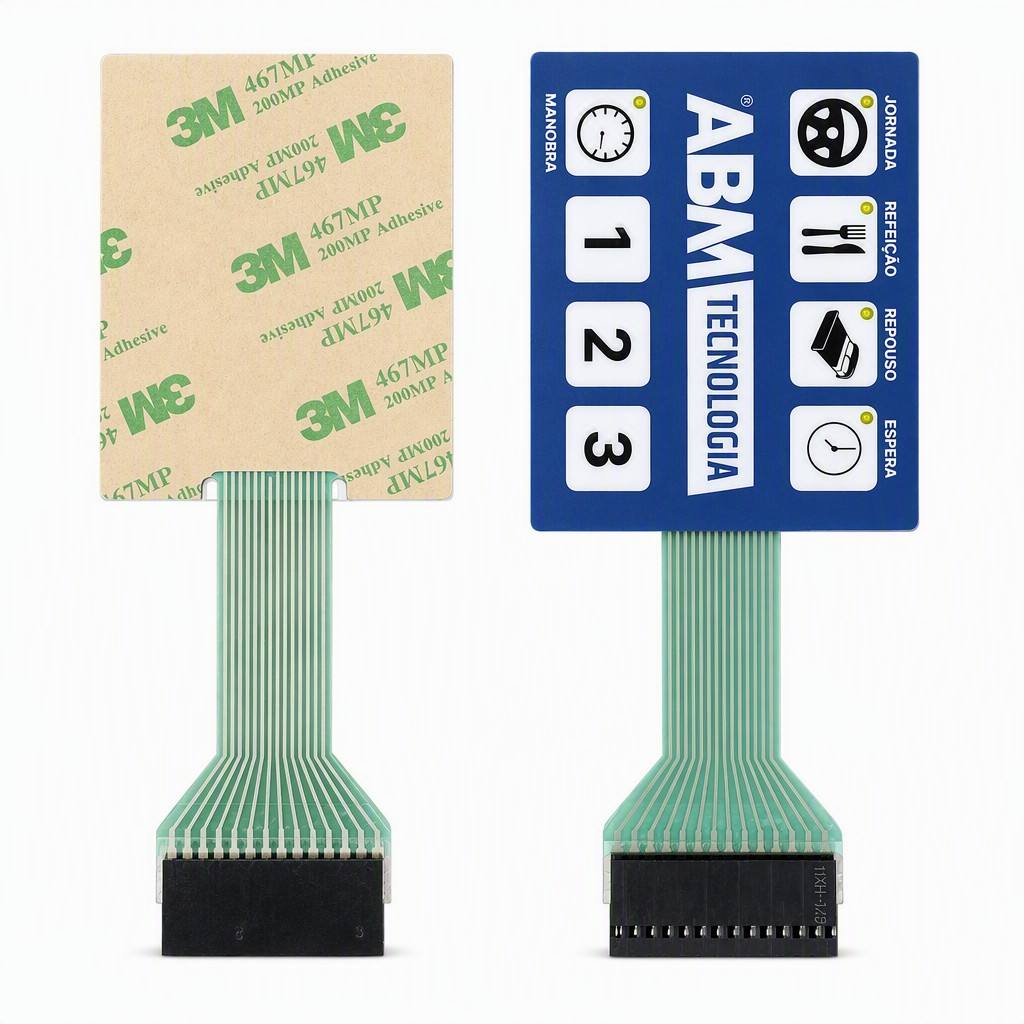
Custom Industrial Control Panel Keypad Tactile Metal Dome (5 Million Lifecycle / UL94V0)
Global OEM Engineering Whitepaper: Architectural Evolution of HMI Control Panels
In modern industrial automation, medical instrumentation, commercial avionics, and high-reliability electronic applications, the Human-Machine Interface (HMI) control panel serves as the essential operational bridge between human intent and machine execution. As industrial systems demand higher environmental resilience, sleeker ergonomics, dynamic visual indicators, and enhanced electromagnetic shielding, traditional electro-mechanical pushbuttons are rapidly giving way to highly integrated, multi-layer custom membrane switches, flexible printed circuit (FPC) keyboards, and silicone elastomer keymats.
A engineering-grade custom HMI control panel is far more than a decorative front graphic overlay; it is a highly complex, electro-mechanical micro-system. The multi-layer architecture typically integrates specialized sub-surface screen-printed Autotype MacDermid PET or Sabic Lexan PC substrates, precision-engineered stainless steel metal domes (or poly domes) providing deliberate tactile snap-ratios, conductive screen-printed silver or carbon inks, sub-miniature surface-mount LEDs, optical light guide films (LGF), integrated ESD/EMI shielding layers, and high-tack acrylic adhesives (such as 3M 467MP, 468MP, or 300LSE). Selecting an authoritative, experienced OEM/ODM manufacturing partner is fundamental to ensuring long-term field reliability, zero contact bounce, and immunity against severe operating environments.
Product & Technical Innovation Trends
Key technological shifts driving the next decade of custom OEM HMI control panel manufacturing and electronic engineering design.
Hybrid Capacitive & Tactile Interfaces
Modern HMIs are converging low-actuation capacitive touch ITO (Indium Tin Oxide) transparent films with crisp tactile metal-dome switches. This hybrid design allows seamless glass-like swipe surfaces alongside physical buttons for critical emergency stop or primary system triggers.
Light Guide Film (LGF) Uniform Backlighting
Replacing bulky, energy-intensive LED grids, ultra-thin (0.125mm to 0.25mm) optical Light Guide Films disperse light evenly across large control graphics using side-firing micro-LEDs. This minimizes power consumption, heat generation, and eliminate hotspot shadowing.
Severe Environment & Antimicrobial Science
Graphic overlays now feature advanced textures with antimicrobial chemical treatments for medical devices, alongside UV-cured hardcoats that withstand aggressive industrial solvents, hydraulic fluids, intense solar radiation, and extreme operating temperatures (-40°C to +85°C).
FPC & Rigid-Flex Circuit Convergence
Shifting away from screen-printed silver conductive flex circuits, multi-layer Flexible Printed Circuit (FPC) copper conductors permit higher circuit trace density, surface-mount component (SMT) integration, lower contact resistance, and tight pitch ZIF/FFC connector termination.
Integrated Faraday Cage EMI/ESD Shielding
To safeguard internal microcontrollers from Electrostatic Discharge (up to 15kV) and Electromagnetic Interference (EMI), control panels incorporate fully enclosed printed aluminum foil or conductive carbon/silver grid layers grounded directly through the circuit tail.
Custom Silicone Keymat & Membrane Hybrids
Combining three-dimensional molded silicone rubber buttons (offering 1.0mm to 2.0mm deep key travel and cushioned tactile feedback) with an underlying sealed membrane circuit or PCB delivers rugged, ergonomic, and splash-proof operational performance.
Future Procurement Trends for Global B2B Sourcing Managers
Procurement strategies in the electronics and industrial OEM sector are undergoing a profound structural pivot. Global supply chain volatility, rigorous environmental regulations, and accelerating product lifecycle velocity have forced procurement leads and engineering buyers to rethink vendor selection metrics. Beyond unit cost negotiation, strategic buyers now evaluate suppliers through four major procurement paradigms:
1. Early DFM (Design for Manufacturability) Integration: Modern engineering procurement teams no longer accept static turn-key bids. Leading buyers engage with suppliers capable of providing pre-tooling DFM analysis, advising on key actuation force tolerances (e.g., 250g, 350g, 450g metal dome snap force), stack-up thickness optimization, color matching precision (Pantone / RAL matching via X-Rite spectrophotometers), and pinout tail strain relief engineering.
2. Stringent Environmental & Chemical Compliance: Cross-border exporting into EU, North American, and Asia-Pacific markets requires strict adherence to environmental directives including RoHS 3.0, REACH SVHC, Conflict Minerals, and UL 94-V0 flame retardancy ratings for plastic sub-assemblies and circuit substrates. Unverified material supply chains carry immense regulatory and financial risks.
3. High-Mix Low-Volume (HMLV) Rapid Prototyping Capabilities: Fast-paced product iterations demand suppliers that bridges the gap between rapid 1-piece sampling and multi-thousand-piece automated volume production. Flexible manufacturing lines capable of rapid steel-rule die setup, laser cutting without expensive hard tooling, and quick-turn screen preparation are favored by top-tier OEMs.
4. Verified Third-Party Quality Audits & Onsite Traceability: Supplier reliability is verified through physical third-party factory audits. Procurement managers prioritize certified factories verified onsite by international auditing bodies such as Intertek, ISO9001 certified quality control management systems, and 100% electrical open/short circuit testing recorded per batch.
Engineering Technology Selection Matrix
A side-by-side engineering comparison to help R&D teams choose the ideal control panel architecture for their operational environment.
| Performance Parameter | Metal Dome Membrane Switch | Polydome (Pillow/Rim Embossed) | Silicone Keymat + PCB Hybrid | Capacitive Touch ITO Panel |
|---|---|---|---|---|
| Tactile Feedback | Sharp, crisp click (Snap ratio > 50%) | Soft, cushioned tactile bump | Deep travel (1.0mm - 2.5mm) soft click | Non-tactile (Optional haptic buzzer) |
| Actuation Force | 180g to 500g | 150g to 300g | 100g to 400g (custom hardness) | 0g (Proximity / Touch) |
| Lifecycle Actuations | 1,000,000 to 5,000,000 cycles | 500,000 to 1,000,000 cycles | 2,000,000 to 10,000,000 cycles | Virtually unlimited (No moving parts) |
| Ingress Protection (IP) | Up to IP67 / IP68 (Sealed edge) | Up to IP65 | Up to IP67 with perimeter gasket | Up to IP68 (Seamless glass/PET face) |
| Backlighting Options | LGF, EL Film, SMT Side LEDs | SMT Surface LEDs | Diffused Backlit Silicone Keys | Integrated SMT / OLED / LGF Icons |
| Tooling Cost & Lead Time | Low - Moderate (2-3 Weeks) | Low (1-2 Weeks) | Moderate - High (3-4 Weeks Molds) | Moderate (2-3 Weeks) |
| Primary Application | Industrial machinery, medical instruments | Consumer electronics, commercial appliances | Rugged handhelds, remotes, military gear | Smart home appliances, medical cleanrooms |
Why Partner with Zhejiang ZIRA Membrane Switch Co., Ltd.
Established in 1996 in Changhe Industrial Park, Ningbo, Zhejiang, Zhejiang ZIRA Membrane Switch Co., Ltd. has grown over nearly three decades into a globally recognized premier OEM/ODM manufacturer of custom membrane switches, graphic overlays, silicone rubber keypads, PCB/FPC keypad assemblies, and industrial display panels.
100% In-House Production
From initial vector graphic artwork review, screen printing, UV drying, automatic registration punch-hole positioning, thermal key embossing, metal dome placement, layer lamination, to final connector crimping—every process step is controlled under one roof across our 5,000 m² facility.
Intertek Onsite Verified
ZIRA’s manufacturing capability, business compliance, trade capacity, and quality management protocols are fully assessed and certified onsite by Intertek, providing international buyers complete transparency and confidence.
Zero Contact Bounce Quality Assurance
Every custom switch assembly undergoes 100% automated electrical testing for loop resistance, insulation resistance (minimum 100MΩ at 100V DC), pinout continuity, LED illumination uniformity, and key actuation force verification before shipment.
Frequently Asked Questions (FAQ) for Procurement & Design Engineers
Clear, technical answers to common queries regarding design specifications, ordering procedures, materials, and international delivery.
Q1: What technical drawings and CAD files are required to request a custom OEM quote?
To initiate an accurate DFM review and quotation, please provide a dimensioned mechanical drawing (DXF, DWG, STEP, or PDF), vector artwork file for graphic printing (Adobe Illustrator .AI, CorelDraw, or EPS with Pantone/RAL color codes), circuit schematic or pinout mapping diagram, tail length specification, connector style (e.g., 2.54mm pitch female housing, ZIF connector, or male pin), and operating environment requirements (IP rating, UV exposure, chemical contact).
Q2: What is the Minimum Order Quantity (MOQ) and rapid prototype turn-around time?
We support early-stage development and engineering validation! Prototyping samples can be produced from as few as 1 to 5 pieces. Standard batch production orders typically start at 100 pieces. For standardized numeric PET/PC keypads, MOQ starts at 1,000 pieces. Rapid prototypes are generally delivered within 7 to 10 working days following final DFM design sign-off.
Q3: How do I choose between a Polycarbonate (PC) and Polyester (PET) graphic overlay?
Polycarbonate (Sabic Lexan PC) offers excellent clarity, easy key embossing, and cost-effectiveness; however, it has limited chemical resistance and flexural fatigue life (typically <100,000 flex cycles). Polyester (Autotype MacDermid PET) offers exceptional flex fatigue resistance (exceeding 1,000,000 flex cycles), superior chemical resistance against harsh industrial solvents, and excellent resistance to cracking when embossed. We strongly recommend PET for industrial control panels, medical devices, and demanding outdoor equipment.
Q4: What underlying circuit substrates are available for custom membrane keypads?
We offer three main circuit choices depending on application complexity: 1) Flexible Silver-Printed Polyester Film (PET) for standard low-voltage, thin-profile keypads; 2) Flexible Printed Circuits (FPC) with etched copper traces for tight component density, soldered SMT LEDs, and low contact resistance; and 3) Flame-retardant Rigid FR4 PCB backing plates for combined HMI panel and structural board assemblies.
Q5: How are ESD (Electrostatic Discharge) and EMI (Electromagnetic Interference) handled?
To prevent static discharge from damaging sensitive microcontrollers on your mainboard, we integrate full-surface printed aluminum foil, conductive silver grids, or carbon shield layers directly above the circuit layer. Static charges up to 15kV are safely drained through a dedicated ground wire terminated in the flexible circuit tail connector.
Q6: What rear adhesives are used to guarantee reliable bonding to metal or plastic enclosures?
We exclusively utilize industry-standard, high-performance pressure-sensitive acrylic adhesives from 3M. Options include 3M 467MP (for smooth metal and high-energy plastic surfaces), 3M 468MP (for textured powder-coated metal housings), and 3M 300LSE (engineered specifically for low-surface-energy plastics like polypropylene or ABS).
Q7: What payment terms, export currencies, and delivery Incoterms do you support?
We offer flexible international commercial terms. Accepted payment methods include T/T (Telegraphic Transfer), L/C (Letter of Credit at sight), D/P, D/A, and Western Union in USD, EUR, HKD, or CNY. Delivery Incoterms supported include FOB (Ningbo/Shanghai), CIF, EXW, CIP, CPT, DDP, and door-to-door international air express (DHL/FedEx/UPS).
Ready to Upgrade Your Device Interface?
Get in touch with our engineering team today for a free DFM design consultation, stack-up proposal, material recommendation, and rapid competitive quotation for your custom OEM HMI control panel project.
Send an Inquiry