High-Performance Custom EMI Shielding & Control Overlays
Engineered for Medical Instrumentation, Industrial Automation, Military Electronics & Telecom Controls
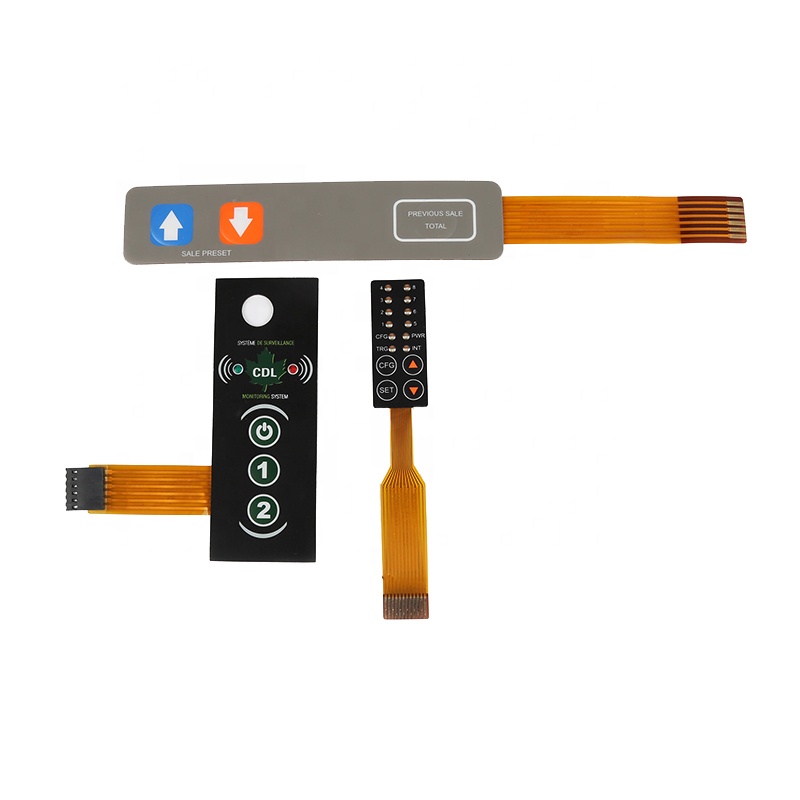

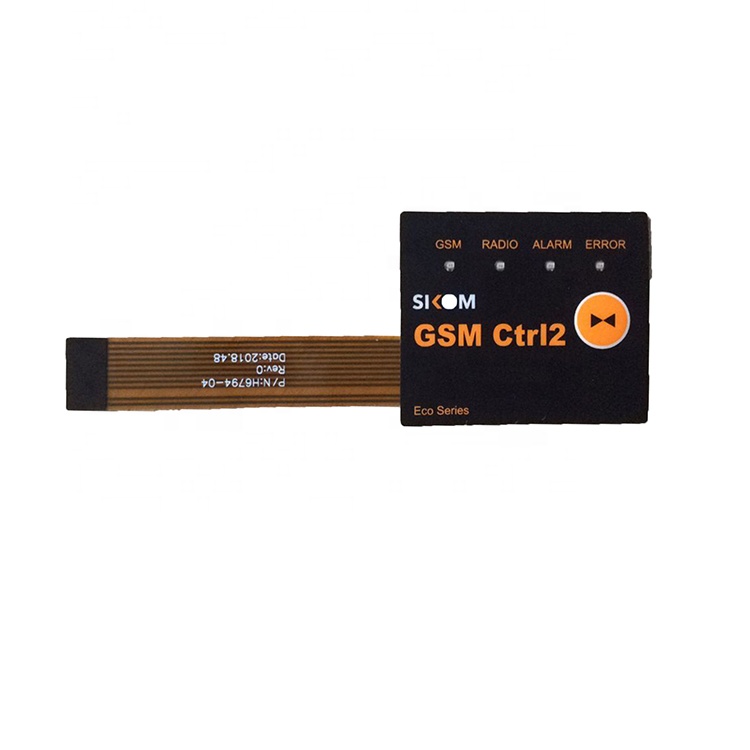
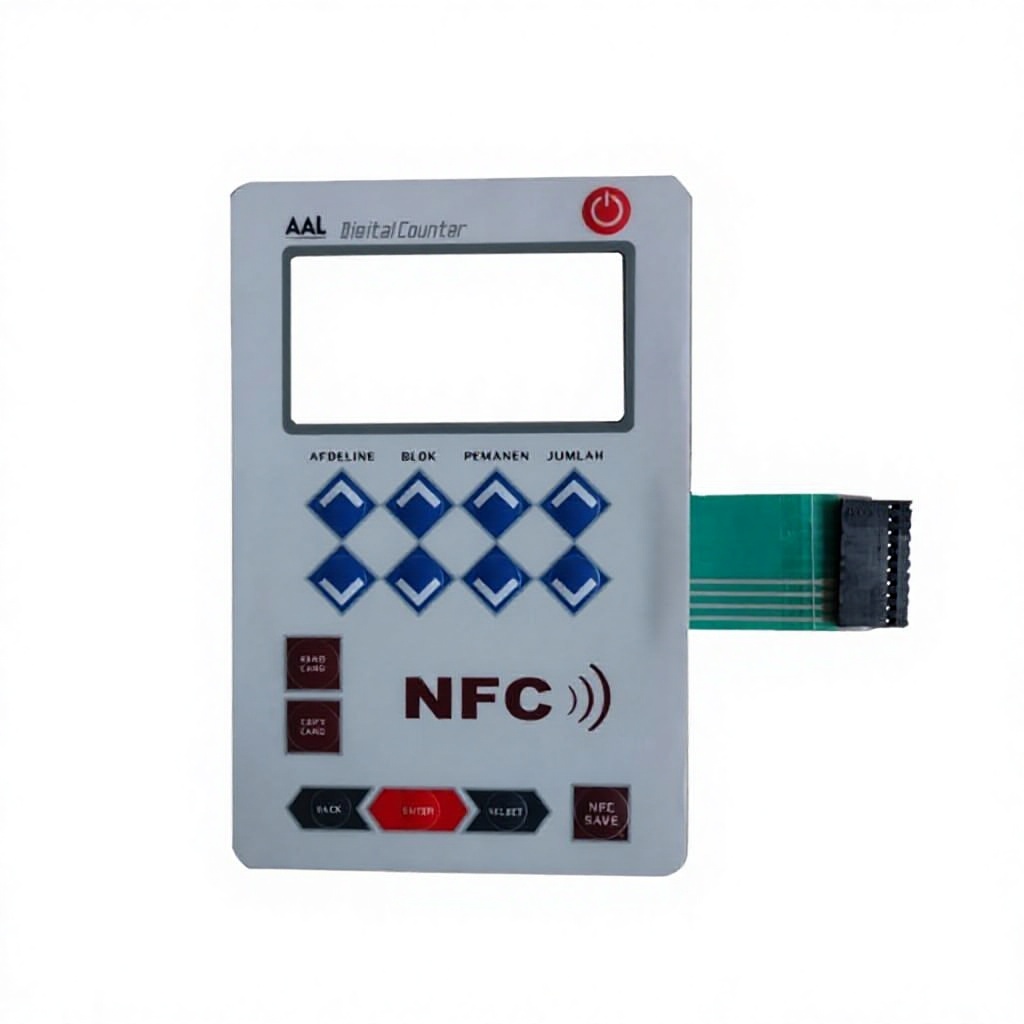
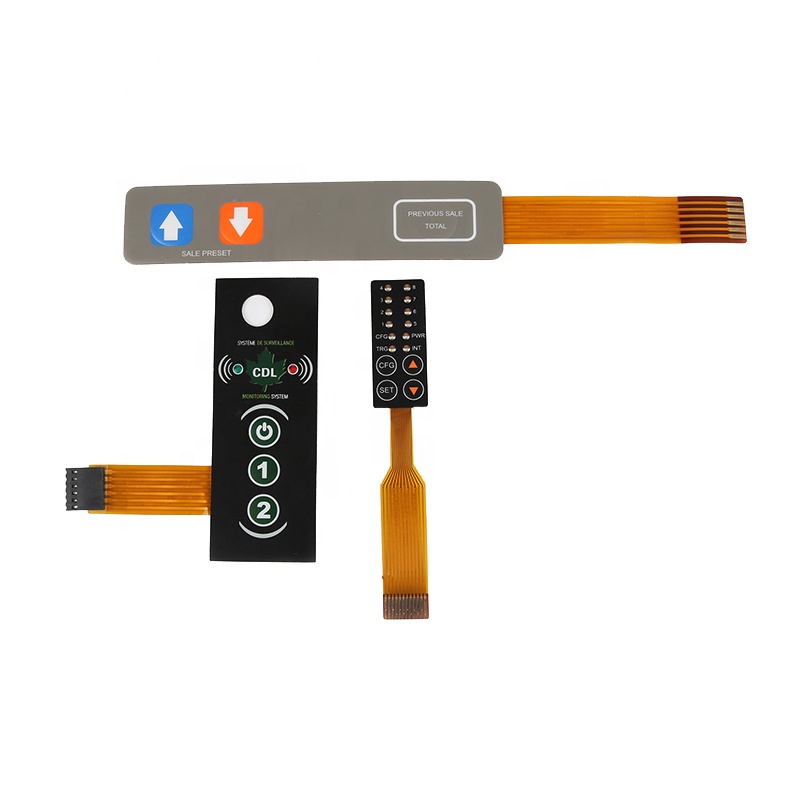
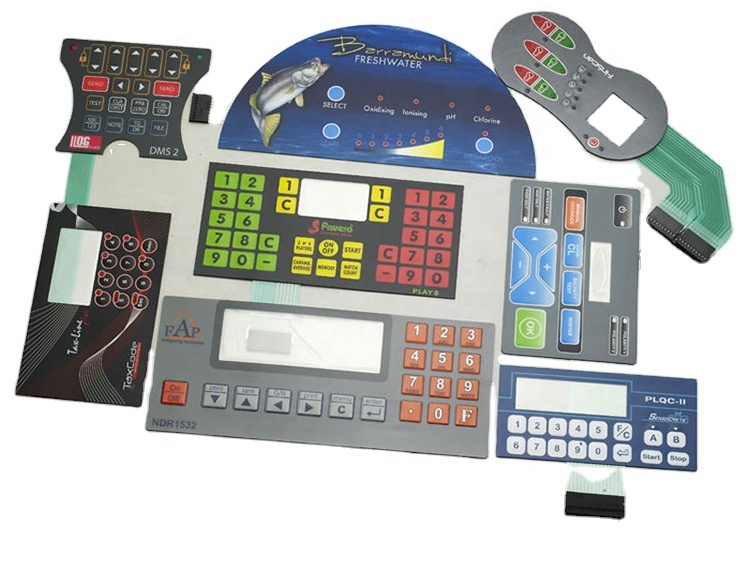
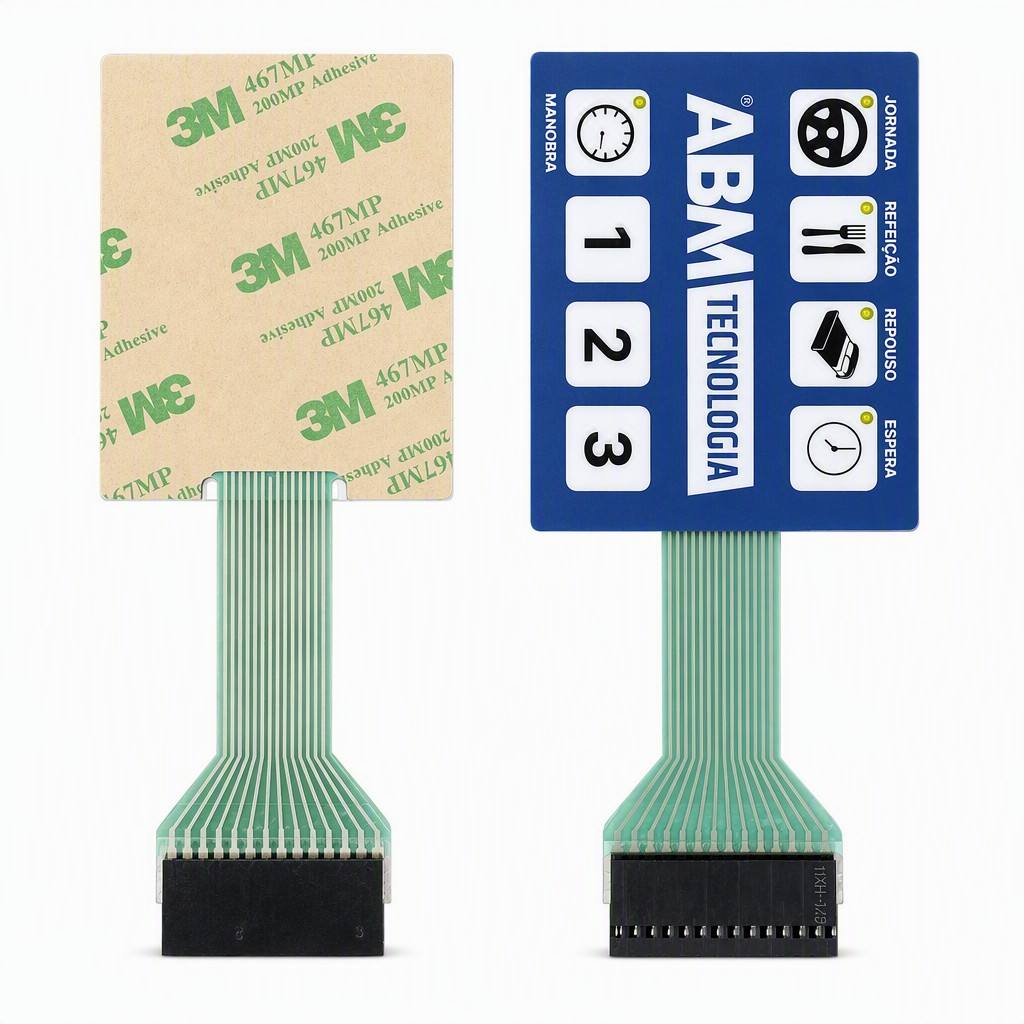
Engineering OEM EMI Shielding Overlays for Advanced Human-Machine Interfaces (HMI)
In modern electronic system design, Human-Machine Interfaces (HMIs) operate within increasingly dense electromagnetic environments. High-frequency digital processing, wireless communication modules (5G, Wi-Fi 6E, Bluetooth), power electronics, and external industrial noise sources create a complex spectrum of Electro-Magnetic Interference (EMI) and Radio Frequency Interference (RFI). Without rigorous mitigation, unshielded graphic overlays and membrane switch keypads act as entry points for stray signals or emission vectors for internal high-speed switching noise.
As an industry-leading custom OEM EMI shielding overlay factory, Zhejiang ZIRA Membrane Switch Co., Ltd. provides comprehensive electromagnetic protection architectures integrated seamlessly into multi-layer graphic overlays, tactile membrane keypads, and capacitive touch panels. This technical white paper analyzes stackup engineering, material science selection, surface attenuation metrics, grounding methods, and industry compliance frameworks (including IEC 60601-1-2 EMC standards for medical systems and MIL-STD-461 for defense applications).
1. Anatomical Layer Stackup of an Electromagnetic Shielded Overlay
An effective EMI shielding overlay does not merely place a metallic sheet over a key layout. It relies on a meticulously calibrated multi-layer composite engineered to maintain tactile feedback, optical transparency (where displays or LEDs exist), dielectric insulation, and low-impedance grounding pathways to the system enclosure chassis.
Top Polycarbonate / PET Film
Autotex XE or Melinex PET films featuring hardcoated matte, gloss, or textured finishes. Offers chemical resistance, UV resistance, and 5-million-cycle flex life.
Conductive Shielding Layer
Selective screen-printed silver grid, vacuum-deposited aluminum polyester, or Indium Tin Oxide (ITO) clear conductive coatings providing attenuation from 30 MHz to 10 GHz.
ESD Isolation & Grounding Bus
Integrated peripheral grounding busbars printed with high-purity silver/carbon inks, routing ESD strikes (up to 15kV air discharge) directly to chassis ground.
2. Technical Specification Matrix: EMI Shielding Media Comparison
Selecting the optimal shielding substrate involves trade-offs between shielding effectiveness (dB attenuation), optical transmission (% VLT), flexing tolerance, and unit cost. The technical table below outlines standard shielding configurations manufactured at our Ningbo facility:
| Shielding Media Type | Surface Resistivity (Ω/sq) | Shielding Effectiveness (30MHz - 1GHz) | Optical Transmittance (% VLT) | Typical Applications |
|---|---|---|---|---|
| Printed Silver Mesh Grid | < 0.05 Ω/sq | 55 dB - 75 dB | 65% - 80% (Grid dependent) | Industrial control panels, military keypads, severe RFI outdoor controls. |
| Vapor-Deposited Aluminum PET | 0.5 - 2.0 Ω/sq | 40 dB - 60 dB | Opaque (0%) | Opaque graphics, solid overlay backgrounds, medical switch arrays. |
| Indium Tin Oxide (ITO) Film | 50 - 300 Ω/sq | 20 dB - 35 dB | 82% - 88% (High Clarity) | Capacitive touch displays, clear LCD window overlays, smart appliances. |
| Embroidery / Copper Mesh Foil | < 0.01 Ω/sq | 70 dB - 90+ dB | 50% - 70% | Military avionics, high-power medical imaging (MRI/CT interface), telecom infrastructure. |
| Z-Axis Conductive PSA Tape | < 0.005 Ω/sq | 50 dB - 65 dB | Opaque (0%) | 3M 9703/9713 structural perimeter mounting, grounding tabs to enclosure. |
3. ESD Suppression vs. EMI Attenuation: Engineering Nuances
Electromagnetic engineers frequently conflate Electrostatic Discharge (ESD) shielding with Electro-Magnetic Interference (EMI) attenuation. While both leverage conductive media, their functional requirements differ substantially:
- ESD Protection (Electrostatic Discharge): Focused on high-voltage, low-energy transient pulses (e.g., human body model strikes up to 15kV). ESD layers block high voltage arcovers through the overlay seams, safely carrying energy through a dedicated conductive trace away from sensitive logic ICs or MCU pins.
- EMI/RFI Attenuation: Focused on continuous wave radiated and conducted emissions across broad frequency spectra (kHz to GHz). EMI shielding acts as a Faraday cage to reflect and absorb electromagnetic fields, preventing system clock noise from radiating outward and external radio frequency noise from causing false key triggering or display distortion.
ZIRA integrates custom ESD grounding rings combined with full-plane EMI conductive shielding layers to provide 360-degree electromagnetic protection without compromising overlay thickness or tactile switch actuation force.
Zhejiang ZIRA Membrane Switch Co., Ltd. Enterprise Strengths
Founded in 1996 in Changhe Industrial Park, Ningbo, Zhejiang, ZIRA is an established OEM/ODM pioneer in high-reliability human-machine interfaces. Operating from a 5,000 m² state-of-the-art facility housing 5 specialized production lines, we provide full vertically integrated manufacturing for global Fortune 500 equipment builders, including long-term supply partnerships with industrial leaders like ABB and Emerson.
Intertek Onsite-Verified Supplier
Our production facilities, quality management systems, trade capacity, and legal standing are audited and verified onsite by Intertek, providing complete procurement transparency.
100% In-House Production & Quality Assurance
From screen printing, precision embossing, die-cutting, and SMT LED assembly to 100% electrical continuity, insulation, and grounding resistance testing under strict ISO 9001:2015 controls.
Full Compliance & Environmental Audits
All materials—films, adhesives, inks, connector tails, and metal domes—fully comply with RoHS, REACH, UL94-V0 flame retardancy, and ISO medical cleanliness standards.
Flexible OEM Sampling & Low MOQ Support
Rapid prototyping from 1-piece sampling for engineering validation up to high-volume manufacturing lots (100,000+ pcs/month) with standard lead times under 10–14 days.
Key Procurement & Technology Trends in EMI Shielding Overlays
As industrial automation, smart medical equipment, automotive cockpits, and aerospace electronics become increasingly interconnected, procurement teams and hardware design engineers must anticipate evolving technological standards. Key industry shifts shaping custom overlay manufacturing over the next decade include:
1. Ultra-Fine Metal Mesh & Micro-Patterning for High-Resolution Displays
Traditional coarse silver printed grid overlays suffer from optical Moiré patterns when placed over modern high-density OLED, TFT, or micro-LED displays. Next-generation EMI overlays utilize high-precision photolithography and micro-copper patterning (line widths under 5-10 μm). This achieves greater than 85% light transmission while maintaining superior shielding attenuation (> 60 dB) without visual interference.
2. Integration of Flexible Printed Circuits (FPC) with Shielded Capacitive Touch
The market is rapidly shifting from electromechanical metal domes toward sleek, completely flat capacitive touch interfaces. Achieving robust EMI protection on capacitive touch overlays requires dual-sided ITO or polyimide FPC designs where the shielding plane isolates touch sensors from underlying high-speed processor board noise, preventing false touch triggers in high-EMF environments.
3. Low-Resistance Eco-Friendly Bio-Based Conductive Inks
Driven by global sustainability mandates and EU ESG criteria, modern screen printing processes are migrating from high-solvent petroleum-based inks to eco-friendly waterborne silver nanoparticle inks and bio-based substrate films, reducing carbon footprints during manufacturing while delivering superior surface conductivity (< 0.01 Ω/sq).
4. Rigorous 100% Automated Optical Inspection (AOI) & Surface Resistance Testing
Manual spot-checking is no longer sufficient for critical medical or aerospace electronics procurement. Leading manufacturers are deploying high-speed inline Automated Optical Inspection (AOI) combined with multi-point automated resistance testing to verify 100% ground trace continuity and screen-print perfection on every single unit.
Frequently Asked Questions for Custom EMI Shielding Overlay Sourcing
Request Your Custom EMI Shielding & Overlay Quote Today
Partner with Zhejiang ZIRA Membrane Switch Co., Ltd. for engineering-led OEM/ODM manufacturing, rapid turnaround times, and verified quality assurance. Upload your CAD drawings or speak directly with an HMI engineer.
Get a Quote