Featured OEM Graphic Overlays & Switch Assemblies
Explore our top-tier custom graphic overlays, tactile membrane keypads, and integrated circuit solutions manufactured under strict ISO quality standards.
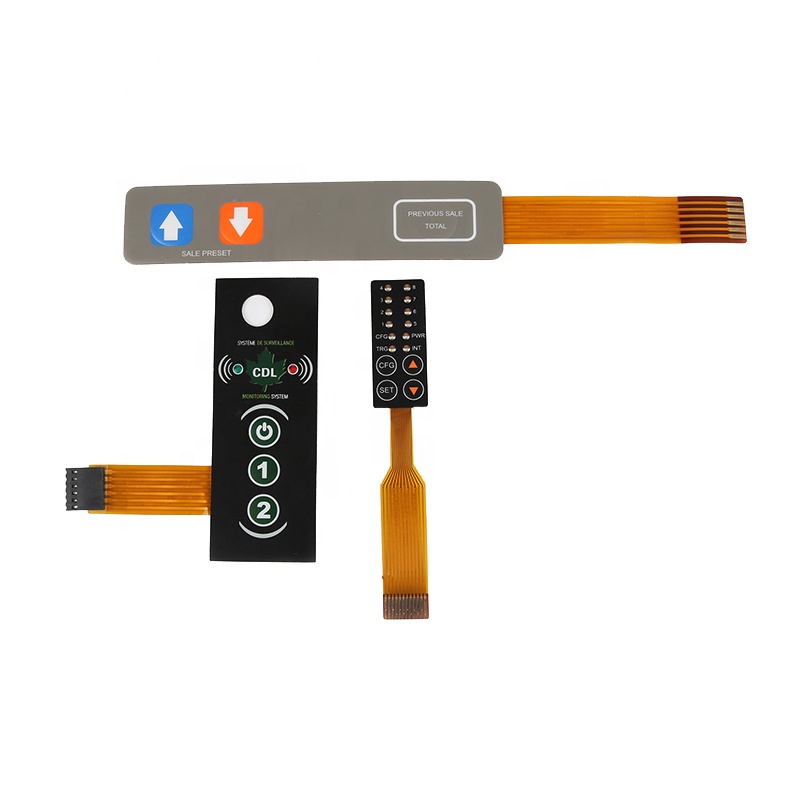
High-Performance OEM Membrane Key Switch with LED Backlight for Control Panels
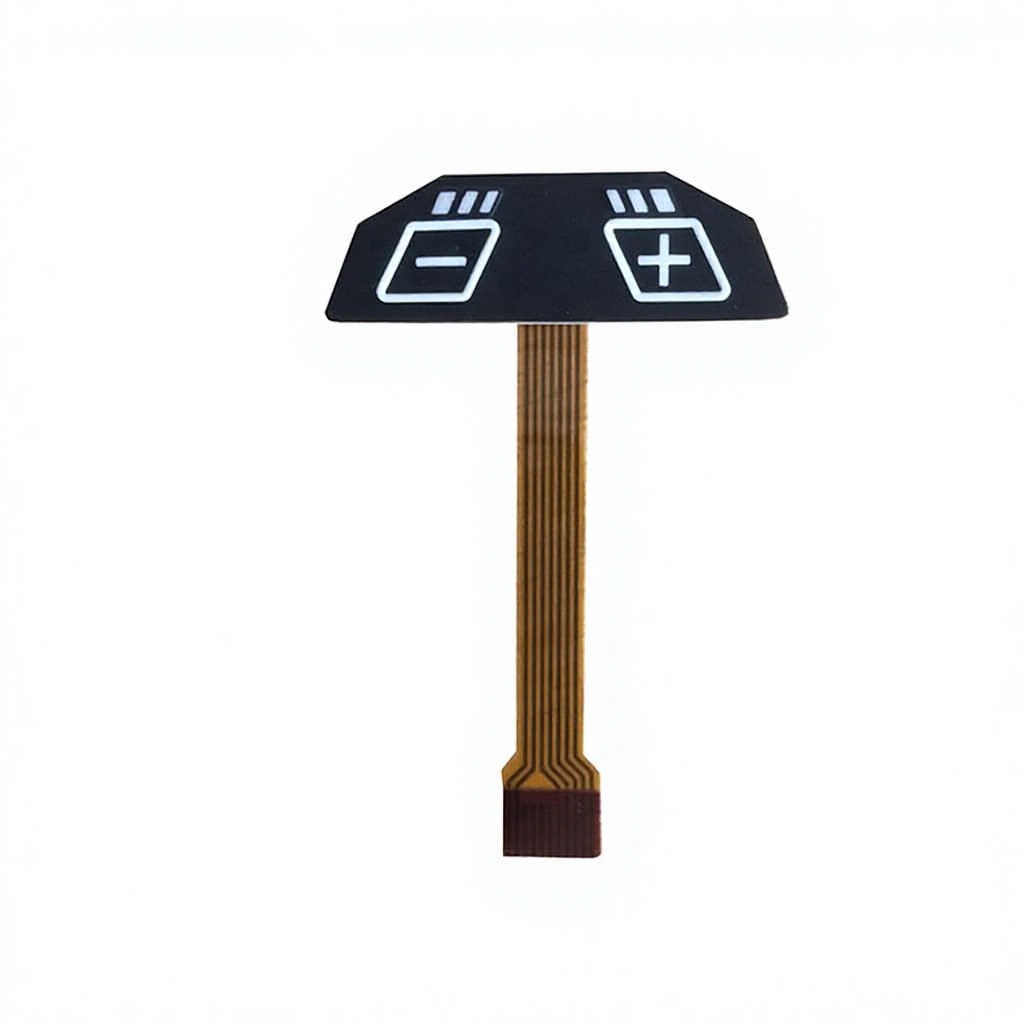
Customized Multi Layer Construction Printed Silver Circuit OEM ODM Wholesale Graphic Overlay Membrane Keypad
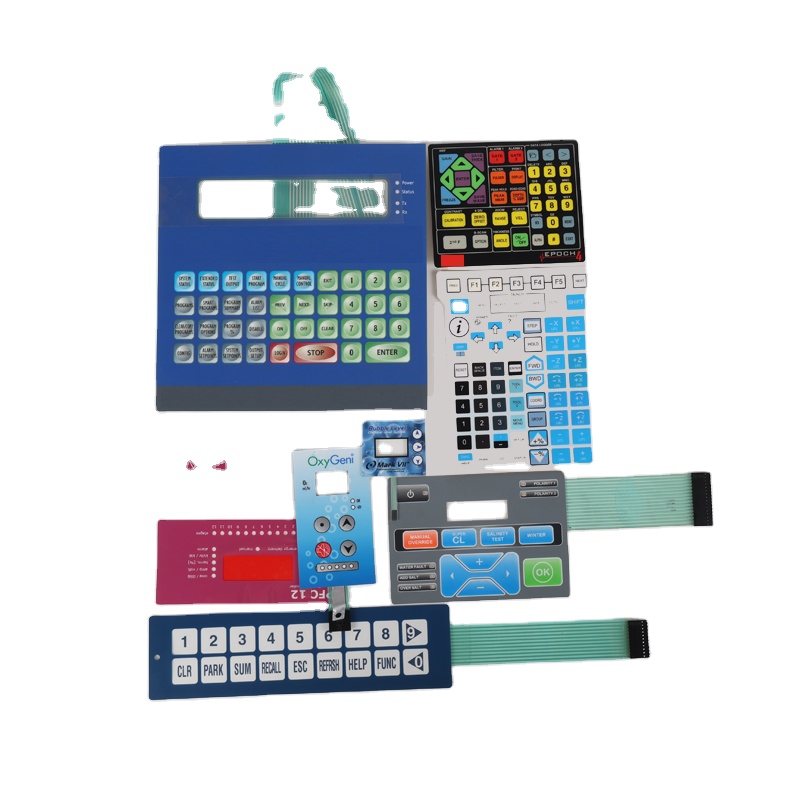
Waterproof Flexible Circuit Membrane Switch for Medical Equipment Membrane Switch
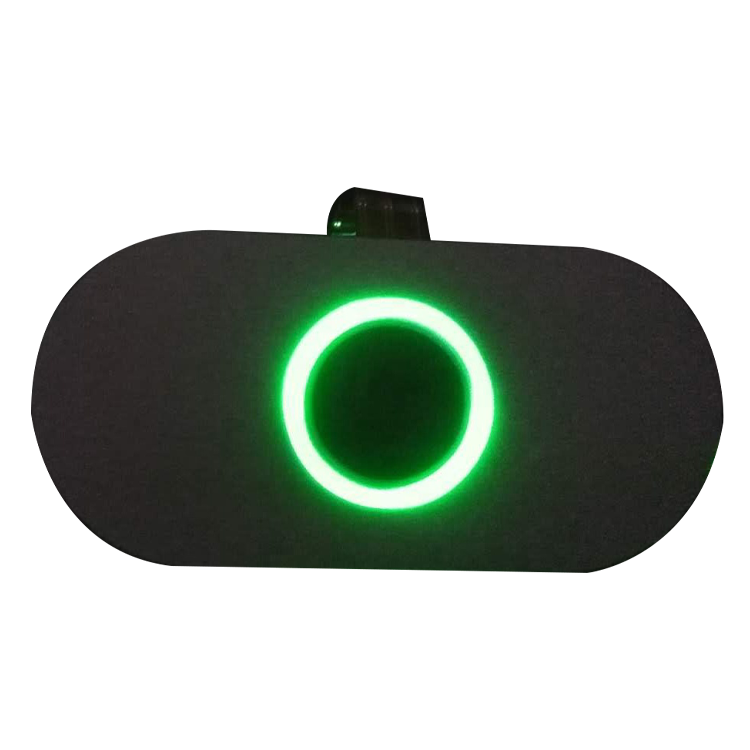
Custom LED Backlit Membrane Switch Keypad, Tactile Metal Dome Push Button Membrane Switch for Industrial Device Control Panel
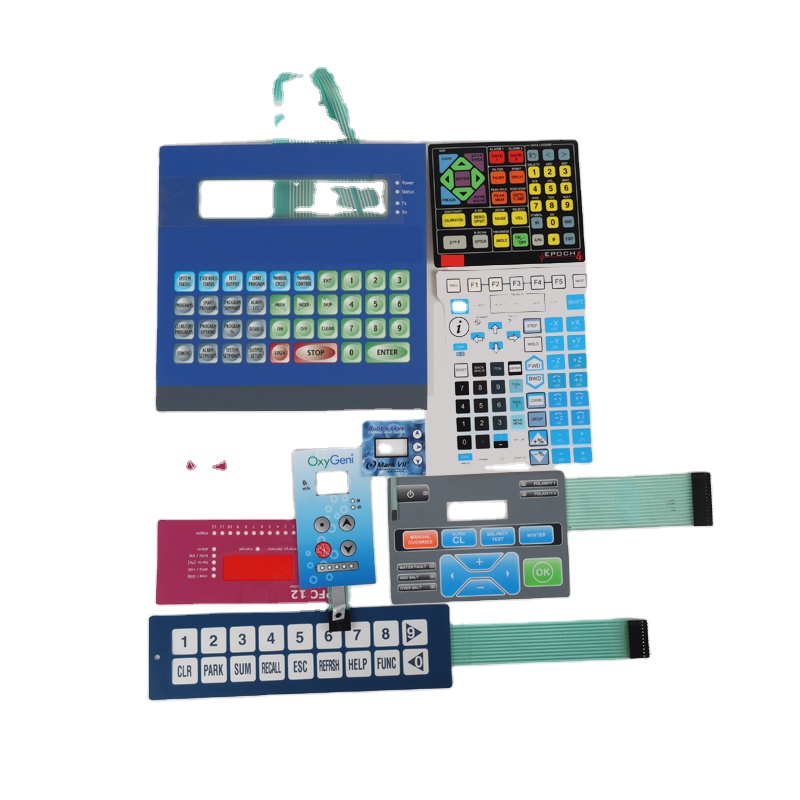
Custom Membrane Switch Medical Device Keypad Durable Medical Grade Polyester PET Compliant RoHS REACH 3M Adhesive Backing 2.54mm
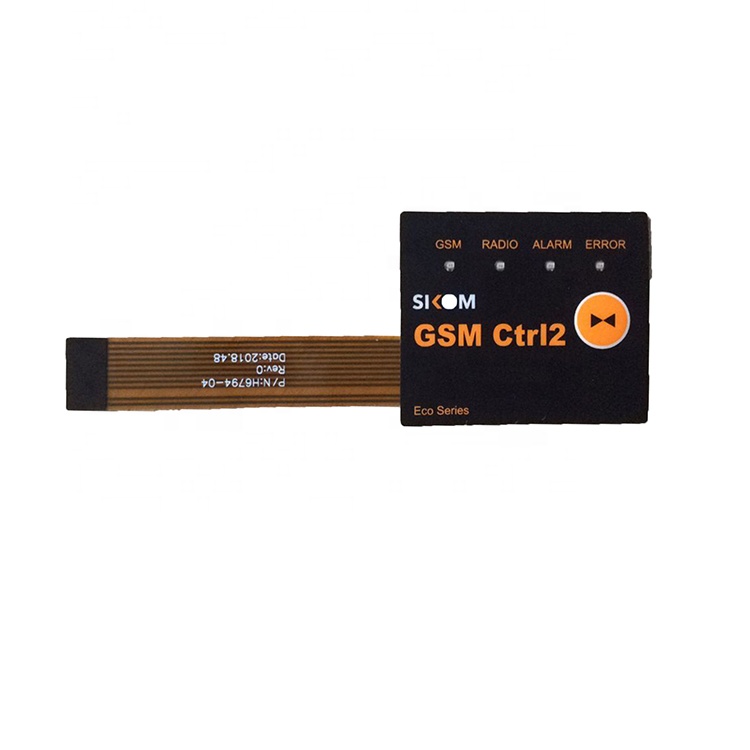
RoHS Compliant Industrial Membrane Push Button Switch Custom Tactile Membrane Keypad Switch for Medical Instrument Control Panel

Waterproof Capacitive Touch Membrane Switch with Customizable Color and Texture
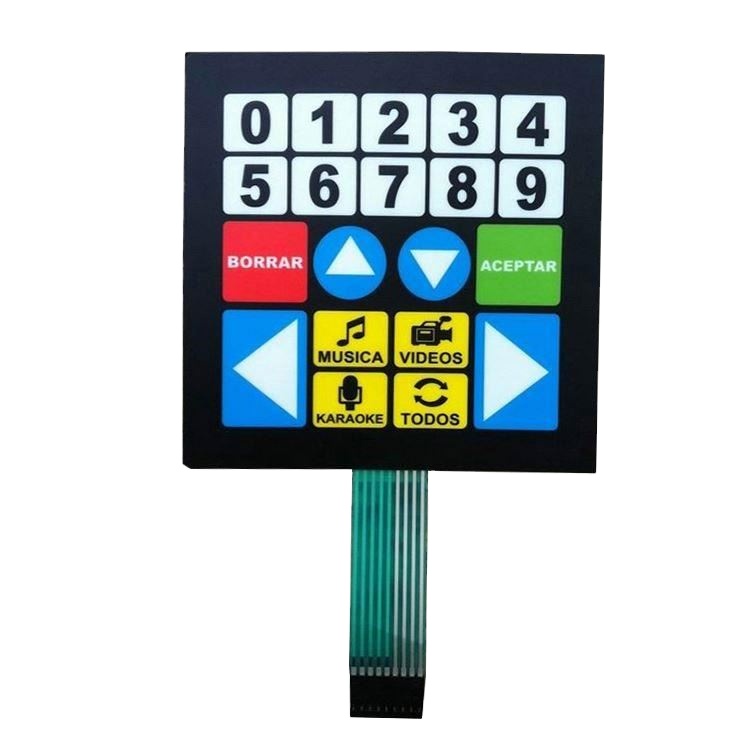
OEM ODM Custom Membrane Switch Keypad, PET PC Graphic Overlay Tactile Push Button Membrane Switch for Industrial Control Panel
The Evolution and Engineering Principles of Custom OEM Graphic Overlays
In modern electronic equipment manufacturing, the Graphic Overlay serves as the primary visual, tactile, and protective interface between human operators and sophisticated machine hardware. Far beyond a simple decorative faceplate, a modern OEM custom graphic overlay is a meticulously engineered multi-layer polymer structure designed to withstand punishing environmental stressors, aggressive chemical exposures, millions of mechanical actuation cycles, and severe electromagnetic interference (EMI).
Whether applied in life-critical medical diagnostic instrumentation, heavy industrial automation control panels, defense electronics, or smart commercial appliances, selecting the right custom graphic overlay supplier directly dictates long-term product field reliability, brand perception, and regulatory compliance (including RoHS, REACH, ISO 13485, and UL94 flame retardancy specs).
1. Material Selection Matrix: Polyester (PET) vs. Polycarbonate (PC)
The foundation of any high-performance graphic overlay lies in the choice of base substrate film. Understanding the physical, mechanical, and chemical trade-offs between biaxially-oriented Polyethylene Terephthalate (PET) and Polycarbonate (PC) is critical for hardware design engineers:
| Engineering Property | Autotype Biaxially-Oriented PET | Optical-Grade Polycarbonate (PC) | Flexible Printed Circuit (FPC) / Hybrid |
|---|---|---|---|
| Flexural Fatigue Life | > 5,000,000 Actuation Cycles | ~ 100,000 Actuation Cycles | > 10,000,000 Actuation Cycles |
| Chemical & Solvent Resistance | Exceptional (Alcohols, Acids, Solvents) | Moderate (Prone to crazing with harsh solvents) | Exceptional (Polyimide / FR4 backer) |
| Embossing Retention (Key Travel) | Superior shape memory & tactile crispness | Good initially, deforms under thermal stress | N/A (Relies on overlay film layer) |
| UV & Weathering Stabilities | High (with UV-stabilized hardcoats) | Prone to yellowing without specialized UV caps | Encapsulated beneath outer graphic layer |
| Thermal Range Operating Limits | -40°C to +105°C | -30°C to +85°C | -40°C to +125°C |
As demonstrated in empirical laboratory testing, PET films (such as MacDermid Autotype Autotex) are the industry gold standard for tactile switch panels requiring flexural embossing. Polycarbonate remains a cost-effective alternative for rigid, non-tactile display windows and basic graphic faceplates where chemical exposure is minimal.
Tactile Dome Architecture
Incorporating stainless steel metal domes (four-leg, triangular, or round) or molded poly-domes directly into the circuit matrix yields precise snap ratios (40%–60%) and actuation forces ranging from 180g to 500g for unambiguous tactile response.
ESD / EMI / RFI Shielding
Integrate fully grounded selective aluminum foil layers or screen-printed conductive carbon grids. This shields sensitive microcontrollers against electrostatic discharge up to 15kV and attenuates high-frequency electromagnetic noise.
Precision Backlighting Solutions
Engineered illumination using ultra-thin Light Guide Films (LGF), embedded discrete side-fire LEDs, or Electroluminescent (EL) panels to deliver uniform luminance across key legends with minimal power consumption and zero heat dissipation.
Global Sourcing & OEM Procurement Trends (2025–2030)
As global supply chains re-align around resilience, sustainability, and rapid technological iteration, procurement directors and engineering leads are adapting their OEM vendor selection criteria. Key trends shaping the graphic overlay and HMI keypad manufacturing landscape include:
Trend 1: Migration toward Integrated Capacitive Touch & Hybrid Interfaces
While mechanical contact keypads remain dominant in high-vibration and gloved-operation environments, high-end commercial and medical devices are increasingly adopting Capacitive ITO Touch Overlays. Modern OEM suppliers must offer seamless hybrid integration—combining sleek, easy-to-clean glass-like capacitive outer surfaces with underlying tactile force sensors and mechanical emergency stop switches.
Trend 2: Anti-Microbial Surface Coatings and Harsh Chemical Cleanability
Post-pandemic design standards mandate that medical equipment faceplates and public interaction kiosks withstand daily wipe-downs with harsh disinfectants (such as isopropyl alcohol, bleach, and quaternary ammonium compounds). Leading custom overlay manufacturers now incorporate inorganic silver-ion anti-microbial agents directly into the outer hardcoat matrix, permanently inhibiting bacterial growth without leaching.
Trend 3: Direct-to-Substrate Digital Printing Combined with Screen Printing
To drastically shorten prototype turnaround times from weeks to days, high-capability factories utilize hybrid printing processes. High-resolution UV digital printing handles complex color gradients, fine brand artwork, and variable data serialization, while high-density screen printing handles opaque background back-fill layers and high-conductivity conductive silver circuit tracks.
Trend 4: Stringent Environmental Compliance & Supply Chain Transparency
Western OEMs require complete material full material disclosure (FMD), non-conflict minerals declaration, REACH SVHC compliance, RoHS 3 certification, and low-VOC adhesive bonding solutions (such as solvent-free 3M 467MP/468MP high-performance acrylic adhesives). Suppliers with verified third-party laboratory audits enjoy a decisive competitive edge.
Why Leading Fortune 500 OEMs Partner with Zhejiang ZIRA
Founded in 1996 in the Changhe Industrial Park, Ningbo, Zhejiang, China, Zhejiang ZIRA Membrane Switch Co., Ltd. has established itself over nearly three decades as a global authority in custom HMI membrane switches, printed PET/PC graphic overlays, silicone rubber keypads, and PCB/FPC integrated assemblies.
29+ Years Dedicated Focus
In-house screen printing, die-cutting, embossing, cleanroom lamination, and automated optical inspection under one roof.
Intertek Onsite Verified
Rigorously audited facility and trade capacity verified by independent third-party inspector Intertek, ensuring zero compliance risks.
100% Quality Assurance
100% electrical parameter testing, actuation force verification, loop resistance checks, and key actuation lifecycle stress testing.
Maintaining long-term strategic relationships with global industrial leaders such as ABB and Emerson, ZIRA delivers custom-tailored HMI solutions exported across North America, Western Europe, South America, and Oceania. From 1-piece rapid prototype iteration to high-volume multi-million piece annual runs, our engineering team provides full Design for Manufacturability (DFM) support to optimize unit cost and structural durability.
Frequently Asked Questions by OEM Sourcing Managers
Get technical answers regarding design specs, manufacturing lead times, minimum order quantities, and material choices.
