Engineered Interface Product Solutions
Explore our high-durability control panel overlays, membrane switches, and custom interface assemblies validated for harsh operating environments.

RoHS REACH Compliance Even Illumination Every Key Makes Night Operation Customized Backlit Membrane Keypad Switch
View Product Details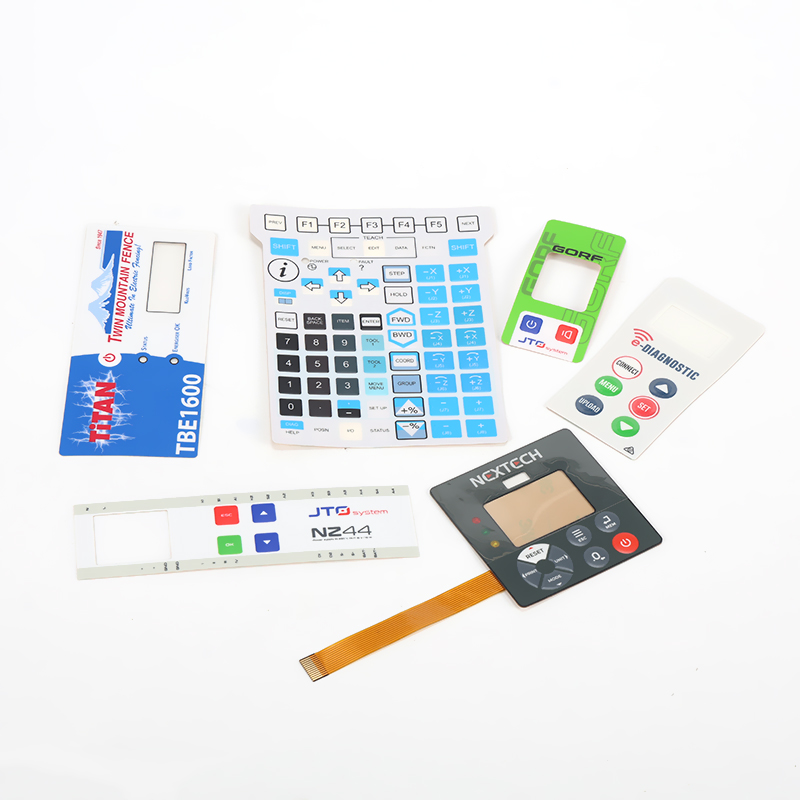
Waterproof Dustproof Custom Membrane Keypad Switch, PET Graphic Overlay Membrane Push Button Switch for Harsh Environment
View Product Details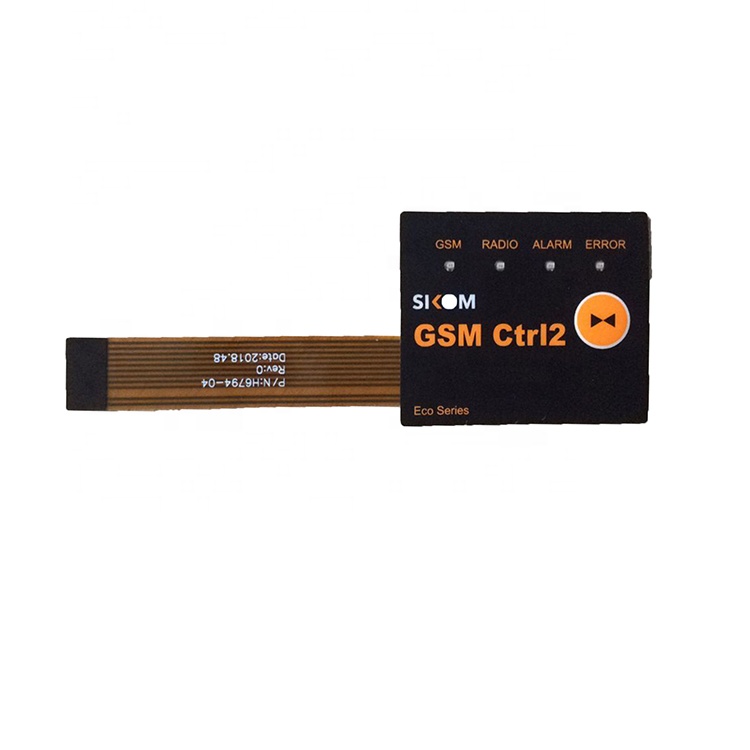
RoHS Compliant Industrial Membrane Push Button Switch Custom Tactile Membrane Keypad Switch for Medical Instrument Control Panel
View Product Details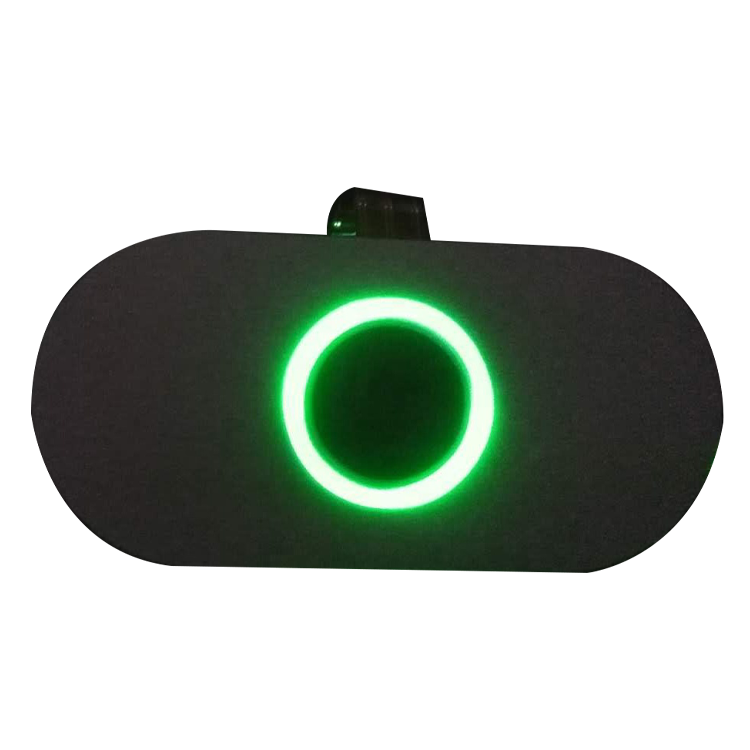
Custom LED Backlit Membrane Switch Keypad, Tactile Metal Dome Push Button Membrane Switch for Industrial Device Control Panel
View Product Details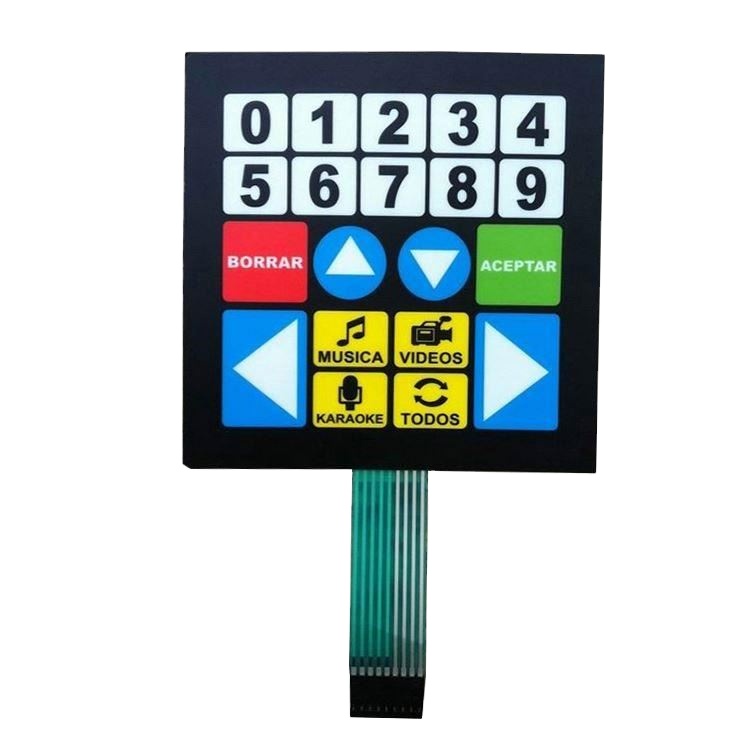
OEM ODM Custom Membrane Switch Keypad, PET PC Graphic Overlay Tactile Push Button Membrane Switch for Industrial Control Panel
View Product Details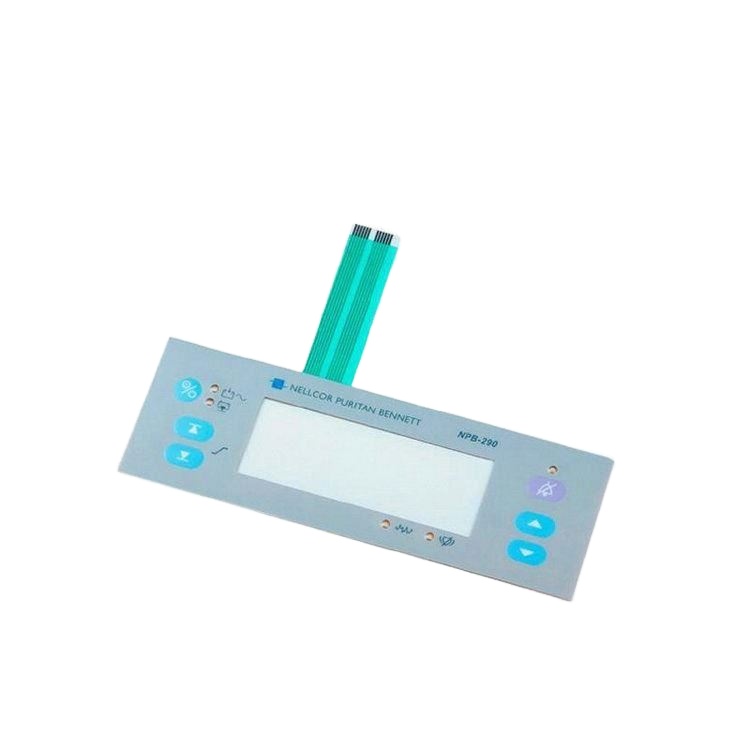
China Manufacturer Custom Membrane Push Button Switch, Flexible Membrane Keypad Switch OEM ODM Sample Available
View Product Details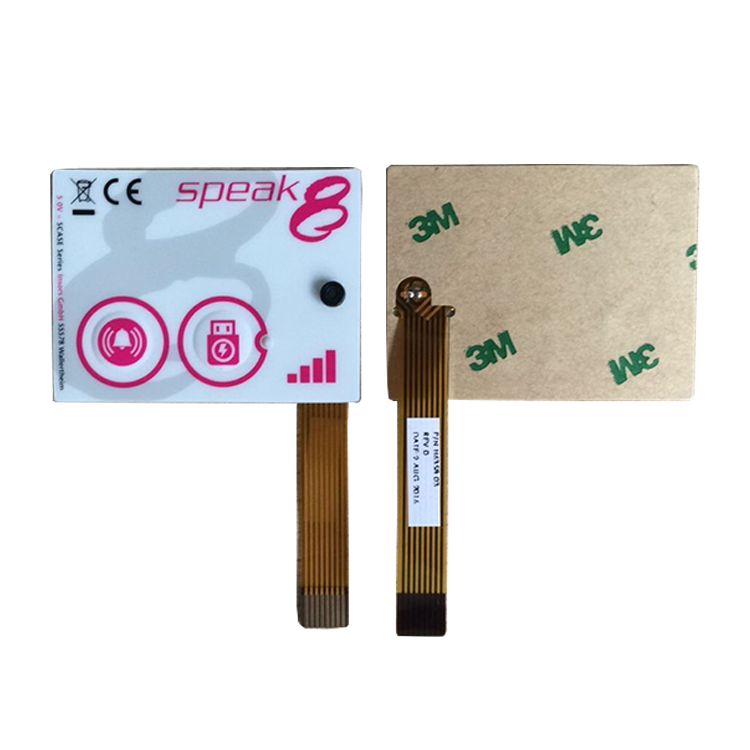
Custom Silk Screen Printing Membrane Switch Flexible Thin Film Keypad Push Button Switch for Household and Medical Equipment
View Product Details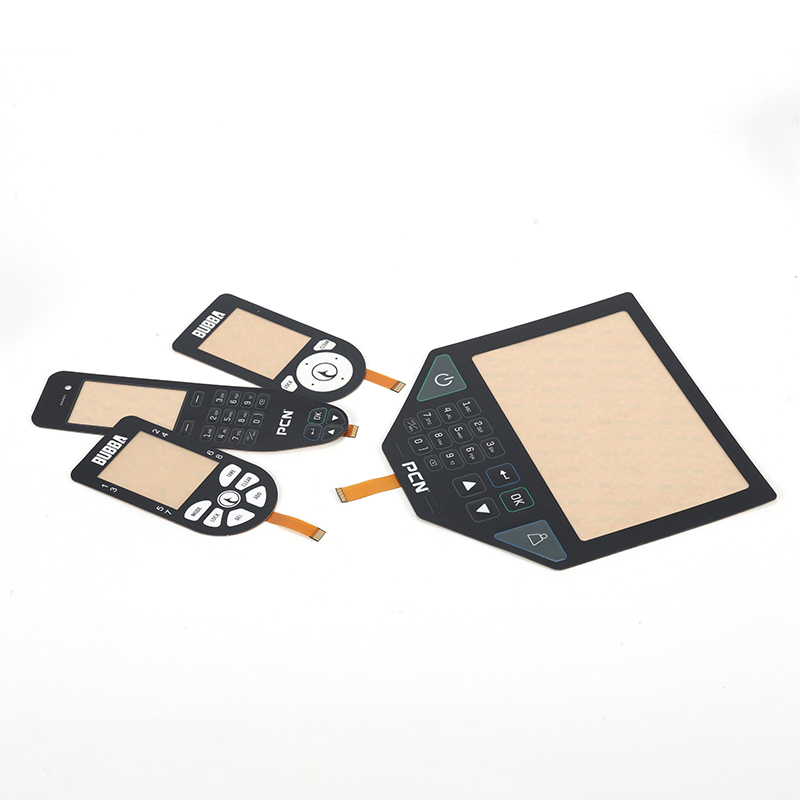
High Quality Customized Membrane Push Button Switch, FPC Circuit Membrane Keypad Switch With Shielding Layer
View Product DetailsEnterprise Strengths & Manufacturing Rigor
Zhejiang ZIRA Membrane Switch Co., Ltd. combines advanced materials science, stringent QA/QC processes, and flexible OEM/ODM capabilities.
End-to-End Vertical Integration
From precise screen printing and UV curing to die-cutting, embossing, and automated SMT component placement, our in-house Ningbo plant controls every fabrication step to minimize lead times and defect rates.
Strict Quality Control & Compliance
Intertek onsite-verified factory adhering to ISO 9001 standards. Every production lot undergoes 100% loop resistance testing, contact chatter validation, and insulation resistance checks under REACH & RoHS compliance.
Dedicated DFM Engineering Support
Our application engineers review your CAD drawings, pin-out schematics, tail lengths, and stack-up configurations before tooling to prevent mechanical interference and optimize switch tactile response.
Engineering Whitepaper: Advanced Material Selection & Fabrication Mechanics for Control Panel Overlays
A control panel overlay—often referred to as a graphic overlay or faceplate—serves as the primary Human-Machine Interface (HMI) for industrial machinery, medical devices, laboratory instruments, and commercial appliances. Operating as the external visual and tactile layer of a membrane switch assembly, the graphic overlay must provide structural protection, chemical shielding, optical clarity, and precise tactile feedback over hundreds of thousands or millions of actuation cycles.
Technical Insight: Selecting the optimal substrate film (Polycarbonate vs. Autotex Polyester) directly dictates the overlay’s resistance to flexural fatigue, chemical exposure, environmental UV degradation, and tactile actuation lifespan.
1. Polymer Substrate Science: PET vs. PC Specifications
When engineering an OEM graphic overlay, choosing between Polycarbonate (PC) and Biaxially Oriented Polyethylene Terephthalate (PET) is a foundational design choice:
- Polycarbonate (PC) Substrates: Known for optical clarity, ease of processing, and high impact resistance. Standard PC films (e.g., Sabic Lexan) offer high thermal dimensional stability up to 135°C. However, PC exhibits lower flexural fatigue resistance compared to PET, making it ideal for flat graphic overlays or low-actuation applications rather than deeply embossed, high-cycle tactile keys.
- Polyester (PET) Substrates: Premium textured polyester films (such as MacDermid Autotex XE or Fine) are the gold standard for industrial control panels. PET offers an extraordinary flex-life exceeding 5,000,000 switch actuations without micro-cracking. Furthermore, chemically treated PET demonstrates superior resistance to harsh industrial solvents, aggressive cleaning agents (e.g., isopropyl alcohol, sodium hypochlorite in medical settings), and environmental yellowing.
| Performance Characteristic | Polycarbonate (PC) | Autotex Polyester (PET) | Flexible Printed Circuit (FPC) Hybrid |
|---|---|---|---|
| Actuation Flex Life (Cycles) | ~100,000 to 500,000 | > 5,000,000 | > 10,000,000 |
| Chemical & Solvent Resistance | Moderate (Susceptible to Esters/Ketones) | Exceptional (Resists Industrial Solvents) | High (Sub-surface Protected) |
| Embossing Retention & Resilience | Fair (Pillow/Rim Embossing) | Superior Tactile Dome Memory | N/A (Rigid/Flex Substrate) |
| Operating Temperature Range | -40°C to +135°C | -40°C to +105°C | -40°C to +125°C |
| UV Yellowing Resistance | Requires UV-Stabilized Grade | High (Autotex XE UV Grade) | High Encapsulation |
2. Tactile Embossing Dynamics & Snap Ratios
Tactile feedback confirms user actuation without requiring visual verification, which is critical in high-stress medical or industrial operating conditions. Graphic overlays employ three primary embossing geometries:
- Rim Embossing: The perimeter around the graphic key is raised (typically 0.3mm to 0.5mm), guiding the operator's fingertip to the active switch zone while preserving flat window areas for display screens.
- Pillow/Dome Embossing: The entire key surface is formed into a convex dome. When pressed, the overlay deflection works in tandem with internal stainless steel metal domes (typically 12mm to 20mm in diameter with actuation forces ranging from 180g to 400g) to deliver a crisp, tactile snap ratio (40%-60%).
- Custom Ridge & Braille Formatting: Specialized tooling can incorporate tactile locator points or ADA-compliant Braille characters directly into the substrate during thermo-forming.
3. EMI/RFI Shielding & Environmental Sealing Architecture
Industrial environments expose control electronics to Electrostatic Discharge (ESD), Electromagnetic Interference (EMI), high humidity, and dust ingress. High-performance membrane overlay assemblies integrate functional internal layers:
An aluminum foil or screen-printed conductive carbon/silver grid layer acts as a Faraday cage, diverting static voltage surges up to 15kV away from sensitive internal logic circuits to system ground. For liquid sealing (IP65, IP67, or IP68 ratings), perimeter gasket adhesives (such as 3M 467MP, 3M 468MP, or 3M VHB foam tapes) form a continuous, hermetic barrier around cutouts, preventing moisture migration beneath display windows or active circuits.
Future Development Trends in HMI & Control Panel Overlays
As industrial automation, IoT devices, and smart medical instrumentation evolve, the control panel overlay industry is undergoing technological shifts:
1. Transition to Capacitive Touch & ITO Transparent Circuits
While mechanical tactile switches remain essential for heavy-glove operations, touch-sensitive capacitive switches utilizing Indium Tin Oxide (ITO) or conductive organic polymers are rapidly gaining traction. These solid-state overlays eliminate mechanical wear completely, providing seamless glass-like surfaces that are easy to sterilize in medical and food-processing environments.
2. In-Mold Electronics (IME) & 3D Structural Integration
In-Mold Electronics (IME) merges traditional graphic overlay thermoforming with printed electronics during the injection molding process. Instead of assembling flat multi-layer sheets, IME produces 3D contoured control surfaces with embedded circuitry, capacitive sensors, and LEDs in a single lightweight part, reducing overall assembly thickness by up to 70%.
3. Energy-Efficient Light Guide Film (LGF) & Micro-LED Backlighting
Traditional discrete surface-mount LEDs often create localized hot spots on illuminated keypads. Advanced overlays now integrate ultra-thin Light Guide Films (LGF) or Fiber Optic weaves behind the overlay faceplate. A few side-emitting micro-LEDs couple light into the LGF, distributing uniform illumination across complex iconography with significantly lower power consumption and heat generation.
4. Antimicrobial & Anti-Glare Surface Treatments
Post-pandemic healthcare standards demand active antimicrobial protection. Modern PET graphic overlays incorporate inorganic silver-ion (Ag+) antimicrobial agents permanently embedded into the hardcoat matrix (certified under ISO 22196). These coatings continuously inhibit bacterial and fungal growth without degrading under harsh hospital disinfection protocols.
Strategic OEM Procurement Trends & Supply Chain Optimization
Global procurement directors and hardware sourcing managers face shifting dynamics when procuring custom electronic control panels:
Procurement Strategy: Sourcing managers are increasingly moving away from pure unit-cost purchasing toward Total Cost of Ownership (TCO) evaluation, prioritizing vendor Design-for-Manufacturability (DFM) support, rapid prototyping agility, and multi-tier quality certification.
1. Early Supplier Involvement (ESI) and Prototyping Speed
Leading OEM brands now engage custom keypad manufacturers during the initial concept phase rather than post-design lock. Early DFM collaboration ensures tail routing, pin pitches (1.0mm, 1.27mm, 2.54mm pitch connectors), actuation tolerances, and window printing tinting (dead-front printing vs. transparent color filters) are optimized before hard tooling is cut, preventing costly tooling re-spins.
2. Supply Chain Resiliency & Environmental Compliance
With tightening international regulations, engineering buyers require verifiable material traceability. Top-tier suppliers must provide comprehensive REACH SVHC compliance data, RoHS 3 chemical test reports, and Conflict-Free Mineral declarations. Direct factory sourcing from established manufacturing hubs with certified quality systems (such as Zhejiang ZIRA) balances competitive volume pricing with reliable international logistics handling under FOB, CIF, or DDP terms.
Procurement & Engineering FAQs
Common questions from buyers, hardware engineers, and sourcing specialists regarding custom control panel overlay manufacturing.
Ready to Build Your Custom Control Panel Interface?
Connect with our senior engineering team today for DFM feedback, sample requests, and factory-direct competitive quotes.
