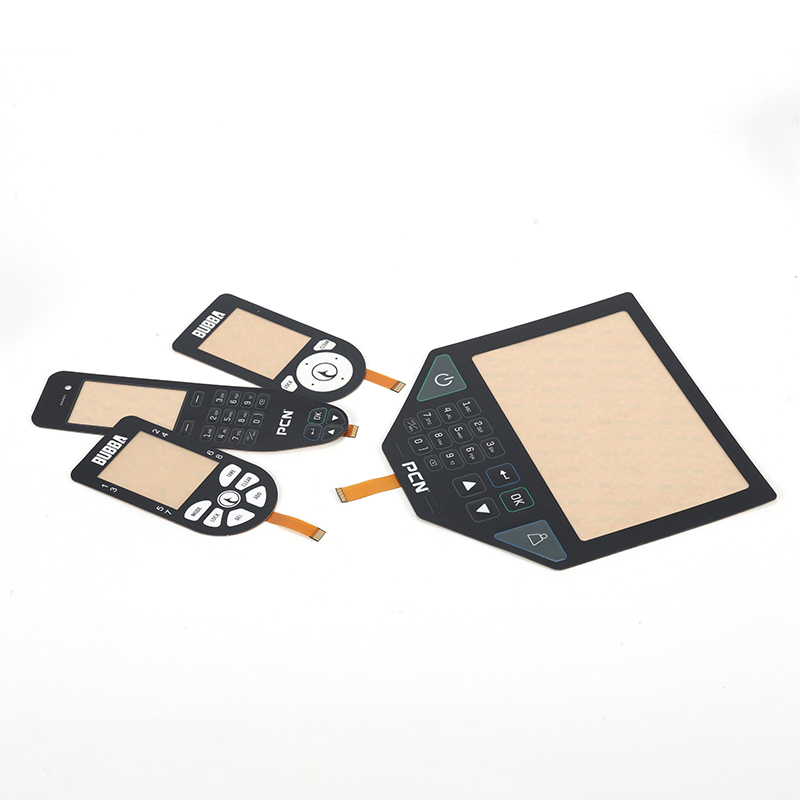
China Best Waterproof Membrane Keyboard Factory & Exporter
Engineering IP67 & IP68 Sealed Keypads, Tactile Push Button Switches, and Custom HMI Control Assemblies Since 1996
Precision Waterproof Membrane Keyboards & Control Panels
Explore our OEM/ODM custom engineered membrane switches featuring flexible circuits, ESD/RFI shielding, tactile metal domes, and robust environmental sealing.
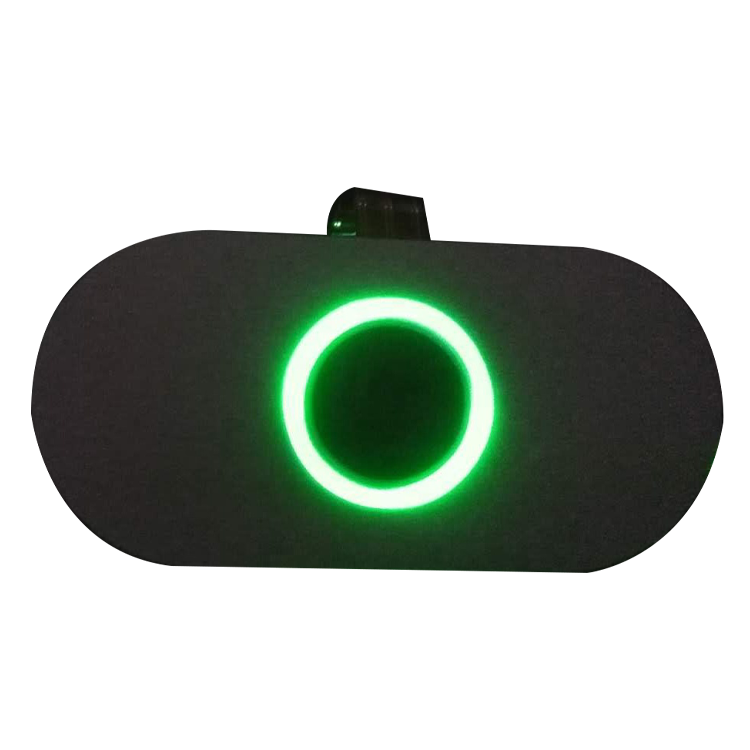
Custom LED Backlit Membrane Switch Keypad, Tactile Metal Dome Push Button Membrane Switch for Industrial Device Control Panel
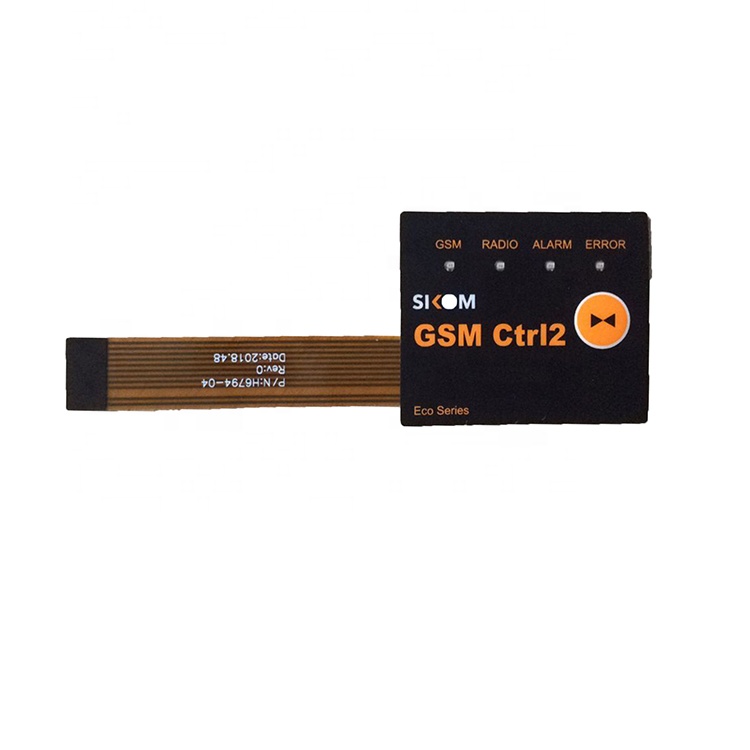
RoHS Compliant Industrial Membrane Push Button Switch Custom Tactile Membrane Keypad Switch for Medical Instrument Control Panel
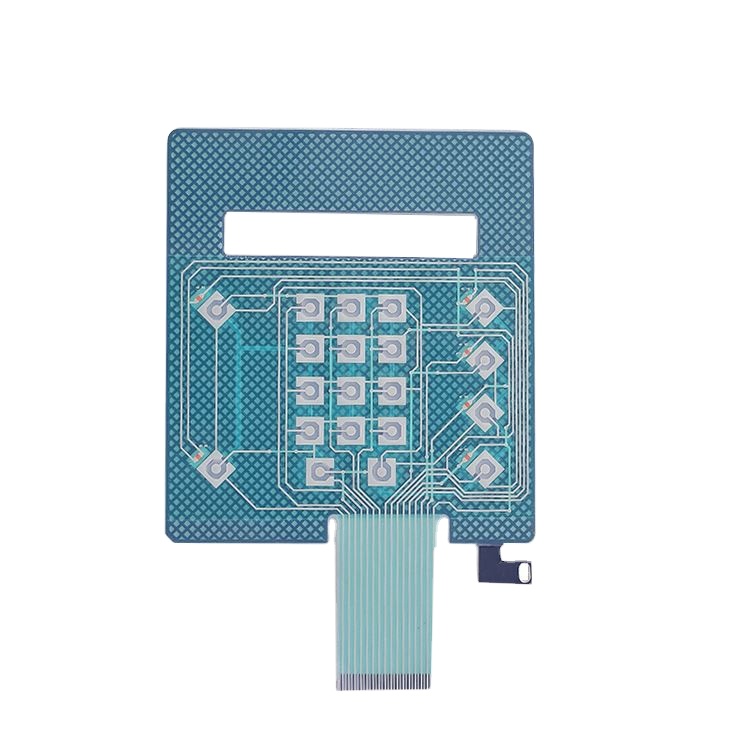
Custom PET Membrane Switch Keypad, ESD Shielding Layer Thin Film Push Button Membrane Switch for Electronic Equipment
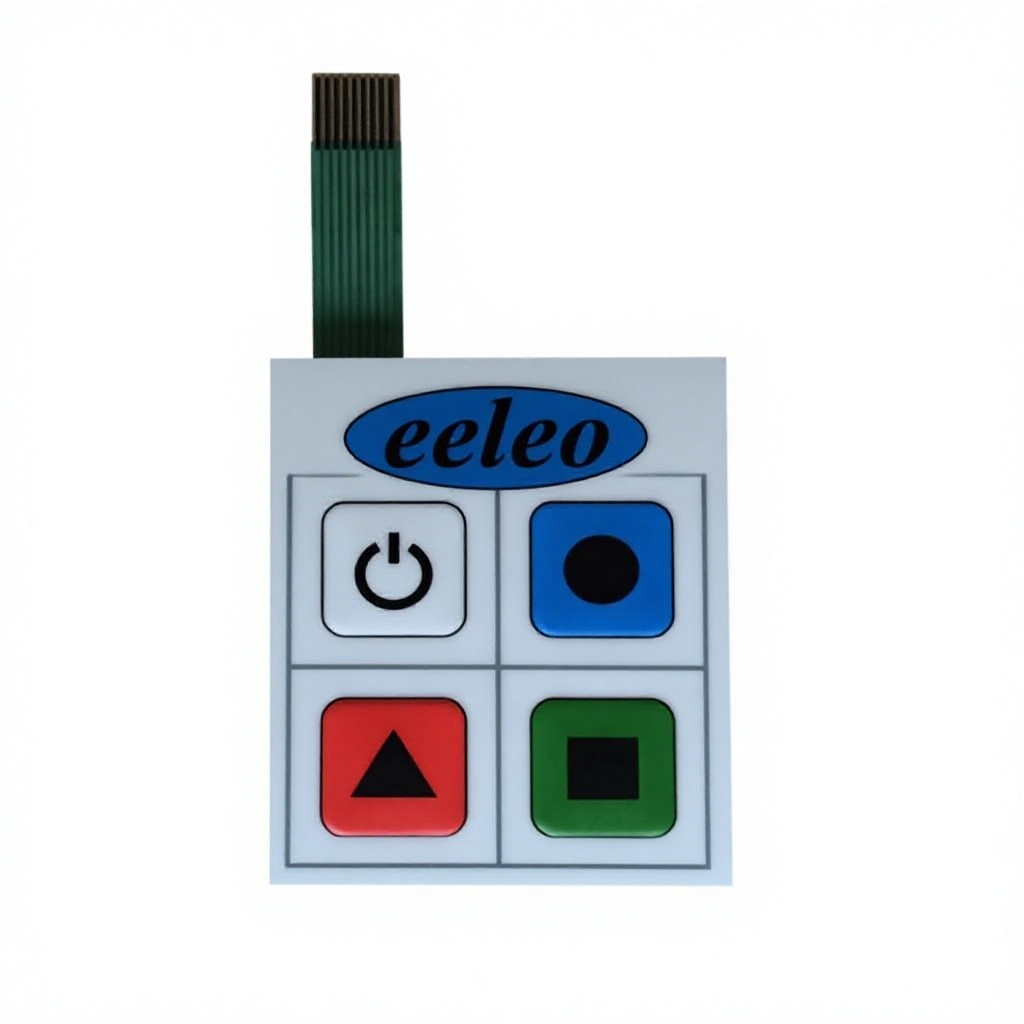
Wholesale OEM ODM Membrane Switch Home Appliance Control Panel Custom Graphic Overlay Polyester PET RoHS Custom Design
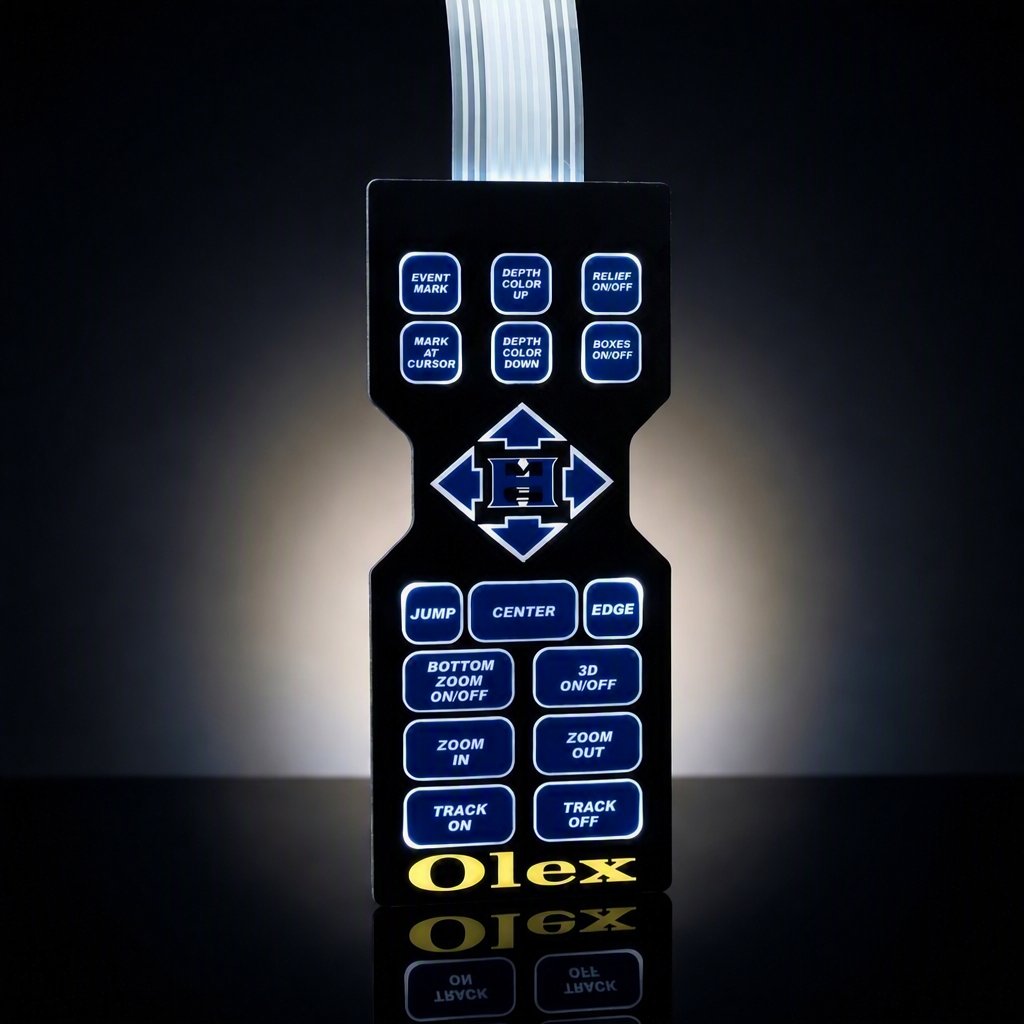
Free Backlight Simulation and Light Guide Design Support Customized Uniform Illumination Backlight Membrane Switch Keyboard
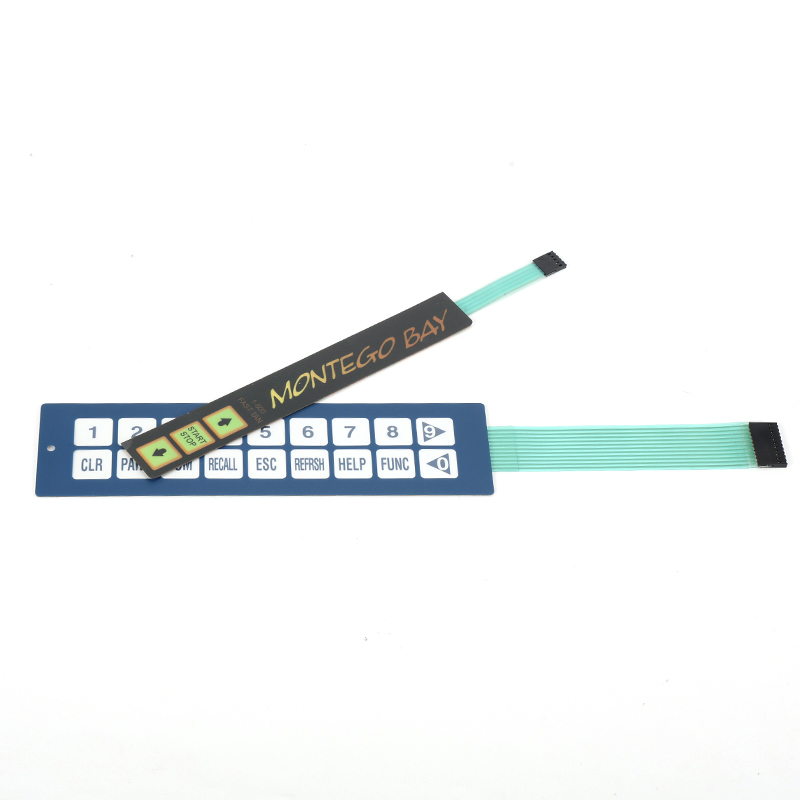
Long-Lasting High Durability Membrane Keypad for Electronic Appliances & Devices
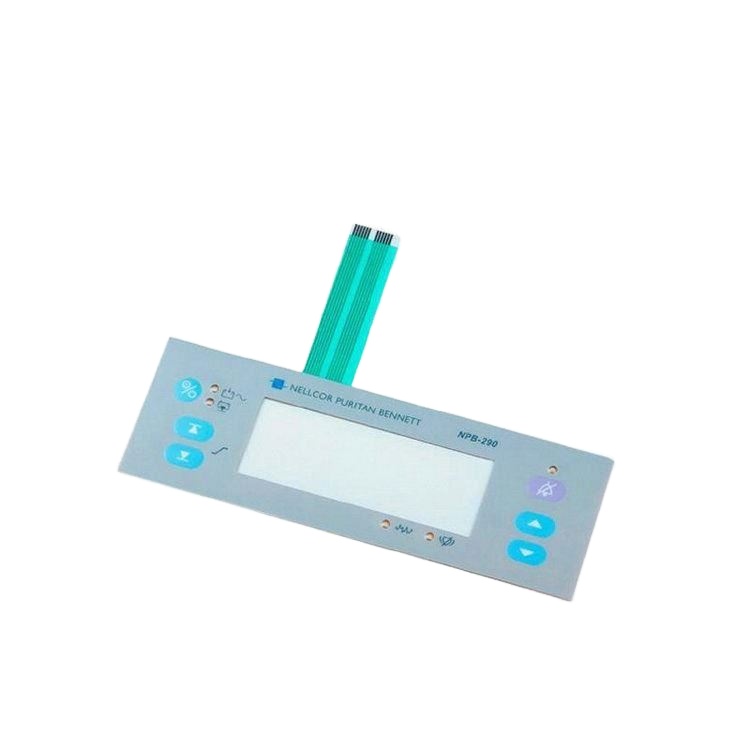
China Manufacturer Custom Membrane Push Button Switch, Flexible Membrane Keypad Switch OEM ODM Sample Available
29+
Years Industry Experience (Est. 1996)
100%
Electrical Inspection Before Shipping
IP68
Sealing Capability Standards
50+
Countries Exported (North America, Europe, Asia)
IP67/IP68 Waterproof Sealing
Utilizing high-performance 3M acrylic adhesive transfer tapes and full perimeter gasket seals, our keyboards withstand liquid submersion, high-pressure washdowns, and harsh condensation cycles.
FPC & PCB Rigid-Flex Integration
Engineered with Flexible Printed Circuits (FPC) or rigid FR4 PCB backplanes to integrate surface-mount LEDs, active IC components, ESD shielding layers, and high-density pitch connectors.
Crisp Tactile Feedback
Custom stainless steel metal domes or polyester poly-domes tuned for precise actuation force (200g to 500g), offering over 1 million switch operations for superior operator responsiveness.
Engineering Architecture of Waterproof Membrane Keyboards
In modern industrial automation, medical device design, and rugged commercial electronics, human-machine interfaces (HMIs) face relentless environmental challenges. A waterproof membrane keyboard serves as the critical protective boundary between sensitive control electronics and extreme external stresses, including high-pressure washdowns, chemical exposure, fine particulate dust, and thermal fluctuations.
As China’s leading customized membrane switch manufacturer, Zhejiang ZIRA Membrane Switch Co., Ltd. combines nearly three decades of precision screen printing, material science expertise, and advanced automated lamination to produce human-machine interfaces that consistently exceed IP67 and IP68 environmental standards.
Key Technical Advantage: Multi-Layer Perimeter Moisture Sealing
Standard membrane keypads often fail prematurely due to edge-ingress caused by lateral fluid capillary action or thermal pressure differentials. ZIRA’s proprietary perimeter seal architecture employs high-tack 3M 200MP / 300LSE adhesive transfer films, precision-machined cutouts, and hydrophobic venting membranes to balance internal cavity pressure while completely blocking liquid penetration.
1. Substrate & Film Selection: Material Science Analysis
The operational lifespan and physical endurance of a waterproof keypad are directly dictated by the structural substrate of its graphic overlay and functional layers:
- Autotex XE Biaxially Oriented Polyester (PET): Engineered specifically for outdoor exposure, Autotex XE features UV-inhibited chemistry and superior resistance to flex-cracking over millions of switch actuations. It withstands aggressive cleaning agents, isopropyl alcohol, dilute acids, and industrial solvents.
- Polycarbonate (PC): Preferred for high-clarity display window applications and high impact resistance. While slightly less flexible than PET, premium PC overlays offer brilliant optical clarity and excellent flame retardancy (UL94 V-0 options).
- Thermoplastic Polyurethane (TPU) & Silicone Overmolding: Utilized in hybrid keypads requiring soft-touch tactile ergonomics, three-dimensional key heights, and complete surface fluid repellency.
2. Environmental Ingress Protection Physics (IP65 vs. IP67 vs. IP68)
Understanding the exact mechanics of fluid dynamics under pressure is essential when designing HMIs for wet environments:
| Rating | Solid Protection | Liquid Protection Test Standard | Recommended Application Engineering |
|---|---|---|---|
| IP65 | Dust-tight (No ingress) | Water jets projected by a nozzle (6.3mm) against enclosure from any direction | Commercial food equipment, indoor laboratory devices, light appliance panels |
| IP67 | Dust-tight (No ingress) | Immersion in water up to 1 meter depth for 30 minutes continuous duration | Outdoor marine instruments, medical diagnostic devices undergoing sterilization washdowns |
| IP68 | Dust-tight (No ingress) | Continuous submersion under specified pressure and depth exceeding 1.5 meters | Submersible industrial sensors, military tactical control units, heavy mining machinery |
3. Circuit Architecture: FPC, Silver Flex, and FR4 PCB Assemblies
The interior electrical routing of a waterproof keypad determines signal integrity and spatial footprint:
- Flexible Printed Circuit (FPC): Etched copper conductors on polyimide substrate offer micro-pitch trace spacing, low line resistance (<1Ω), and high-reliability SMT component mounting (surface-mount LEDs, resistors, diodes). FPC keypads are immune to silver migration—a common failure mode in humid environments.
- Printed Silver Flex Circuitry: Screen-printed conductive silver and carbon inks on optical-grade PET. Economical for larger surface areas, featuring UV-cured dielectric insulation layers and cross-over bridges.
- Rigid FR4 PCB Substrate: Integrates the membrane switch directly onto a structural circuit board. Provides structural rigidity, high mechanical mounting force, and direct connector header soldering for heavy-duty industrial control boxes.
Future Procurement Trends in the Global Membrane Keyboard Market
Procurement teams and design engineers in North America, Western Europe, and Asia-Pacific are rapidly moving away from simple transactional component purchasing. Sourcing strategies for 2025–2030 prioritize risk mitigation, total cost of ownership (TCO), and advanced design-for-manufacturability (DFM) collaboration.
1. Early DFM Engineering Involvement & Virtual Prototyping
Modern B2B hardware development demands rapid cycle times. Sourcing directors favor factories capable of providing free backlight ray-tracing simulation, optical light guide film (LGF) optimization, and finite element analysis (FEA) for metal dome actuation force prior to steel tooling cutting. Early DFM prevents costly mold redesigns and shortens NPI (New Product Introduction) timelines by up to 40%.
2. Integration of Smart Sensing & Hybrid Touch Capacitance
The border between mechanical push buttons and capacitive touchscreens is fading. Strategic buyers are sourcing hybrid HMI assemblies that combine tactile metal dome keys for safety-critical stop/start commands with proximity capacitive ITO (Indium Tin Oxide) touch keys for fluid scrolling and slider functions on a single waterproof panel.
3. Supply Chain Traceability and ESG/RoHS Compliance
Global regulatory frameworks (EU RoHS 3, REACH SVHC, Conflict Minerals declarations) require complete bill-of-materials traceability. Leading exporters must maintain strict incoming raw material inspections (IQC), cleanroom printing environments, and certified halogen-free processing protocols to meet international sustainability standards.
Future Technology Roadmap for Custom Membrane Keypads
Looking ahead, technological advancements in functional inks, optical films, and micro-electronics are redefining what a membrane keyboard can achieve:
- Ultra-Thin Light Guide Film (LGF) Illumination: By channeling side-emitting SMT LEDs through a micro-structured 0.125mm optical film, LGF delivers crystal-clear, uniform backlight distribution across key icons and borders with zero light bleed and minimal power consumption.
- Active Haptic Feedback Integration: Embedding piezo-electric actuators behind waterproof keypads to supply subtle localized vibration pulses, giving operators positive tactile confirmation even when wearing heavy safety gloves.
- Nanotech Hydrophobic Topcoats: Applying anti-microbial and oleophobic nano-coatings directly to graphic overlays to prevent fingerprint smudging, chemical stain retention, and bacterial growth in critical clinical environments.
Enterprise Advantages: Why Partner with Zhejiang ZIRA Membrane Switch Co., Ltd.
Founded in 1996 in Ningbo, Zhejiang Province, Zhejiang ZIRA Membrane Switch Co., Ltd. has established itself as an authoritative global manufacturer and exporter of human-machine interface components. Covering 3,000 to 5,000 square meters of specialized production area across 5 dedicated manufacturing lines, our facility is engineered for volume precision and operational flexibility.
Verified Industry Credentials
- Intertek Onsite Assessed Supplier: Facility operations, engineering capacities, cleanroom standards, and export capability verified on site by Intertek independent inspectors.
- 100% Electrical & Functional Testing: Every custom switch undergoes 100% automated electrical continuity testing, insulation resistance verification, LED luminescence testing, and visual inspection before packaging.
- Tier-1 Industry Trust: Decades of supply chain partnership with Fortune 500 industrial conglomerates including ABB and Emerson Electric.
- Full In-House Manufacturing Loop: Graphic layout design, precision screen printing, automated drying ovens, numeric punching, metal dome placement, laser cutting, and final lamination performed in-house.
B2B Procurement & Engineering FAQ
Detailed technical answers to common queries raised by engineering managers, quality control leads, and procurement teams during custom switch specification.
What design factors ensure a membrane switch achieves true IP67 waterproof performance?
To achieve a reliable IP67 rating, three design parameters must be met: 1) A continuous perimeter adhesive seal (minimum 3mm to 5mm width) using high-grade acrylic adhesives like 3M 467MP or 3M 300LSE; 2) Micro-venting channels engineered inside the inner spacer layers to equalize pressure variations without letting external moisture enter; 3) Seal integrity around display windows, LED cutouts, and the tail outlet connector path.
What are the primary differences between Polyester (PET) and Polycarbonate (PC) graphic overlays?
Polyester (PET) is physically superior for keypads because it withstands more than 1 million switch actuations without flexing fatigue, micro-cracking, or stretching. It also features superior resistance to harsh industrial solvents and UV radiation. Polycarbonate (PC) is easier to die-cut and offers high clarity for transparent display windows, but exhibits lower flexural fatigue life (approx. 100,000 actuations) and is vulnerable to chemical cracking.
How do you prevent silver ink migration failure in high-humidity applications?
Silver migration occurs when moisture and direct voltage potential cause silver ions to migrate across traces, causing short circuits. We prevent this by applying an overprinted carbon ink layer on silver traces, utilizing UV dielectric insulating encapsulation, or upgrading the circuit layer to an etched copper polyimide FPC (Flexible Printed Circuit) substrate for harsh wet environments.
What is the typical Minimum Order Quantity (MOQ) and sample lead time?
We support engineering prototypes from as low as 1 piece for custom designs. Standard production batch sizes typically start at 100 pieces for complex industrial keypads, while standard numeric PET keypads can scale up to 1,000+ pieces for mass production. Sample lead times range from 5 to 9 business days depending on design complexity and tooling approval.
Which tactile feedback mechanism is best for glove-operated industrial machinery?
For operators wearing thick industrial or thermal gloves, stainless steel metal domes with high actuation force (350g to 500g) and key diameters of 12mm to 20mm deliver the required tactile click feedback. Pairing metal domes with raised rim or pillow graphic embossing further aids blindly placing fingers on key targets.
What connector termination types are available for the flex tail?
We offer female socket connectors (2.54mm pitch FCI/Berg, Nicomatic), male crimp pins, solderable tab terminals, ZIF (Zero Insertion Force) bare flex tails (1.0mm or 0.5mm pitch), and custom wire harness connector assemblies integrated directly into the tail end.
How do you ensure backlighting uniformity across large control panels?
We utilize specialized optical Light Guide Films (LGF) or Fiber Optic backlighting systems driven by low-power SMT LEDs. Our engineering team conducts free backlight simulation during DFM to optimize LED placement, light dispersion dots, and reflective diffuser layers, ensuring smooth illumination with zero hot spots.
What international delivery and payment terms does ZIRA support?
We support global shipping under FOB, CIF, EXW, CIP, CPT, DDP, and courier express terms. Accepted payment methods include T/T, L/C, D/P, D/A, and Western Union in multiple currencies (USD, EUR, HKD, CNY).
Ready to Engineer Your Custom Waterproof Keyboard?
Send us your engineering drawings (DXF, DWG, PDF, or AI files), schematic layout, or project specifications. Our engineering team will deliver a comprehensive DFM review, stack-up proposal, and quotation within 24 hours.
