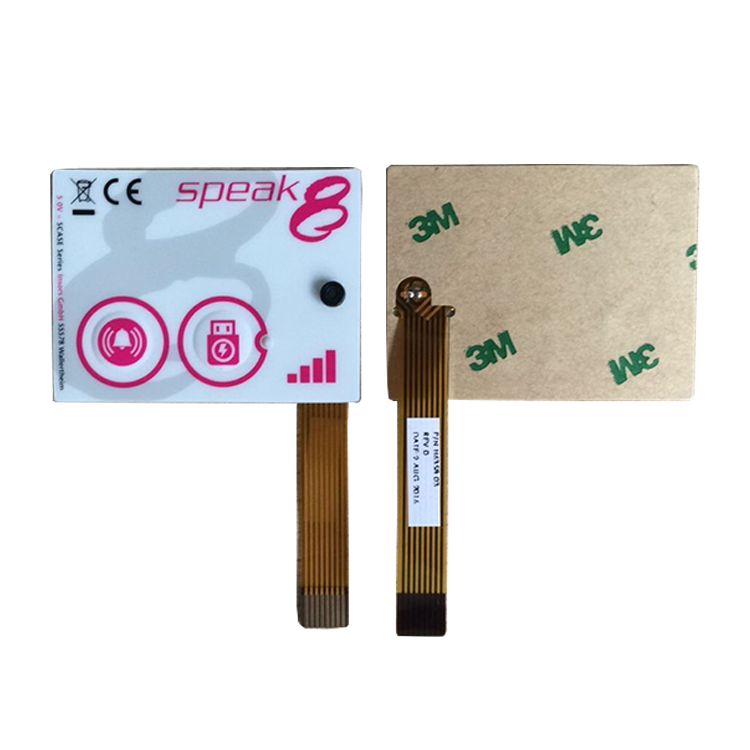
Engineered Polycarbonate & Membrane Interface Assemblies
Explore our top-tier OEM & ODM membrane keypads, customized PC/PET graphic overlays, and capacitive touch switches manufactured under ISO-compliant controlled environments.
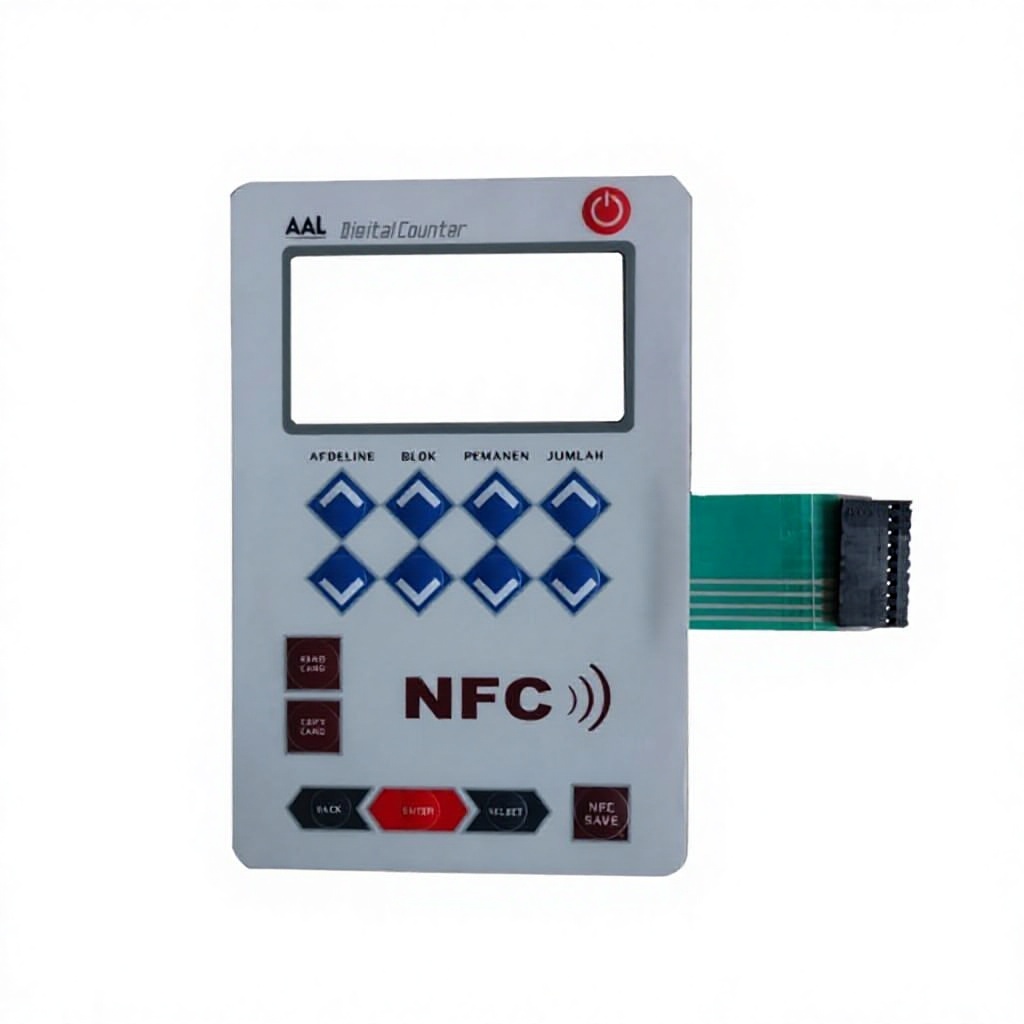
Polyester Dome or Metal Dome Options Rated 1 Million Custom Membrane Switch Instrumentation Keypad
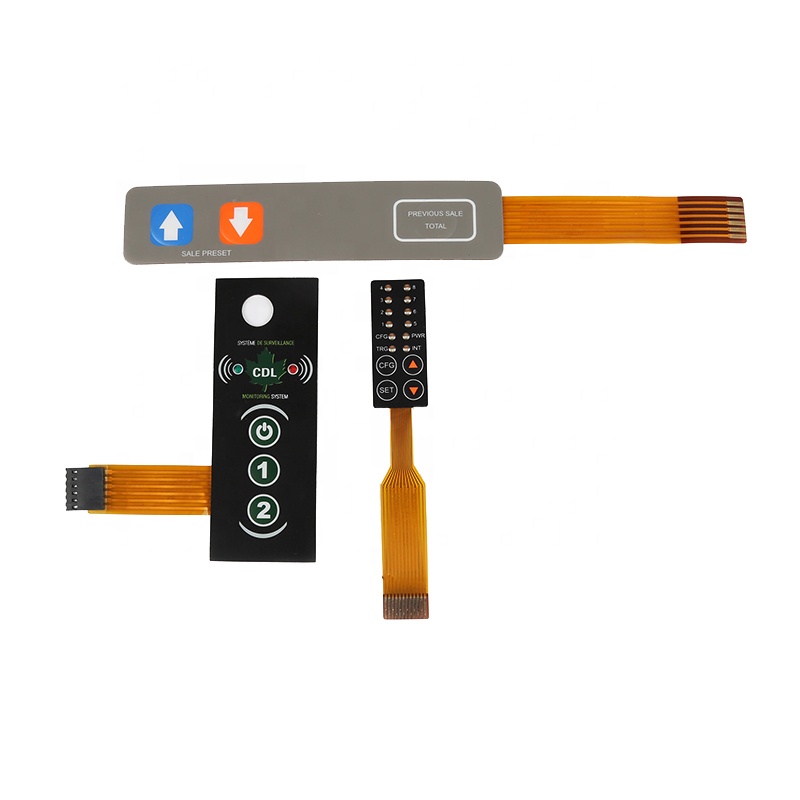
Waterproof Capacitive Touch Membrane Switch with Customizable Color and Texture
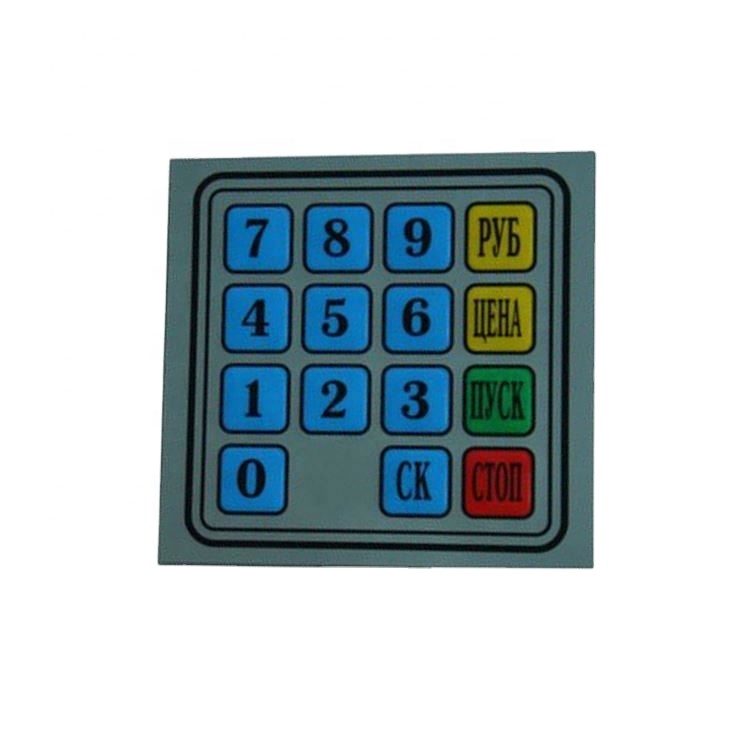
Hoee Factory Membrane Switch Keypad with Rubber Buttons Layout MCU Expansion Keyboard
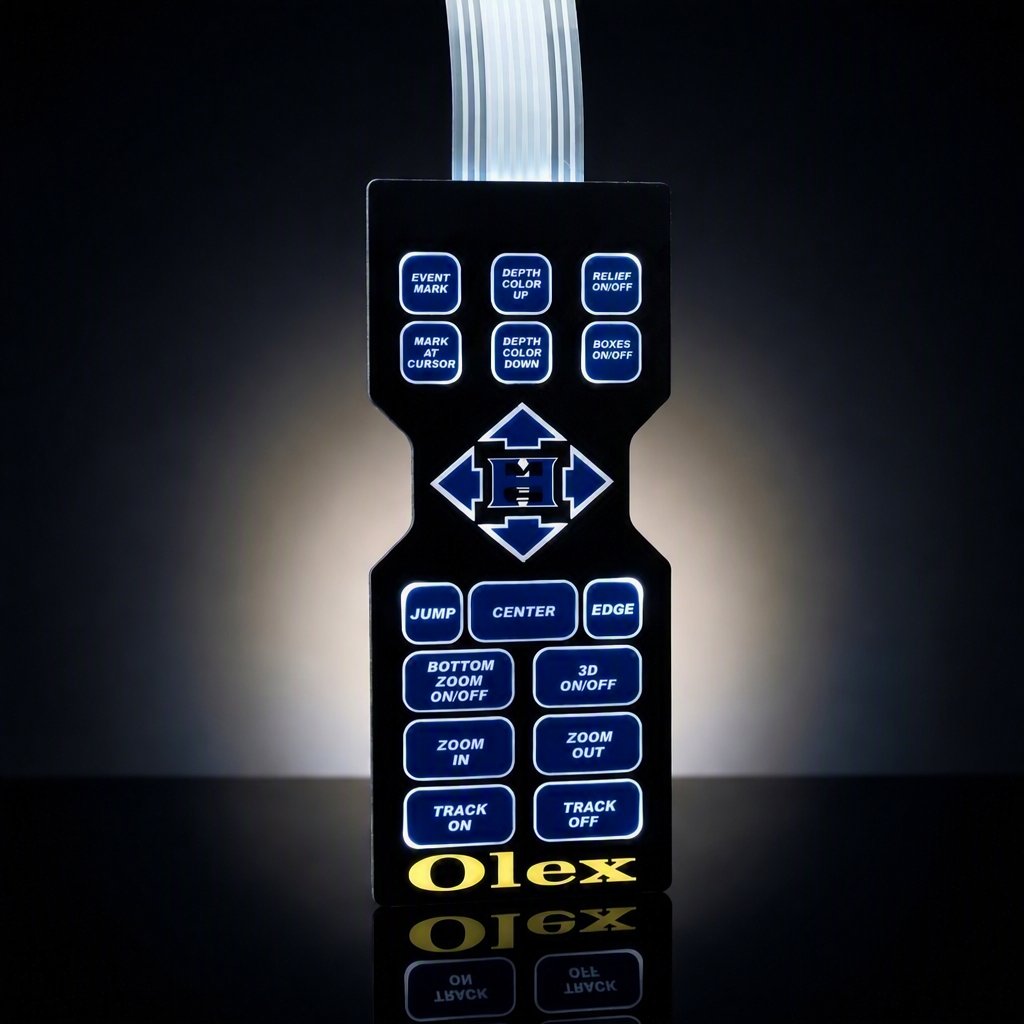
Free Backlight Simulation & Light Guide Design Support Customized Uniform Illumination Keyboard
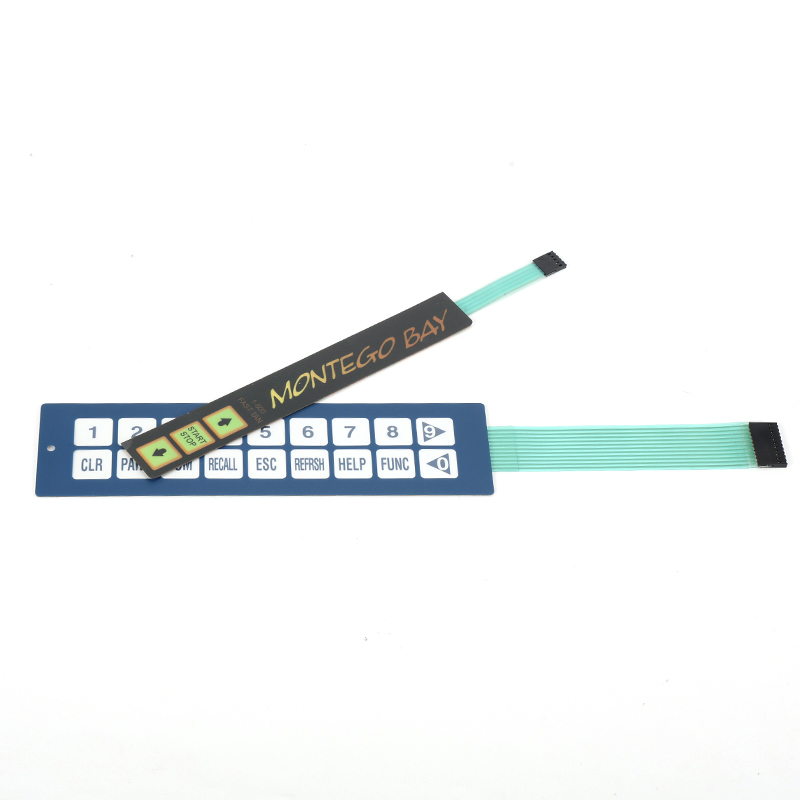
Long-Lasting High Durability Membrane Keypad for Electronic Appliances & Industrial Devices
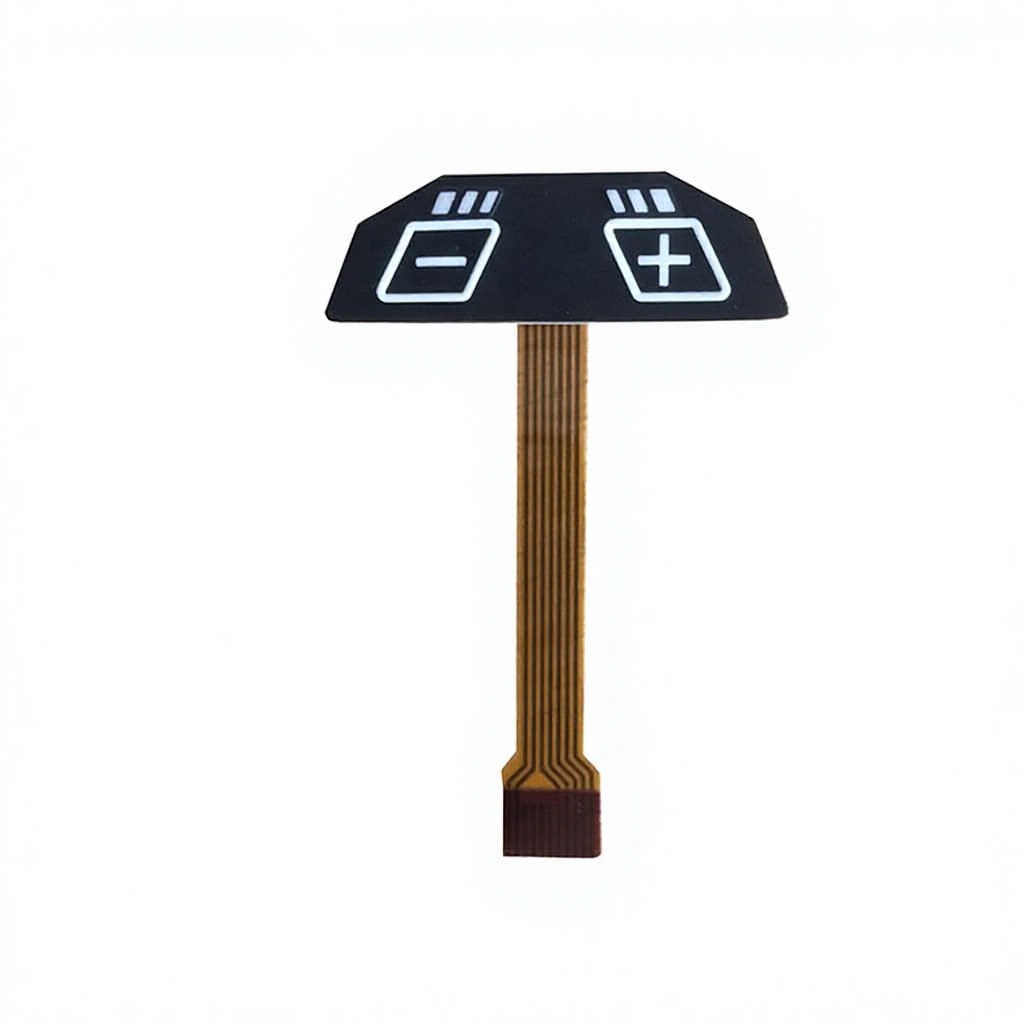
Customized Multi Layer Construction Printed Silver Circuit Graphic Overlay Keypad
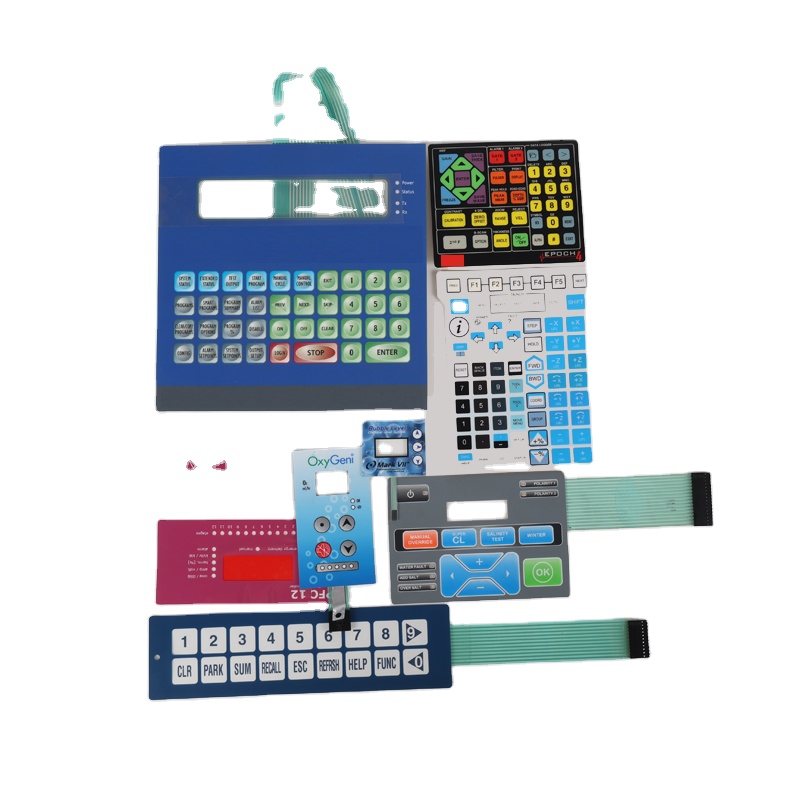
Waterproof Flexible Circuit Membrane Switch for Medical Equipment & Diagnostic Interfaces
Zhejiang ZIRA: Enterprise Engineering Infrastructure
Established in 1996 in Ningbo, Zhejiang, ZIRA has evolved into a premier China manufacturer specializing in human-machine interface (HMI) solutions, custom graphic overlays, and membrane switches.
Fully Integrated Manufacturing
Operates 5 dedicated production lines spanning screen printing, precision die-cutting, embossing, adhesive lamination, and automated optical inspection (AOI). Eliminating sub-contractors guarantees tight quality control and stable lead times.
Tier-1 Global Compliance
Verified on-site by Intertek. Products comply fully with RoHS 3.0, REACH, and ISO quality guidelines. Long-term partner for global industrial giants including ABB and Emerson across North America, Europe, and Asia-Pacific.
Design for Manufacturability (DFM)
Our engineering team provides comprehensive DFM evaluations, offering free artwork color matching (Pantone/RAL), material recommendation matrices, and light guide film simulations to eliminate engineering flaws prior to tooling.
Whitepaper: Material Engineering for Polycarbonate Graphic Overlays
Polycarbonate (PC) graphic overlays serve as the frontmost protective layer and primary visual interface for industrial machinery, medical equipment, automotive dashboards, and high-tier consumer electronics. As an engineering-grade thermoplastic, Polycarbonate—commonly sourced under trade names such as Lexan™ or Makrofol®—offers an unrivaled combination of optical clarity, impact resistance, and mechanical stability across a broad operating temperature envelope.
1. Polycarbonate (PC) vs. Polyester (PET): Material Selection Matrix
Selecting between Polycarbonate and Polyester is a crucial architectural decision in HMI design. While Polyester excels in dynamic flex life (exceeding 1,000,000 switch actuations), Polycarbonate is preferred for structural thickness, clarity, ease of fabrication, and cost-efficiency in static or tactile-dome designs.
| Engineering Property | Polycarbonate (PC / Lexan™) | Polyester (PET / Melinex®) | Sourcing Selection Benchmark |
|---|---|---|---|
| Tensile Strength & Thickness Range | 0.125mm – 0.800mm (High rigidity) | 0.100mm – 0.250mm (Thin, flexible) | PC preferred for heavy panel overlays |
| Flexural Fatigue (Actuation Life) | ~100,000 – 300,000 Cycles | >1,000,000 Cycles | PET superior for flex circuit keys |
| Optical Transparency | 88% – 91% (Superior clarity) | 85% – 88% (Slightly hazy in thicker gauges) | PC ideal for clear display windows |
| Heat Deflection Temperature | 135°C to 145°C | 150°C to 170°C | Both suitable for industrial environments |
| Chemical Resistance | Moderate (Sensitive to aromatic hydrocarbons) | High (Resistant to solvents & harsh cleaners) | PET/Hardcoated PC for medical washdown |
| Die-Cutting & Thermal Embossing | Excellent crisp edges; minimal stress cracking | Requires high heat; memory retention varies | PC optimal for deep pillow embossing |
2. Surface Texturing, Window Coatings & Optical Finish Enhancements
Uncoated polycarbonate is vulnerable to scratching and solvent degradation. Modern manufacturing utilizes selective surface texturing and UV hard-coat technology to optimize touch ergonomics and optical readability:
- Velvet & Matte Textures: Distribute incoming light evenly, preventing glare in outdoor installations while resisting fingerprint smudges and superficial scratches.
- Selective Gloss Display Windows: A transparent glossy varnish is applied over matte overlays directly above LCD/LED displays, restoring 90%+ optical light transmission for clear readout visibility.
- Anti-Glare & Anti-Scratch Hardcoats: Chemical treatments applied to the top surface elevate pencil hardness ratings up to 3H, enabling survival in intense clinical or factory floor washdown environments.
- Dead-Front Display Illumination: Utilizes specialized translucent ink formulations on the secondary printing layer. Icons remain invisible when backlit LEDs are inactive and illuminate brightly when activated.
3. Precision Sub-Surface Printing & Adhesive Systems
To eliminate graphic degradation caused by mechanical abrasion, cleaning agents, and UV light exposure, graphic overlays employ sub-surface (reverse) screen printing. Visual inks are deposited on the reverse side of the transparent polycarbonate sheet, ensuring the tough polymer substrate acts as a continuous shield over the graphics.
Pressure-Sensitive Adhesives (PSA) applied to the rear layer determine long-term bond reliability. Standard engineering specs utilize high-tack acrylic adhesives such as 3M 467MP (for smooth metal and plastic housings) or 3M 468MP (for textured or powder-coated surfaces), guaranteeing environmental sealing against dust, liquids, and atmospheric contaminants up to IP67 standards.
Future Procurement & Industry Architectural Trends
As Human-Machine Interfaces transition toward Industry 4.0 and medical digital transformation, procurement teams must evaluate emerging technology integration trends in panel overlays.
1. Capacitive ITO & Hybrid Touch Integration
Traditional electromechanical switches are increasingly replaced by seamless, non-tactile capacitive touch PC overlays. Integrated Indium Tin Oxide (ITO) or silver nanowire printed circuits allow glass-like capacitive touch performance behind a rugged 0.5mm textured polycarbonate front sheet.
2. Ultra-Thin Light Guide Film (LGF) Illumination
Replacing bulky point-source LEDs with LGF backlighting technology ensures perfectly uniform light dispersion across complex icons and brand logos. LGF layers maintain a slim assembly profile (<1.5mm total stack-up) while reducing thermal dissipation and power consumption.
3. Antimicrobial & Chemical-Resistant Coatings
Driven by clinical hygiene protocols, medical procurement requires graphic overlays infused with silver-ion antimicrobial agents. These permanent surface coatings continuously inhibit bacterial growth while enduring harsh hospital disinfectants like Isopropyl Alcohol, Bleach, and Hydrogen Peroxide.
10-Step Precision Manufacturing & Quality Control Protocol
From raw polycarbonate sheet qualification to 100% automated electrical testing, ZIRA enforces stringent quality gates at every stage of production.
01
Material IQC
Incoming inspection of GE Lexan™ PC sheets, 3M adhesives, and conductive inks.
02
Precision Screen Printing
Sub-surface printing of Pantone/RAL colors using automated cleanroom printers.
03
Thermal Ink Curing
Controlled tunnel ovens solidify ink pigments, eliminating solvent outgassing.
04
Selective Texturing
Application of UV-cured textures for clear display windows or matte surfaces.
05
Registration Punching
Optical alignment punching creates pin registration holes for layer assembly.
06
Key Embossing
Male/female steel rule dies form tactile rims, pillow buttons, or custom domes.
07
Metal Dome Placement
Automated pick-and-place positioning of stainless steel tactile domes.
08
Adhesive Lamination
Bubble-free precision roll lamination of 3M pressure-sensitive adhesives.
09
Precision Die-Cutting
Laser cut or steel-rule die outline cutting maintaining ±0.1mm tight tolerance.
10
100% OQC Testing
Optical visual checks and electrical continuity/insulation test before packing.
Frequently Asked Engineering Sourcing Questions (FAQ)
Answers to essential technical and procurement questions for sourcing polycarbonate graphic overlays and membrane keypads from China.
What is the standard Minimum Order Quantity (MOQ) and sample lead time?
For prototype verification and design validation, ZIRA supports low MOQ starting from 1 piece to 10 pieces. Standard rapid prototype lead time is 3 to 5 working days. Mass production batch orders typically range from 100 to 1,000 units with a turnaround of 10 to 14 working days depending on tooling complexity.
What engineering files are required to receive a formal quotation?
To provide an accurate technical quote and DFM feedback, please supply: 1) Vector artwork files (Adobe Illustrator .AI, CorelDraw .CDR, or vector .PDF) specifying Pantone or RAL color codes; 2) Mechanical drawing with dimensions and tolerances (.DXF or .DWG); 3) Circuit schematic or pinout definition (if incorporating membrane switch circuits); 4) Desired substrate thickness, texturing finish, and 3M adhesive model.
How do you ensure accurate color consistency across production batches?
We utilize X-Rite spectrophotometers and standardized light booths (D65/TL84) to quantify color delta values (ΔE < 1.0). Color matching follows international Pantone Matching System (PMS) and RAL color standards. Screen printing inks are mixed in environmental chambers under strict viscosity monitoring.
What embossing height rules should be observed for Polycarbonate keys?
As a standard rule of thumb, the maximum recommended embossing height for polycarbonate is 1.5 to 2.5 times the material thickness. For example, a 0.25mm PC sheet supports a maximum key embossing height of ~0.4mm to 0.6mm without causing micro-fissures or stress-whitening along the perimeter.
How does ZIRA protect graphic overlays against harsh outdoor UV degradation?
For severe outdoor installations, we recommend UV-stabilized Polycarbonate grades (such as Lexan HP92W) or UV-resistant hard-coat finishes. Alternatively, sub-surface printing using high-lightfastness inorganic UV inks prevents graphic fading, yellowing, and embrittlement caused by prolonged sunlight exposure.
Request a Fast Engineering DFM Review & Quote
Partner directly with Zhejiang ZIRA Membrane Switch Co., Ltd.—your trusted China OEM manufacturer for high-reliability Polycarbonate Graphic Overlays, Silicone Keypads, and Membrane Switches.
