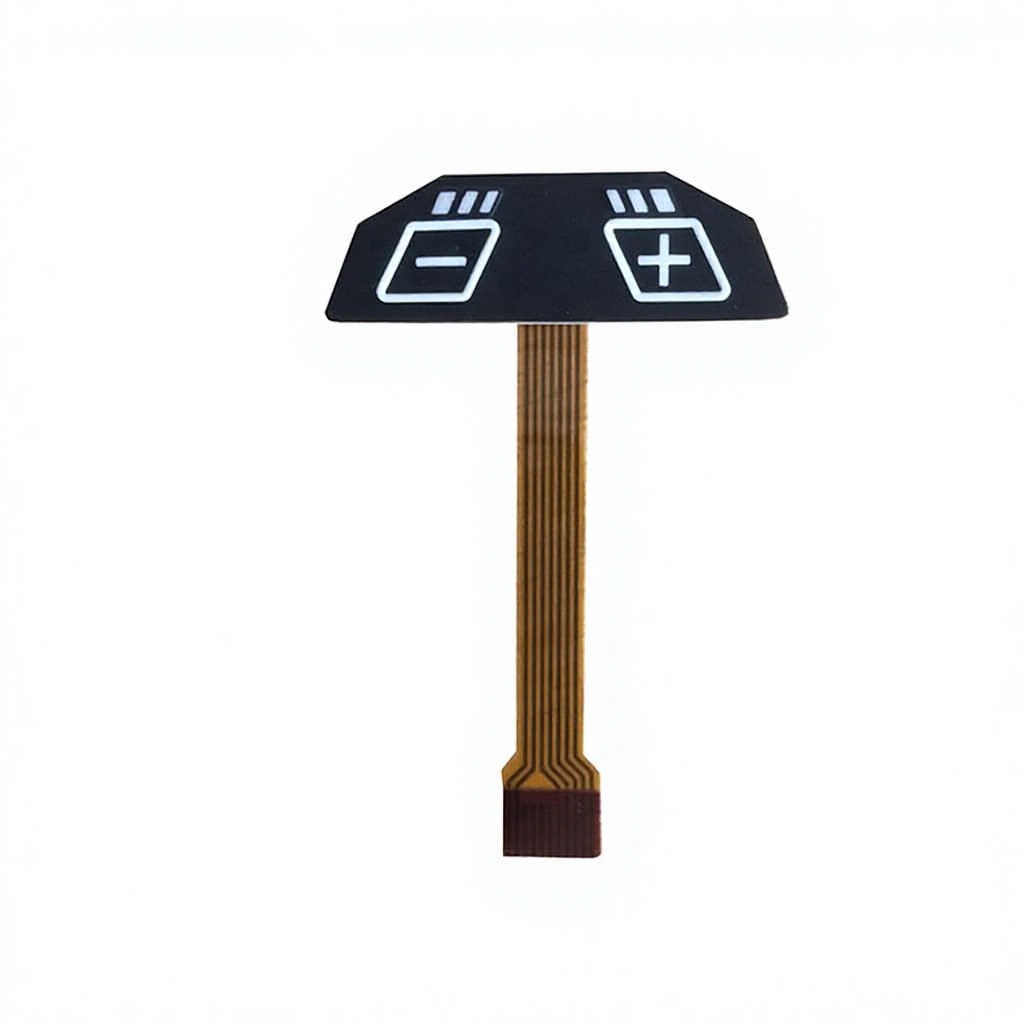
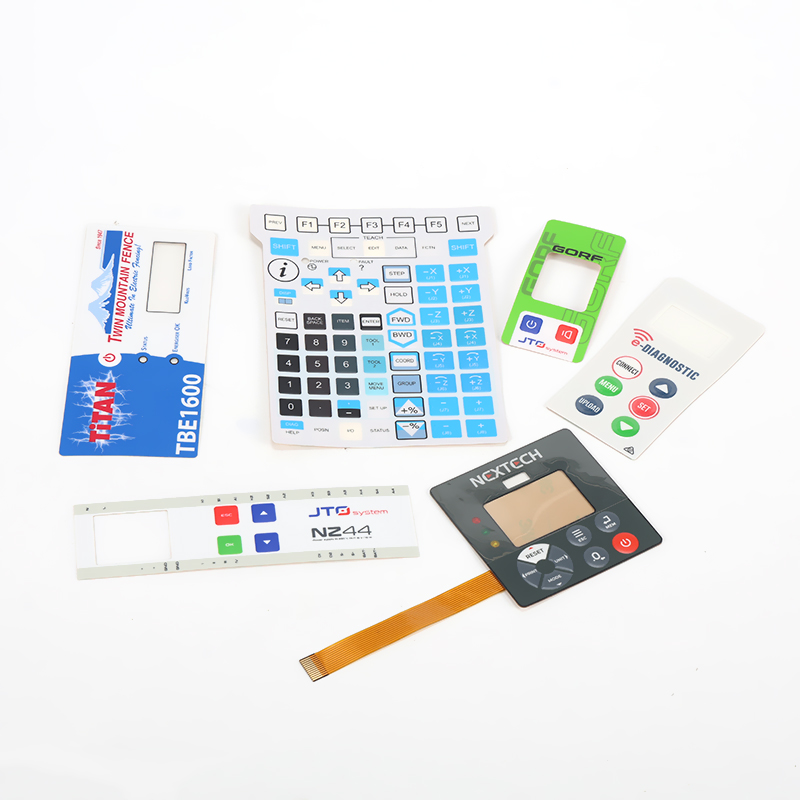
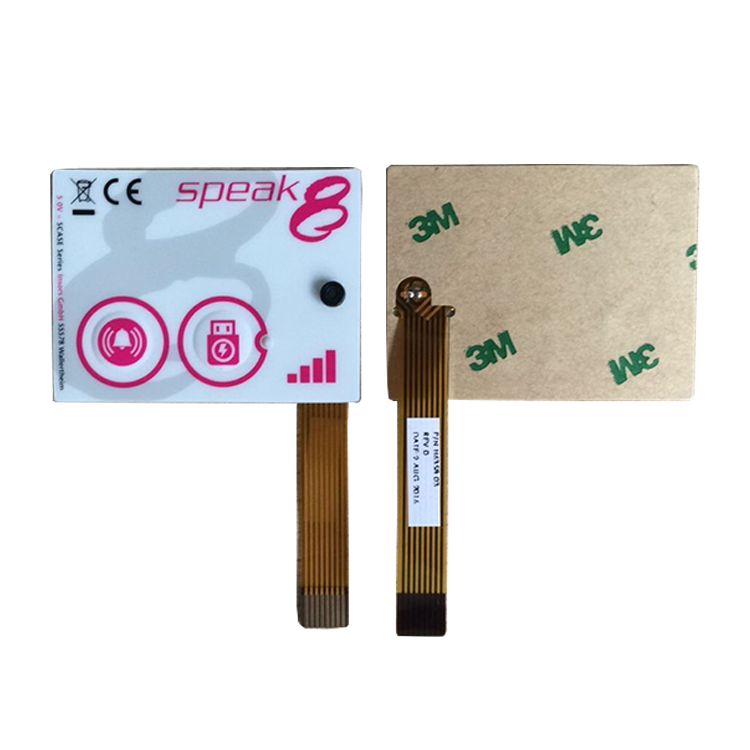
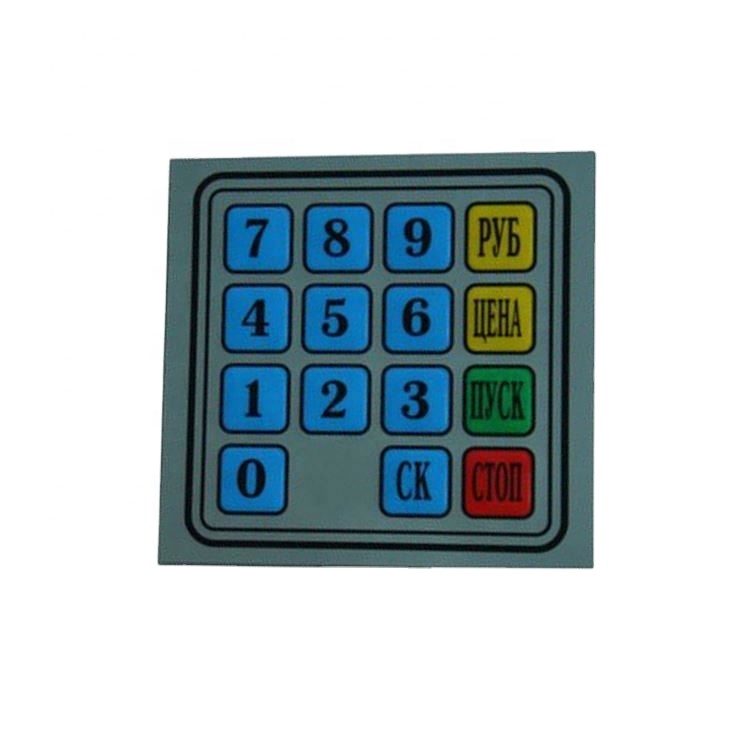
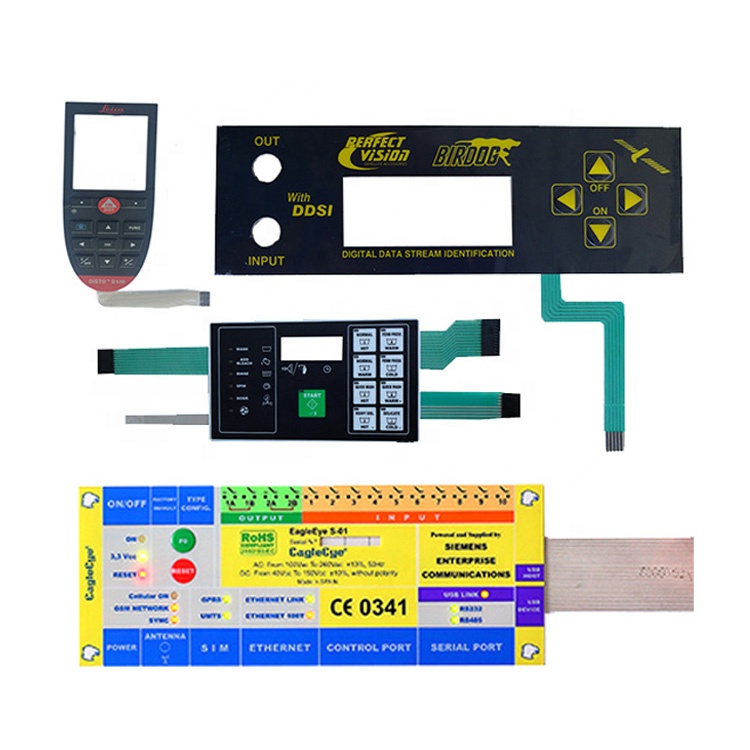
Customized Multi-Layer Printed Silver Circuit Membrane Keypad
• Circuitry: Screen Printed Silver Ink
• Tactile Force: 250g - 450g Metal Dome
• Rating: IP65 Rated Overlay Seal
Explore high-reliability tactile interface solutions built strictly to custom dimensional schematics, utilizing automotive-grade PET, stainless steel metal domes, and advanced polymer thick film inks.
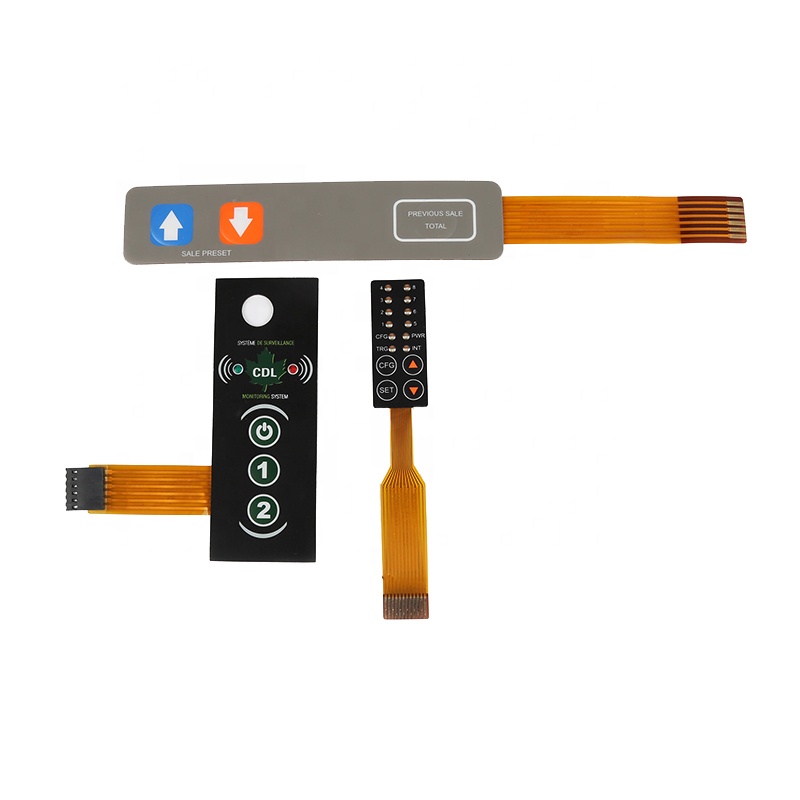
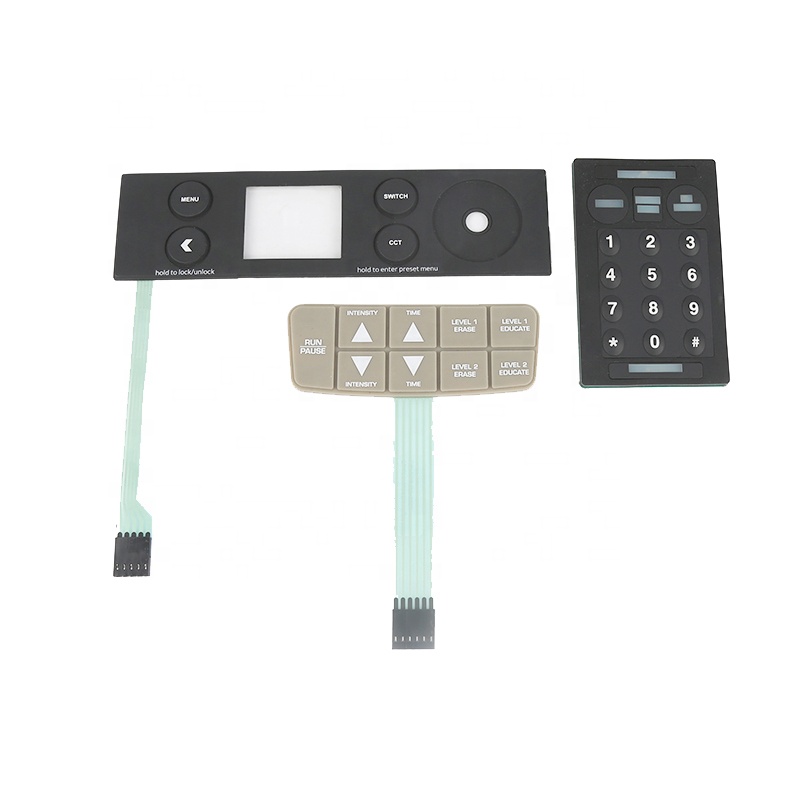
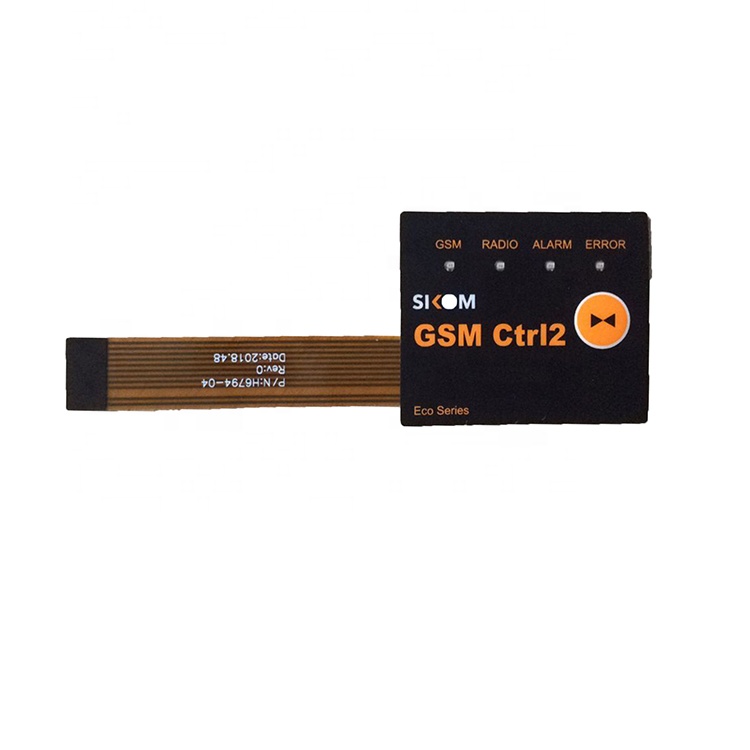
Years Precision HMI Experience (Est. 1996)
State-of-the-Art Production Facility
Complete Electrical Continuity Testing
Optimized Trace Resistance Precision
Headquartered in Ningbo, Zhejiang, ZIRA provides end-to-end design, tooling, screen printing, embossing, and automated quality verification under strict CE, RoHS, and ISO standards.

Our tactile membrane switches fulfill European conformity directives for electromagnetic compatibility (EMC) and hazardous substance restrictions. Low dielectric migration inks and halogen-free adhesives ensure seamless integration into medical and industrial control panels.
From initial gerber review and circuit track layout to custom dome snap ratio tuning, our senior engineering team prevents common production pitfalls like silver migration, pinhole short-circuiting, and switch bounce failure prior to hard tooling fabrication.
Every switch batch undergoes computer-controlled electrical analysis: contact resistance (<100Ω standard, <1Ω on FPC), open/short inspection, dielectric breakdown testing (>500VDC), and mechanical actuation curve validation to guarantee zero defective PPM rates.
Understanding shifting procurement dynamics enables engineering directors and supply chain managers to lower Total Cost of Ownership (TCO) while securing robust, CE-certified electronic interfaces.
Global procurement teams increasingly require direct on-site verification (such as Intertek certifications) and clear trace audits for multi-layer films. Strategic buyers bypass trading layers to lock factory pricing and secure custom tooling accountability directly in ISO-certified plants.
Procurement specifications are pivoting toward hybrid stack-ups—combining tactile membrane front overlays with rigid FR4 backbones or copper-etched Polyimide FPC tails. This simplifies final enclosure assembly, reducing downstream labor costs by over 30%.
With accelerated agile R&D cycles in the medical device and automation fields, OEM clients require 1-to-5 piece functional prototyping within 5-7 working days before committing to volume hard-tooling runs.
Driven by strict hospital disinfection standards and industrial wash-down setups (IP67/NEMA 4X), specifications prioritize specialized UV-cured textured hardcoats capable of withstanding isopropyl alcohol, bleach, and petrochemical solvents.
Modern HMI development merges mechanical feedback with smart illumination, backlighting innovations, and capacitive micro-sensing.
| Evaluation Parameter | Silver Flex Printed Membrane | Copper Flex Circuit (FPC) | Capacitive Touch / Hybrid |
|---|---|---|---|
| Trace Resistance | Typically < 100 Ω (layout dependent) | Ultra-Low (< 1 Ω / trace) | Variable (< 50 Ω via ITO / PEDOT) |
| Tactile Feedback Ratio | High Snap (Metal/Poly Domes, 40-60%) | Superior Snap & Repeatability | Solid-State (Haptic Motor Required) |
| Component Density (SMT) | Limited (Conductive Epoxy bonding) | High (Standard Solder Reflow) | Moderate to High (Microcontrollers) |
| Moisture Ingress Protection | IP65 - IP67 (Full Perimeter Gasket) | IP67 - IP68 Hermetic Hermaphroditic | IP68 / IP69K Smooth Sealed Surface |
| Tooling & Setup Capital | Economical (Silk screens & steel dies) | Moderate (Photolithography masks) | Moderate to High (Firmware + Tooling) |
Traditional bulky EL lamps and spot LEDs are giving way to ultra-thin Light Guide Films (LGF). By using side-firing LEDs paired with precision micro-dot reflection patterns, LGF achieves perfectly uniform icon luminance with minimal battery draw and zero EMI emission.
To eliminate switch bounce and sustain actuation fidelity over 5,000,000 operations, switches utilize gold- or nickel-plated four-leg metal domes. This provides crisp, unambiguous tactile confirmation even when operators wear heavy industrial gloves.
The integration of micro-encapsulated antimicrobial agents directly into polyester overlay matrices prevents bacterial colonization on cleanroom medical monitors and laboratory diagnostic equipment without degrading clarity or print fidelity.
Direct technical answers addressing circuit design, mechanical life testing, certification criteria, and production lead times.
While a basic passive membrane switch is categorized as a low-voltage passive component, CE compliance applies when integrating active electronic elements—such as surface-mount LEDs, resistors, photodiodes, or integrated capacitive controller ICs—governed under the Low Voltage Directive (LVD 2014/35/EU) and Electromagnetic Compatibility Directive (EMC 2014/30/EU). Our factory manufactures according to RoHS/REACH environmental compliance standards to ensure your completed panel passes CE end-product auditing without regulatory delay.
Silver flex circuits utilize screen-printed conductive polymer silver inks on polyester (PET) films. They are highly economical, lightweight, and ideal for standard low-current logic circuitry. Copper FPC switches utilize etched copper foils on Kapton/Polyimide substrates, delivering trace resistances under 1Ω, support for tight-pitch micro-SMT component soldering, and superior durability in extreme vibration or flex fatigue settings.
Silver migration occurs when moisture bridges biased silver conductors over time. ZIRA eliminates this risk by engineering complete perimeter adhesive gaskets that seal the switch cavity from outside humidity, specifying carbon overcoat barriers across all printed silver tracks, maintaining minimum spacing rules between high-potential traces, or transitioning the circuit layer to etched copper FPC for critical outdoor/marine deployments.
To deliver an engineering DFM feedback report and pricing within 24 hours, provide: vector graphics for overlay artwork (AI, CDR, or PDF), mechanical 2D/3D outlines with dimensions and key travel tolerances (DXF, DWG, STEP), an electrical schematic indicating trace pinouts and tail connector types, desired tactile actuation forces (typically 280g - 420g), operating temperature ranges, and any specific adhesive callouts (e.g., 3M 467MP, 468MP, or 3M VHB).
Tactile snap feel is governed by the snap ratio formula: [(Actuation Force - Contact Force) / Actuation Force] * 100. Using automated mechanical test fixtures, our QA engineers profile force-displacement curves for each key. We achieve crisp, positive feedback using stainless steel domes (elliptical, four-leg, or round) matched with custom precision-embossed rim or pillow overlay reliefs.
Functional engineering prototypes are typically fabricated, electrically tested, and air-shipped within 5 to 7 working days following mechanical drawing sign-off. Standard production runs take 2 to 3 weeks depending on tooling complexity and raw film availability. Expedited prototyping tracks are available for critical R&D launch windows.
