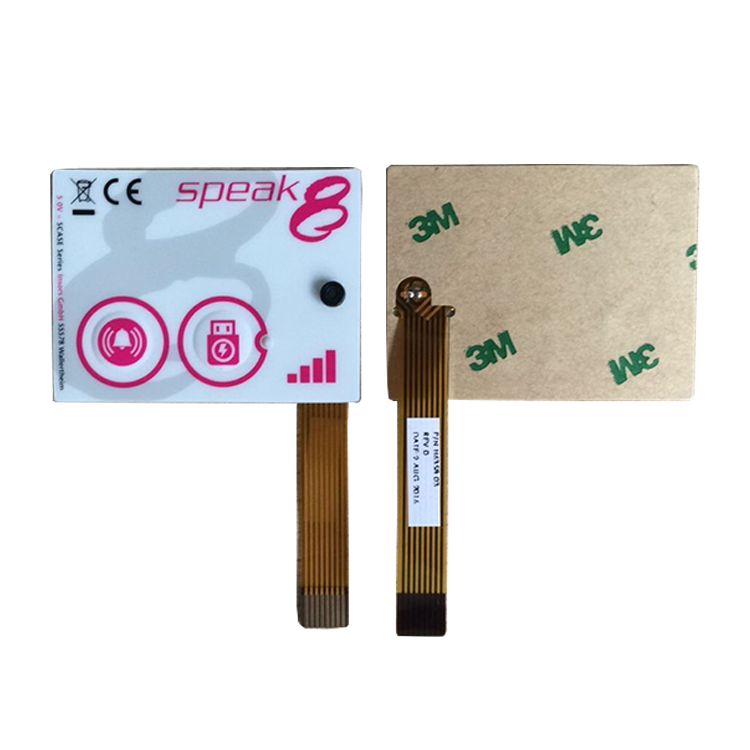
Custom Silk Screen Printing Membrane Switch Flexible Thin Film Keypad Push Button Switch for Household and Medical Equipment
View Product Specs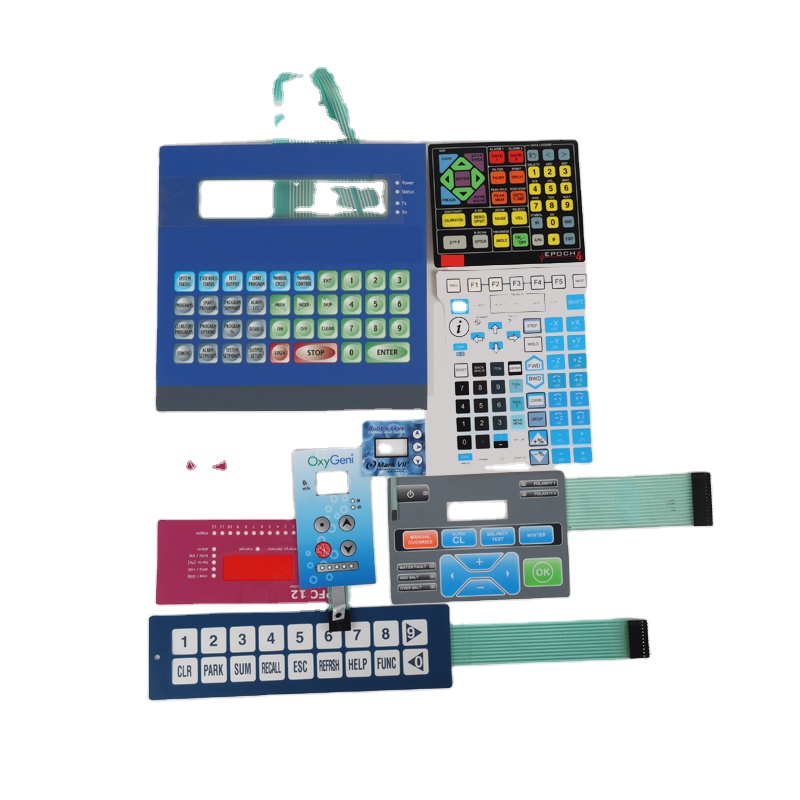
Custom Membrane Switch Medical Device Keypad Durable Medical Grade Polyester PET Compliant RoHS REACH 3M Adhesive Backing 2.54mm
View Product Specs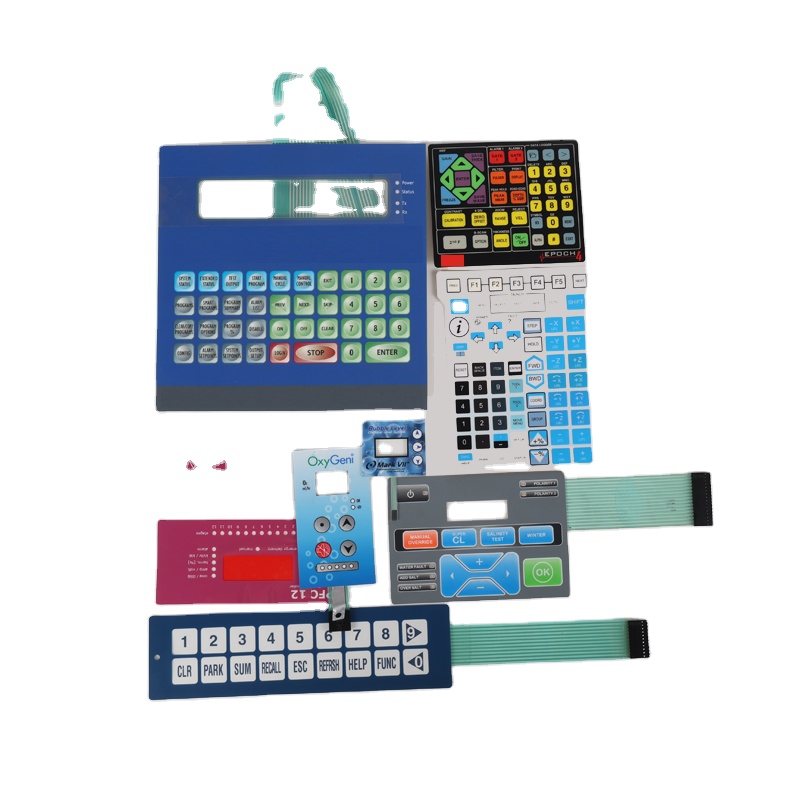
Waterproof Flexible Circuit Membrane Switch for Medical Equipment Membrane Switch
View Product Specs
RoHS REACH Compliant UL94V0 Optional ISO 9001 2015 Certified Waterproof IP67 Tactile Membrane Keyboard
View Product Specs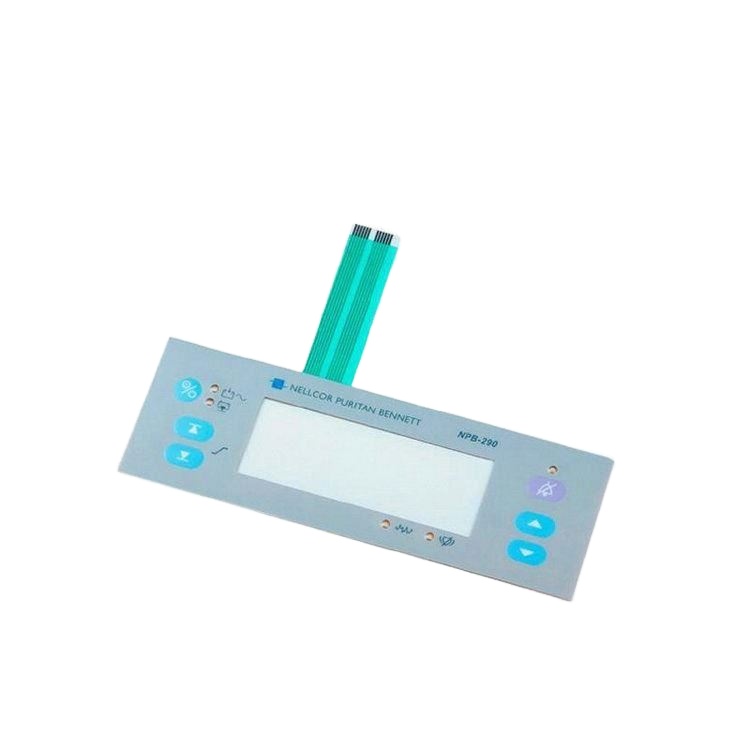
China Manufacturer Custom Membrane Push Button Switch, Flexible Membrane Keypad Switch OEM ODM Sample Available
View Product Specs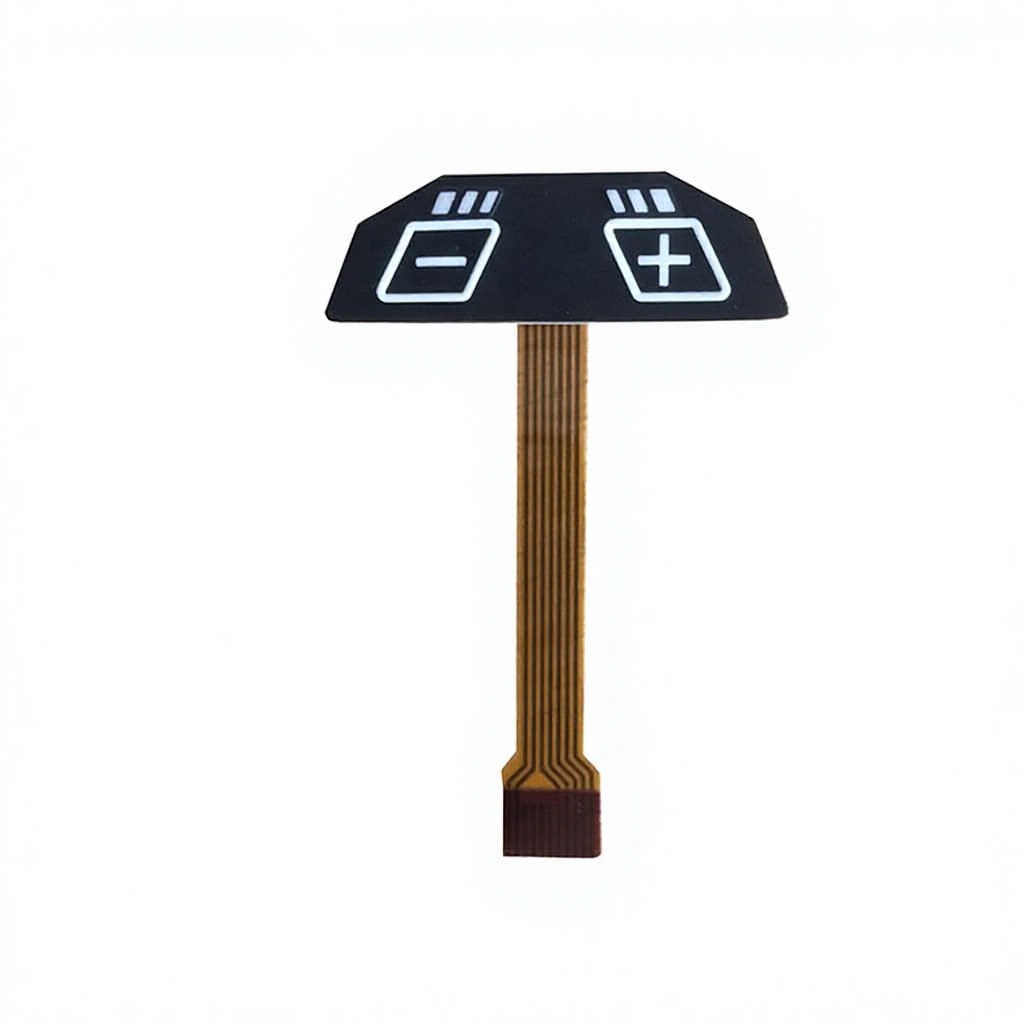
Customized Multi Layer Construction Printed Silver Circuit OEM ODM Wholesale Graphic Overlay Membrane Keypad
View Product Specs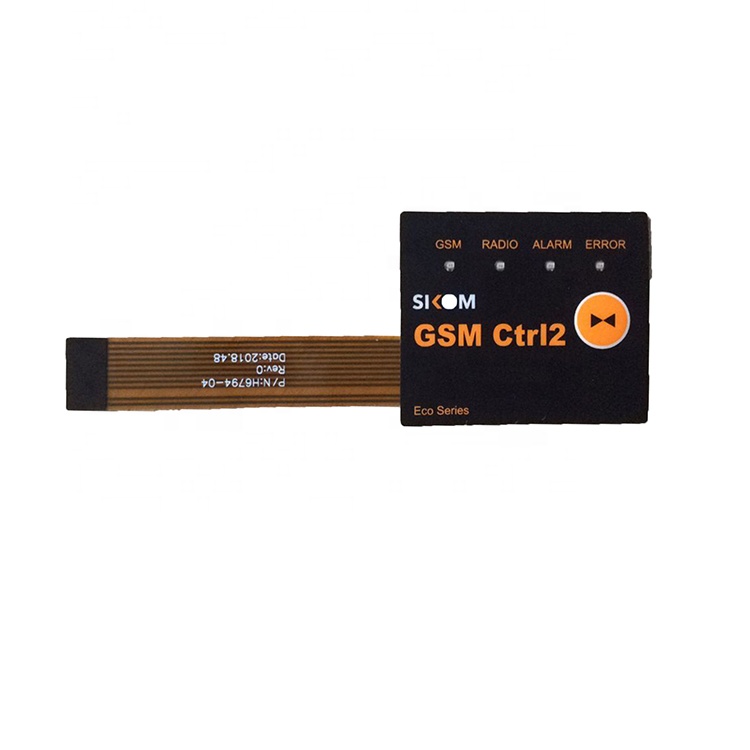
RoHS Compliant Industrial Membrane Push Button Switch Custom Tactile Membrane Keypad Switch for Medical Instrument Control Panel
View Product Specs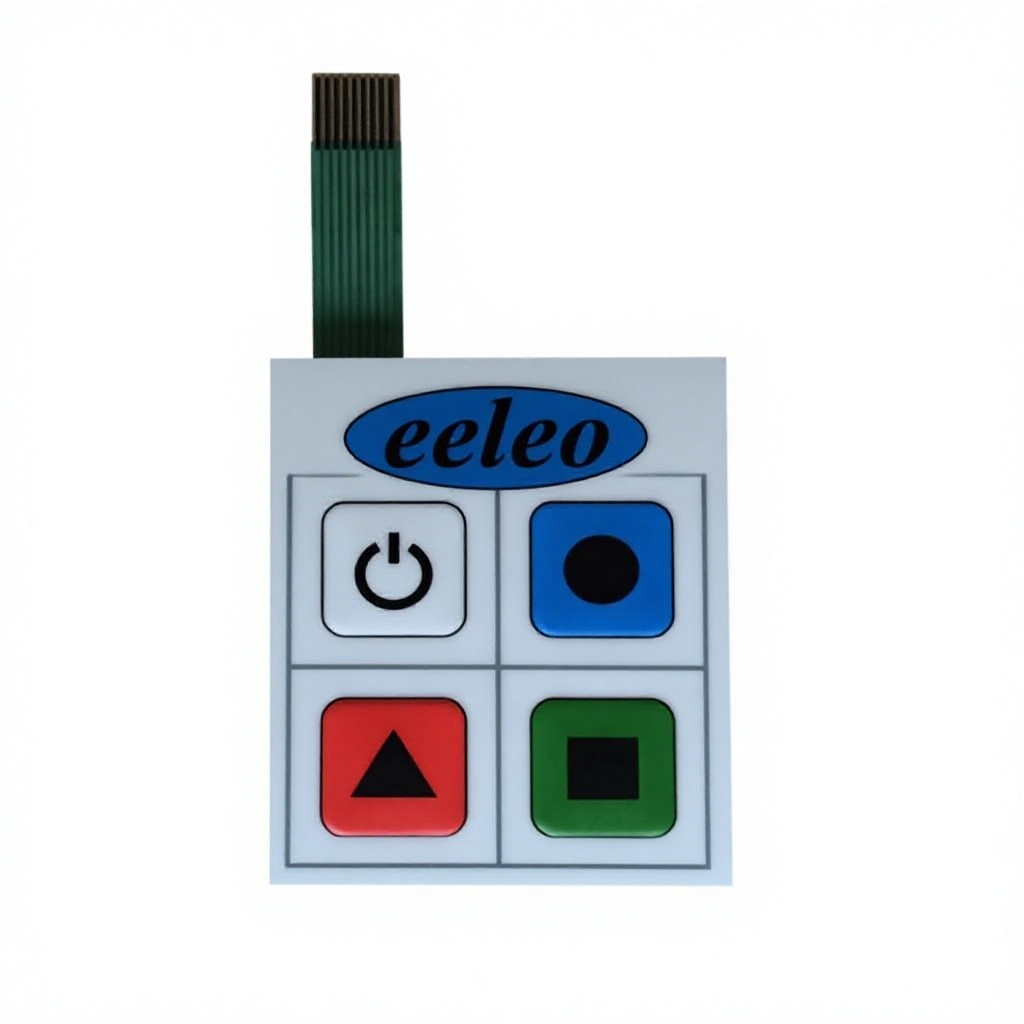
Wholesale OEM ODM Membrane Switch Home Appliance Control Panel Custom Graphic Overlay Polyester PET RoHS Custom Design
View Product SpecsExecutive Technical White Paper: Modern LGF Membrane Switch Engineering
In industrial control, medical diagnostic instrumentation, aerospace controls, and high-end consumer appliances, the demand for compact, highly reliable, and visually distinctive control interfaces has accelerated the transition from legacy backlighting methods to Light Guide Film (LGF) technology. As an established OEM/ODM pioneer manufacturing in Zhejiang, China since 1996, Zhejiang ZIRA Membrane Switch Co., Ltd. integrates advanced optical refractive principles directly into multi-layer flexible print structures.
Traditional backlighting methodologies—such as Electroluminescent (EL) lamps, Fiber Optics, and discrete matrix LEDs—present structural liabilities in demanding applications. EL lamps suffer from severe half-life degradation (often failing under 3,000 operational hours) and generate high-frequency inverter noise that disrupts sensitive medical sensors. Fiber optic arrays introduce mechanical rigidity, increasing assembly height and production unit costs. Direct LED arrays produce uneven lighting gradient "hotspots," thermal accumulation, and increased current draw.
LGF technology solves these engineering trade-offs. By placing low-power SMD LEDs at the perimeter of a specially molded optical film (ranging from 0.125mm to 0.5mm in thickness), light enters through polished edge-coupling facets. Micro-stamped or laser-etched optical extraction dots disrupt internal total reflection, bending light rays 90 degrees outward through translucent key icons or graphic windows. This yields an exceptionally uniform surface luminance exceeding 85% light distribution consistency across complex panel geometry.
Optical Micro-Dot Matrix
Precision-calculated dot density gradients counteract distance-based attenuation. Dots closer to the LED light source are smaller and spaced farther apart, while distant dots are larger and denser, guaranteeing total luminance equilibrium across the keypad layout.
CE & Environmental Shielding
Fully compliant with European CE Directives, RoHS 2.0 (2011/65/EU), and REACH (EC 1907/2006). Optional printed ITO (Indium Tin Oxide) or printed selective silver/carbon grid layers provide 100% ESD shielding against static discharge up to 15kV.
Hermetic Ingress Protection
Constructed with closed-cell 3M VHB acrylic foam or specialty silicone perimeter gaskets, achieving IP67 and IP68 immersion ratings. Designed to withstand aggressive hospital sterilizers, chemical washdowns, and outdoor industrial exposure.
Comparative Analysis: LGF vs. Legacy HMI Backlighting Technologies
| Performance Benchmark | LGF (Light Guide Film) | Electroluminescent (EL) | Fiber Optic Array | Direct Matrix LED |
|---|---|---|---|---|
| Total Stack-Up Height | Ultra-Thin (0.125mm - 0.4mm) | Thin (0.3mm - 0.5mm) | Moderate (0.8mm - 1.2mm) | Thick (2.0mm - 5.0mm) |
| Luminance Uniformity | High (> 85%) | Very High (> 90%) | Moderate (70% - 80%) | Low (Hotspots typical) |
| Operational Lifetime | > 50,000 Hours (LED Limited) | Short (3,000 - 5,000 Hours) | > 50,000 Hours | > 50,000 Hours |
| EMI / RFI Generation | Zero Interference (DC Driven) | High Inverter EMI Noise | Zero Interference | Zero Interference |
| Power Consumption | Low (1-4 Edge LEDs) | High AC Inverter Voltage | Moderate | High (1 LED per key) |
| Tactile Dome Compatibility | Seamless (Metal/Poly Dome) | Restricted Actuation | Dampened Snap Feeling | Requires Key Cavity Space |
Global Procurement Trends & Supply Chain Intelligence (2025–2030)
The procurement of custom user interface panels is experiencing a fundamental structural shift driven by modern electronics trends: mini-circuits, zero-power human interaction, ultra-sanitary interfaces, and stringent European environmental directives. Global original equipment manufacturers (OEMs) are updating supplier audit criteria to prioritize advanced manufacturing capabilities.
1. Hybrid Capacitive-Tactile Integration
Procurement heads are increasingly moving away from pure mechanical contacts toward hybrid interfaces that pair metal domes with capacitive touch ITO films. LGF backlighting provides boundary lighting for proximity sensors, allowing keypads to light up automatically when a user's hand approaches.
2. Stringent Chemical & Bio-Barrier Demands
Post-pandemic healthcare standards demand graphic overlays engineered with textured Autotype MacDermid PET substrates treated with anti-microbial silver-ion surface coatings. Materials must withstand continuous disinfection using isopropyl alcohol, bleach solutions, and quaternary ammonium compounds without yellowing or delamination.
3. High-Density Flexible Printed Circuits (FPC)
While screen-printed silver ink on PET remains the cost leader for simple matrices, high-reliability military and medical buyers are shifting to polyimide Flexible Printed Circuits (FPC) or CEM-1/FR4 PCB backings. FPCs accommodate micro-pitch pitch connectors (0.5mm ZIF) and SMD component integration directly onto the switch tail.
Product Development Trends: Breakthroughs in LGF Engineering
Engineering developments in custom membrane switches focus on maximizing optical efficiency, improving tactile responsiveness, and guaranteeing physical durability under severe operational stress. Key developments implemented at our Zhejiang manufacturing facility include:
Laser-Engineered Micro-Refractive Couplers
By utilizing ultra-short pulse femtosecond lasers, we engrave 3D refractive couplers directly into the optical film entry port. This reduces light scattering at the LED junction, raising light injection efficiency into the film matrix by up to 28%.
Stainless Steel Metal Dome Integration
To deliver clean tactile feedback, stainless steel tactile metal domes (four-leg, round, or triangle configurations with actuation forces ranging from 180g to 500g) are installed above or below the LGF layer without dampening key feel or lowering switch actuation life (rated for over 1,000,000 operations).
Selective Color Masking & Light Leakage Suppression
Using multi-pass opaque black barrier inks screen-printed around key perimeters, light leakage between adjacent status icons is completely eliminated. This enables multi-color status displays (e.g., Red Error, Green Operational) on a single keypad without light bleeding.
Advanced 3M Structural Adhesive Lamination
Applying high-shear 3M 200MP (3M 467MP/468MP) or 3M 300LSE acrylic adhesives prevents edge lifting on low surface energy plastics (polypropylene, powder-coated metals), ensuring stable bonding across working temperatures from -40°C to +85°C.
Enterprise Manufacturing Excellence: Why Partner with ZIRA
Founded in 1996 in the Changhe Industrial Park, Ningbo, Zhejiang, Zhejiang ZIRA Membrane Switch Co., Ltd. operates over 3,000 to 5,000 square meters of specialized cleanroom production facilities. As an Intertek onsite-verified supplier and long-term production partner for Fortune 500 industrial conglomerates including ABB and Emerson, ZIRA provides high-level engineering and total process accountability.
In-House Manufacturing
Equipped with 5 dedicated production lines spanning automatic precision screen printing, dust-free drying tunnels, CNC die-cutting, automated embossing, and SMT LED placement, keeping production costs stable and quality consistent.
100% Electrical Inspection
Every circuit assembly undergoes 100% automated electrical testing using custom-programmed test fixtures. We measure loop resistance, contact bounce, insulation resistance (over 100MΩ at 100V DC), and LED forward voltage drop before shipment.
Global Trade Flexibility
With up to 50% of production exported worldwide, ZIRA supports flexible OEM/ODM terms including FOB, CIF, EXW, CIP, DDP, and DDU. We support small batch prototyping from 1 piece up to multi-million unit volume runs with verified ISO 9001 quality controls.
Procurement & Engineering FAQ
Request Your Custom LGF Membrane Switch Quote Today
Connect with our senior engineering team to review your drawings, request material samples, or optimize your human-machine interface design for CE compliance and low-cost production.
Get a Quote